4-Hour Charter Fishing Boynton Beach
Captain John knows these waters like the back of his hand, and he's ready to put you on some serious fish. This 4-hour charter out of Boynton Beach targets the big guns - mahi mahi, sailfish, wahoo, and kingfish. You'll be fishing the productive waters off West Palm Beach where the Gulf Stream edges closer to shore, creating the perfect conditions for pelagic species. With room for up to 6 anglers, this trip gives you plenty of elbow room to work your lines and fight fish without feeling crowded.
What to Expect on the Water
You'll meet Captain John at the dock early morning when the fish are most active and the Florida sun isn't beating down yet. The boat is rigged and ready with quality tackle, outriggers, and all the gear you need to tangle with these offshore fighters. Captain John runs a clean operation - his boat is well-maintained and equipped with the latest fish-finding electronics to locate bait schools and structure. The warm Florida waters make this trip comfortable year-round, though you'll want to bring sunscreen and a hat. Most days you'll be working the edge of the Gulf Stream where the color changes from green inshore water to that deep blue offshore water where the big fish live.
Trolling Tactics & Gear Setup
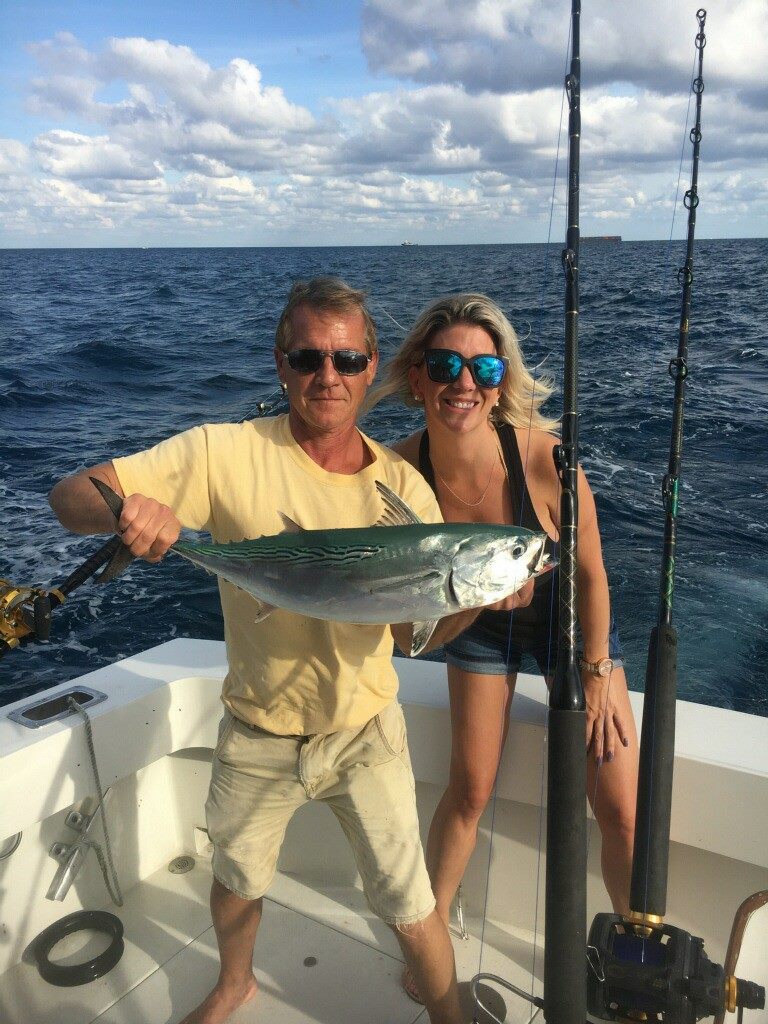
This is primarily a trolling operation, which means you'll be covering water and presenting multiple baits to find active fish. Captain John sets up a spread of lures and rigged ballyhoo that mimics the baitfish these predators feed on. The outriggers keep your lines spread wide, and when something hits, you'll know it. Rod holders do most of the work until a fish strikes, then it's game on. The boat carries a variety of tackle from medium-heavy spinning gear for smaller kings and mahi to heavy conventional setups for sailfish and wahoo. Circle hooks are standard for live bait fishing, and Captain John will walk you through proper fighting techniques if you hook into something substantial. The key is letting the drag work and keeping steady pressure - these fish are built for speed and endurance.
Target Species
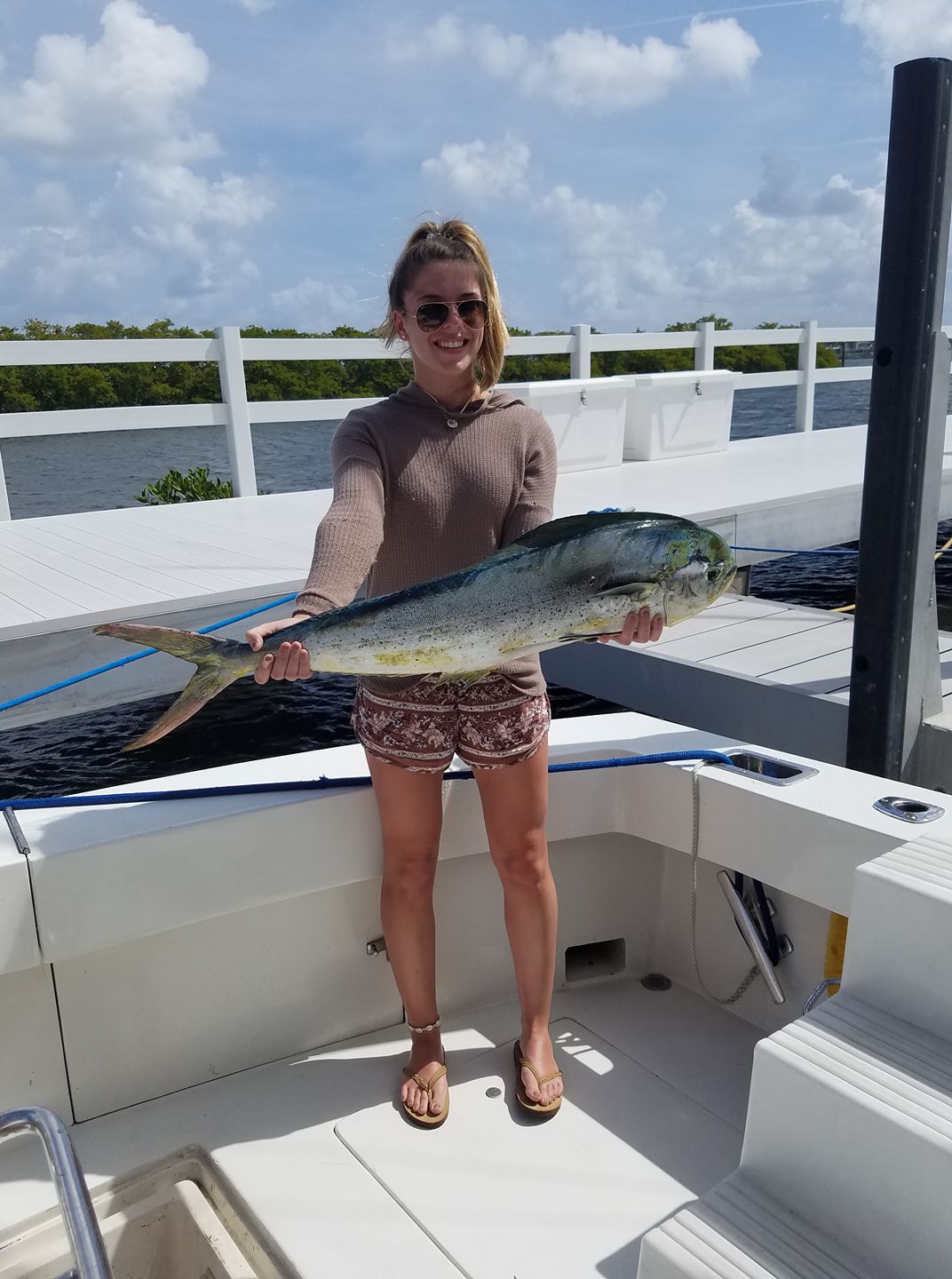
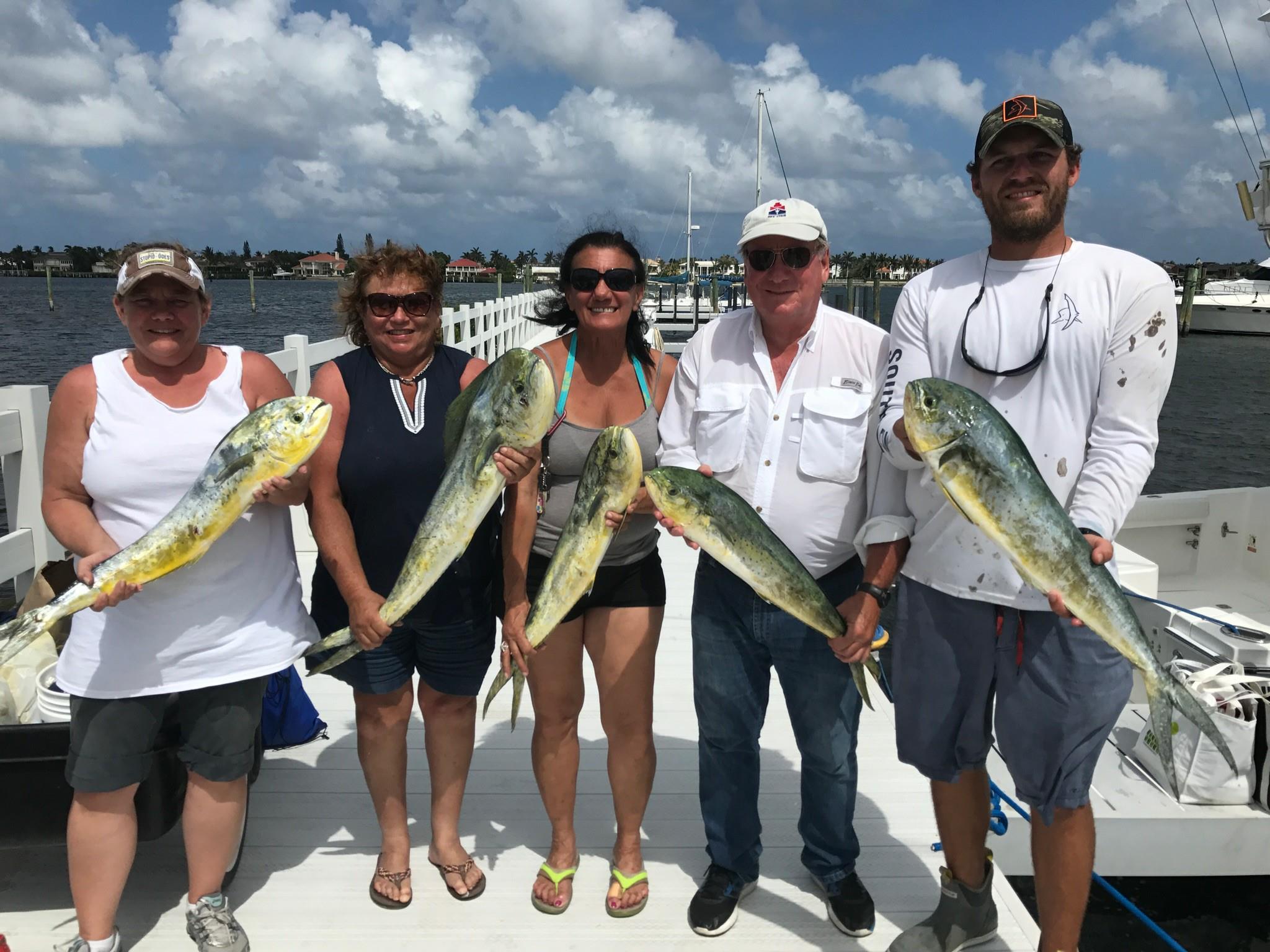
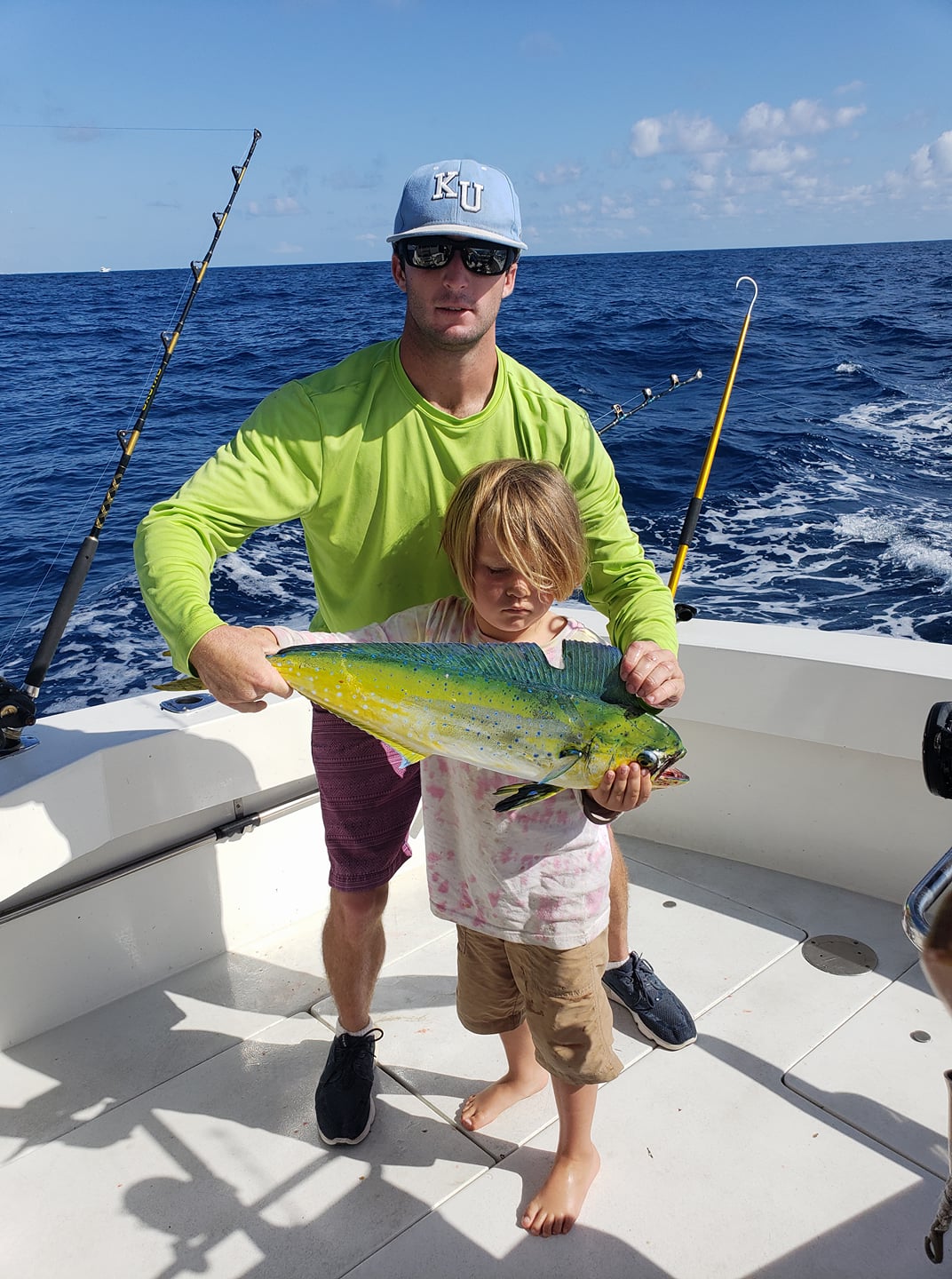
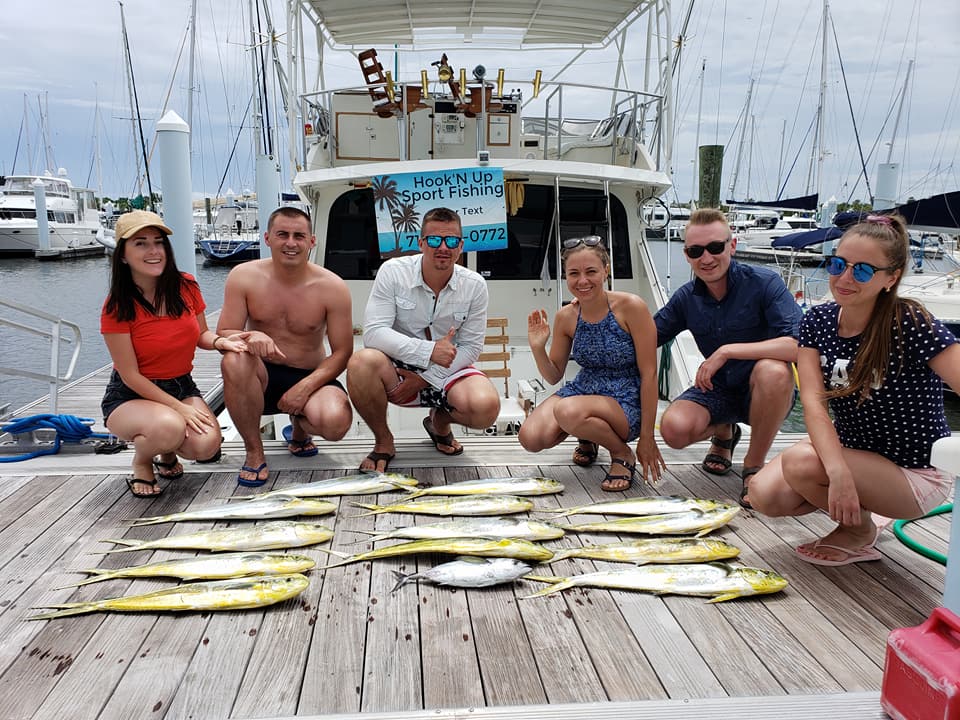
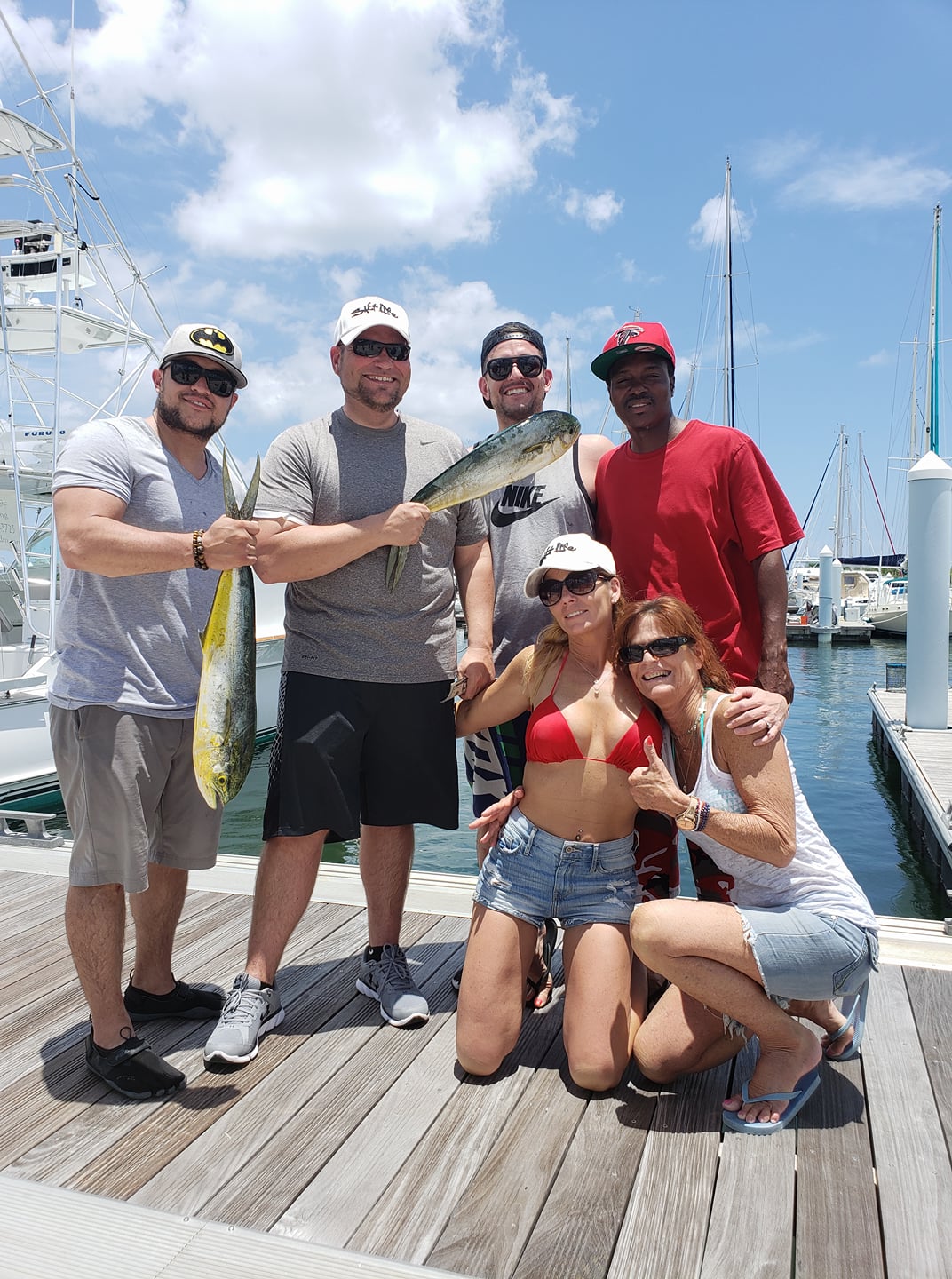
Mahi mahi are the bread and butter of South Florida offshore fishing. These fish travel in schools and when you find one, you'll usually find more. They're attracted to floating debris, weed lines, and structure. Mahi are acrobatic fighters that jump and run when hooked, making them a favorite among anglers. Peak season runs from April through August, though they're caught year-round in these waters. Bulls can push 30-40 pounds while the smaller schoolies typically run 10-20 pounds. The meat is excellent table fare, and Captain John can point you toward a good fish cleaning service if you want to take some home.
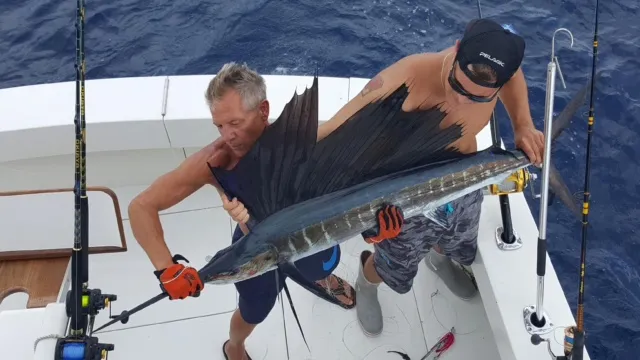
Atlantic sailfish are the crown jewel of South Florida fishing. These bills are fast, acrobatic, and absolutely stunning when they come out of the water. Sailfish season peaks from December through March when cooler water pushes baitfish closer to shore and the sails follow. They're catch-and-release fish, so you'll get great photos before sending them back to fight another day. Sailfish typically run 6-8 feet long and can weigh 60-100 pounds. They're ambush predators that cruise the edges of current lines and drop-offs looking for an easy meal.
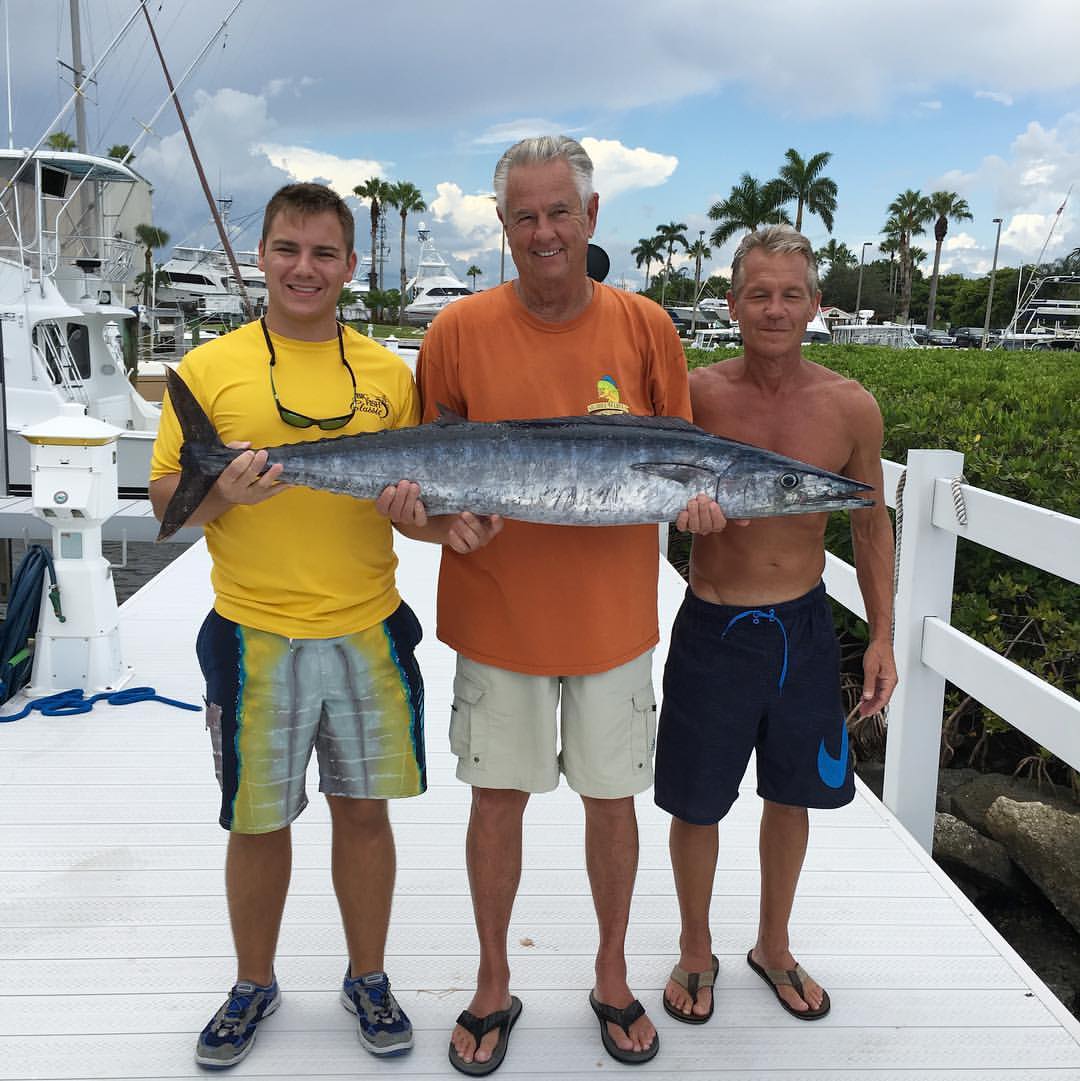
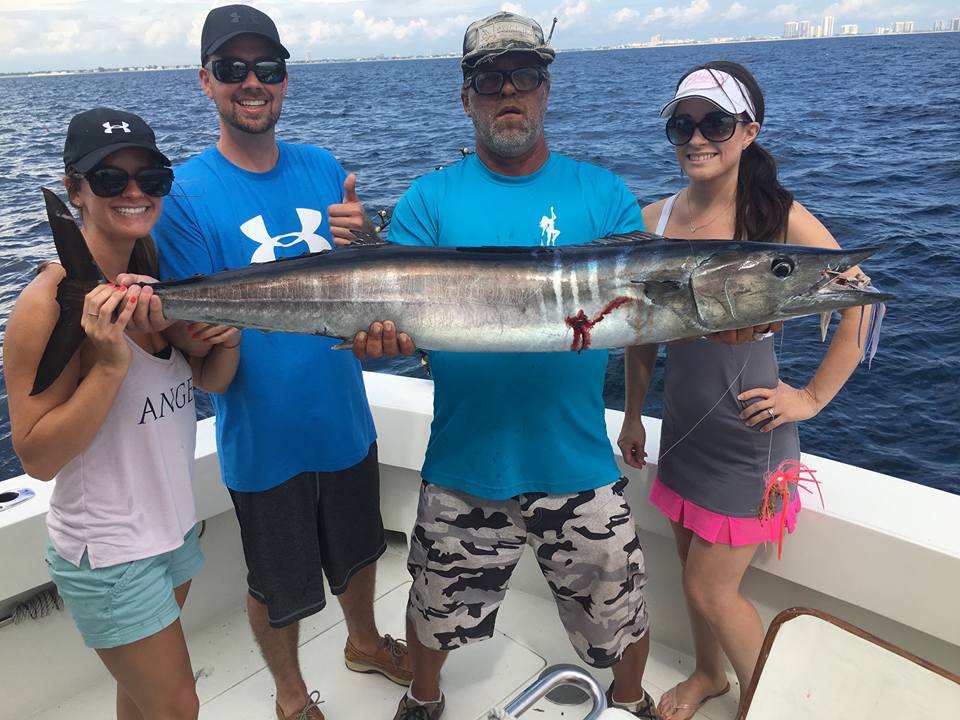
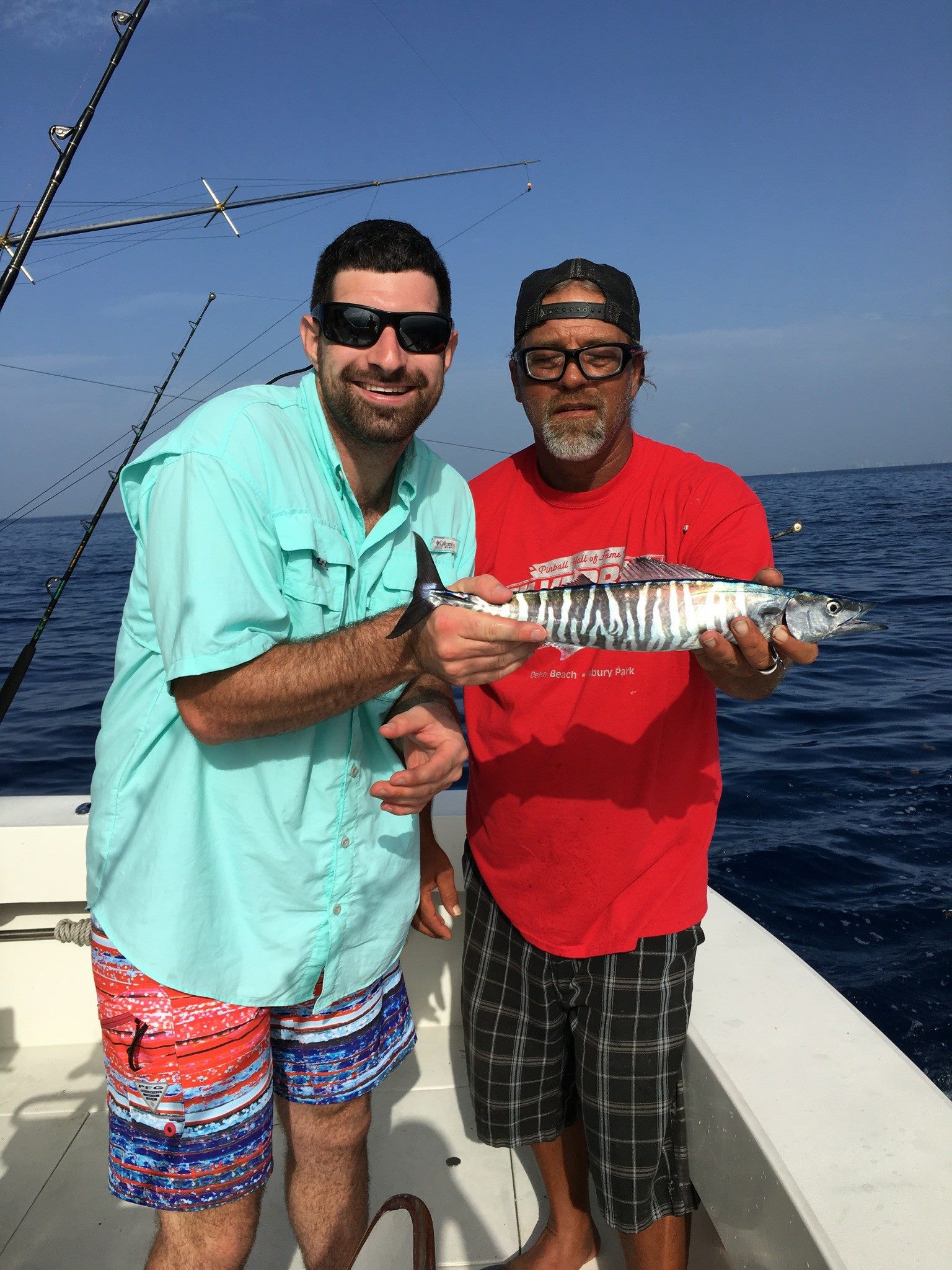
Wahoo are speed demons that can reach 60 mph when they want to. They have razor-sharp teeth and a habit of cutting through lighter leaders, so Captain John rigs appropriately with wire or heavy fluorocarbon. These fish are typically caught while trolling high-speed lures or rigged ballyhoo. Wahoo season runs strongest from November through March, and they're excellent eating with firm, white meat. They can range from 20-pound schoolies up to 80-pound monsters that will test your tackle and endurance.
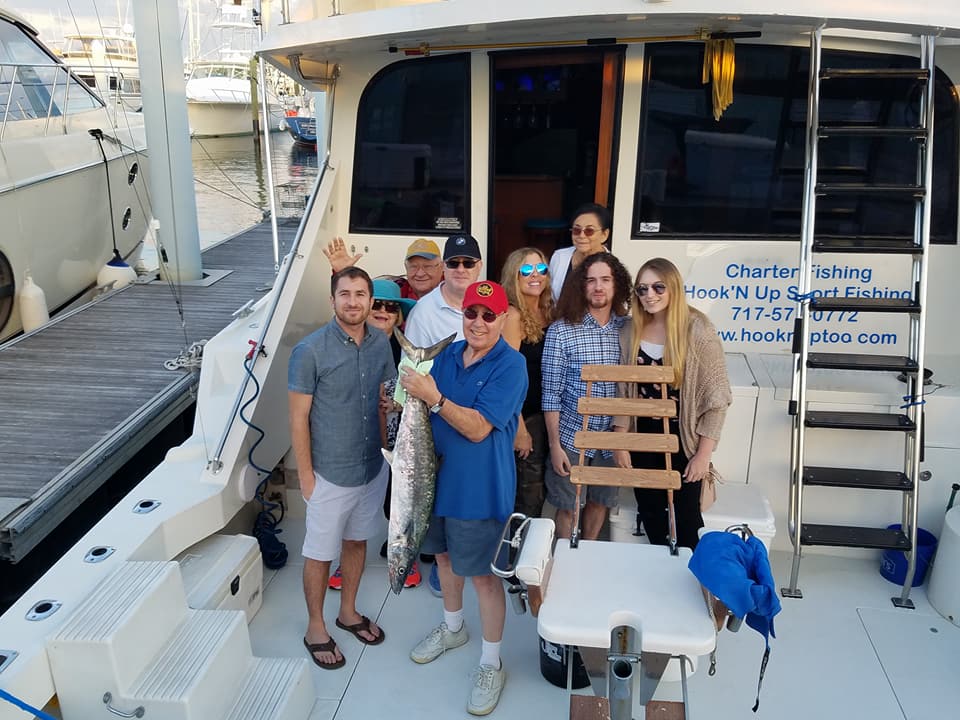
Northern kingfish, or king mackerel, are aggressive predators that patrol the reefs and ledges off Boynton Beach. They're notorious for their sharp teeth and powerful runs. Kings are most active during the warmer months from May through September, though smaller fish are caught year-round. They respond well to live bait like goggle eyes or blue runners, and they'll also hit trolled spoons and diving plugs. Legal kings must be at least 24 inches, and the bigger fish can exceed 40 pounds. They're good eating when prepared properly, and they fight hard from the initial strike to the boat.
Time to Book Your Spot
This 4-hour charter with Captain John gives you a solid shot at multiple species without eating up your entire day. The boat can handle up to 6 anglers, making it perfect for families or groups of friends looking to get into some fish. All tackle and gear is provided, so you just need to show up ready to fish. Captain John's local knowledge and attention to detail have made this trip a customer favorite among both locals and visitors. The warm Florida waters, diverse fishery, and professional operation make this charter a smart choice for anyone wanting to experience world-class fishing off Boynton Beach. Book early, especially during peak season, because the best captains fill up fast.
 Private Trip
 Inshore Fishing
 Riviera Beach, FL

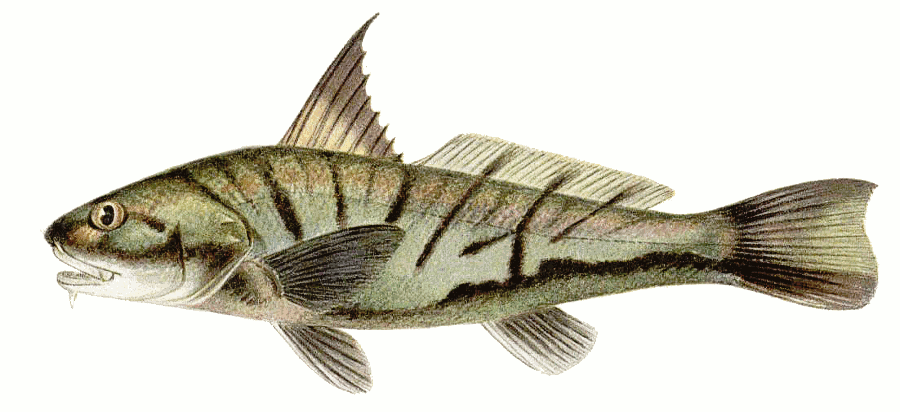

 Target Mahi Mahi, sailfish, wahoo and kingfish species