Island Trips in the Gulf of Mexico
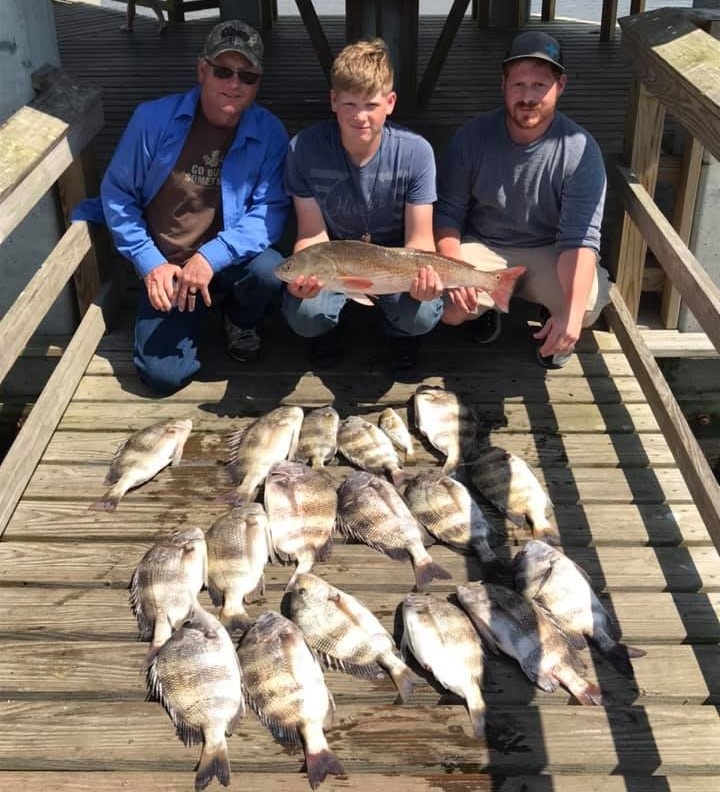
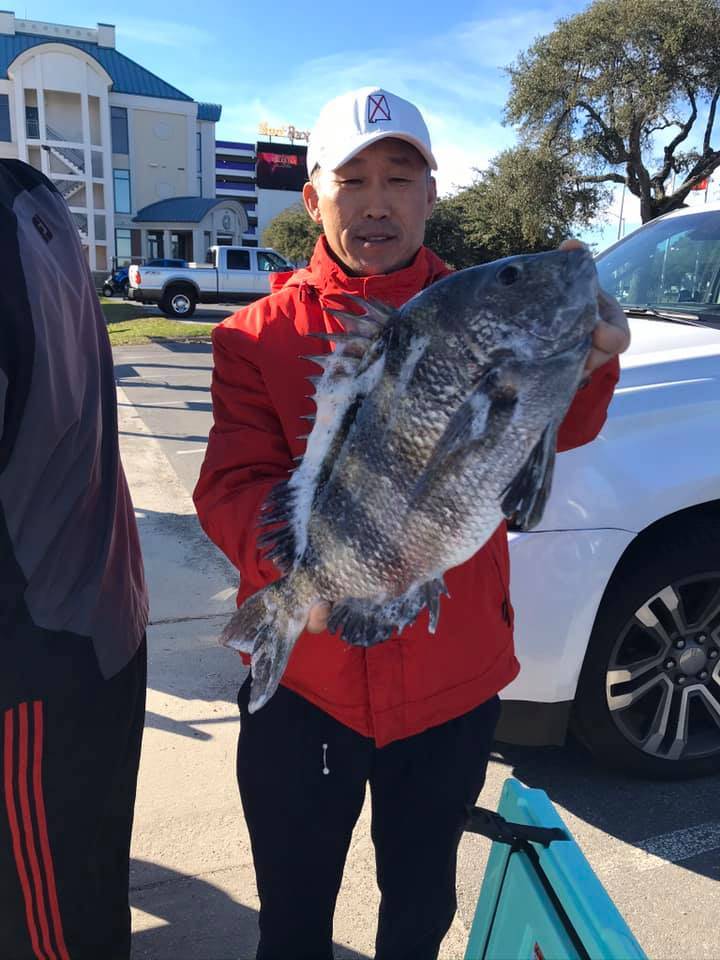
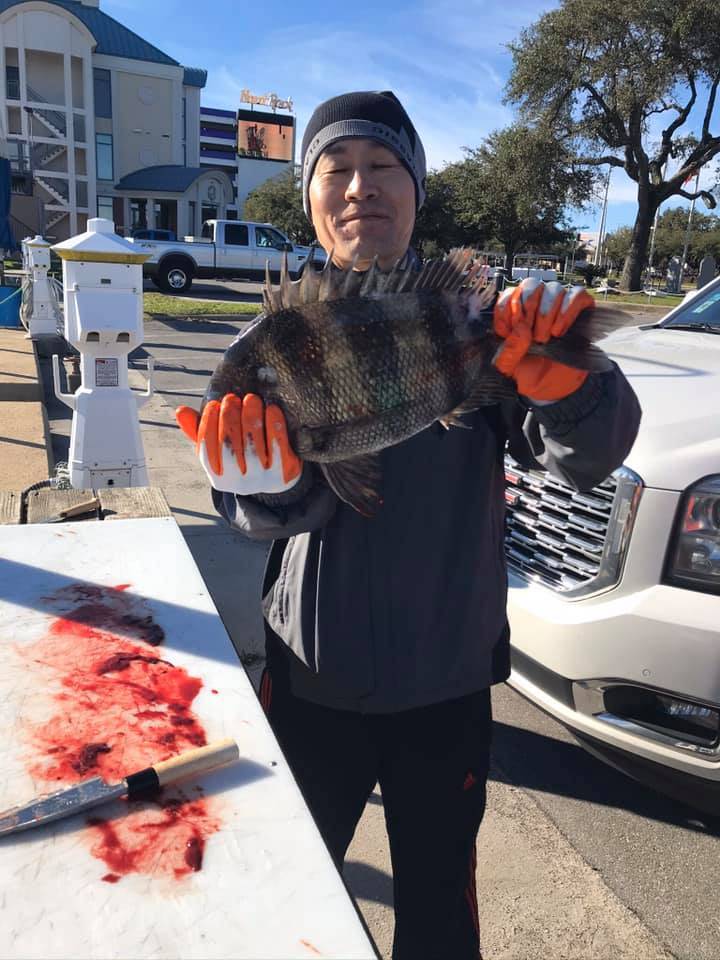
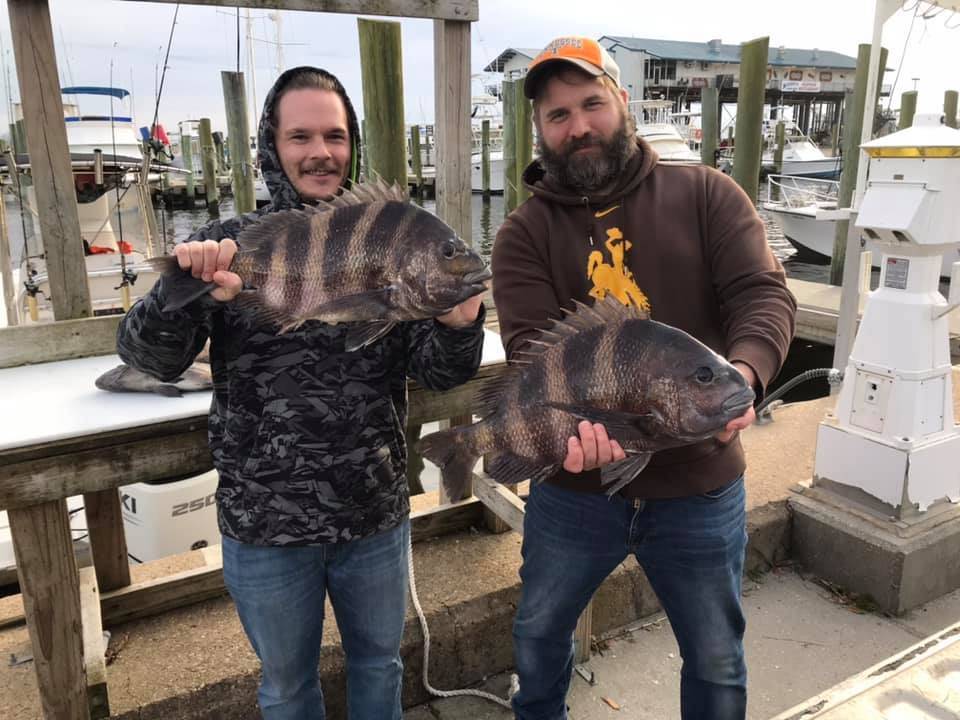
The Gulf Coast waters off our shores hold some of the most productive inshore fishing you'll find anywhere. Island Time Charters has been putting anglers on fish in these rich waters for years, and we know exactly where to find the action. Our island trips target the structure-rich areas around barrier islands, grass flats, and drop-offs where trophy fish hunt and feed. With a maximum of four anglers per trip, you get personalized attention and plenty of room to fight fish without bumping elbows. We supply all the rods, reels, tackle, and bait – just show up with your cooler full of snacks and drinks, slather on that sunscreen, and get ready to bend some rods.
What to Expect on the Water
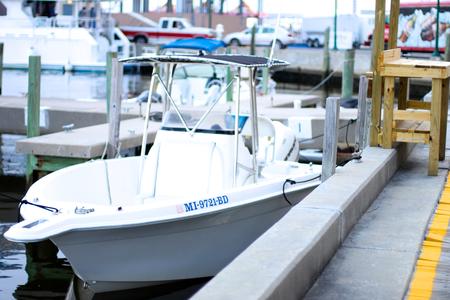
These Gulf waters fish different depending on the season, tide, and what's moving through the area. We'll start the day checking water temperature and clarity, then head to spots that are holding fish based on current conditions. The beauty of inshore fishing here is the variety – one cast might bring in a hard-fighting cobia while the next could hook into a sleek king mackerel that'll test your drag system. The islands create natural ambush points where predator fish wait for baitfish to sweep by with the current. We'll work everything from shallow grass beds where trout hide to deeper channels where flounder lay in wait. The boat stays comfortable even in choppy conditions, and with only four anglers aboard, everyone gets prime fishing real estate along the gunwales.
Tackle and Techniques
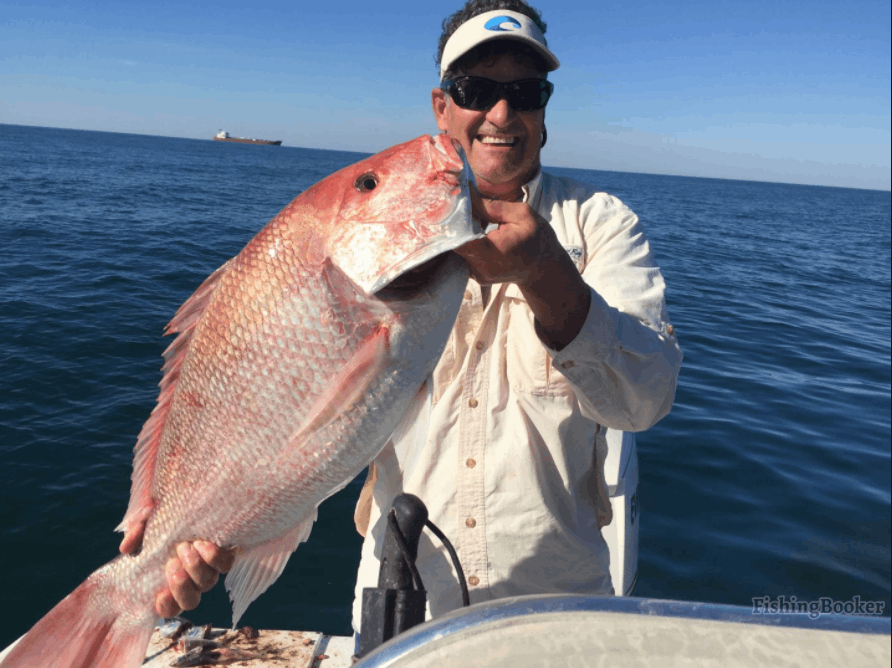
We fish these waters with medium to heavy spinning gear that can handle everything from 15-inch trout to 40-pound cobia. Live bait is king out here – we'll have fresh shrimp, pinfish, and croakers depending on what's working best. For the bigger predators like kings and cobia, we'll bump up to circle hooks and wire leaders to prevent bite-offs. The technique varies by target species and structure. Around grass flats, we'll work popping corks with live shrimp underneath, letting them drift naturally with the current. Over deeper structure, we'll free-line live bait or work jigs along the bottom where flounder and larger trout hang out. When we mark schools of bait on the fish finder, that's when things get exciting – we'll position the boat to intercept whatever's feeding on them. The Gulf's warm waters mean fish stay active year-round, though peak action shifts with the seasons.
Top Catches This Season
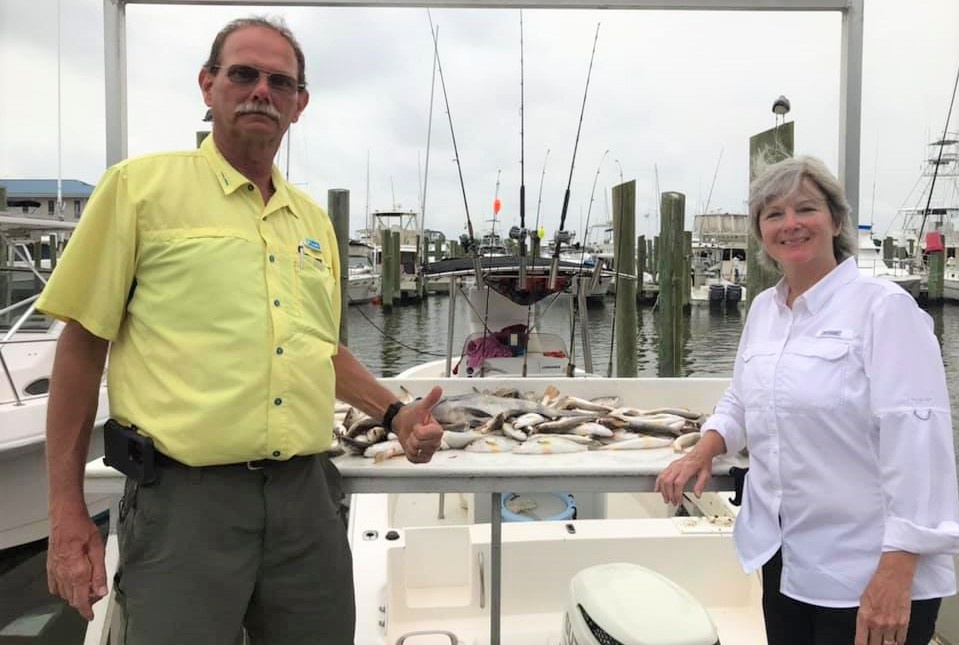
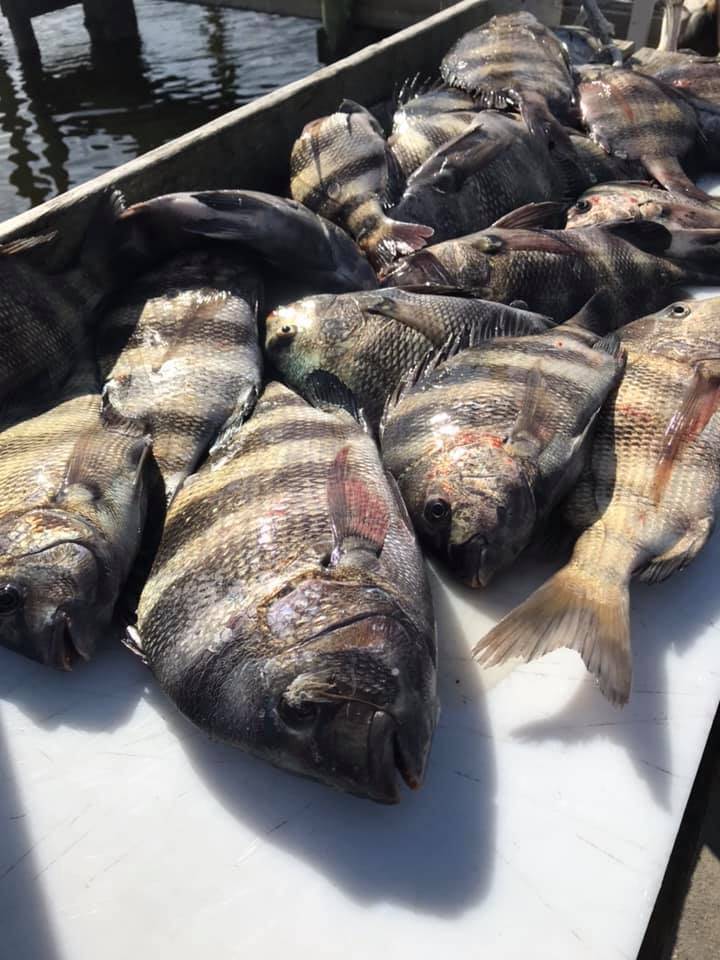
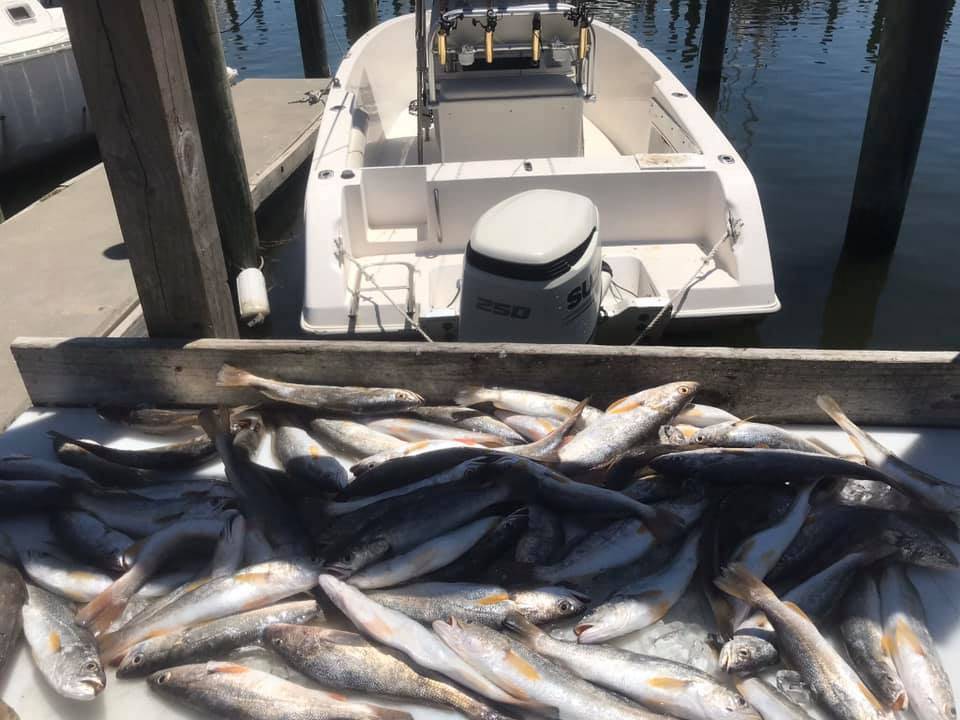
King mackerel are the speed demons of these waters, hitting trolled baits and live offerings with bone-jarring strikes. These fish average 15 to 30 pounds but can push much bigger, and they'll take you well into your backing if you don't tighten that drag. Spring through fall offers the best king fishing when they move inshore following bait schools. Sea trout are our most consistent producers, holding in grass beds and around structure year-round. A good trout runs 2 to 5 pounds, but the big gator trout that lurk in deeper water can hit 8 pounds or better. They're excellent table fare and fight with surprising strength for their size.
Cobia are the bulldogs of the Gulf – brown sharks with attitude that can exceed 40 pounds and fight like they're twice that size. They're curious fish that often approach the boat, giving us sight-fishing opportunities that'll get your heart racing. Summer months bring the best cobia action when they cruise the shallows looking for crabs and small fish. Tripletail are the oddball species that everyone falls in love with once they hook one. These pancake-shaped fish hover around floating debris and structure, and they're phenomenal on the dinner table. They fight with a side-to-side motion that feels completely different from other species.
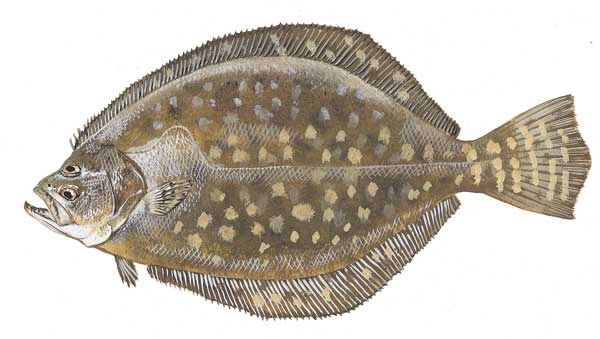
Southern flounder are the masters of camouflage, lying perfectly still on sandy bottoms until prey swims within striking distance. These flatfish can reach impressive sizes in Gulf waters, with doormat flounder weighing 5 pounds or more providing arm-burning fights. Fall months offer peak flounder action as they move toward deeper water, making them more concentrated and easier to target. They're prized for their sweet, flaky meat that's perfect for fish tacos or grilled whole.
Time to Book Your Spot
The Gulf of Mexico delivers world-class inshore fishing with the kind of variety that keeps every trip interesting. Whether you're a seasoned angler looking to add new species to your list or a family wanting to create lasting memories on the water, these island trips offer something special. The combination of productive waters, quality equipment, and small group sizes creates the perfect recipe for a top-rated fishing experience. Our local knowledge of seasonal patterns, productive structures, and current hotspots puts you on fish when other boats are still searching. Don't wait – the best fishing dates fill up quickly, especially during peak seasons when the action heats up.
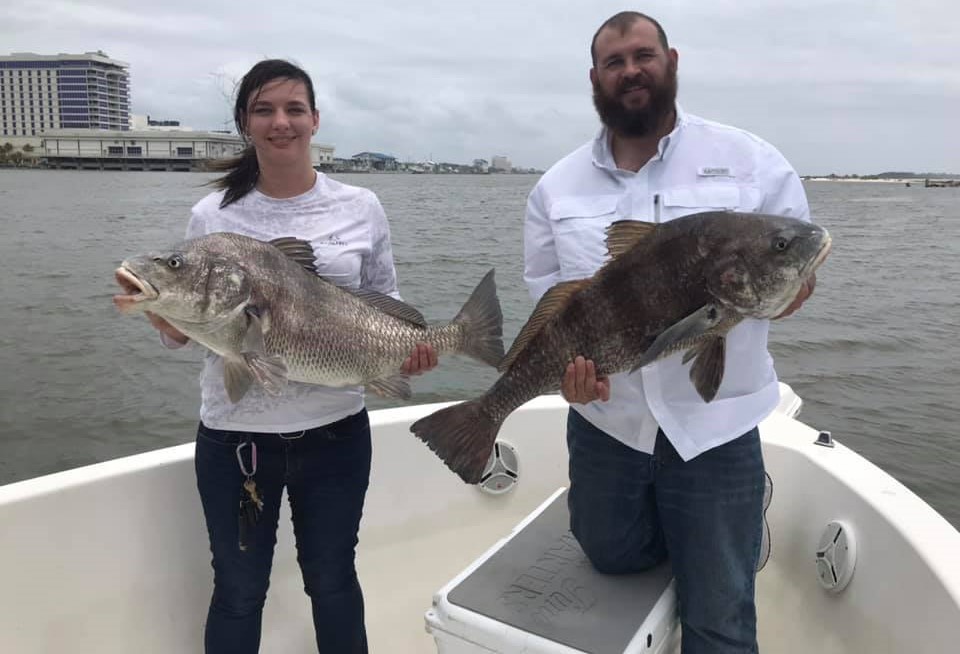
 Private Trip
 Inshore Fishing
 Biloxi, MS



 Inshore fishing trips in Gulf of Mexico waters