Islamorada Morning Fishing Charter Adventure
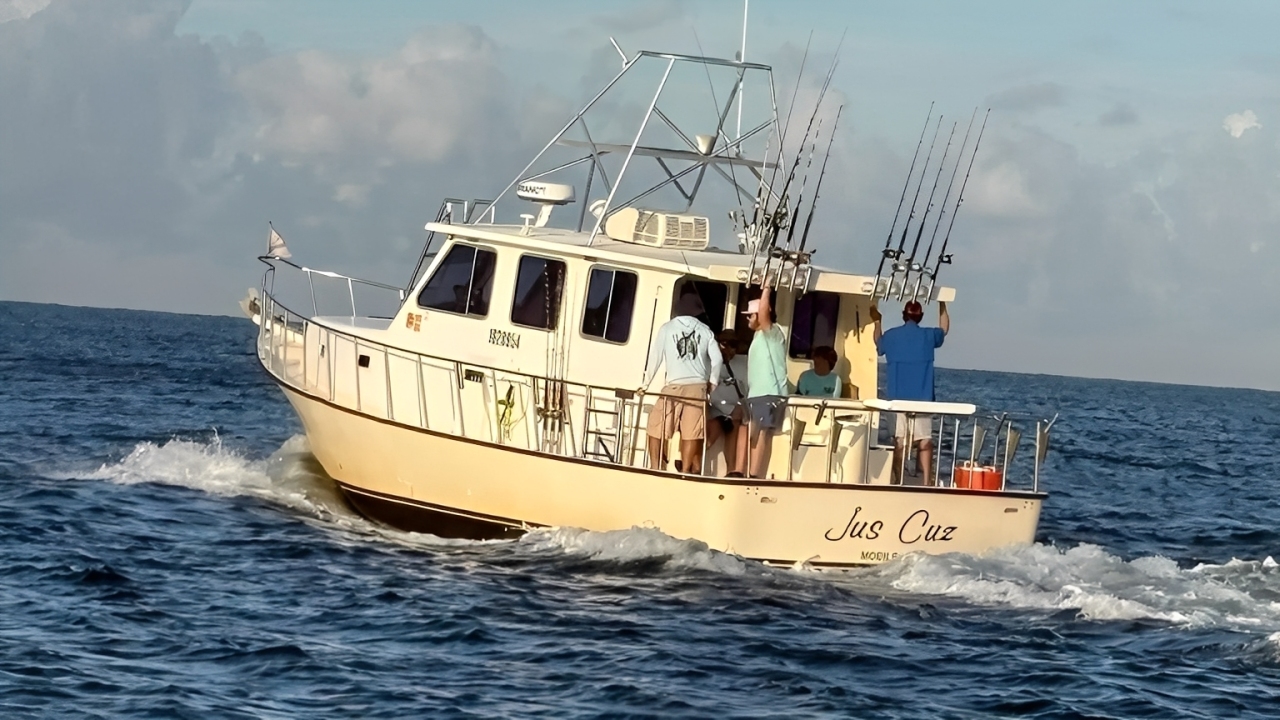
Picture this: It's 6:30 AM and you're stepping aboard a well-equipped charter boat in Islamorada, the heart of the Florida Keys fishing paradise. The morning air is crisp, the water's glass-calm, and you've got six solid hours ahead of you to put some serious fish in the boat. This isn't just another fishing trip – it's a carefully planned combination of trolling and bottom fishing that gives you the best of both worlds. We're talking about targeting everything from screaming King Mackerel on the troll to hefty Amberjack over the wrecks. Whether you're a weekend warrior or someone who's never held a fishing rod, this charter is designed to put you on fish while showing you why Islamorada has earned its reputation as the sportfishing capital of the world.
What to Expect on the Water
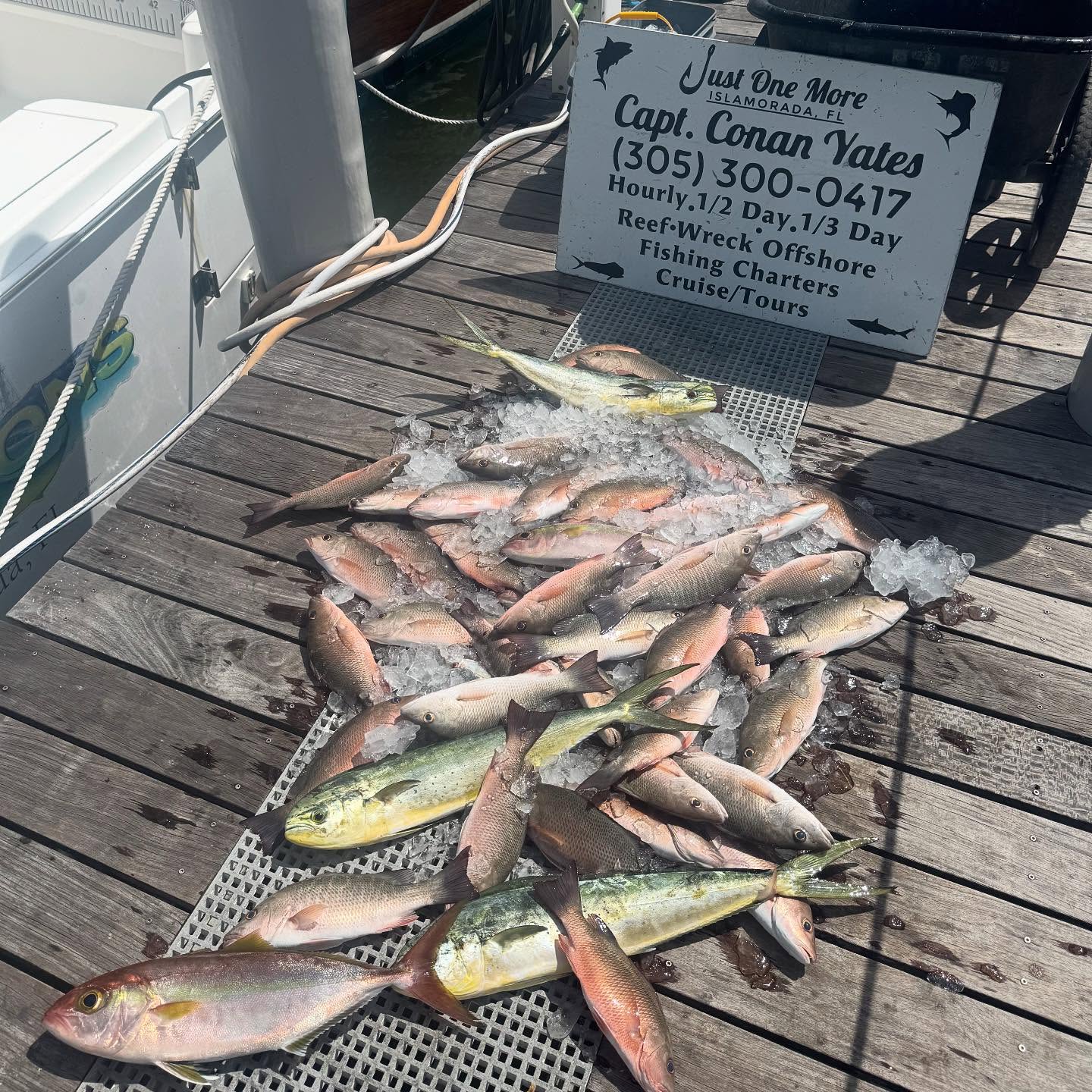
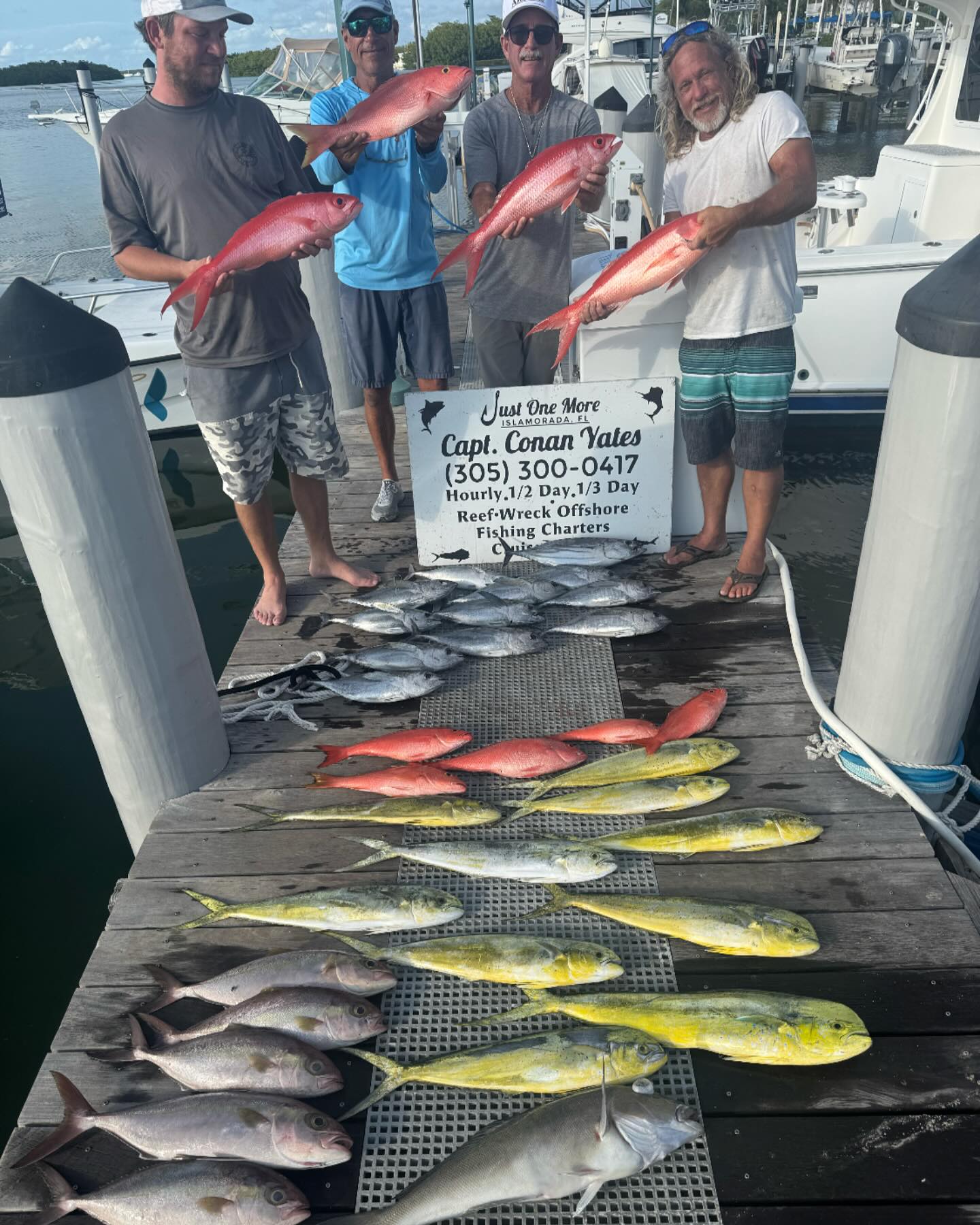
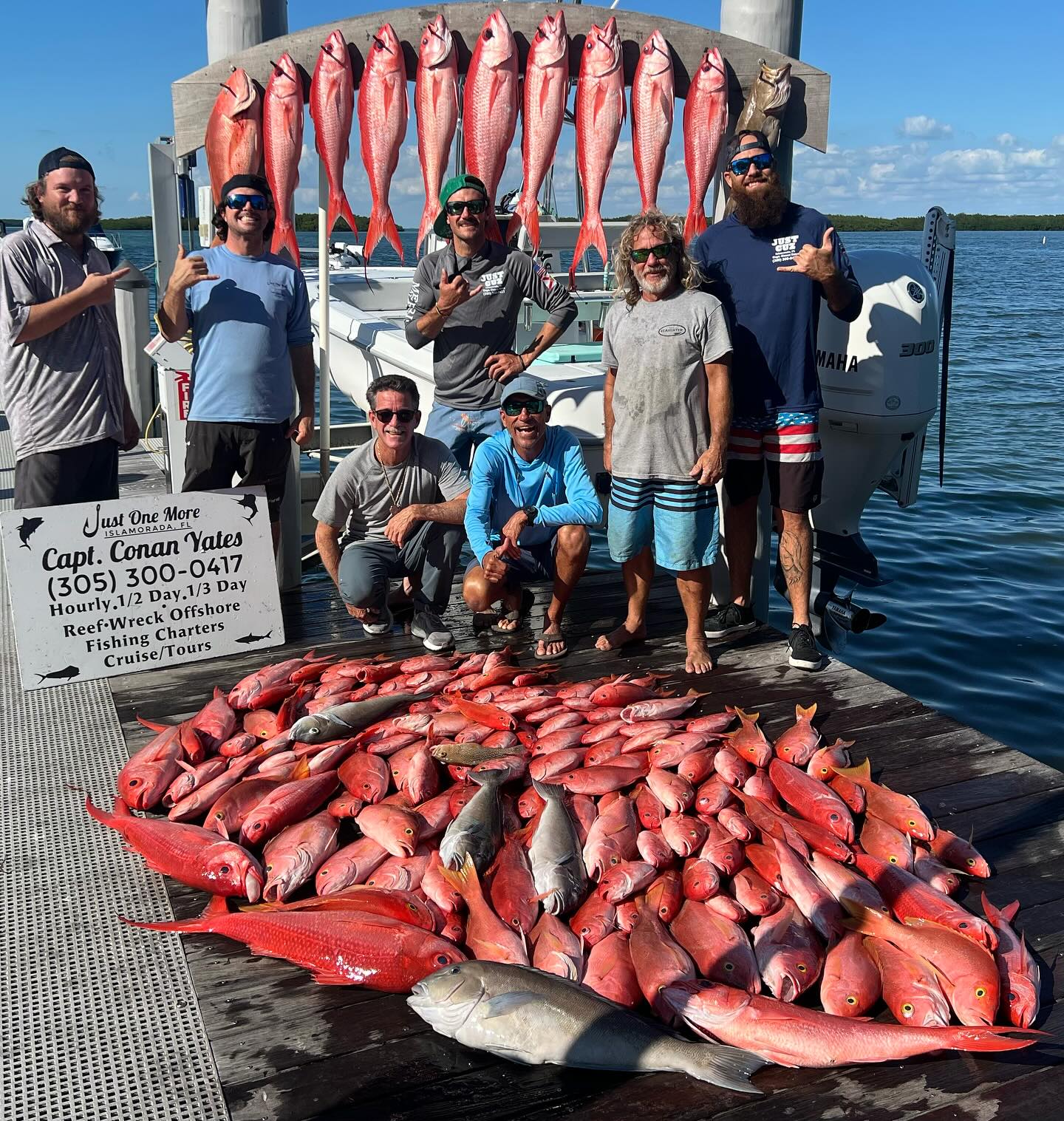
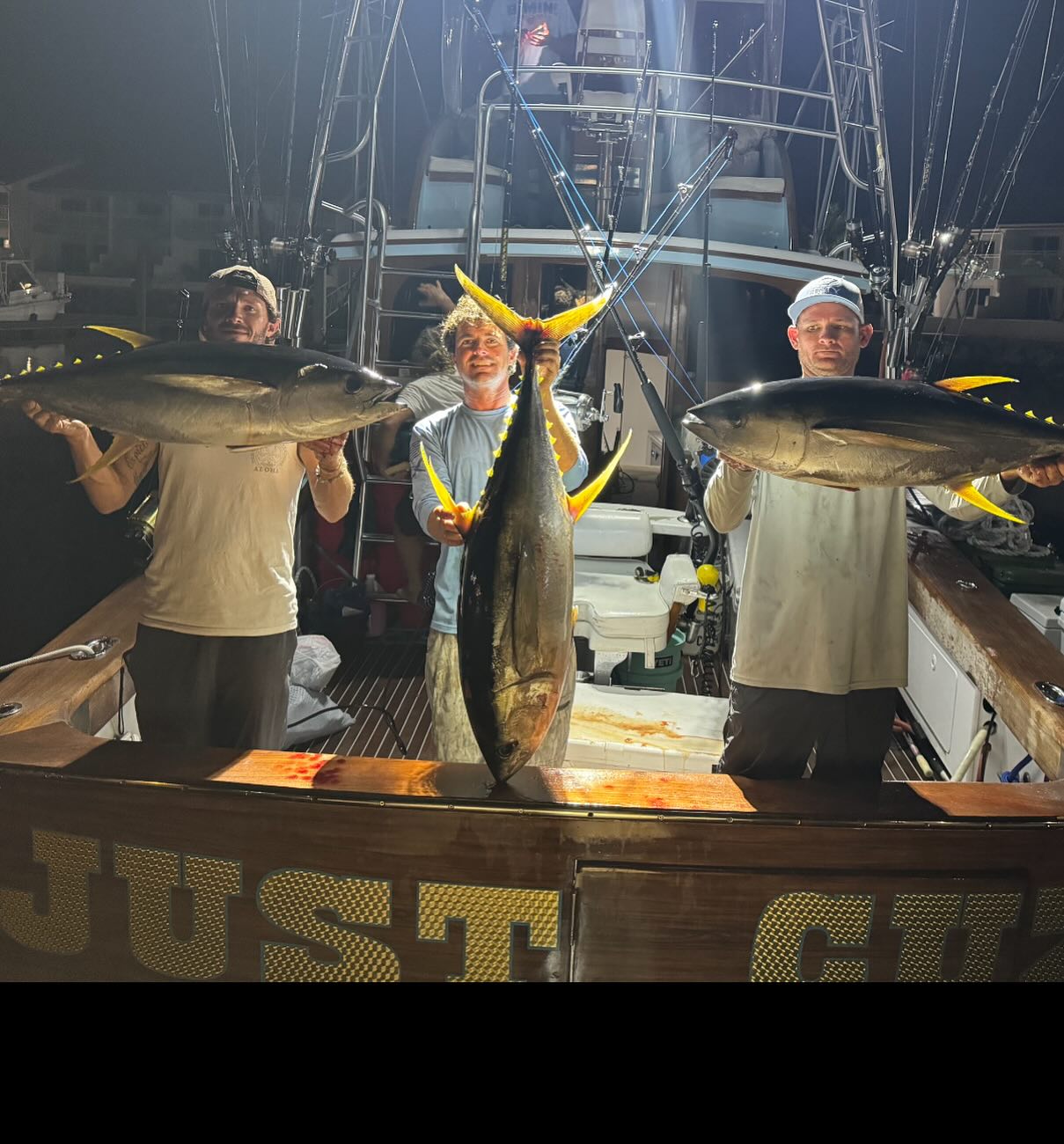
Your day starts with a purpose – we're not just burning fuel to get offshore. As soon as we clear the harbor, lines go in the water and we start trolling with heavy tackle. This is where the morning magic happens. King Mackerel, Spanish Mackerel, Blackfin Tuna, and Cobia are all fair game during this run to the fishing grounds. The beauty of this approach is that you're fishing from the moment we leave the dock. Once we reach the reef systems and productive wrecks that make this area famous, we switch gears completely. Out come the bottom rigs and drift lines, and suddenly we're targeting a whole different class of fish. Snapper, Amberjack, Triggerfish, and when the season's right, those prized Red Snapper that everyone talks about. The captain knows these waters like his own backyard and will put you on the spots that are producing. All your tackle, bait, and gear are provided, so you can focus on what matters most – catching fish.
Trolling and Bottom Techniques
The trolling phase kicks off with heavy conventional reels spooled with plenty of line, because when a King Mackerel hits your bait at 20 knots, you better be ready for a fight. We're running a spread of lures and live bait that's proven to produce in these waters. The key is covering water efficiently while the boat moves at the perfect speed to entice strikes from pelagic species. Once we reach the structure, everything changes. Bottom fishing here means dropping baits down to depths where the big Amberjack live, using circle hooks and enough weight to keep your bait in the strike zone despite the current. Drift fishing lets us work the edges of the reefs and wrecks methodically, presenting baits naturally to fish that are relating to the structure. The captain and crew know exactly how to read the conditions – whether to anchor up, drift with the current, or keep moving to find active fish. You'll learn techniques that work specifically in these Keys waters, from adjusting your drag for different species to reading your rod tip for subtle bites.
Target Species You'll Want to Hook
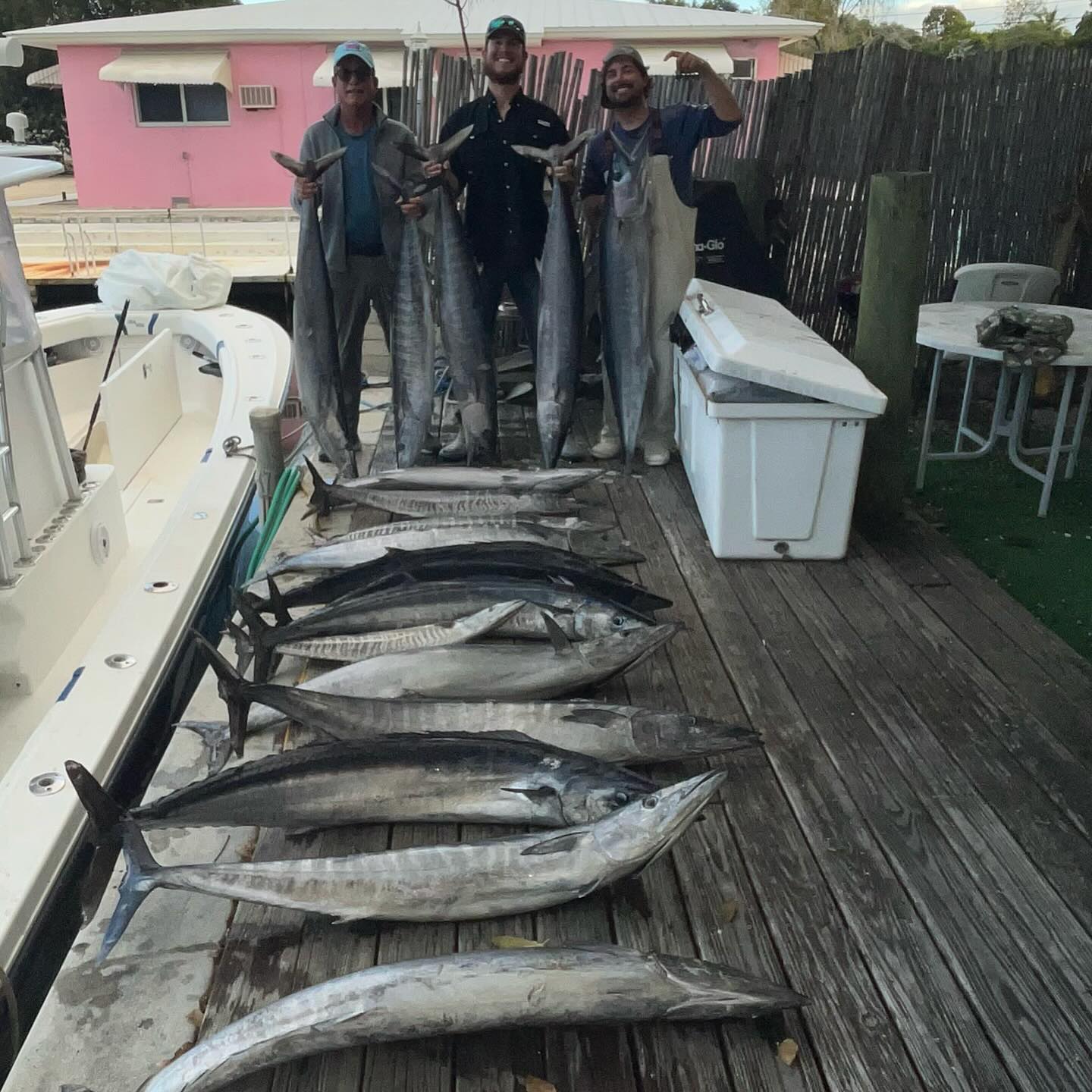
King Mackerel are the speedsters of this fishery and absolutely electric when they hit your trolled bait. These fish can stretch over three feet long and put up a blistering fight that includes long runs and acrobatic jumps. Peak season runs from fall through spring, and they're notorious for showing up in schools. When you find them, you find them in numbers. What makes Kings so exciting is their unpredictability – one minute you're trolling peacefully, the next your reel is screaming and everyone on the boat is scrambling to clear the other lines.
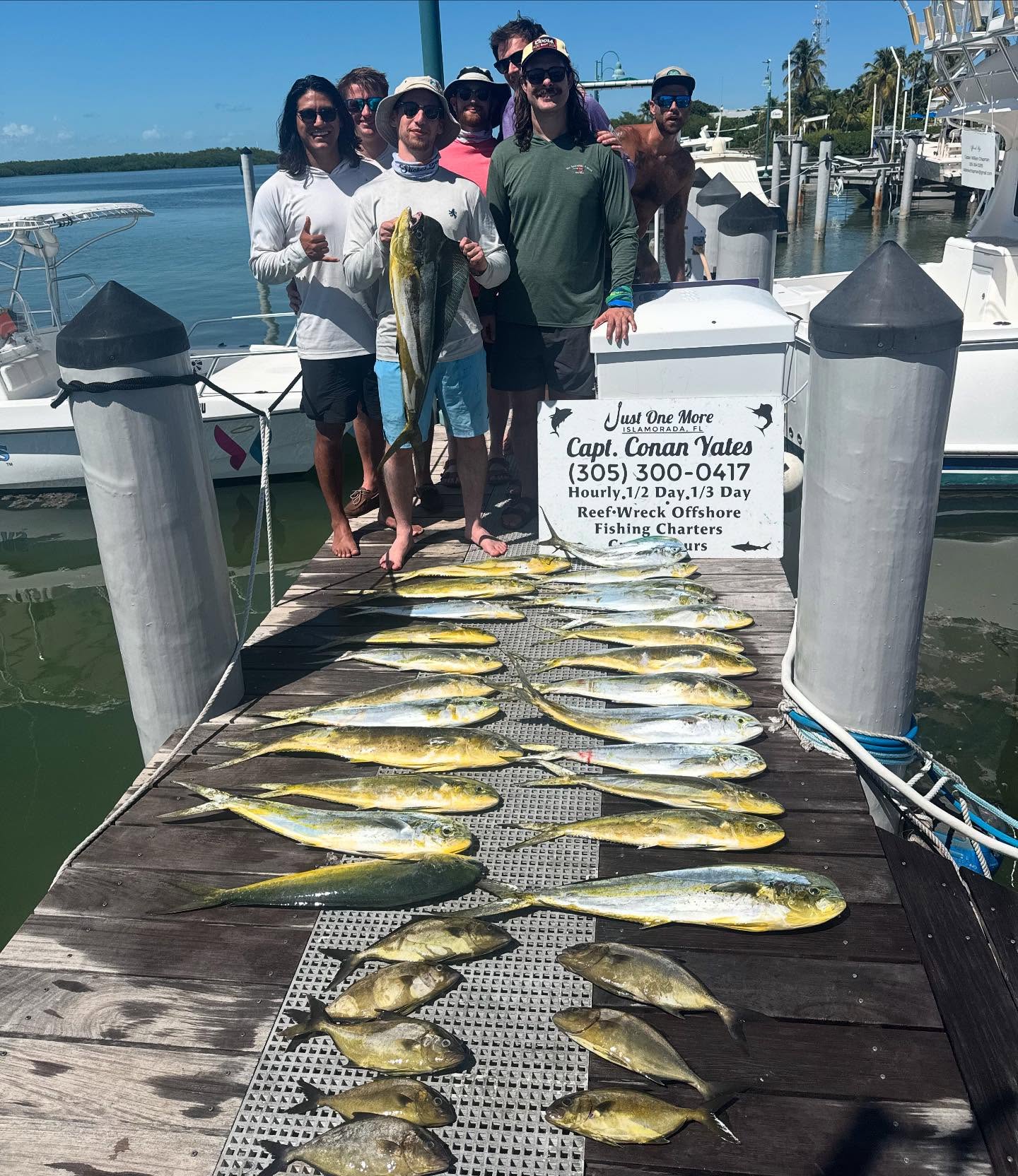
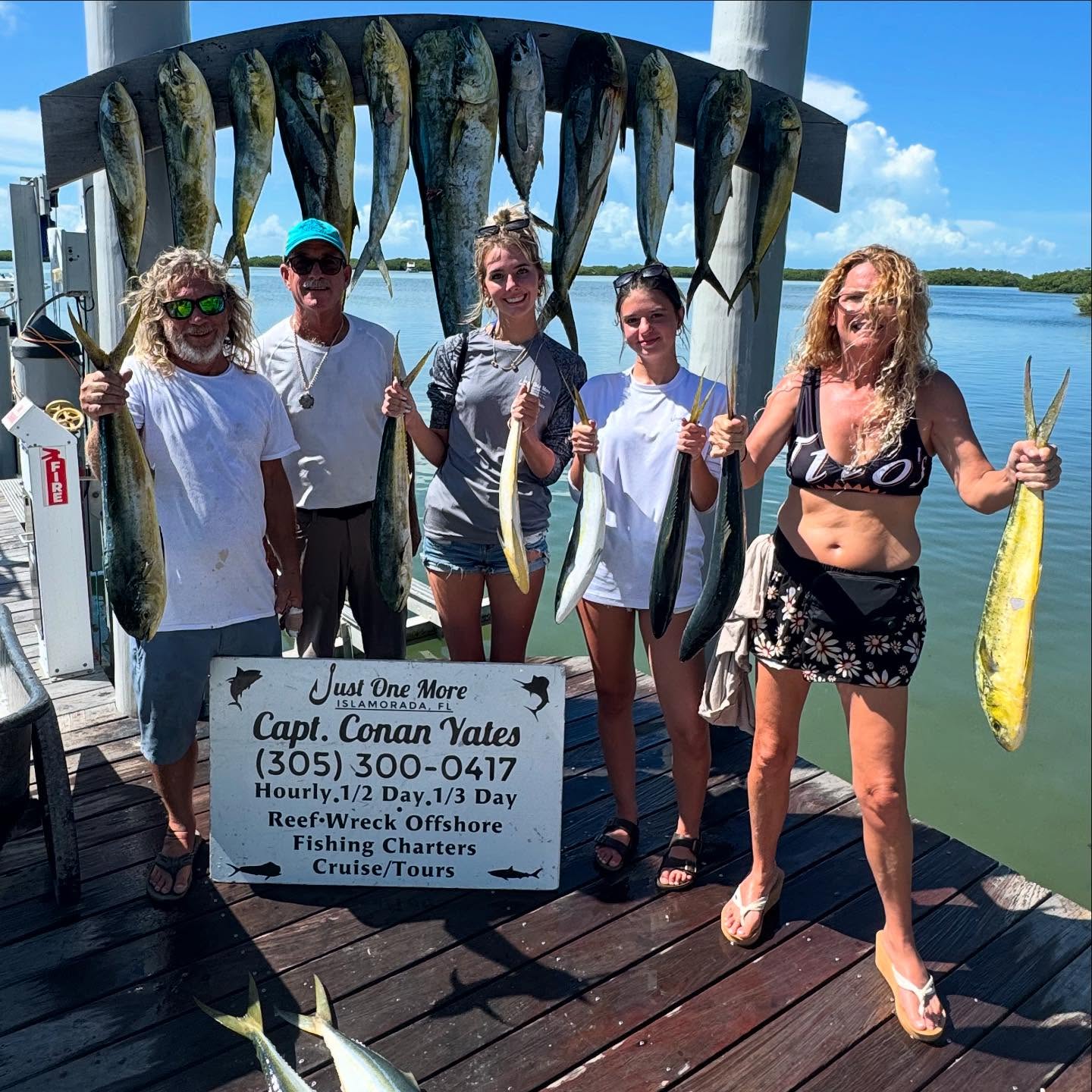
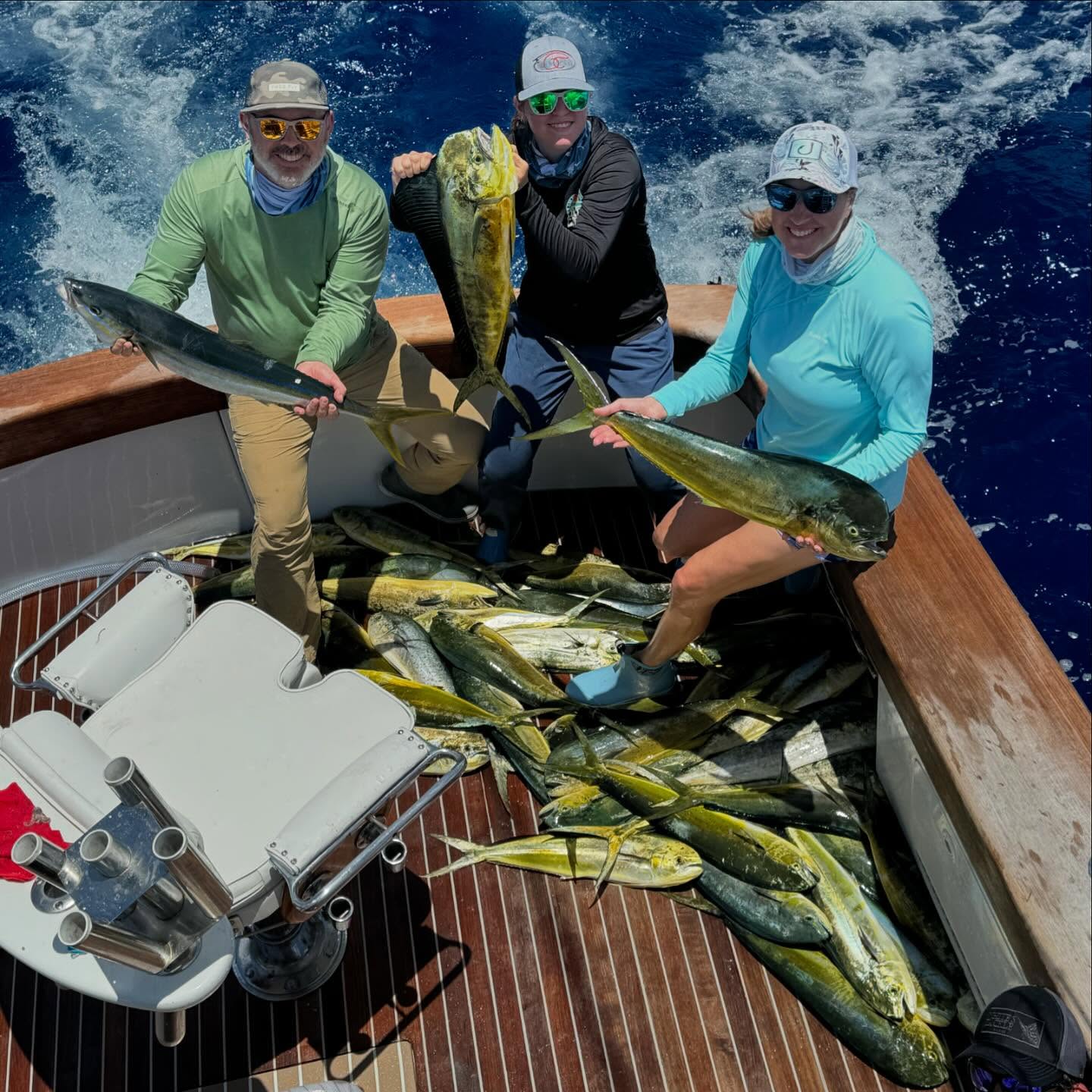
Mahi Mahi, or Common Dolphinfish, are the most colorful fighters you'll encounter out here. They light up in brilliant yellows, greens, and blues when hooked, putting on a show that's as beautiful as it is exciting. These fish are known for their aerial displays and stubborn fighting style. They're often found around floating debris or weed lines, and during peak season from spring through fall, they can show up in good numbers. Mahi are also excellent table fare, making them a favorite among anglers who like to take their catch home.
Cobia are the bulldogs of the offshore scene – thick, powerful fish that can exceed 30 pounds and fight like they're twice that size. They're curious by nature and will often follow the boat, giving you a chance to sight-fish for them with live bait or jigs. Spring and fall are prime times for Cobia in these waters, and they're known for making long, powerful runs that will test your tackle and your patience. Landing a big Cobia is a real accomplishment that seasoned anglers respect.
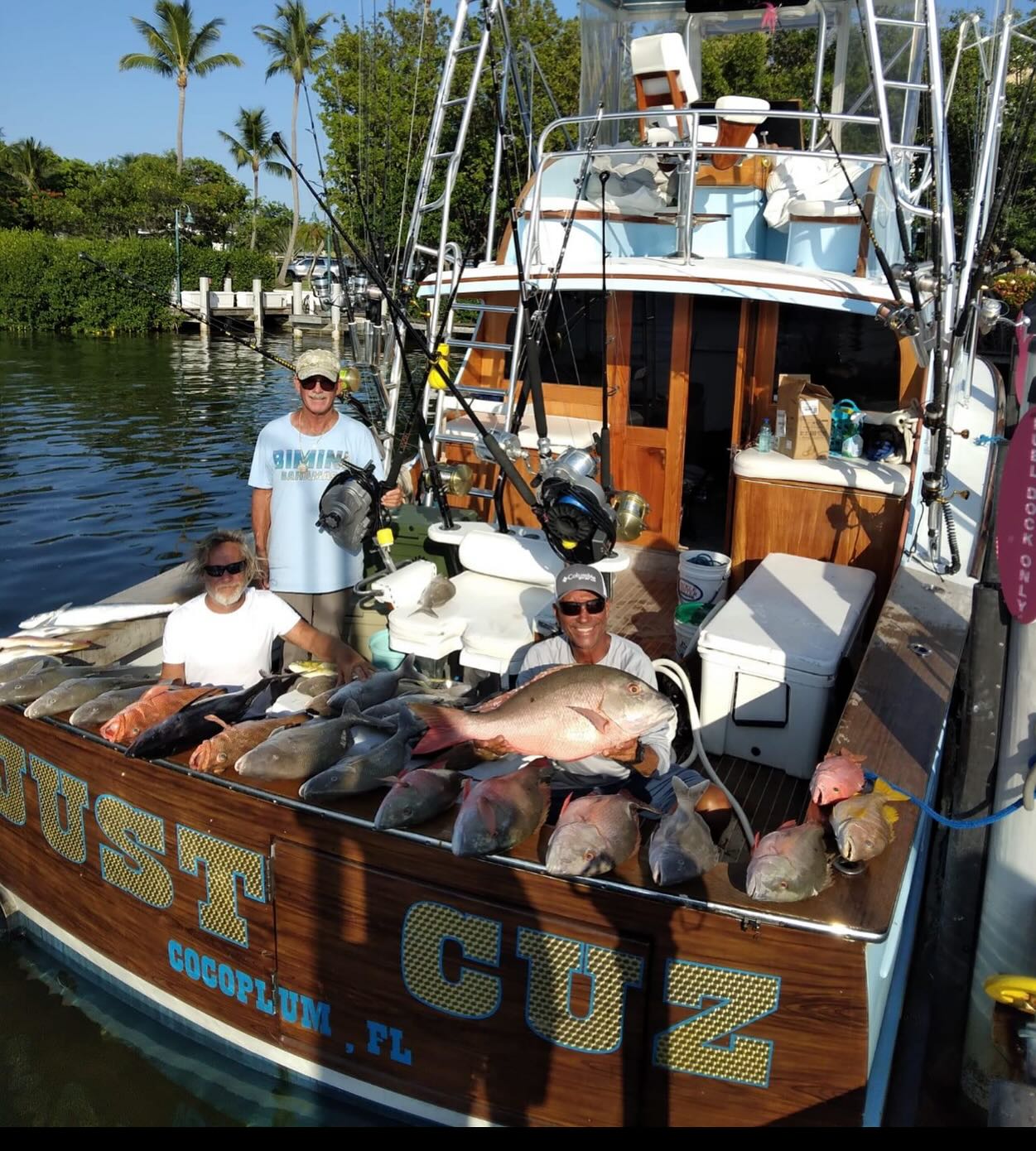
Red Snapper are the crown jewel when they're in season, and there's nothing quite like the steady thump-thump of a quality Red Snapper fighting on the bottom. These fish are structure-oriented and can be found around the deeper wrecks and hard bottom areas. They're smart, often requiring finesse presentations and sharp hooks to connect. A good Red Snapper will run 5-15 pounds, with the occasional trophy fish pushing 20 pounds or more. They're prized not just for their fighting ability but also as one of the finest eating fish in the Gulf.
Spanish Mackerel round out the target list as willing biters that provide consistent action throughout the day. They're smaller than their King Mackerel cousins but make up for it with aggressive strikes and steady availability. Spanish Mackerel are perfect for beginning anglers because they bite readily and provide great practice for fighting fish. They're also excellent bait for larger predators, so they serve double duty on the boat.
Time to Book Your Spot
This charter delivers exactly what serious anglers are looking for – variety, action, and the chance to hook into some quality fish in one of Florida's most productive fishing destinations. With only six spots available, you're getting personalized attention from a crew that knows how to put clients on fish. The combination
 Private Trip
 Offshore Fishing
 Key Largo


 Six-hour morning charter targeting snapper, amberjack, and kingfish