Full Day Rockfish & King Salmon Charter
Captain Jacob Frye's full-day fishing charter delivers the best of both worlds along Oregon's legendary Gold Beach coastline. This 8-hour adventure combines the excitement of bottom fishing for rockfish and lingcod on the open ocean with the pure adrenaline rush of targeting king salmon at the Rogue River mouth. Starting at 8:00 AM, you'll experience two completely different fishing styles in one action-packed day, making it a customer favorite for anglers looking to maximize their time on the water.
What to Expect on the Water
Your day begins in the early morning calm, heading out from Gold Beach harbor aboard Captain Jacob's 25-foot Alumaweld – a top-rated choice for navigating both ocean swells and river currents. The first half of your trip takes place on the nearshore reefs where rocky structure holds incredible numbers of lingcod and various rockfish species. You'll feel the satisfaction of that classic bottom-fishing thump as fish hammer your bait in 60 to 120 feet of water. After working the reefs, Captain Jacob transitions the boat to the famous Rogue River mouth, one of the West Coast's most renowned salmon fishing grounds. Here, the fishing completely changes pace as you troll for the king of all salmon – chinook that can weigh anywhere from 15 to 40 pounds. The contrast between these two fishing styles keeps everyone engaged, whether you're a seasoned angler or picking up a rod for the first time.
Gear Setup & Techniques
Captain Jacob provides all the professional-grade tackle you'll need for both bottom fishing and salmon trolling. For the rockfish portion, you'll use heavy conventional reels loaded with lead-core or braided line to punch through the current and reach bottom structure. Expect to fish with 8 to 16-ounce sinkers depending on conditions, paired with circle hooks and fresh bait. When it's time to switch gears for salmon, the captain rigs up trolling setups with downriggers, diving planers, and the proven lures that Gold Beach kings can't resist – think flashers with herring, spoons, and plugs in colors that match local baitfish. The 25-foot Alumaweld gives you plenty of room to fight fish and handles both the ocean chop and river conditions with ease. All rods and reels are maintained to tournament standards, so you can focus on fighting fish instead of worrying about gear failure.
Target Species
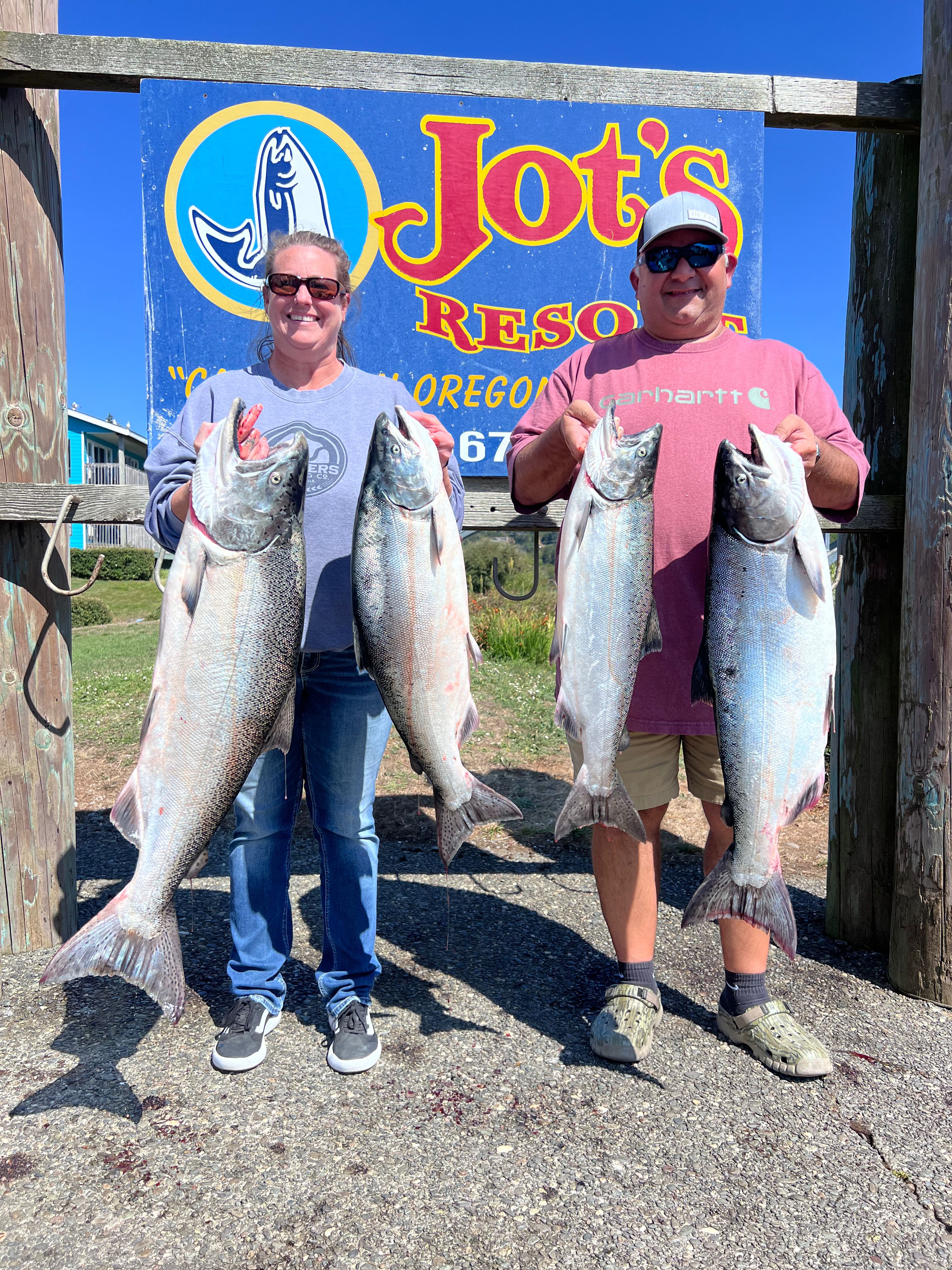
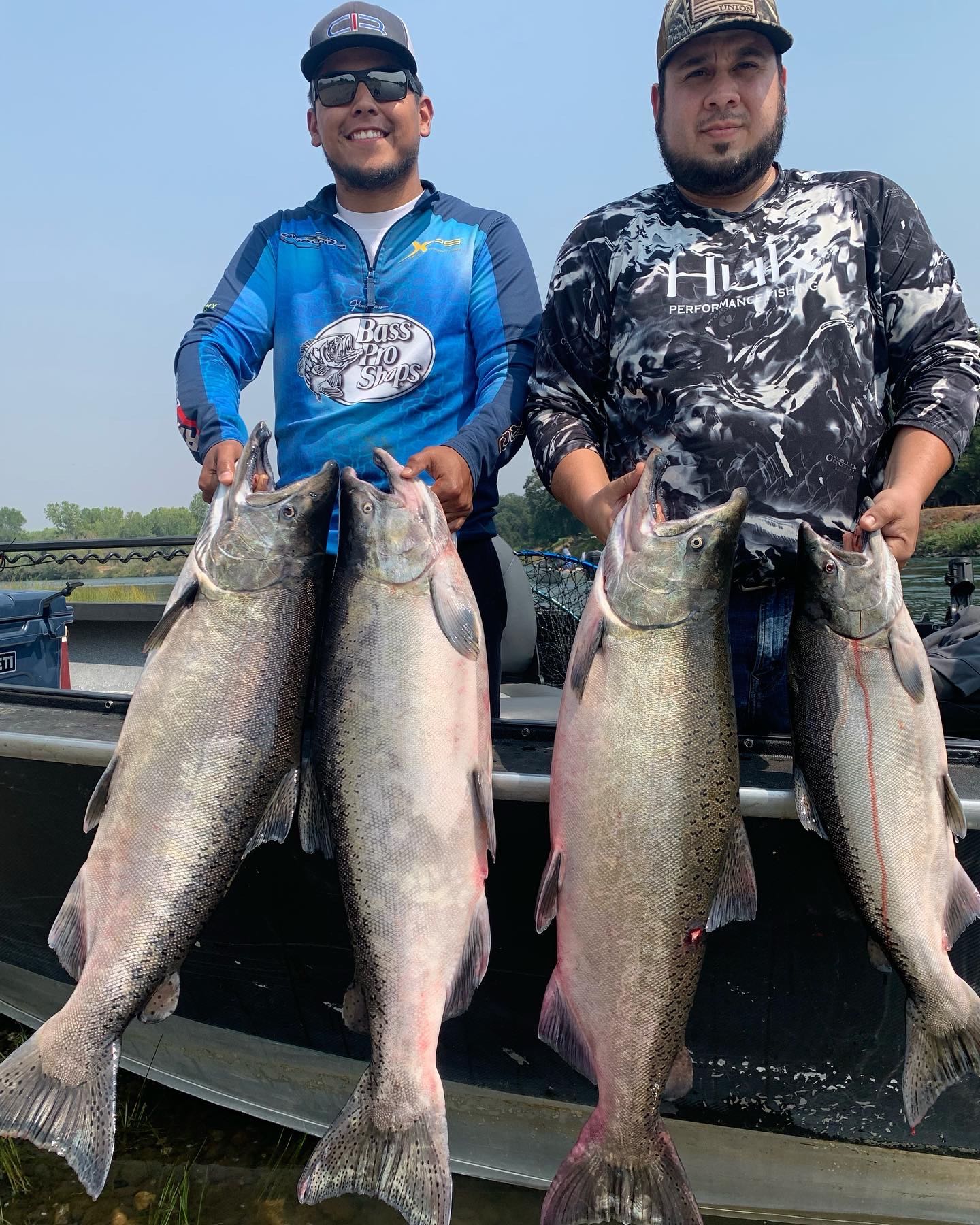
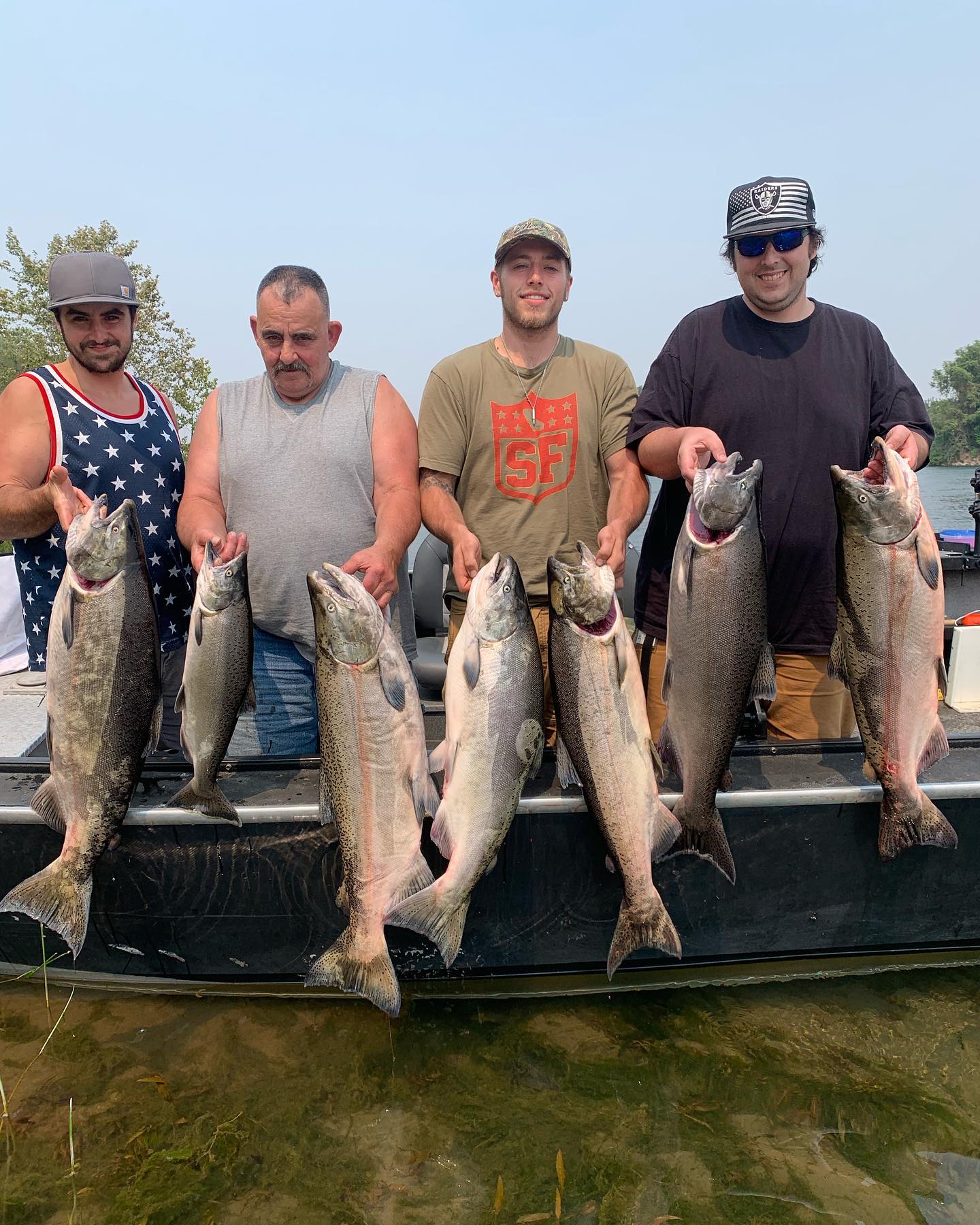
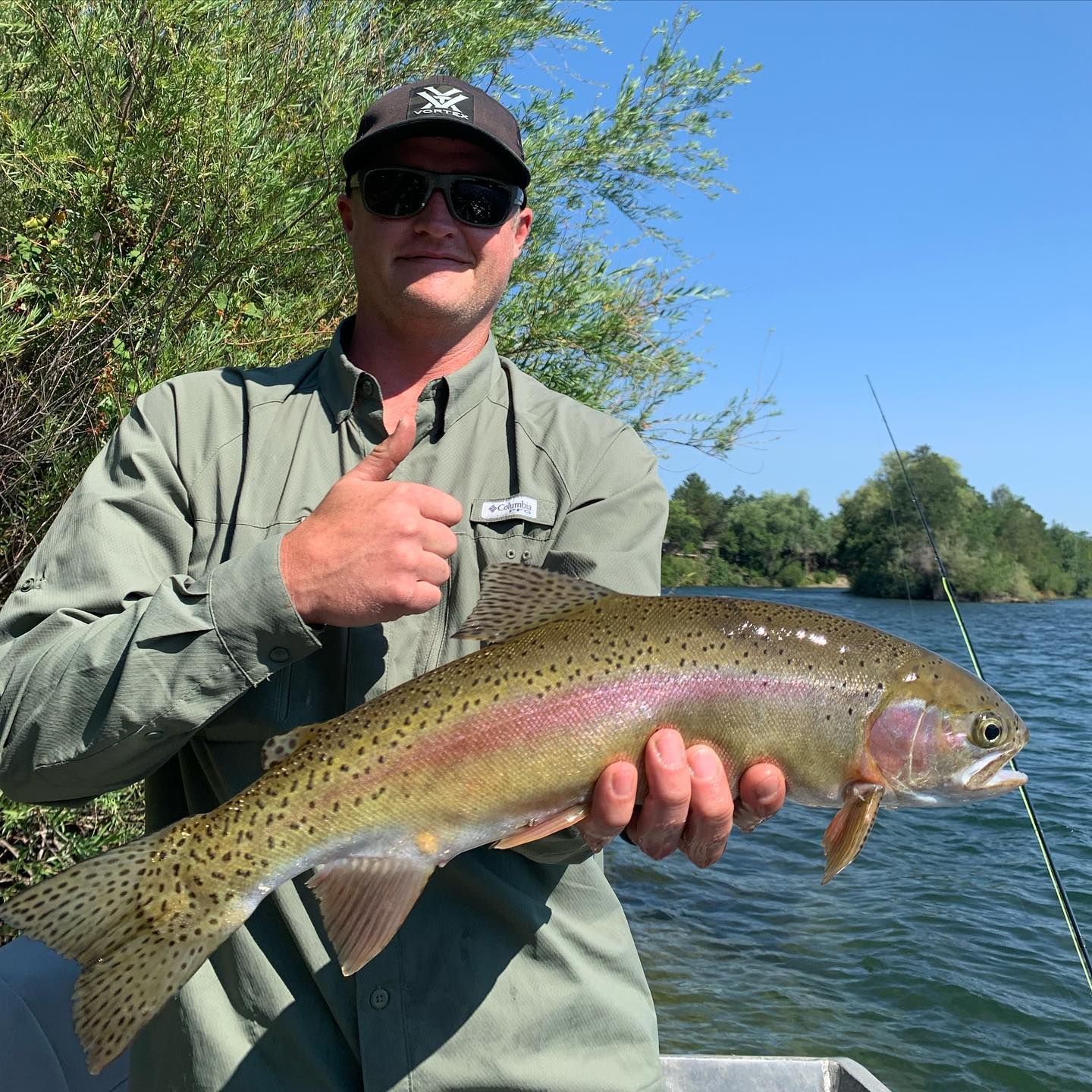
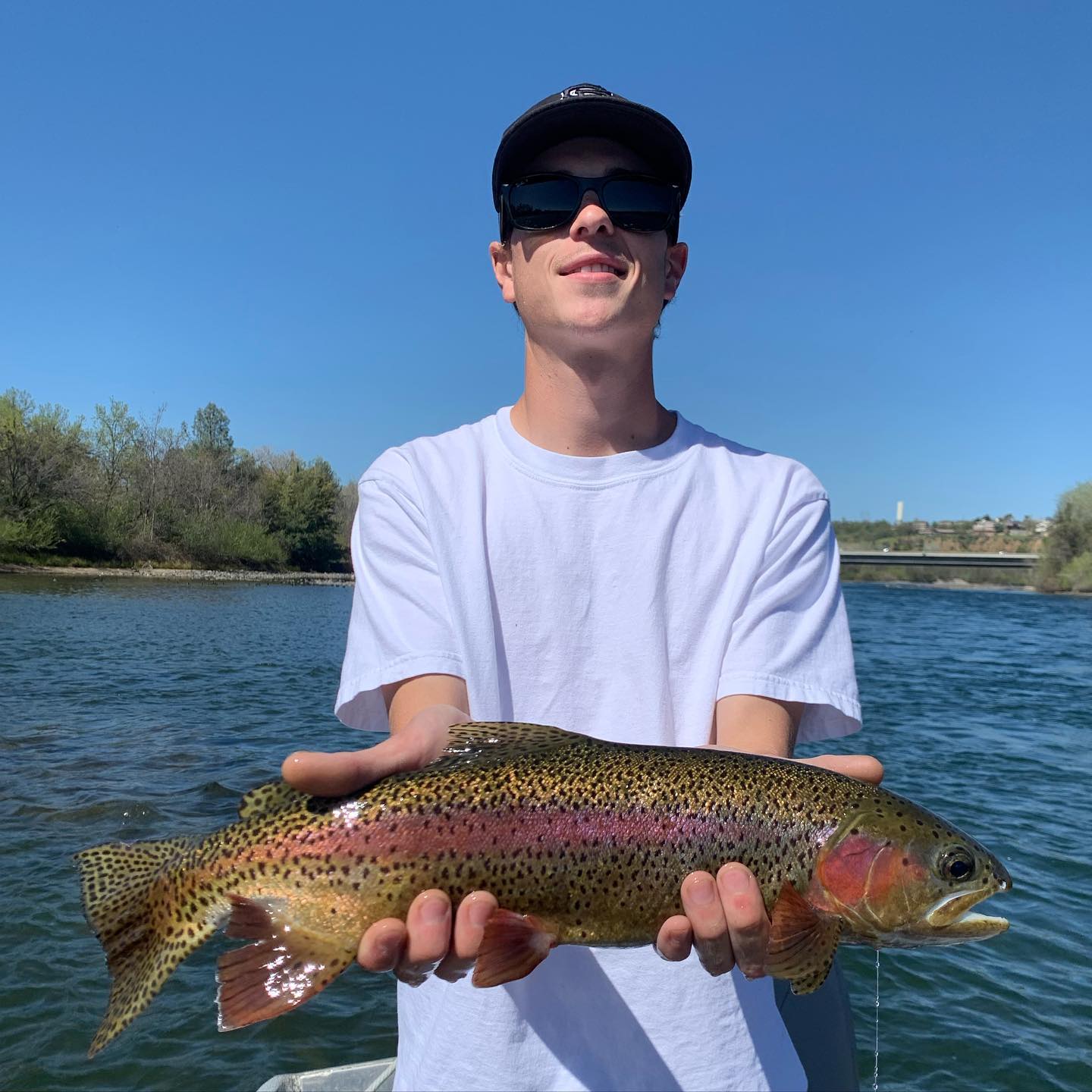
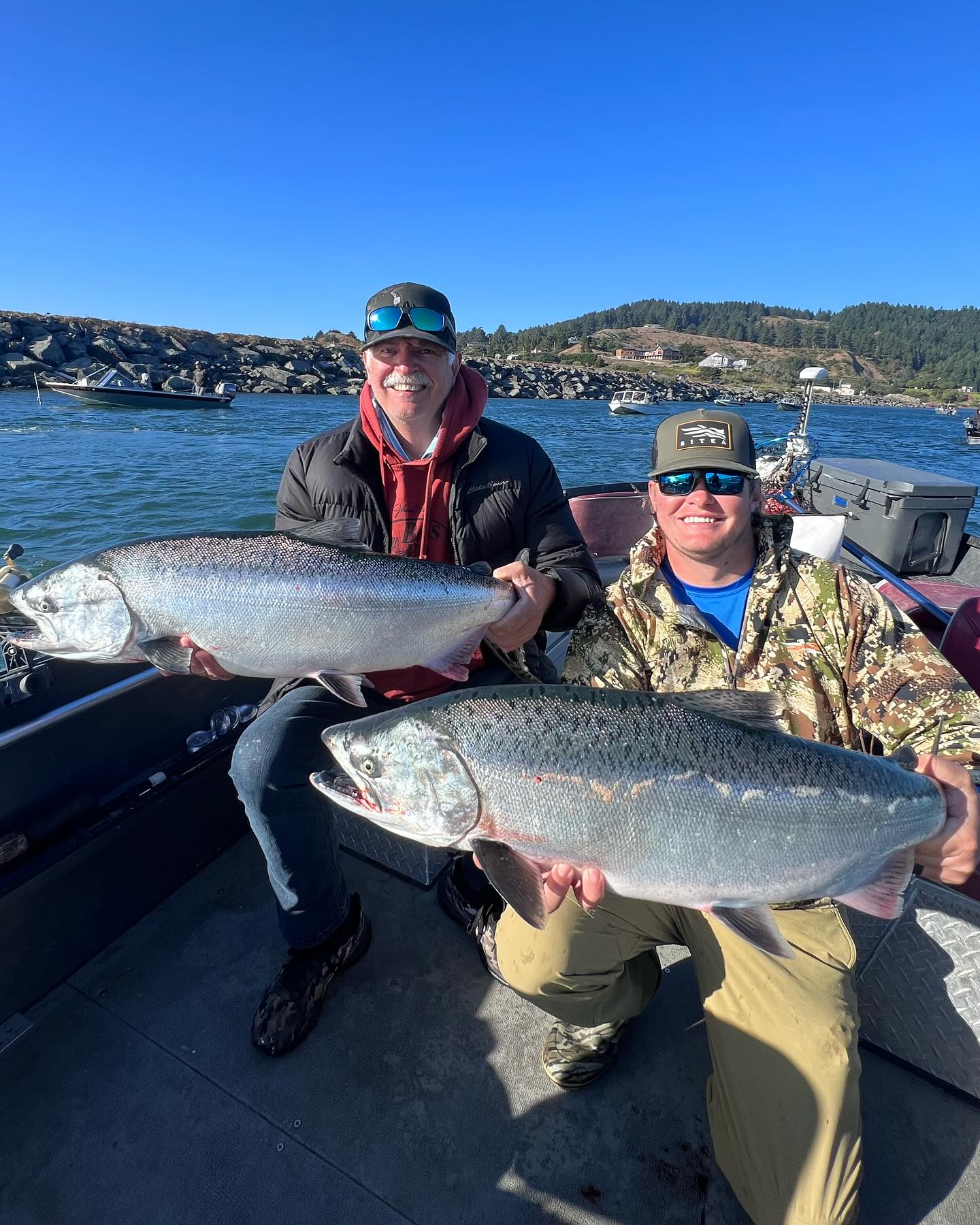
Chinook salmon are the crown jewel of this charter and the reason anglers travel from across the country to fish Gold Beach. These powerful fish average 20 to 30 pounds, with the potential for true trophy kings pushing 40 pounds or more. Fall and early winter offer the best action as mature chinook stage at the river mouth before heading upstream. The fight is legendary – expect screaming runs, head shakes, and jumps that'll have your heart pounding. What makes chinook special here is their incredible strength from living in the ocean, combined with their aggressive nature when feeding near the river.
Lingcod are the apex predator of the rocky reefs, and Gold Beach waters hold some world-class specimens. These toothy beasts can reach 30 pounds or more, and they hit baits with authority that'll rattle your teeth. Lingcod season typically runs spring through fall, with summer producing the largest fish. They're ambush predators that lurk in rock crevices and kelp beds, making for exciting visual fishing when you can see them following your bait up from the depths.
Vermilion rockfish are prized for their brilliant red coloration and excellent table fare. These beautiful fish typically range from 2 to 8 pounds and are incredibly abundant on Gold Beach reefs. They're active year-round but peak during summer months when they move into shallower water. Vermillion rockfish are perfect for beginners since they bite aggressively and provide steady action throughout the day.
Black rockfish school in massive numbers around Gold Beach's rocky structure and provide non-stop action for the entire family. These scrappy fighters range from 2 to 5 pounds and are excellent eating. They're particularly active during summer and early fall, often feeding near the surface where you can see schools darkening the water. Black rockfish are perfect confidence builders for new anglers since they bite readily and fight hard for their size.
Coho salmon add another exciting dimension to the salmon fishing, particularly during late summer and fall runs. These silver bullets are incredibly acrobatic, known for spectacular jumps and blistering runs. Coho typically range from 8 to 15 pounds in Gold Beach waters and are considered by many anglers to be pound-for-pound the strongest fighting salmon. They respond well to both trolled lures and fresh bait, making them a perfect complement to the chinook fishing.
Time to Book Your Spot
This dual-species adventure represents the best fishing value on the Oregon coast, combining two distinct fishing experiences into one memorable day. Captain Jacob's expertise in reading both ocean conditions and salmon behavior ensures you'll be fishing the most productive water throughout the day. With only four spots available per trip, this charter fills up quickly during peak season. Remember to secure your Oregon fishing license and salmon tags before your trip – Captain Jacob can point you toward local tackle shops that sell licenses if needed. Whether you're after that trophy king salmon or want to fill the cooler with fresh rockfish, this Gold Beach charter delivers the kind of fishing memories that keep anglers coming back year after year.
 Private Trip
 Inshore Fishing
 Northern California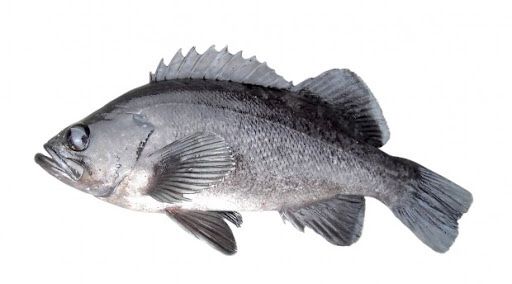

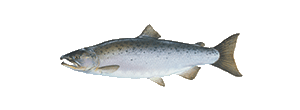


 Full-day charter targets rockfish, lingcod, and king salmon