Reef & Wreck Fishing Adventure in Marathon
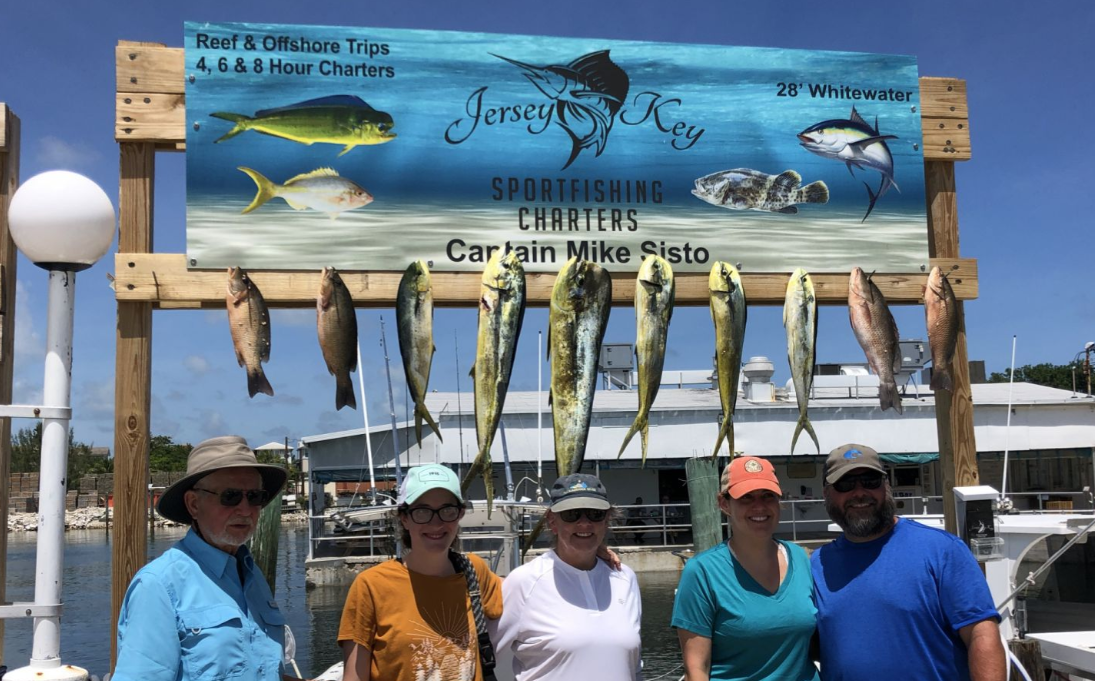
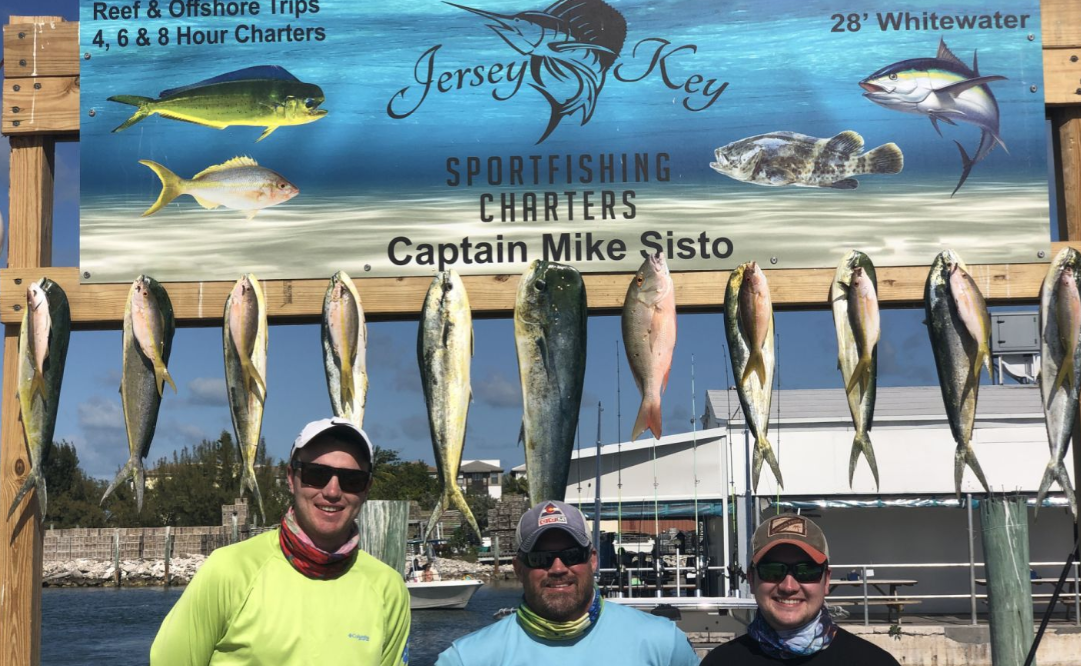
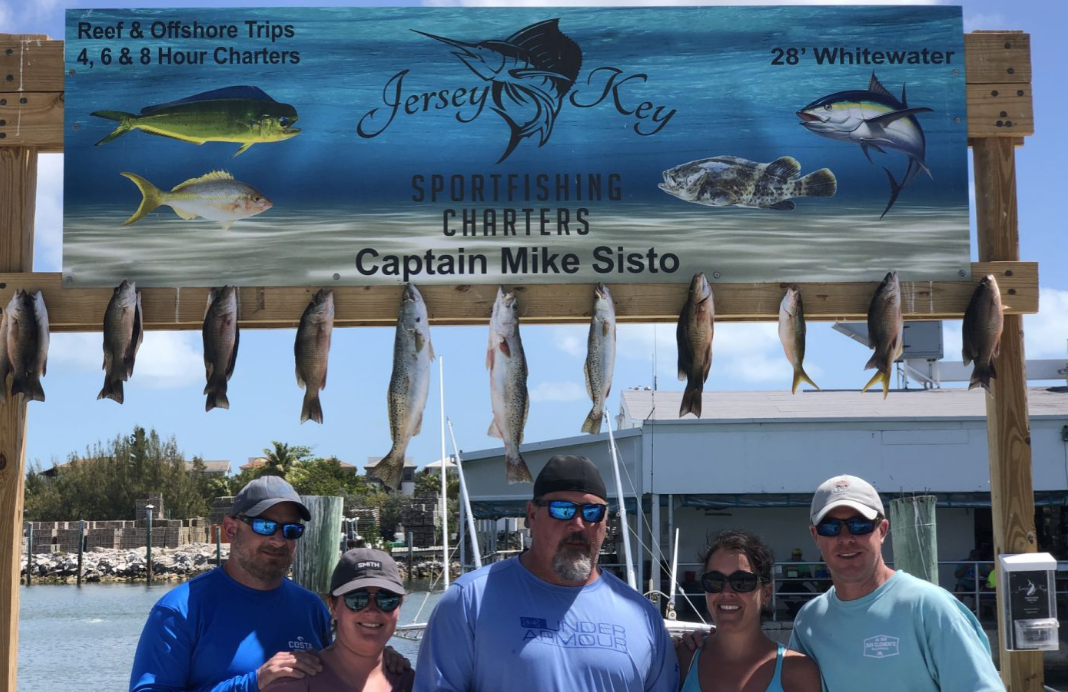
Looking for some serious action on the water? Captain Michael and Jersey Key Charters have got you covered with our top-rated reef and wreck fishing trips out of Marathon, Florida. We're talking about prime fishing grounds where the reef structure and artificial wrecks create perfect habitat for some of the best eating and fighting fish in the Keys. This isn't your typical tourist fishing trip – we fish lightweight tackle so you feel every headshake and run, and we know exactly where to put you on the fish. Whether you're after a cooler full of snapper for dinner or want to tangle with a big cobia cruising the wrecks, this is where it happens.
What to Expect on the Water
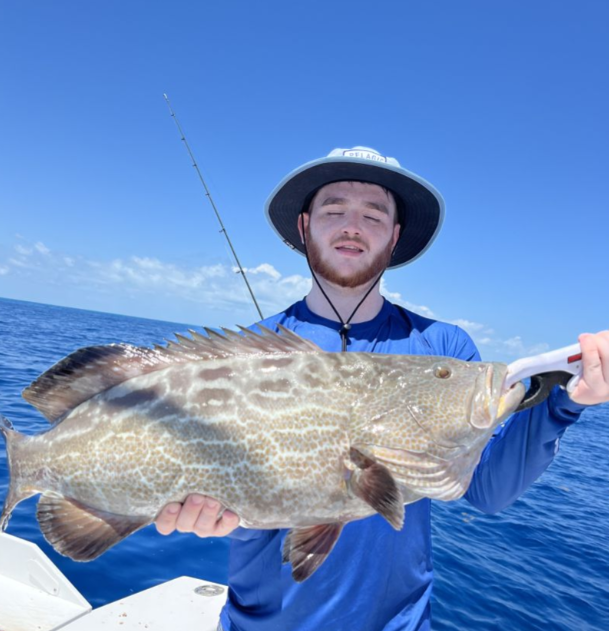
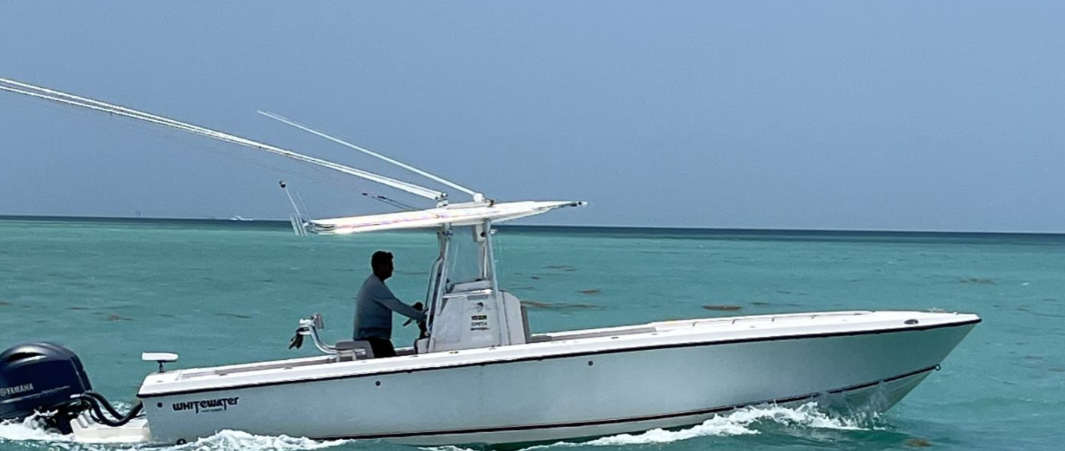
Our reef and wreck fishing trips are all about putting you on productive water where the fish actually live and feed. We're heading out to Marathon's renowned reef system and some carefully selected wrecks that hold serious fish year-round. The beauty of this type of fishing is the variety – one drop you're pulling up yellowtail snapper, the next you're locked up with a goliath grouper or fighting a cobia that came up to check out the commotion. We keep groups small at just 5 anglers max, so everyone gets plenty of room to fish and personal attention from Captain Michael. The boat's rigged specifically for this type of fishing with quality tackle, and we'll have you using lighter gear that makes even a 5-pound mutton snapper feel like a monster. Expect to move around during the trip as we hit multiple spots, always chasing the bite and adjusting to conditions.
Lightweight Tackle & Wreck Tactics
We fish lightweight spinning tackle that lets you feel every fish, no matter the size. Using 20-30 pound test keeps the fight sporting while still having enough backbone for the bigger fish that call these wrecks home. Our technique varies based on what we're targeting – for snapper, we're dropping baits right to the structure with just enough weight to get down in the current. When we're hunting cobia and amberjack around the wrecks, we might sight-fish with live bait or work jigs through the water column. The key to productive wreck fishing is knowing exactly where to position the boat – too close and you'll get cut off in the structure, too far and you won't get bit. Captain Michael has been working these same spots for years and knows every wreck, reef, and rock pile that holds fish. We use circle hooks for better fish survival and carry a variety of baits from live pilchards to cut ballyhoo, depending on what's working best.
Species You'll Want to Hook
King Mackerel are one of our customer favorites, especially during the cooler months from October through March. These fish are pure speed and aggression – they'll hit a trolled bait or live pilchard with enough force to snap your rod if you're not ready. Kings around Marathon typically run 10-30 pounds, with the occasional smoker pushing 40-plus. What makes them so exciting is that explosive first run when they peel line off the reel like it's on fire. They're also fantastic eating when bled and iced properly.
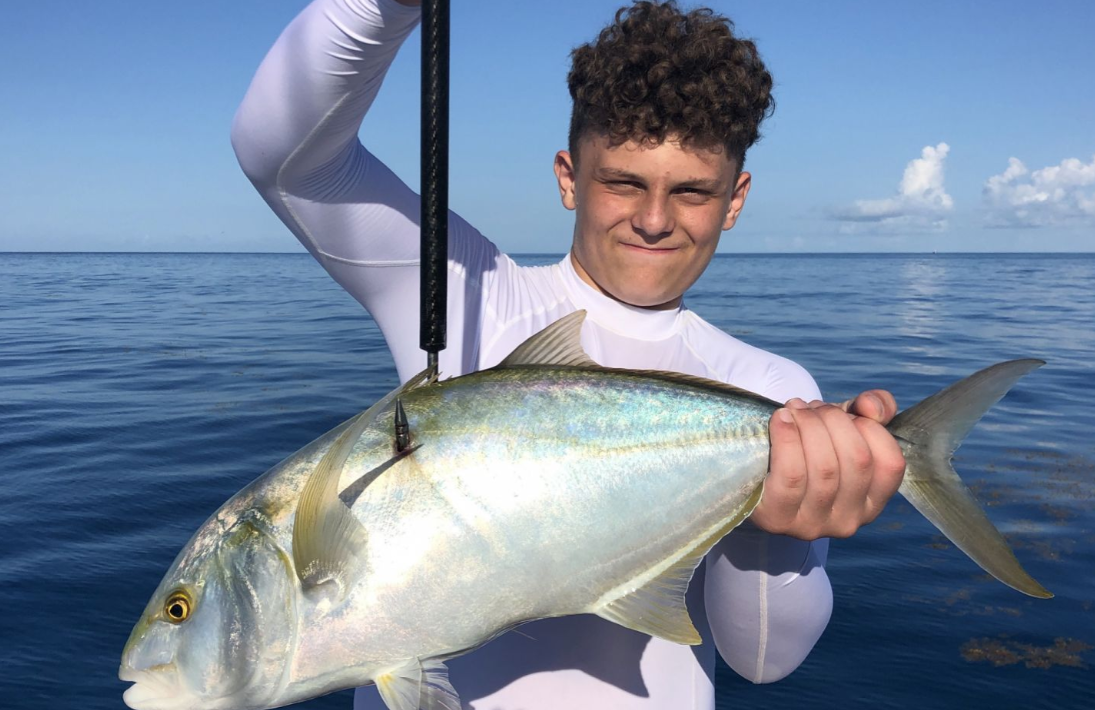
Barracuda are the reef's ultimate opportunist and one of the most visual fish you'll encounter. These silver bullets hang around the edges of reefs and wrecks, often visible right at the surface. They hit fast and jump like crazy, making them a blast on light tackle. Marathon's 'cudas typically range from 5-15 pounds, though we see plenty of bigger fish. They're curious by nature and will often follow other hooked fish right to the boat, giving you multiple chances. Their razor-sharp teeth and lightning-fast strikes keep things interesting – just watch your fingers!
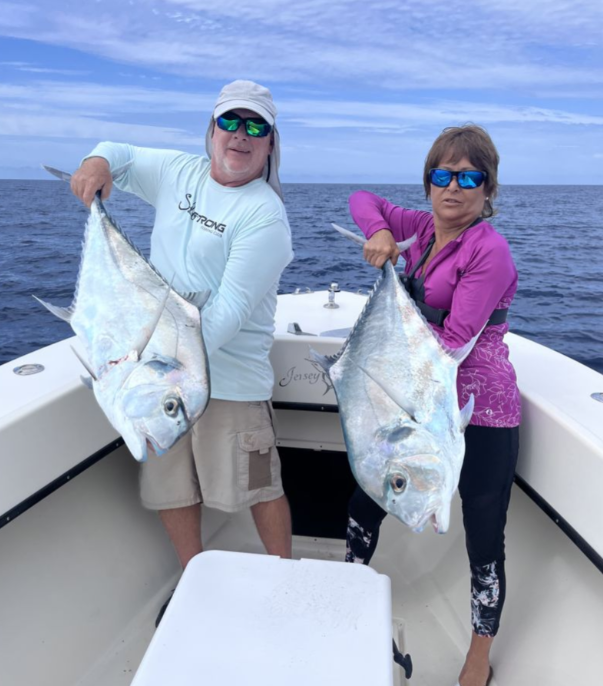
Cobia are the holy grail of wreck fishing, and Marathon's artificial reefs are cobia magnets from March through June. These chocolate-brown bruisers cruise the wrecks looking for an easy meal, often swimming right up to the boat to investigate. A good-sized cobia will go 20-50 pounds and fight like they're twice that size, making long powerful runs and trying to wrap you around the wreck. They're incredibly curious fish, which makes sight-fishing for them so addictive – you can literally watch them decide whether to eat your bait.
Yellowtail Snapper are Marathon's bread and butter fish, available year-round but absolutely lights-out good from May through September. These beautiful fish have golden stripes and that distinctive yellow tail that gives them their name. They school heavily around reef structure and respond well to light tackle and small baits. What makes yellowtail special is their willingness to bite and their excellent table fare – sweet, white meat that's perfect for anything from fish tacos to ceviche. They typically run 1-3 pounds, but the bigger "flags" over 4 pounds are real trophies.
Amberjack are the muscle cars of the reef, built for power and endurance. These amber-colored fighters live around deeper wrecks and will test your tackle and your stamina. Marathon's AJs typically run 15-40 pounds, and they use every ounce of that weight to try and get back to their wreck. They're notorious for making long, steady runs that just don't seem to end. The bigger fish are catch-and-release only due to regulations, but the smaller ones are world-class eating with firm, white meat similar to mahi.
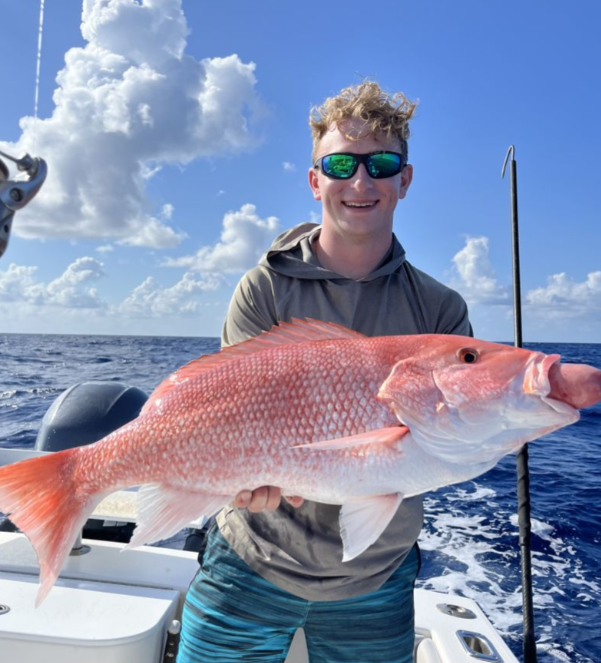
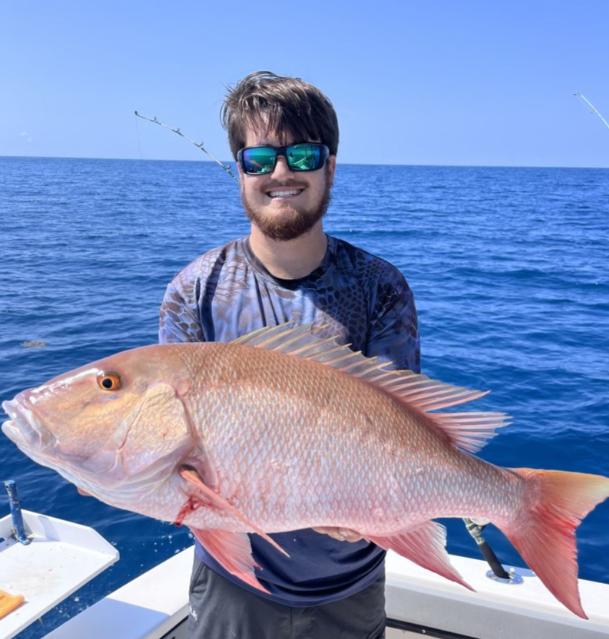
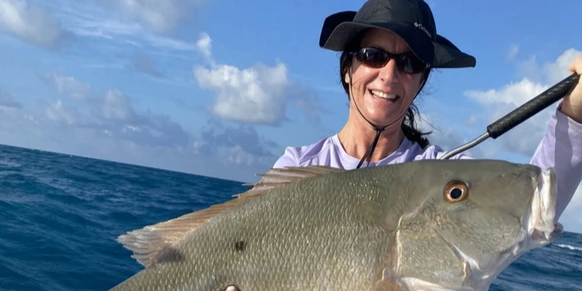
Mutton Snapper are the crown jewel of Marathon's wreck fishing scene. These red and silver beauties can live 30+ years and grow to impressive sizes around the deeper wrecks. What makes muttons so special is their combination of size, fight, and table quality. A 10-pound mutton is a fish of a lifetime for many anglers, and these wrecks produce them regularly. They're smart fish that often require finesse – lighter leaders, smaller hooks, and the right presentation. When you hook a big mutton
 Private Trip
 Wrecks/Reefs Fishing
 Marathon, FL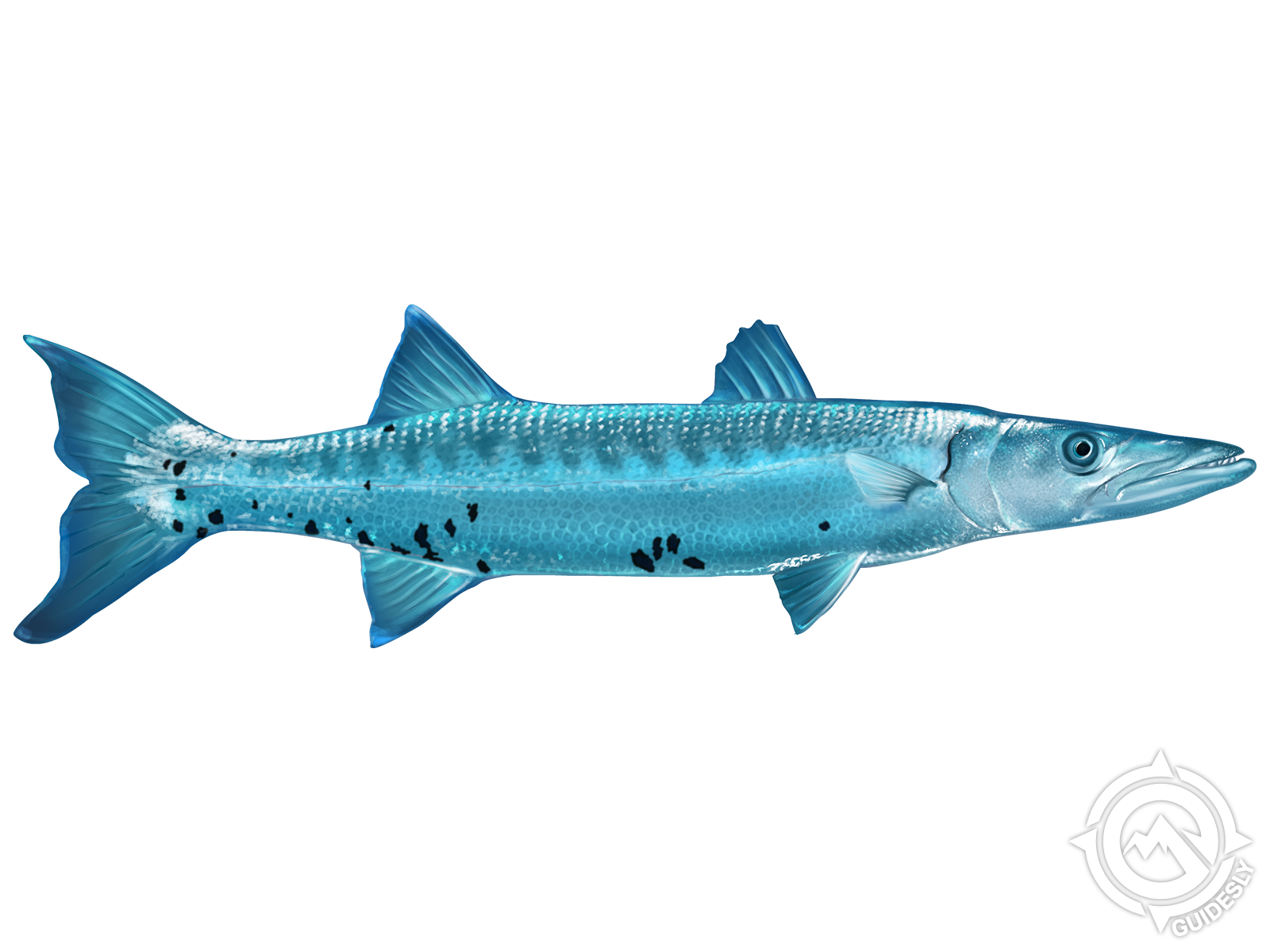


 Reef and wreck fishing targets snapper, grouper, and cobia