Private Smallmouth Bass Charter - Umpqua River
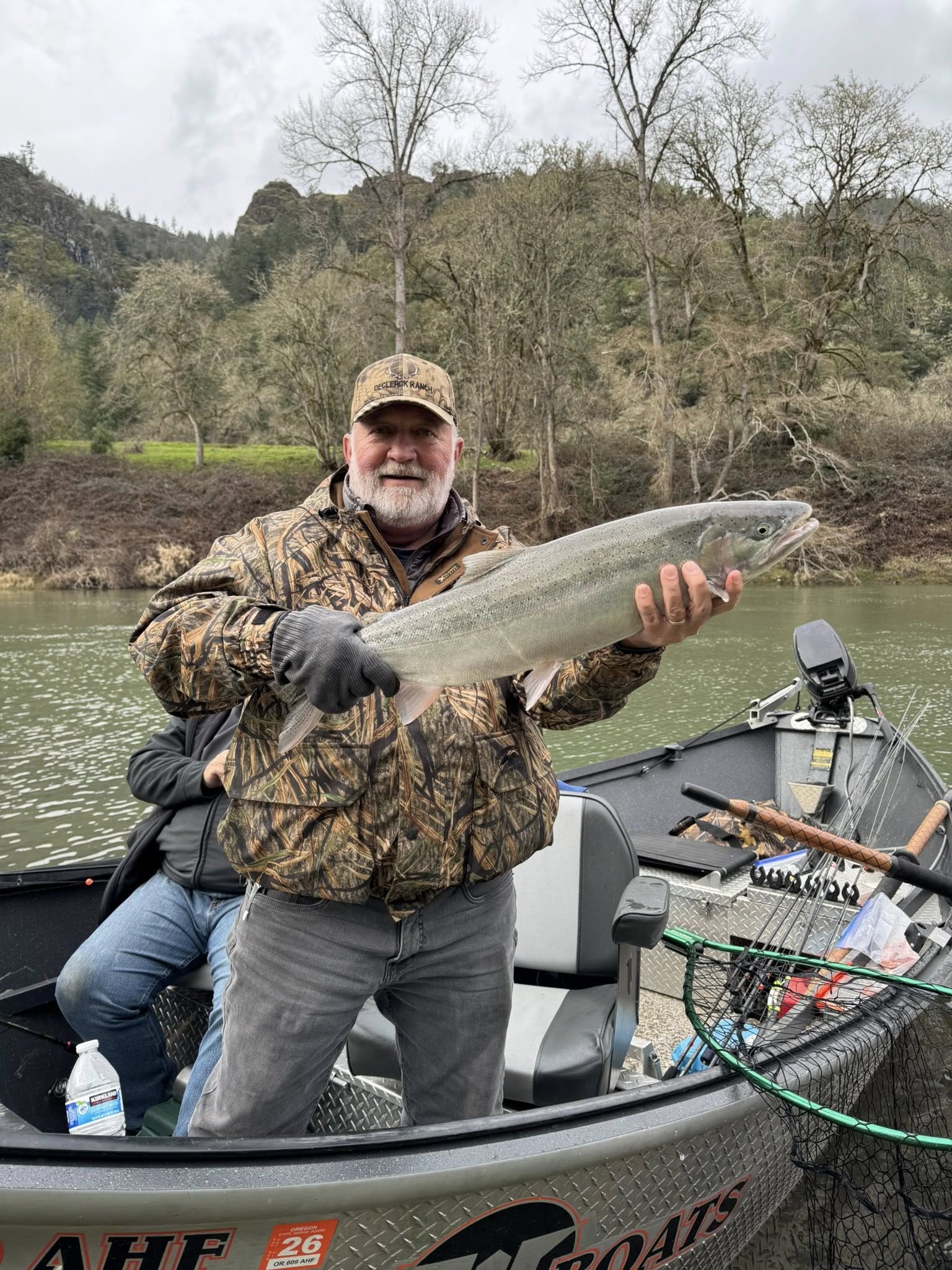
Nothing beats a full day on the water with your rod in hand and the Umpqua River stretching out ahead of you. This private 8-hour fishing charter puts you right in the heart of Oregon's top freshwater fishing territory, where smallmouth bass fight hard and salmon runs keep things interesting year-round. Josh Sutch Guide Service has been working these waters for years, and we know exactly where the fish are holding. Whether you're bringing the kids for their first real fishing experience or you're a seasoned angler looking to dial in your technique, this trip delivers the kind of hands-on instruction and local knowledge that makes the difference between coming home with stories and coming home with fish.
What to Expect on the Water
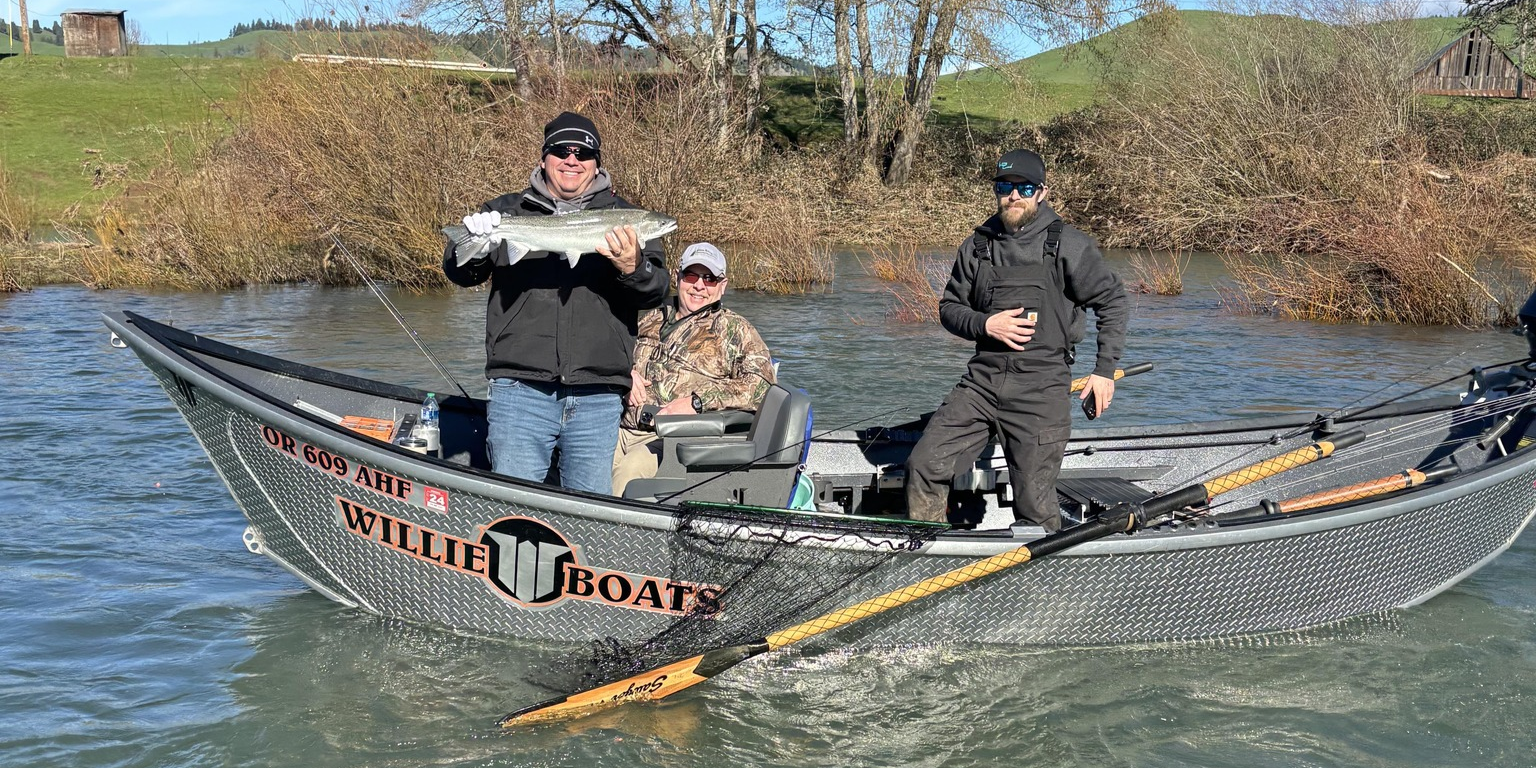
The Umpqua River gives you everything you want in a premier fishing destination - deep pools where big fish lurk, rocky structure that holds smallmouth bass, and seasonal salmon runs that bring world-class action right to your doorstep. We keep groups small at just two anglers max, so you get personalized attention and plenty of elbow room to work on your casting and technique. The pace stays relaxed but productive, with time to soak in the scenery and spot wildlife between hookups. You'll cover different sections of river throughout the day, learning how to read water and understand where fish position themselves in various conditions. All your gear comes included, from rods and reels to tackle and terminal gear, so you can focus on fishing instead of packing. Safety stays our top priority with proper equipment and constant communication about river conditions.
Techniques and Tackle
Smallmouth bass fishing on the Umpqua demands versatility, and we'll have you working everything from topwater lures at dawn to deep-diving crankbaits when fish move to structure. You'll master the art of working soft plastics along rocky drop-offs, learn proper retrieve speeds for different water temperatures, and understand how current affects lure presentation. For salmon, we switch tactics completely - backtrolling with bait, swinging flies through prime holding water, and timing our approach with tidal influences in the lower river sections. The rod selection varies throughout the day based on target species and techniques, but expect medium-heavy spinning gear for bass work and longer rods for salmon fishing. We carry a full selection of proven lures and baits, from tried-and-true spinnerbaits to the latest finesse presentations that trigger strikes when fish get finicky. River fishing requires constant adjustments to depth, speed, and presentation, and by the end of eight hours, you'll understand how small changes make big differences in your success rate.
Species You'll Want to Hook
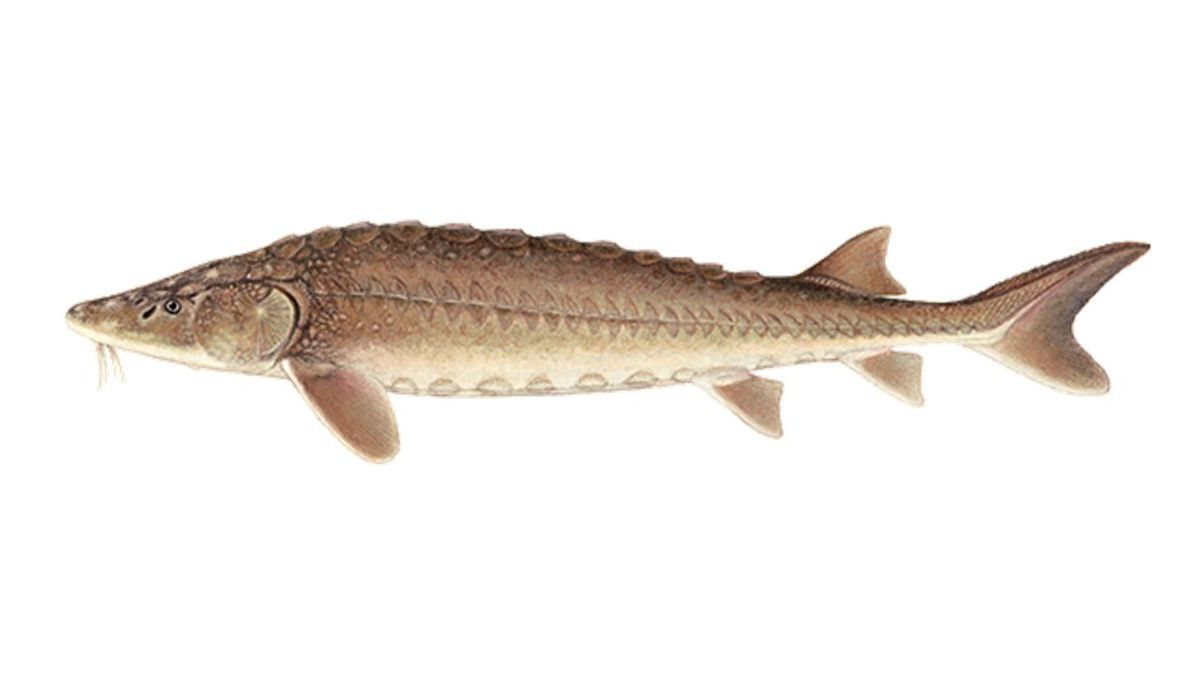
Lake Sturgeon represent the ultimate freshwater trophy, with fish reaching lengths over eight feet and weights pushing 400 pounds. These prehistoric giants prefer deep pools and slow-moving sections, feeding primarily on the bottom with their sensitive barbels detecting invertebrates and small fish. Spring through early summer offers the best opportunities as sturgeon become more active in warming water. The fight from a big sturgeon is unlike anything else in freshwater - long, powerful runs that test your drag system and endurance. Regulations require barbless hooks and careful handling for release, making each encounter a conservation success story.
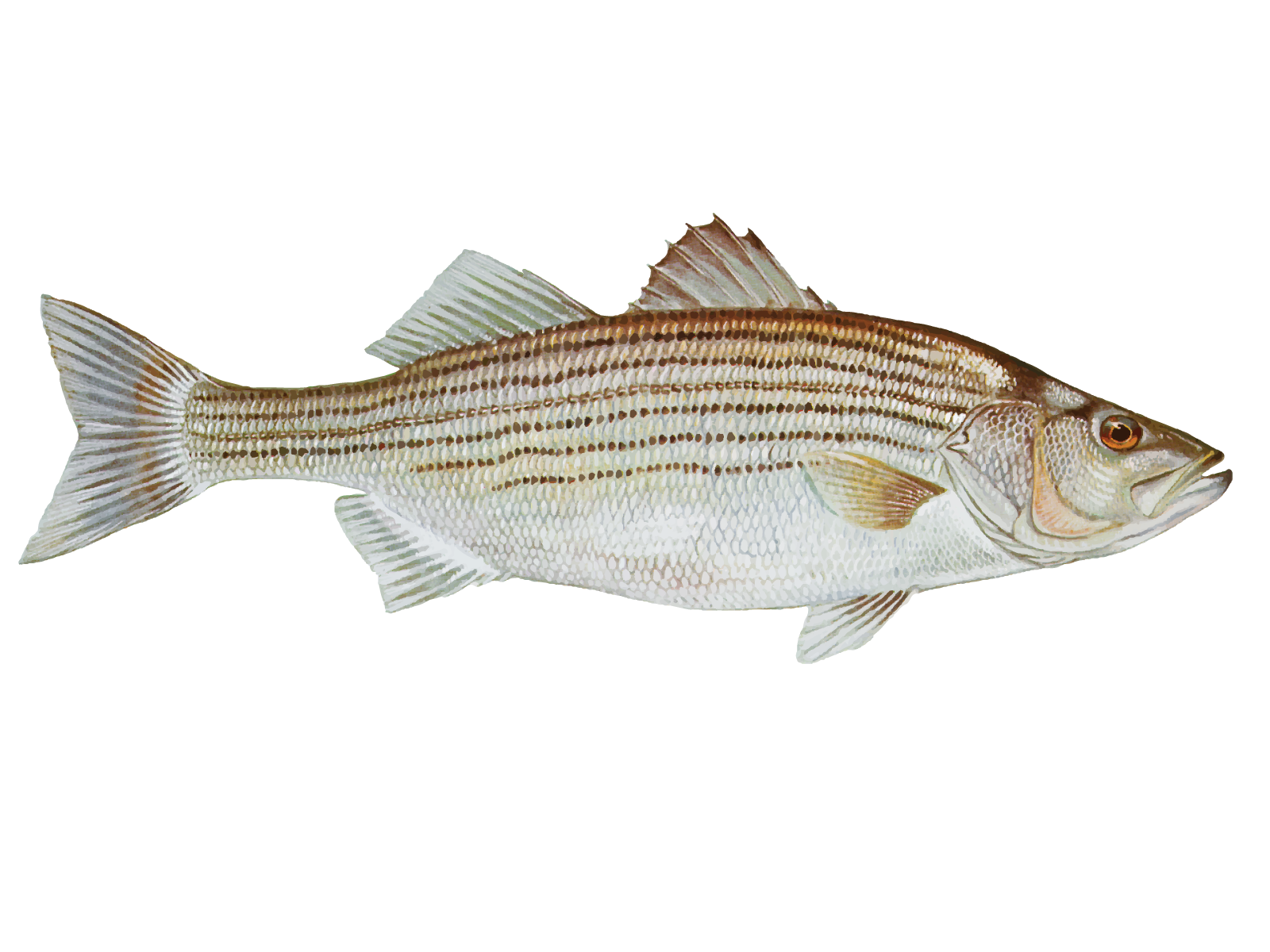
Striped Bass bring saltwater aggression to freshwater environments, schooling up to chase baitfish and creating some of the most exciting topwater action you'll find anywhere. These silver rockets average 5-15 pounds but can push 30-plus pounds, using their streamlined bodies to make blistering runs that strip line off your reel. Summer months see the best striper action as they follow shad schools into shallow water, often feeding aggressively at dawn and dusk. Their hard strikes and acrobatic jumps make every hookup memorable, while their table fare ranks among the best eating fish in the river.
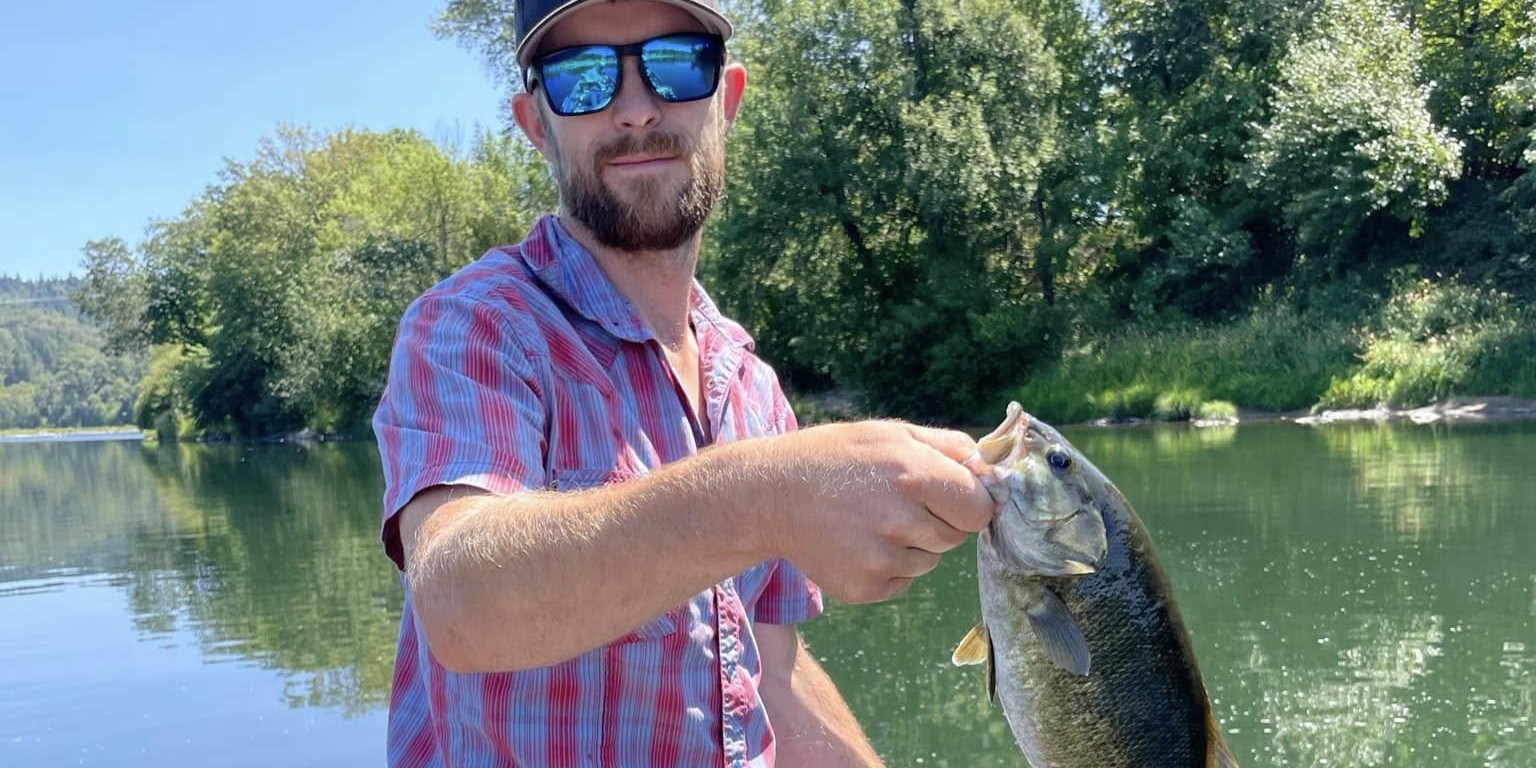
Smallmouth Bass are pound-for-pound the scrappiest fighters in freshwater, using rocky structure and current to their advantage during every battle. These bronze beauties typically run 12-16 inches with occasional fish pushing 18-plus inches and 4-5 pounds. They're most active when water temperatures hit the 60-75 degree range, making late spring through early fall prime time for consistent action. Smallmouth relate heavily to structure - rock piles, fallen trees, and undercut banks all hold fish. Their aggressive strikes and aerial displays make them a customer favorite, especially for kids who get to experience that classic smallmouth headshake and jump sequence.
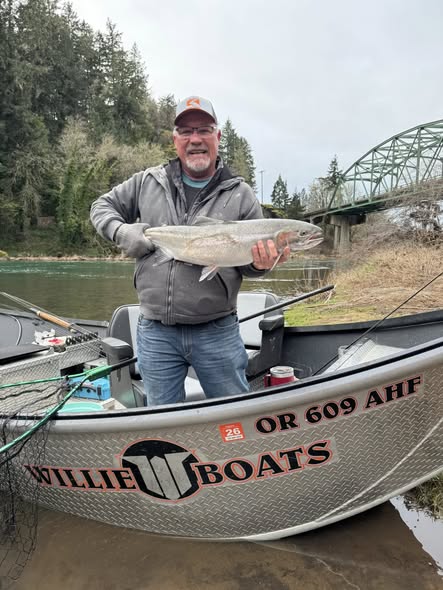
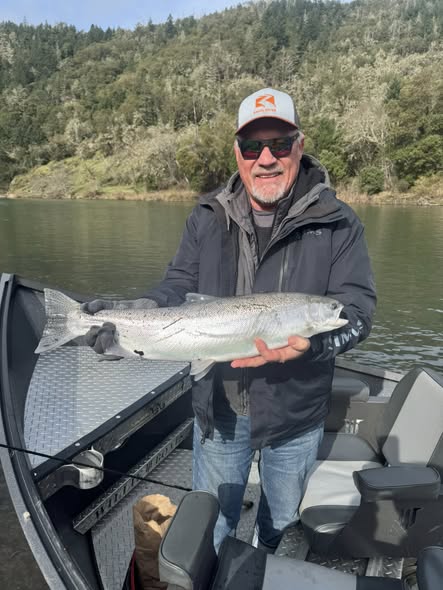
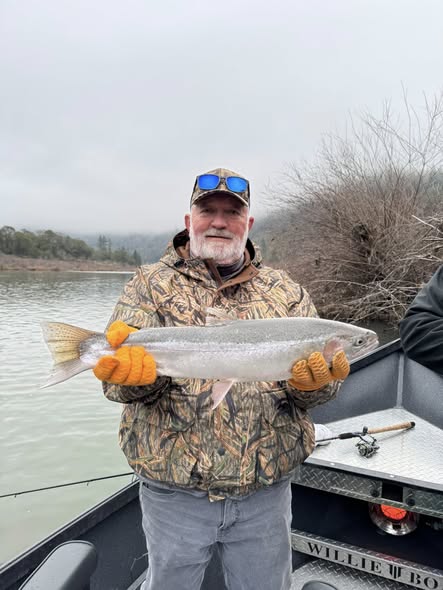
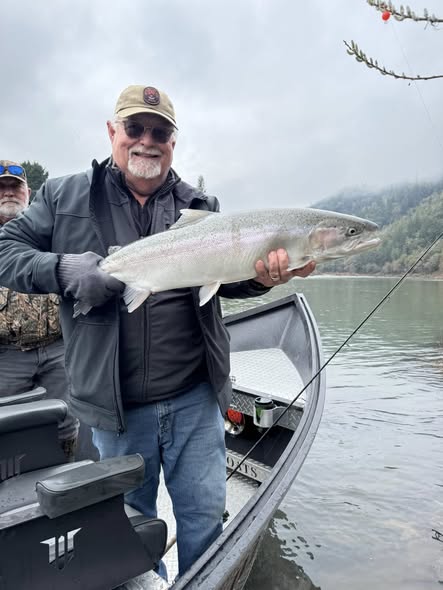
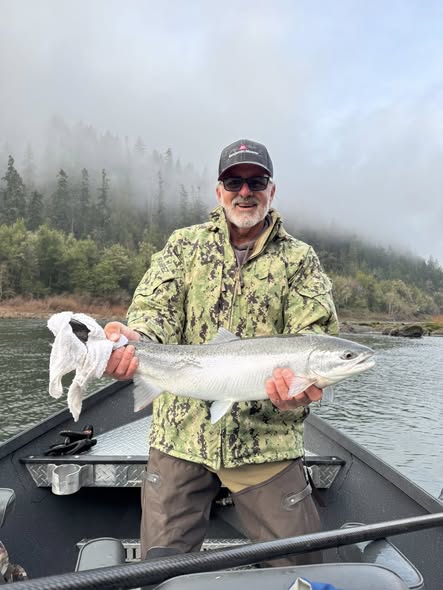
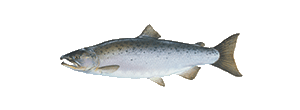
Coho Salmon bring high-energy fights and spectacular jumps to the Umpqua River system, typically arriving in late summer and fall during their spawning runs. These silver bullets average 8-12 pounds but fight like fish twice their size, combining speed, strength, and acrobatics in ways that keep anglers on their toes. Fresh-from-the-ocean coho still carry their chrome coloration and peak fighting condition, making early season encounters especially prized. They respond well to both lures and bait presentations, often striking aggressively when you locate a school in prime holding water.
Chinook Salmon represent the king of Pacific salmon, with Umpqua River fish commonly reaching 20-40 pounds and occasional monsters pushing 50-plus pounds. These apex predators prefer deeper holes and slower current, using their massive size and strength to control fights from start to finish. Spring and fall runs offer different opportunities, with spring fish typically larger and more chrome-bright. The initial strike from a big king can be surprisingly subtle, but once they realize they're hooked, expect powerful runs toward structure and deep water. Landing a trophy chinook ranks as a lifetime achievement for many anglers, combining the right techniques, timing, and a good dose of luck.
Time to Book Your Spot
The Umpqua River keeps producing year-round, but the best dates fill up fast with returning customers who know what this fishery offers. Eight hours gives you real time to learn, adjust your technique, and put together the kind of memorable day that keeps you
 Shared Trip
 Lakes/Reservoirs/Ponds Fishing
 Coos Bay

 Private 8-hour Smallmouth Bass fishing on Umpqua River