3/4 Day Wreck Fishing in Daytona Beach
Ready to experience some of Florida's best wreck fishing? This 6-hour adventure with Jus Chillin Charters takes you to the prime fishing grounds around Daytona Beach and Ponce Inlet, where artificial reefs and natural structure hold some serious fish. We're talking about a full day targeting everything from hard-fighting sharks to tasty snappers, all while exploring the diverse waters that make this stretch of coast a angler's paradise. Whether you're a seasoned pro or just getting your feet wet with wreck fishing, this trip delivers the goods with professional guidance and all the gear you need.
What to Expect on the Water
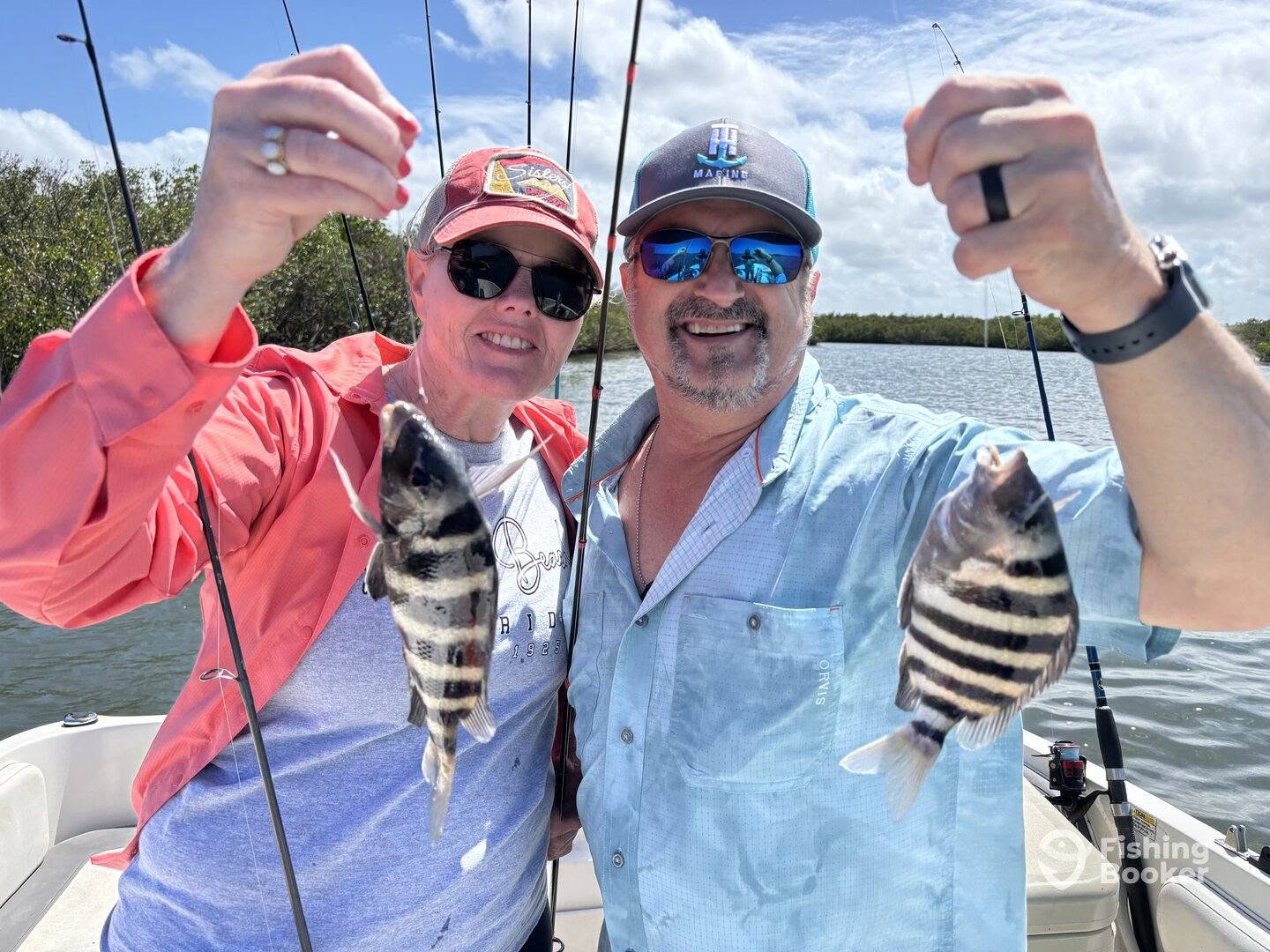
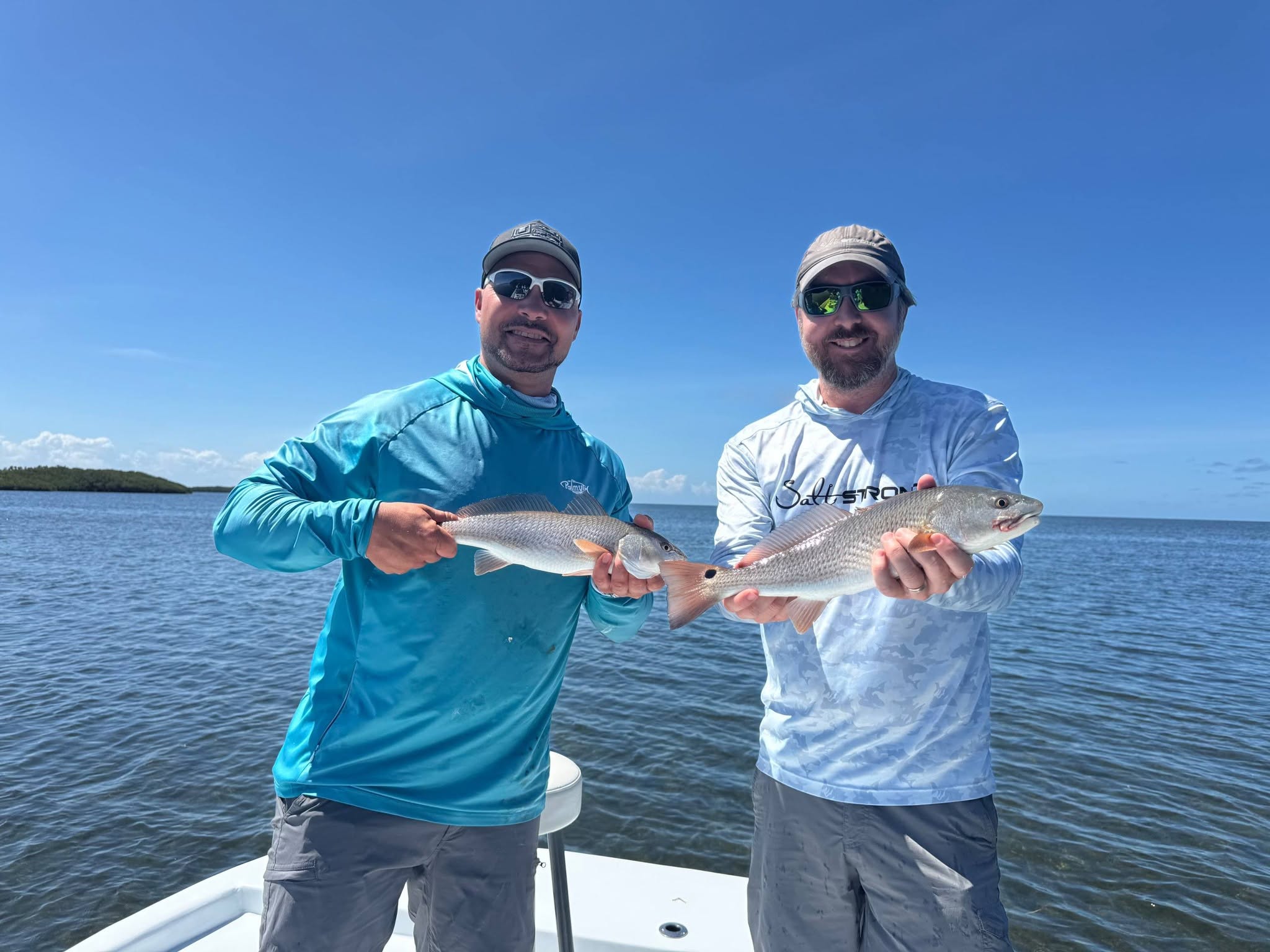
This isn't your typical inshore trip – we're heading to where the big boys live. Your captain knows these waters like the back of his hand, and he'll adjust the game plan based on conditions and what's biting. Some days we'll work the passes near the inlet where the current brings baitfish and predators together. Other times, we'll head to those productive nearshore reefs where structure creates an underwater highway for migrating species. When the weather calls for it, we might even duck into some protected backwater spots that hold redfish and sheepshead. The boat comes equipped with top-shelf electronics to locate fish and structure, plus all the rods, reels, tackle, and bait you'll need. Your fishing license is covered too, so just show up ready to fish. With space for up to 3 anglers, you'll have plenty of room to work without bumping elbows, and the captain can give everyone the attention they deserve.
Wreck Fishing Techniques
Wreck fishing is all about precision and patience. We'll be using a combination of bottom rigs and live bait presentations to target fish holding around structure. When we're over a good wreck or artificial reef, you'll feel the difference immediately – the fish finder lights up, and you know you're in business. We'll anchor up current from the structure and let our baits drift down naturally, or sometimes we'll drift across productive areas to cover more water. The captain will rig you up with circle hooks and weights appropriate for the depth and current, usually running 20-30 pound test depending on what we're targeting. Live shrimp, cut bait, and small jigs are the go-to offerings, but don't be surprised if we switch tactics based on what the fish are telling us. The key to success is keeping your bait near the bottom where these species feed, but not so tight that you're constantly snagged on the wreckage.
Top Catches This Season
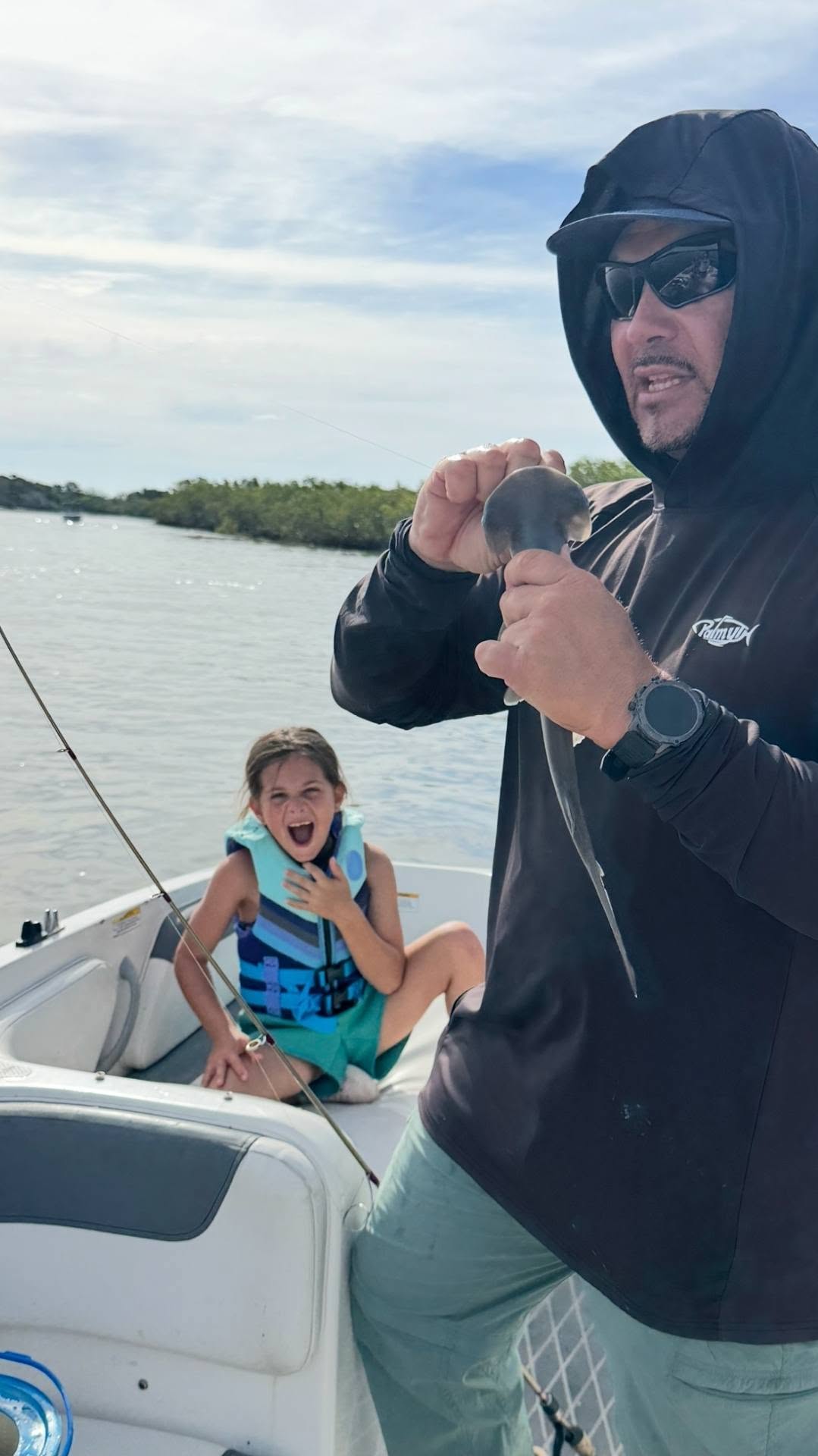
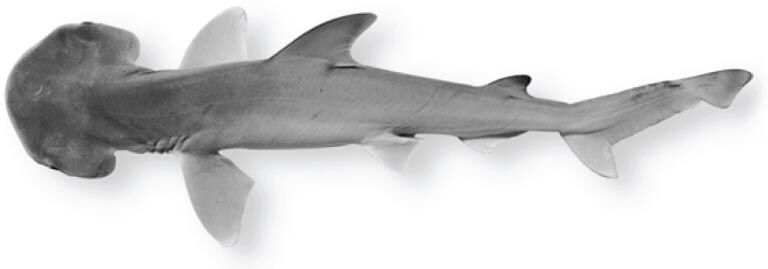
Bonnethead sharks are absolute blast to catch and probably the most consistent species you'll encounter on this trip. These smaller members of the hammerhead family typically run 2-4 feet long and put up a surprisingly good fight for their size. They love the sandy areas around structure and are suckers for fresh shrimp. Best part? They're active year-round in these waters, though spring and fall seem to produce the biggest numbers. What makes them so fun is their curious nature – they'll often investigate the boat and give you multiple chances if you miss the first bite.
Blacktip sharks bring the real excitement to wreck fishing here. These guys can push 4-5 feet and will absolutely smoke your drag when they realize they're hooked. They're notorious for their acrobatic jumps and blistering runs that'll test your tackle and technique. Summer months are prime time for blacktips, especially when the baitfish are thick around the reefs. They're opportunistic feeders, so live bait or fresh cut fish works great. Just be ready – when a blacktip hits, you'll know it immediately.
Pompano might be smaller than the sharks, but pound-for-pound they're some of the hardest fighting fish in these waters. Plus, they're absolutely delicious on the table. These silver bullets love sandy bottom near structure and are particularly active during their spring and fall migrations. They've got small mouths, so we'll downsize the hooks and use fresh shrimp or sand fleas. The trick is feeling their subtle bite – they're not aggressive strikers, but once hooked, they'll make multiple strong runs that'll surprise you.
Bluefish are the aggressive opportunists of the group, and when they're feeding, the action gets hot fast. These voracious predators travel in schools and will hit just about anything you throw at them when they're in the mood. They've got razor-sharp teeth and an attitude to match, making them exciting to catch but requiring some care when handling. Fall and winter are typically the best times to find good numbers of blues around the wrecks, especially when baitfish are moving through the area.
Black drum are the heavyweights of this bunch, with mature fish capable of reaching 30+ pounds in these waters. They're bottom huggers that love to hang around structure picking up crabs and other crustaceans. What makes them special is their powerful, stubborn fight – they won't jump or make long runs, but they'll use their bulk and the structure to try to break you off. Fresh shrimp, blue crab, or cut bait works best, and you'll need to be patient since they're methodical feeders. Spring is prime time for big drum, though you can find them year-round.
Time to Book Your Spot
This 6-hour wreck fishing adventure offers the perfect balance of variety, action, and value that keeps anglers coming back trip after trip. With everything included – licenses, gear, tackle, and bait – plus room for up to 3 guests at the base price, it's an outstanding way to experience some of Florida's best fishing without the hassle of planning and preparation. The experienced captain knows how to adapt to conditions and put you on fish, whether that means working the inlet passes, exploring nearshore reefs, or finding productive backwater spots. Don't miss your chance to tangle with sharks, drum,
 Private Trip
 Wrecks/Reefs Fishing
 Titusville


 Six-hour fishing adventure targeting redfish and mangrove snappers