NJ Waterfowl Hunting with Kettle Creek Outfitters
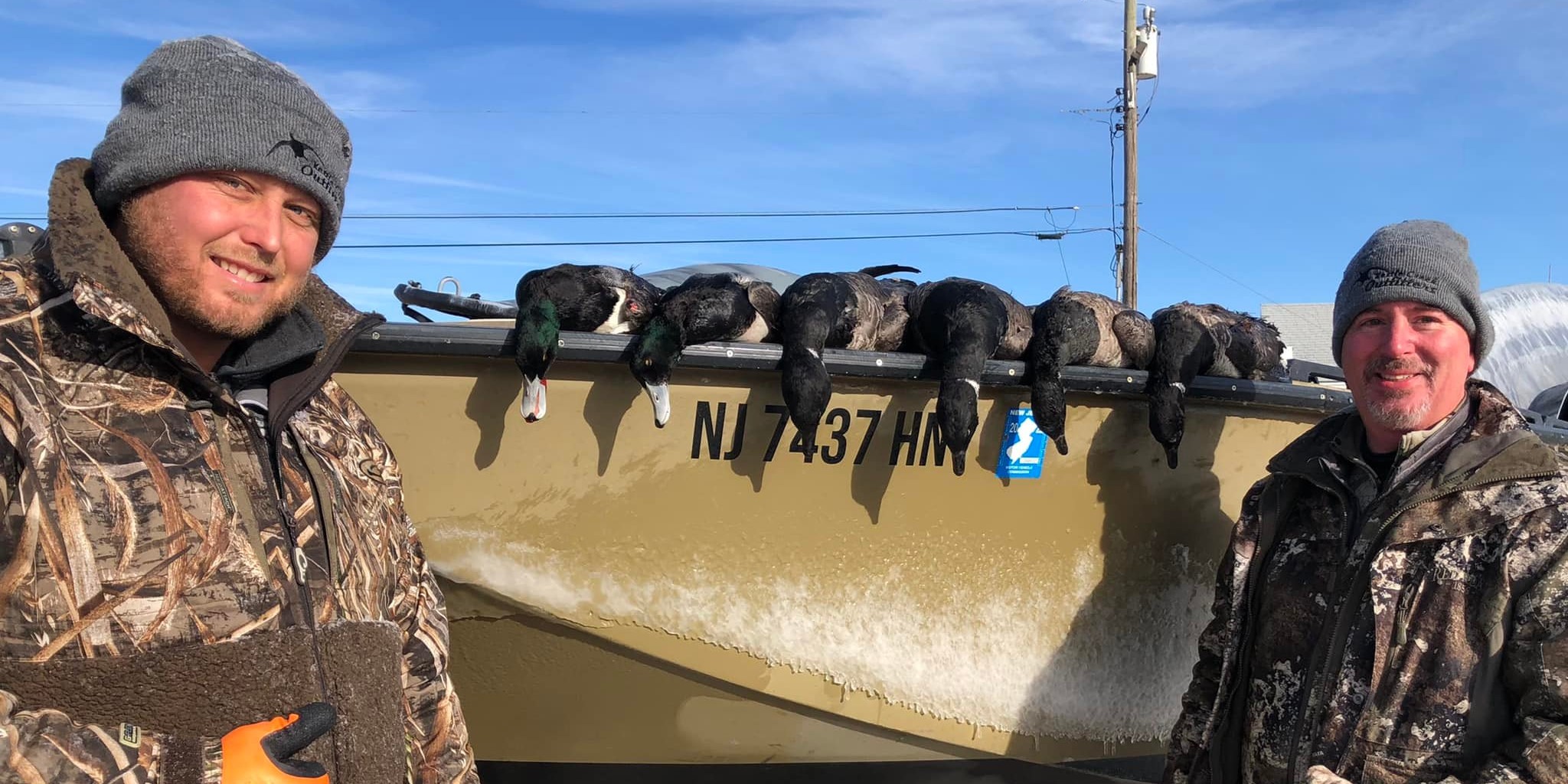
New Jersey's wetlands offer some of the East Coast's finest waterfowl hunting, and Kettle Creek Outfitters has been putting hunters on birds for years. Our guided waterfowl hunts target the mallards and wood ducks that call these marshes home during migration season. Whether you're a seasoned duck hunter or picking up your first shotgun, our guides know these waters like the back of their hand and will put you in position for memorable shots. We run morning hunts starting before shooting light until 11 am, plus afternoon sessions from 1 pm until legal shooting time ends. Safety comes first here - if weather turns nasty with heavy rain or dangerous winds, we'll reschedule rather than risk anyone getting hurt out there.
Inside the Hunt
Your hunt day starts early - we're talking well before dawn when most folks are still hitting the snooze button. Morning hunts kick off before shooting light, which means we're positioning decoys and getting settled in blinds while it's still dark. This timing isn't just tradition; it's when ducks are most active, flying from roost to feed. You'll hear wings cutting through the air before you can see them. Our guides read weather patterns and bird movement like a playbook, adjusting decoy spreads and calling strategies based on wind direction, cloud cover, and pressure systems. Afternoon hunts offer a different vibe - ducks moving back to roost areas, often providing steady action until legal shooting time wraps up. The beauty of New Jersey's waterfowl hunting lies in the variety of habitat we access, from tidal marshes to wooded swamps, each requiring different approaches and offering unique challenges. Group pricing makes this a great option for buddies - solo hunters pay $400, pairs drop to $350 each, and groups of four get the best deal at $300 per hunter. Northern Zone hunts add $50 due to travel time, but the bird numbers often make it worth the extra cost.
Tracking Tips & Terrain
New Jersey's waterfowl hunting terrain varies dramatically from the Delaware Bay marshes to inland beaver ponds, and each spot demands different tactics. In tidal areas, we time hunts around water levels - too high and ducks raft up in open water, too low and they can't access preferred feeding spots. Our guides position layout blinds in strategic locations where currents create natural feeding lanes or where ducks historically prefer to land. Decoy placement follows proven patterns: feeding spreads for calm days, motion decoys when birds seem hesitant, and tighter groupings during high-pressure periods. We use calls sparingly but effectively - overcalling spooks educated birds faster than anything else. Reading bird behavior becomes crucial: high-flying ducks often need aggressive calling to break them from their flight path, while birds already working your spread respond better to soft feeding calls and confidence calls. Wind direction determines blind placement and approach routes. A northwest wind might push birds toward protected coves, while southwest winds often keep them moving along major flyways. Weather plays a huge role too - overcast skies keep birds flying longer, while bluebird days often shut down movement early. Cold fronts trigger major flights as birds push south, making post-front hunting some of the most productive. Our guides carry multiple call styles from single-reed to double-reed calls, adjusting their cadence based on species and conditions. Concealment matters more than expensive gear - a well-brushed blind beats fancy equipment every time.
Target Game Breakdown
Mallards represent the bread and butter of New Jersey waterfowl hunting, and for good reason. These adaptable ducks thrive in our diverse wetland systems, from brackish tidal marshes to freshwater impoundments. Drakes sport that classic green head and white collar that every duck hunter recognizes, while hens display mottled brown plumage perfect for nesting camouflage. Mallards typically weigh 2-3 pounds and respond well to calling, making them ideal targets for hunters who enjoy working birds. Peak mallard hunting runs from late October through January, with the best action often coinciding with cold fronts that push birds south from Canadian breeding grounds. These ducks feed heavily on waste grain in agricultural areas, then return to roost in protected marshes - understanding this pattern helps our guides position hunts effectively. Mallards decoy readily but can become call-shy in heavily pressured areas, requiring guides to adjust tactics accordingly. What hunters love about mallards is their willingness to work decoy spreads and their excellent table fare when properly prepared.
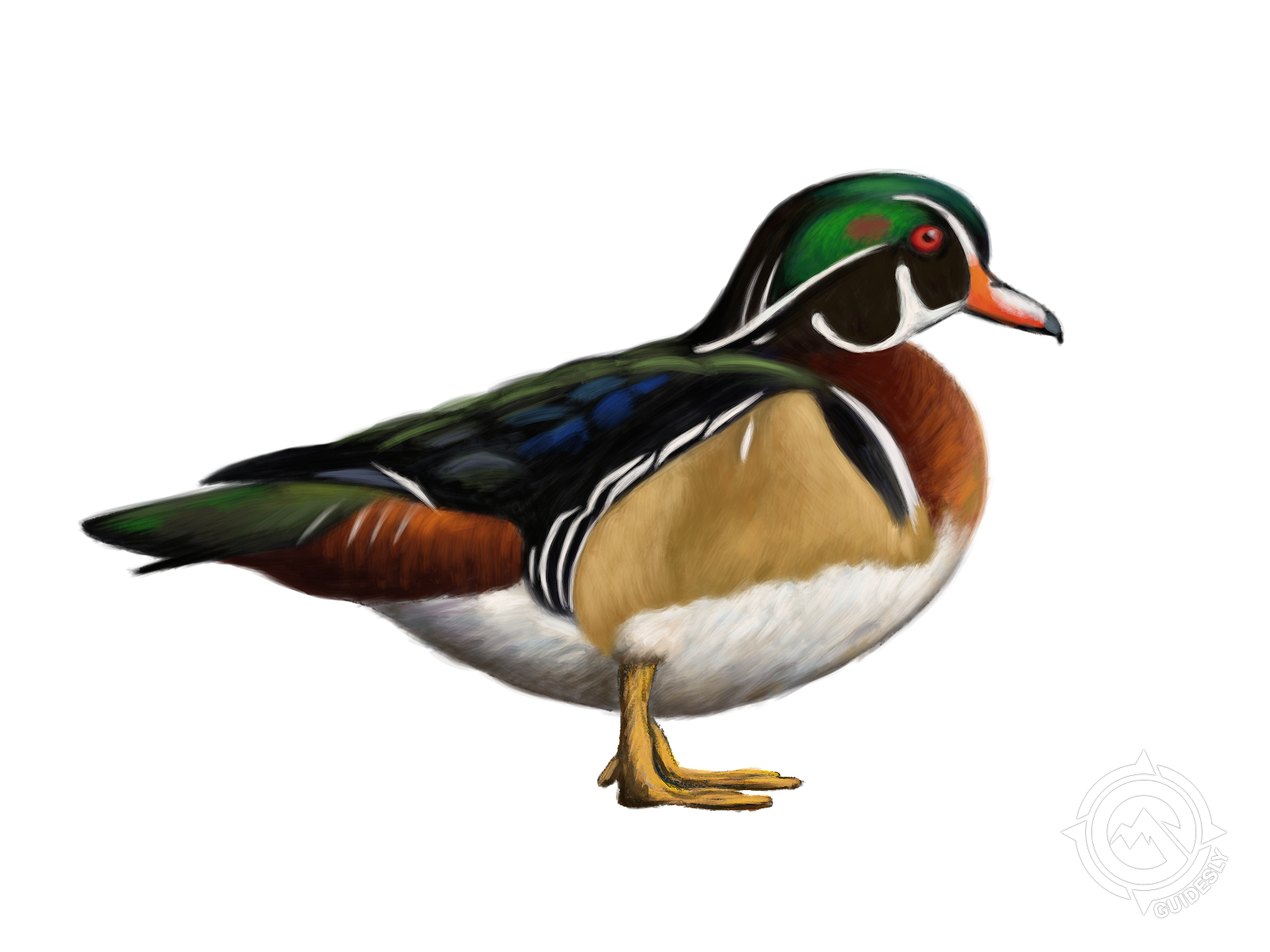
Wood ducks bring a completely different hunting experience to New Jersey's wetlands. These stunningly beautiful ducks prefer wooded swamps and beaver ponds over open marshes, making them a specialty target requiring specific knowledge and tactics. Male woodies display iridescent green and purple head markings with distinctive white striping, while females show more subdued gray-brown coloring with white eye rings. They're smaller than mallards, typically weighing 1-2 pounds, but what they lack in size they make up for in wariness and acrobatic flight patterns. Wood duck hunting peaks in early season from September through October, before most birds migrate south to wintering grounds. These ducks rarely respond to calling like mallards - instead, they rely on visual cues and prefer smaller decoy spreads in intimate settings. Hunters appreciate wood ducks for their challenge factor and stunning appearance, plus they're considered among the best-tasting waterfowl species. Our guides position hunts near known wood duck roosts, often in flooded timber or secluded ponds where these birds feel secure. Success requires patience and precise shooting, as woodies often provide quick shots through trees rather than open-water opportunities.
Book Your Next Tag
Kettle Creek Outfitters delivers authentic New Jersey waterfowl hunting that keeps hunters coming back season after season. Our experienced guides understand local bird patterns, weather influences, and proven tactics that put ducks in the bag. From pre-dawn setups in tidal marshes to afternoon wood duck hunts in seclude
 Private Trip
 Bird hunting
 New Jersey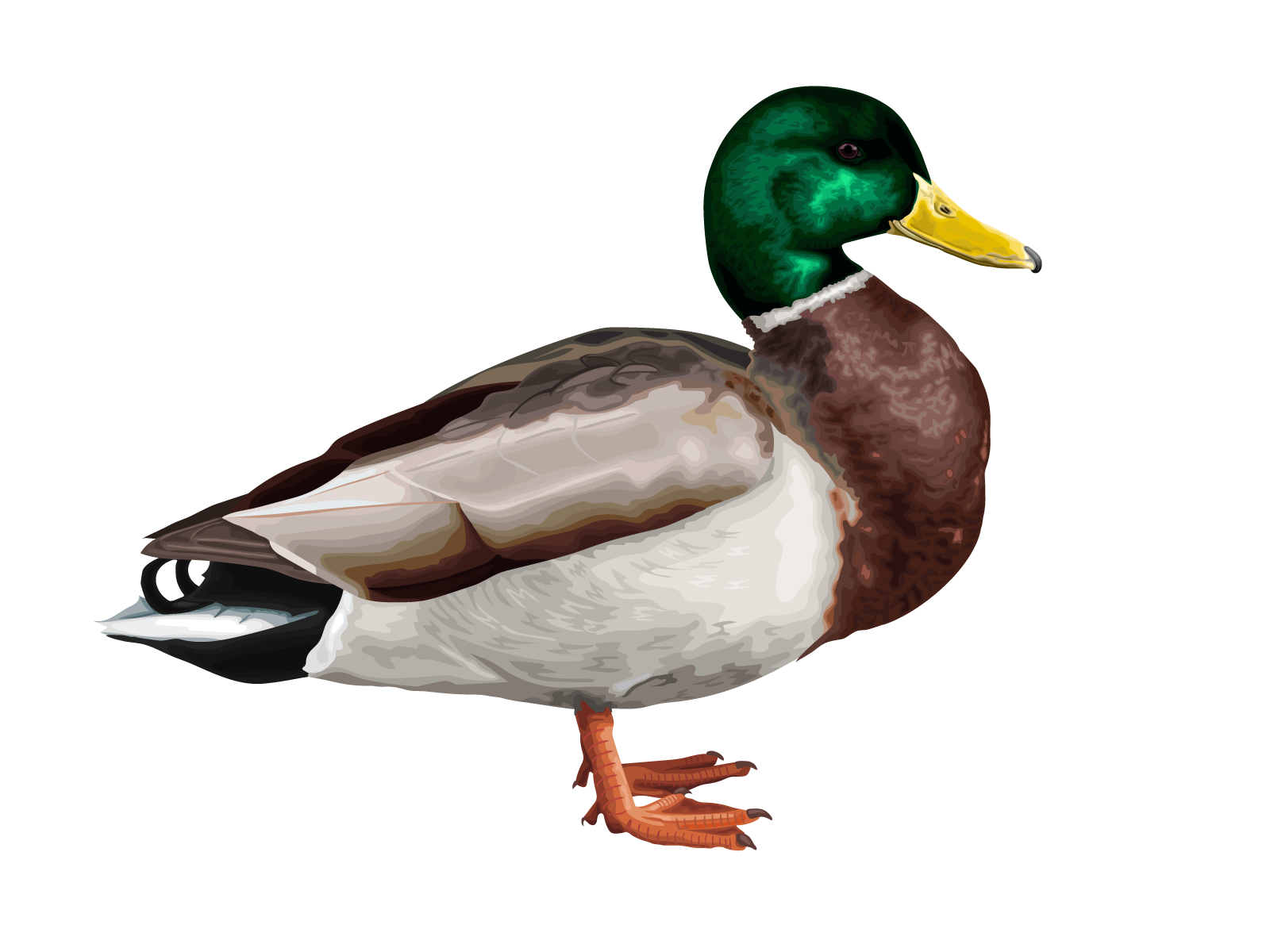
 Morning hunts start before dawn, afternoon sessions until sunset