Your Best Choice For A Seasonal Trip In Florida
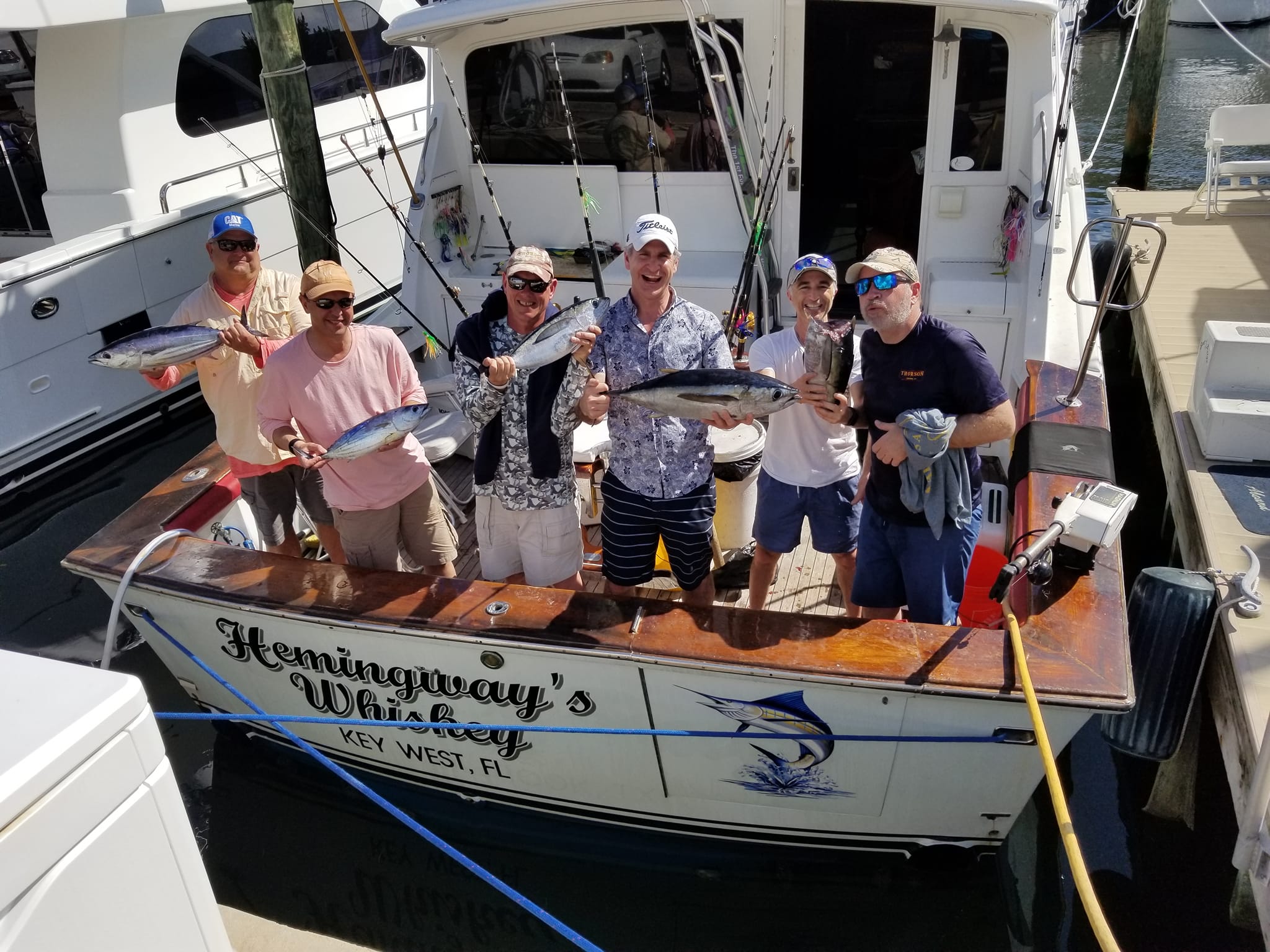
Stock Island delivers some of the most consistent offshore fishing in South Florida, and there's no better way to experience it than with Key West Sea Fishing Charter. Whether you're looking to battle a leaping sailfish in the spring or hook into a chunky mahi during the summer run, our seasonal trips put you right where the action is. We keep our groups small at just 6 anglers max, so you'll get plenty of rod time and personalized attention from our crew. The waters around Stock Island change with the seasons, and we know exactly where to find the fish when they're here.
What to Expect on the Water
Our seasonal approach means we're always chasing what's biting best. Spring brings the sailfish migration through our waters, with April and May often producing multiple shots at these acrobatic fighters. Summer heats up with mahi mahi moving through in schools, plus wahoo cruising the edges and cobia hanging around structure. Fall can be magic for barracuda and late-season mahi, while winter often surprises folks with great sailfish action and hungry cobia. We launch from Stock Island's protected harbor, giving us quick access to the Gulf Stream edges where these pelagic species hunt. Our captain reads the water conditions, bait movements, and seasonal patterns to put you on fish. You'll spend most of your day in 100-600 feet of water, where the bottom drops off and the big fish roam.
Trolling the Edges
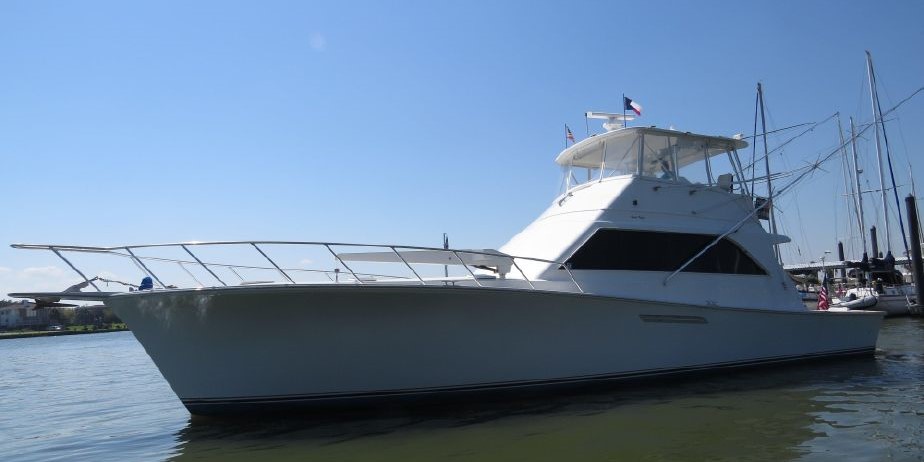
We run a mixed spread of lures and live bait depending on what's working best for the season. Our go-to setup includes ballyhoo rigged on circle hooks, bright skirted lures for mahi and wahoo, and live pilchards when we can get them. We'll typically pull 4-6 lines at different depths and distances, covering water efficiently while giving each angler a shot at the action. The boat's equipped with quality Penn and Shimano reels spooled with fresh line, plus we carry backup gear for those big fish that might spool you. Our outriggers let us spread the lines wide, and we use planers and weights to hit different zones in the water column. When fish are marking on the finder or we spot birds working, we'll switch tactics - maybe pitch live bait or work the area with jigs.
Species You'll Want to Hook
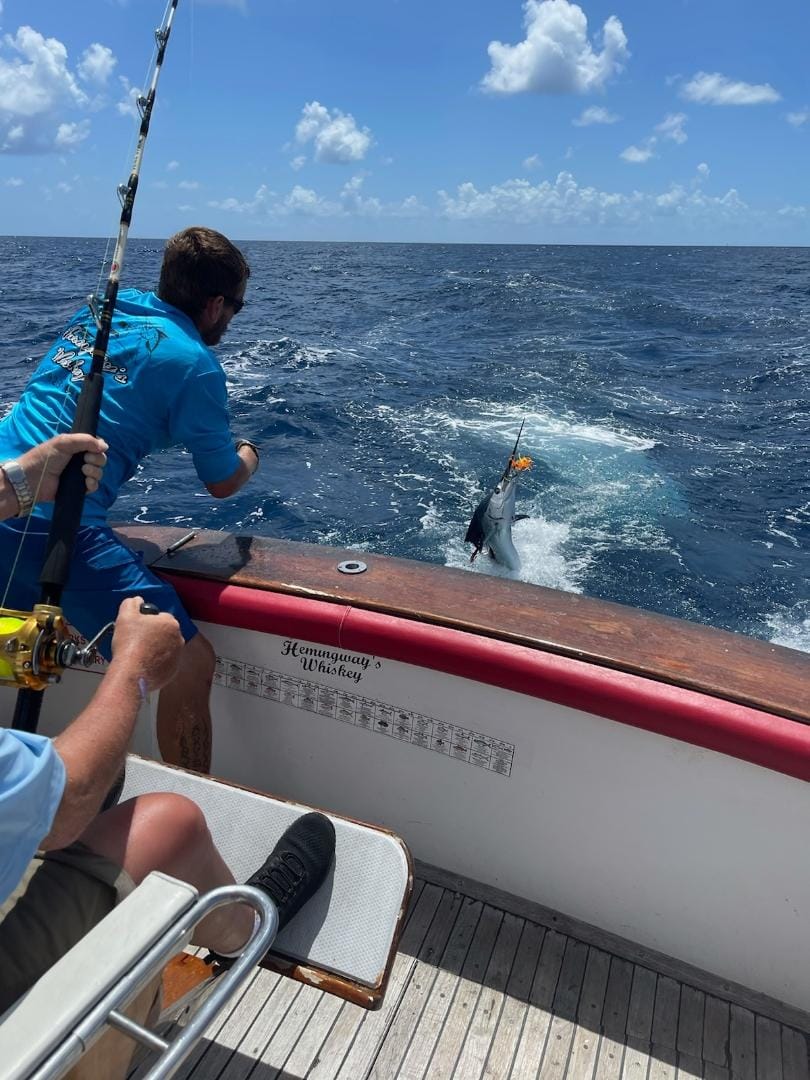
Atlantic Sailfish are the stars of our spring and winter trips, typically running 6-8 feet long and putting on aerial shows that'll get your heart pumping. These guys are most active when water temps hit that sweet spot around 78-82 degrees, usually from March through May and again in December through February. They're ambush predators that cruise the thermoclines, and when one lights up that bright blue dorsal sail, you know you're in for a fight. What makes them special here is how they hunt in small groups - hook one and there's often another nearby.
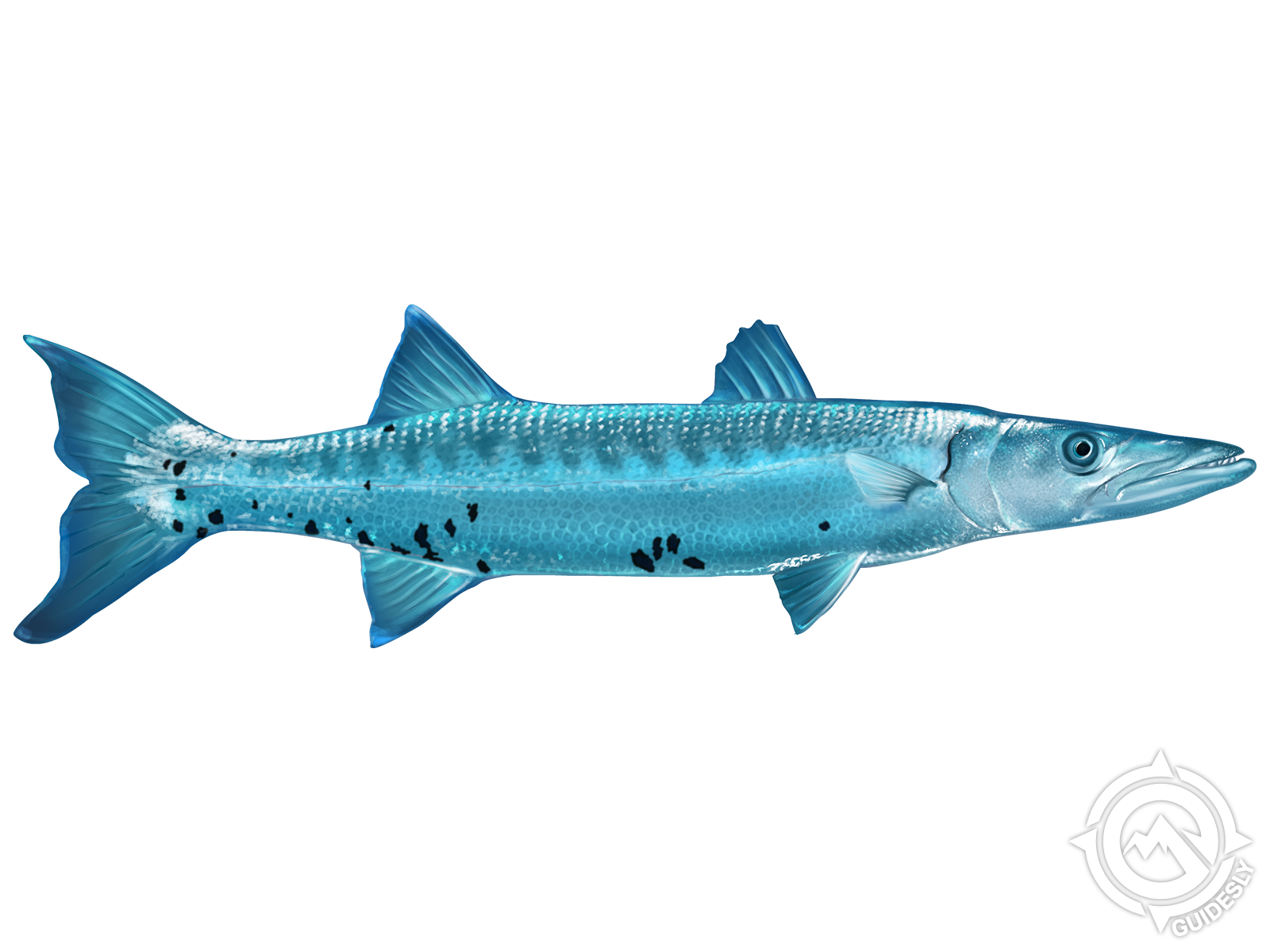
Barracuda around Stock Island are aggressive year-round but really turn on during the warmer months. These toothy predators average 15-30 pounds and strike with explosive speed that'll test your reflexes. They love shiny lures and moving baits, often following the boat before deciding to commit. Summer and fall produce the biggest 'cudas, and they're perfect for anglers who want fast action and don't mind a fish with serious attitude.
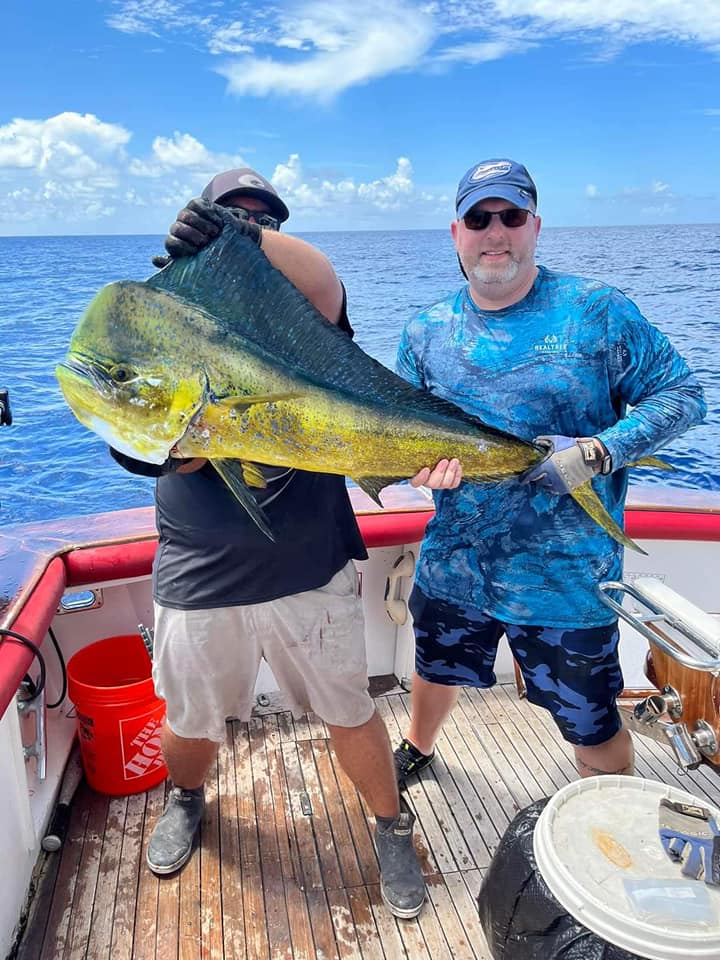
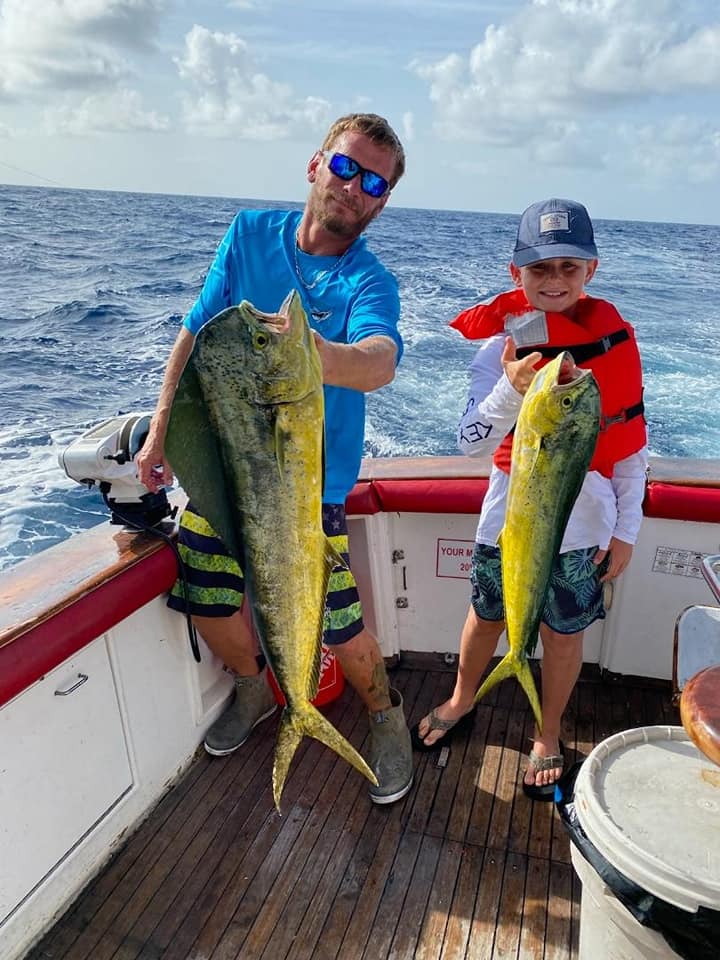
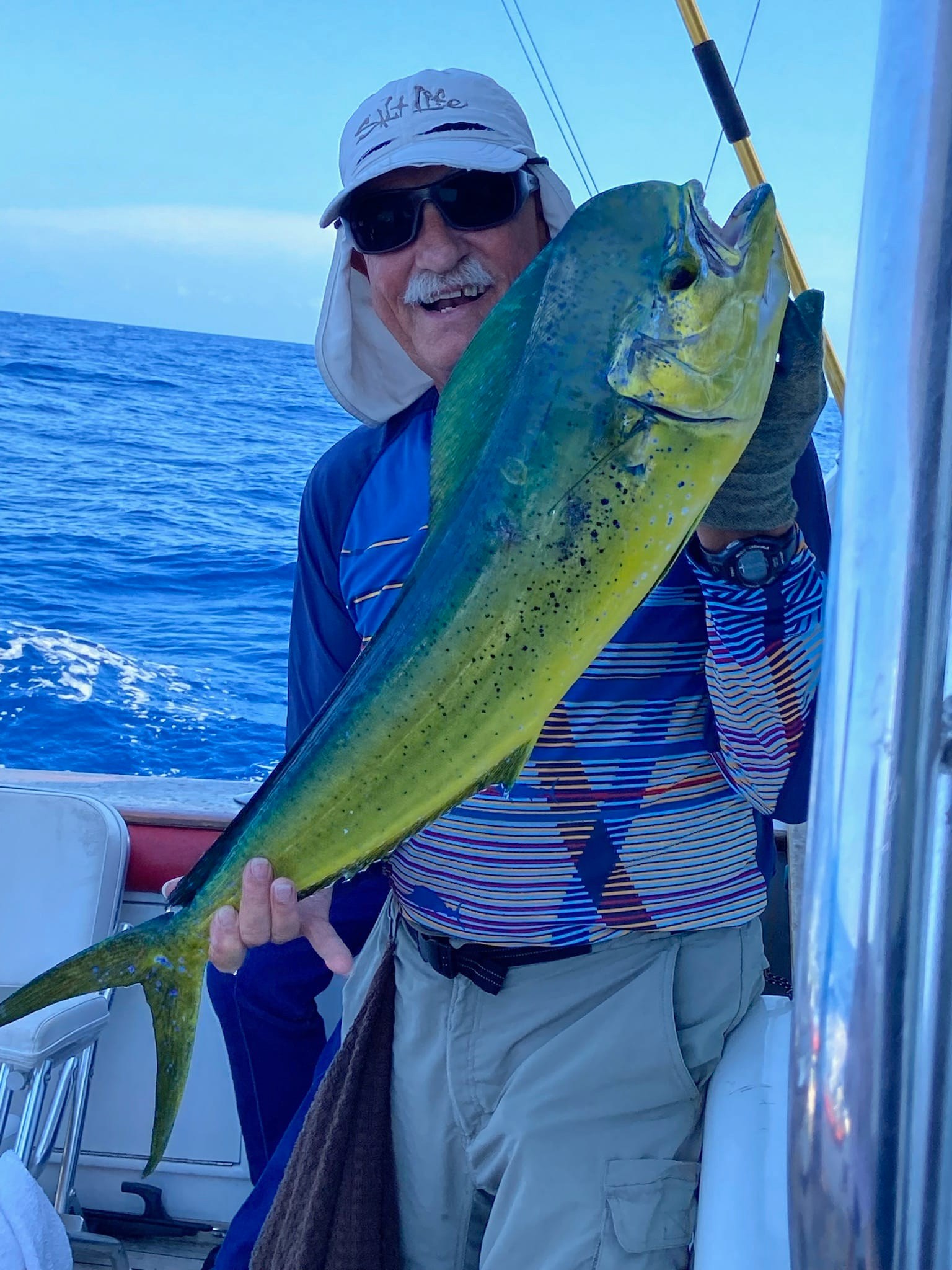
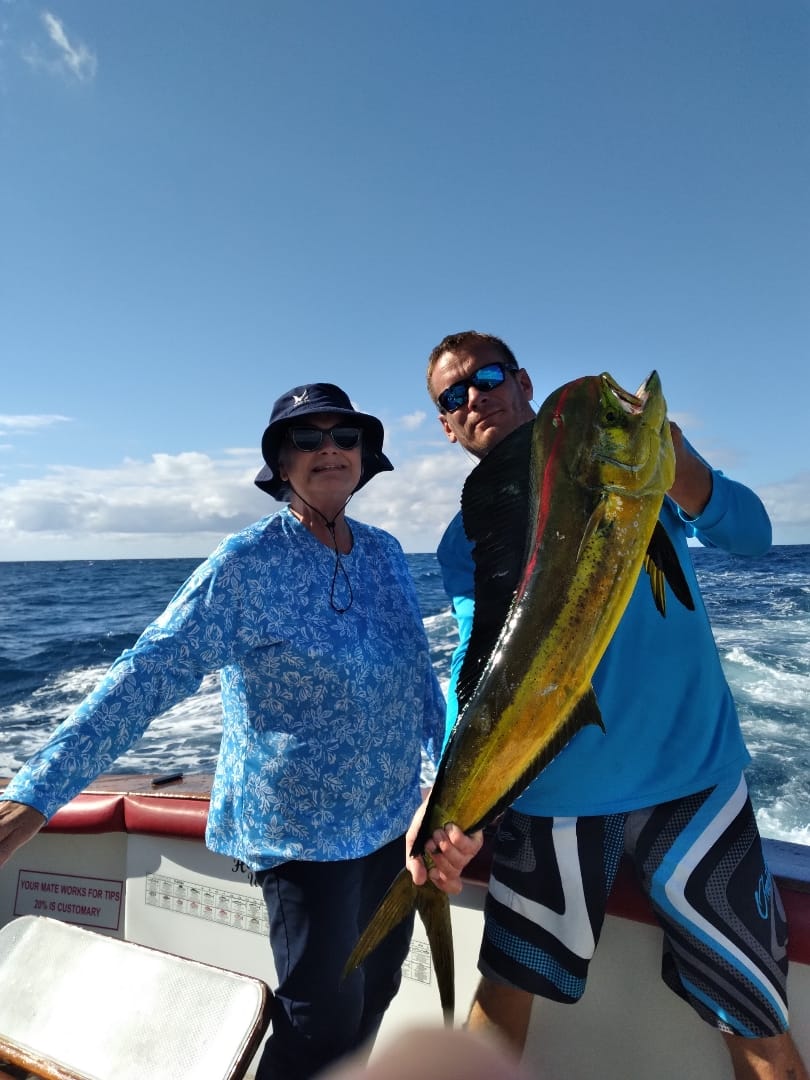
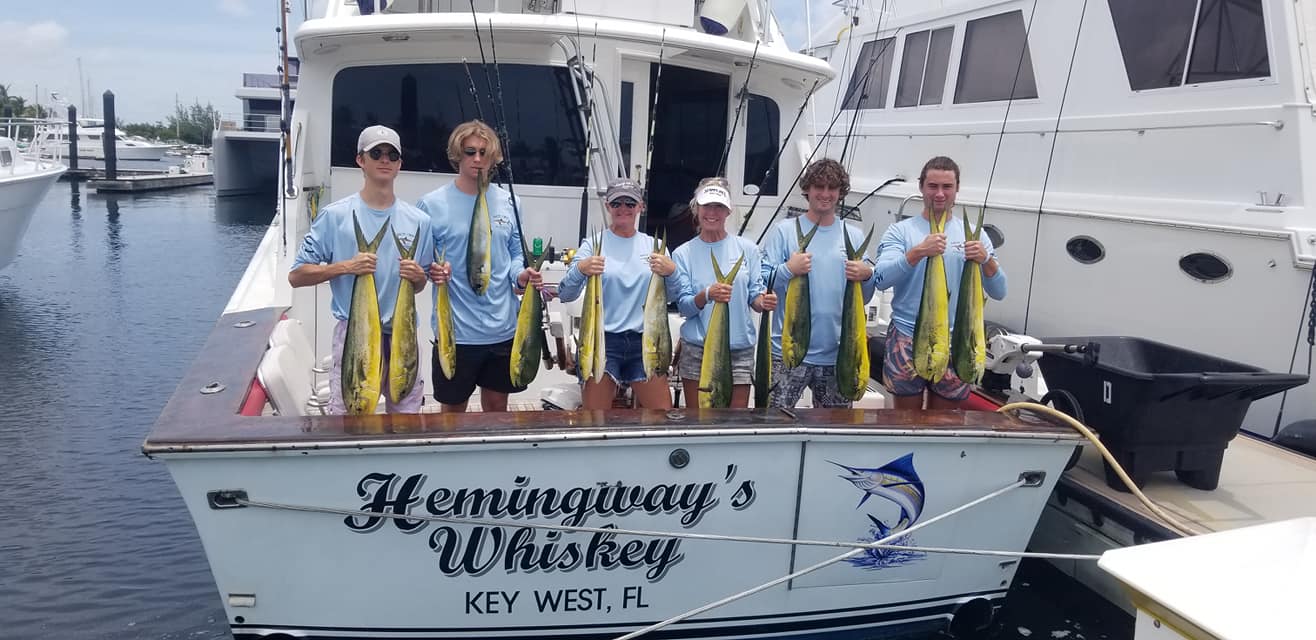
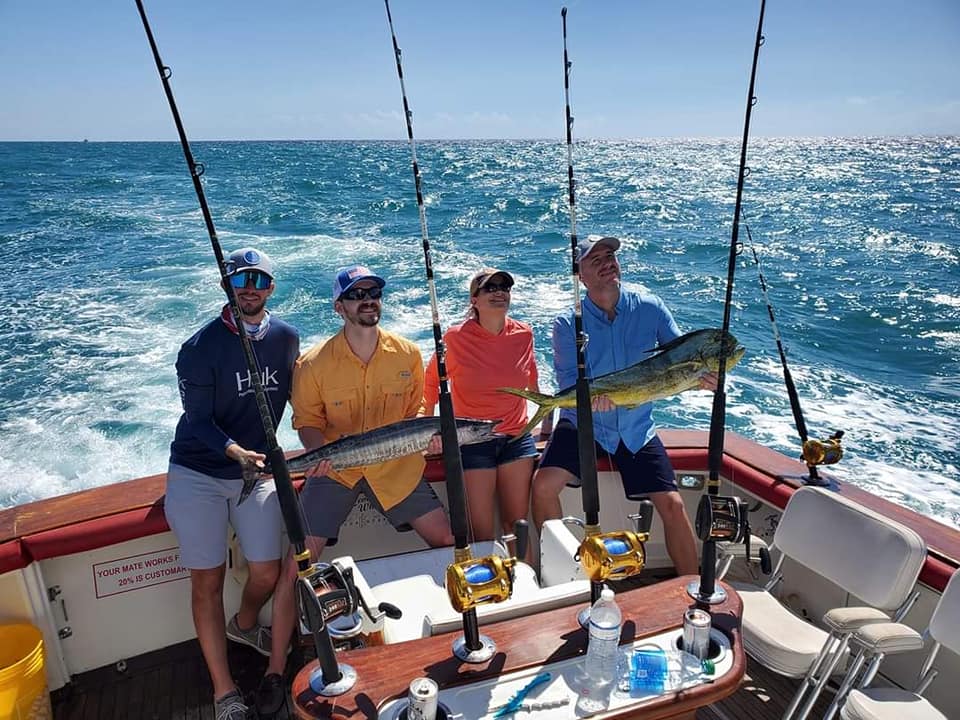
Mahi Mahi season peaks from May through September when these colorful fighters move through our waters in schools. Bulls can push 40+ pounds while the smaller females provide great action on lighter tackle. They're attracted to floating debris, weed lines, and structure, making them exciting to sight fish. The vibrant yellows and greens of a fresh-caught mahi never get old, and they're hands-down one of the best eating fish in these waters.
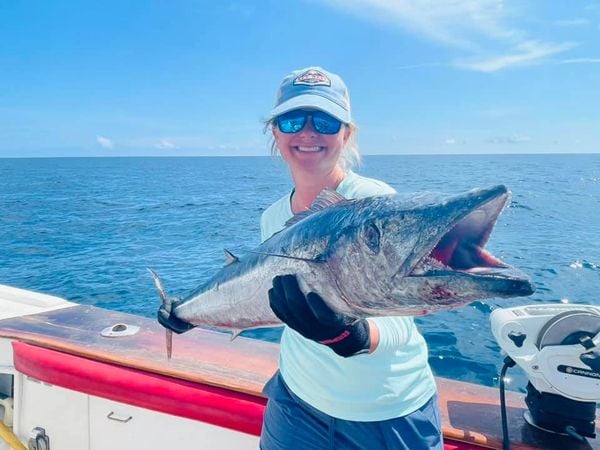
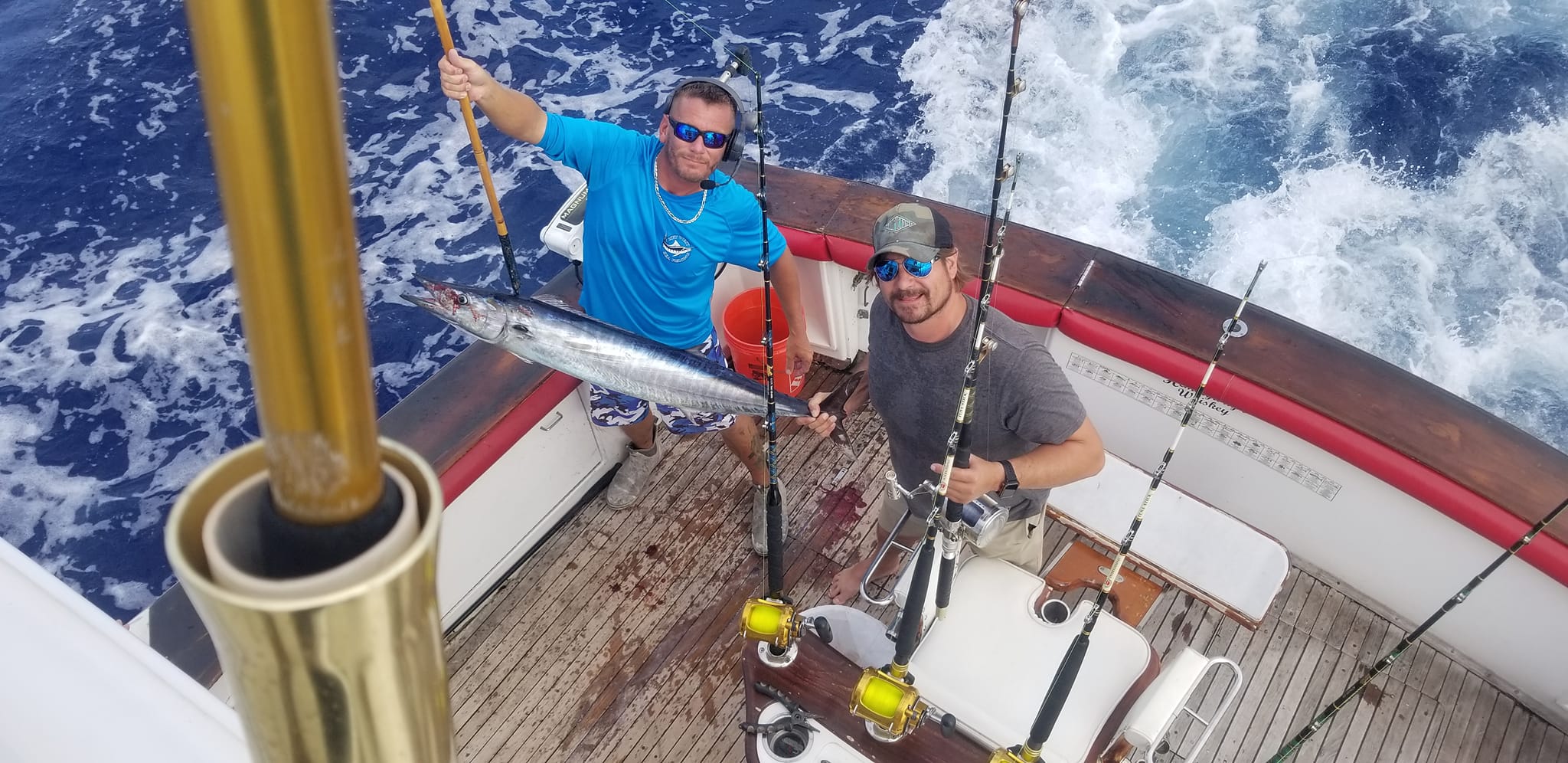
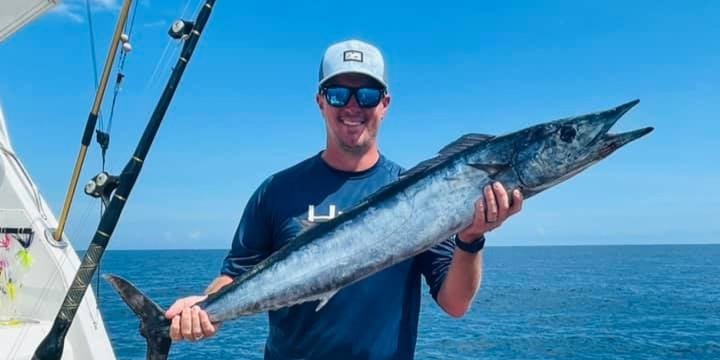
Wahoo are the speed demons of our offshore trips, capable of smoking line off a reel faster than almost any other fish. These torpedo-shaped predators prefer the deeper waters and structure edges, especially during the cooler months from November through March. They average 20-50 pounds locally and are absolutely devastating on trolled lures. Their razor-sharp teeth and blistering runs make them a favorite among experienced anglers looking for a serious challenge.
Cobia cruise our waters year-round but are most active from April through October when they move inshore to spawn and feed. These brown sharks (as locals call them) can exceed 50 pounds and provide bulldogging fights that'll test your back and tackle. They're curious fish that often approach the boat, giving sight-fishing opportunities that are hard to beat. Cobia are also top-tier table fare, making them a win-win catch for most anglers.
Time to Book Your Spot
Stock Island's offshore fishing scene delivers year-round, but the best trips fill up fast during peak seasons. Our seasonal approach means you'll always be targeting what's biting best, whether that's sailfish in the spring, mahi in the summer, or cobia during their fall push. With only 6 spots available per trip, you'll get the personal attention and rod time that makes for memorable days on the water. The variety of species and seasonal patterns around Stock Island keep every trip interesting - you never know when that fish of a lifetime might grab your bait. Ready to experience what makes our waters special? Book your seasonal fishing trip today and let us show you why anglers keep coming back to fish with Key West Sea Fishing Charter.
 Private Trip
 Offshore Fishing
 Stock Island, FL


 Seasonal offshore fishing trips accommodate up to 6 guests