Full Day Beginners Fly Fishing Lesson
If you've ever watched someone gracefully cast a fly line and thought "I wish I could do that," this full-day lesson with King Fisher Guide Services is exactly what you need. This isn't some rushed intro course – we're talking about a comprehensive day that takes you from absolute beginner to confident caster. Whether you've never held a fly rod or you've tried a few times but want to nail down proper technique, this hands-on class covers everything you need to start your fly fishing journey right.
What to Expect on the Water
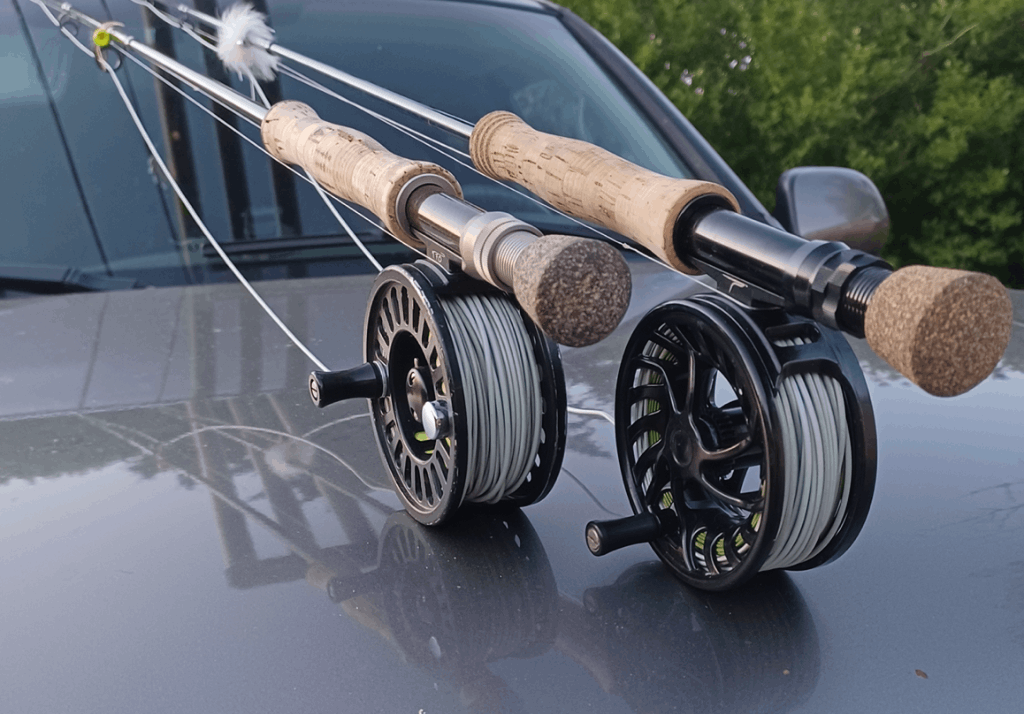
Your day starts in the classroom where we break down the fundamentals – and trust me, this stuff matters more than you think. We'll walk through different types of fly rods, reels, and lines, plus show you how to tie the essential knots that'll keep your flies connected when a fish decides to test your setup. The beauty of this lesson is that it's designed for groups, with a minimum of six students, so you're learning alongside other beginners who are asking the same questions you are. Once we've covered the basics, we head outside for casting practice on dry land. This is where you'll start to feel the rhythm of the fly rod and understand how it loads and unloads with each cast. After you've got the motion down, we move to the water for the real deal – actual fishing while putting your new skills to work. All gear is provided, though if you've got your own rod you want to learn on, bring it along. Lunch is included, so you won't be thinking about your growling stomach when you should be focusing on that perfect cast.
Fly Casting Fundamentals
Fly fishing is all about the cast, and that's where most beginners get tripped up. Unlike spinning gear where the weight of the lure carries the line, fly casting uses the weight of the line itself to deliver a nearly weightless fly to the fish. We start with the basic overhead cast, teaching you the 10-and-2 clock positions that form the foundation of good technique. You'll learn to feel the rod load as it bends under the line's weight, then how to stop the rod crisply to shoot that line forward. We cover the roll cast too – super handy when you've got trees or brush behind you. The key is understanding timing and letting the rod do the work, not muscling it with your arm. By the end of the day, you'll have that smooth, effortless motion that makes fly casting look so elegant. We use floating lines and basic dry flies or nymphs depending on conditions, keeping things simple so you can focus on technique rather than getting overwhelmed by gear choices.
Top Catches This Season
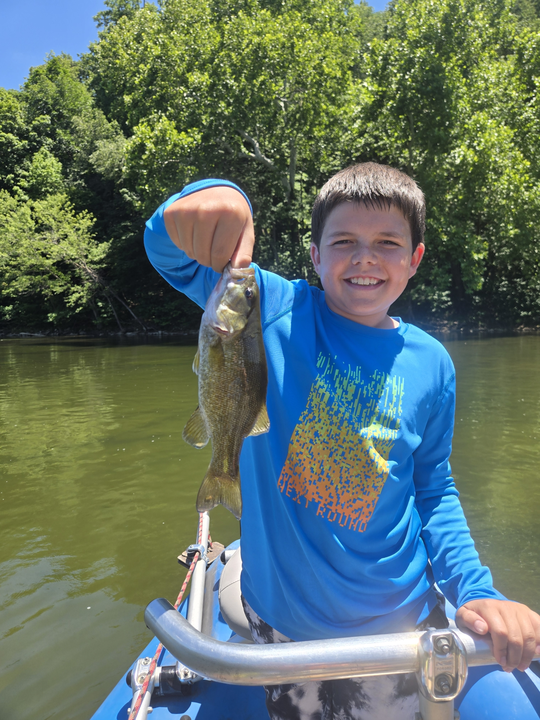
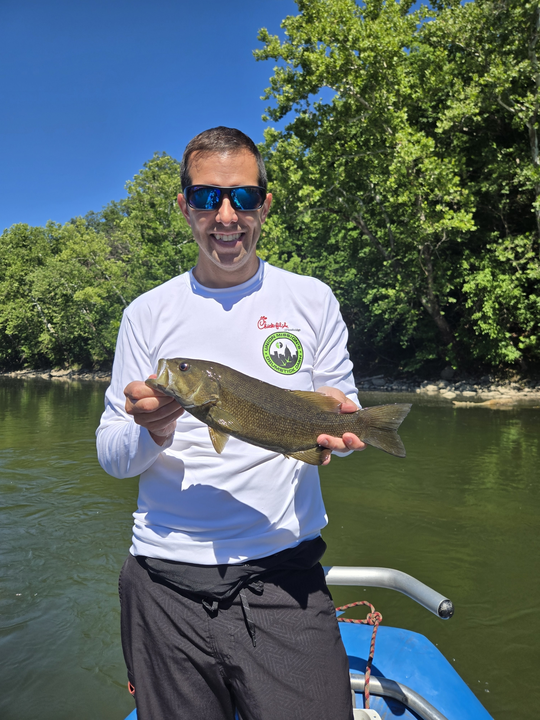
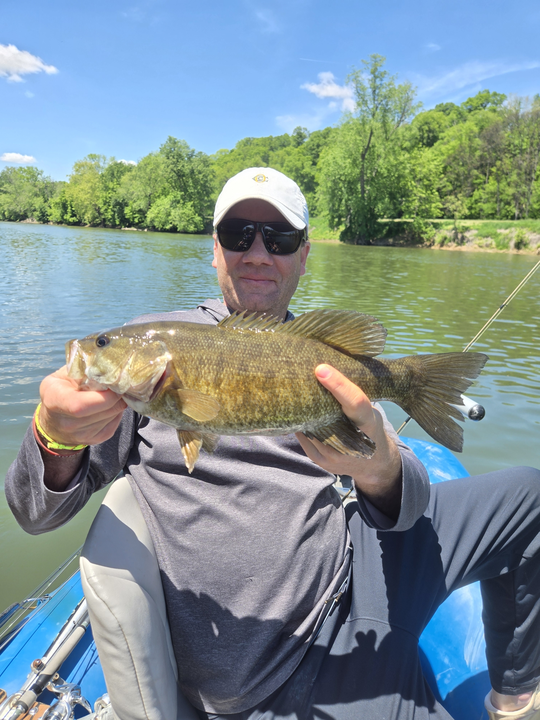
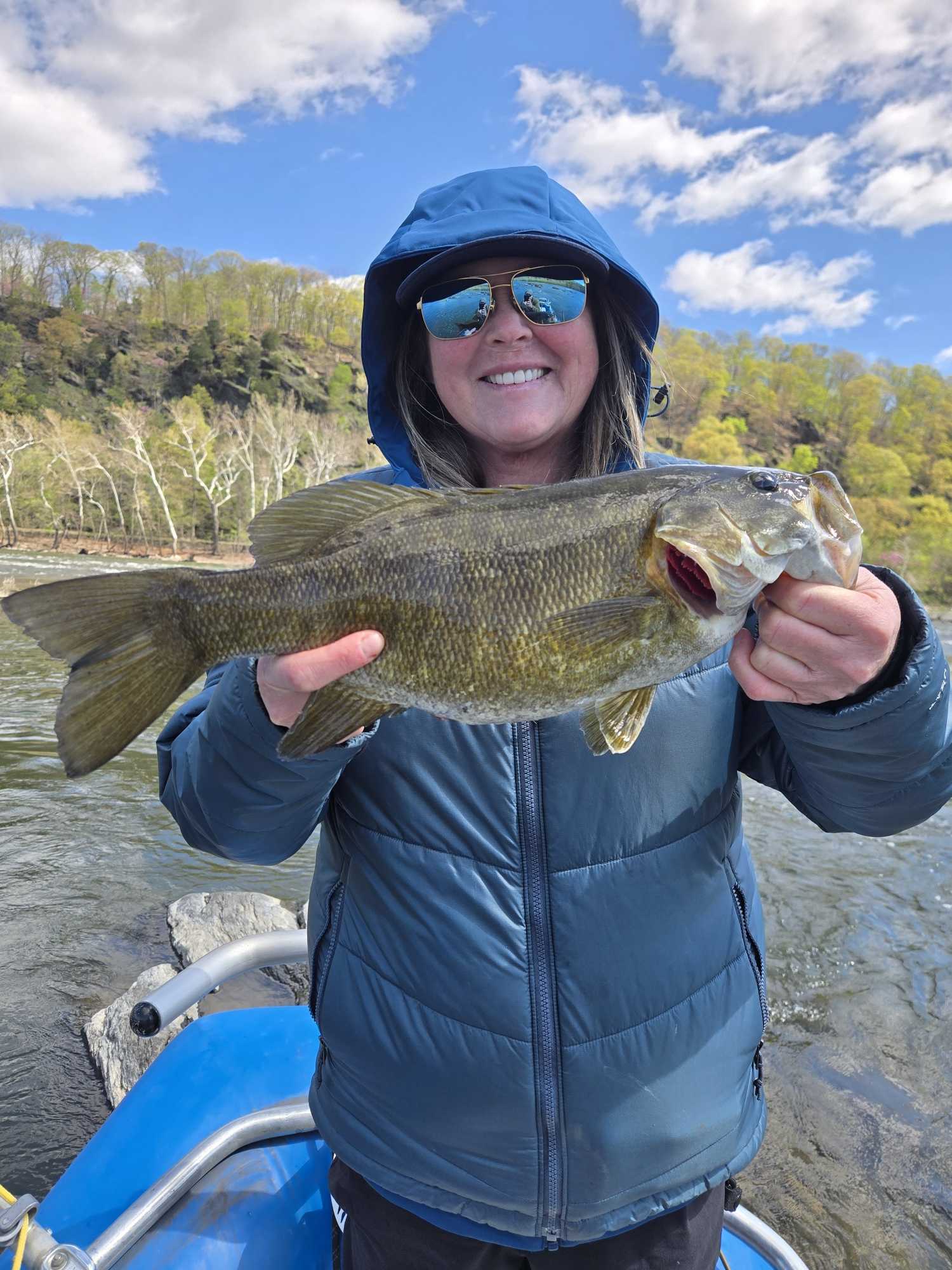
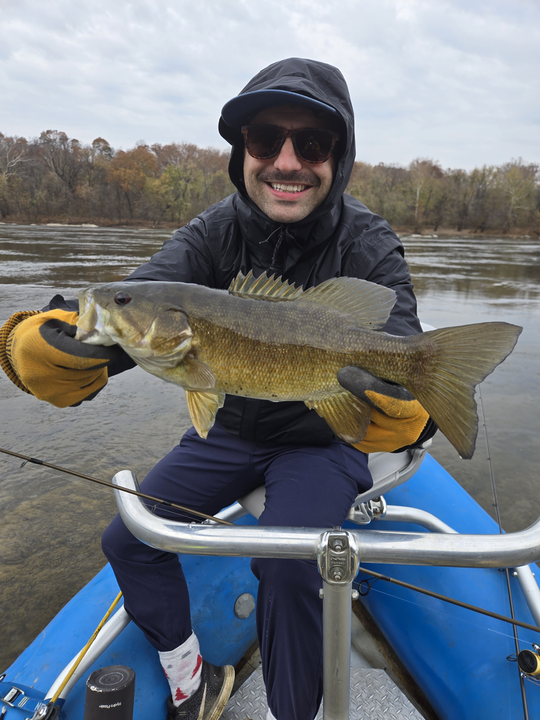
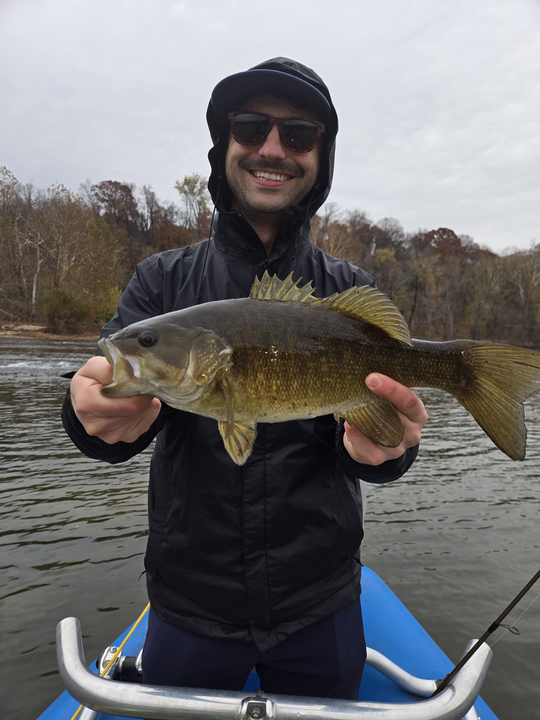
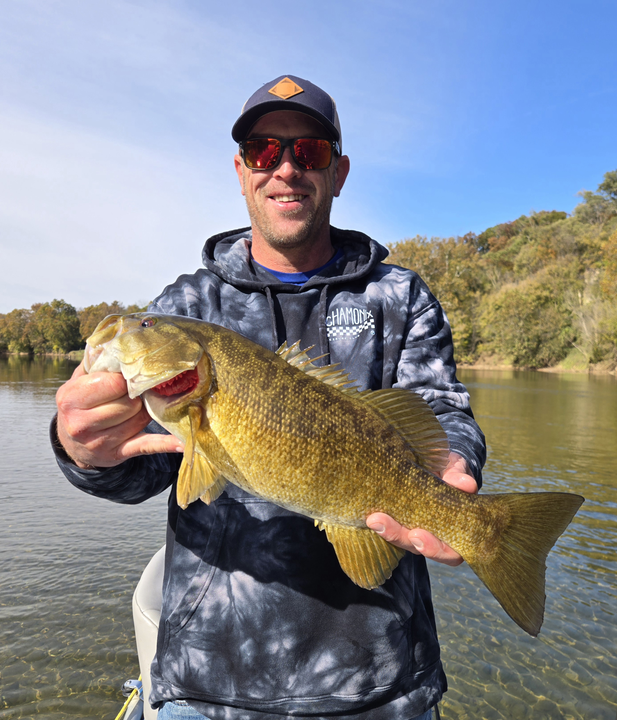
Smallmouth bass are the main event here, and these fish are perfect for beginners because they're aggressive and fight hard once hooked. Smallies love structure – rocky points, fallen trees, and drop-offs where they can ambush prey. They're not picky eaters either, which means your beginner casts don't have to be perfect to get strikes. These bronze-backed fighters typically run 12-16 inches in these waters, with some pushing into the 18+ inch range if you're lucky. They hit poppers on the surface with explosive strikes that'll get your heart racing, and they're just as happy to grab a woolly bugger stripped through deeper water. Spring through fall are prime time, with early morning and evening being the most productive windows. What makes smallmouth so great for learning is their willingness to eat – you'll get enough action to practice playing fish and working your drag without spending the whole day wondering if there are any fish around.
Sunfish round out your target list and these colorful panfish are fantastic for building confidence with the fly rod. Bluegill, pumpkinseed, and redear sunfish are all common, and they'll absolutely hammer small poppers, ants, and beetles fished on the surface. These fish spawn in shallow water during late spring and early summer, creating perfect sight-fishing opportunities where you can actually watch fish take your fly. They're smaller than the bass – typically 6-8 inches with some bigger specimens – but they're scrappy fighters that'll bend your rod and give you plenty of chances to practice your hook-setting and fish-handling skills. Sunfish are also more forgiving of sloppy presentations, so if your cast lands with a splash instead of a gentle plop, they'll often still come investigate. Kids and adults alike get a kick out of these colorful fish, and there's something deeply satisfying about fooling a fish with a tiny fly that looks exactly like the insects they're used to eating.
Time to Book Your Spot
This full-day lesson gives you everything you need to start fly fishing with confidence – proper casting technique, gear knowledge, knot-tying skills, and most importantly, time on the water with fish actually biting. The small group format means you get personalized attention while learning alongside other beginners, and the included lunch keeps you fueled for a full day of casting and catching. Since classes require a minimum of six students and are by reservation only, you'll want to call King Fisher Guide Services to check dates and availability. Keep in mind that deposits are non-refundable, so make sure you're committed to the date when you book. Whether you're looking to pick up a new hobby or you've been wanting to try fly fishing for years, this comprehensive lesson is your best bet for starting off on the right foot. The skills you learn here will serve you well whether you end up chasing trout in mountain streams or continuing to target bass and panfish in local waters.
 Private Trip
 River Fishing
 Harpers Ferry, WV
 Full-day beginner fly fishing class with expert instruction