Skilled Angler Trip In Chesapeake Bay
If you're tired of basic fishing trips that cater to beginners, this one's for you. King Tide Charters runs a serious angler's trip on Chesapeake Bay that cuts straight to the good stuff—no hand-holding, no basic knot lessons, just pure fishing strategy and technique. We're talking about a charter designed for folks who know the difference between a Carolina rig and a fish finder rig, and who can work a jig without losing it on the first drop. This isn't your typical tourist trip where everyone hopes to catch something small for photos. You'll be targeting trophy-class fish using methods that separate weekend warriors from dedicated anglers.
What to Expect on the Water
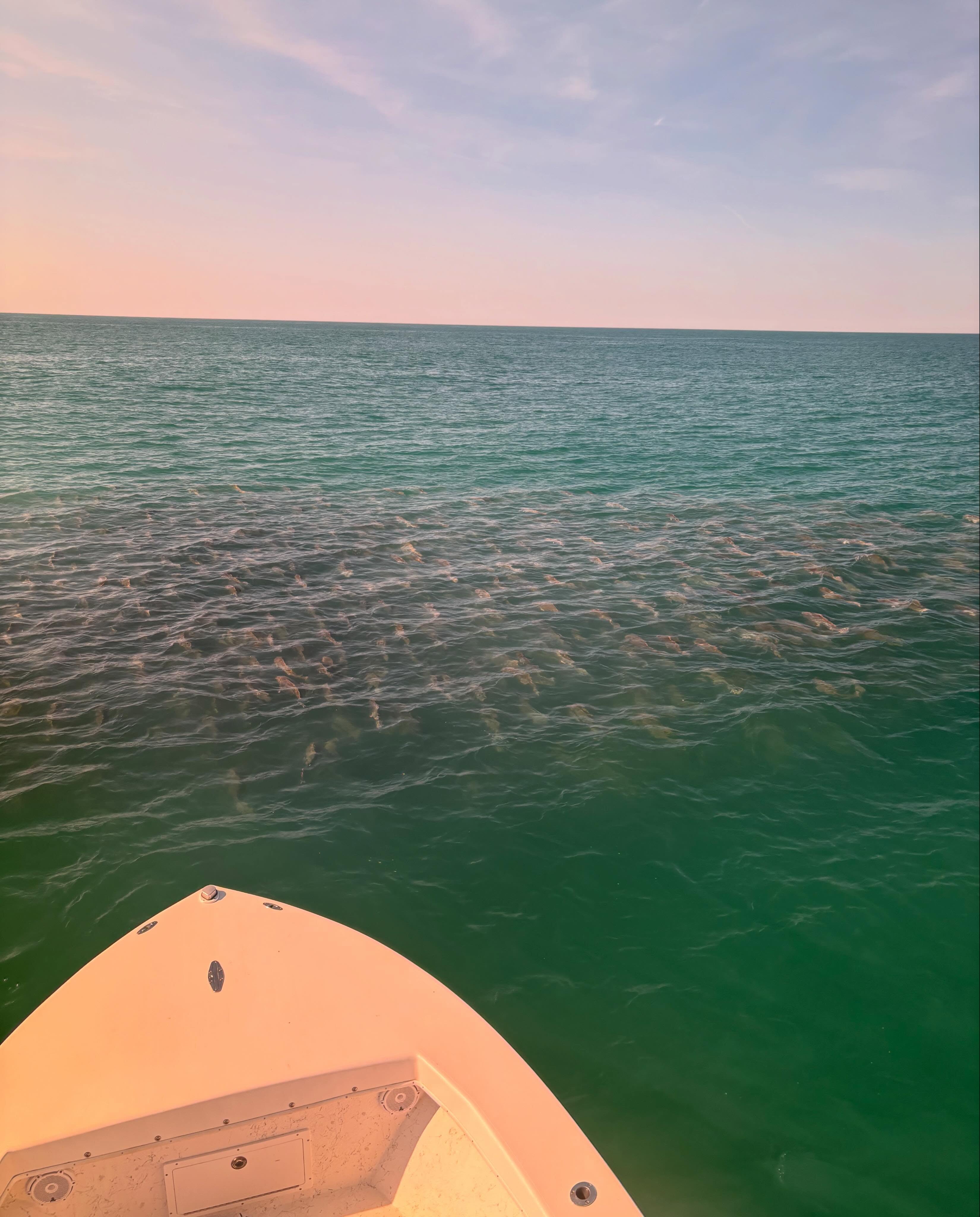
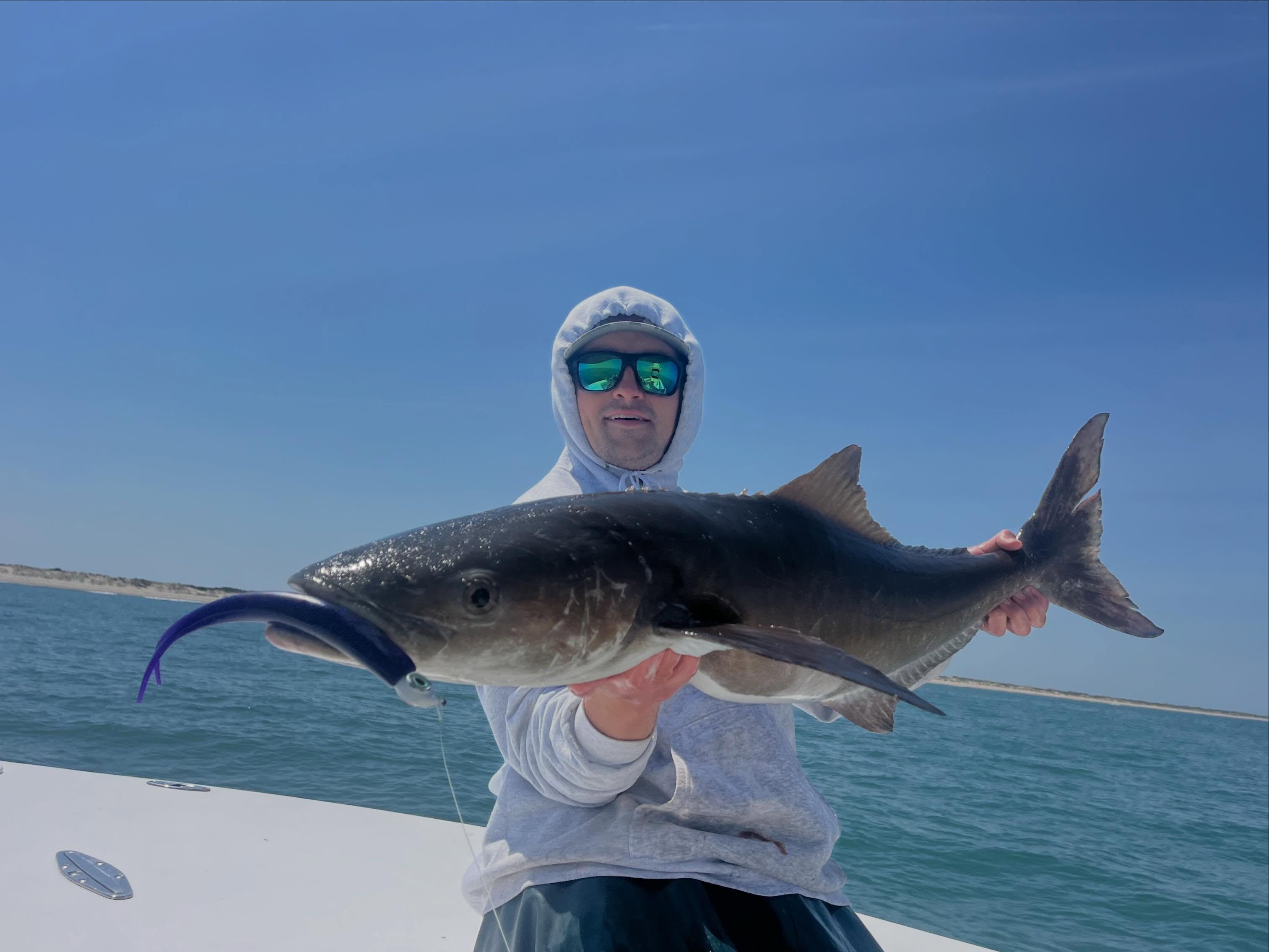
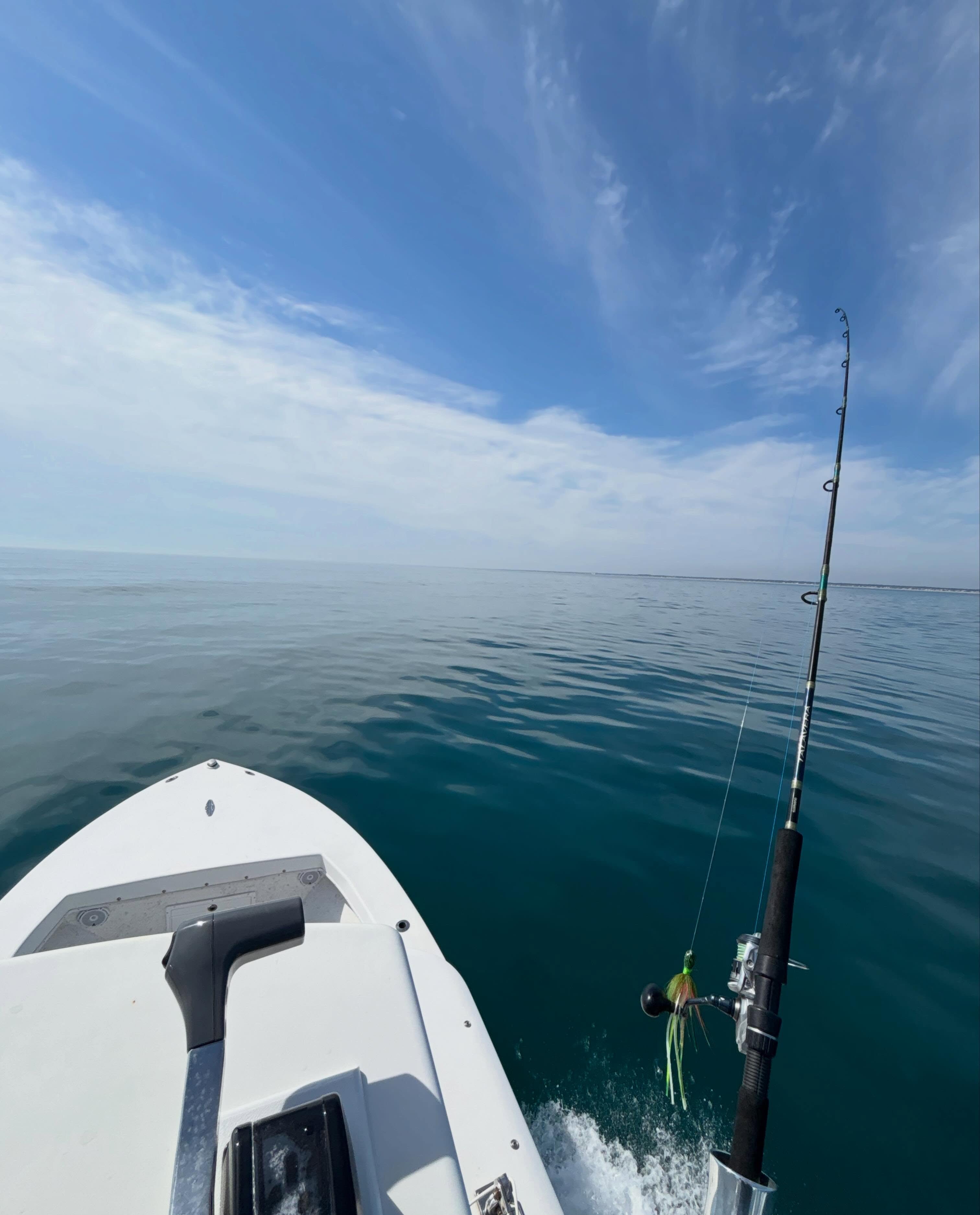
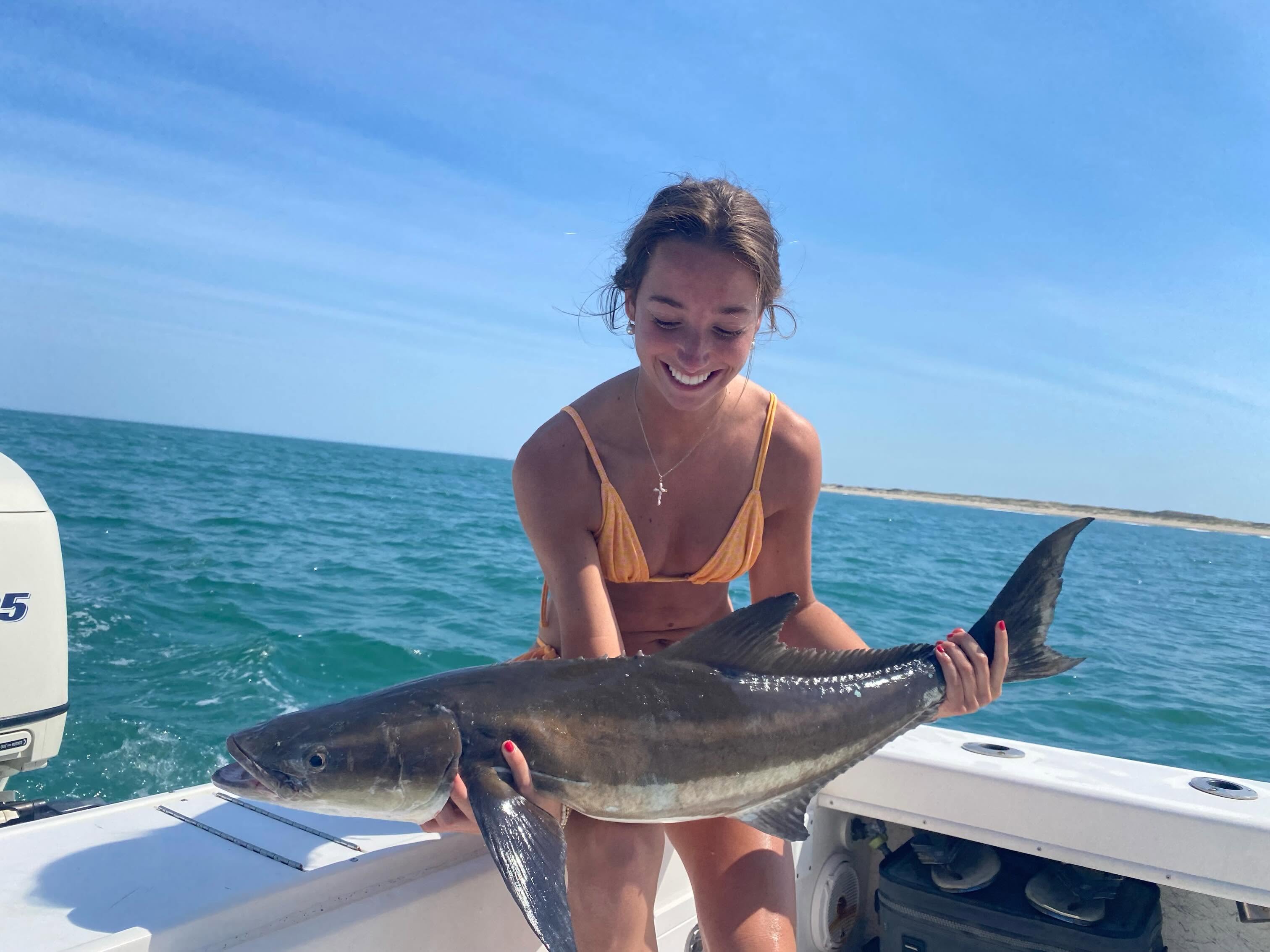
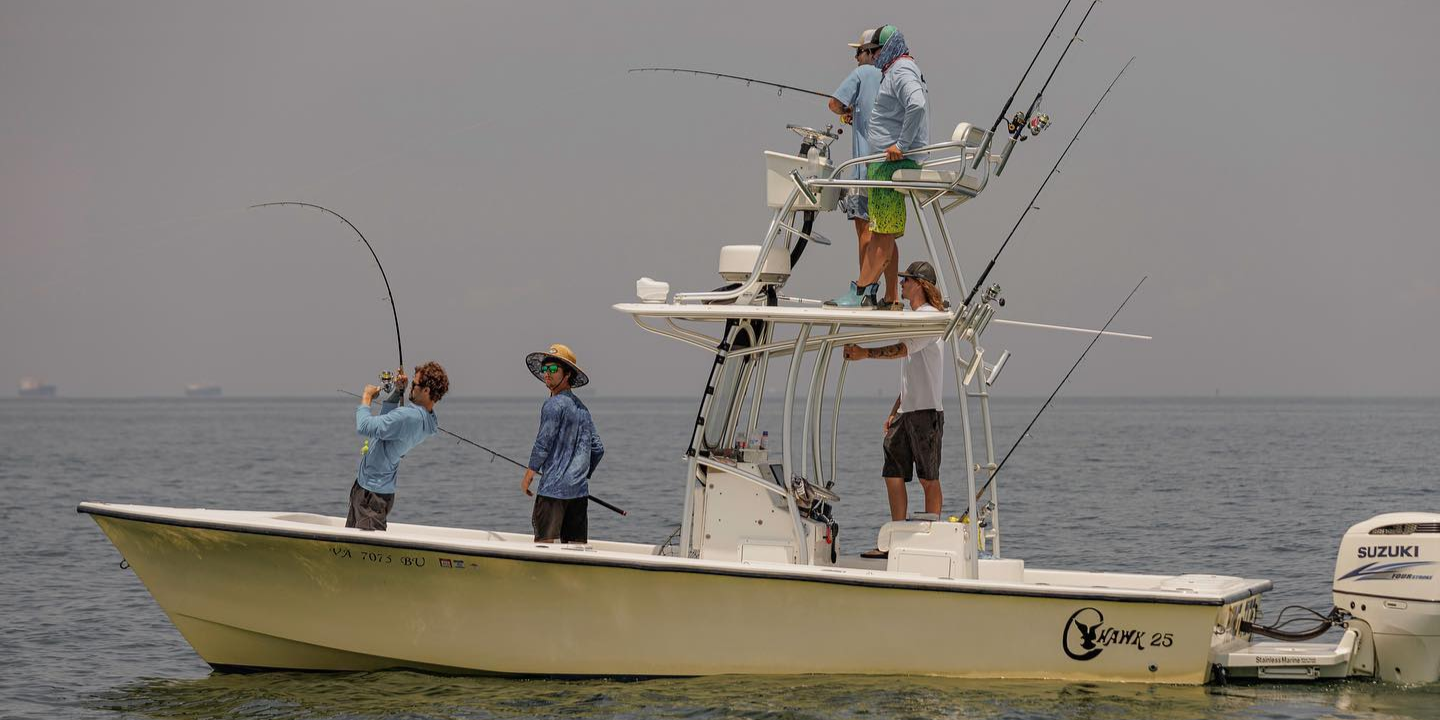
Captain and crew at King Tide know Chesapeake Bay like the back of their hands, and they're not messing around with the kiddie spots. You'll hit structure that most recreational boats never see—deep channels, submerged points, and productive zones that require local knowledge and GPS waypoints earned through years of trial and error. The boat accommodates up to 5 anglers, which means plenty of elbow room and personalized attention without the chaos of packed party boats. Expect to move around throughout the day as conditions and fish activity dictate. One hour you might be sight-casting to cruising Cobia near the surface, the next you could be working bottom structure for hefty Striped Bass. The crew provides high-quality tackle and knows when to switch techniques based on tide, weather, and what the fish are telling them. This is strategic fishing at its finest—reading water, understanding fish behavior, and adapting your approach in real time.
Techniques You'll Master
This trip covers the full spectrum of advanced inshore techniques that separate good anglers from great ones. Bottom fishing here means precision drops on specific structure using circle hooks and fresh bait, not just tossing lines overboard and hoping for the best. Jigging involves working heavy spoons and soft plastics through the water column with the kind of rod action that makes fish commit. When conditions are right for sight casting, you'll be throwing topwater plugs and swimbaits to visible fish—requiring accurate casts and proper presentation. Trolling isn't just dragging lures behind the boat; it's about understanding speed, depth, and lure selection based on what's happening beneath the surface. The crew provides quality Penn and Shimano gear, but experienced anglers are welcome to bring their own setups. Live bait, cut bait, and artificial lures all have their place depending on target species and conditions. You'll learn why certain techniques work better at different times and locations, giving you knowledge you can apply on future trips.
Top Catches This Season
Summer Flounder are the bread and butter of Chesapeake Bay fishing, and these flatfish provide both challenge and excellent table fare. They're ambush predators that lie buried in sand and mud, waiting for baitfish to pass overhead. The best action typically happens from late spring through early fall when water temperatures are optimal. What makes flounder fishing exciting is the subtlety—they often mouth the bait gently before committing, requiring patience and sensitivity to detect the bite. Keeper-sized fish in the 18-20 inch range are common, with occasional doormat flounder pushing 5-6 pounds that'll make your drag sing. They respond well to live minnows, squid strips, and Gulp soft plastics worked slowly along the bottom.
Striped Bass are the signature species of the Chesapeake, and for good reason. These powerful fighters can range from schoolie-size fish up to trophy specimens exceeding 30 inches. Spring and fall provide the most consistent action when fish are actively feeding and moving through the bay. Stripers are aggressive predators that will smash topwater lures in shallow water or crush large soft plastics worked around deep structure. What makes them special is their versatility—they'll eat live eels, cut bunker, swimbaits, and everything in between. The fight is memorable too, with strong initial runs and head-shaking that tests your drag system and rod backbone.
Sea Trout offer light tackle excitement and are perfect for anglers who appreciate finesse fishing. These spotted beauties are most active during warmer months and respond well to soft plastics, small jigs, and live shrimp. They typically run 14-18 inches with occasional larger specimens that provide surprising fights on lighter gear. Trout have delicate mouths, so setting the hook requires restraint—too aggressive and you'll pull the hook. They're excellent eating and provide consistent action when weather conditions keep larger fish less active.
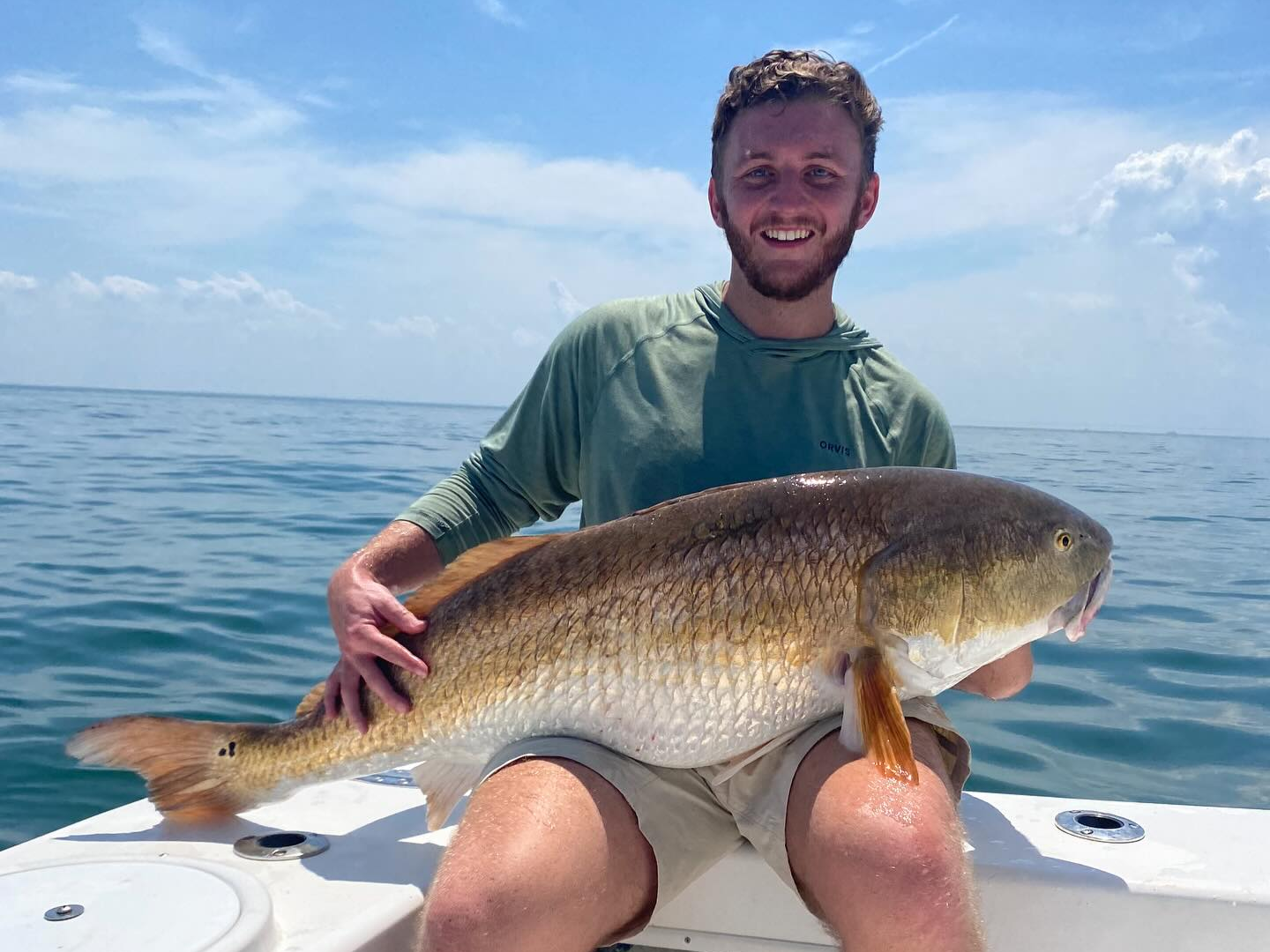
Redfish are relative newcomers to the Chesapeake but have established strong populations in recent years. These copper-colored bulldogs are built for power, with broad tails and muscular bodies that provide sustained fights. They're often found in shallow water around grass beds and structure, making them perfect targets for sight fishing. Reds will eat cut bait, live crabs, and artificial lures with equal enthusiasm. What makes them special is their willingness to feed in conditions that shut down other species—they'll bite in dirty water, during weather fronts, and even when other fish are lockjawed.
Time to Book Your Spot
King Tide Charters has built a reputation among serious anglers who want more than just a boat ride. This skilled angler trip delivers the kind of fishing that keeps you thinking about your next cast long after you're back on the dock. With expert local knowledge, quality gear, and access to productive waters that produce consistent results, it's everything a dedicated angler needs for a world-class day on Chesapeake Bay. The 5-person capacity ensures personalized attention and room to work without crowding. Whether you're looking to test your skills against trophy fish or simply want to fish with a crew that understands advanced techniques, this charter delivers. Book your spot and get ready to fish the way Chesapeake Bay was meant to be fished—strategically, skillfully, and with
 Private Trip
 Inshore Fishing
 Chesapeake Bay

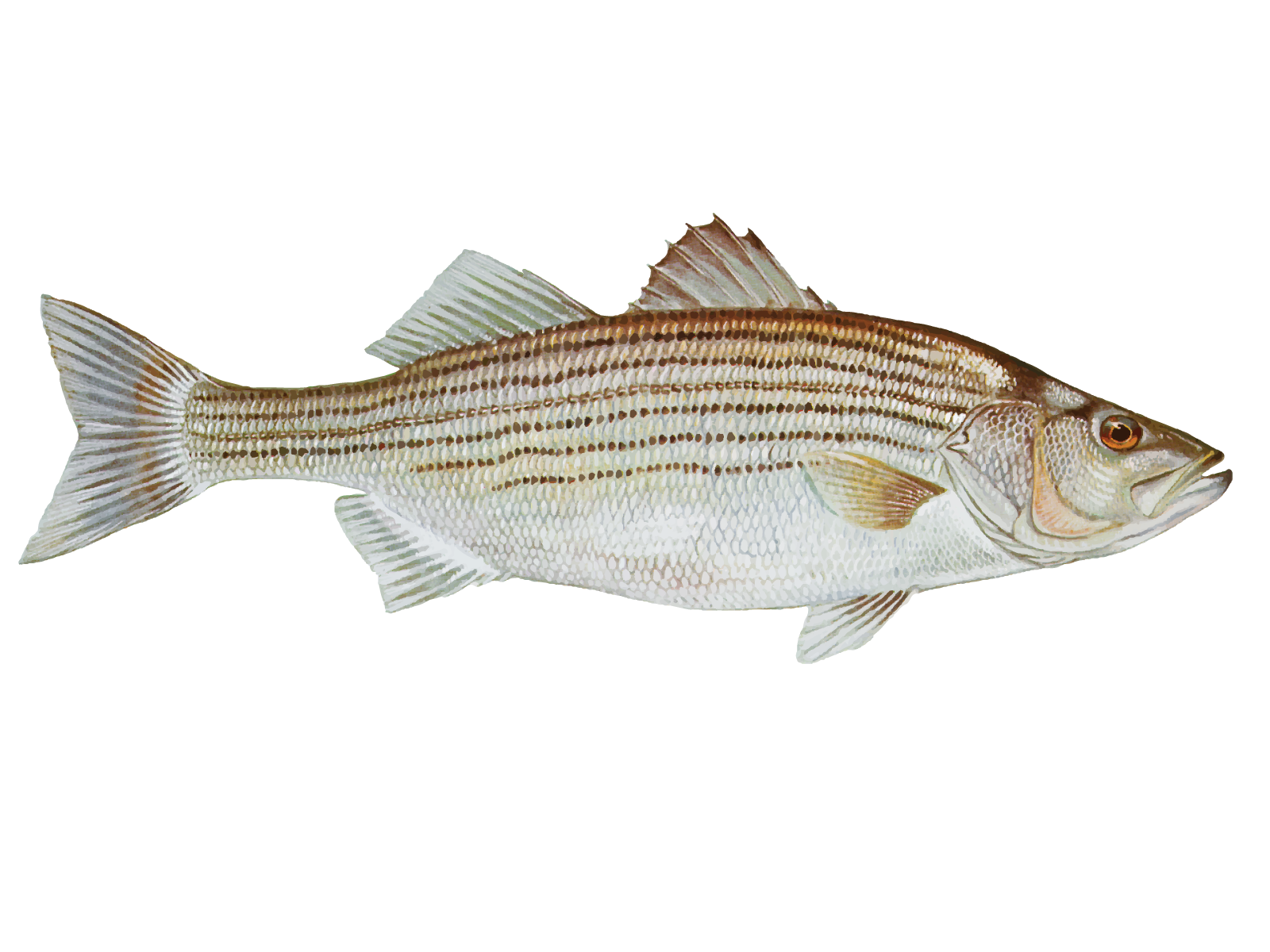

 Advanced charter targeting Cobia, Red Drum, Striped Bass, and Sheepshead.