Private Dry Tortugas Fishing Charter from Key West
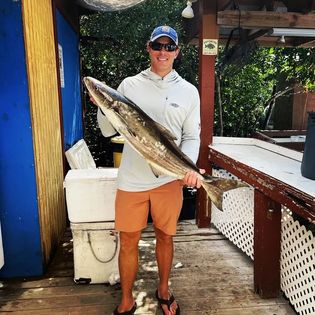
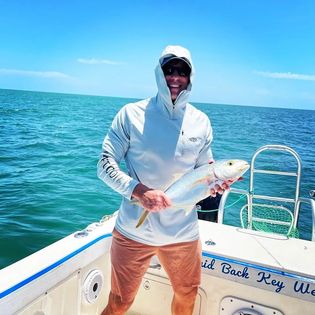
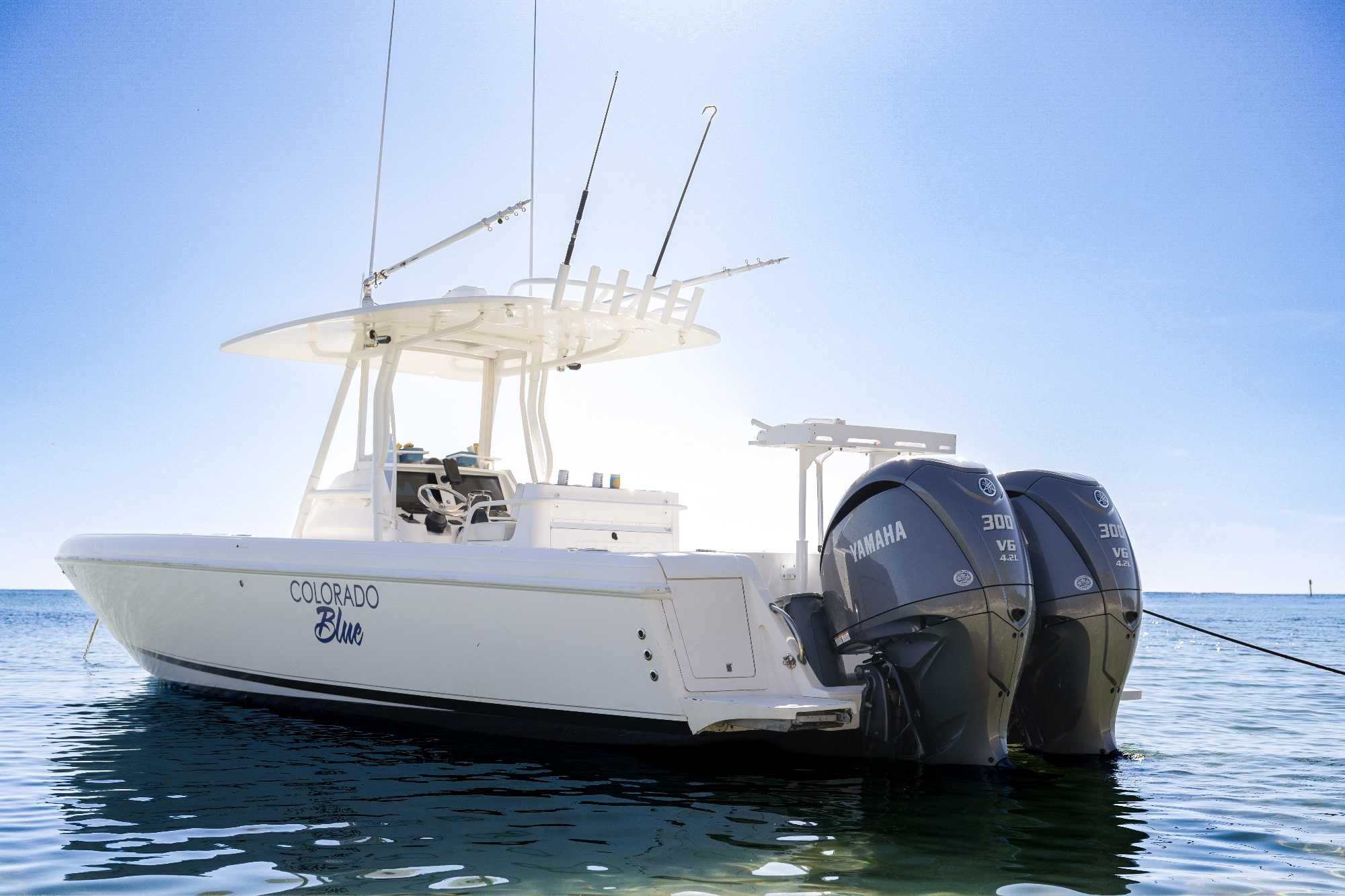
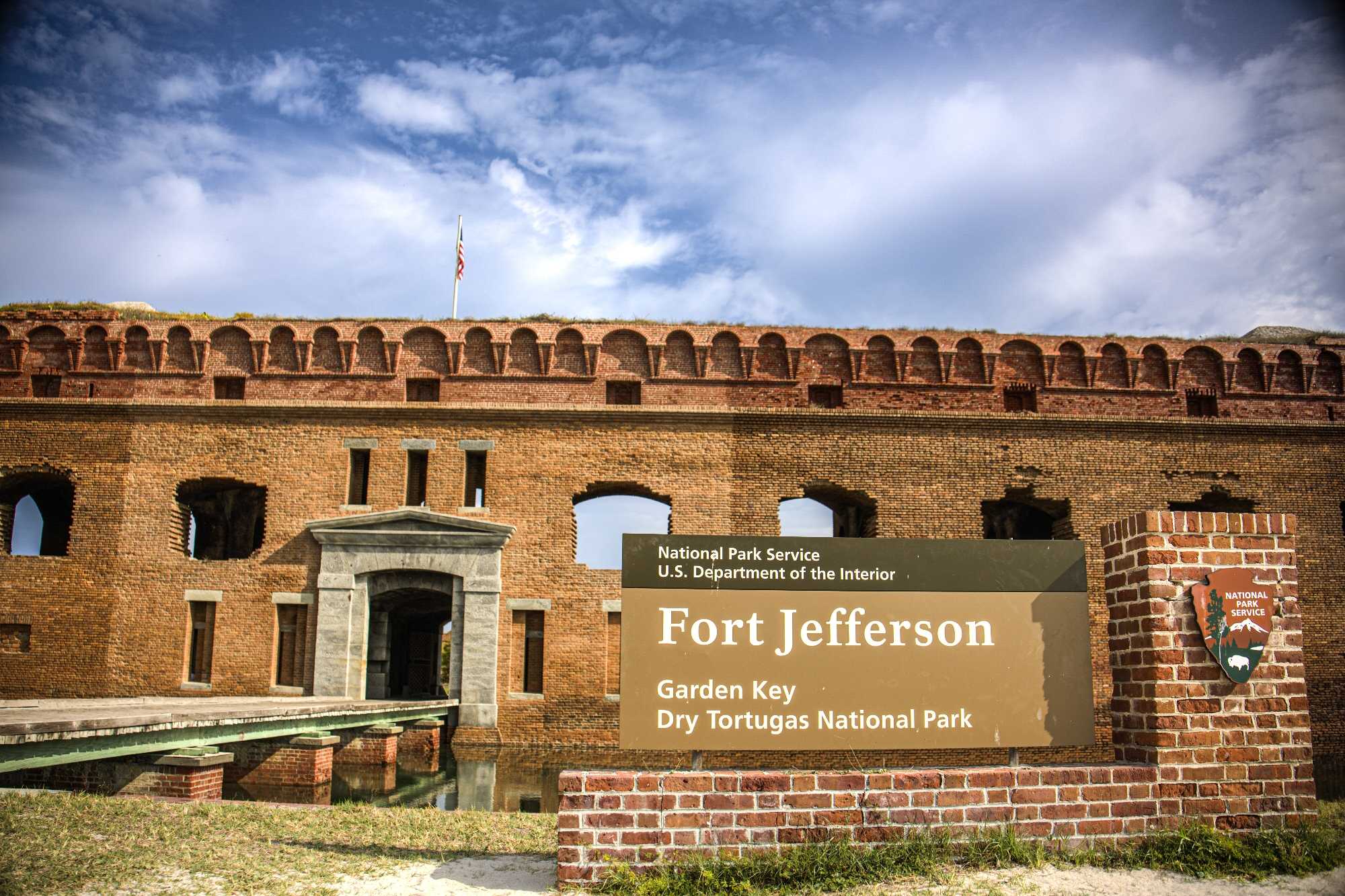
Looking for a fishing adventure that combines world-class angling with one of Florida's most remote and pristine destinations? This private Dry Tortugas charter delivers the best of both worlds — productive fishing grounds and the historic Fort Jefferson, all wrapped into one epic day on the water. You'll cruise 70 miles west of Key West aboard a fast 32-foot Intrepid to reach waters that most anglers never see, where grouper, snapper, and mahi roam freely around reefs and wrecks that have been feeding fish for decades.
What to Expect on the Water
This is your day, plain and simple. We're talking about a full 10-hour private charter that starts at Hurricane Hole Marina on Stock Island at 7 AM sharp — show up 15-30 minutes early to get your gear sorted and cooler loaded. The early departure isn't just about beating crowds; it's about maximizing your fishing time and hitting spots when the bite is hottest. The run out takes about two hours each way on Colorado Blue, a comfortable twin-engine setup with 300 HP Yamahas that'll get you there in style. Don't be surprised if you spot sea turtles and dolphins along the way — they're regulars out here. Once we reach the park waters, you've got roughly six hours to fish, explore Fort Jefferson, snorkel the reefs, or just soak up the remoteness of being 70 miles from the nearest mainland. The pace is entirely up to your group, whether you want to focus on fishing the entire time or mix in some history and underwater exploration.
Fishing Techniques & Grounds
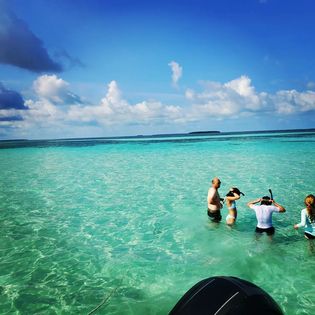
The Dry Tortugas fishing scene is all about structure — we're talking coral reefs, historic shipwrecks, and limestone ledges that create perfect ambush points for predator fish. Most of our fishing happens with bottom rigs targeting grouper and snapper around these structures, but don't be surprised if we break out the spinning gear for mahi when we spot debris lines or weed patches on the way out. The water clarity out here is off the charts — often 100+ feet of visibility — which means fish can be spooky, but it also means you'll see exactly what you're fighting once you hook up. We provide all the tackle, bait, and fishing licenses you'll need, plus we handle the park entry permits so you can focus on fishing. The captain knows these waters like his backyard and will adjust techniques based on conditions, tides, and what the fish are telling us. Some days it's live bait on the bottom, other days it's cut bait or even artificial lures if the fish are aggressive.
Species You'll Want to Hook
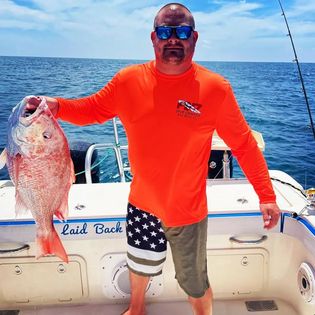
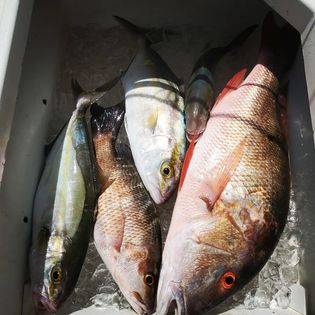
Grey snapper are the bread and butter fish out here, schooling up around coral heads and wrecks in numbers that'll make you think you're cheating. These guys typically run 2-5 pounds, with occasional larger specimens pushing 8-10 pounds. They're notorious bait stealers with sharp teeth and quick reflexes, but once you dial in the technique, you can load the cooler. Best fishing for greys happens during moving water — incoming or outgoing tides when they're actively feeding. What makes them special is their willingness to bite and their excellent table fare.
Red grouper are the heavyweight champions of these reefs, holding tight to structure in 40-80 feet of water. These bruisers can push 15-20 pounds and will test your drag system when they try to get back to their holes. They're ambush predators that prefer cut bait presented right on the bottom, and the fight is all about the first 30 seconds — if you can turn their head and get them up off the structure, you've got a good shot at boat-siding them. Peak season runs from late fall through spring when they're most active and aggressive.
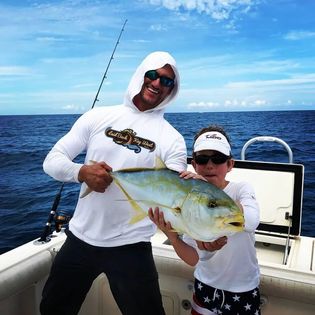
Mahi mahi are the wild card species that can turn a good day into a legendary one. These offshore speedsters show up around floating debris, weed lines, and current edges, often in schools that'll keep you busy for hours. They're explosive fighters that jump, run, and change directions faster than you can react. Size ranges from schoolie dolphin around 5-10 pounds up to bull dolphins that can exceed 30 pounds. The key is finding the right water conditions — clean blue water with temperature breaks and floating structure.
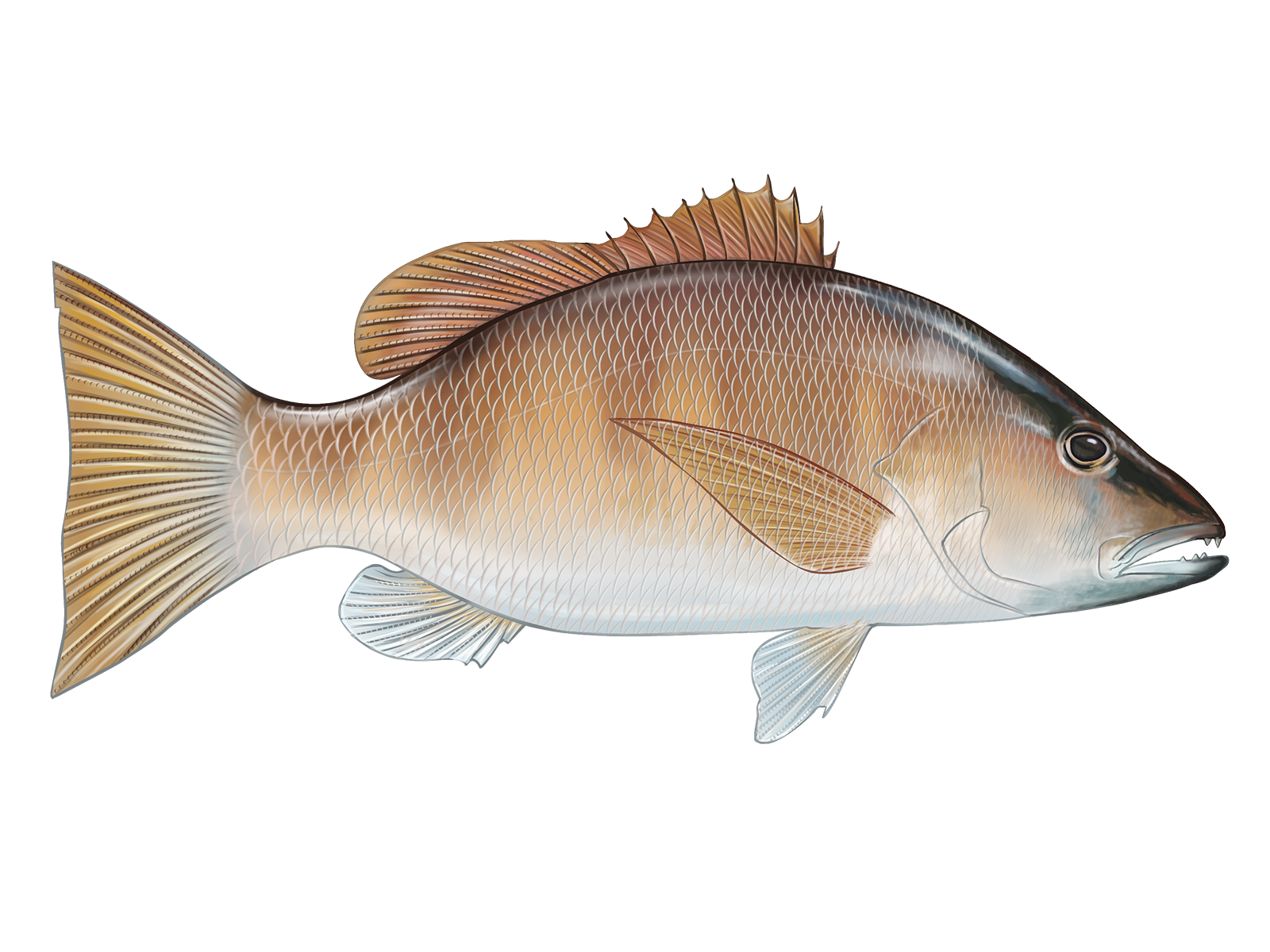
Mutton snapper are the premium target for serious anglers, growing larger than their grey cousins and offering a more challenging fight. These fish are selective feeders that often require precise bait presentation and lighter tackle to fool. They school around the same structures as other snappers but tend to hold deeper and are more sensitive to fishing pressure. A good mutton runs 5-15 pounds and provides some of the best eating you'll find in these waters.
Black grouper represent the pinnacle of reef fishing — large, powerful, and incredibly smart fish that have survived by being cautious. These giants can exceed 50 pounds and will absolutely wreck you if you're not prepared with heavy tackle and a solid drag system. They're less common than reds but when you hook into a big black, it's a fish-of-a-lifetime experience. They prefer deeper structure and are most active during dawn and dusk feeding periods.
Time to Book Your Spot
This isn't your typical half-day fishing trip around the harbor — it's a legitimate offshore adventure to one of the most remote and productive fishing destinations in the Florida Keys. The combination of pristine fishing grounds, historic exploration, and crystal-clear waters makes this a customer favorite for anglers who want something beyond the ordinary. Weather can be a factor this far offshore, but when conditions align, you'll understand why captains have been making this run for decades. The fish are there, the scenery is world-class, and you'll have stories that last a lifetime. Just remember to bring reef-safe sunscreen, a hat, snacks, and drinks for the day — and maybe a light jacket for the
 Private Trip
 Fishing
 Key West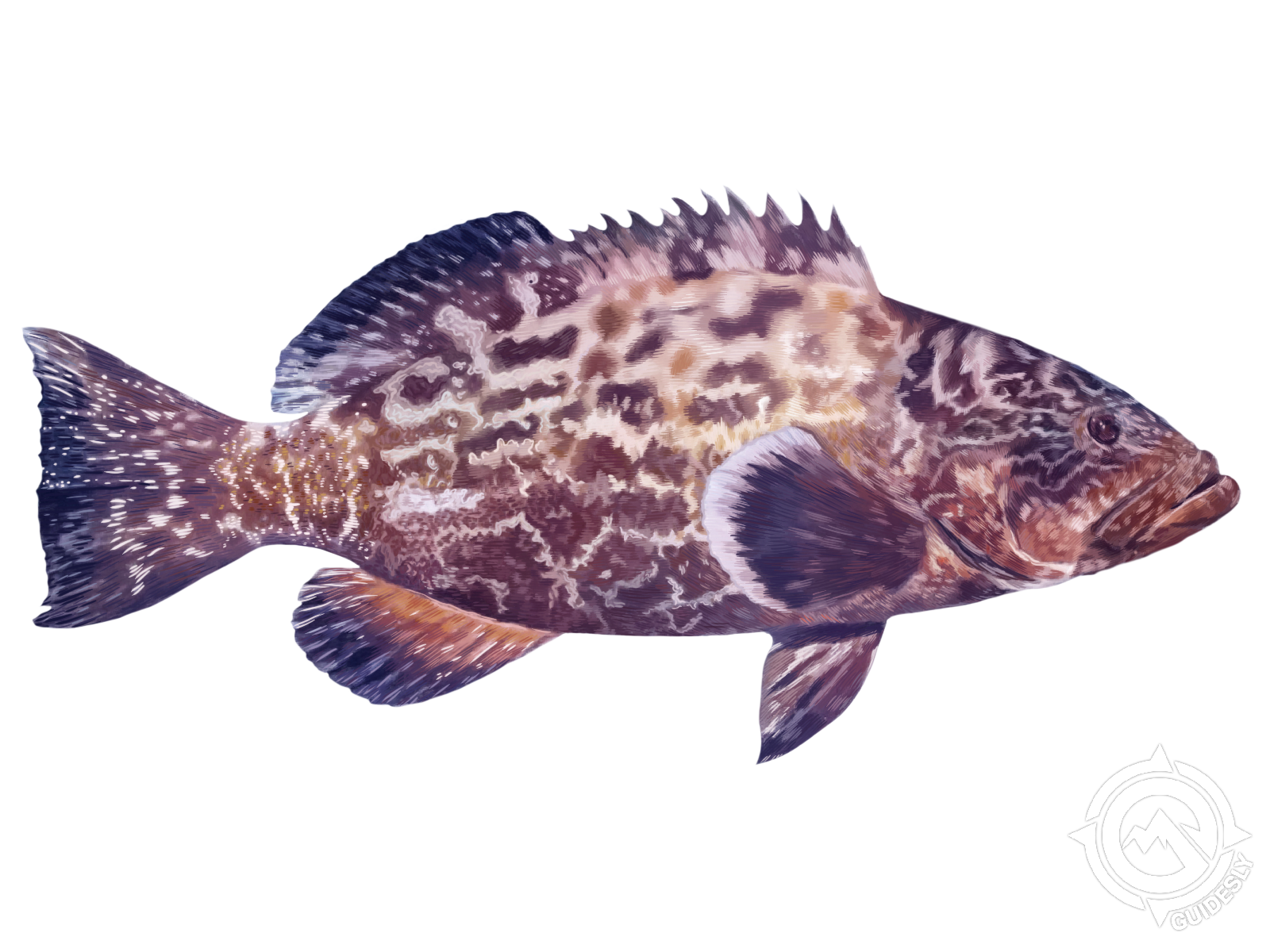



 Private full-day charter to Dry Tortugas National Park aboard fast 32-foot vessel