Solo Fishing Adventure on Lake Ray Hubbard
If you're looking for a personalized fishing experience where you get all the attention and none of the crowd, this solo trip on Lake Ray Hubbard is exactly what you need. Captain Brandon with Lead Slingers knows how rare it is to find guides willing to take out just one angler, but that's exactly what makes this trip special. You'll have his full focus, learn proper techniques, and get put on fish without having to share the action. Whether you're chasing white bass, targeting crappie, or hoping to land some hefty catfish, this Lake Ray Hubbard adventure delivers results with a money-back guarantee - if you don't catch fish, your next trip is completely free.
What to Expect on the Water
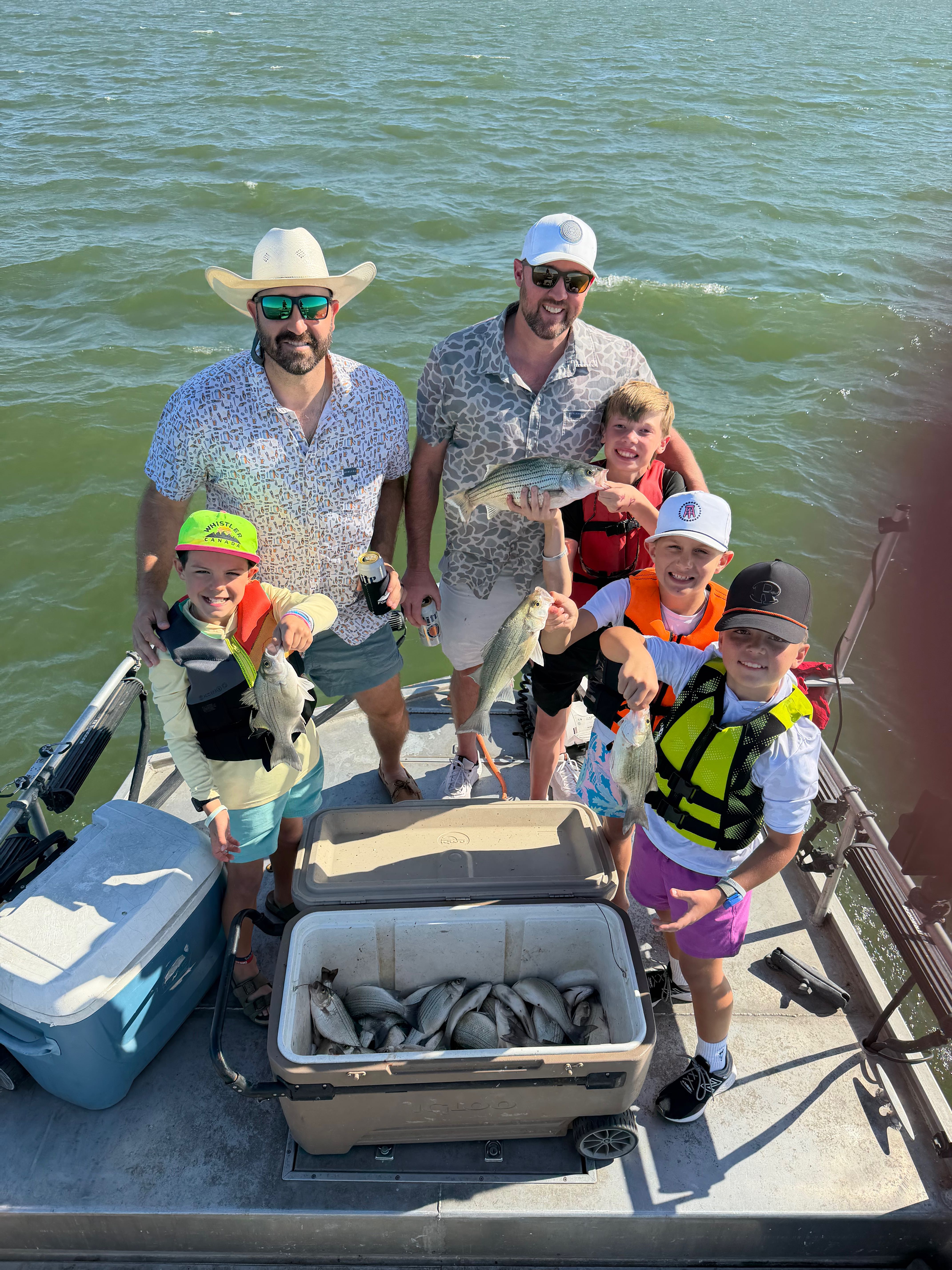
This isn't your typical group charter where you're elbow-to-elbow with strangers. You'll have Brandon's undivided attention as he works his magic on one of Texas's most productive fishing lakes. Lake Ray Hubbard stretches over 22,000 acres of prime fishing water, and Brandon knows every structure, drop-off, and honey hole like the back of his hand. The trip focuses on whatever's biting best - white bass, crappie, or catfish - but you can definitely voice your preference if you're after something specific. All your gear is provided, including premium rods, reels, and proven baits like LS Slabs, LS Crappie Plastics, and live minnows. Just grab your Texas fishing license, bring a cooler for your catch, and pack some drinks. The boat is roomy and safe, so you'll fish comfortably while Brandon puts you on the fish.
Techniques and Top-Notch Gear
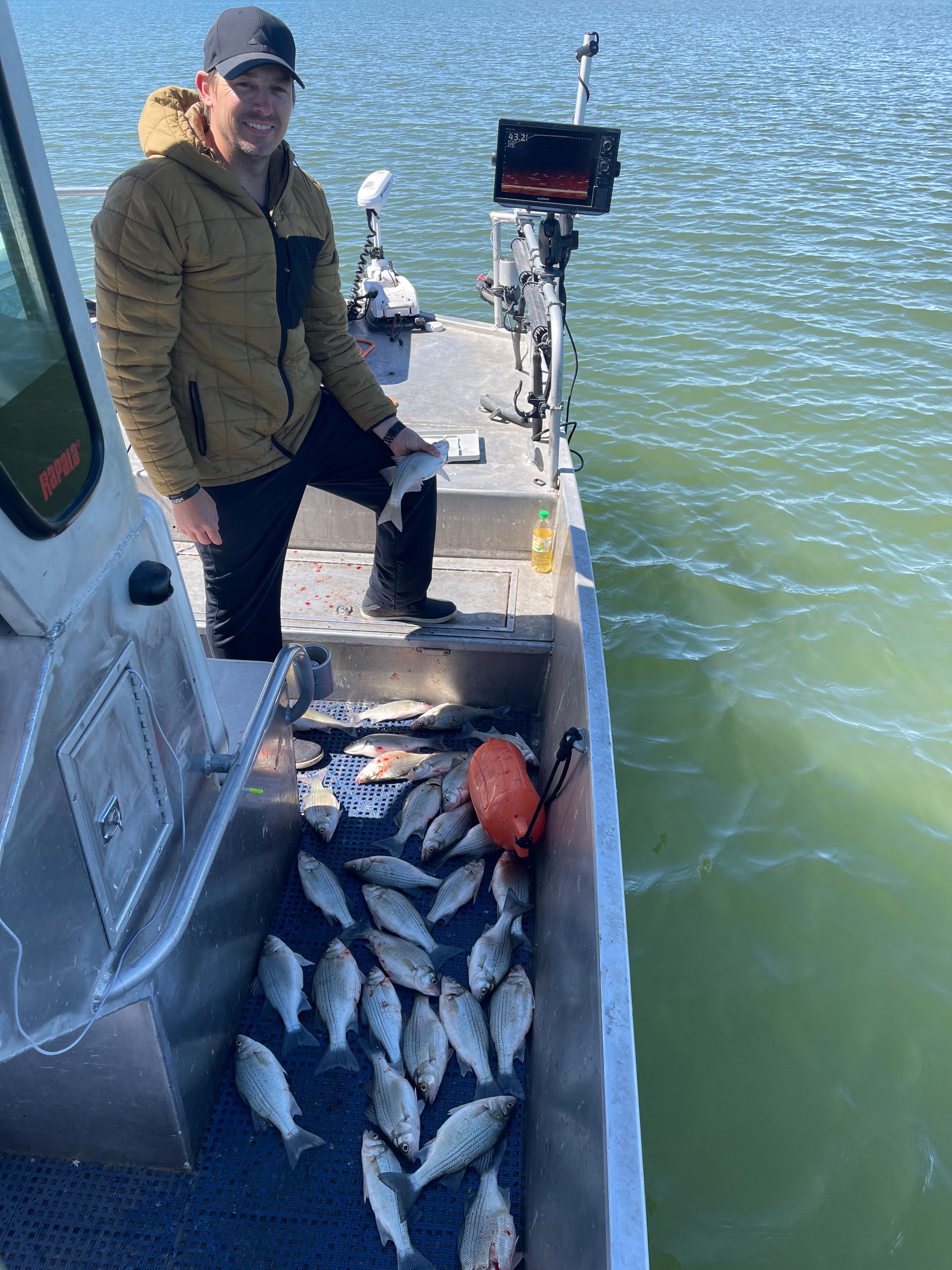
Brandon runs some of the most detailed fish finders and live scope technology you'll see on any guide boat. If you've never fished with live scope before, you're in for a treat - watching fish react to your bait in real-time changes everything about how you approach fishing. He'll teach you proper positioning with the camera and show you exactly how to work your presentation once you mark fish. The rods and reels are all well-maintained, top-quality setups matched perfectly to the techniques you'll be using. Depending on what's biting, you might be vertical jigging for white bass over deep structure, working crappie plastics around brush piles, or soaking bait for catfish near creek channels. Brandon adjusts his approach based on seasonal patterns, weather conditions, and what the fish are telling him through that high-tech electronics package. It's hands-on learning at its finest, and you'll walk away a better angler.
Customer Stories
"Captain Sargent is professional and really knows his fishing. He will put you on fish. Most important- fishing with him you have fun and catch fish , you catch fish and have fun." - John
"We caught a LOT of fish. Brandon's boat is roomy and safe. The gear is absolutely top notch. Most detailed fish finders I've ever seen. Rods, reels and bait all well maintained. I'll be back" - Conor
"It was a great trip. Not many guides will take out one angler. It was nice to have his full attention to learn how to do this type of fishing. I'll be back." - Dale
Species You'll Want to Hook
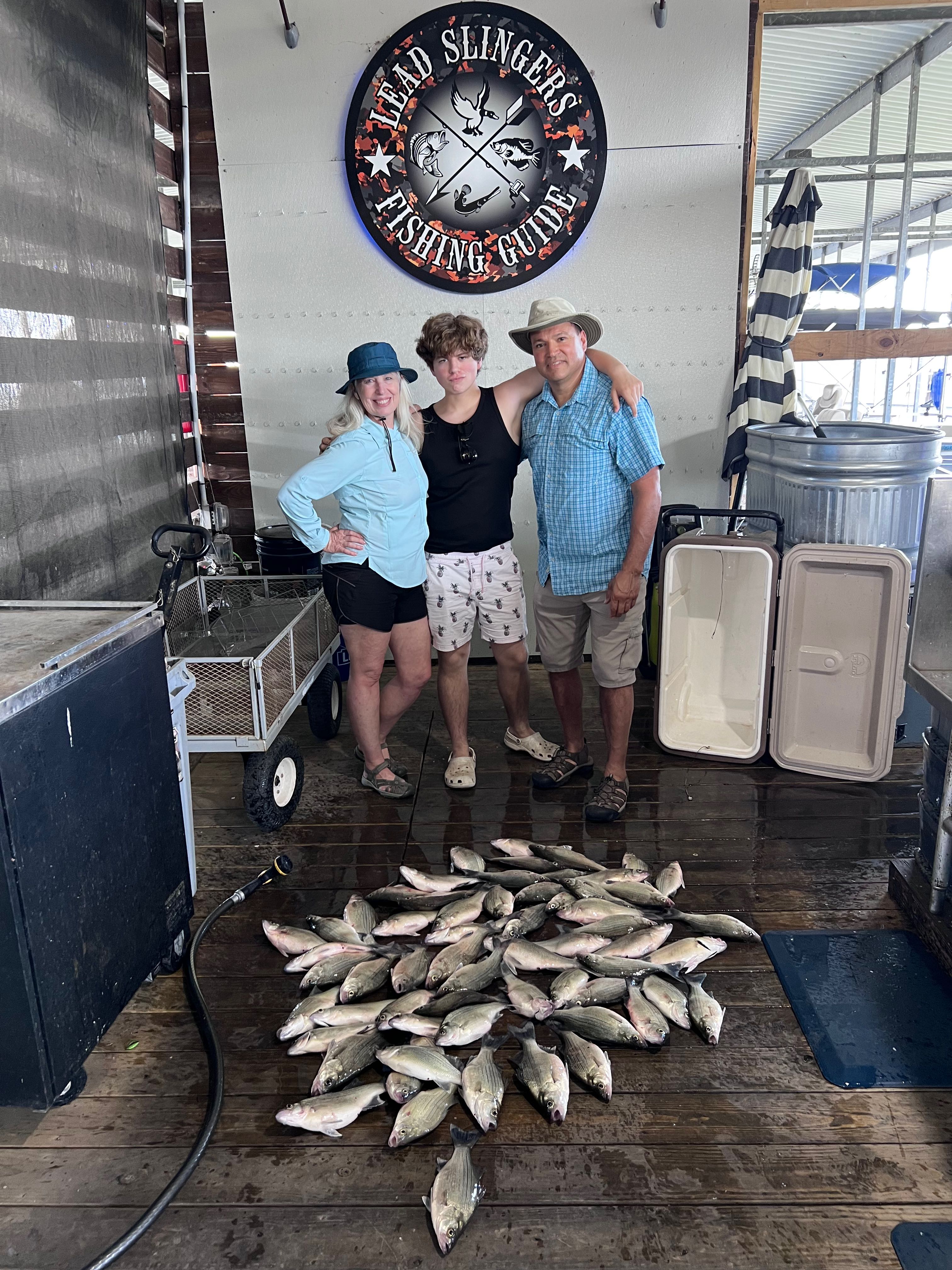
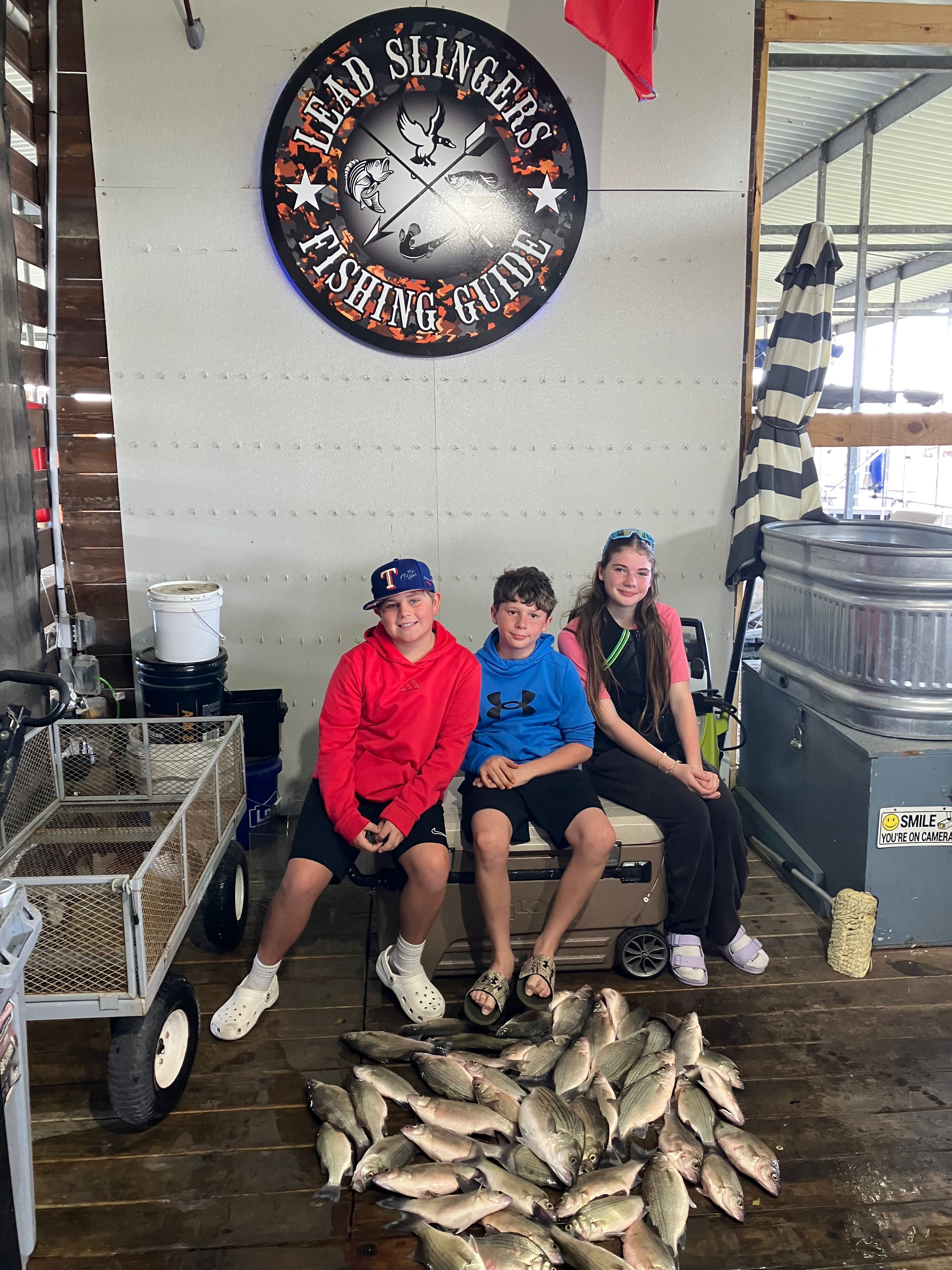
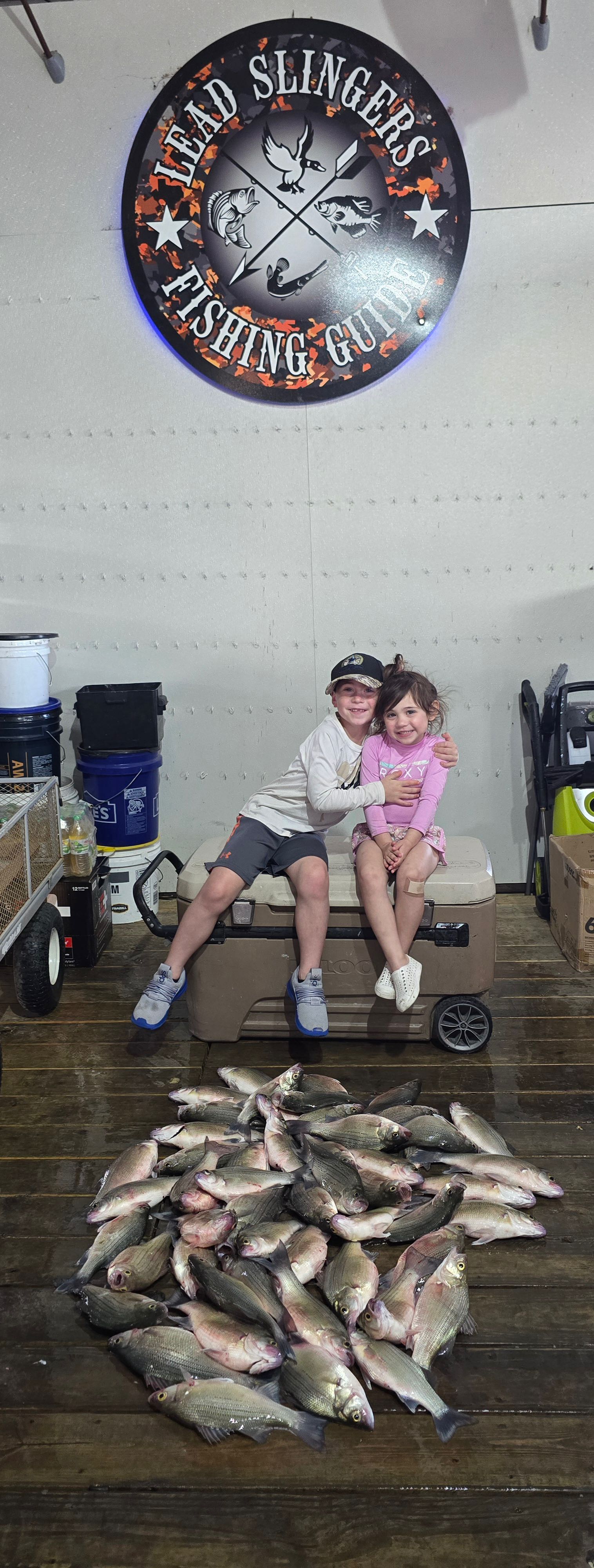
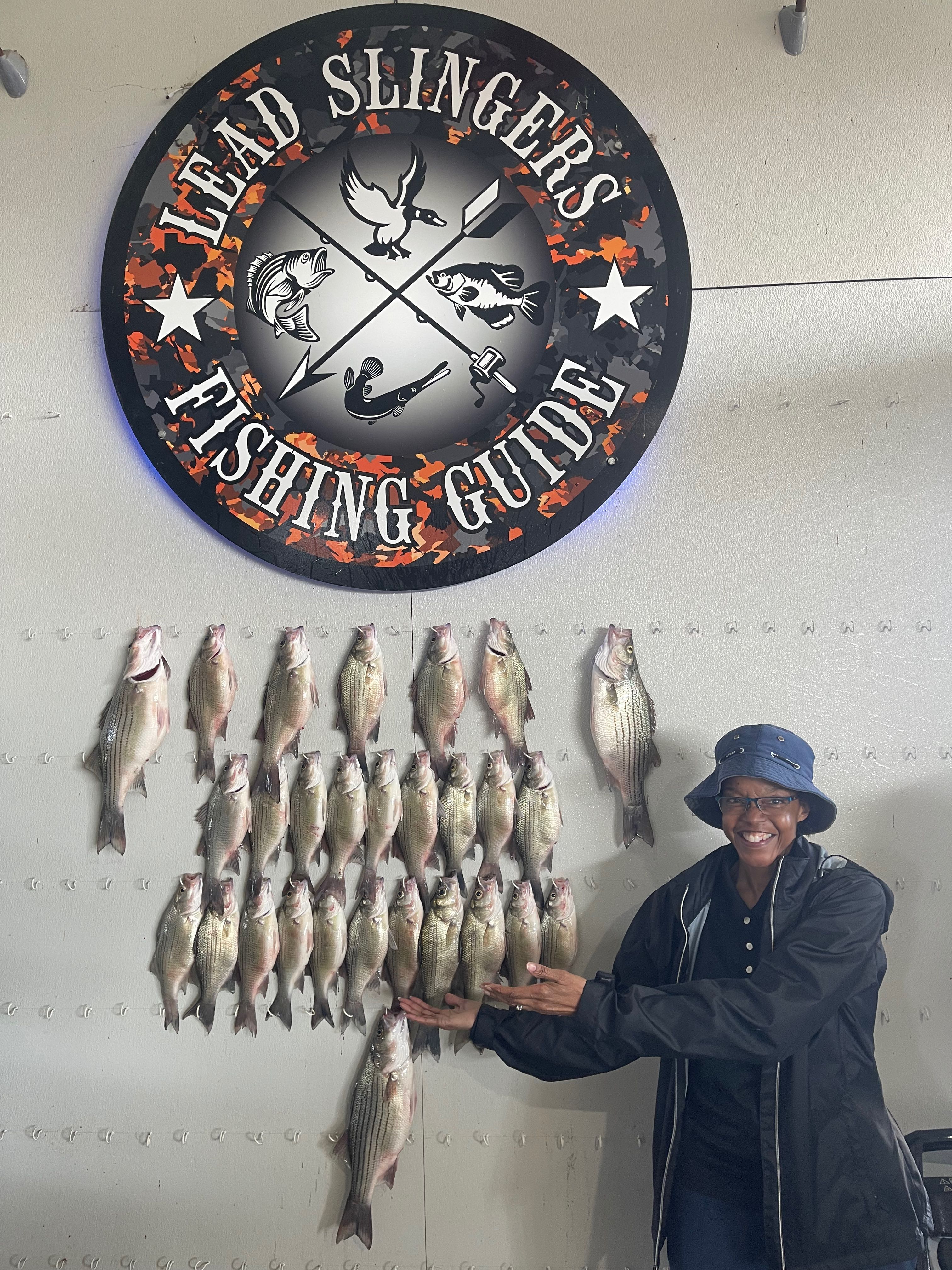
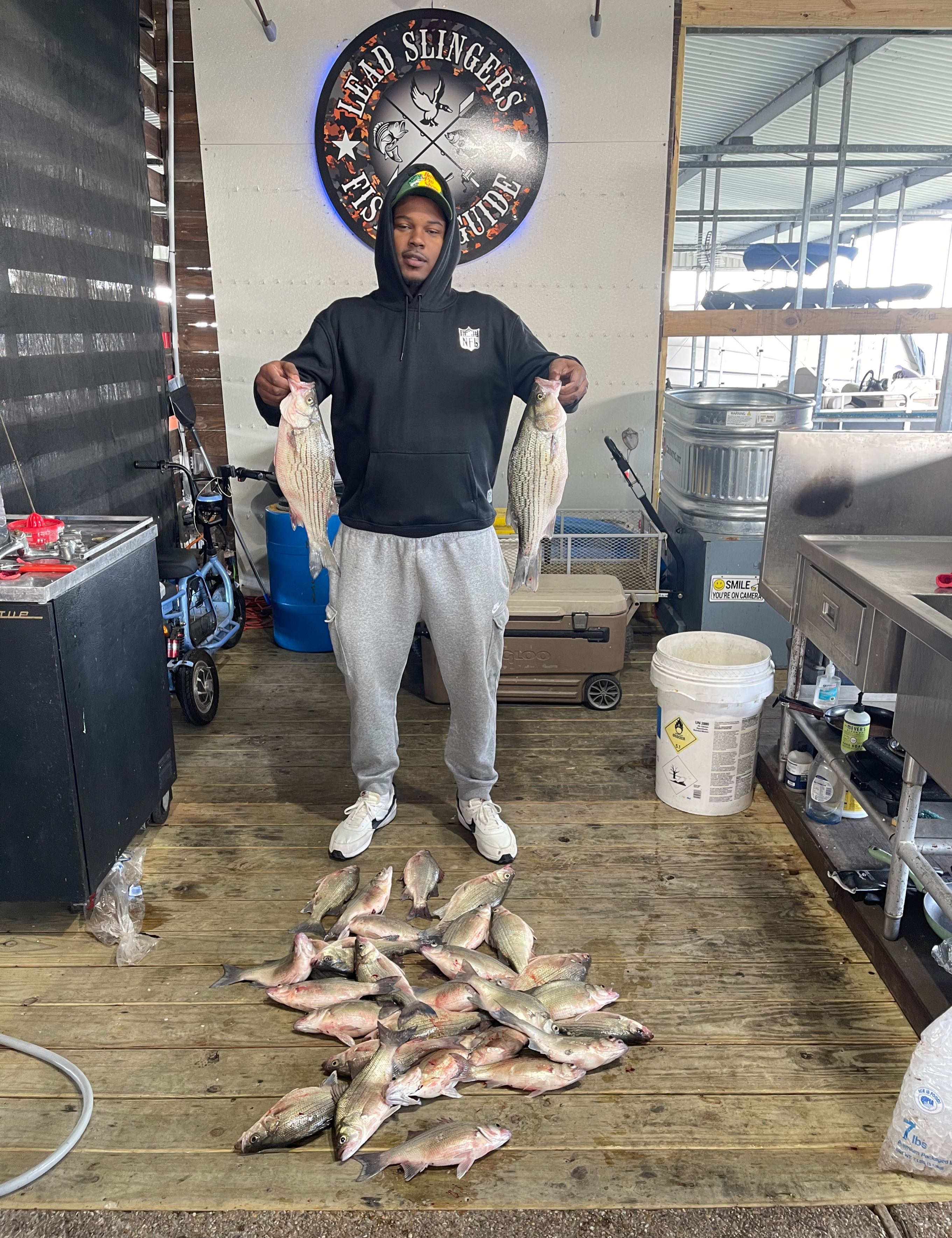
White bass are some of the most fun fish you'll find in Lake Ray Hubbard, especially when they're schooled up and feeding aggressively. These silver rockets typically run 1-3 pounds and fight way above their weight class. Spring and fall are prime times when they chase shad in massive schools, creating surface action that'll get your heart pumping. You'll often find them suspending over main lake points and humps in 15-25 feet of water during summer months. What makes white bass so exciting is their willingness to hit fast-moving presentations and their tendency to travel in large groups - when you find one, you've usually found dozens.
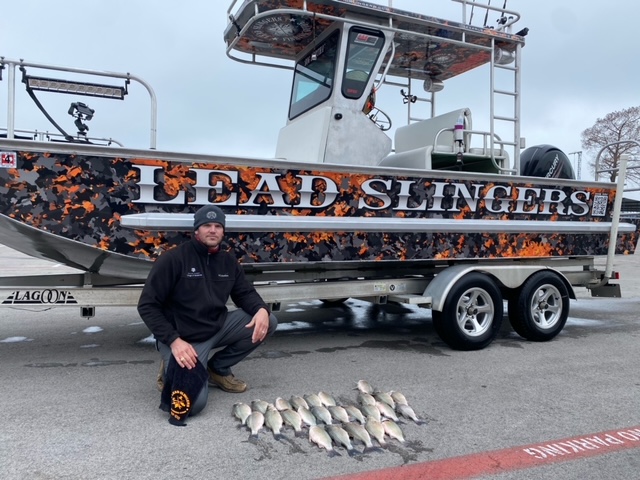
Crappie fishing on Ray Hubbard is legendary, with both black and white crappie calling these waters home. These slab-sided beauties average 10-14 inches, with plenty of trophy fish pushing 15+ inches and 2-3 pounds. Spring spawning season brings them shallow around brush and structure, but Brandon knows how to find them year-round by targeting deeper brush piles and creek channels. Crappie are notorious for their light bite and finicky feeding habits, which is exactly why having an experienced guide makes all the difference. They're excellent table fare and provide steady action once you dial in the right depth and presentation.
Channel catfish and blue catfish both thrive in Lake Ray Hubbard's diverse structure and abundant forage base. Channel cats typically run 2-8 pounds and are found around rocky areas, bridge pilings, and creek mouths. Blue catfish are the true giants here, with fish over 20 pounds caught regularly and monsters exceeding 40+ pounds lurking in the deeper channels. Summer nights and early mornings are prime time for catfish, though they bite year-round if you know where to look. These fish provide serious rod-bending action and are perfect for anglers who want to feel their drag screaming.
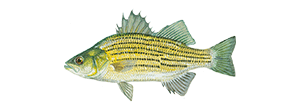
Yellow bass might be the most underrated species in the lake, but they're scrappy fighters that school up just like their white bass cousins. They're typically smaller, running 8-12 inches, but they make up for size with attitude and numbers. You'll often catch yellow bass while targeting white bass, and they hit many of the same presentations. They're most active during low-light periods and can provide fast action when other species are being stubborn.
Time to Book Your Spot
Solo fishing trips with experienced guides are hard to find, making this Lake Ray Hubbard experience a real gem for serious anglers. Brandon's track
 5.0(10 Reviews)
 Private Trip
 Lakes/Reservoirs/Ponds Fishing
 Top Rated
 Lake Ray Hubbard


 Solo guided fishing trip targeting white bass, crappie, or catfish