Full-Day Offshore Fishing in Dania Beach
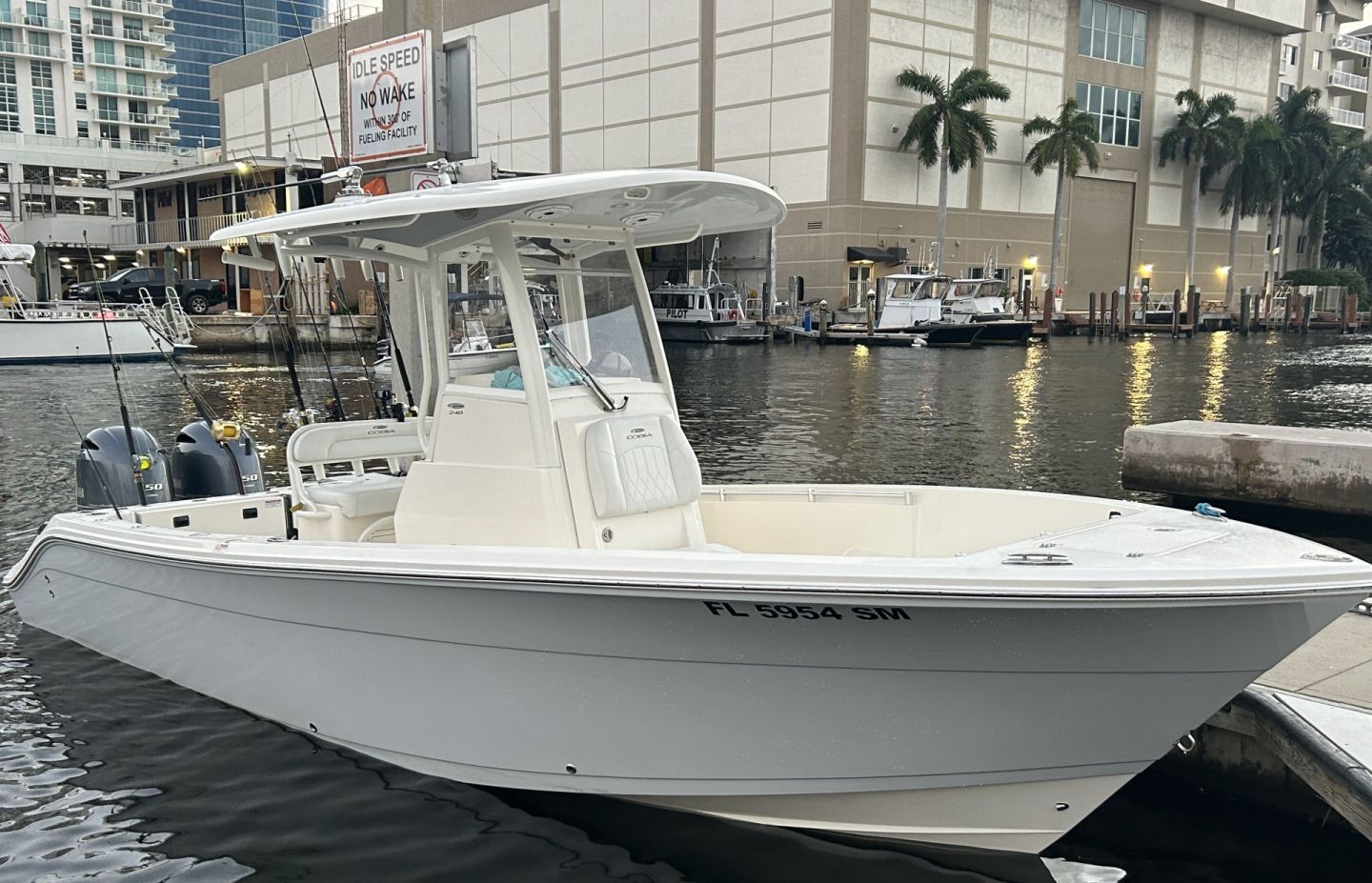
When you're ready to get serious about offshore fishing, this 8-hour charter with Legasea Life LLC puts you right where the big fish live. We're talking about heading out into the deep blue off Dania Beach, where the Gulf Stream brings in some of Florida's most sought-after gamefish. This isn't your typical half-day trip – we've got the whole day to work the water properly, from trolling the offshore lanes to dropping baits on productive reefs and wrecks. With gear, bait, and licenses all handled, you just need to show up ready to fish. The boat holds up to 4 anglers, so you're not fighting for rail space or dealing with crowds.
What to Expect on the Water
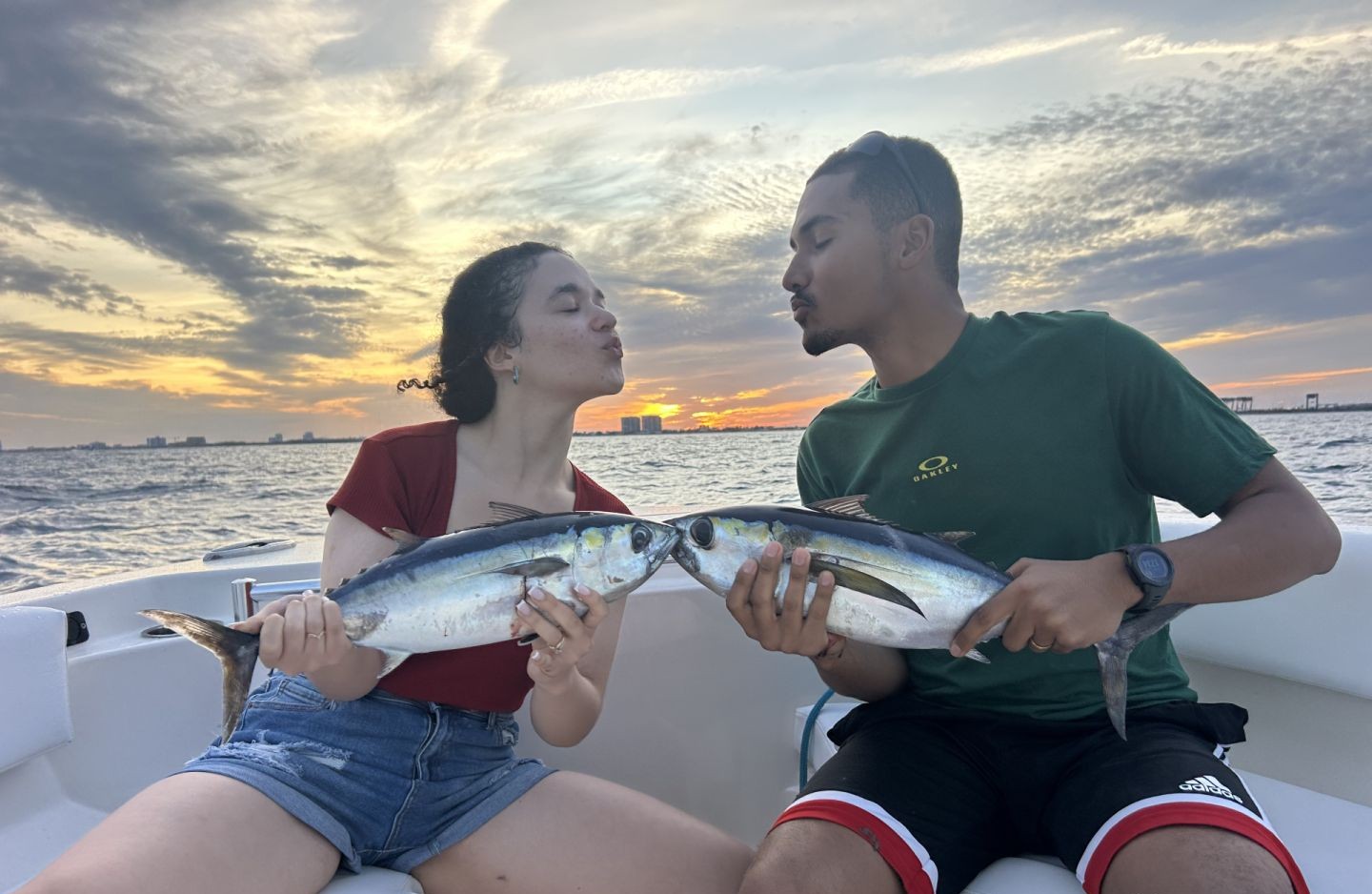
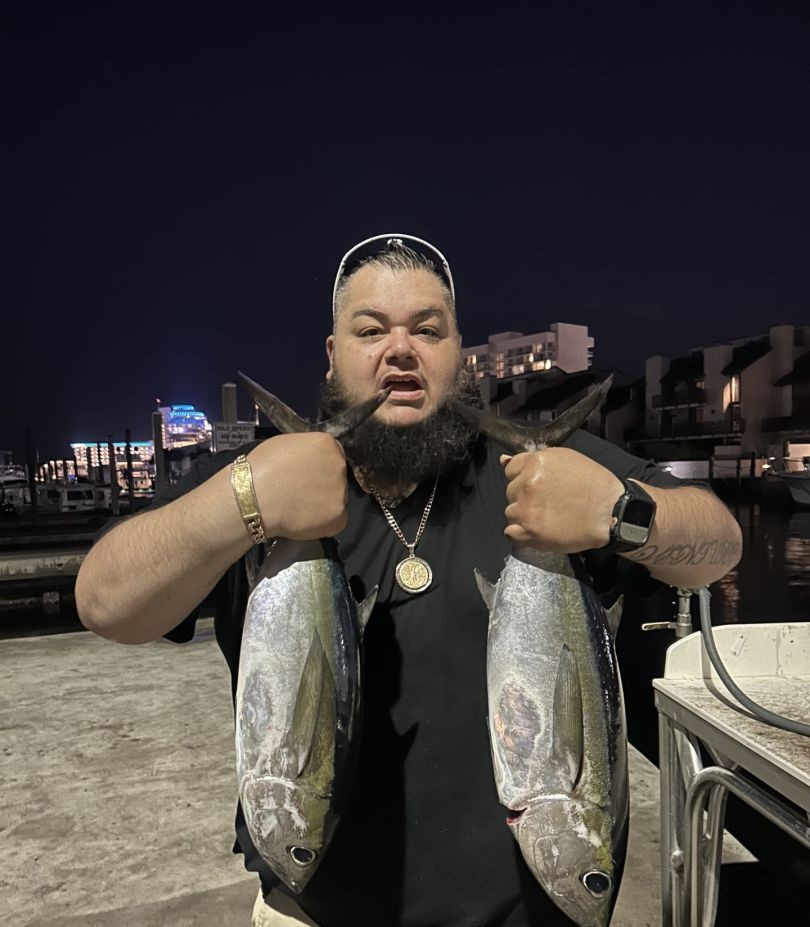
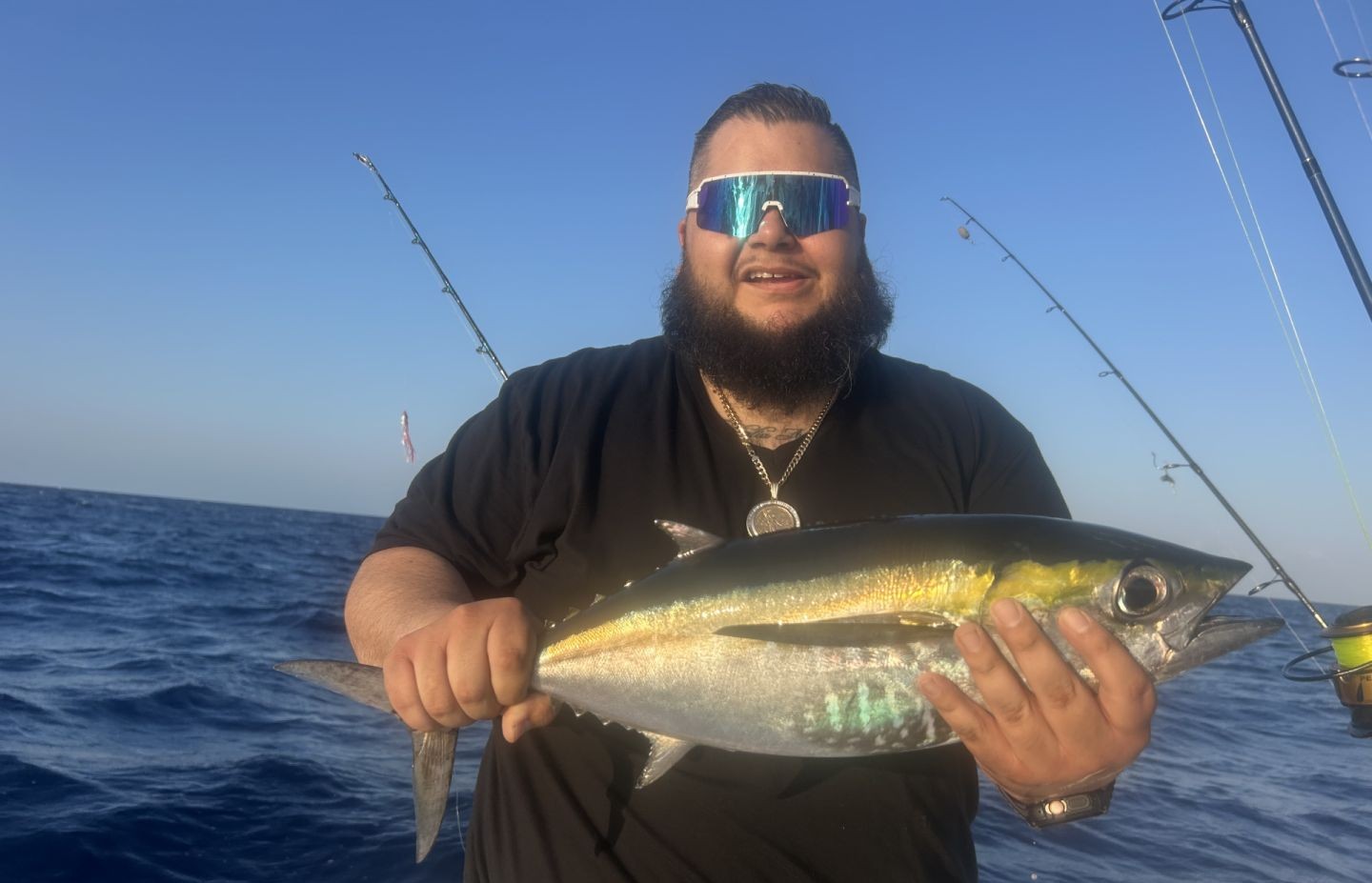
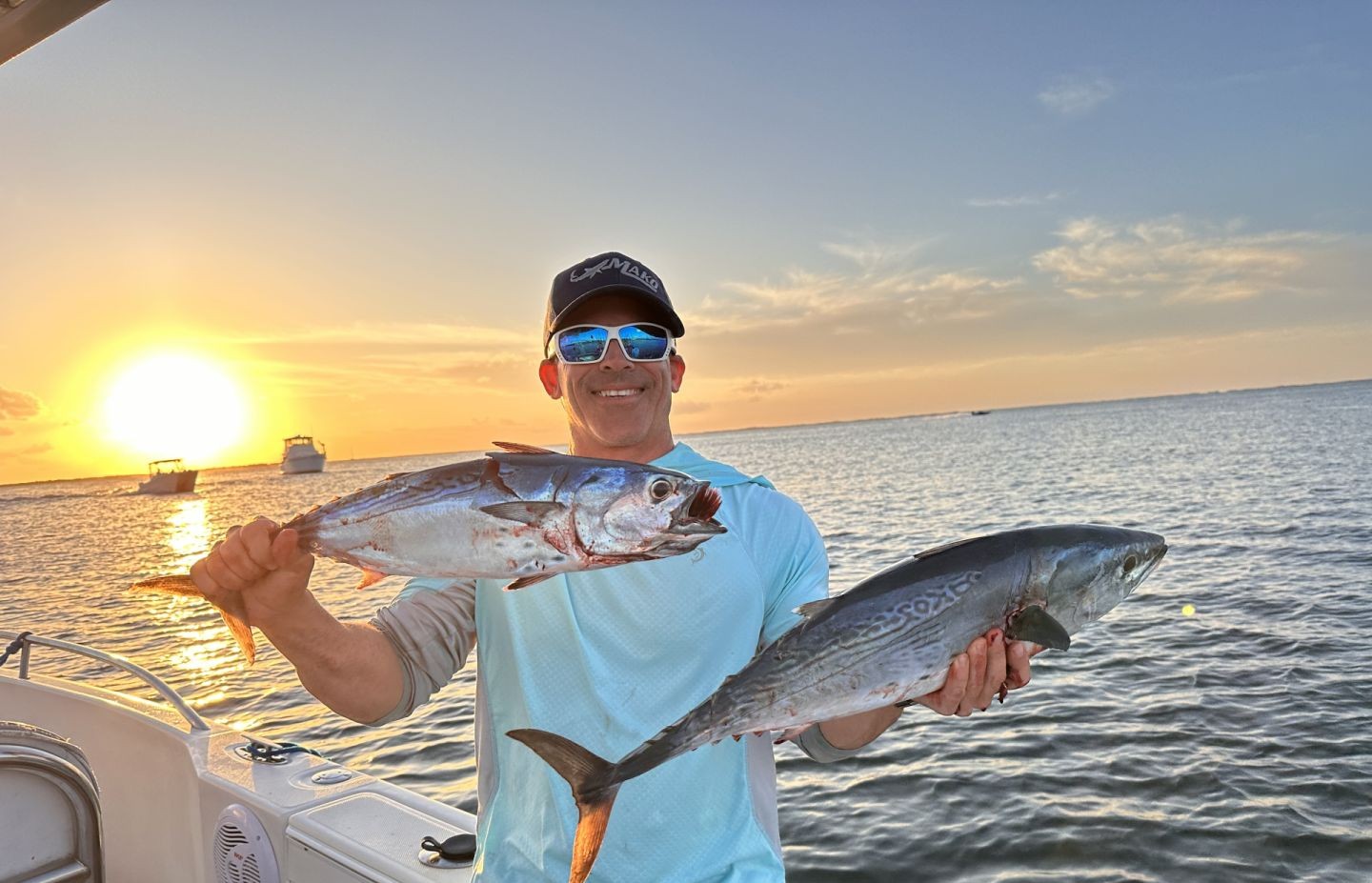
Your day starts early at Dania Beach, where we'll load up and head offshore to where the real action happens. The first part of our trip focuses on trolling – we'll set up a spread of baits and lures to target pelagic species like kingfish, tuna, wahoo, and mahi-mahi. These fish cruise the offshore waters, and trolling lets us cover ground while presenting baits at the right speeds. Once we've worked the trolling bite, we switch gears and head to productive bottom structure. This is where the reef and wreck fishing comes into play. We'll anchor up or drift over known spots where snapper, grouper, and amberjack hang out. The variety keeps things interesting – one minute you're fighting a screaming king mackerel on the surface, the next you're cranking up a heavyweight grouper from 80 feet down. The 8-hour format gives us flexibility to adapt to conditions and fish behavior, maximizing your chances at multiple species.
Trolling & Bottom Techniques
We run a proven combination of techniques that consistently produce fish in these waters. For the trolling portion, we'll set up a pattern of live baits, dead baits, and artificial lures at different depths and distances from the boat. Wire line gets baits down deep where wahoo and tuna cruise, while flat lines and outriggers work the surface layers for mahi and kings. The key is speed control and bait presentation – we adjust trolling speeds based on target species and conditions. When we transition to bottom fishing, we use everything from live pinfish and grunts to cut baits and jigs. Circle hooks are standard for most bottom fishing to ensure solid hooksets and fish survival. We'll fish both at anchor and on the drift, depending on current, wind, and fish activity. The tackle is sized appropriately for each technique – lighter spinning gear for the smaller reef fish, heavier conventional setups for the big grouper and amberjack that can really test your arms.
Species You'll Want to Hook
Mutton snapper are one of the most prized catches on our reefs, and for good reason. These fish are smart, finicky, and absolutely delicious on the table. They typically run 3-8 pounds in our waters, with the occasional teenager showing up to really make your day. Muttons are most active during warmer months and tend to bite best on live bait presented near the bottom. They're notorious for light bites and quick drops, so staying sharp on the rod is essential. What makes them special is their combination of fight and flavor – they'll make solid runs when hooked, and they're considered some of the best eating fish in South Florida waters.
Red grouper are the bread and butter of our bottom fishing, and they're exactly what most anglers picture when they think about Florida reef fishing. These guys range from keeper-sized fish around 3-4 pounds up to legitimate heavyweights pushing 15-20 pounds. They live around hard bottom, ledges, and artificial reefs, and they're aggressive feeders when you find them. Red grouper are available year-round, but they tend to bite best during cooler months when they're more active. The fight is all about power – they'll try to get back to their hole immediately after being hooked, so you need to turn them quickly and keep steady pressure.
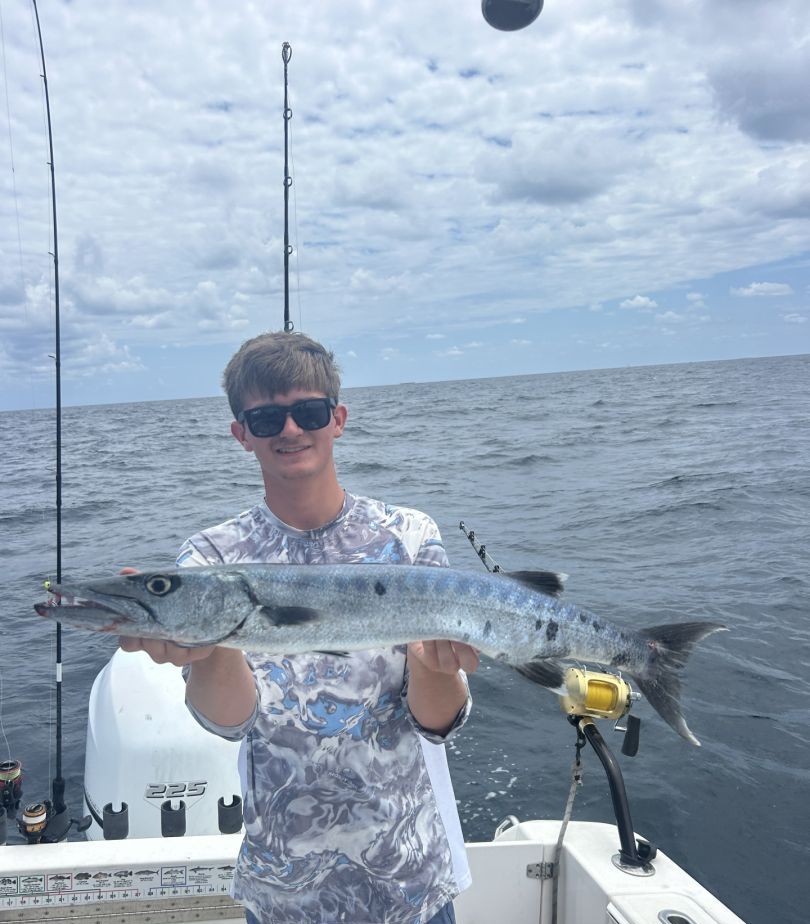
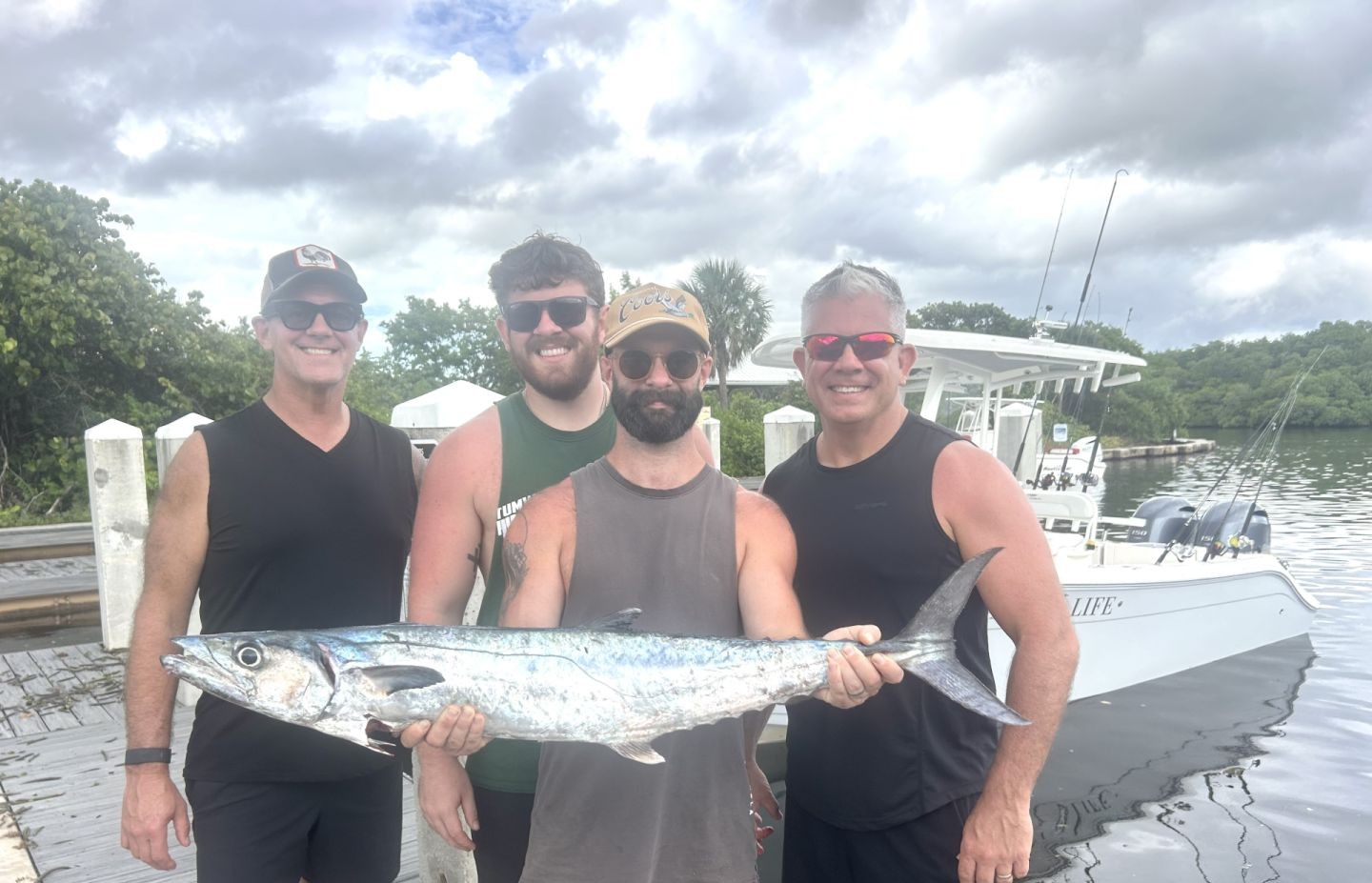
King mackerel bring the speed and excitement to our offshore trips. These fish are pure adrenaline – they hit trolled baits at full speed and make blistering runs that will test your drag system. Kings in our area typically range from 10-30 pounds, with the occasional smoker pushing 40-plus. They're most active during fall and winter months when baitfish are thick along the reef line. What makes king fishing so addictive is the visual aspect – you often see the bite happen as fish crash baits right behind the boat. They're also excellent table fare when handled properly, despite what some people think.
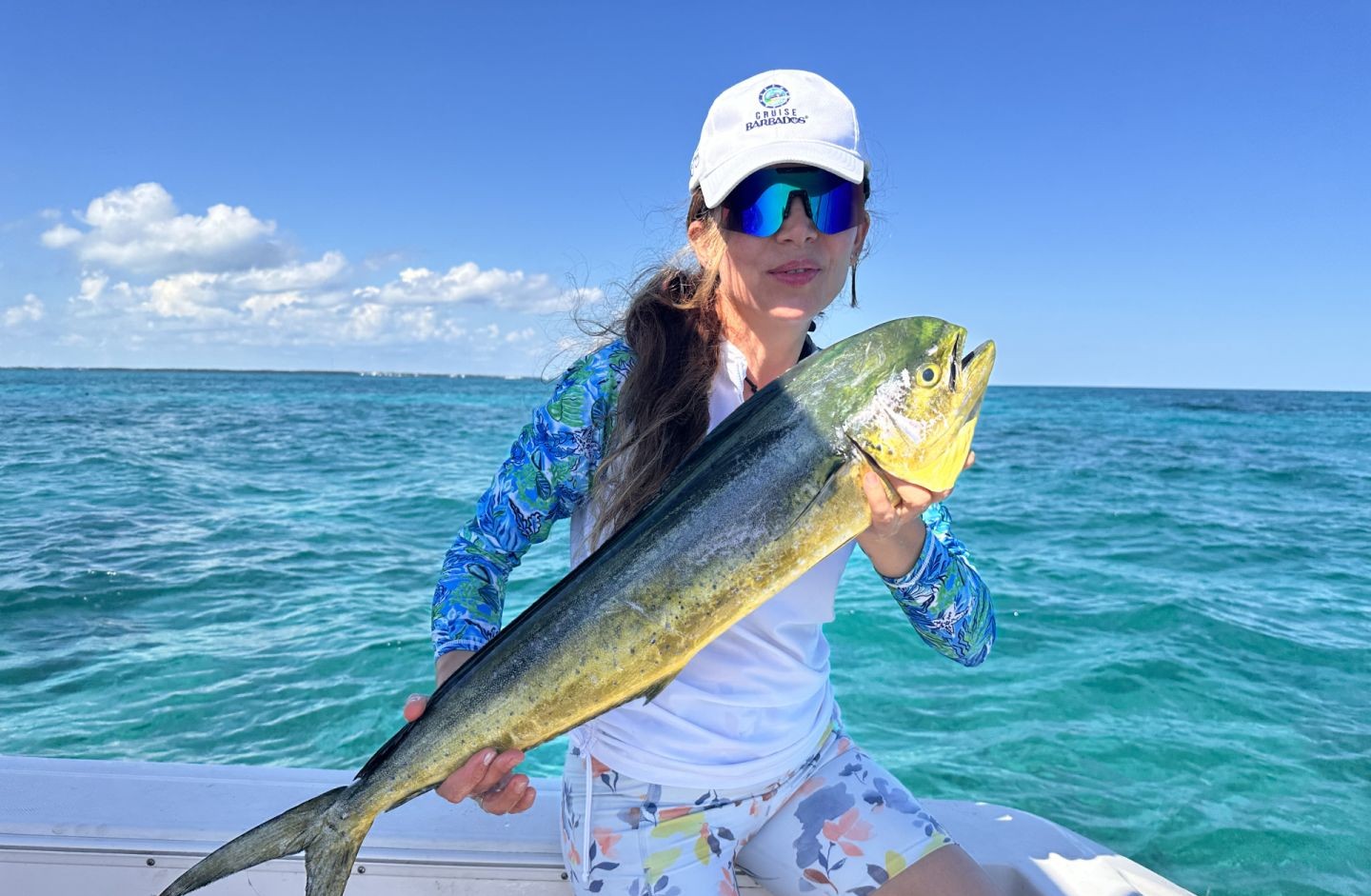
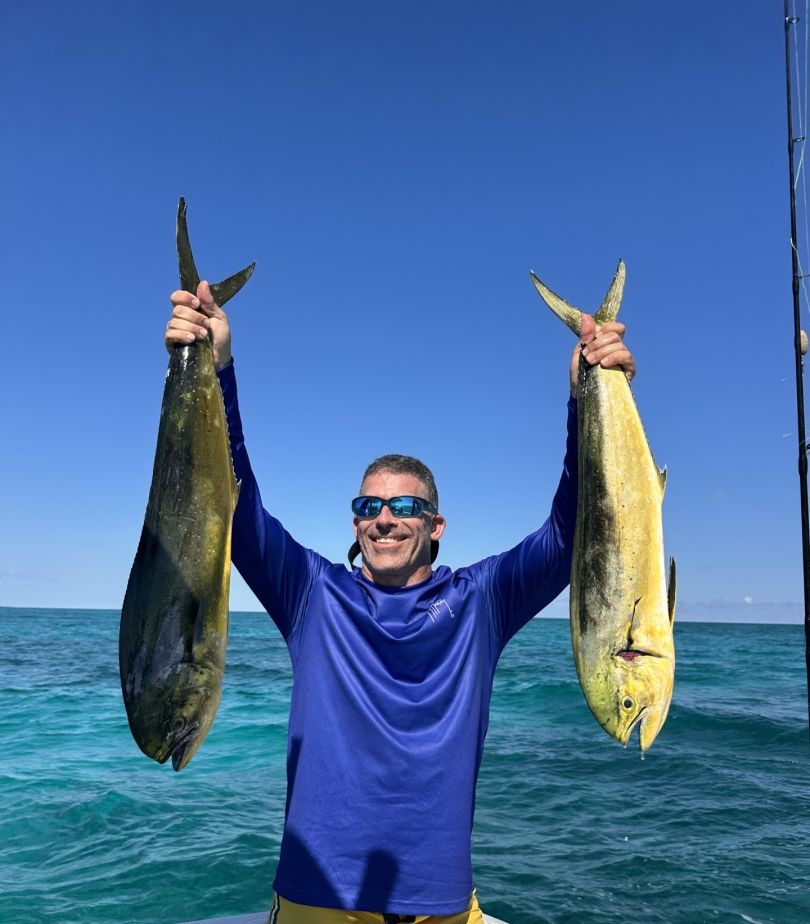
Mahi-mahi represent everything great about offshore fishing – they're beautiful, fight hard, jump when hooked, and taste amazing. These fish are nomadic and follow floating debris, temperature breaks, and baitfish concentrations. In our waters, mahi typically run 5-15 pounds, with bull dolphins occasionally reaching 20-30 pounds. They're most common during warmer months but can show up any time conditions are right. Mahi are also unique because where you find one, you often find more – they school up, especially the smaller fish. The key is staying on the fish once you hook the first one.
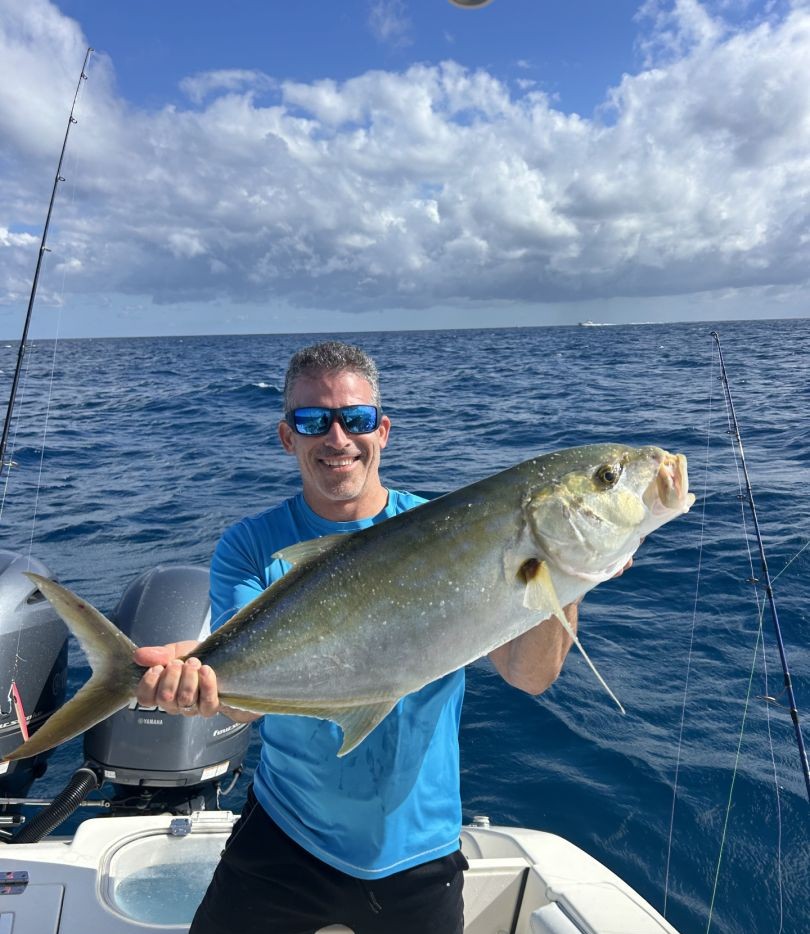
Greater amberjack are the bulldogs of the reef, and they'll give you a workout you won't forget. These fish are all muscle and attitude, typically running 15-40 pounds in our area. They hang around structure – wrecks, reefs, and ledges – and they're ambush predators that hit baits hard and immediately try to get back to cover. AJs are most active during cooler months, and they respond well to both live and dead baits. What separates amberjack from other reef fish is their stamina – they don't give up easily, and landing a big one is a legitimate accomplishment that'll have your arms burning.
Time to Book Your Spot

 Private Trip
 Offshore Fishing
 Fort Lauderdale, FL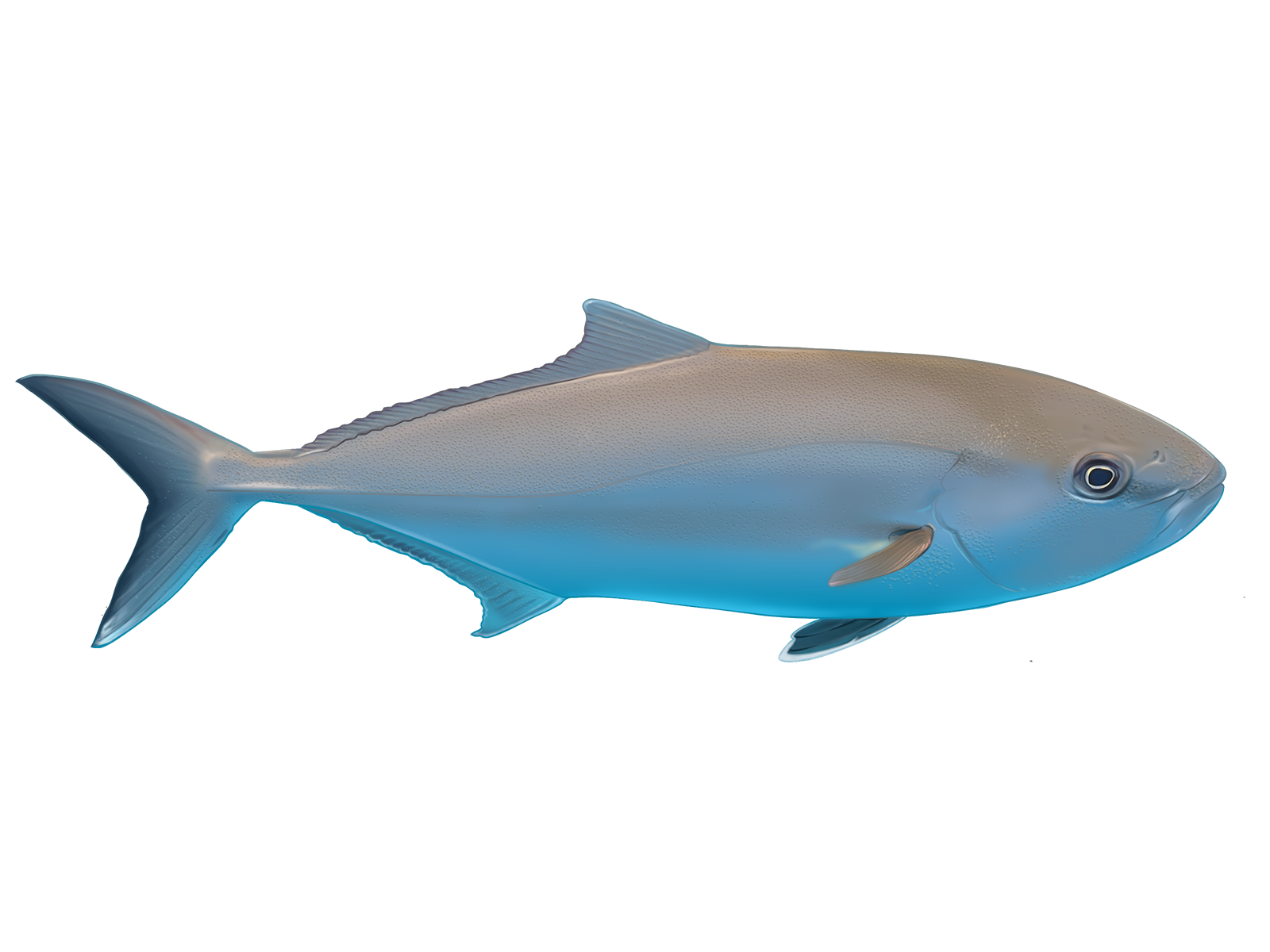


 Eight-hour offshore charter targeting kingfish, tuna, wahoo, and mahi-mahi