Galveston Fish Charters | 6 Hour Charter Trip
When you're looking for serious offshore action in Texas waters, this 6-hour charter with Line Check Charters delivers the real deal. We're talking about heading nine miles out into the Gulf of Mexico, where the state water rigs and reefs hold some of the best fishing you'll find anywhere along the Texas coast. Captain and crew know these waters like the back of their hand, and they'll put you on fish that'll test your tackle and your endurance. With space for up to 6 anglers, this trip strikes the perfect balance between having enough room to fish comfortably and keeping the group small enough that everyone gets quality time with the rod. Pack your sunscreen, bring plenty of snacks and water, and get ready for some of the most productive fishing Galveston has to offer.
What to Expect on the Water
Your day starts with a scenic ride out to the productive waters where oil rigs and artificial reefs create underwater cities that attract baitfish by the thousands. These structures are magnets for the big predators you're after, and the captain knows exactly which spots are firing on any given day. The Gulf of Mexico's offshore environment is totally different from inshore fishing – you're dealing with deeper water, stronger currents, and fish that have room to run. The boat ride out gives you time to rig up, talk strategy with the crew, and watch the water color change from the murky browns and greens near shore to that deep blue that signals you've reached the good stuff. Weather conditions can change quickly out here, but that's part of what makes offshore fishing so dynamic. The crew monitors conditions constantly and adjusts the game plan to keep you safe while maximizing your chances of hooking up with trophy fish.
Trolling the Rigs & Reefs
The primary technique you'll use on this charter is trolling around the oil platforms and artificial reefs that dot the offshore waters. The crew will have multiple lines out at different depths, using a combination of live bait, dead bait, and lures depending on what the fish are hitting. King Mackerel respond well to fast-trolled spoons and cigar minnows, while Cobia often prefer live or cut bait presented near the surface around structure. When you hook into a Bull Drum, you'll likely be fishing near the bottom with heavier tackle and natural baits. The captain uses his electronics to read the bottom structure and locate schools of baitfish, then positions the boat to give you the best shot at the predators following them. Rod holders keep your lines organized while trolling, but when fish hit, you'll grab that rod and feel every head shake and run. The crew handles the boat positioning and net work, so you can focus on the fight. Make sure to ask about any fuel surcharges before you head out, as offshore trips sometimes require additional fees depending on fuel costs and how far you need to travel to find fish.
Species You'll Want to Hook
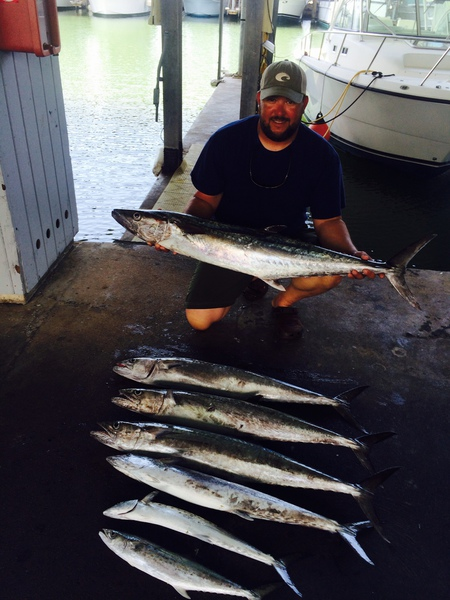
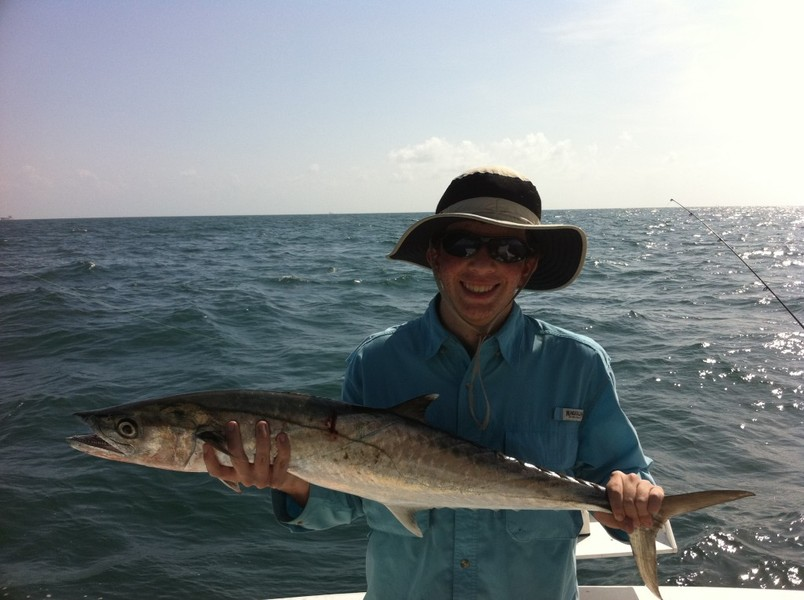
King Mackerel are the speed demons of the Gulf, and when one hits your trolled bait, you'll know it immediately. These fish can stretch over 40 inches and weigh 30 pounds or more, with razor-sharp teeth and an attitude to match. They're most active during warmer months from spring through fall, and they love to cruise along the edges of rigs and reefs looking for easy meals. What makes Kings so exciting is their initial run – they'll peel line off your reel so fast it sounds like a chainsaw starting up. The key is keeping steady pressure while letting them tire themselves out, because they'll jump and thrash once you get them close to the boat. Kings make excellent table fare when prepared fresh, and many anglers consider them the premier offshore gamefish in Texas waters.
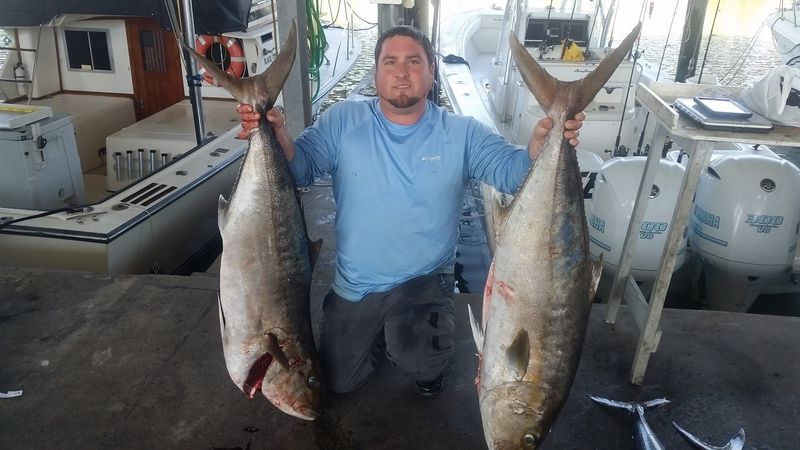
Cobia are the bulldogs of the bunch, with broad shoulders and incredible strength that'll surprise you every time. These brown and white striped fish often cruise near the surface around oil platforms, where you can sometimes see them before you cast to them. They average 20 to 40 pounds in these waters, with fish over 50 pounds showing up regularly during peak season from April through September. Cobia are curious fish that will often follow boats and investigate anything unusual, which makes them perfect targets for sight fishing when conditions are right. Once hooked, they dive deep and use their powerful bodies to try to wrap you around structure. The fight is more about endurance than speed, and landing a big Cobia feels like arm wrestling with a refrigerator. Their white, flaky meat is considered some of the best eating in the Gulf, making them a favorite among anglers who like to take fish home for dinner.
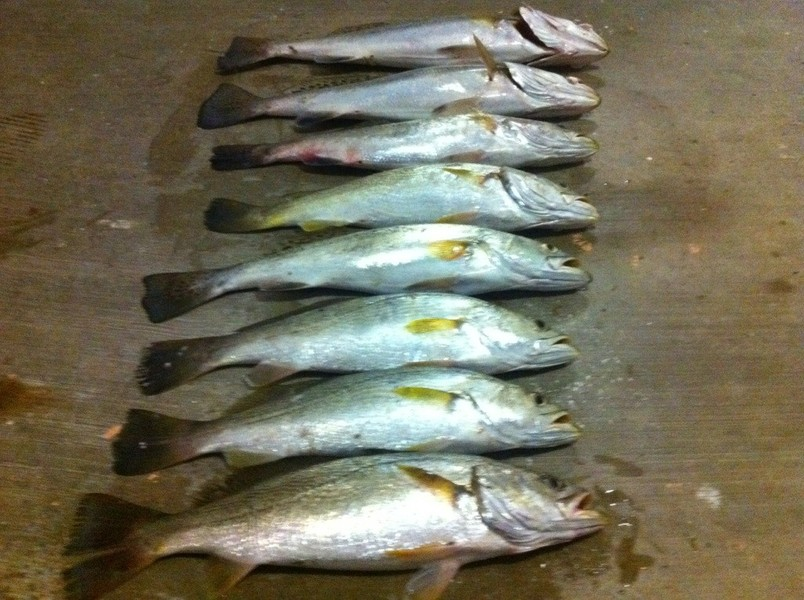
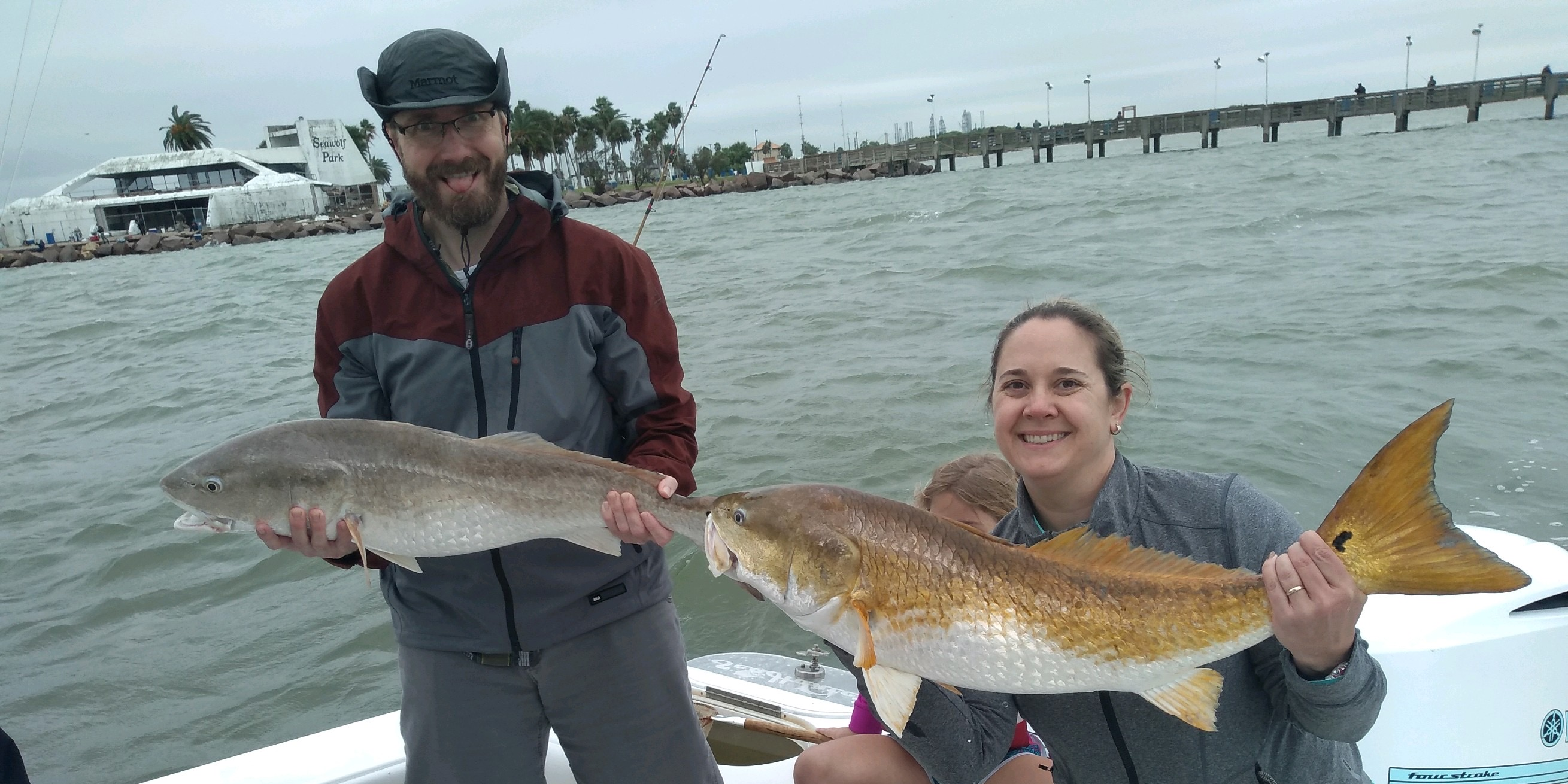
Bull Drum, also called Black Drum, are the heavyweights that patrol the deeper structure around these offshore spots. While most people think of drum as inshore fish, the big bulls move offshore and can reach truly impressive sizes – we're talking about fish that can exceed 50 pounds and provide battles that last 20 minutes or more. These fish are most active during cooler months when they move offshore to spawn, typically from late fall through early spring. What makes bull drum so challenging is their ability to use structure and current to their advantage. They'll wrap your line around pilings, dive under the boat, and generally do everything possible to break you off. The key is using heavy tackle and keeping them away from structure once you hook up. While the bigger drums aren't great eating due to parasites, the fight alone makes them worth targeting, and many anglers consider landing a 40-pound bull drum a lifetime achievement.
Time to Book Your Spot
This 6-hour offshore charter represents some of the best fishing value you'll find along the Texas coast. Line Check Charters has built their reputation on putting anglers on fish while maintaining the highest safety standards, and their knowledge of local waters shows in the results they deliver. The combination of productive fishing grounds, experienced crew, and comfortable boat setup makes this trip perfect for both seasoned offshore anglers and those looking to step up from inshore fishing. Remember to coordinate with the captain about any fuel surcharges and confirm what gear
 Private Trip
 Offshore Fishing
 Galveston, TX


 Six-hour offshore charter targeting Bull Drum, King Mackerel, and Cobia