Islamorada Offshore Fishing with Captain Tony
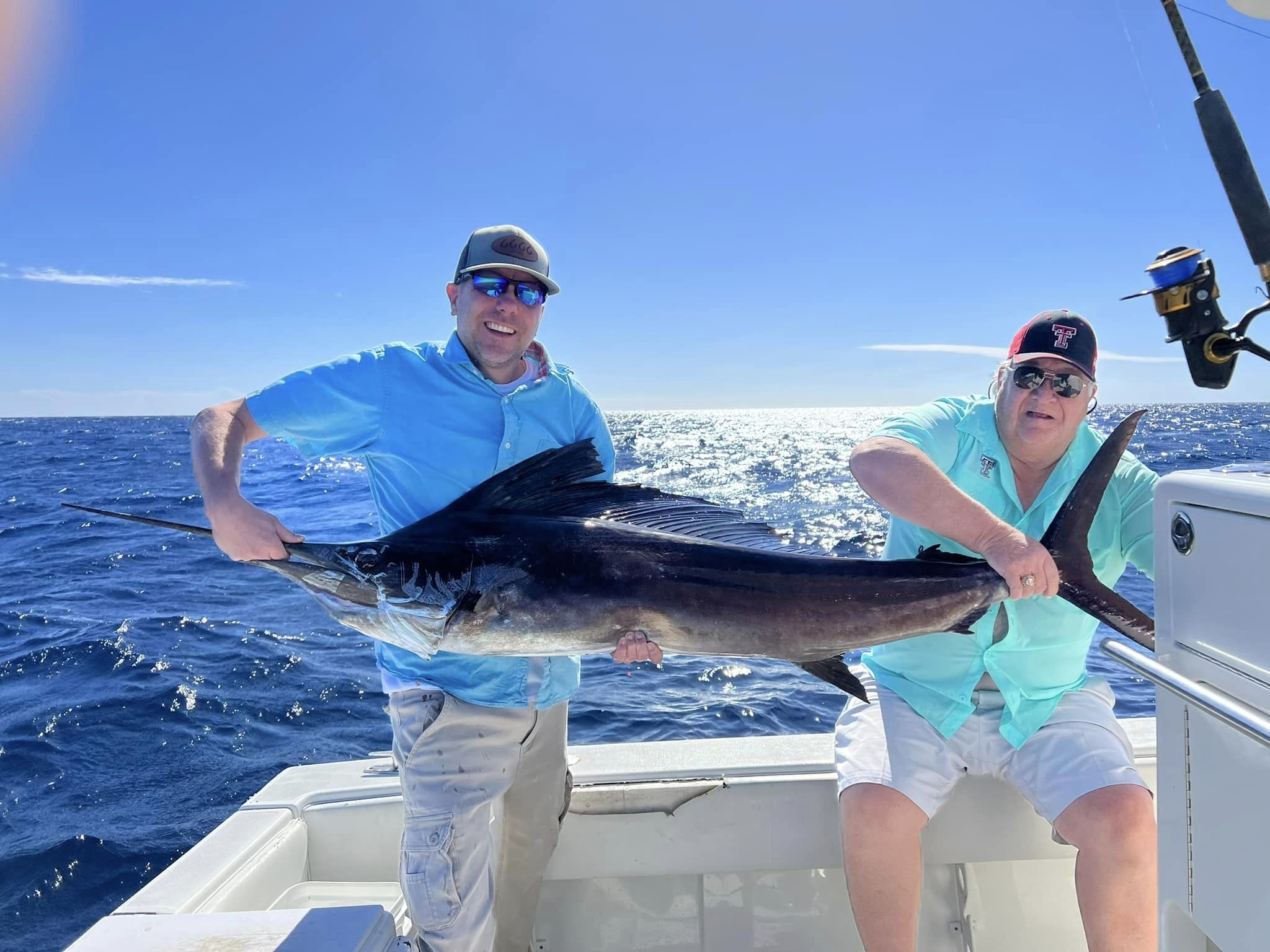
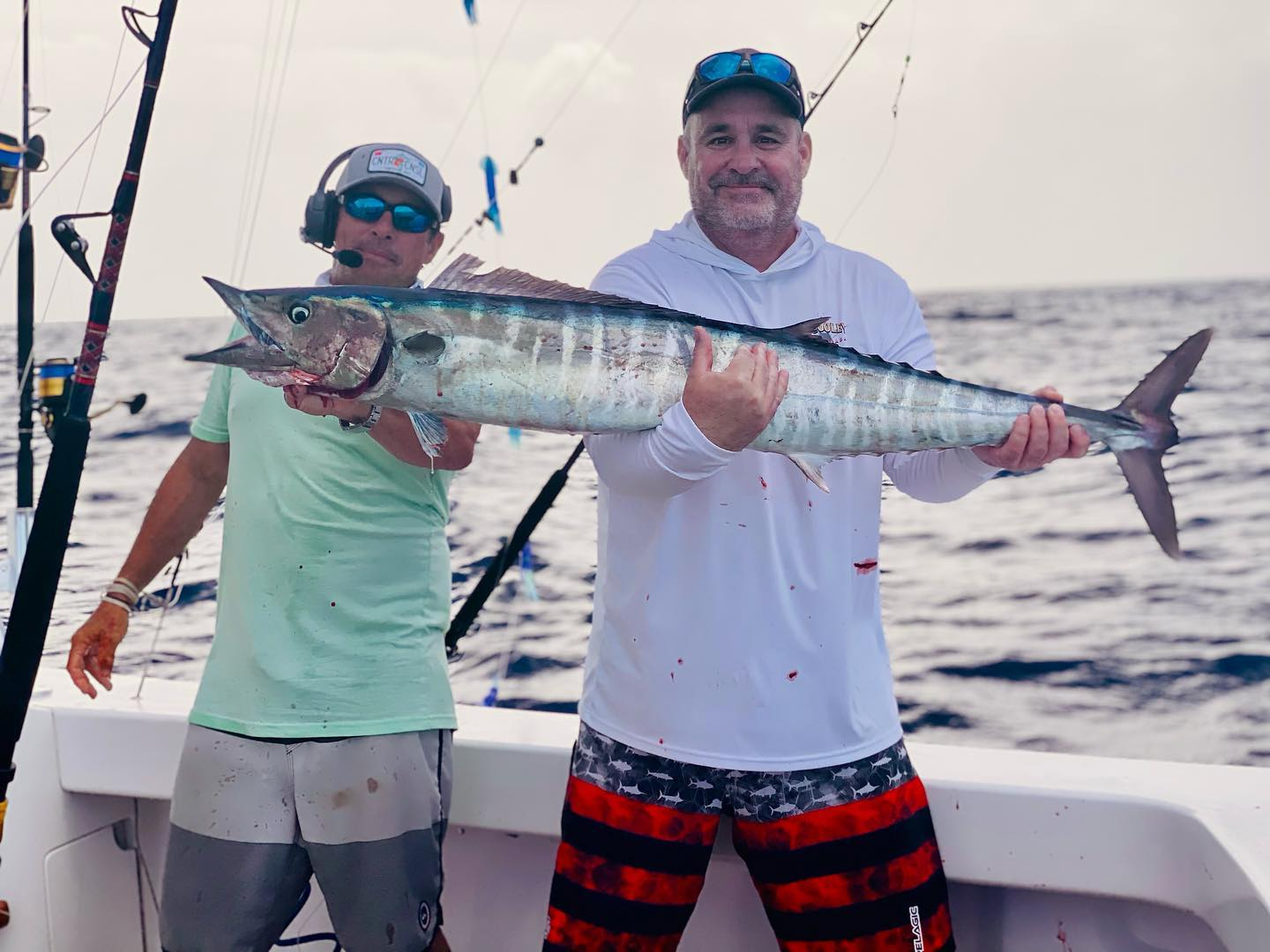
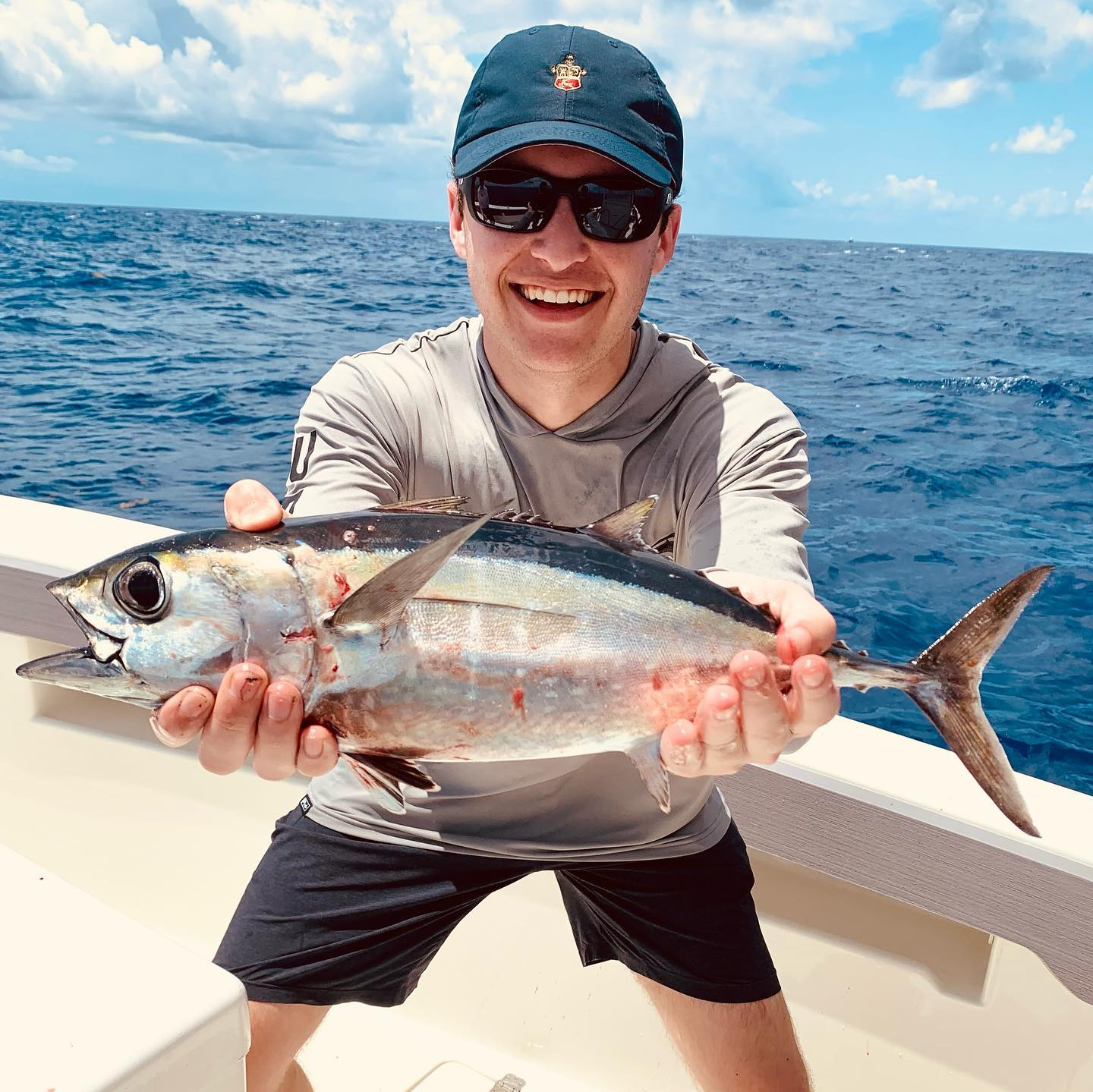
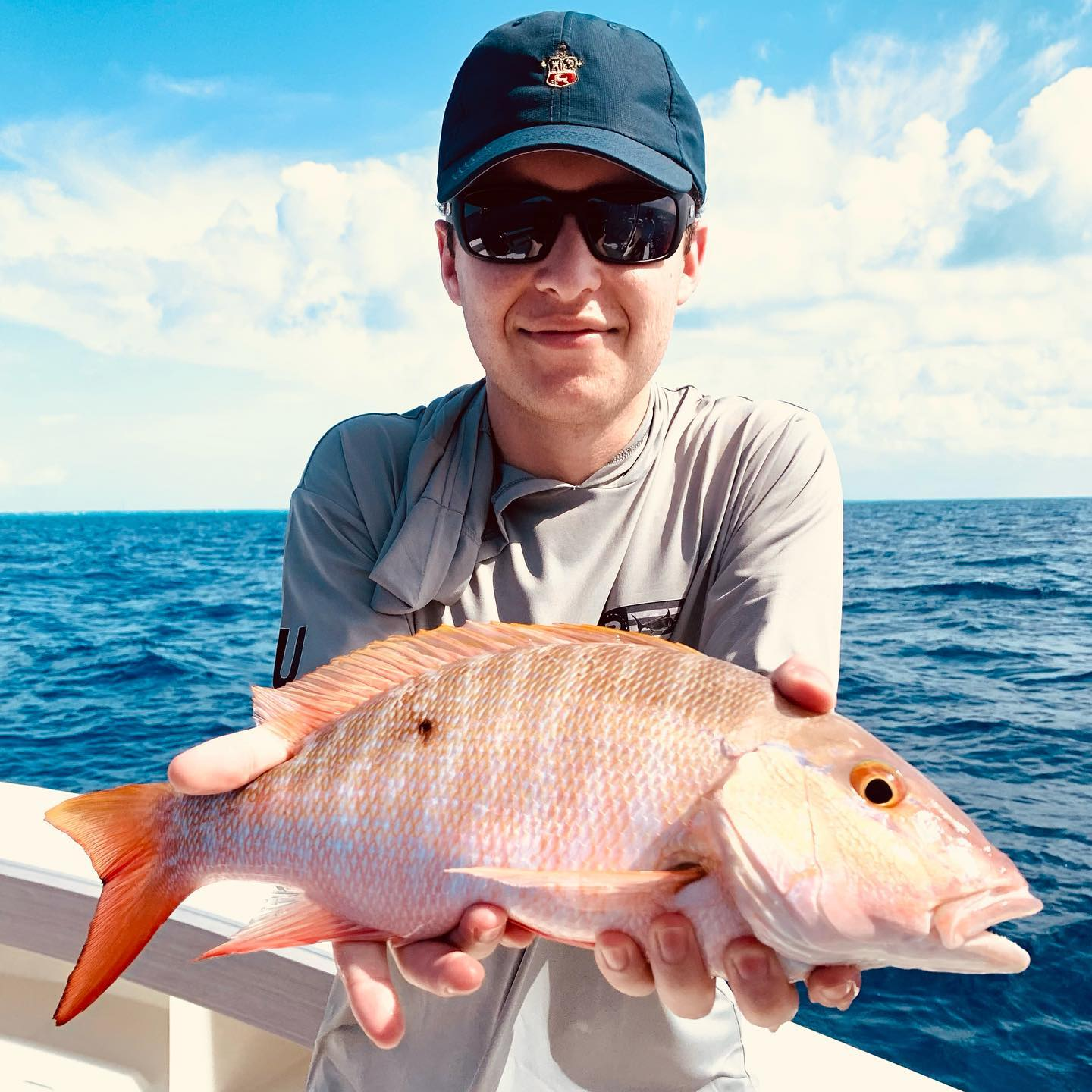
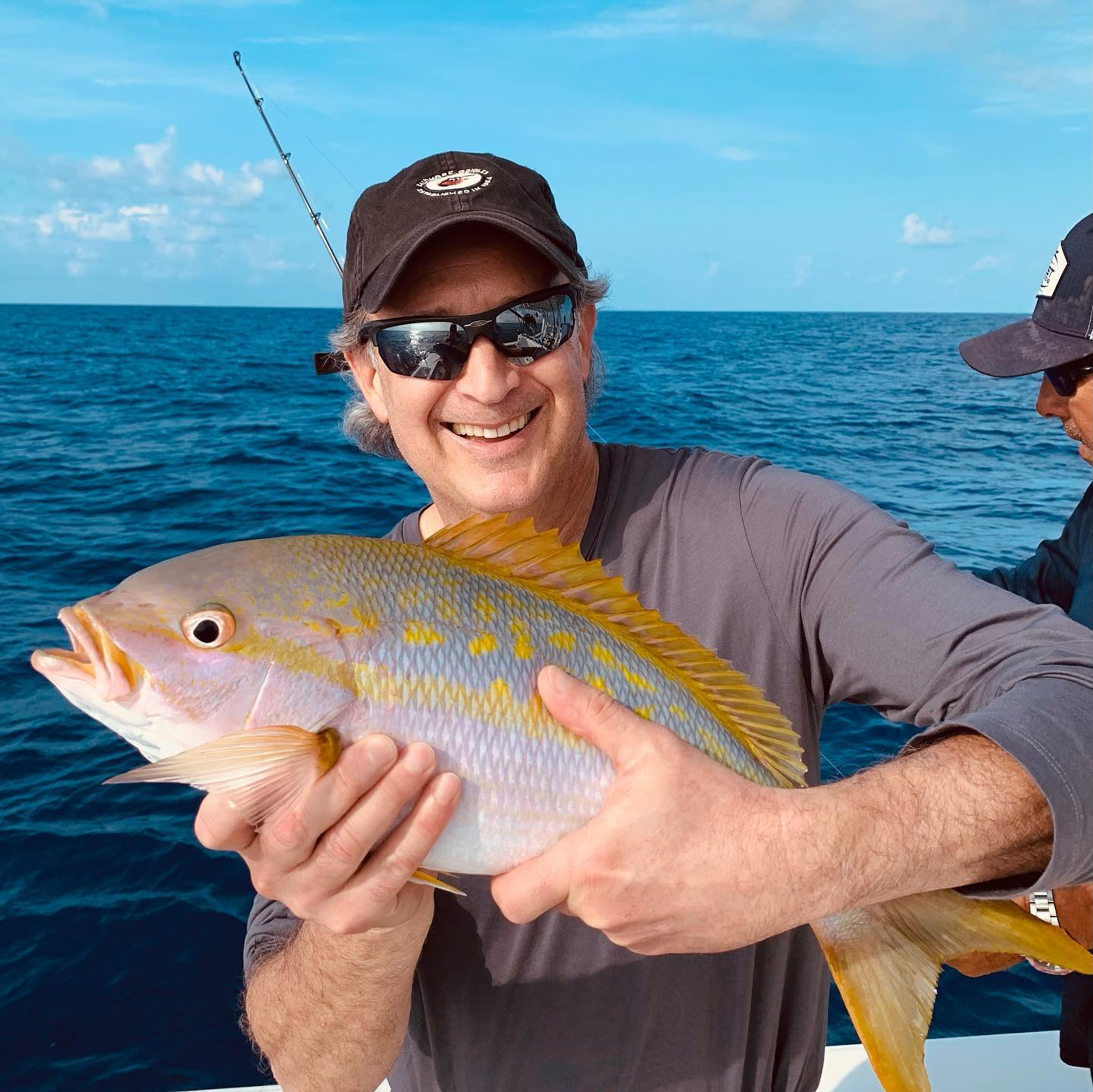
When you're looking for world-class offshore fishing in the Florida Keys, Captain Tony's 4-hour charters out of Islamorada deliver everything you've heard about and more. This isn't just another fishing trip – it's your chance to work some of the most productive waters in South Florida with a captain who's been reading these reefs and drop-offs for years. Whether you're after your first big grouper or you're a seasoned angler chasing that trophy mahi, Captain Tony's got the local knowledge and top-notch gear to put you on fish. The boat's equipped for up to 6 anglers, so bring the crew and get ready for some serious action on the blue water.
What to Expect on the Water
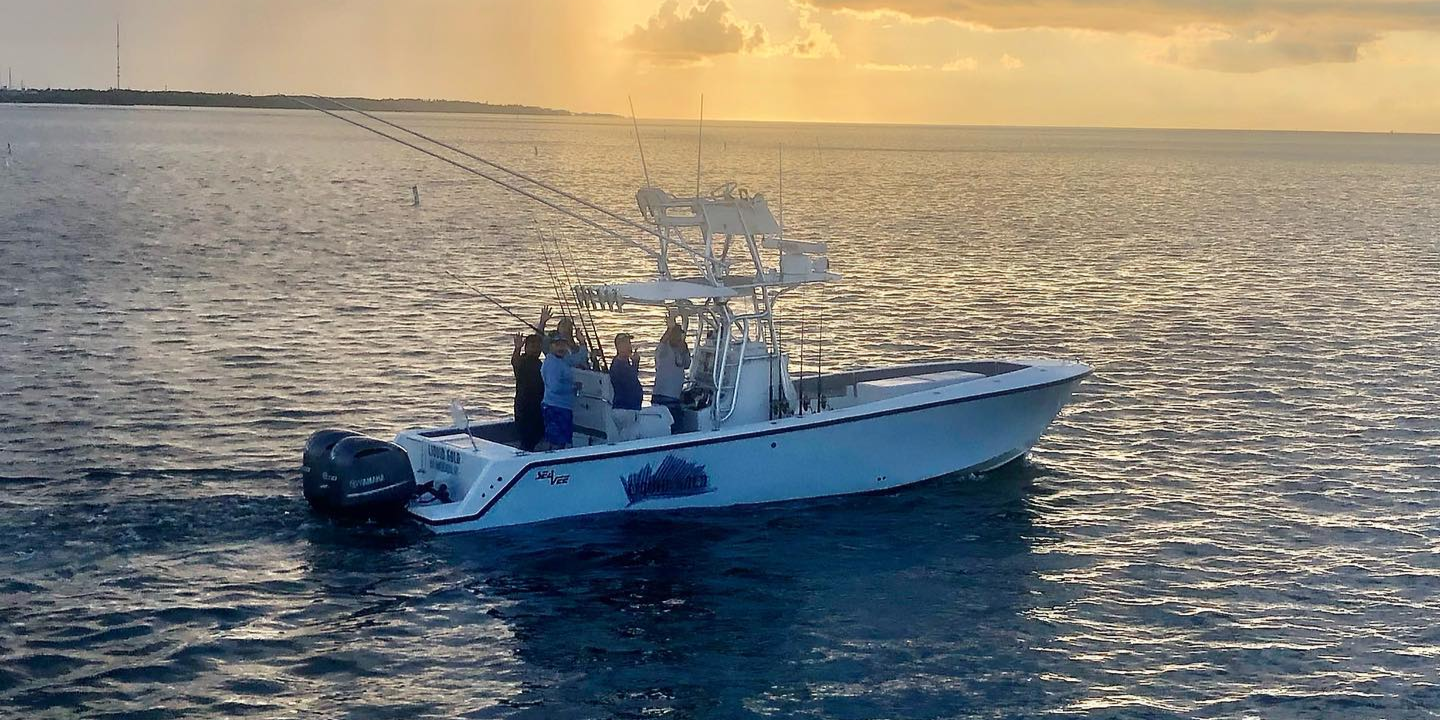
Captain Tony runs a tight ship with everything you need for a successful day offshore. We're talking quality rods and reels, fresh bait, and all the terminal tackle to handle whatever decides to bite. The 4-hour window gives us plenty of time to hit multiple spots – maybe start on a wreck for some grouper action, then move to the edge where the mahi and cobia cruise. Tony knows exactly where to find the structure and current breaks that hold fish, and he's not shy about moving around until we find the bite. The boat's set up for comfort too, with plenty of fighting space and all the safety gear you'd expect from a top-rated charter operation. Don't worry about bringing anything except your fishing license, sunscreen, and maybe some snacks if you get hungry between hookups.
Techniques and Tackle Setup
Offshore fishing in Islamorada means we're working everything from bottom fishing over structure to trolling the blue water for pelagics. Captain Tony switches up techniques based on what's biting and what you're hoping to target. For grouper and hogfish, we're talking heavy bottom rigs with circle hooks and enough weight to get down through the current. When we're chasing mahi or cobia, we might troll some ballyhoo or pitch live bait to fish we mark on the electronics. The gear's all sized right for the job – heavy enough to pull fish out of structure but not so heavy that you don't feel the fight. Tony's got the drag systems dialed in and he'll coach you through the whole process, from hookset to gaff. If you're new to offshore fishing, don't sweat it – he'll have you fishing like a pro by the end of the trip.
Species You'll Want to Hook
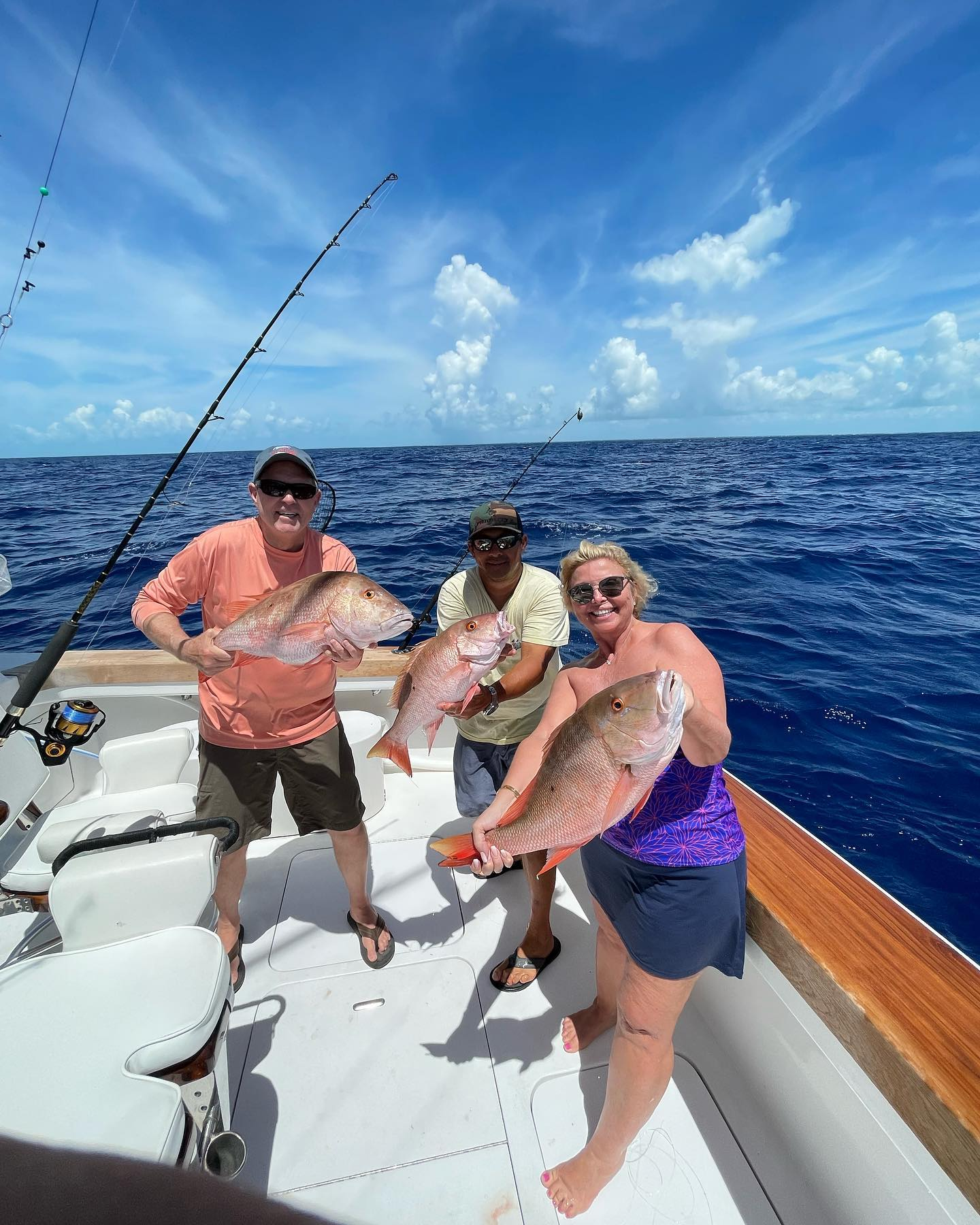
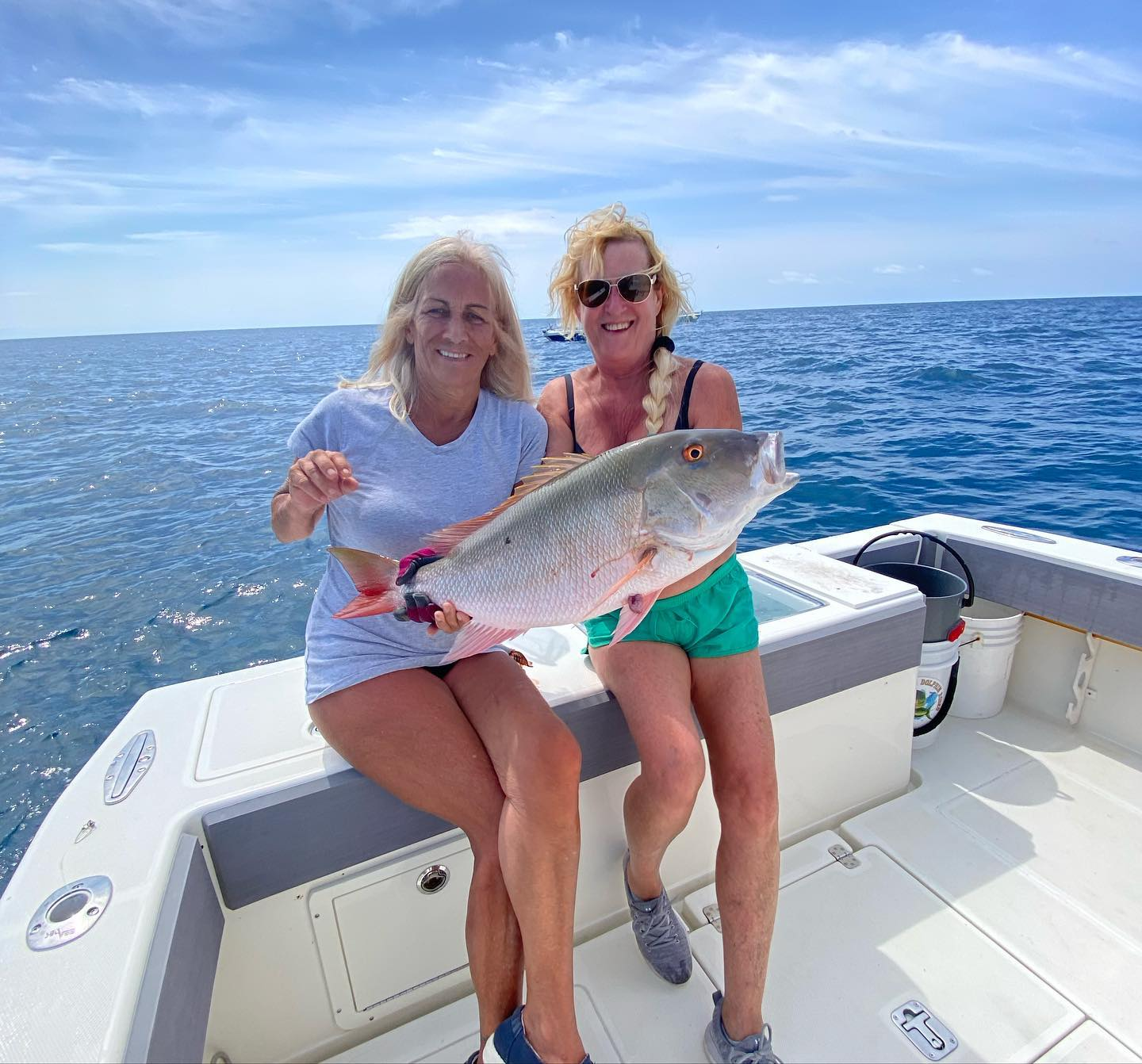
Red Grouper are the bread and butter of Islamorada's offshore scene, and for good reason. These chunky bottom dwellers hang around structure in 60-120 feet of water and put up a serious fight when you hook them. They're most active during the cooler months from October through April, but you can find them year-round if you know where to look. What makes red grouper so exciting is that initial run when they feel the hook – they'll head straight for the rocks and test your drag system. Plus, they're absolutely delicious on the dinner table, making them a customer favorite for good reason.
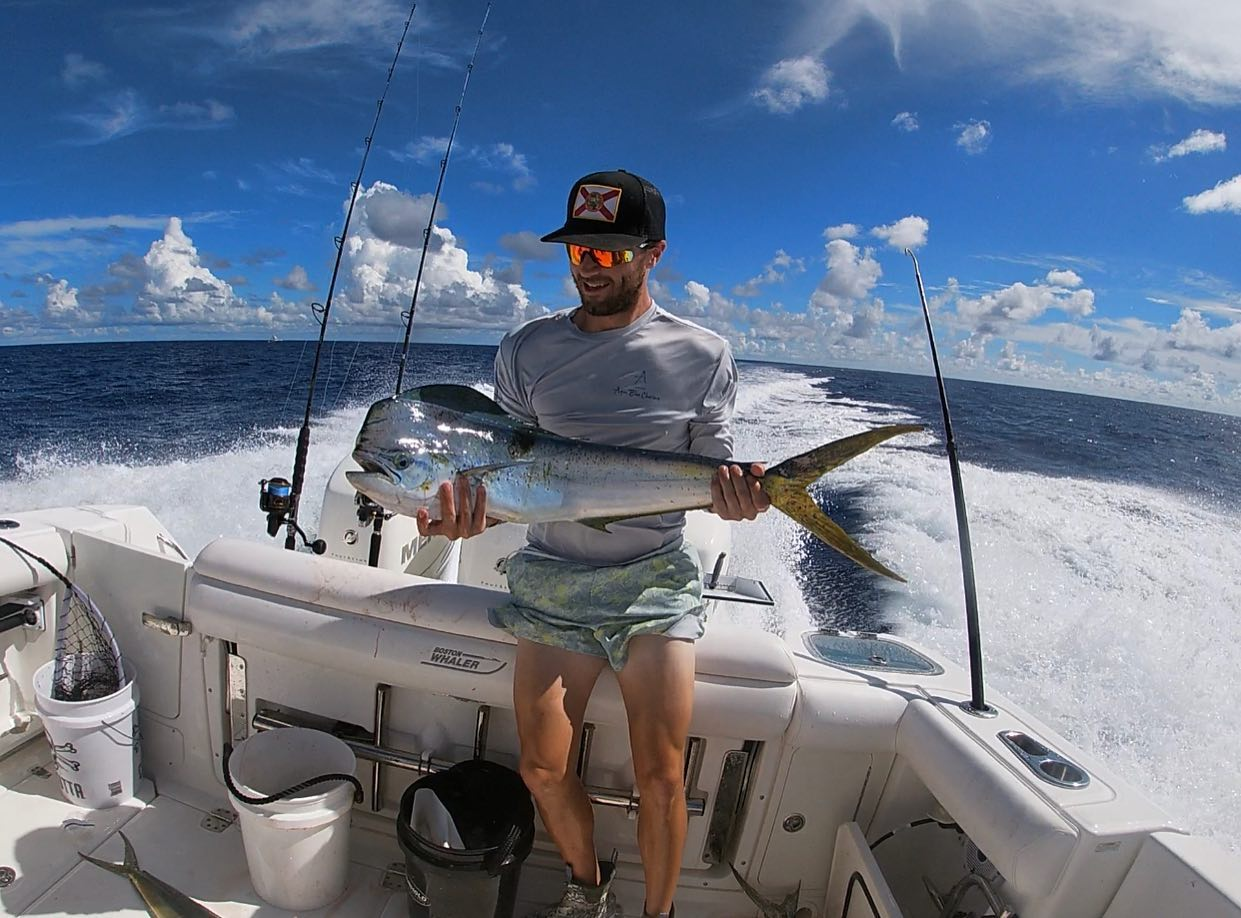
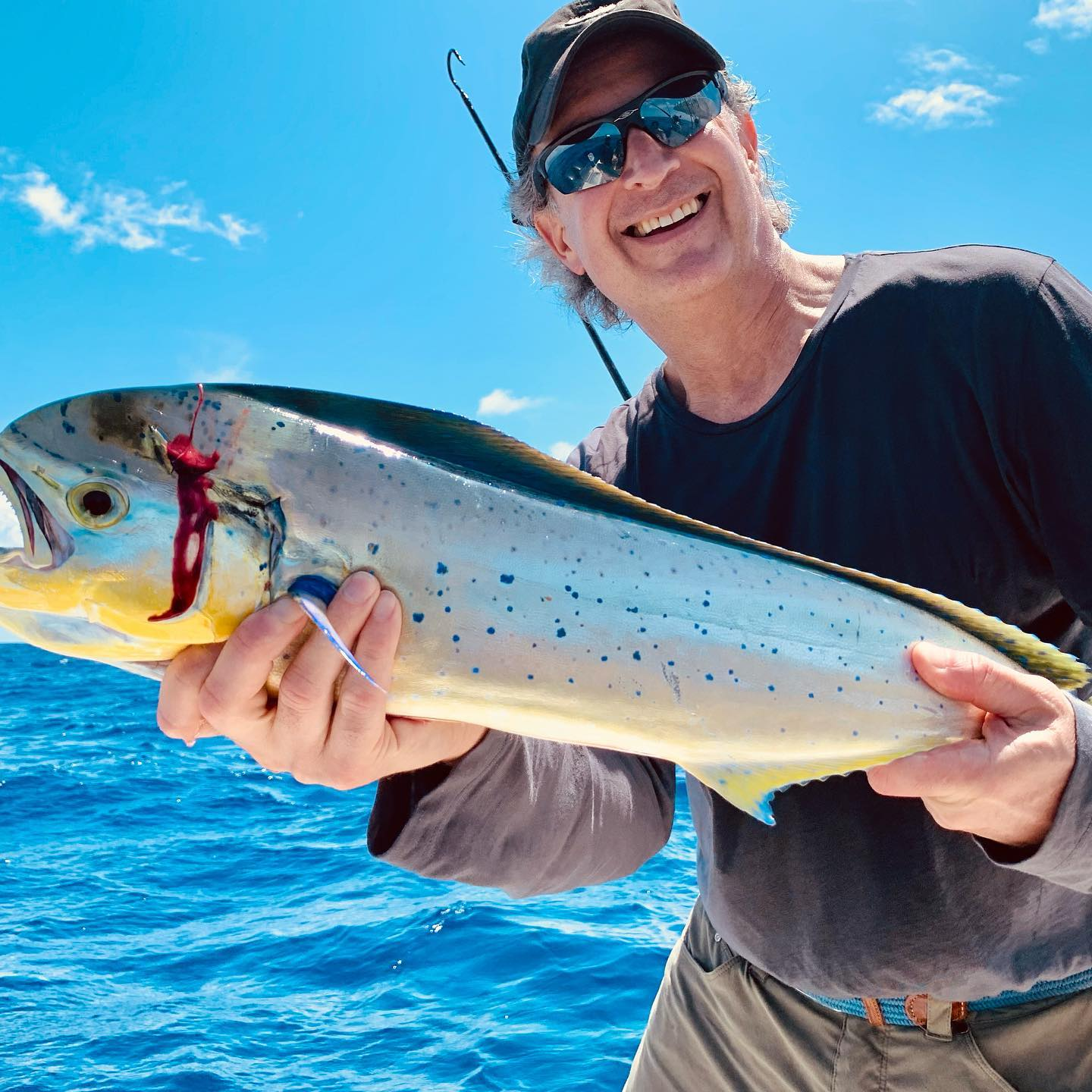
Mahi Mahi, or common dolphinfish, are the speed demons of the offshore world and one of the most beautiful fish you'll ever see come over the gunwale. These fish show up in Islamorada waters from spring through fall, with peak action typically from May through September. They're attracted to floating debris, weed lines, and temperature breaks where baitfish concentrate. What anglers love about mahi is their acrobatic fight – they'll jump, tail-walk, and put on a show that'll have everyone on the boat cheering. They travel in schools too, so when you find one, there's usually more around.
Hogfish might not be the biggest fighters, but they're hands down one of the best eating fish in these waters. These guys are bottom dwellers that like sandy areas near reefs and structure, typically in 60-100 feet of water. They're year-round residents but seem to bite best during the winter months when the water cools down. Hogfish have this unique rooting behavior where they dig in the sand for crabs and small fish, and they can be pretty picky eaters. Landing a nice hogfish always feels special because they're not always easy to fool.
Cobia are the wild cards of the offshore world – these fish cruise around looking for an easy meal and can show up anywhere from shallow reefs to deep water. Spring and fall are prime time for cobia in Islamorada, especially around structure like wrecks and buoys. They're curious fish that will often come up to investigate the boat, giving you a chance at sight fishing. When a big cobia takes off, they'll test your equipment and your skills. These fish can push 40-50 pounds and they know how to use every ounce of that weight.
Black Grouper are the heavyweights of the grouper family and a true trophy fish for any angler. These bruisers prefer deeper water and bigger structure than their red cousins, and they can grow to impressive sizes. They're year-round residents but seem to be most active during the cooler months. Black grouper are notorious for their powerful initial run toward structure when hooked, and stopping them requires serious tackle and technique. Landing a black grouper over 30 pounds is something most anglers remember for years – they're just that special.
Time to Book Your Spot
Captain Tony's Islamorada fishing charters book up fast, especially during peak season, and there's a good reason why. You're getting a captain with deep local knowledge, quality equipment, and the kind of personal attention that makes the difference between an okay day and an amazing day on the water. The 4-hour format is perfect for families, first-timers, or anyone who wants to sample the best of what Islamorada offshore fishing has to offer without committing to a full day. Whether you're staying in the Keys for a week or just passing through, this trip
 Private Trip
 Offshore Fishing
 IslaMarina, Overseas Highway, Islamorada, FL, USA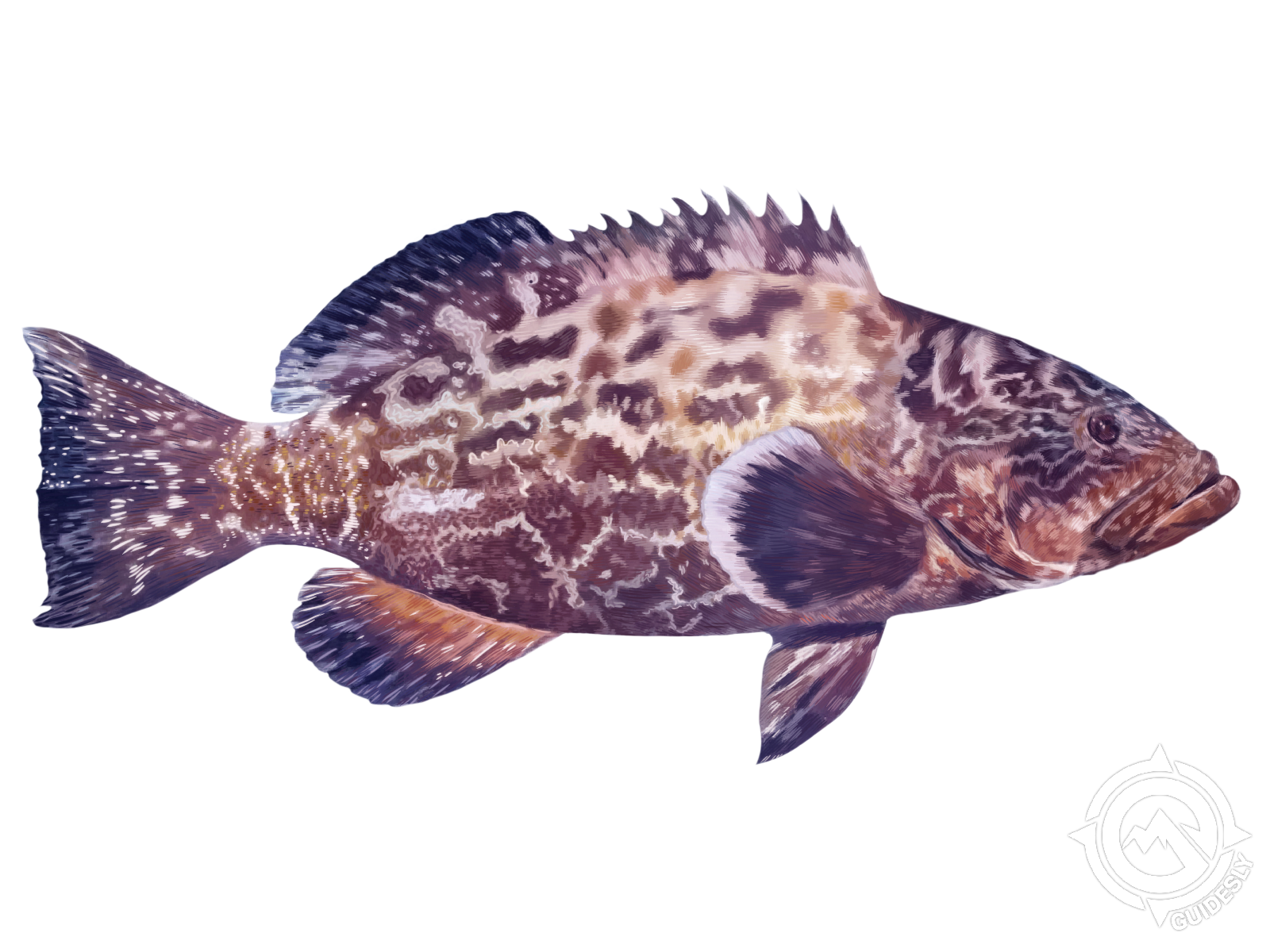


 Four-hour offshore fishing charter targeting tarpon and sharks