Wreck Fishing Adventure - Little Torch Key
When you're looking for some of the best wreck fishing in the Lower Keys, Little Torch Key delivers exactly what serious anglers are after. Our 2-hour guided wreck fishing trips put you right on top of productive artificial reefs and sunken structures where big fish like to hang out. With Lower Keys Offshore Adventures, you'll fish some of the most fish-rich wrecks in the area, all while keeping things relaxed and fun for up to six anglers. Whether you're new to wreck fishing or you've been dropping lines on structure for years, these productive waters will keep your rod bent and your cooler full.
What to Expect on the Water
This isn't your typical nearshore fishing trip - we're talking about targeting the kind of structure that holds serious fish. The wrecks around Little Torch Key create perfect habitat for everything from snapper and grouper to amberjack and cobia. You'll spend two focused hours working these proven spots, with all the tackle and guidance you need to make the most of every drop. The clear waters of the Lower Keys mean you can actually see the structure on the fish finder, and when conditions are right, you might even spot the fish themselves cruising around the wreck. We keep groups small at six anglers max, so everyone gets plenty of shots at fish without fighting for rail space. The captain knows exactly where to position the boat for the best drifts, and you'll learn why certain sides of a wreck fish better depending on current and wind direction.
Wreck Fishing Techniques
Wreck fishing is all about getting your bait down to the structure and keeping it in the strike zone without losing your tackle to the reef. We'll set you up with the right weights and rigs for the conditions - typically running 4-6 ounce sinkers to punch through the current and get down fast. The key is dropping straight down, feeling for the bottom, then reeling up a few cranks to keep your bait just off the wreck. Live bait works great when we can get it, but cut bait and artificials produce just as well on these structures. You'll learn how to feel the difference between a fish pickup and your sinker bouncing off the wreck, plus how to horse a fish away from structure before it cuts you off. The boat's equipped with quality rods and reels that can handle the drag pressure you need for wreck fishing, and we've got plenty of rigs tied and ready to go so you spend more time fishing and less time rigging.
Species You'll Want to Hook
Mutton snapper are the bread and butter of Lower Keys wreck fishing, and these wrecks hold some beautiful fish in the 3-8 pound range. They're smart fish that require a delicate presentation, but when you find a school, the action can be steady for the entire trip. Muttons feed year-round but really turn on during their spawning season from April through July. What makes them exciting to target is their fighting ability - they'll make multiple runs toward the wreck trying to cut you off, and landing one requires skill and patience.
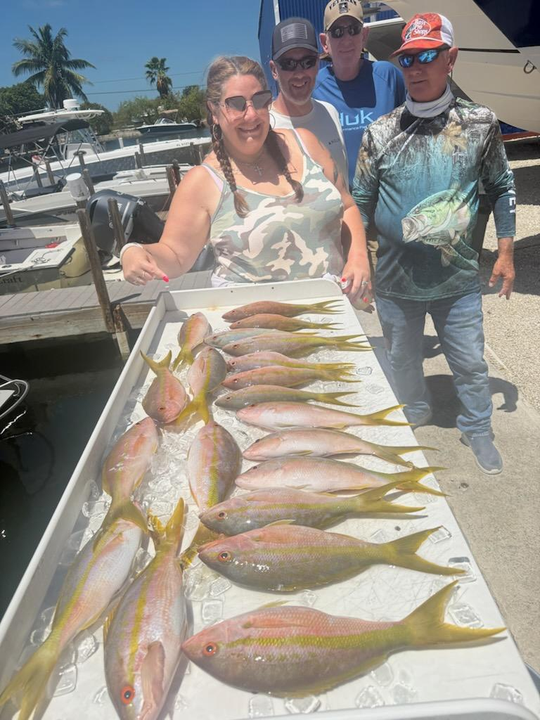
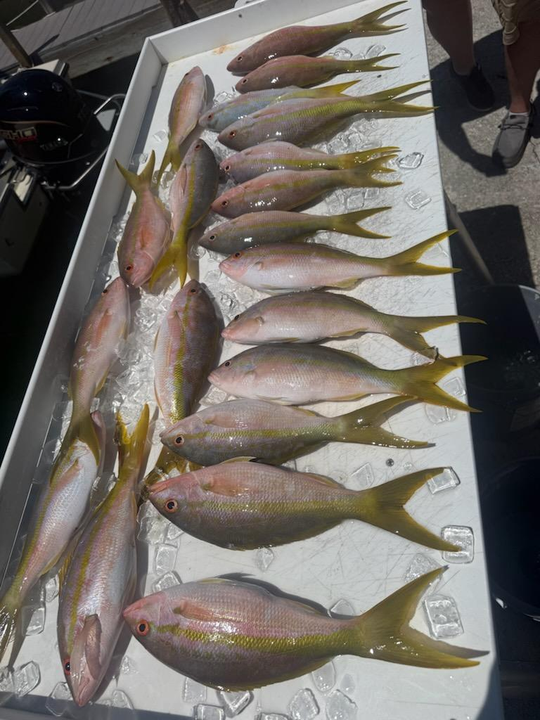
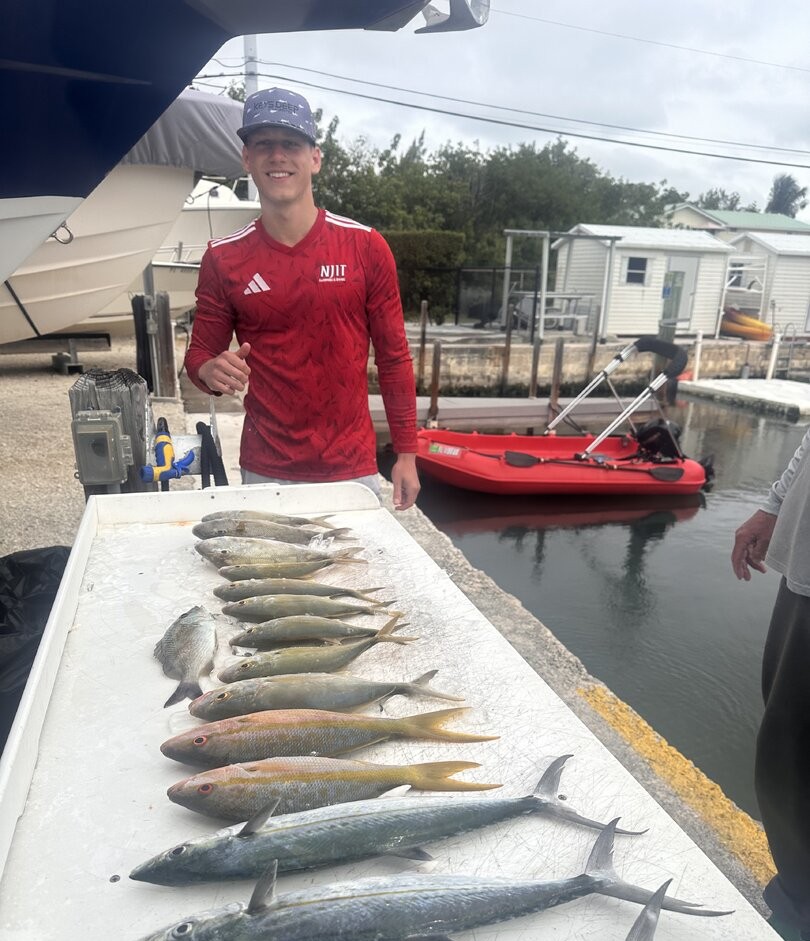
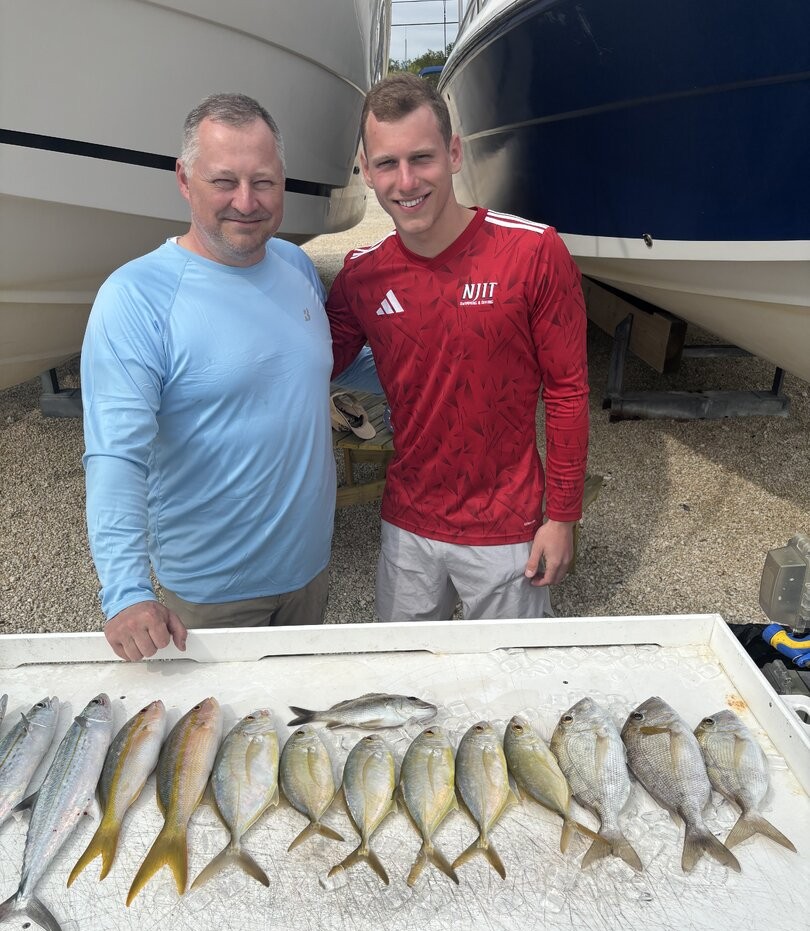
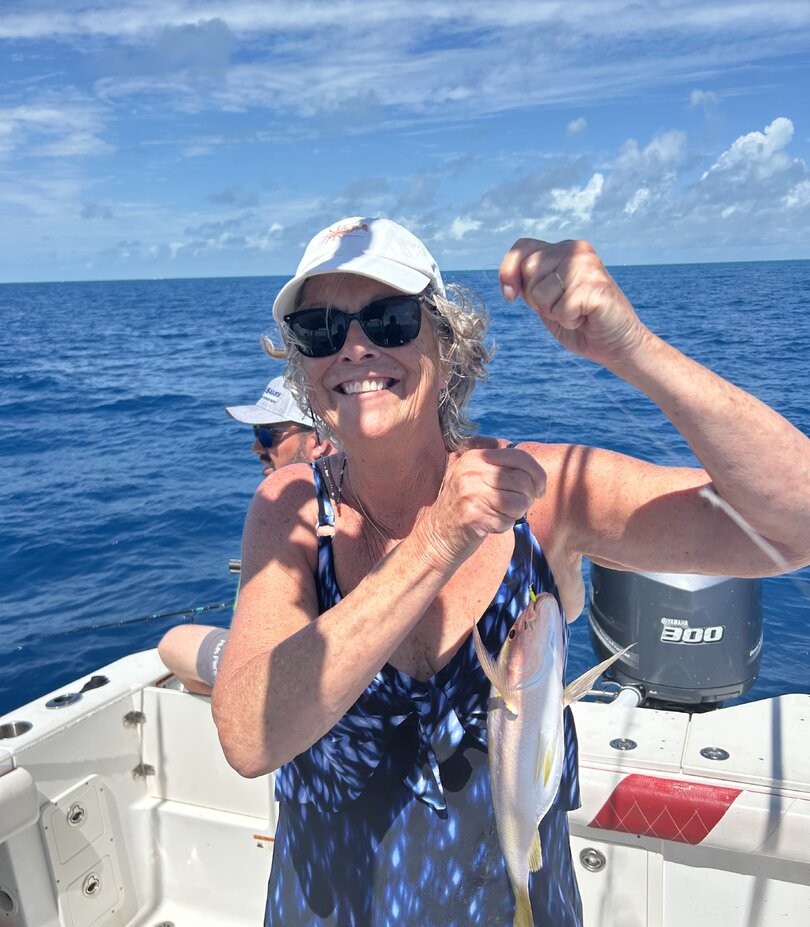
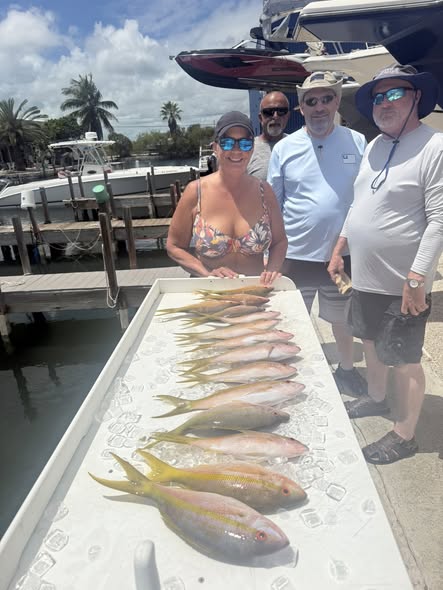
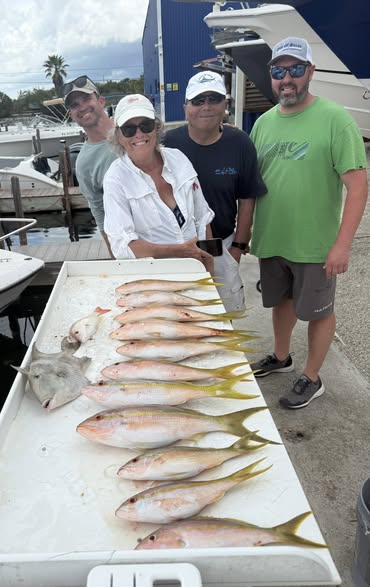
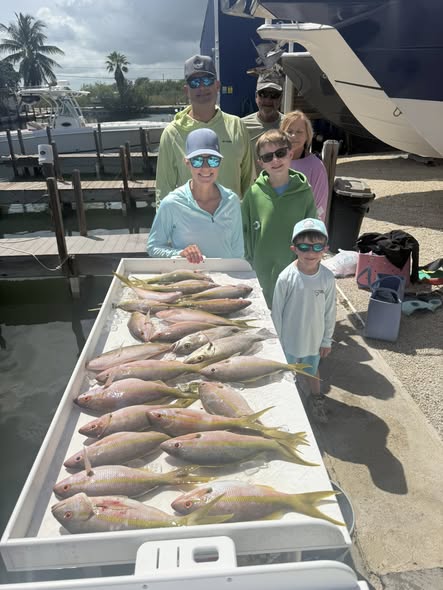
Yellowtail snapper show up on almost every wreck trip, and while they're smaller than muttons, they make up for it in numbers and willingness to bite. These 1-3 pound fish are perfect for getting kids or new anglers into the action, and they're some of the best eating fish in the Keys. Yellowtails are most active during the warmer months but can be caught year-round on these wrecks. The trick is keeping a steady chum line going and using light tackle with small hooks.
When the conditions are right and the current is moving, you might hook into an amberjack - the bulldogs of the reef. These powerful fish can range from 10-40 pounds on these wrecks and will test your tackle and technique. Amberjack are most common in the cooler months from November through March, and they're known for their initial screaming runs followed by powerful circular fights. Landing an AJ from a wreck requires keeping steady pressure and not giving them time to get their bearings.
Time to Book Your Spot
Two hours of focused wreck fishing in some of the most productive waters in the Lower Keys - that's what you get with this top-rated fishing experience. The combination of skilled guidance, quality gear, and fish-holding structure makes this trip a customer favorite for both locals and visitors. You'll walk away with a cooler full of great-eating fish, new techniques for fishing structure, and a better understanding of why the Lower Keys are renowned for their wreck fishing. The small group size means personalized attention and plenty of opportunities for everyone to get their lines wet. Book your wreck fishing adventure today and discover why these Little Torch Key structures produce some of the most consistent fishing action in the area.
 Private Trip
 Wrecks/Reefs Fishing
 Florida Keys
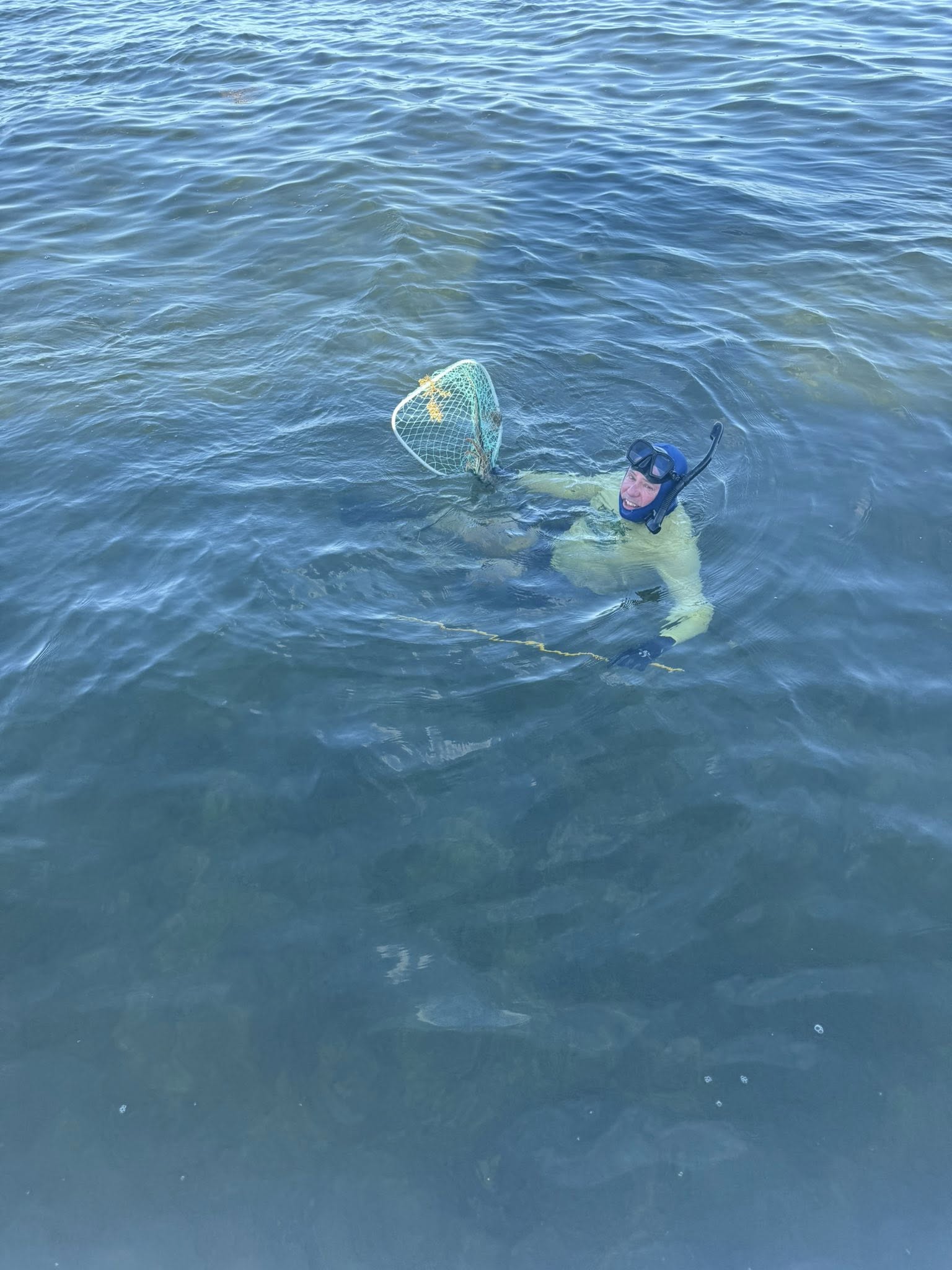
 Two-hour guided snorkeling adventure over vibrant coral reefs