6 Hour Reef & Offshore Fishing in Islamorada
Welcome to Islamorada, where some of the best fishing in the Florida Keys happens every single day. This six-hour adventure with Makaira Fish Company takes you from the productive reef zones to deeper offshore waters where the big pelagics roam. You'll be fishing aboard a well-equipped vessel with a captain who knows these waters like the back of his hand, targeting everything from colorful reef fish to hard-fighting offshore species. With space for up to six anglers, this trip strikes the perfect balance between having enough room to fish comfortably and keeping the group small enough for personalized attention.
What to Expect on the Water
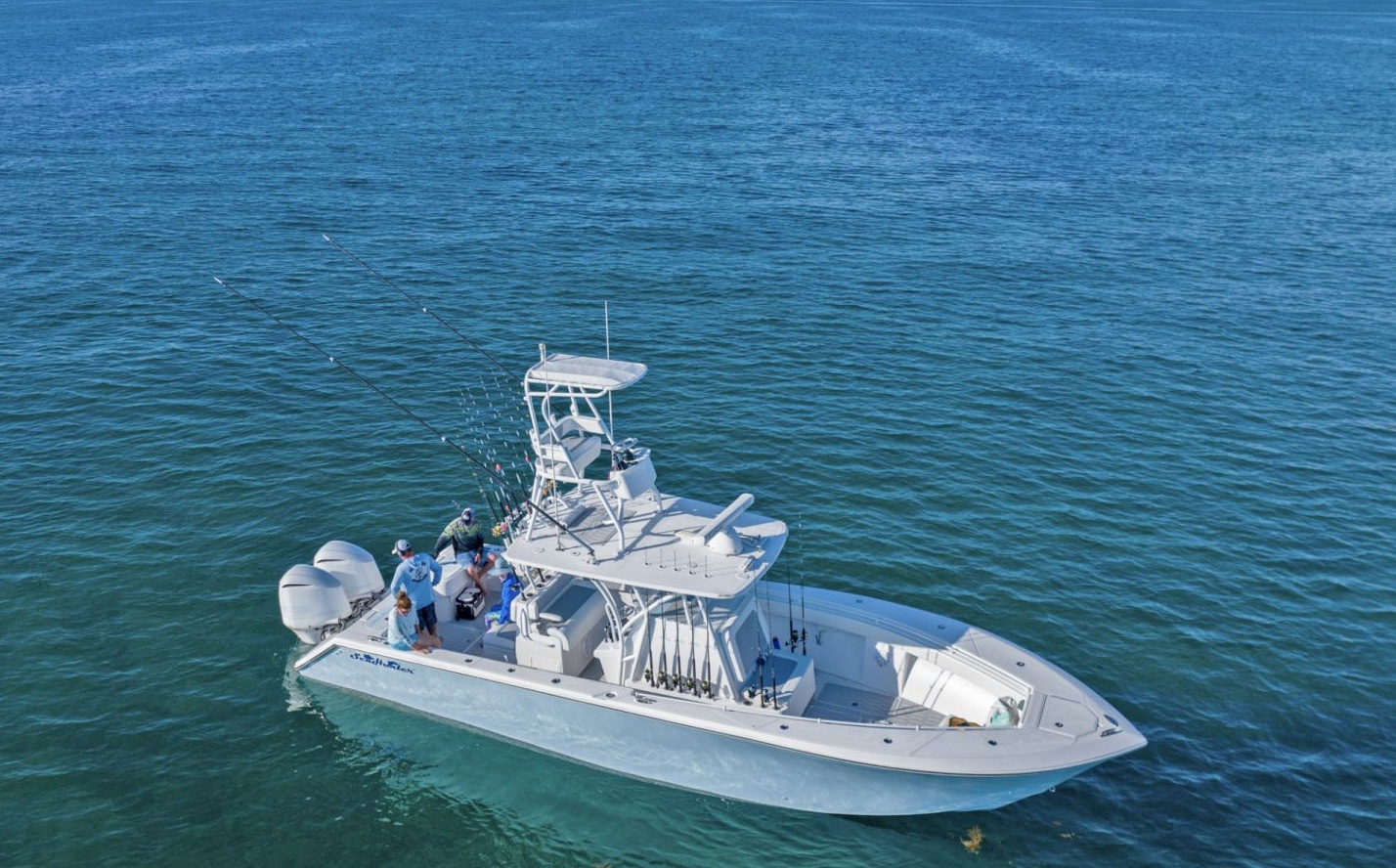
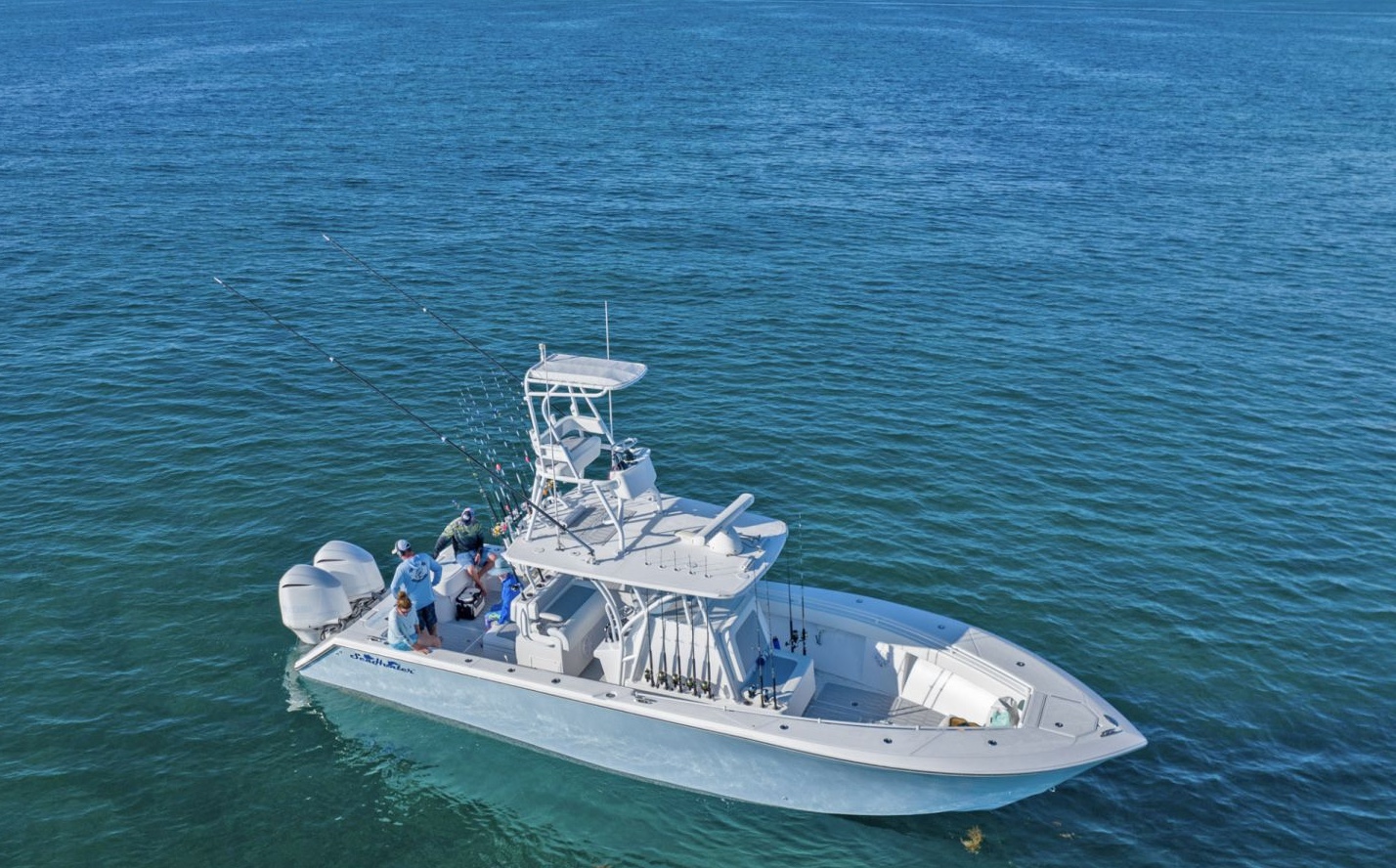
Your day starts early when you meet the crew at the dock in Islamorada. The boat is a 33-foot Sea Hunter that's built for these waters - stable, fast, and loaded with the gear you need for both reef and offshore fishing. Captain Mike and his crew know exactly where the fish are holding, and they'll adjust the game plan based on current conditions, wind direction, and what's been biting lately. The first few hours typically focus on the reef structure where you'll target snappers and groupers before heading further offshore to hunt for mahi, tuna, and other pelagic species. Don't worry about bringing tackle - everything's provided, from heavy spinning gear for the reef work to trolling outfits for the blue water action.
Reef Work and Blue Water Tactics
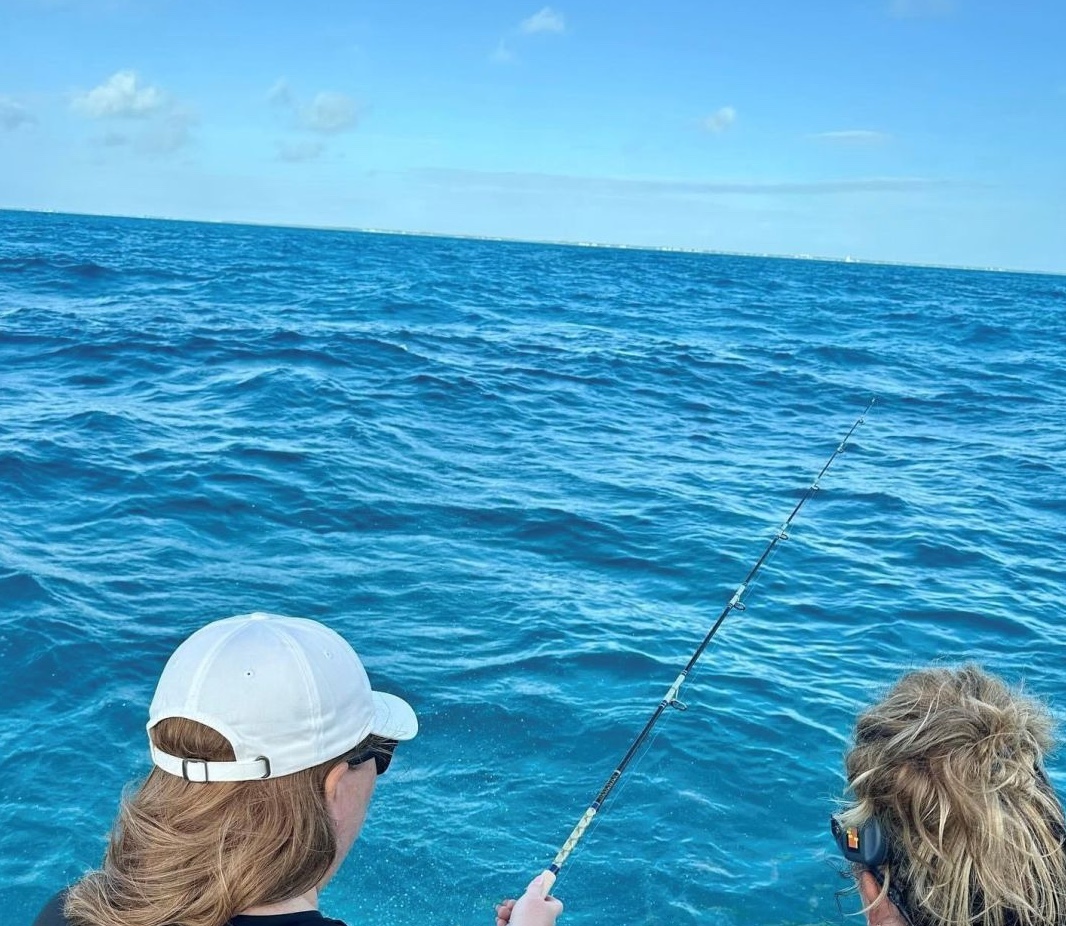
The fishing strategy changes throughout the day as you move between different zones. On the reef, you'll be bottom fishing with live bait or cut bait, dropping down to depths of 40 to 120 feet where the structure holds plenty of snappers and groupers. The crew sets you up with the right weight and rig for the current, and they'll coach you through fighting fish in heavy cover. Once you've loaded up on some good eating fish, it's time to head offshore where the real excitement begins. Trolling is the name of the game out here, running multiple lines with ballyhoo, bonito strips, and artificial lures. When something hits, the crew springs into action - clearing lines and getting you hooked up properly. The fights can be epic, especially when you hook into a nice mahi or yellowfin that wants to make long runs and jump all over the place.
Customer Stories
"We had a great morning with Captain Mike and first mate, Chris. They are both very knowledgeable about the Keys and provided a chill and fun setting for my 12 and 9 year old boys. We really got into some yellow tails and mutton snapper…the boys arms were sore! Thank you guys for a wonderful experience. I highly recommend Captain Mike. His boat is awesome as well! The 33 foot Sea Hunter! Wow!" - Jeremy
"Bill's professionalism and expertise made our fishing trip unforgettable! He knew all the best spots and guided us with patience and skill. Can't wait to book another trip with him!" - Vincent
Species You'll Want to Hook
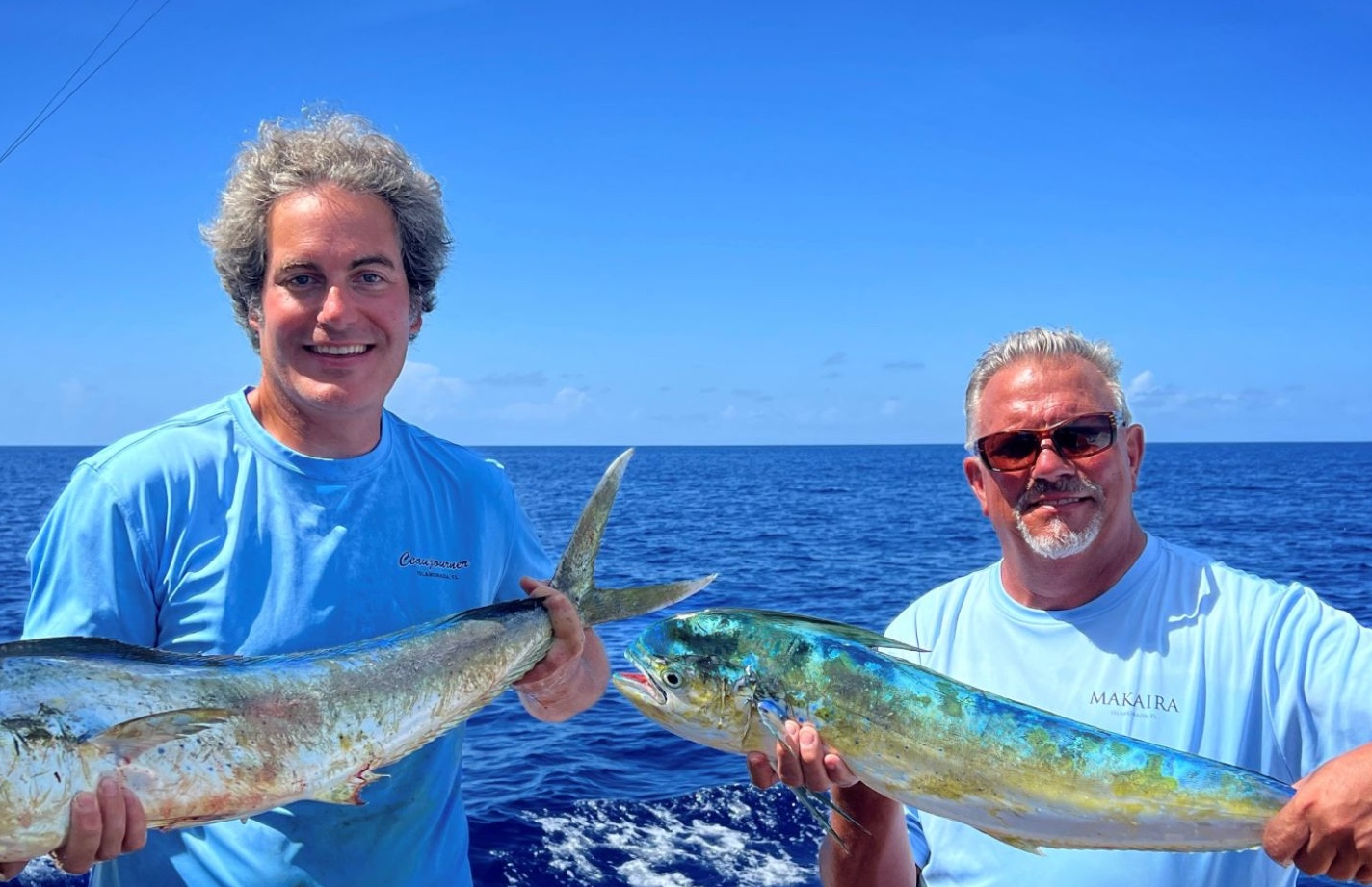
Mahi mahi are absolutely electric when they hit your trolled bait. These common dolphinfish are known for their brilliant colors and acrobatic fights, often jumping multiple times before you get them to the boat. In Islamorada waters, mahi typically run from 10 to 30 pounds, though bigger bulls show up regularly. They're most active during the warmer months from late spring through early fall, and they love structure - whether it's floating sargassum, debris lines, or even other hooked fish. When you find one mahi, there are usually more around, which makes for some fast-paced action when the bite is on.
Snowy grouper are one of the more challenging deep water targets, typically found in 300 to 600 feet of water around hard bottom and ledges. These fish can grow massive - 20 to 40 pounds is common, with some pushing 50 pounds or more. They're strong fighters that immediately head for the bottom when hooked, testing your tackle and technique. Snowies are available year-round but tend to bite best during cooler months. The meat is outstanding, making them a prized catch for anglers who don't mind the deep water grind and heavy tackle required to pull them up from the depths.
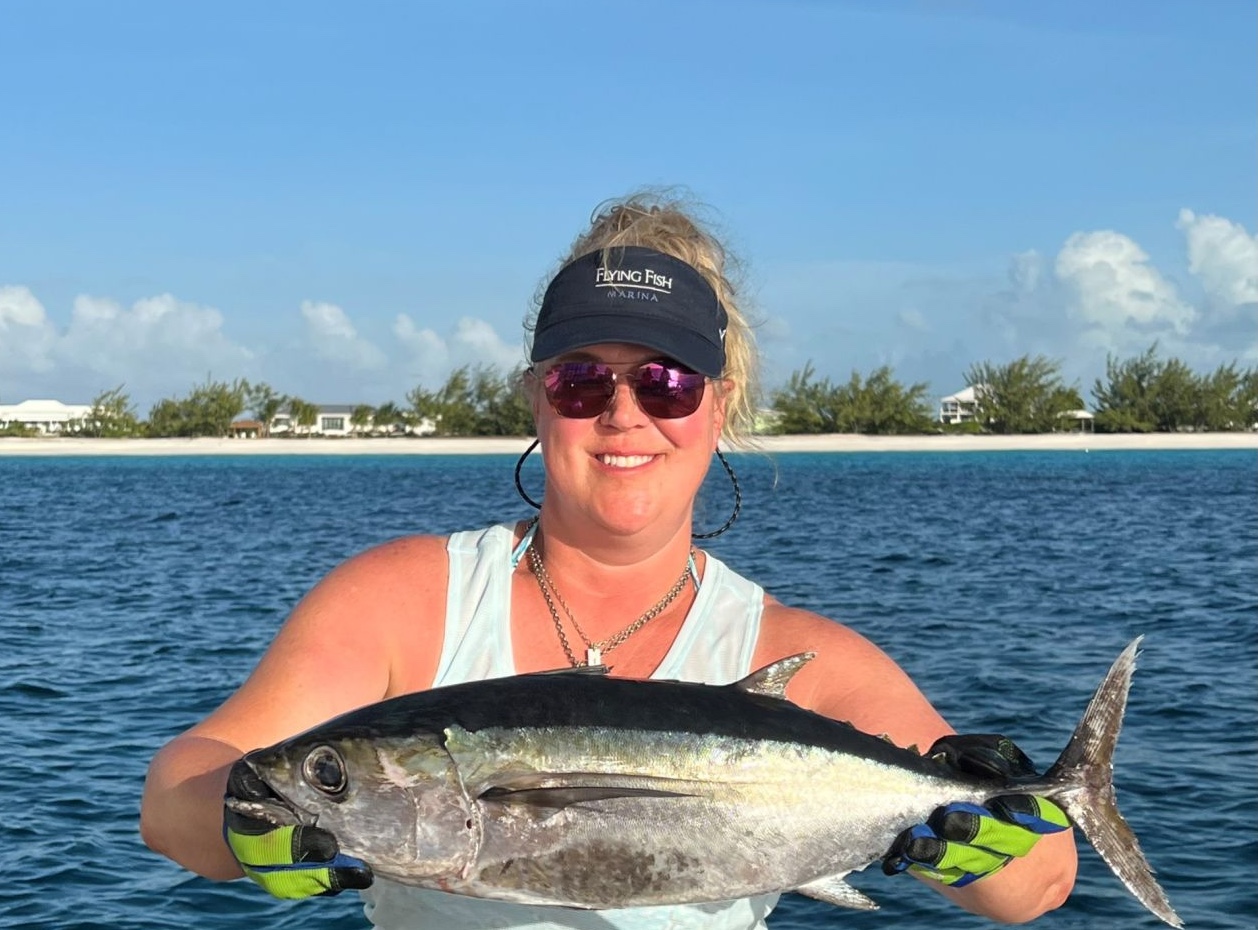
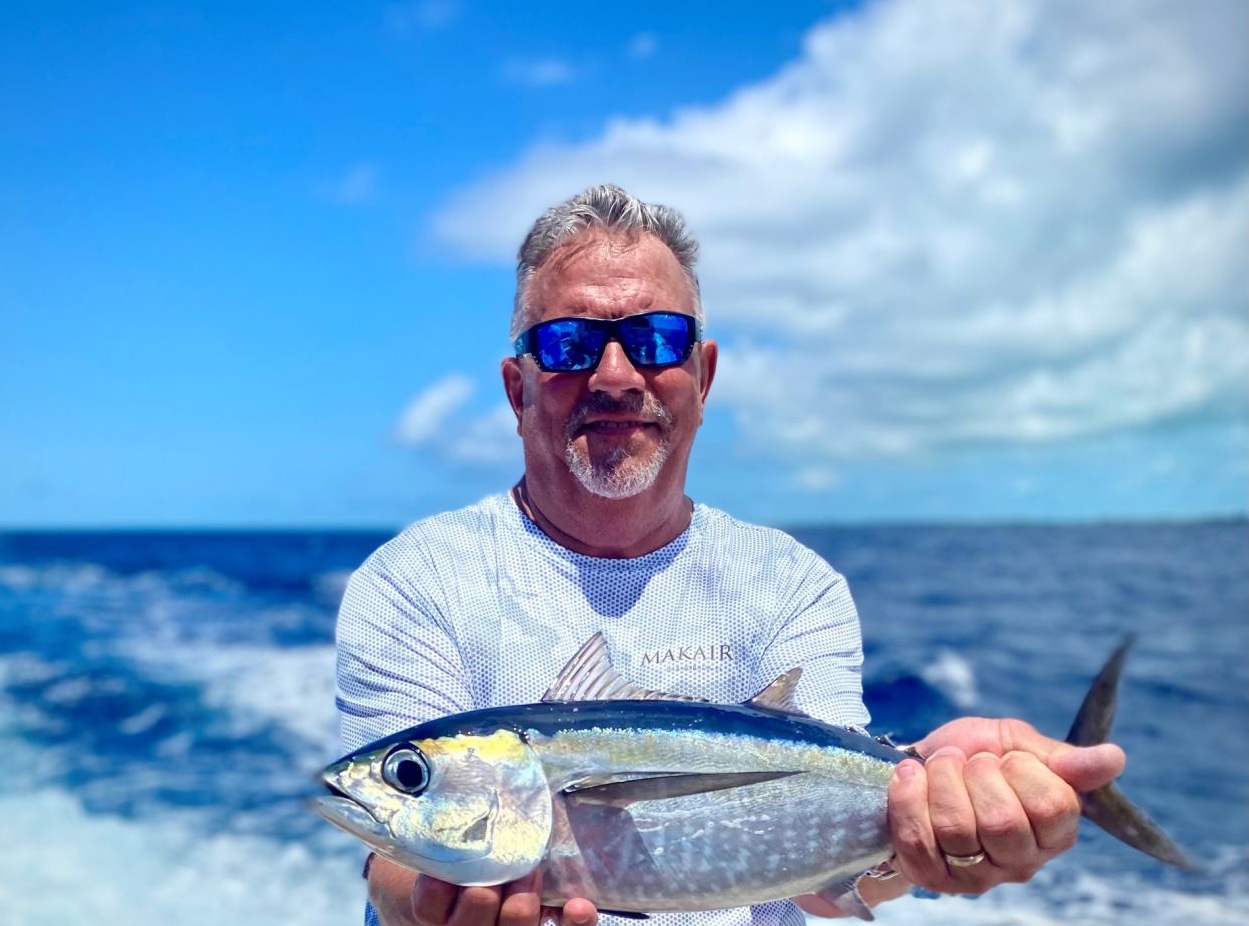
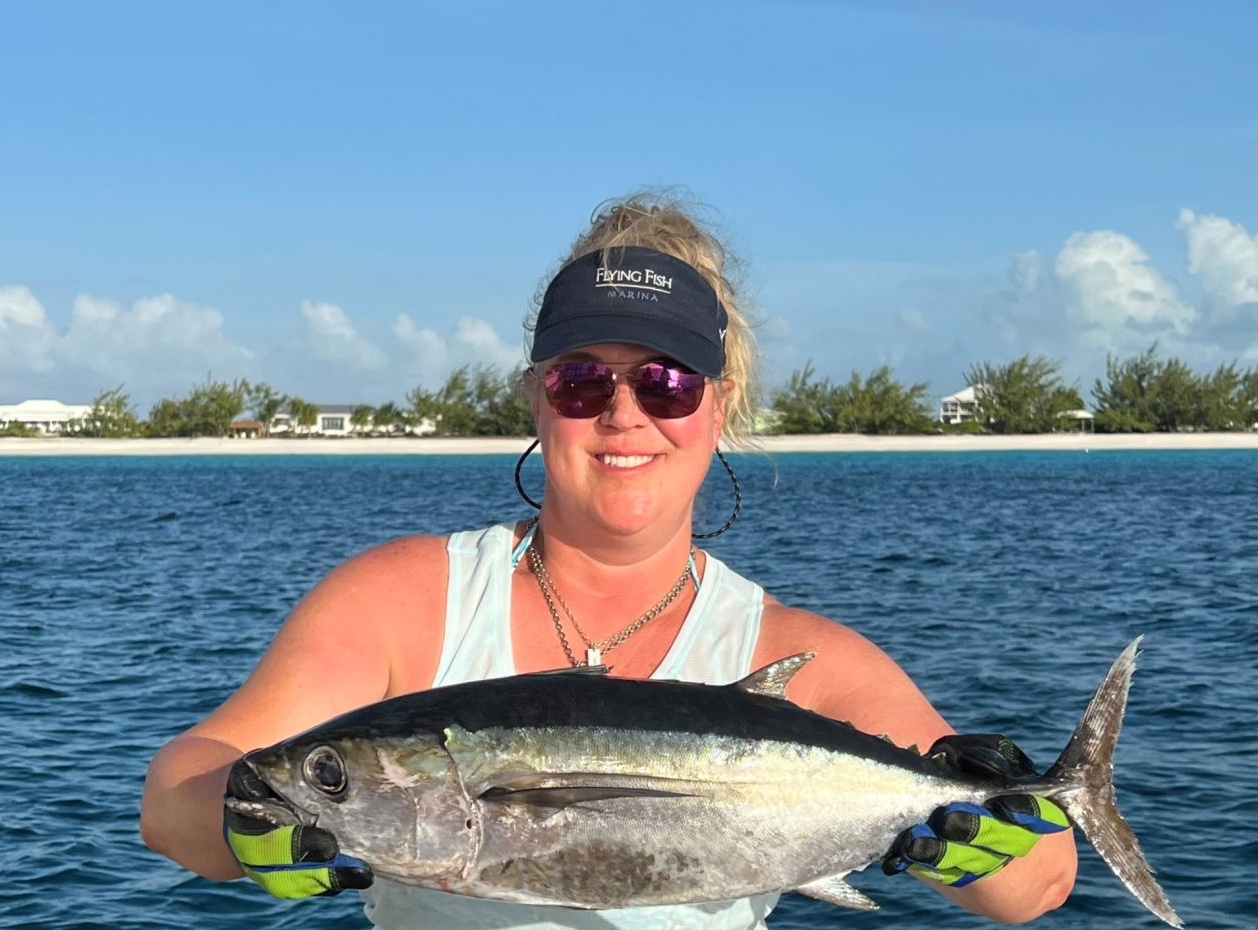
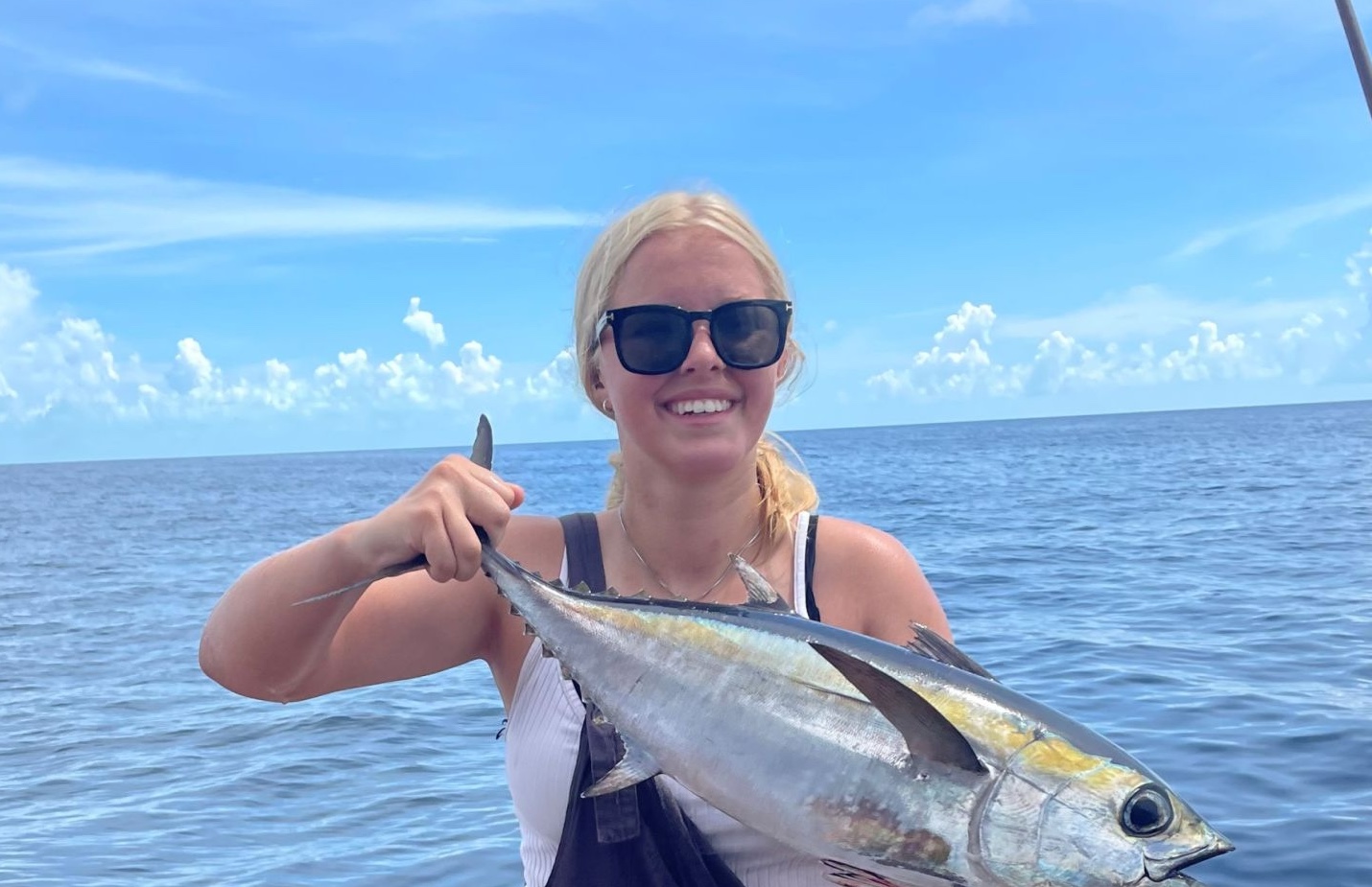
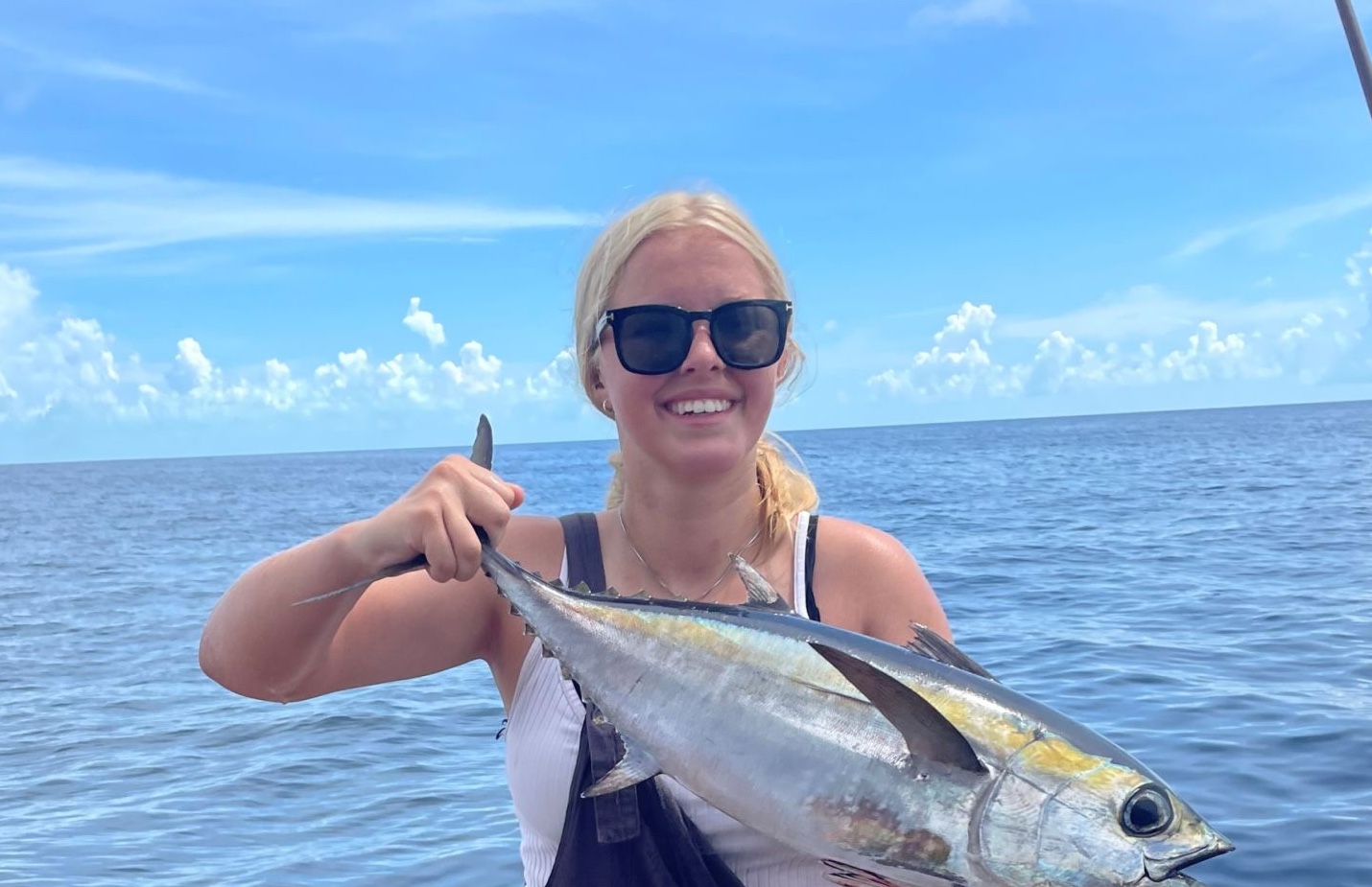
Yellowfin tuna represent some of the hardest fighting fish in these waters. When a yellowfin takes your trolled lure or bait, you know it immediately - the reel starts screaming and doesn't stop. These fish are built for speed and endurance, capable of long runs that will test your stamina and drag settings. Yellowfins in the Islamorada area typically range from 20 to 80 pounds, with larger fish showing up during winter months. They're often found around temperature breaks and current edges where baitfish concentrate, making them a prime target during blue water trolling.
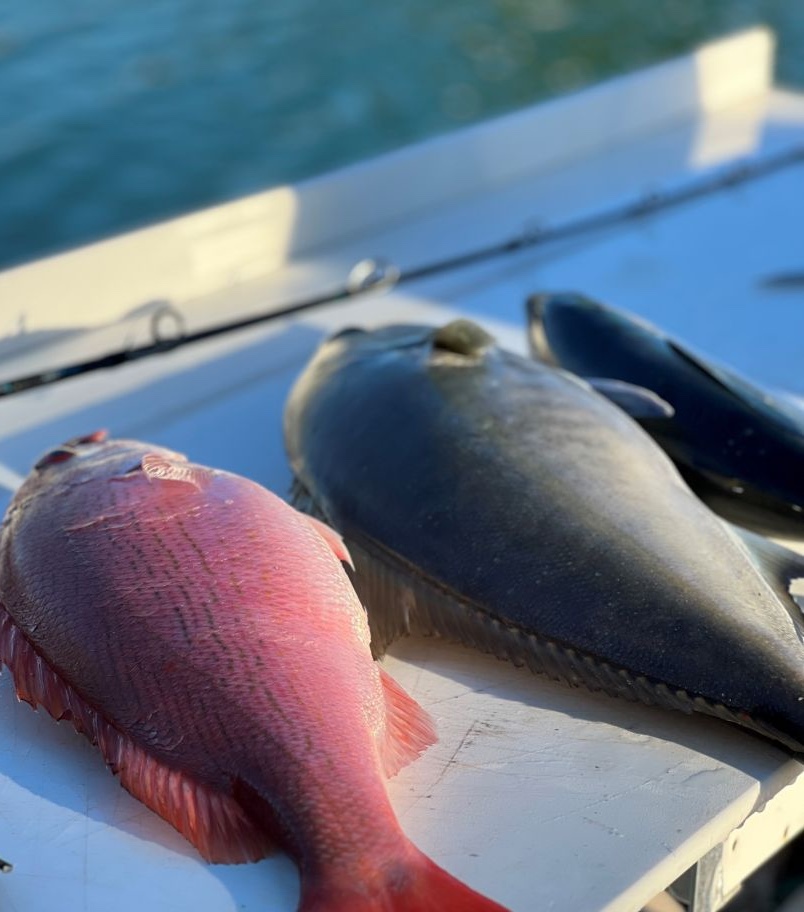
Red snapper are the bread and butter of reef fishing in these waters. These beautiful fish with their bright red coloration and excellent table fare are found around virtually every piece of structure from 60 to 200 feet deep. Reds typically run 3 to 15 pounds in this area, and they're aggressive feeders that will hit both live and dead baits. They're available year-round but bite best during summer months when they're spawning. Red snapper require quick reflexes - they'll pick up your bait and head straight for the rocks, so you need to get them up and away from structure fast.
Black grouper are another heavyweight reef species that provides both great fights and excellent eating. These fish are ambush predators that sit in holes and under ledges, waiting for baitfish to swim by. When hooked, they immediately dive for cover, using their powerful bodies and broad tails to try to break you off in the rocks. Black grouper in Islamorada waters range from 5 to 40 pounds, with the bigger fish found in deeper water
 5.0(3 Reviews)
 Private Trip
 Offshore Fishing
 Islamorada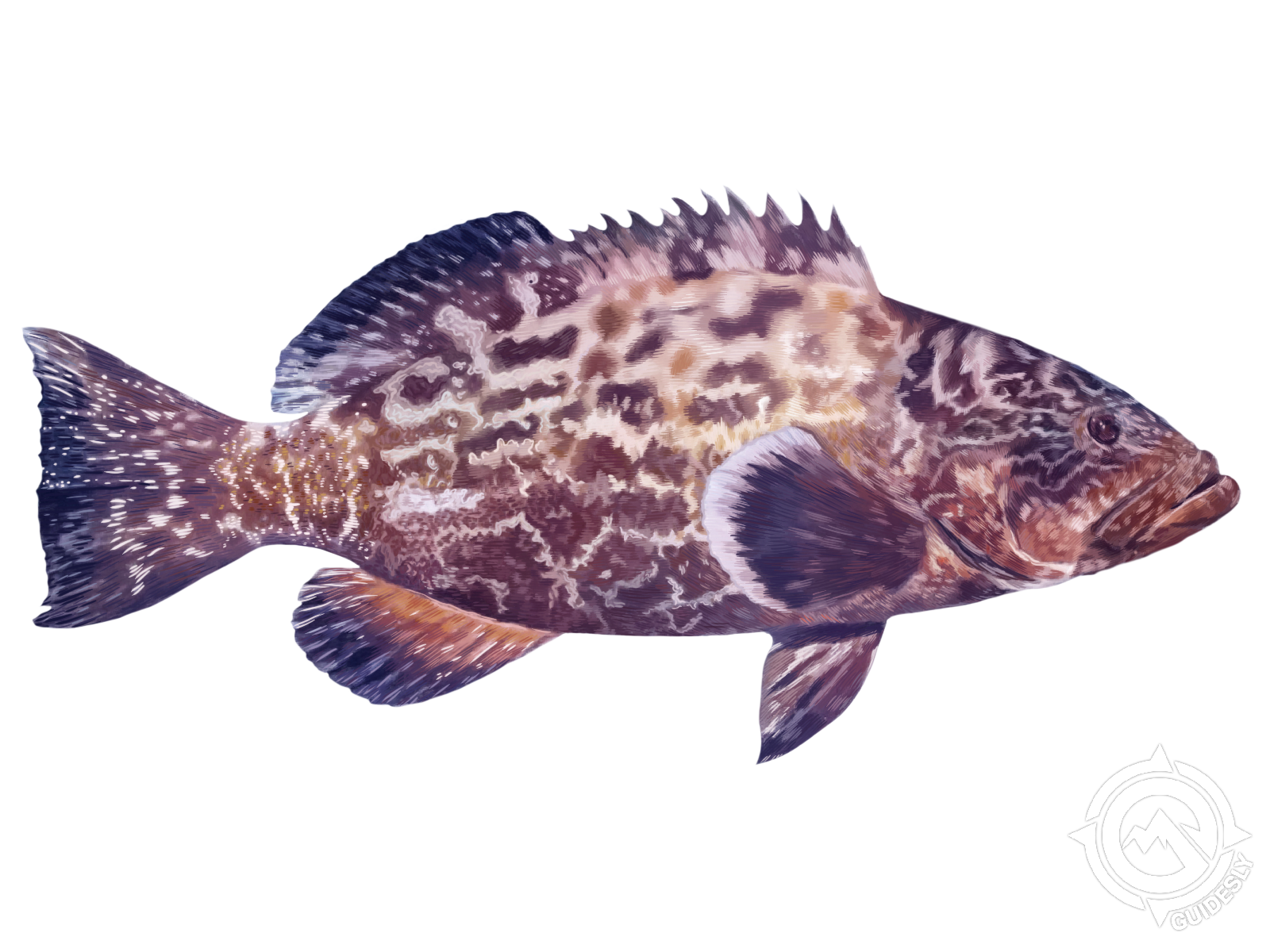



 Six-hour offshore fishing charter targeting reef and deep water species