Charleston Nearshore Fishing Adventure
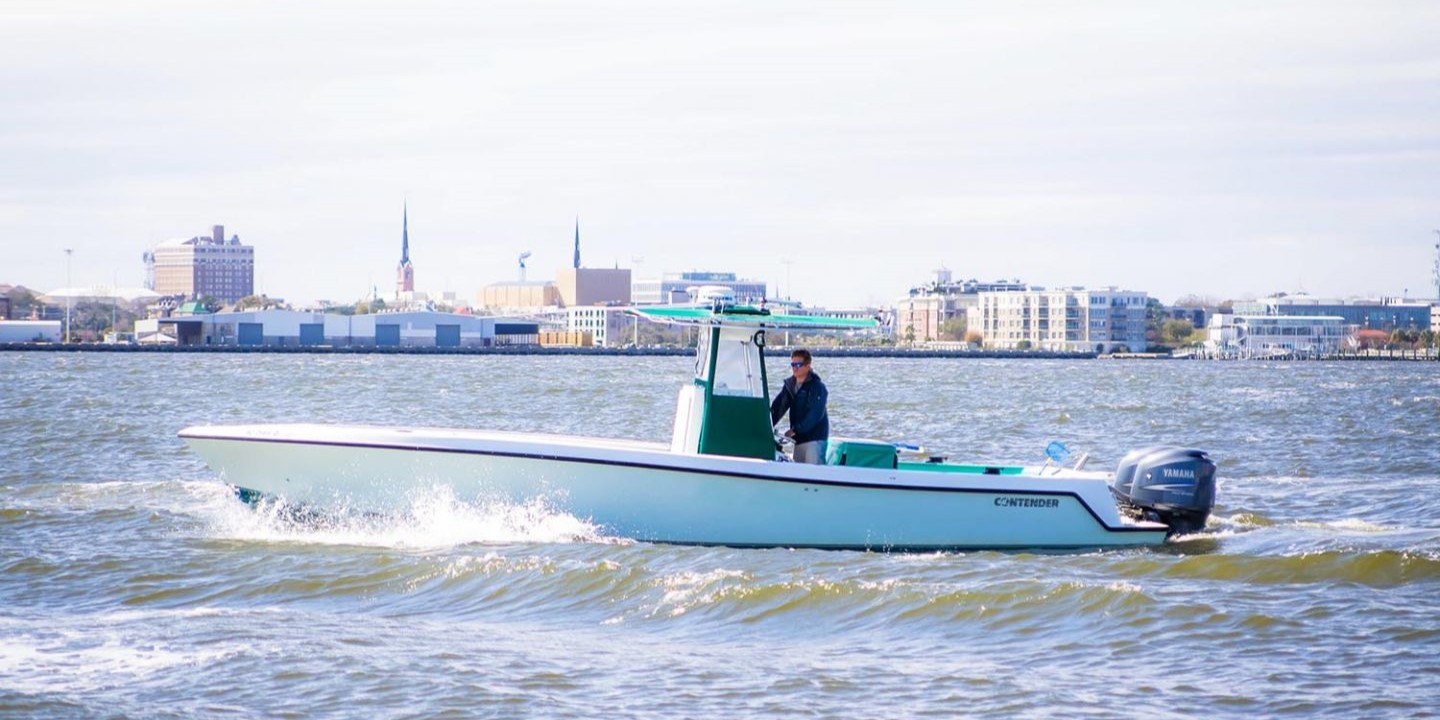
Picture yourself standing on the deck of a sleek 32' Contender, watching the Charleston coastline fade behind you as we head out to some of the most productive fishing waters on the South Carolina coast. This 5-hour nearshore fishing trip takes you 5 to 10 miles offshore where the real action happens – around ancient wrecks and natural reefs that hold some serious fish. Whether you're a seasoned angler looking to add to your species count or bringing the family for an introduction to saltwater fishing, this Charleston charter delivers the kind of fishing stories you'll be telling for years.
What to Expect on the Water
We'll launch from Charleston and make the run out to the productive nearshore waters where the continental shelf starts to drop off. The 32' Contender is built for this kind of fishing – stable enough to handle the offshore swells but nimble enough to work the structure effectively. With room for up to 4 anglers, you'll have plenty of elbow room to work your lines without getting tangled up with your fishing buddies. The boat comes rigged with quality tackle and electronics to put you on fish, but feel free to bring your own gear if you've got favorites. We'll spend our time working the wrecks and reefs that attract baitfish, and where there's bait, there's always something bigger looking for an easy meal. The seasonal patterns here are pretty reliable – spring brings the Cobia runs, summer fires up the Mahi bite, and fall has some of the best Amberjack action you'll find anywhere along the coast.
Fishing the Structure
Nearshore fishing around Charleston is all about reading the structure and understanding how these fish relate to it. We'll be working artificial reefs, natural hard bottom, and shipwrecks that create the perfect ambush points for predatory species. The technique varies depending on what we're targeting – sometimes we'll anchor up and fish cut bait on the bottom for Grouper and Amberjack, other times we'll drift live bait or work jigs vertically through the water column. The Contender's electronics help us mark fish and navigate between productive spots efficiently. You'll learn to feel the difference between a fish pickup and getting hung in the structure, how to work a fish away from the wreck before it can cut you off, and when to let the drag do the work versus putting pressure on a big fish. The captain provides all the tackle you'll need, from circle hooks for live bait fishing to heavy jigs for working the deeper wrecks. Don't worry if you're new to this style of fishing – we'll get you rigged up and show you the techniques that work best for each species we're targeting.
Top Catches This Season
The Goliath Grouper around Charleston's nearshore wrecks are absolute monsters that'll test your tackle and your patience. These giants can push 200-300 pounds and they know every trick in the book when it comes to using structure to their advantage. They're catch-and-release only, but hooking into one of these prehistoric-looking fish is a bucket list experience. They feed heavily on crabs, smaller fish, and rays, so big chunks of cut bait fished near the bottom around wrecks are your best bet. The fight is more about leverage and endurance than speed – they'll try to get back into the wreck and break you off, so you need to put serious pressure on them right from the hookup.
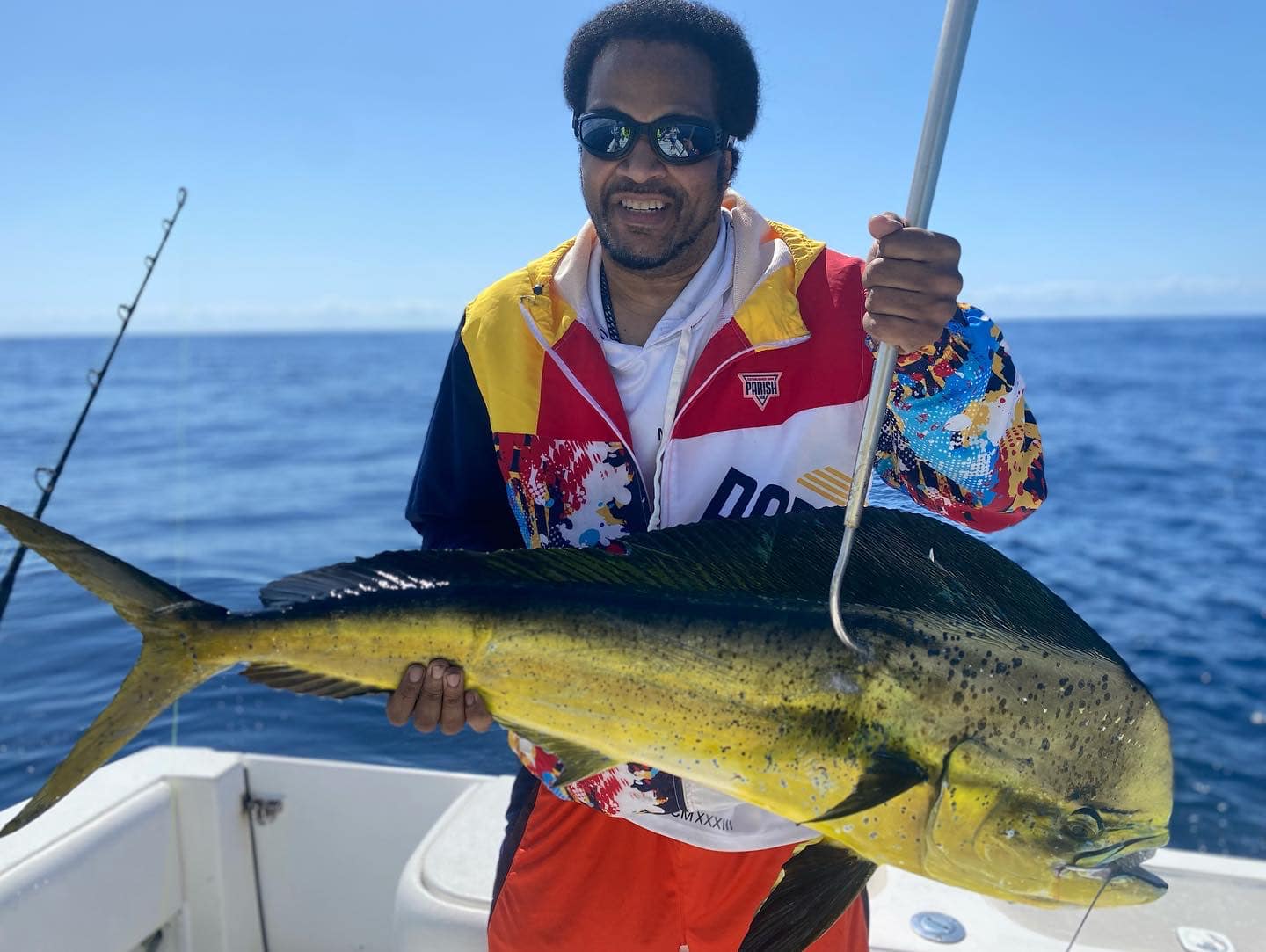
Mahi Mahi bring a completely different kind of excitement to these nearshore waters. These brilliantly colored fish show up around floating debris, sargassum lines, and sometimes right over the reefs when conditions are right. They're aggressive feeders that'll hit everything from live bait to spoons and jigs, and they put on an aerial show once hooked that's hard to beat. The key with Mahi is finding them first – they're nomadic and follow the currents and baitfish. Once you find a school, the action can be fast and furious with multiple hookups. They're also fantastic table fare, making them a favorite target for anglers who like to take a few fish home for dinner.
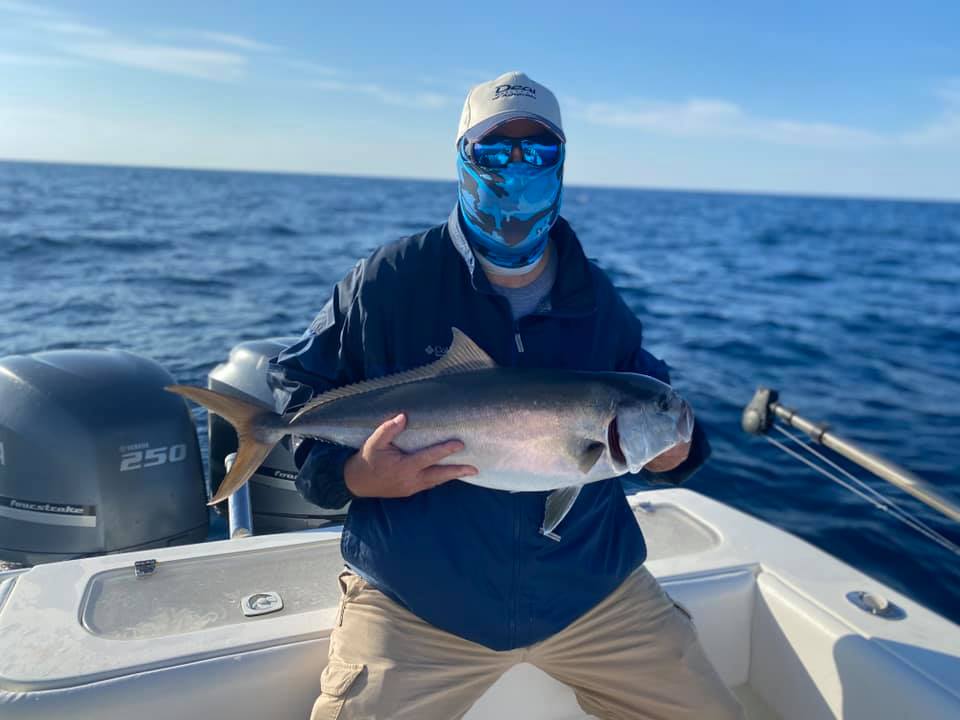
Greater Amberjack are the bulldogs of the nearshore reefs, and they'll give you a workout you won't forget. These powerful fish relate heavily to vertical structure and they're aggressive predators that'll hit both live and cut bait. AJs are known for their initial screaming run followed by a stubborn, head-shaking fight all the way to the boat. They're most active during the cooler months when they move into shallower water to spawn. Working jigs vertically through the water column is deadly effective, but be ready – when a big Amberjack hits a jig, it feels like you just hooked into a freight train.
Great Barracuda are the speed demons of these waters, with razor-sharp teeth and lightning-fast strikes that'll catch you off guard if you're not ready. They're ambush predators that lurk around the edges of reefs and wrecks, waiting for an easy meal to swim by. Wire leaders are absolutely essential when targeting Cuda – their teeth will slice through mono or fluorocarbon like butter. They're attracted to shiny, fast-moving baits and they'll often follow a lure right to the boat before deciding to strike. The fight is explosive but usually short-lived, with spectacular jumps and surface thrashing.
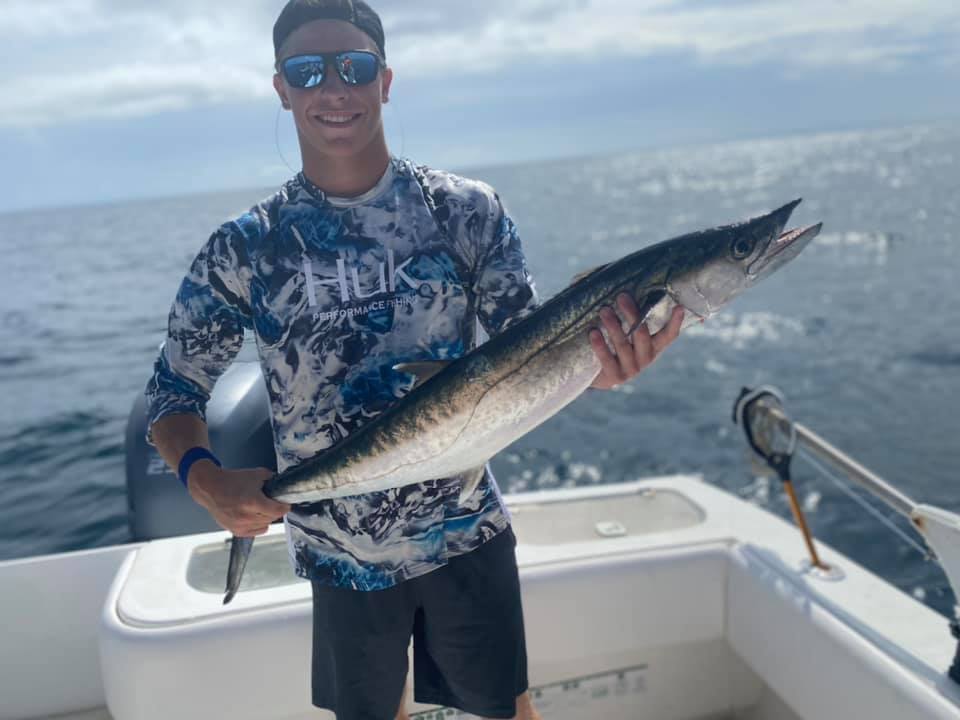
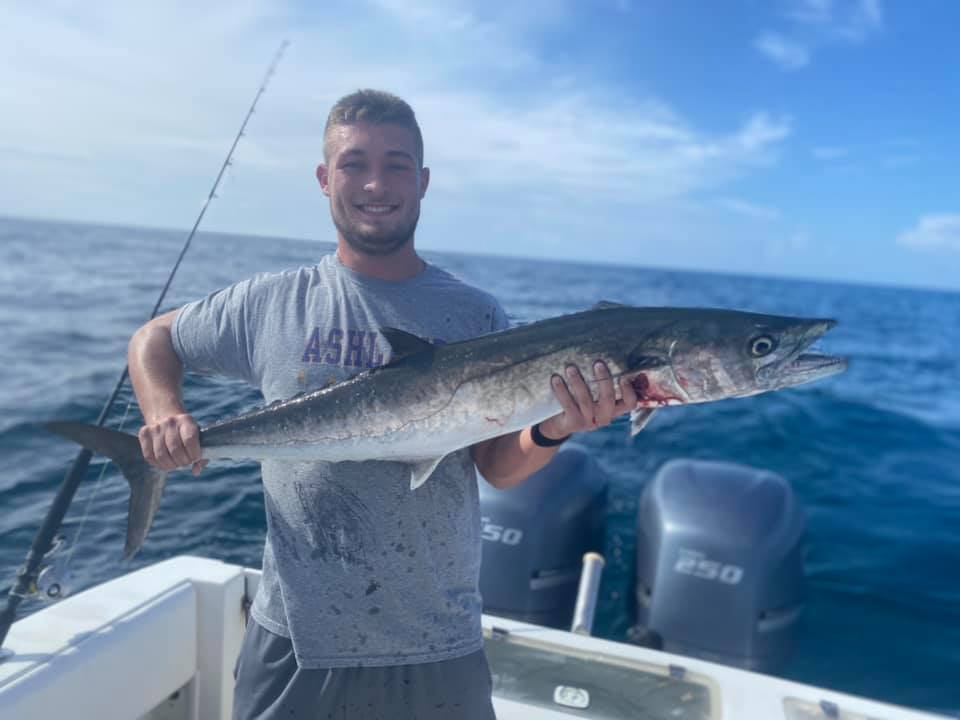
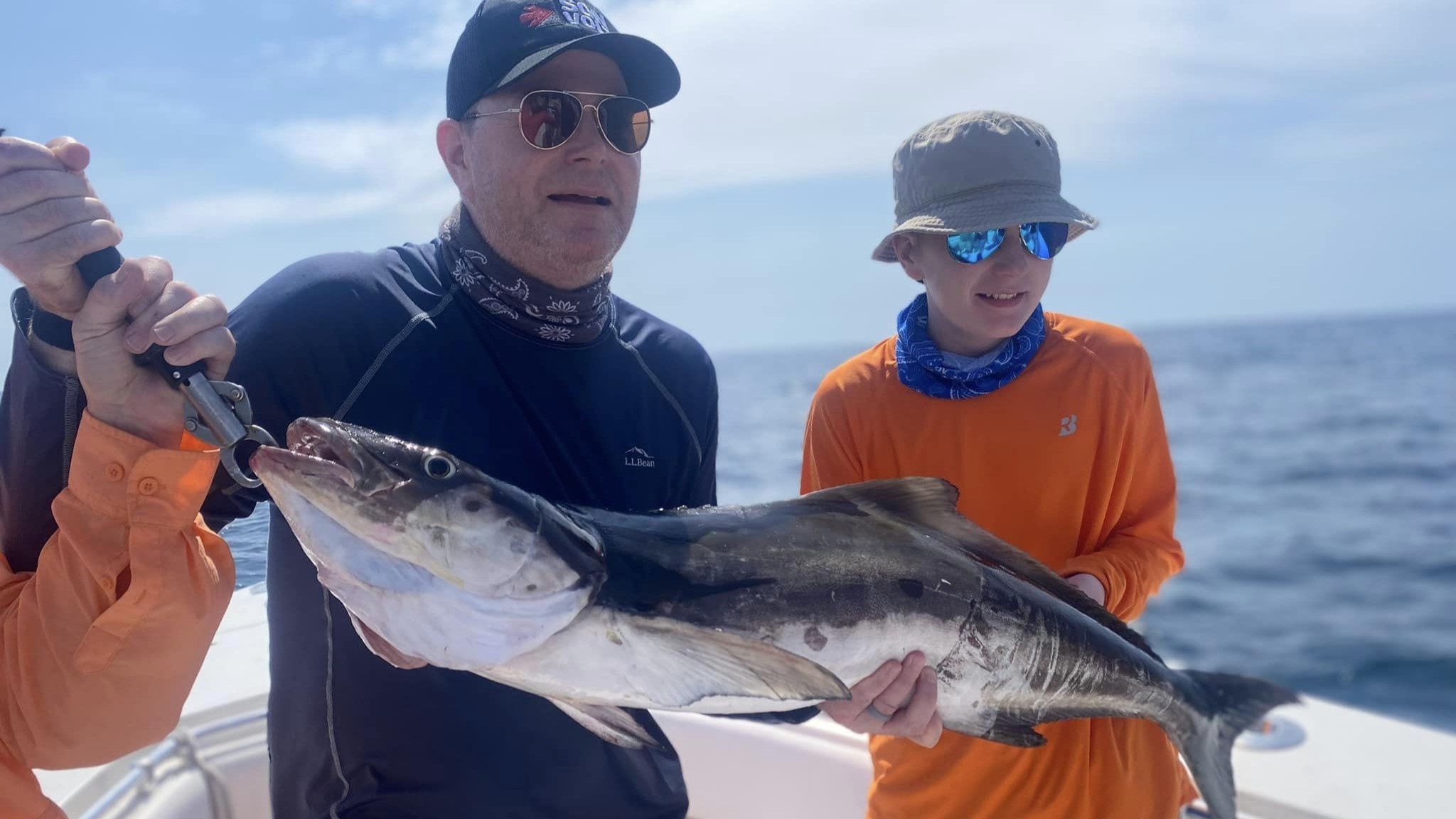
Cobia are one of the most sought-after species in Charleston's nearshore waters, and for good reason. These brown sharks, as some locals call them, are curious fish that often approach the boat and can sometimes be sight-fished. They're excellent table fare and put up a strong, determined fight. Cobia are most common during their spring and fall migrations when they move along the coast following baitfish. They're opportunistic feeders that'll take live bait, cut bait, and artificials. The key is being ready when you see one – they don't always stick around long, so you need to get a bait in front of them
 Private Trip
 Offshore Fishing
 Myrtle Beach


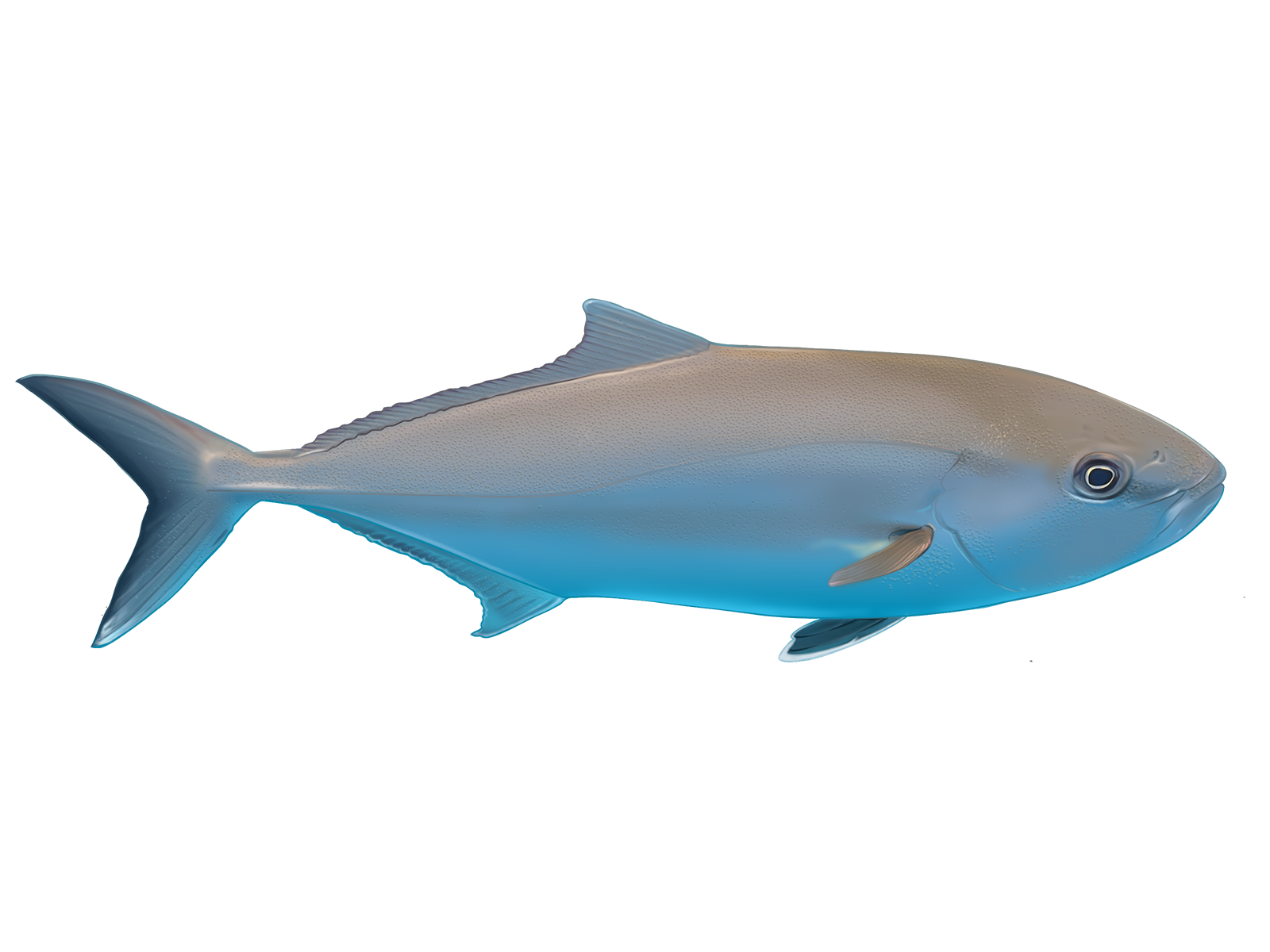

 5-hour nearshore fishing adventure aboard 32-foot Contender vessel