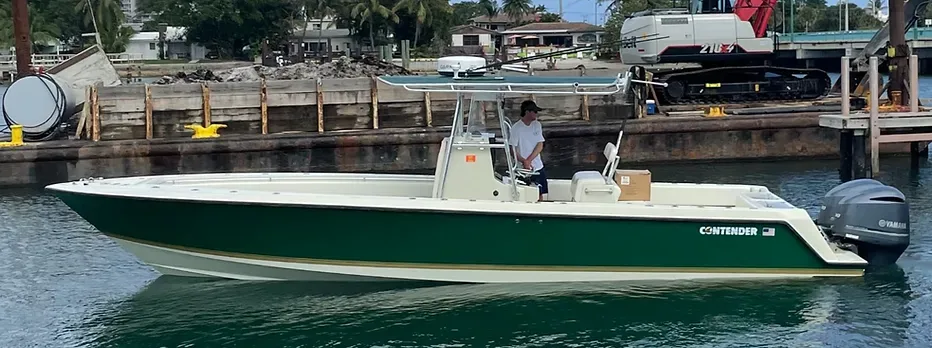
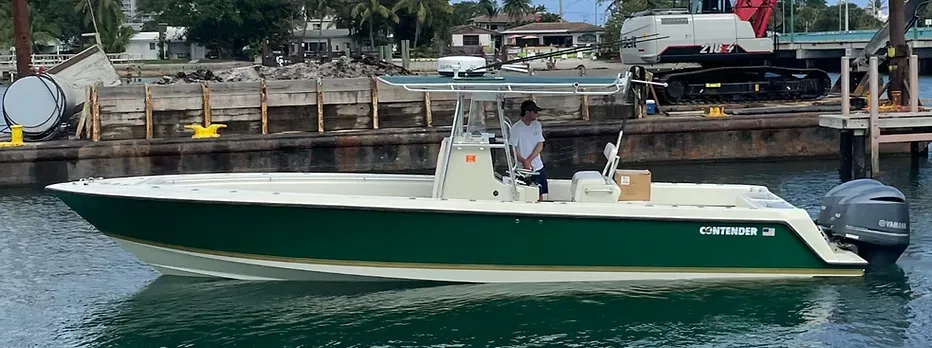
West Palm Beach Offshore Fishing Adventure
Ready to trade the shoreline for some serious blue water action? This West Palm Beach offshore fishing trip with Martini Sportfishing puts you right in the middle of some of Florida's hottest fishing grounds. We're talking about the kind of deep-sea fishing that gets your heart pumping – where the fish are bigger, the fights are longer, and the stories you'll tell back at the dock are worth their weight in gold. With the Gulf Stream running just a short boat ride from shore, you'll be fishing waters that hold everything from lightning-fast wahoo to acrobatic sailfish. Pack your cooler with snacks and drinks, grab your crew of up to six anglers, and get ready for a day that'll remind you why offshore fishing is pure addiction.
What to Expect on the Water
Your day starts early – that's just how offshore fishing works if you want to put fish in the boat. We'll head out from West Palm Beach into the deep blue, where the continental shelf drops off and the real magic happens. The ride out gives you time to wake up with some coffee and watch the sunrise paint the ocean. Once we hit our fishing grounds, usually 10-20 miles offshore, you'll see why this area is a magnet for pelagic species. The Gulf Stream creates upwellings and temperature breaks that concentrate baitfish, and where there's bait, there are game fish. Your captain knows these waters like the back of his hand – every ledge, every weedline, every spot where fish like to hang out. The boat comes loaded with all the gear you need, from heavy trolling rods to lighter spinning setups, plus your fishing licenses are covered. All you need to bring is your appetite for action and maybe some Dramamine if you're not used to the ocean swells.
Trolling Tactics & Gear
Out here in the blue water, trolling is king. We'll be pulling a spread of lures and baits behind the boat at different depths and distances to cover as much water as possible. Think colorful skirted lures that mimic flying fish, ballyhoo rigged on circle hooks, and maybe some deep-diving plugs to target fish hanging lower in the water column. The outriggers let us spread lines wide, and downriggers get baits down to where the big boys cruise. When something hits, you'll know it – the reel screams, the rod loads up, and it's game on. Circle hooks are the standard now, which means you don't need to set the hook hard like the old days. Just start reeling and let the fish hook itself. The gear is sized for the fish we're after – 30 to 50-pound class tackle that can handle a blistering wahoo run or a jumping sailfish without breaking your back. Your captain will coach you through the fight, telling you when to pump and wind, when to let the fish run, and how to work it to the boat without losing it at the last second.
Species You'll Want to Hook
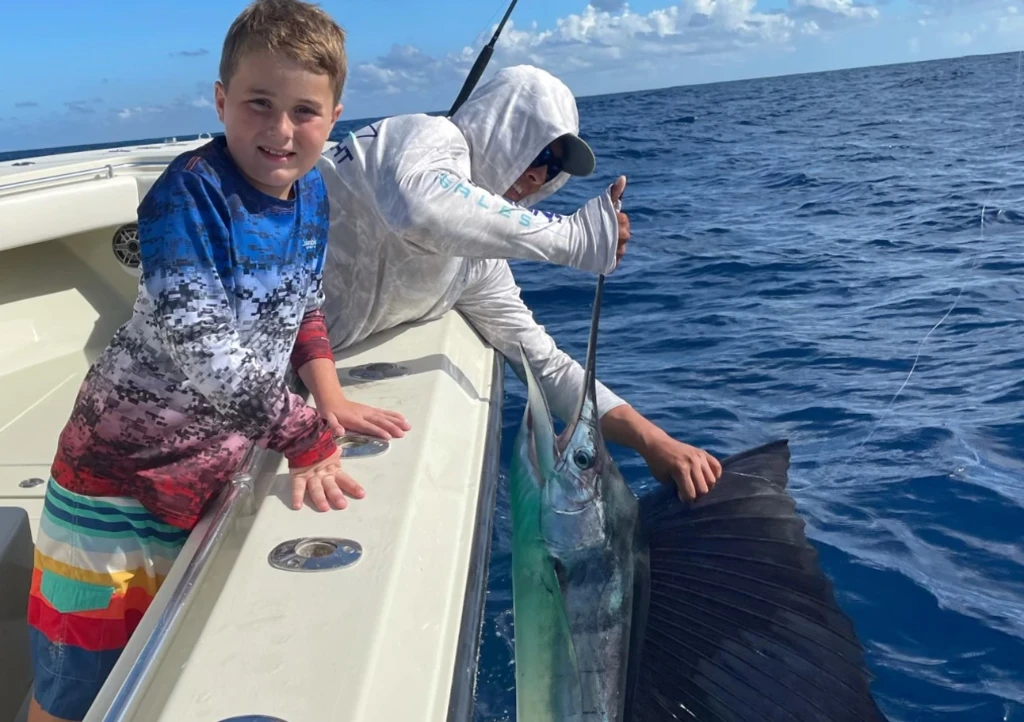
Atlantic Sailfish are the crown jewel of West Palm Beach offshore fishing, and once you hook one, you'll understand why. These fish are built for speed and acrobatics – they'll come out of the water dancing on their tails, shaking their heads, and putting on a show that'll have everyone on the boat grabbing their phones. Sailfish here average 6-8 feet long and typically weigh 40-60 pounds of pure muscle. Winter months from December through April are prime time, when cooler water temperatures bring schools of sailfish close to shore. What makes them special isn't just the fight – it's the way they hunt in packs, the way their sail lights up when they're excited, and how they'll make multiple jumps that seem to defy physics. Most captains practice catch and release with sails, so you get the fight of a lifetime and the fish lives to fight another day.
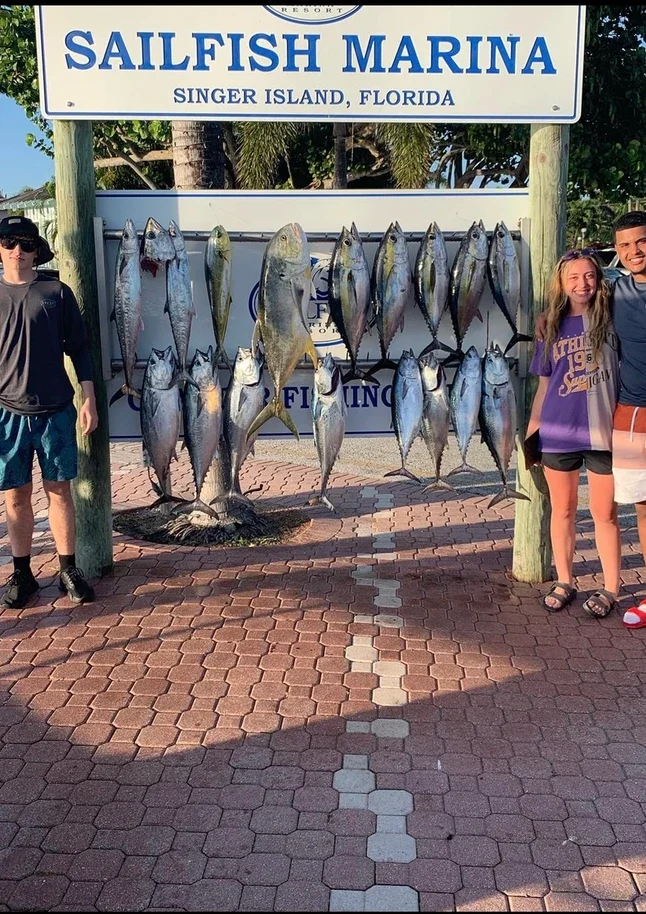
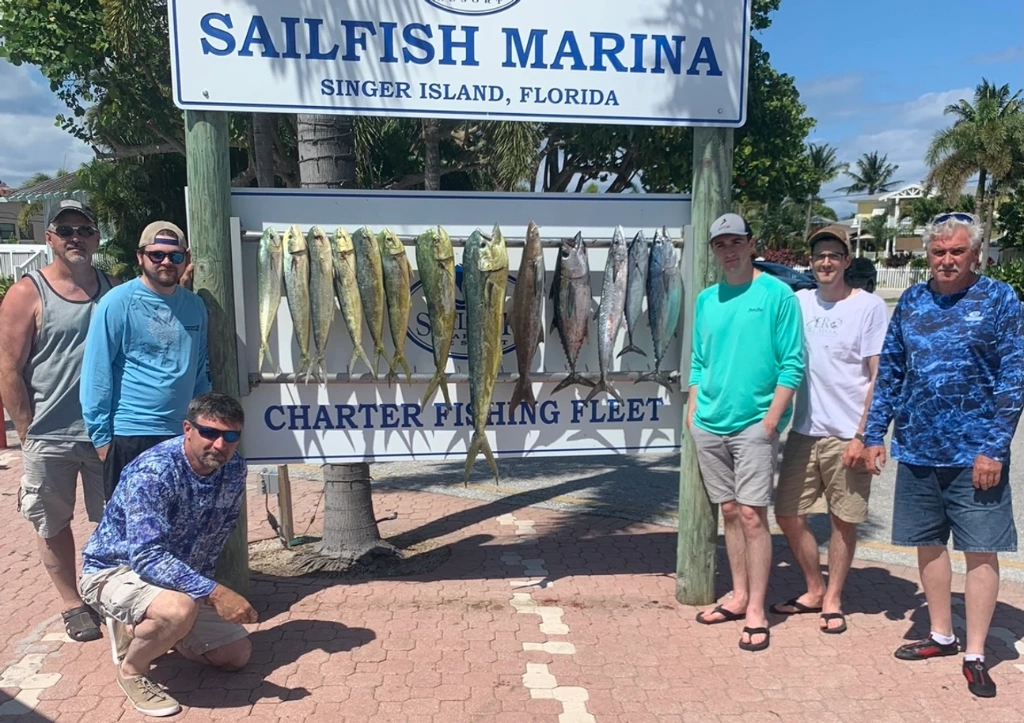
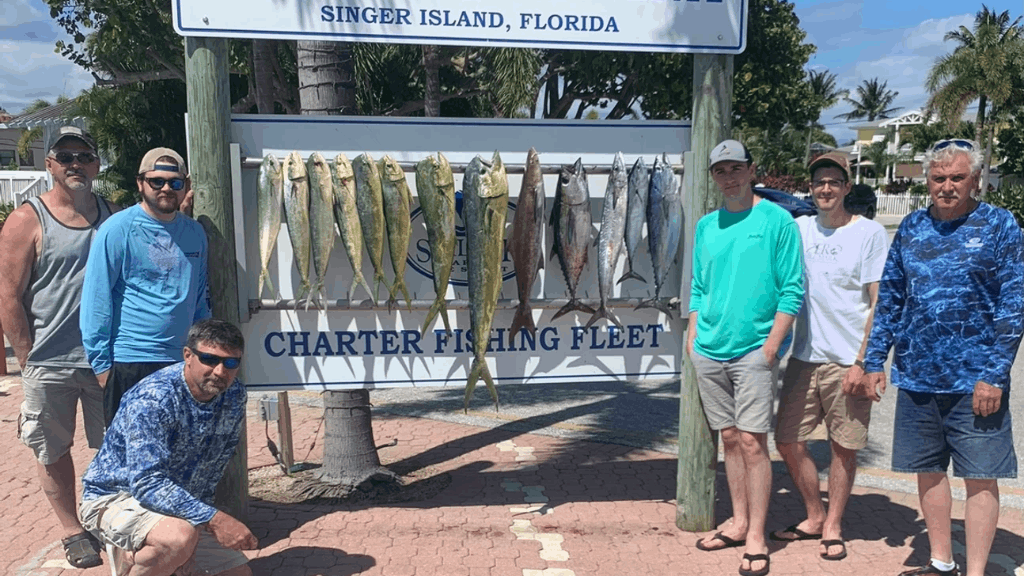
King Mackerel, or "kings" as locals call them, are speed demons that'll test your reflexes and your drag system. These torpedo-shaped predators can stretch over 40 inches and weigh 20-40 pounds, with the occasional smoker going much bigger. Kings are year-round residents here, but spring and fall see the best action when they school up and feed aggressively. What makes king fishing so exciting is the initial run – when a king hits your bait, it's like hooking a freight train. They'll scream line off your reel in a blistering run, often jumping and tail-walking across the surface. Their razor-sharp teeth mean you need wire leaders, and their speed means you need smooth drag. Kings are fantastic eating too, with firm white meat that's perfect on the grill.
Mahi Mahi, also called dolphinfish or just "mahi," are the golden beauties of the offshore world. These fish are pure eye candy – bright gold and green colors that seem to glow underwater, with distinctive blunt foreheads on the males (called bulls). Mahi here typically run 10-30 pounds, though bigger fish around weed lines and floating debris can push 40-50 pounds. Summer months are peak season, especially around any floating structure or sargassum weed patches. Mahi are aggressive feeders and acrobatic fighters, often coming completely out of the water in spectacular jumps. They're also some of the best eating fish in the ocean – mild, flaky white meat that's incredibly versatile in the kitchen. When you find one mahi, there are usually more around, so the action can get fast and furious.
Wahoo are the speed kings of the deep – fish so fast they can strip line faster than you can blink. These missiles with fins have razor-sharp teeth, torpedo bodies, and an attitude to match. Wahoo in these waters typically range from 20-60 pounds, with occasional giants over 80 pounds that'll test every component of your tackle. They're year-round residents but seem more active during cooler months. What sets wahoo apart is their initial run – nothing in the ocean accelerates
 Private Trip
 Offshore Fishing
 West Palm Beach, FL


 Deep-sea fishing for Wahoo, Cobia, Mahi Mahi, and King Mackerel