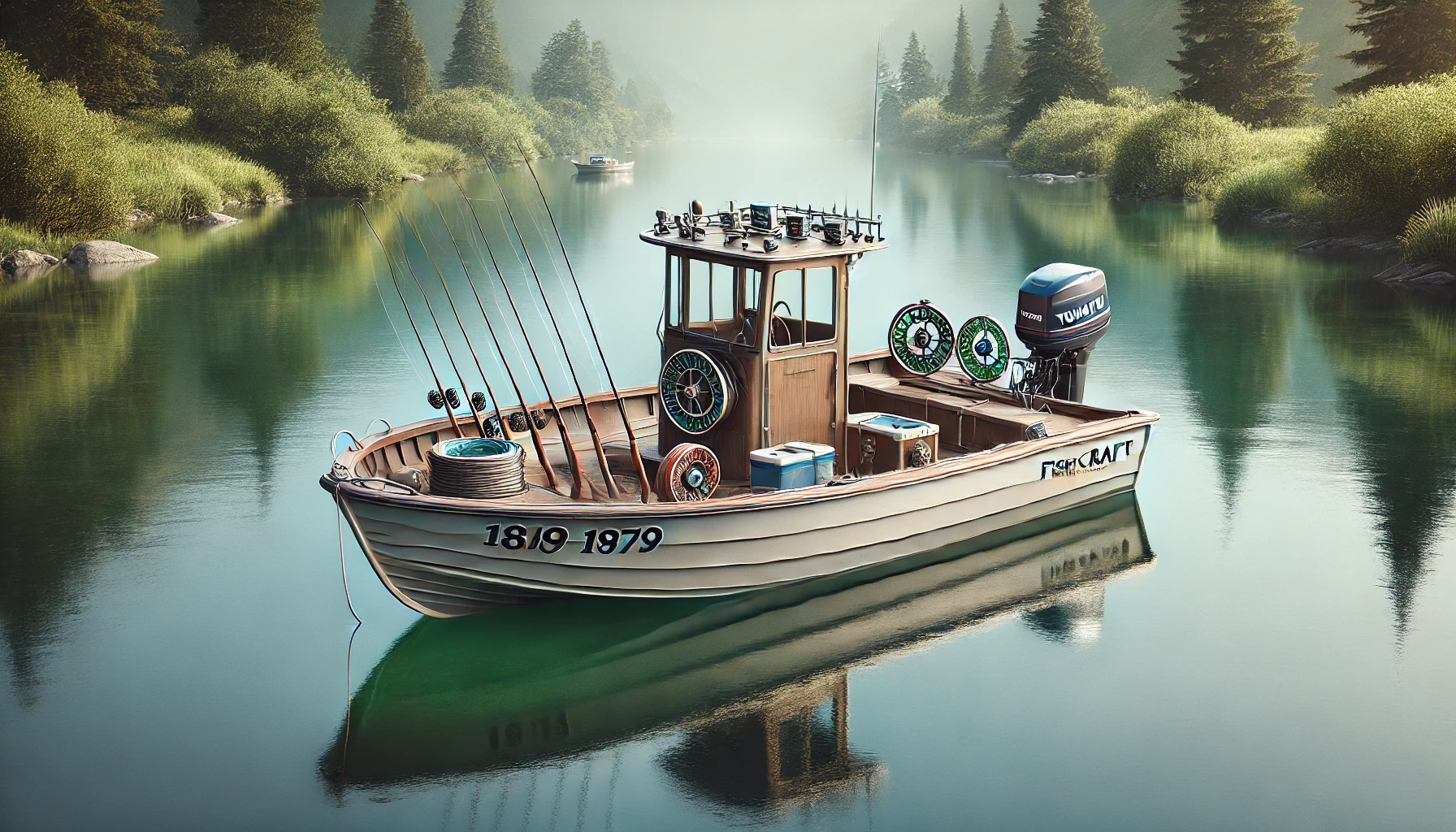
Full Day Oregon Steelhead & Salmon Adventure
Mason Gensman knows Oregon's waters like the back of his hand, and he's ready to put you on fish that'll make your drag scream. This isn't just another guided trip—it's eight solid hours with one of the state's most respected fly fishing guides, targeting the legendary runs that make Oregon a bucket-list destination for serious anglers. Whether you're swinging flies for chrome-bright steelhead or dead-drifting nymphs through salmon holes, Mason tailors every cast to your skill level while showing you why these rivers have built their reputation over decades.
What to Expect on the Water
You'll start early, meeting Mason as the morning mist still clings to the river. These eight-hour trips aren't rushed affairs—there's time to work promising runs thoroughly and adjust techniques based on what the fish are telling you. Mason reads water conditions daily and picks spots where your chances are best, whether that's a deep tailout holding winter steelhead or a riffle system where resident trout are feeding actively. The group size maxes out at six anglers, so you're not fighting for casting room or waiting around for instruction. Mason brings the local intel that separates good days from great ones: which pools are producing, what flies are working, and how to present them properly in Oregon's diverse water types. You'll fish everything from boulder-studded pocket water to long, sweeping runs that look like they were designed specifically for swinging flies.
Flies, Lines, and Presentation
Mason's approach combines traditional Pacific Northwest techniques with modern fly fishing innovations. For steelhead, you'll learn the art of the swing—letting weighted flies arc through the current while maintaining perfect tension. Spey casting instruction is available for those wanting to cover water more efficiently, though single-handed rods work just fine in most situations. Trout fishing means adjusting to whatever's hatching, from indicator nymphing in deep pools to dry fly presentations when fish are rising. Mason carries a full selection of proven patterns: classic steelhead flies like Purple Perils and Green Butt Skunks, plus modern intruders and tubes that trigger aggressive strikes. For salmon, the focus shifts to larger presentations and deeper water, often requiring different sink rates and retrieval speeds. The gear is top-shelf stuff—quality rods matched to specific techniques and water types, with lines designed for Oregon conditions.
Species You'll Want to Hook
Smallmouth Bass in Oregon waters fight with the tenacity that made them famous, averaging 12-16 inches with occasional bruisers pushing 20. These bronze-backed fighters prefer rocky structure and current breaks, hitting flies with explosive strikes that'll test your reflexes. Spring through fall offers the best action, with topwater opportunities during summer evenings that'll spoil you for other fishing. They're scrappy, acrobatic, and absolutely relentless once hooked—perfect for anglers who appreciate technique over pure size.
Coho Salmon arrive in Oregon rivers during late summer and fall, bringing ocean-fed strength to freshwater battles. These silver bullets typically range from 8-12 pounds, with fresh-run fish showing the kind of aerial displays that make salmon fishing addictive. They respond well to bright flies and aggressive presentations, often hitting with jarring strikes that separate anglers from their tackle if they're not ready. Peak timing runs from August through October, when chrome-bright coho stack up in deeper pools before making their spawning runs.
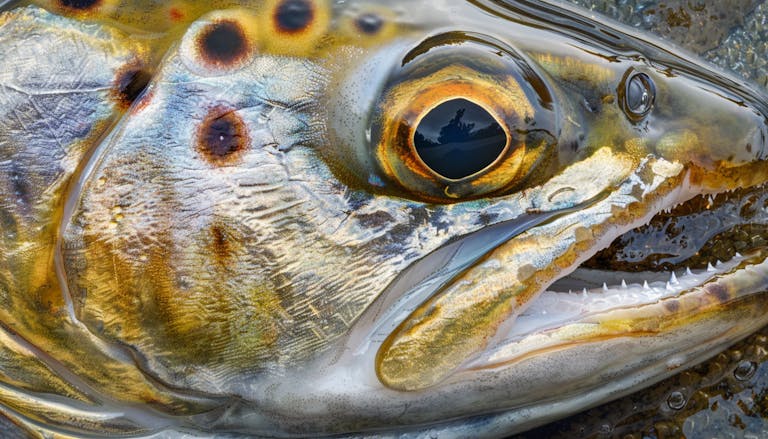
Steelhead Trout represent the holy grail of Pacific Northwest fly fishing, combining size, strength, and unpredictability in ways that humble even experienced anglers. Oregon's winter runs can exceed 30 inches and 15 pounds, while summer fish offer more consistent action with slightly smaller average sizes. These sea-run rainbows fight like their lives depend on it—because they do—using current, structure, and raw power to test every knot in your system. Winter steelhead run from December through March, while summer fish provide action from May through October.
Sea Trout in Oregon waters showcase the adaptability that makes salmonids so fascinating, moving between salt and freshwater systems while maintaining the fighting characteristics anglers love. These fish average 14-18 inches but make up for size with attitude, hitting flies aggressively and using their sea-strengthened muscles for battles that last longer than their length suggests. They're often caught incidentally while targeting other species, making them bonus fish that add excitement to any day on the water.
Common Carp might not win beauty contests, but they'll earn your respect quickly when hooked on fly tackle. Oregon's carp populations include fish exceeding 20 pounds, with the strength to bulldoze through current and structure in ways that test both angler skill and equipment limits. These intelligent fish require stealth and precision, often feeding in shallow water where approach and presentation matter more than fly selection. They're available year-round but most active during warmer months, providing consistent action when other species prove finicky.
Time to Book Your Spot
Mason's reputation draws repeat customers and referrals, so prime dates fill up quickly during peak seasons. This full-day experience gives you the time needed to really understand Oregon's waters and develop techniques that'll serve you long after the trip ends. Eight hours with a guide of Mason's caliber isn't just about catching fish—it's about learning water reading skills, fly selection strategies, and presentation techniques that transform average anglers into confident ones. The investment pays dividends every time you step into similar water, whether that's next month or next year. Oregon's fishing opportunities are world-class, but having the right guide makes the difference between a good day and the kind of day that changes how you think about fly fishing.
 Private Trip
 Lakes/Reservoirs/Ponds Fishing
 Oregon


 Full-day guided fly fishing adventure targeting multiple species