Private 4-Hour Casting Lesson in Matagorda
Looking to master your cast in some of Texas' best backcountry waters? Captain Ron Ridgeway's private 4-hour casting lesson puts you right where you need to be – Matagorda's pristine flats and marshes. This isn't your typical group lesson where you're fighting for attention. It's just you, maybe a buddy, and four solid hours of personalized instruction that'll transform how you present flies to spooky fish. Whether you're picking up a fly rod for the first time or trying to nail that perfect loop, Ron's got the patience and know-how to get you there. The Texas coast doesn't mess around when it comes to testing your skills, but with proper casting technique, you'll be ready for whatever these waters throw at you.
What to Expect on the Water
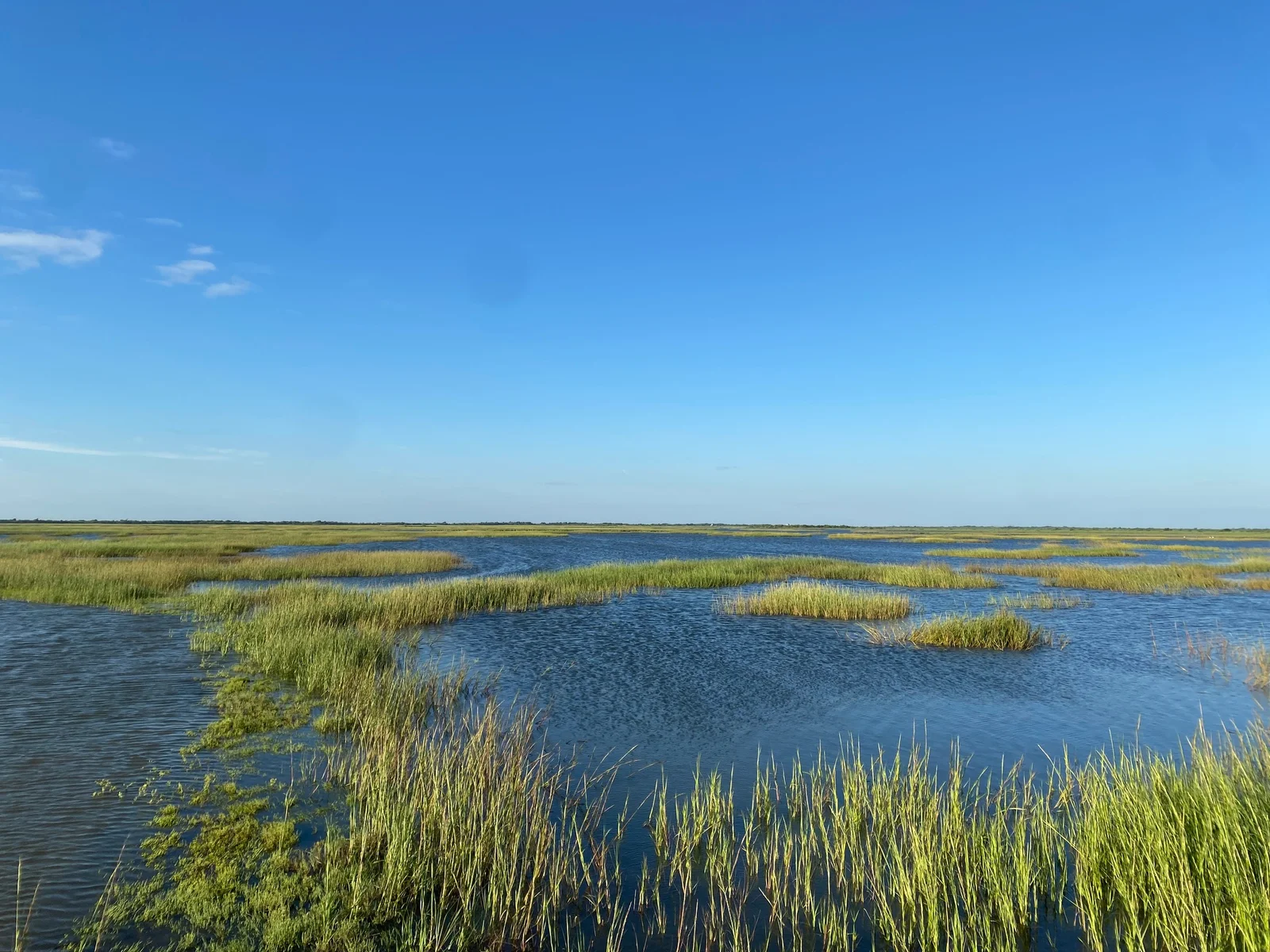
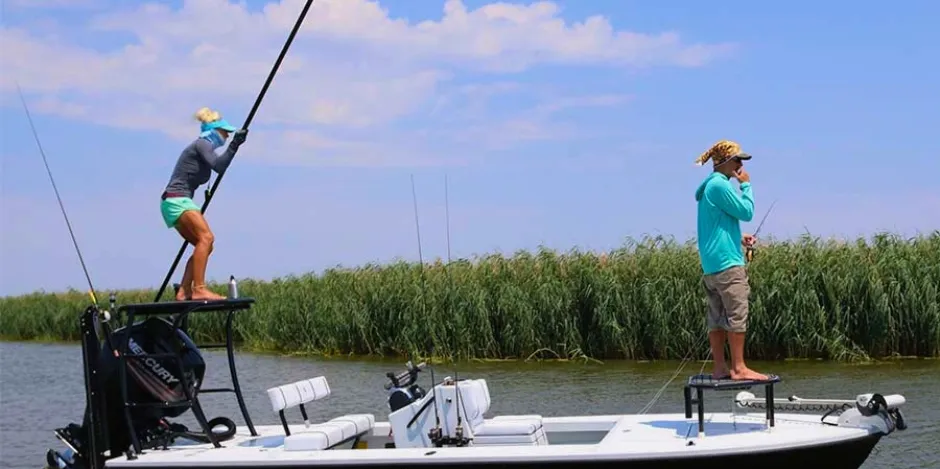
Captain Ron keeps things real simple – this trip is all about building your confidence with the fly rod before you start chasing fish. You'll spend your morning working on fundamentals in protected waters where the wind won't beat you up too bad. The beauty of Matagorda's backcountry is you've got endless shallow flats perfect for practicing different presentations. Ron's approach focuses on muscle memory and timing, not just theory. You'll work through basic overhead casts, roll casts for tight spots, and those tricky wind shots that separate the weekend warriors from serious anglers. By midday, you'll be laying out line with purpose, ready to start thinking like the redfish and trout that cruise these flats. The boat stays comfortable with just two anglers max, so there's plenty of room to work on your backcast without worrying about hooking your buddy.
Fly Casting Fundamentals
Ron's teaching style cuts through the noise and focuses on what actually works in backcountry conditions. You'll start with proper grip and stance – sounds basic, but most casting problems start right there. The 10-2 motion everyone talks about? That's just the beginning. Out here, you need to handle crosswinds, make quick shots at moving fish, and drop flies in skinny water without spooking everything in a hundred-yard radius. Ron breaks down the four-part cast timing that makes everything click, then moves into real-world scenarios. You'll practice casting to structure, working around oyster bars, and presenting flies in current. The gear's all top-shelf – balanced rods that won't fight you and lines matched to local conditions. By the end of four hours, you'll understand why some anglers can drop a fly on a dinner plate at forty feet while others struggle to hit the broad side of a barn.
Species You'll Want to Hook
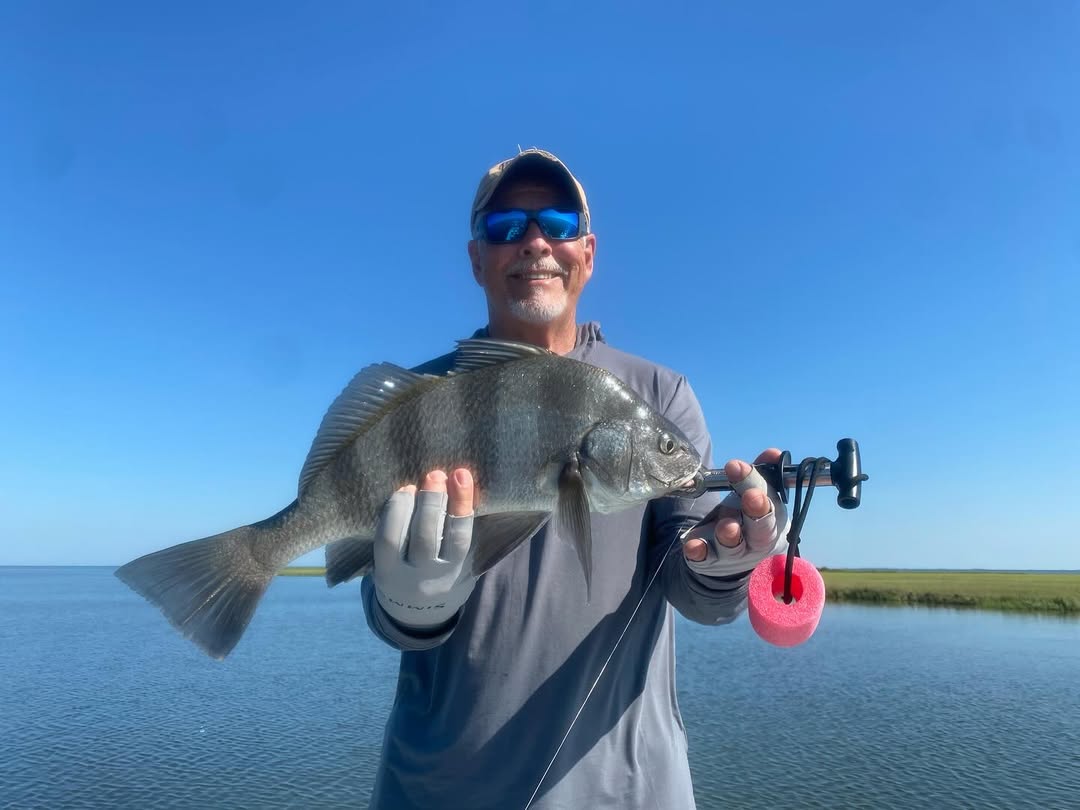
Black drum patrol these waters like they own the place, and honestly, they kind of do. These bruisers can push 30-plus pounds and will test every knot you tie. They love cruising oyster reefs and grass flats, tailing in shallow water while they root around for crabs and shrimp. Best fishing happens during moving tides when they're actively feeding. What makes drum so addictive is their pure power – once hooked, they dig deep and make long, steady runs that'll have your drag singing. The fight's more about endurance than flashy jumps, but landing a big drum on fly gear is something you'll remember forever. Spring and fall see the biggest concentrations, especially when water temps sit in the 70s.
Sea trout might be the perfect species for dialing in your casting skills. These spotted beauties suspend over grass beds and drop-offs, making them ideal targets for practicing accuracy and presentation. They're surprisingly selective about fly choice and retrieve speed, which means your casting needs to be on point to get them interested. Trout average 2-4 pounds but don't let that fool you – they're scrappy fighters with acrobatic tendencies. The key is finding the schools during their feeding windows, typically early morning and late afternoon. Summer months bring consistent action, while winter sees bigger fish moving into deeper channels. Their aggressive strikes and willingness to hit topwater patterns make them favorites among fly anglers looking to perfect their surface presentations.
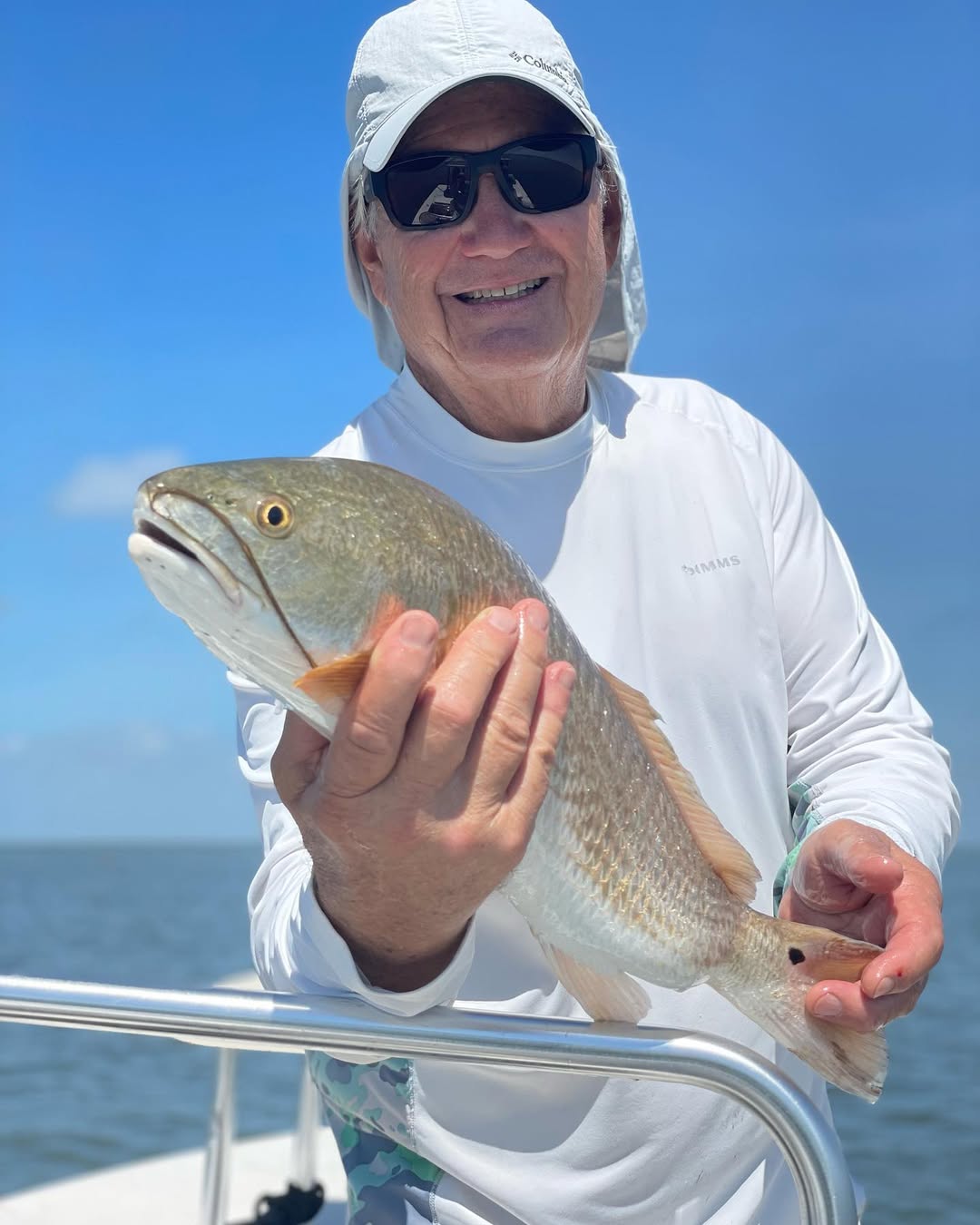
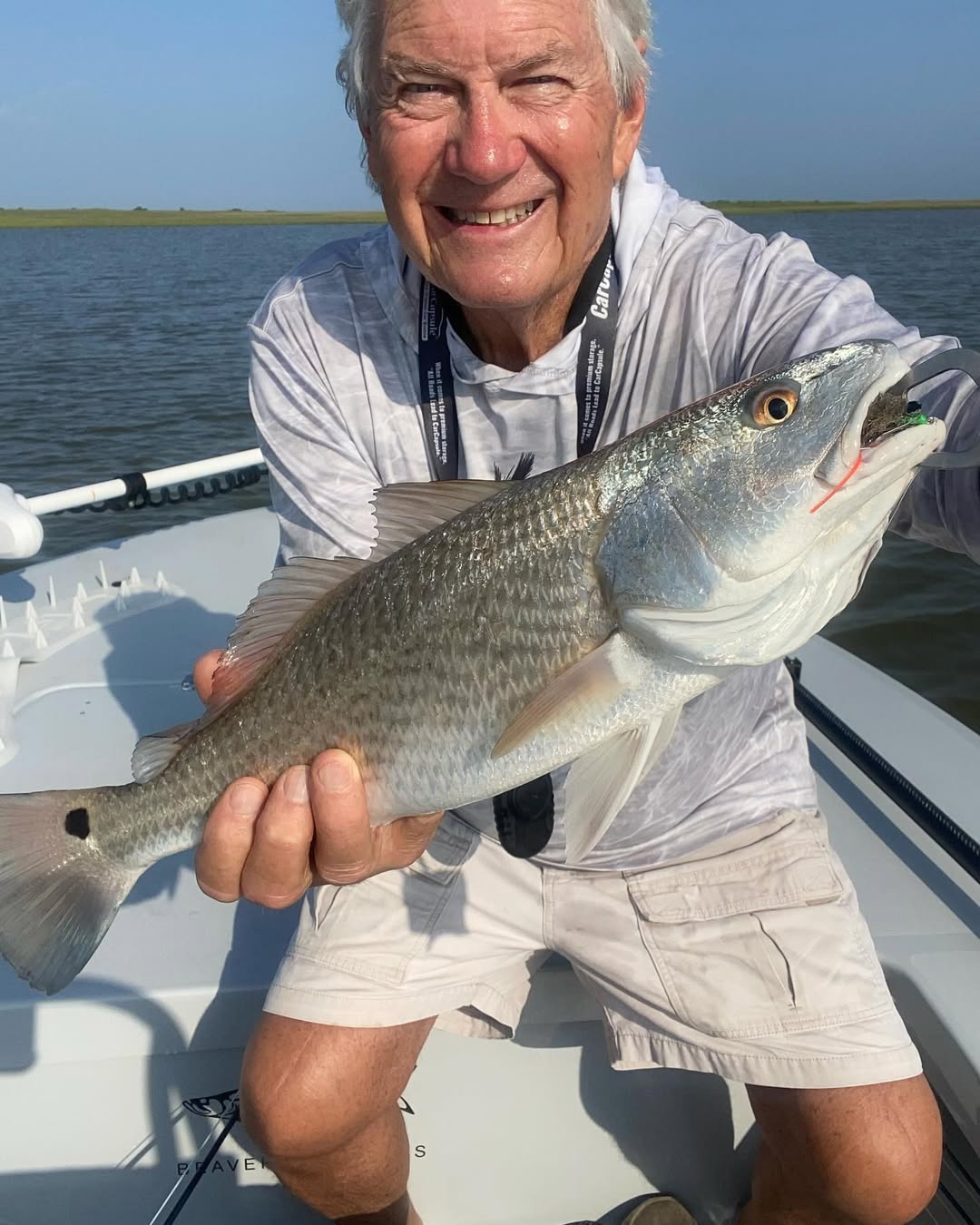
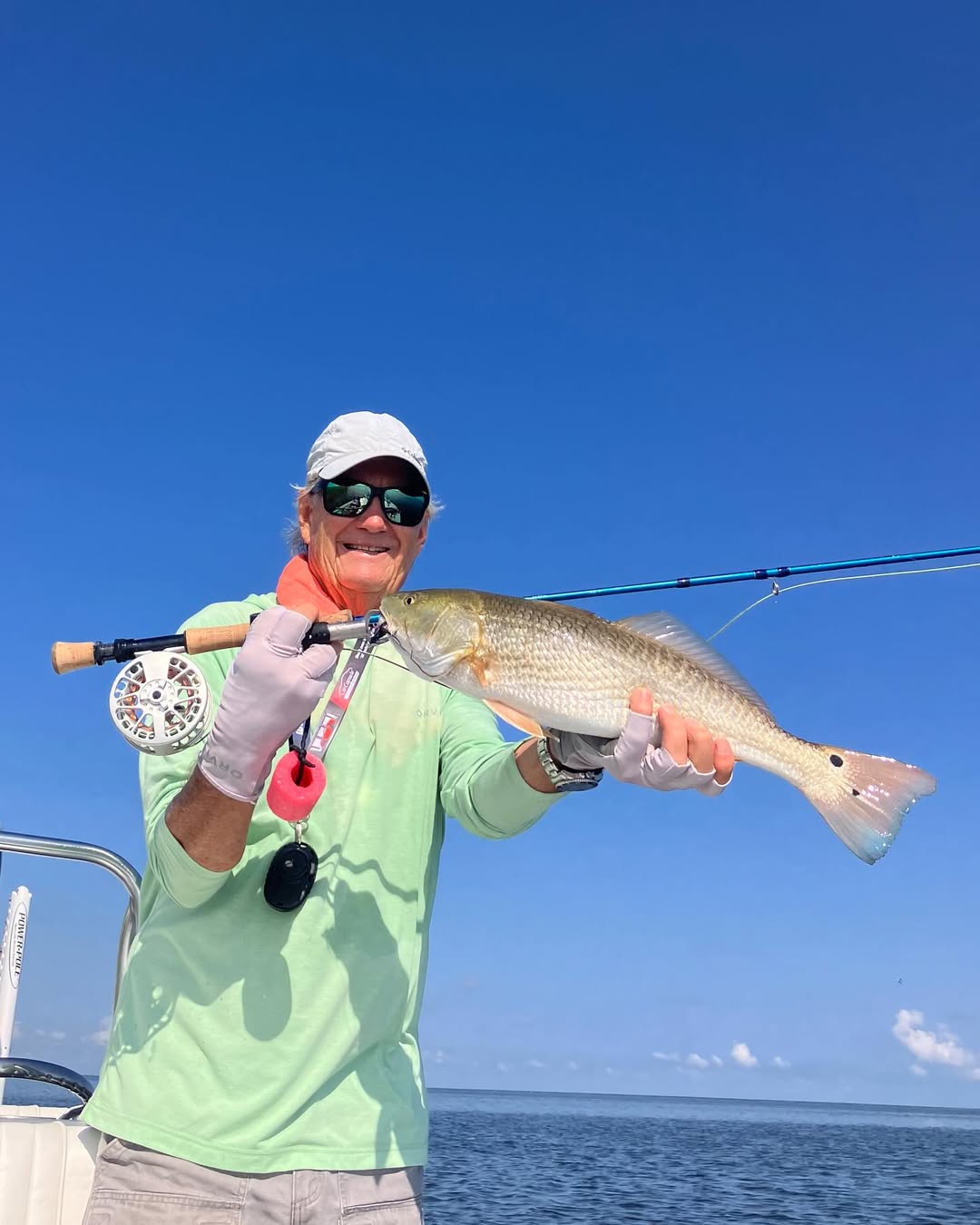
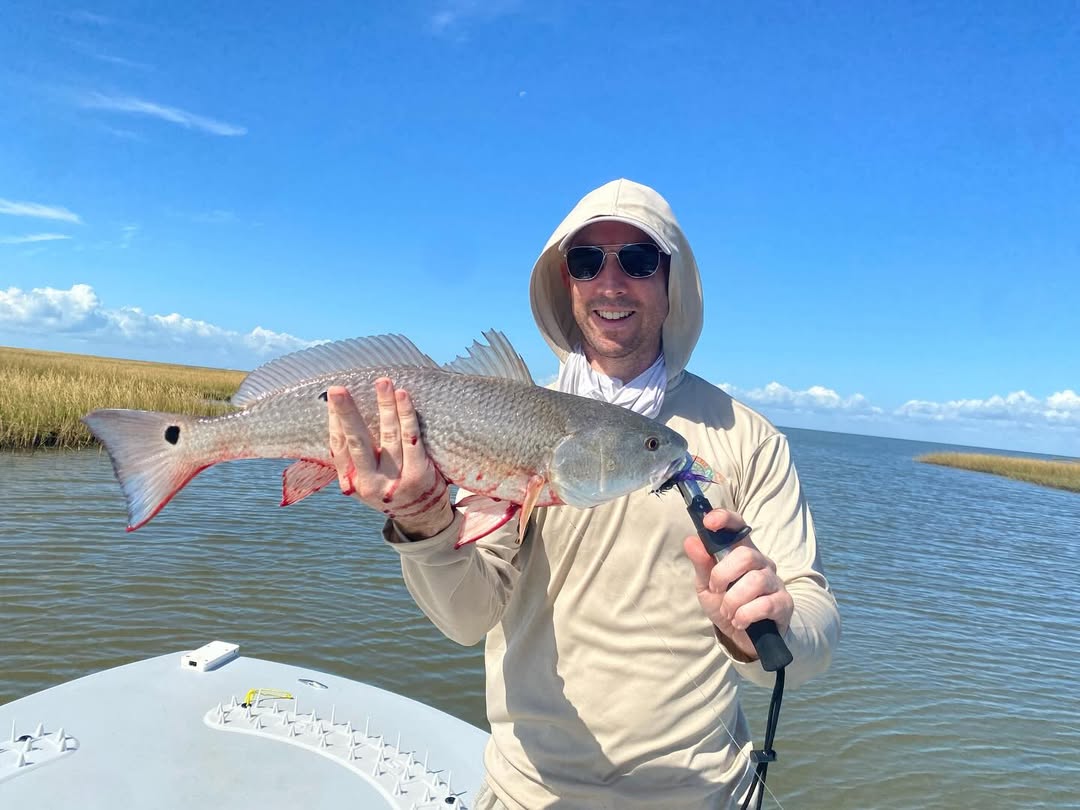
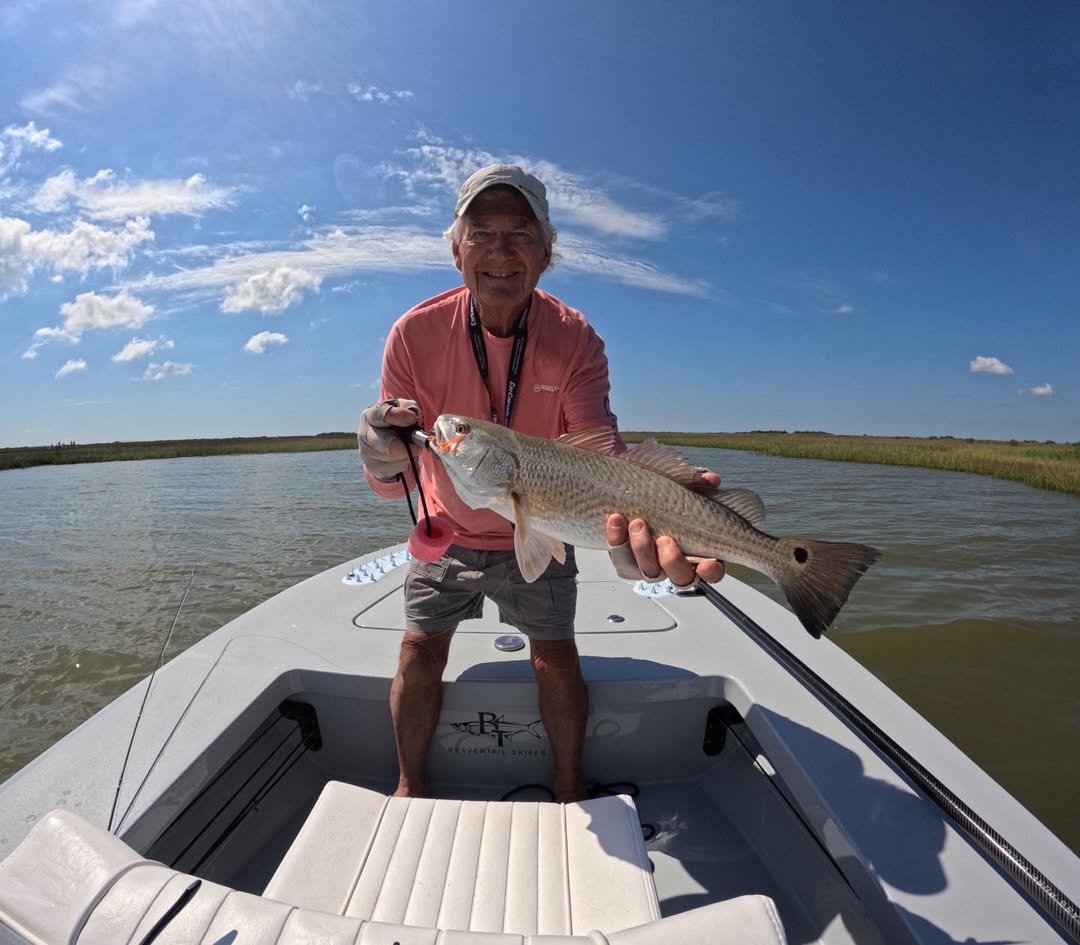
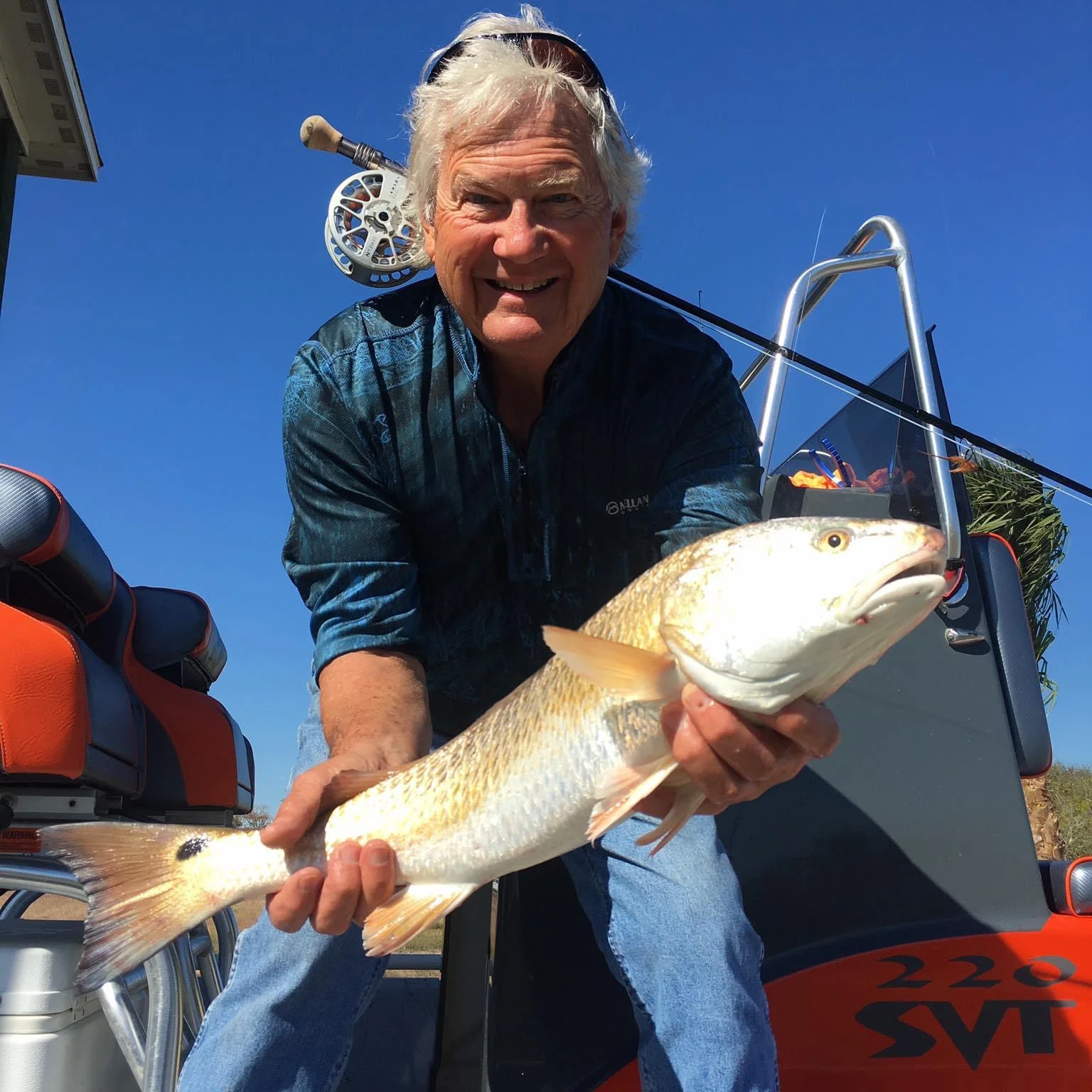
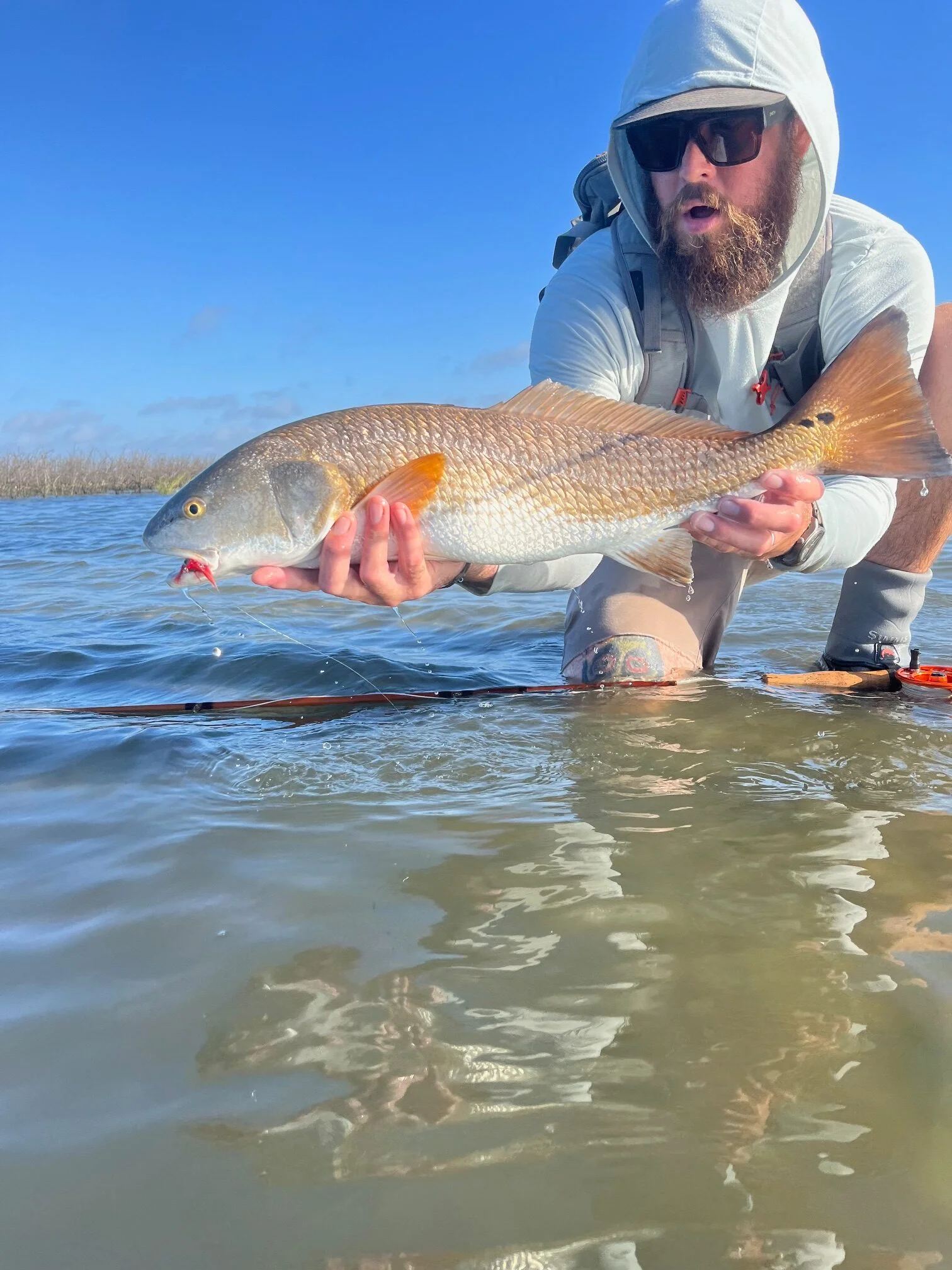
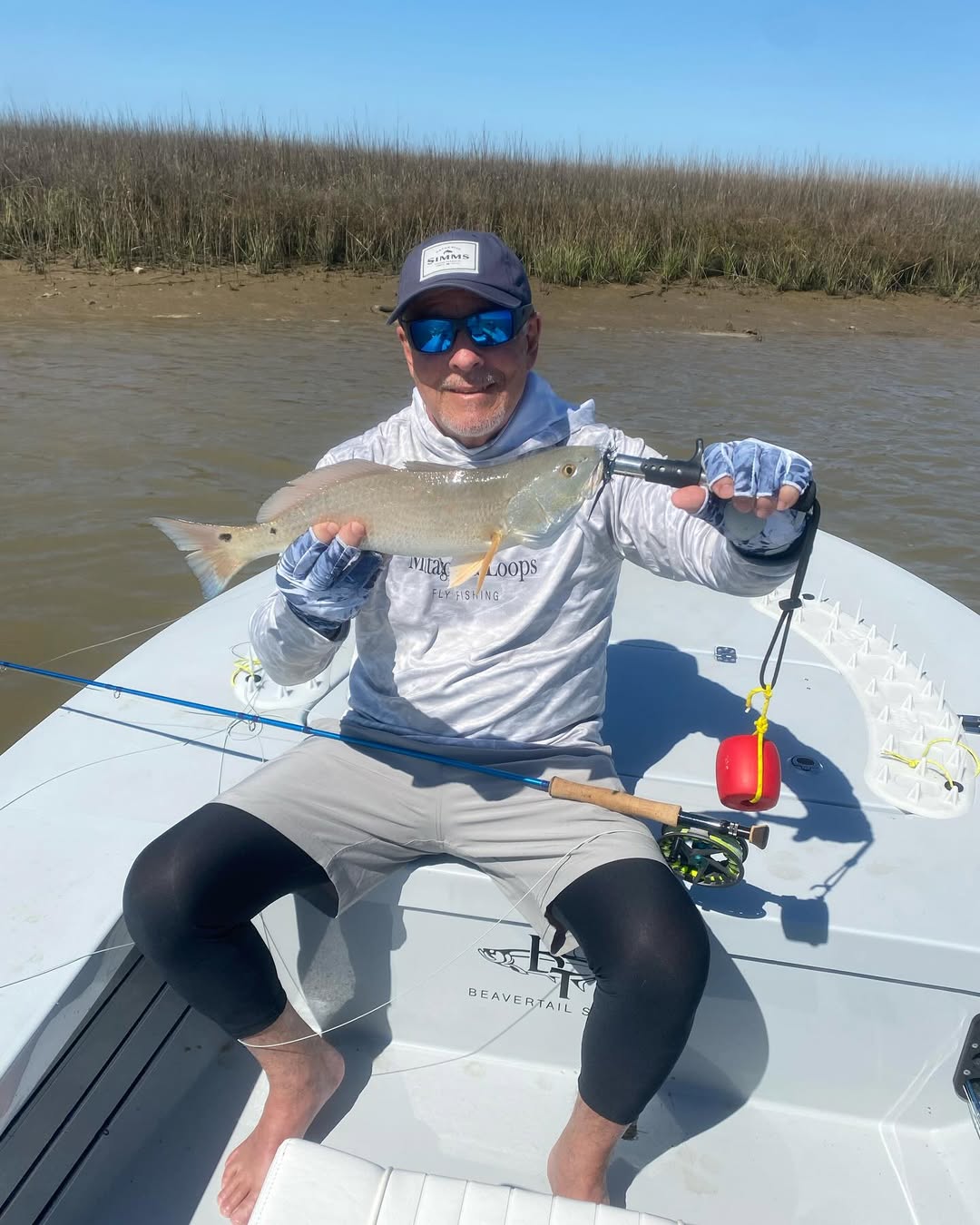
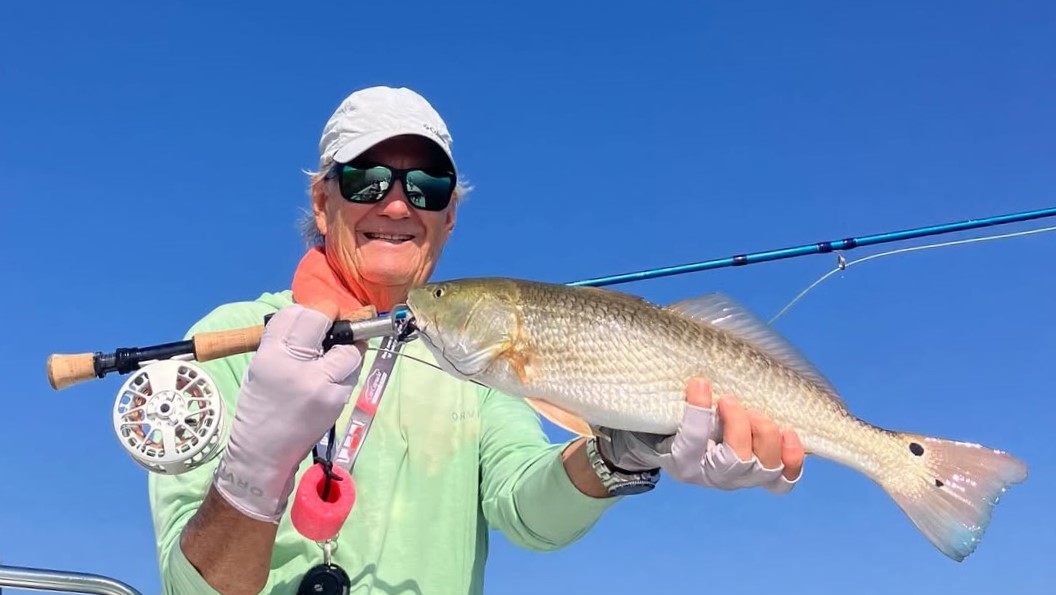
Redfish are the kings of Texas backcountry fishing, and for good reason. These copper-colored tanks cruise shallow flats in small schools, their broad tails cutting the surface as they hunt. Reds can handle everything from super skinny water to deeper channels, making them perfect targets for working on different casting angles and distances. They average 20-28 inches but can push well over 30, with the bigger fish showing surprising speed and power. What sets redfish apart is their predictable behavior – they follow consistent patterns based on tides, weather, and season. Fall brings the best sight-fishing opportunities when schools of bull reds stage near passes and channels. Their willingness to eat well-presented flies and dogged fighting style make them the backbone of Texas fly fishing.
Time to Book Your Spot
Four hours with Captain Ron isn't just a casting lesson – it's an investment in every future fishing trip you'll take. The techniques you'll learn work whether you're wading Louisiana marshes, poling Bahamas flats, or working your home waters. Ron's patient teaching style and deep knowledge of local conditions give you the foundation to become a confident fly angler. The private format means you get personalized attention tailored to your skill level and goals. With Matagorda's reputation as a top-rated fly fishing destination and Ron's proven track record, you're looking at the best casting instruction on the Texas coast. Don't spend another season fighting your equipment – book this lesson and start fishing with the precision these world-class waters demand.
 Private Trip
 Backcountry Fishing
 Matagorda


 Private 4-hour fly casting instruction with Captain Ron Ridgeway