Galveston Bay Inshore Fishing Adventure
Looking for some serious saltwater action without the long boat ride? Galveston Bay is your answer. This massive estuary system stretches for miles and holds some of Texas's best inshore fishing, and we've been working these waters for over two decades. Whether you're a weekend warrior or someone who lives for the bite, our 4-8 hour charters put you right where the fish are feeding. We keep it simple - bring your Texas fishing license, some snacks, and get ready to put some quality fish in the boat. Fair warning though: we only take cash or Cash App, and your deposit stays with us no matter what Mother Nature throws our way.
What to Expect on the Water
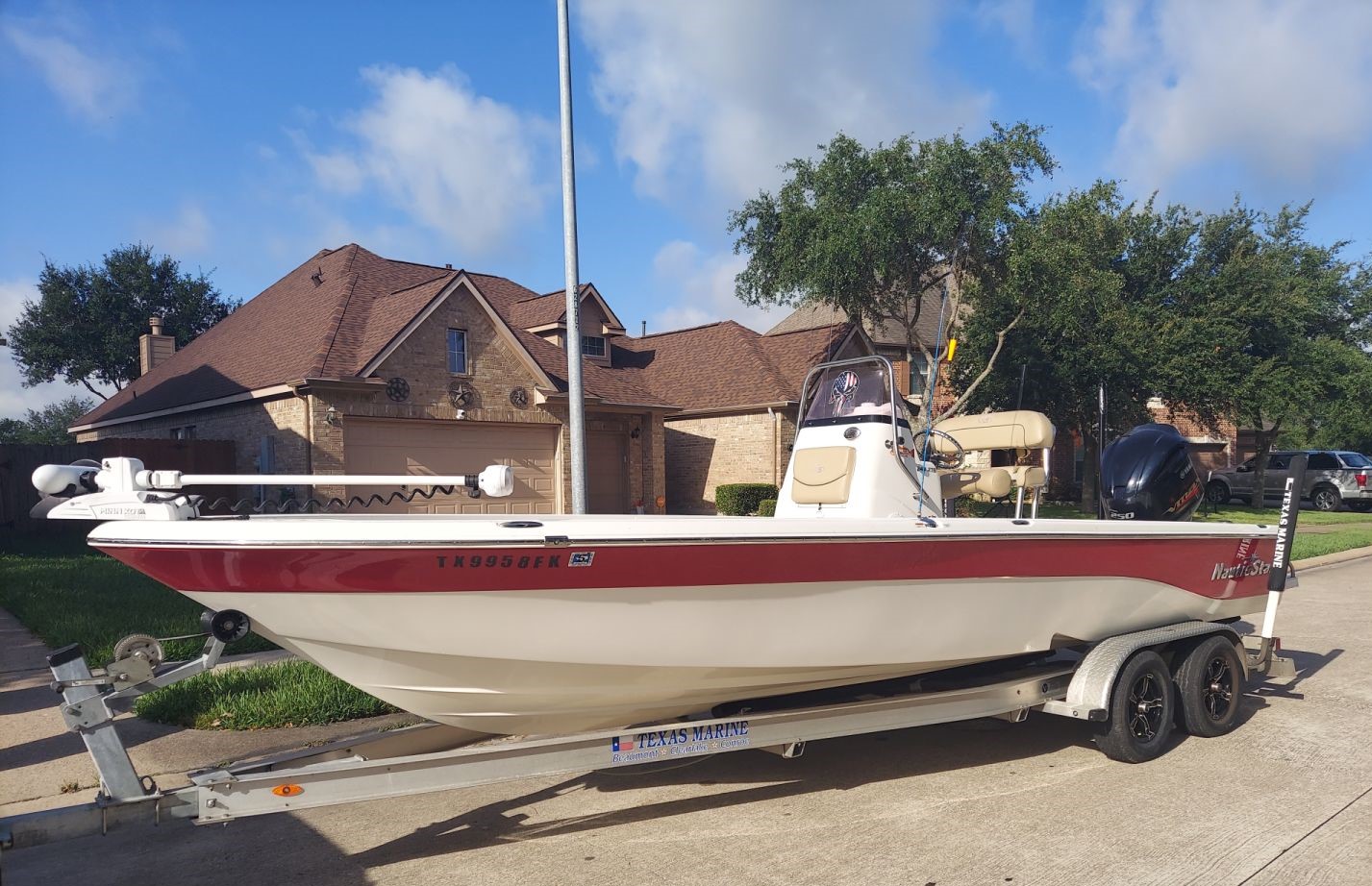
Galveston Bay isn't your typical inshore fishery - it's a sprawling maze of reefs, grass flats, and drop-offs that fish call home year-round. We'll pick you up knowing exactly where to find active fish based on tides, weather, and what's been biting lately. Our boats handle up to 5 anglers comfortably, so you're not fighting for rail space or tangling lines with a crowd. The beauty of bay fishing is the variety - one cast you might hook into a bulldogging redfish, the next could be a trout slamming your topwater. We adjust our approach based on conditions, but expect to cover water and put multiple species in the cooler. The shallow nature of the bay means we're protected from big swells, but you'll still want to bring sunscreen because the reflection off that water will cook you faster than you think.
Techniques and Tackle
We fish these bays with a mix of live bait and artificials, depending on what the fish want that day. Live shrimp under a popping cork is a go-to setup that produces consistent action, especially when the trout are schooled up. For redfish, we'll often throw soft plastics along the grass lines or work topwater plugs early and late when they're pushing bait in the shallows. The gear stays medium-light to medium action - heavy enough to handle a bull red but still fun when you hook a keeper trout. We provide all the rods and tackle, but if you've got a favorite setup, bring it along. Drift fishing over shell reefs produces some of the biggest trout, while sight casting to tailing reds in skinny water gets your heart pumping. The key to Galveston Bay is reading the water - knowing which grass flats hold fish on incoming tides and where the drop-offs concentrate bait when the water's moving out.
Top Catches This Season
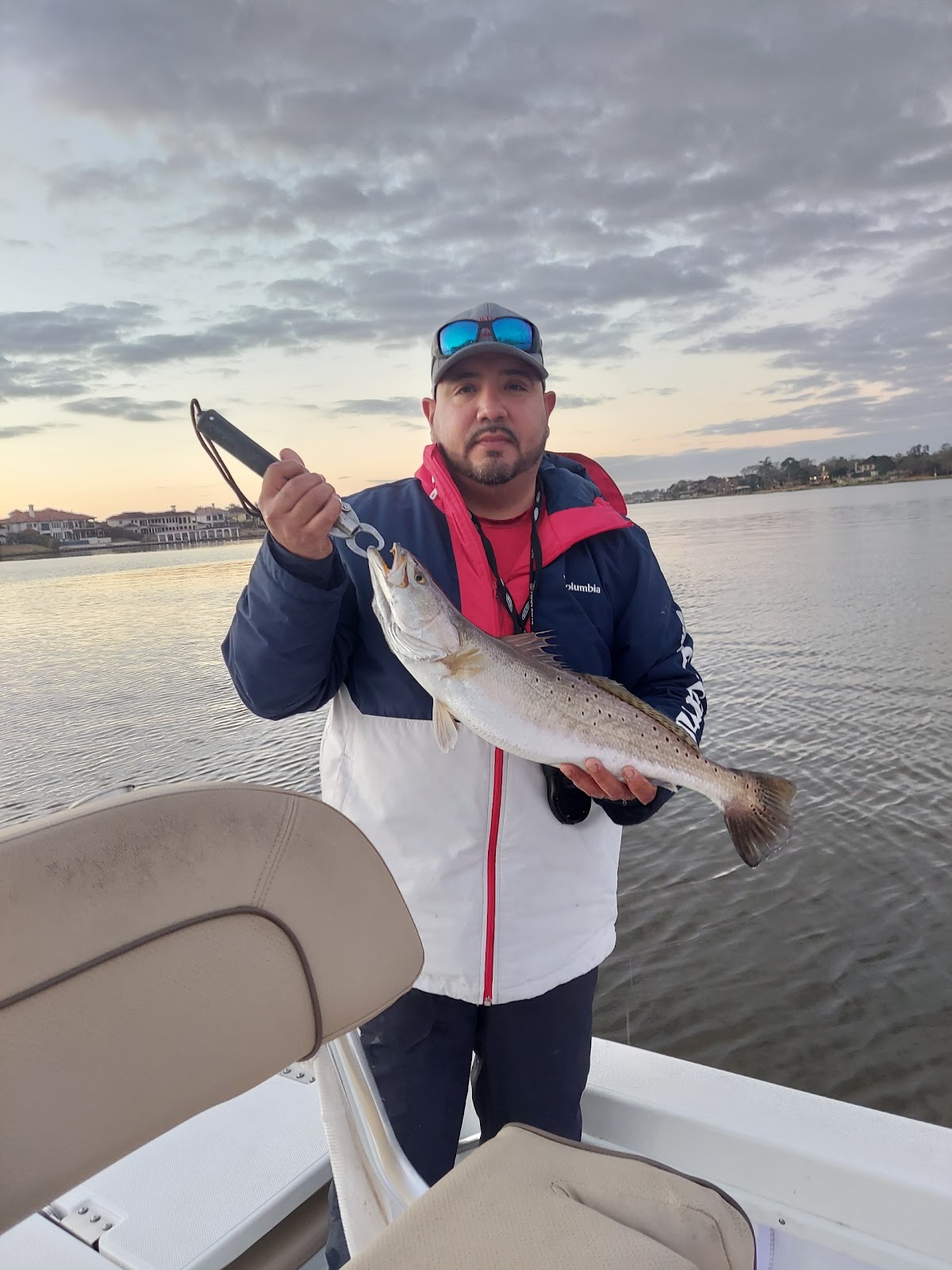
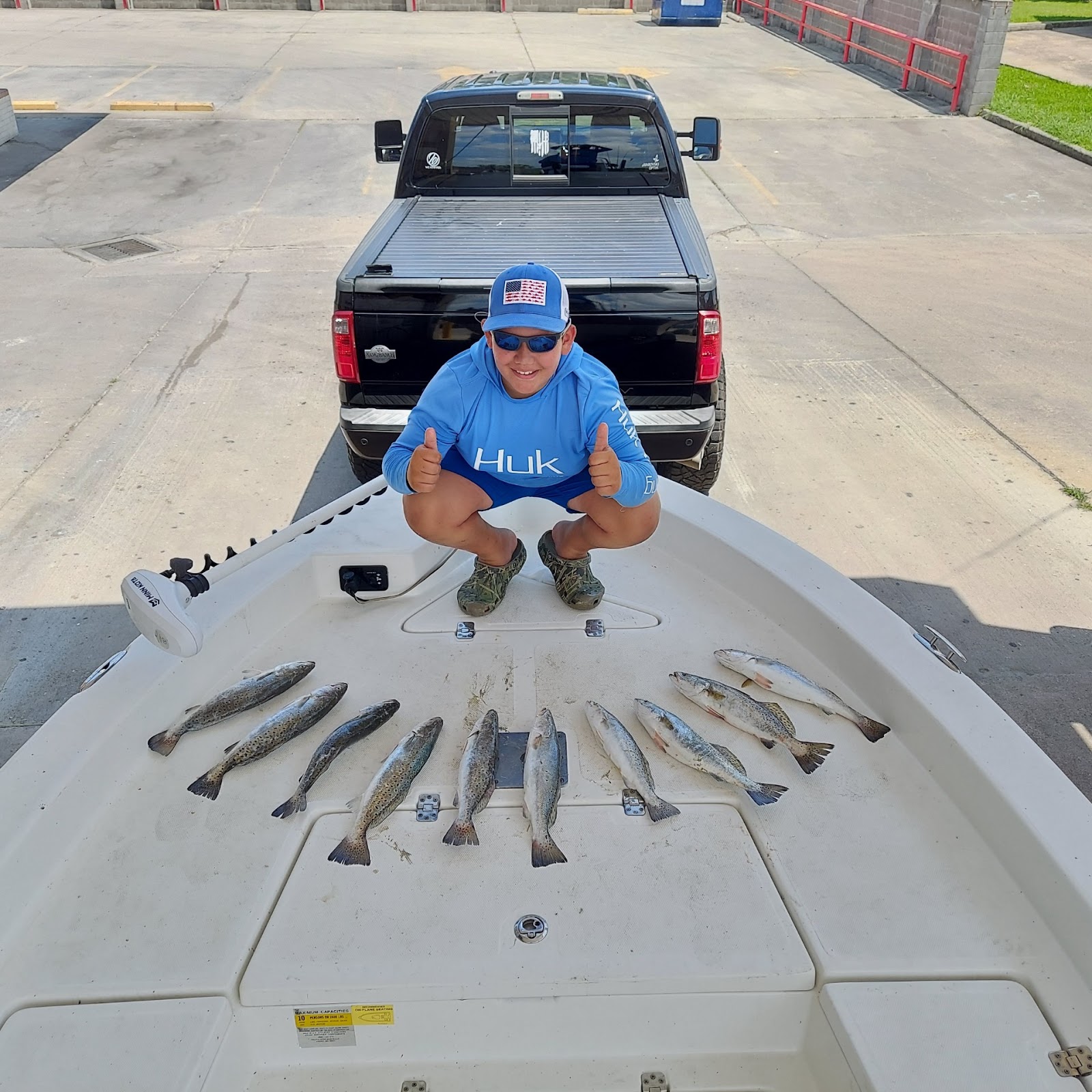
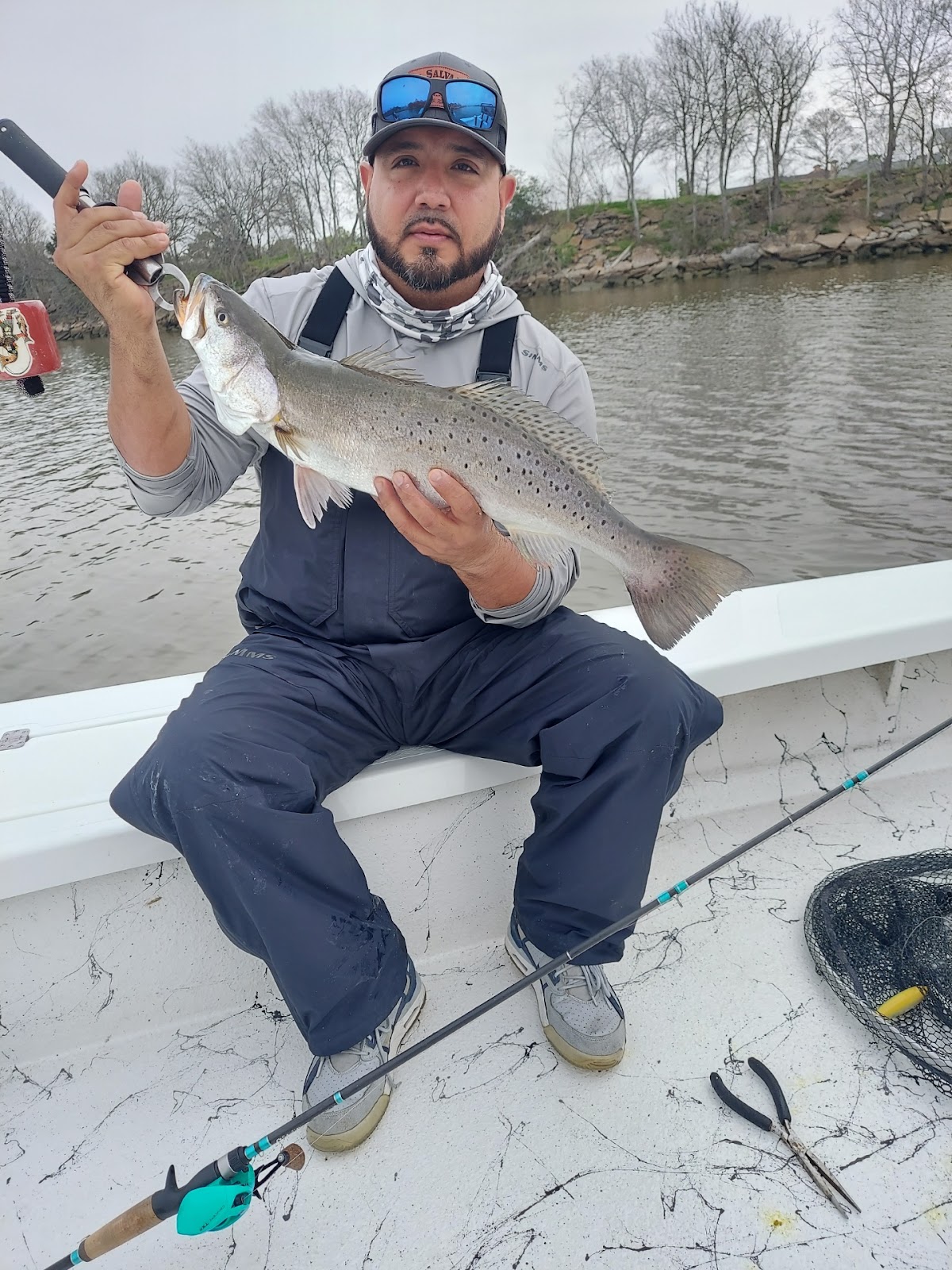
Sea trout are the bread and butter of Galveston Bay fishing, and for good reason. These spotted beauties run anywhere from schoolie size up to legitimate gator trout pushing 8-9 pounds. Spring and fall are prime time when they school up in massive numbers over shell reefs and grass flats. Trout feed aggressively on shrimp, small crabs, and baitfish, making them perfect targets for both live bait and artificial presentations. What makes trout fishing so addictive is the variety in how they bite - sometimes they'll slam a topwater so hard it sounds like a bass, other times they'll just barely tick a soft plastic bounced along the bottom. The bigger females, called "sows," tend to hang in slightly deeper water and are absolute bulldogs when hooked. Most anglers target the 15-20 inch range for the best eating, but catching a legitimate trophy trout over 25 inches is something you'll remember forever.
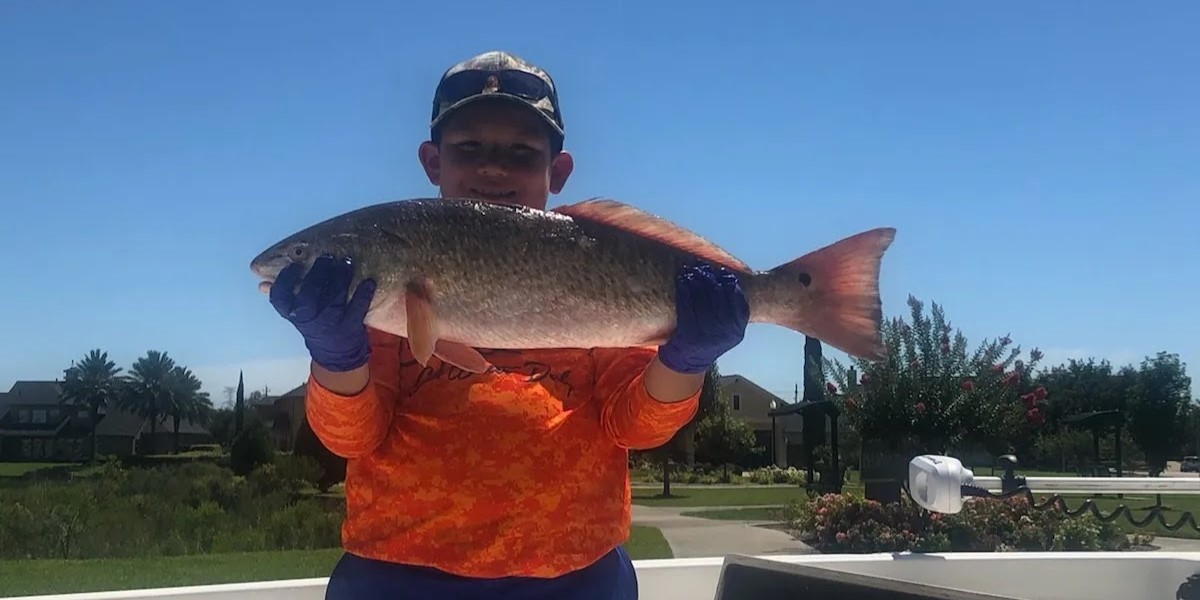
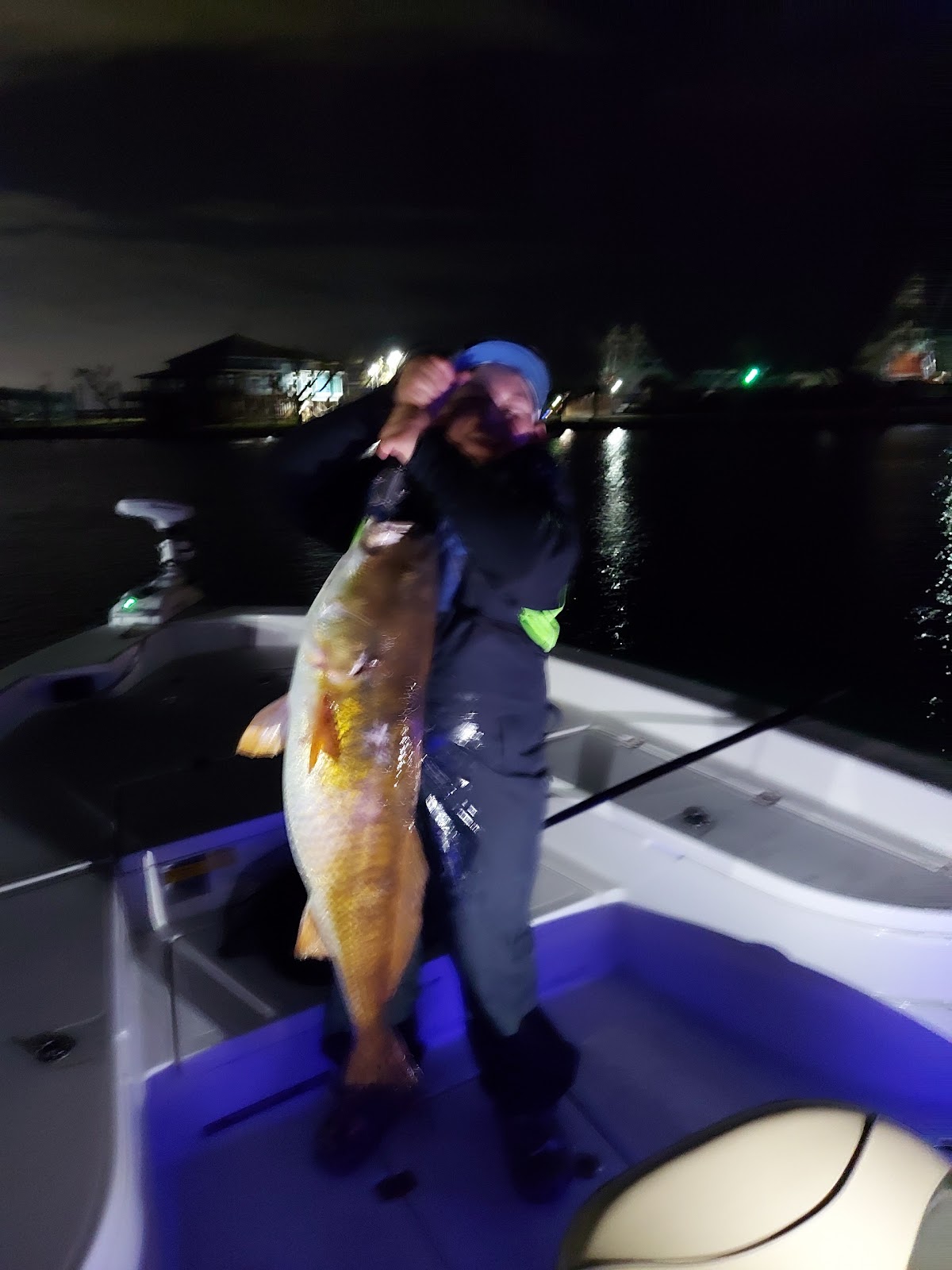
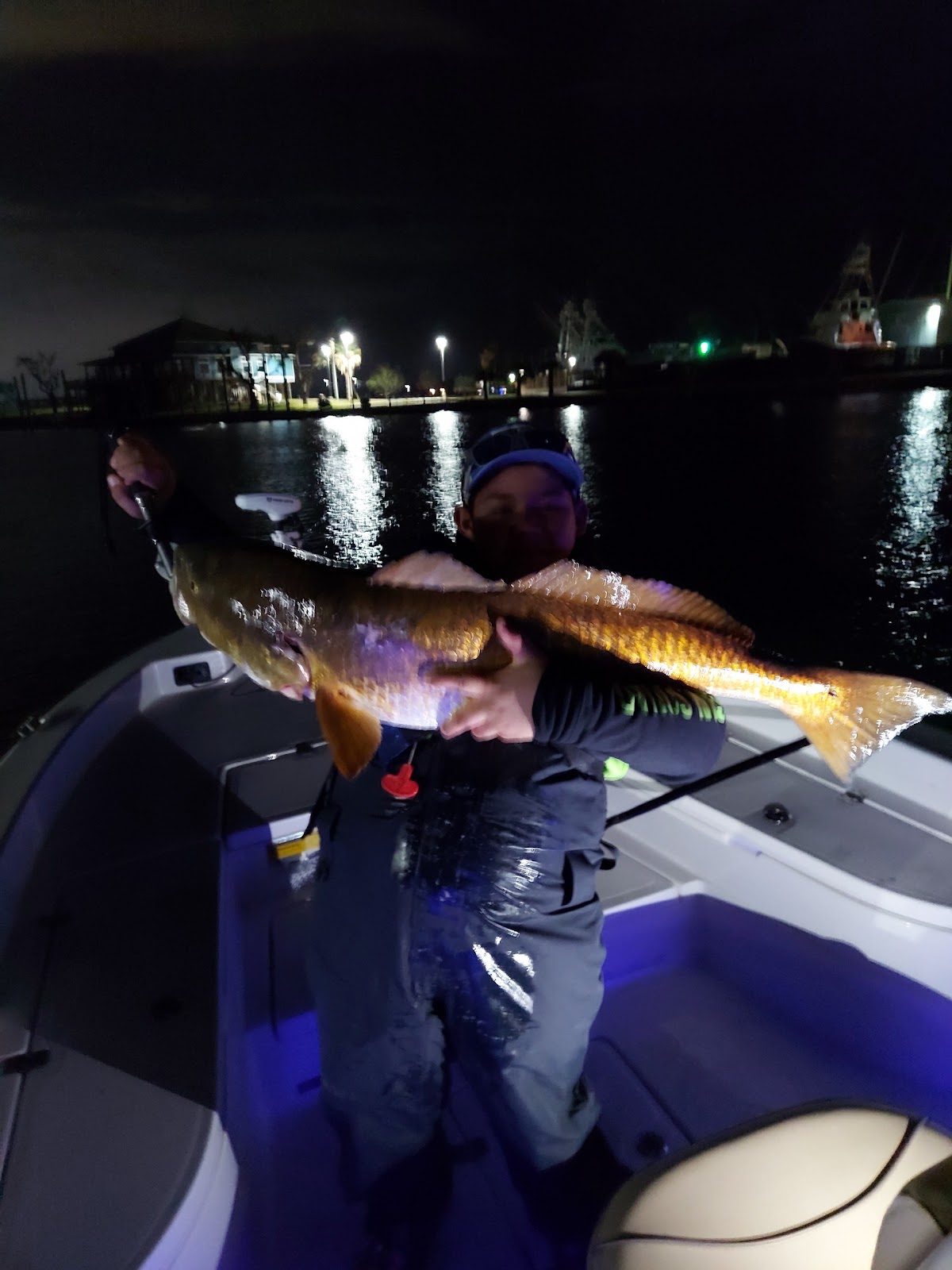
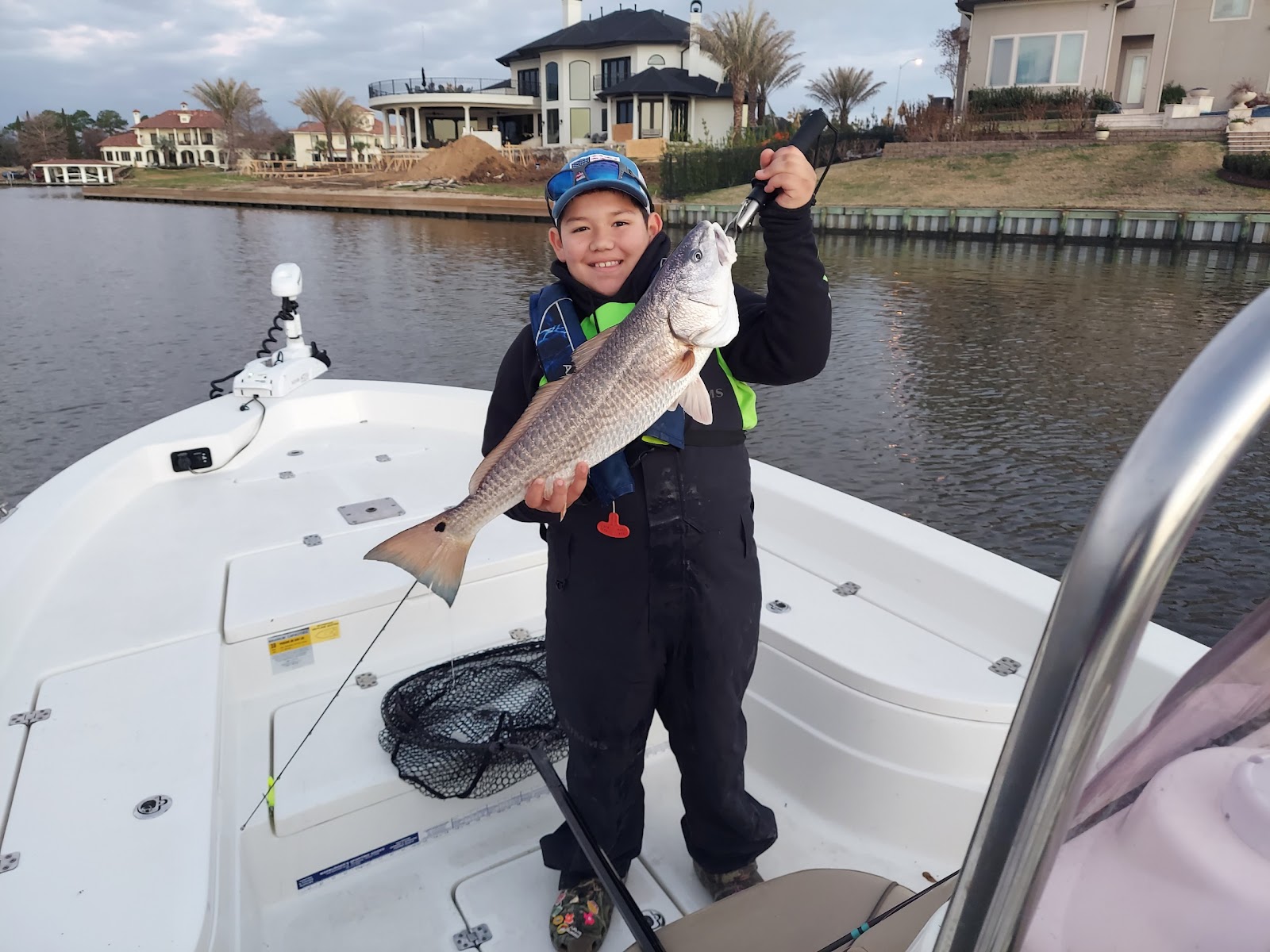
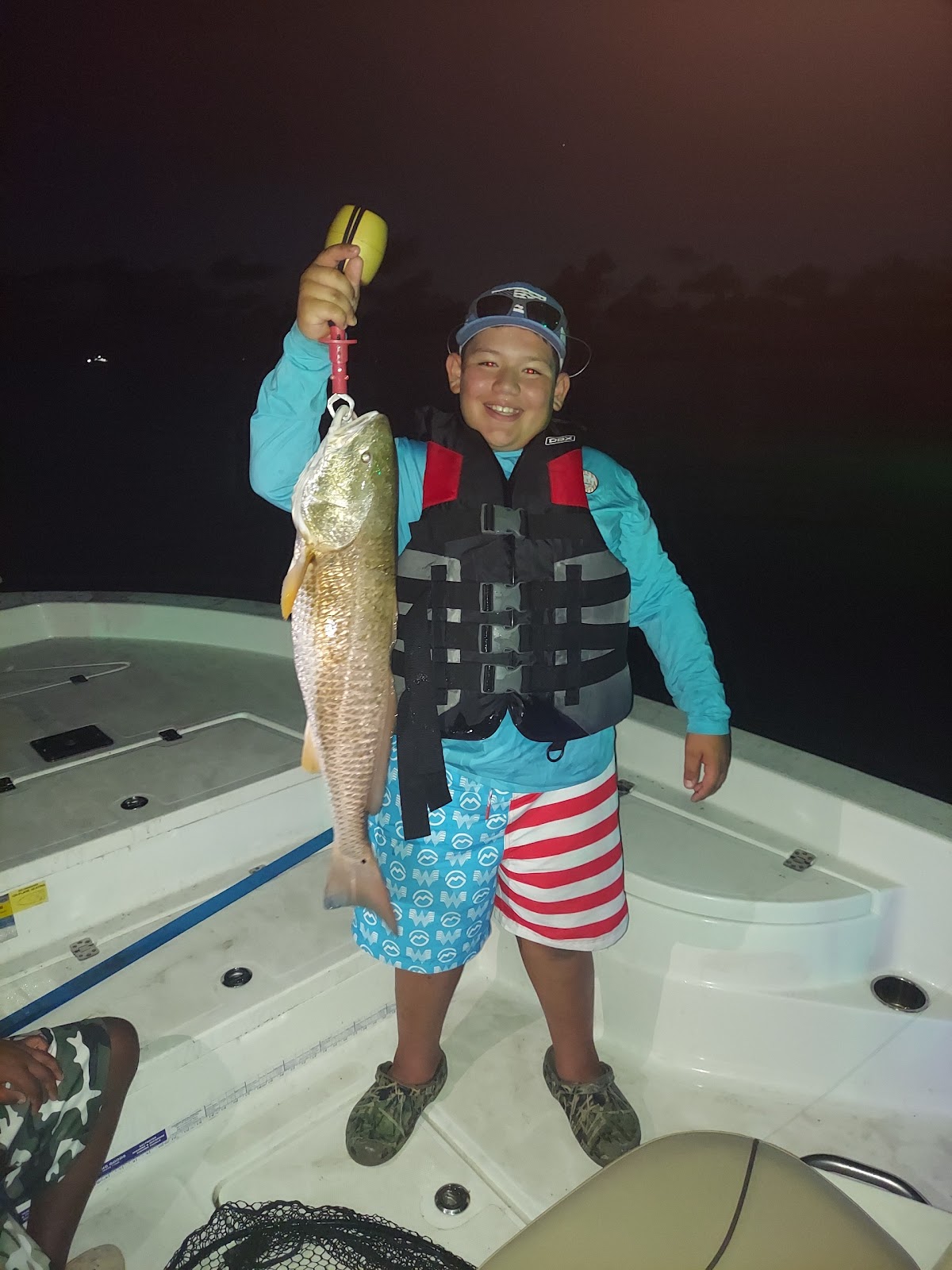
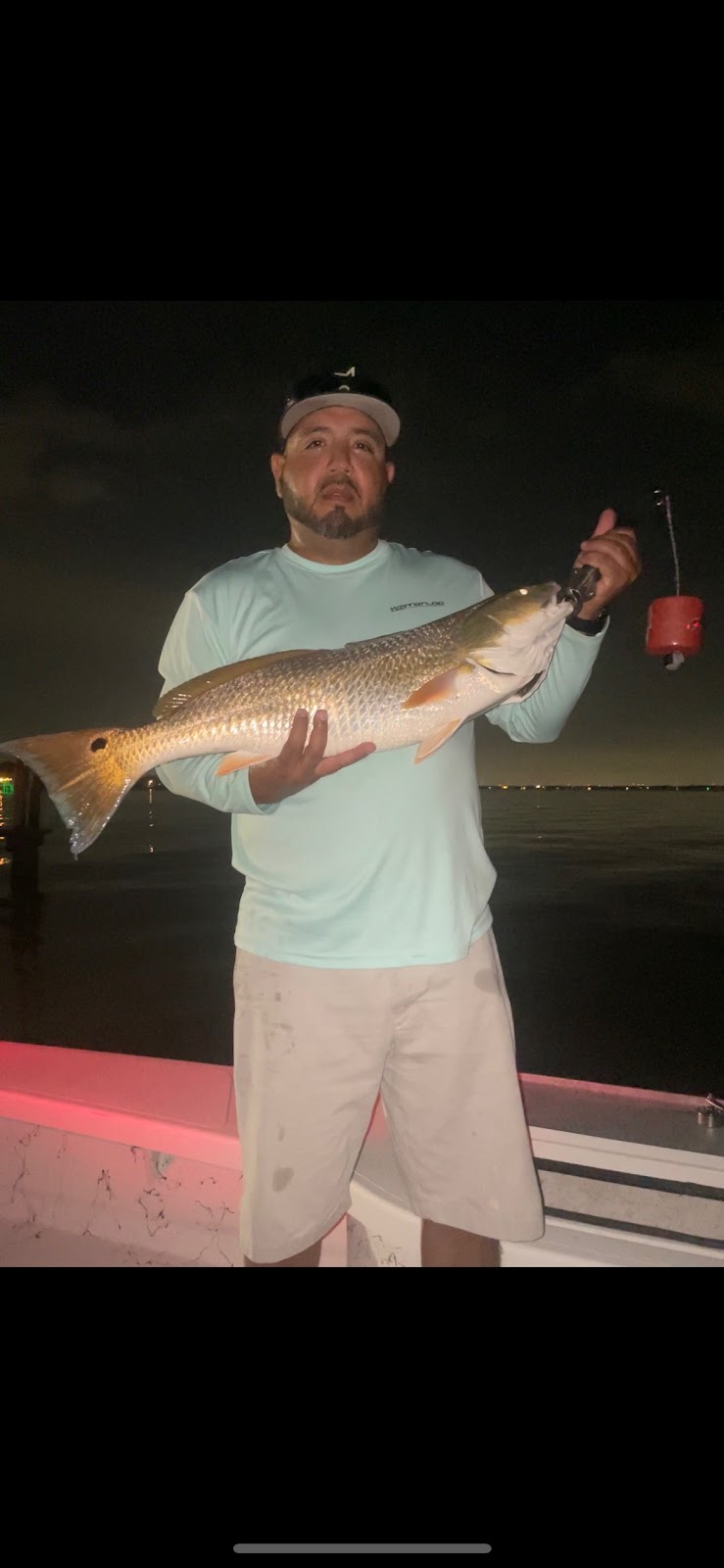
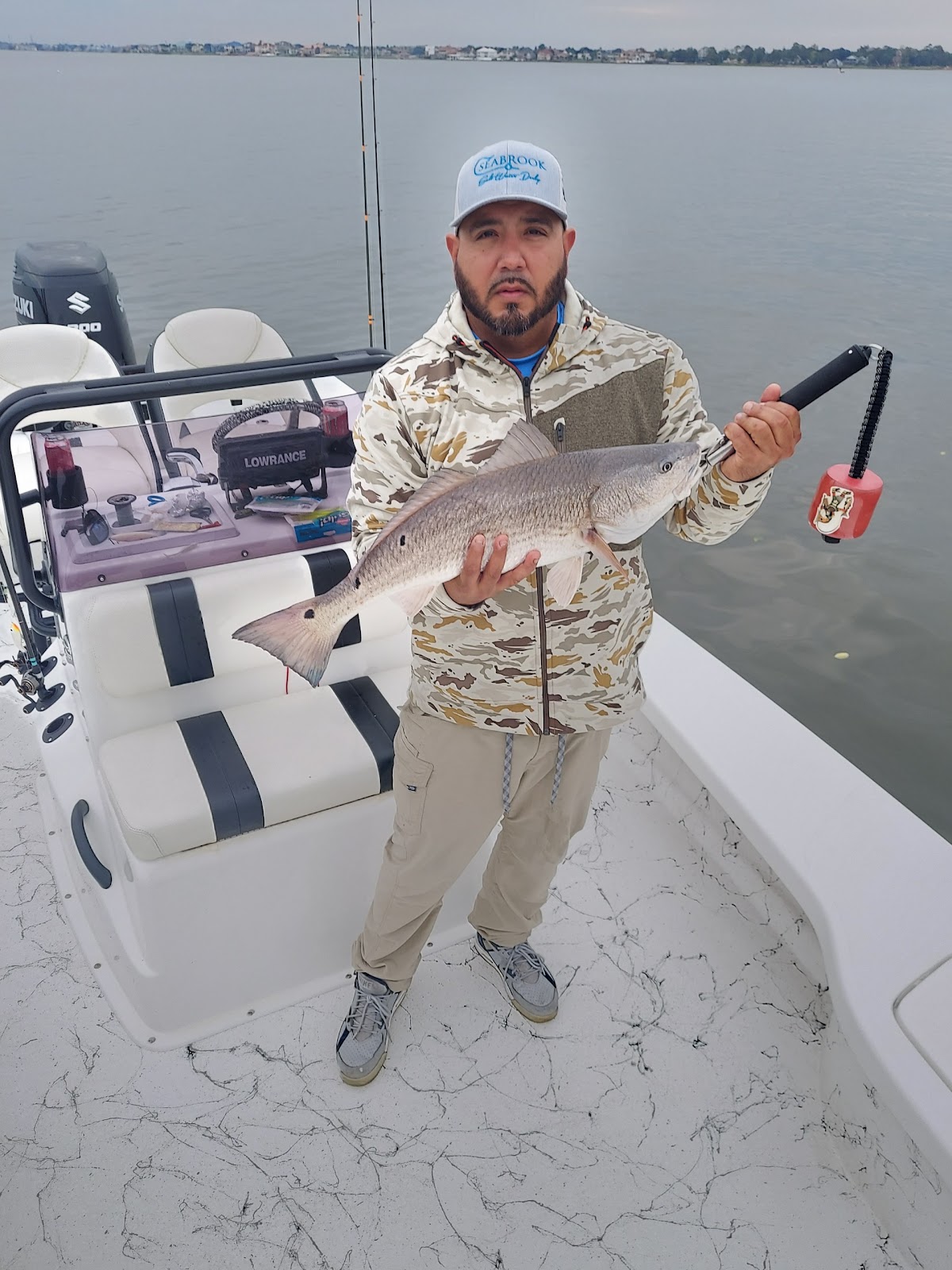
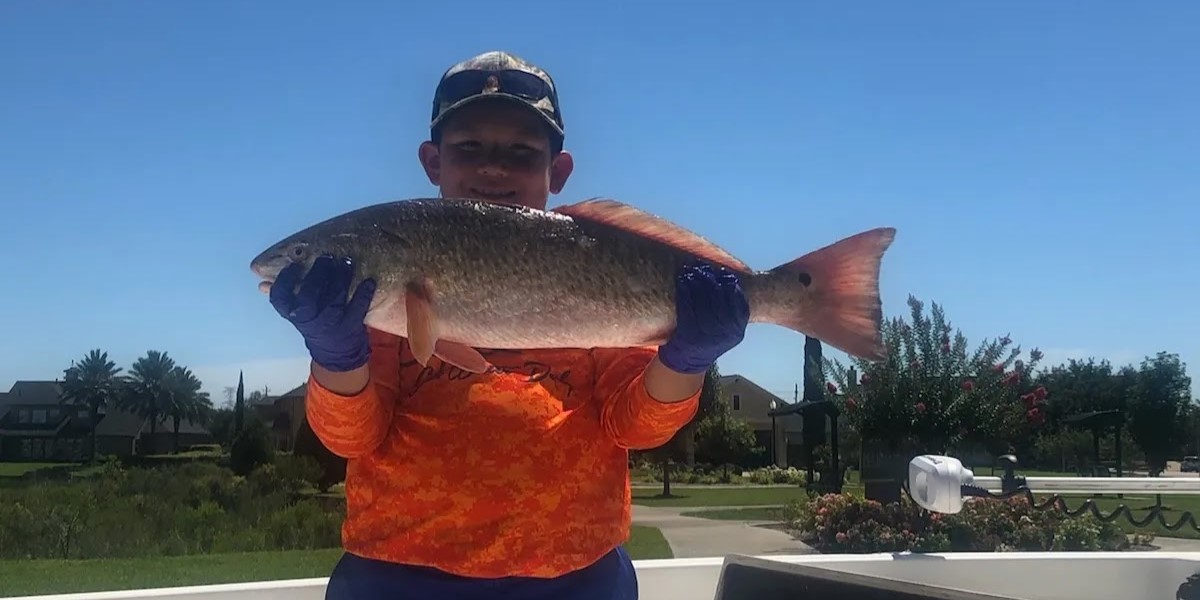
Redfish turn this bay into a playground from spring through late fall. These copper-colored fighters love the shallow grass flats and oyster reefs that Galveston Bay is famous for. Reds here typically run 20-35 inches, with plenty of slot fish perfect for the dinner table and enough oversized bulls to test your drag system. What makes redfish special is their aggressive nature - they'll eat everything from live crab to flashy spoons, and they fight dirty with powerful runs and head shakes. During warmer months, you'll spot them tailing in water so shallow their backs are out, creating sight fishing opportunities that rival anything in Louisiana or Florida. The bay's structure holds them year-round, but late summer and early fall see the biggest concentrations as they prepare for their offshore spawning runs.
Black drum might not be the prettiest fish in the bay, but they're absolute brutes that will test your tackle and your patience. These bottom-dwellers love oyster reefs and structure, using their powerful pharyngeal teeth to crush shells and crabs. Galveston Bay produces drum from small "puppy" drum perfect for eating up to monster bulls exceeding 40 pounds. They're primarily bottom feeders, so we target them with fresh shrimp, blue crab, and cut bait fished right on the shell. The fight is different from reds or trout - more of a bulldogging, head-shaking battle that happens in short bursts. Drum fishing requires patience since they're not as aggressive as other species, but when you hook into a big one, you'll know why anglers specifically target them.
Flounder might be the bay's best-kept secret for anyone who loves eating their catch. These flatfish are masters of camouflage, burying themselves in sand and mud near drop-offs and channel edges waiting to ambush prey. Galveston Bay's flounder run is legendary among locals, typically peaking in fall as fish migrate toward deeper water. They're structure-oriented fish that love bridge pilings, reef edges, and anywhere the bottom changes from hard to soft. Flounder fishing requires a different approach - slow presentations with live bait or soft plastics bounced right along the bottom. When they bite, it feels like you've hooked into a wet towel, but their unique fighting style and excellent table fare make them a favorite target species.
Sheepshead are the bay's ultimate challenge fish - they're everywhere around structure, but
 Private Trip
 Inshore Fishing
 Galveston Bay
 Target Black Drum, Redfish, and Speckled Trout in Galveston Bay