4hr Ft Gibson Lake Fishing Adventure
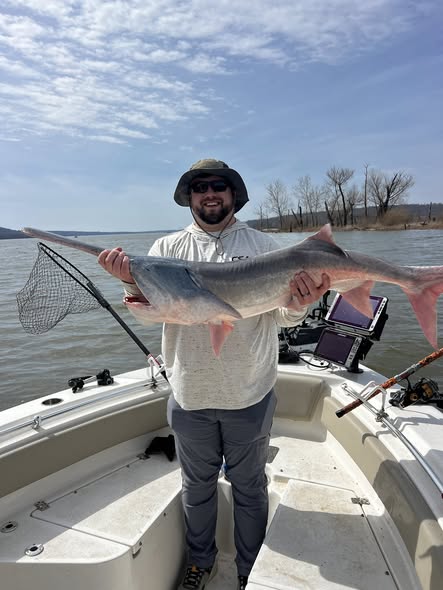
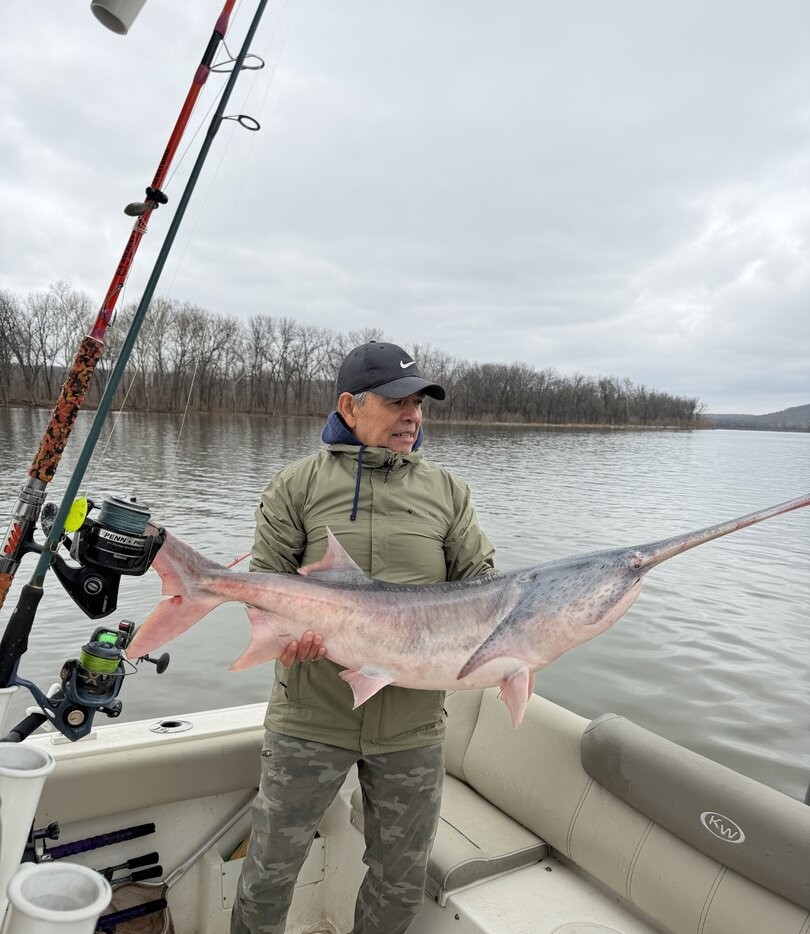
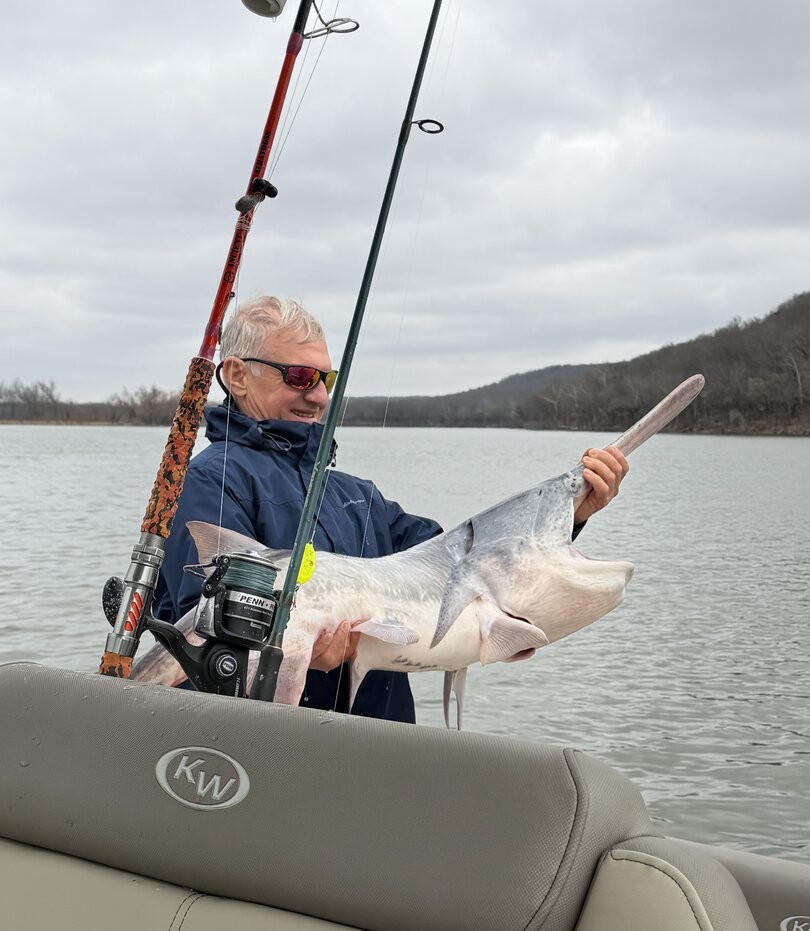
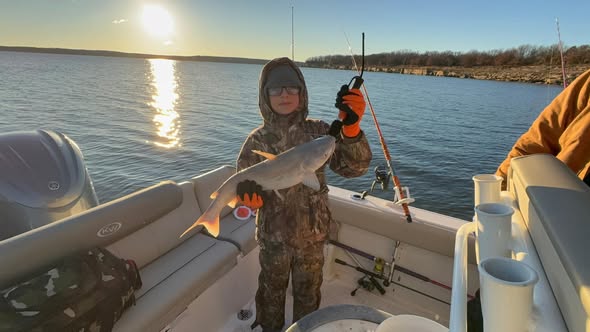
Looking for a solid day on Fort Gibson Lake? Captain Trent's got you covered with a 4-hour private fishing trip that hits all the right spots. This isn't your typical crowded charter – you're getting a customized experience whether you're just starting out or you've been working these waters for years. Fort Gibson Lake has built quite a reputation among Oklahoma anglers, and for good reason. The lake's diverse structure and healthy fish populations make it a go-to destination when you want to put some serious fish in the boat.
What to Expect on the Water
Captain Trent knows Fort Gibson Lake like the back of his hand, and that local knowledge makes all the difference when you're trying to find where the fish are holding. Your 4-hour window gives you plenty of time to work different spots without feeling rushed. The boat accommodates up to 2 guests, so you're not dealing with a crowd – just you, your fishing partner, and a captain who's dedicated to putting you on fish. Fort Gibson's 19,900 acres offer everything from shallow flats to deep channels, and Trent will adjust the game plan based on what the fish are doing that day. The lake sits at the confluence of the Arkansas, Verdigris, and Grand rivers, creating the kind of diverse habitat that keeps multiple species happy year-round.
Techniques and Tackle Setup
The approach here varies depending on what's biting and where we find them. For the bass species, you'll be working everything from topwater early in the morning to deeper structure presentations when the sun gets high. Live bait fishing is deadly effective on Fort Gibson, especially when targeting the catfish population. Captain Trent comes prepared with the right tackle for each species – from lighter spinning gear for the white bass runs to heavy-duty setups that can handle a big flathead. The lake's structure includes submerged timber, creek channels, and rocky points that all require different presentations. You might find yourself casting crankbaits along the dam face one hour and dragging cut bait through the river channels the next. The beauty of Fort Gibson is that you can switch tactics throughout the day and stay on fish.
Top Catches This Season
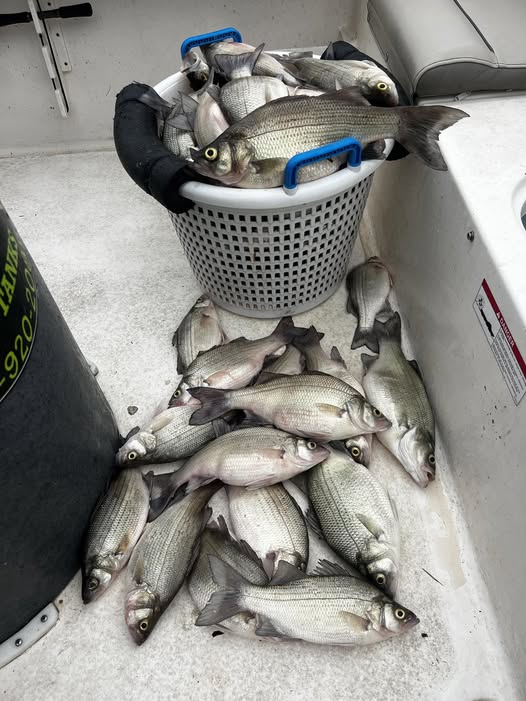
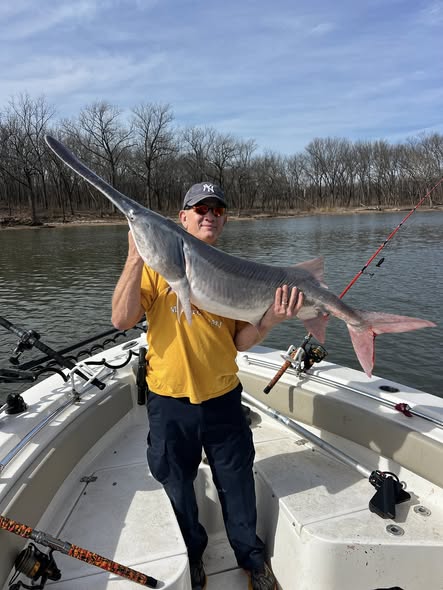
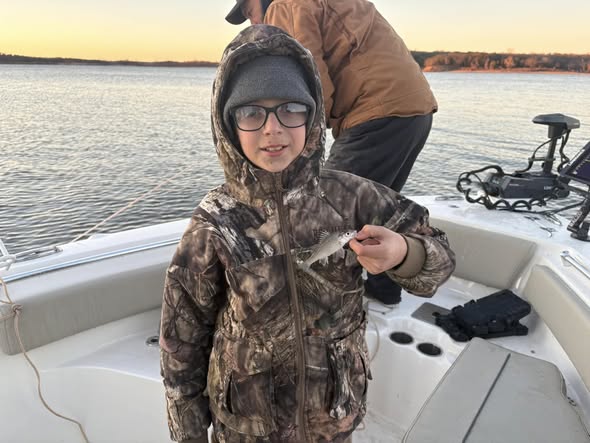
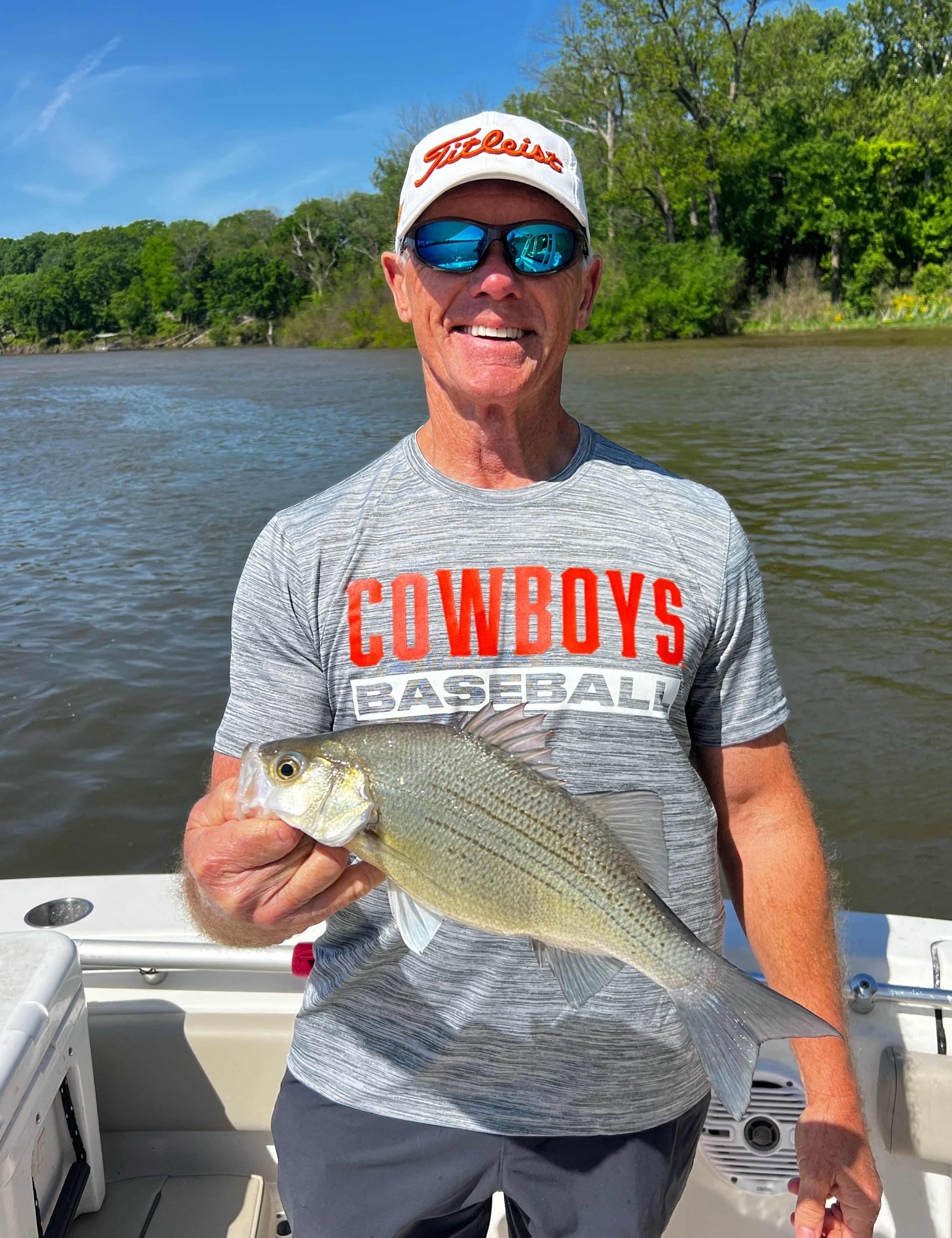
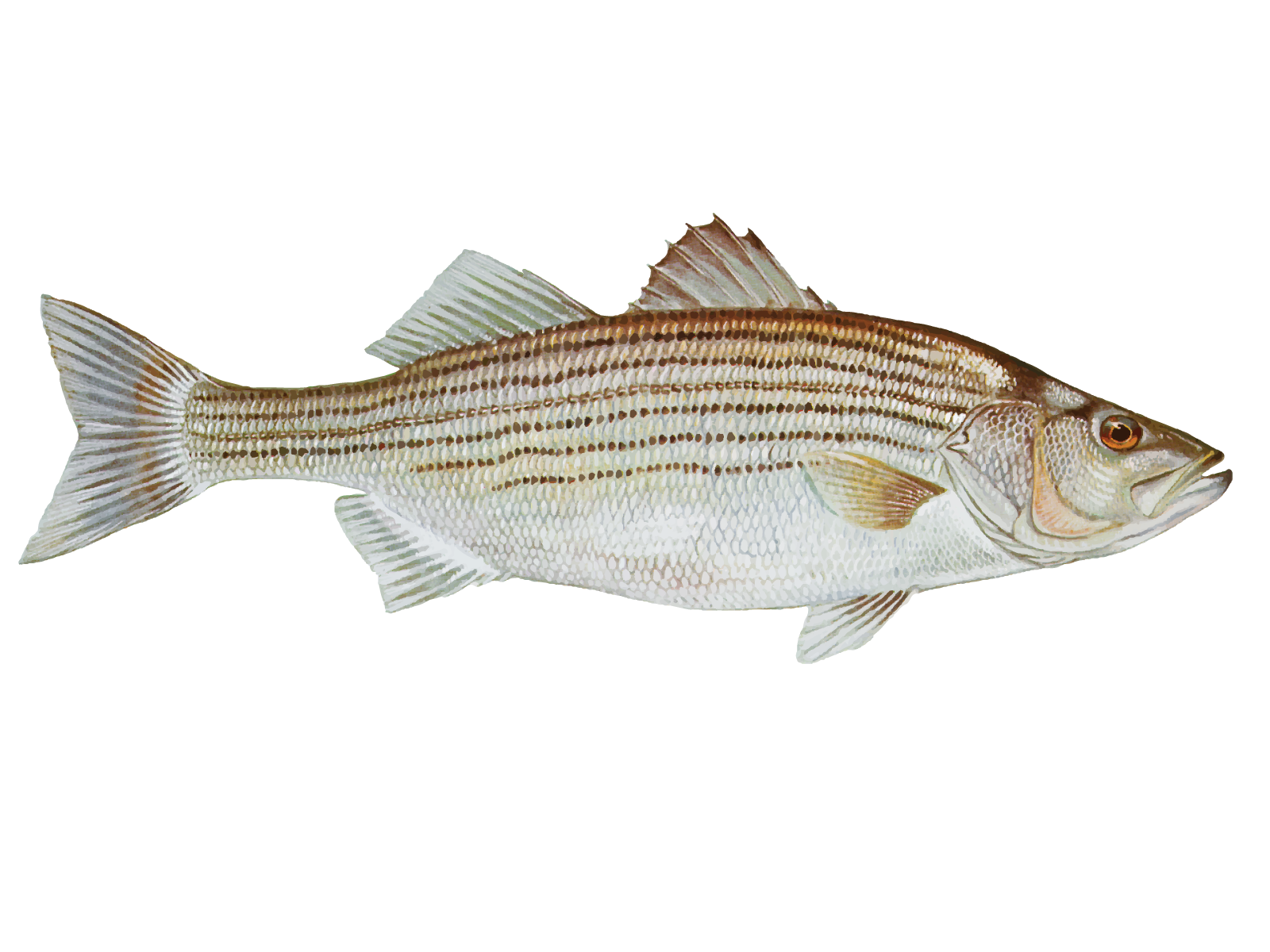
Fort Gibson Lake serves up five target species that'll keep your rod bent and your drag screaming. White bass are the bread and butter here – these schooling fish provide fast action when you locate them, especially during their spring and fall runs. They average 1-2 pounds but make up for size with sheer numbers. Spring brings the best white bass action as they move into the rivers to spawn, creating some of the most exciting fishing you'll find in Oklahoma. Striped bass are the lake's trophy fish, with specimens pushing 20+ pounds cruising the deeper waters. These fish are built for battle and will test your tackle and technique. They tend to suspend over deep water during summer months, making them a technical target that rewards patience and persistence. Channel catfish are reliable year-round producers, offering steady action when other species get finicky. They respond well to prepared baits and can be found throughout the lake system. Blue catfish represent the lake's heavyweight division – these bruisers can exceed 30 pounds and provide the kind of fight that leaves you talking for months. They prefer the deeper, main-lake areas and are most active during cooler months. Flathead catfish are the lake's apex predators, with fish over 40 pounds calling Fort Gibson home. These nocturnal hunters prefer live bait and offer some of the most challenging fishing the lake has to offer.
Species You'll Want to Hook
White bass fishing on Fort Gibson can be absolutely electric when conditions align. These fish school up tight and feed aggressively, creating surface action that gets your heart pumping. Best times are early morning and late afternoon, especially during spring when they're moving into tributary arms. They're not huge fish, but when you find a good school, you can catch dozens in a single session. The fight is honest – they pull hard for their size and rarely give up easy.
Striped bass are what dreams are made of on this lake. These silver rockets can show up anywhere from 15 to 50 feet deep, often following schools of shad. Summer finds them in the thermocline, while spring and fall see them moving shallow. A good striper will make multiple runs and test every knot on your rig. The lake record stands at over 35 pounds, so you never know when that fish of a lifetime might grab your lure.
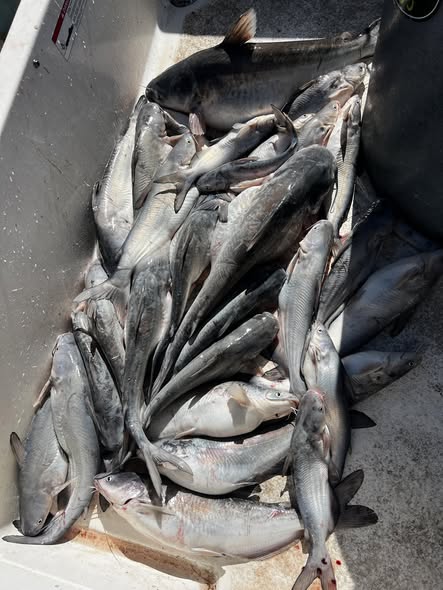
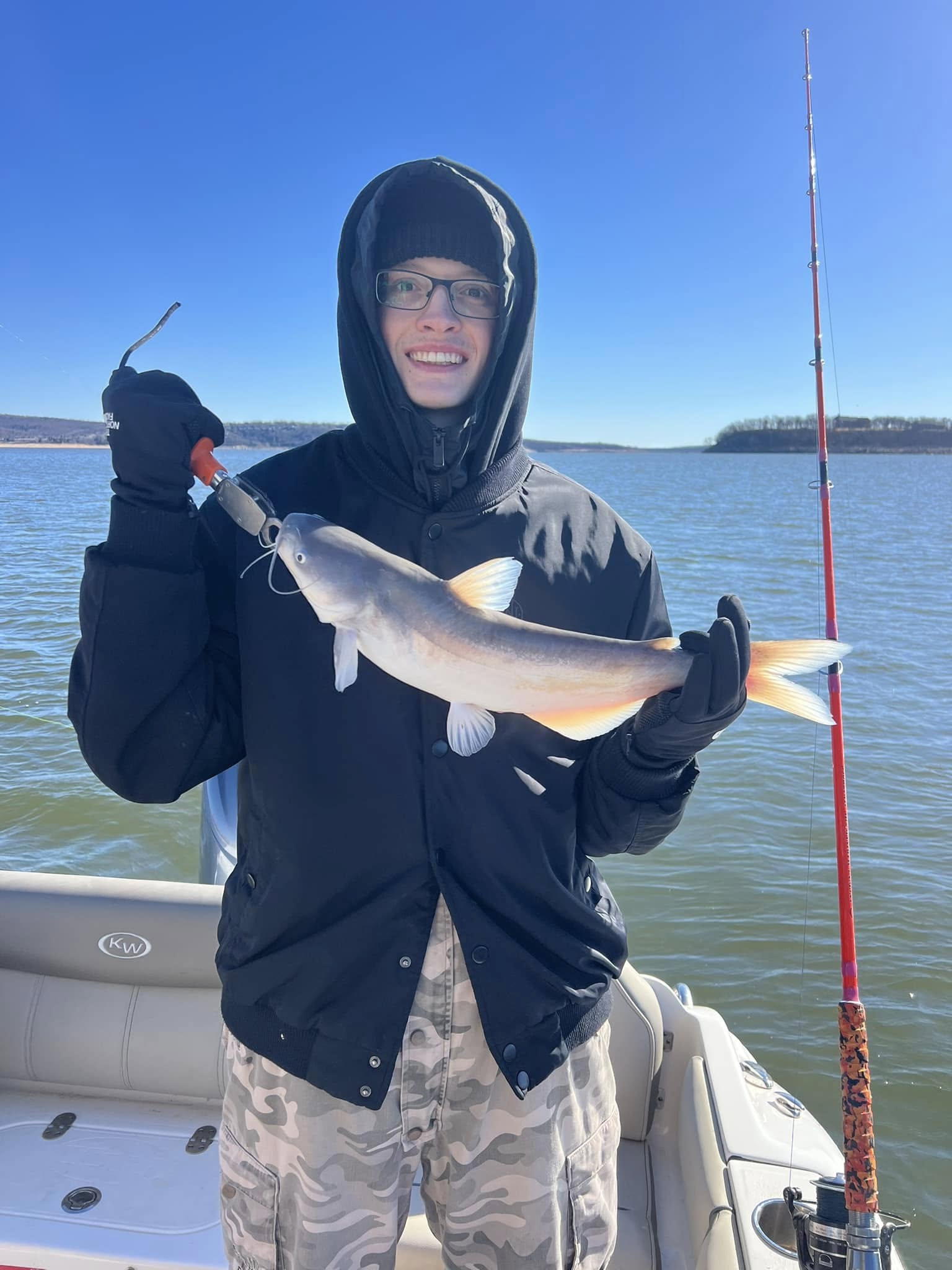
Channel catfish keep things interesting when the bass fishing slows down. They're active feeders throughout the year and respond to everything from chicken liver to fancy prepared baits. Most run 2-5 pounds, but Fort Gibson kicks out some impressive channels that push double digits. They're found around structure and in the river channels, making them accessible targets regardless of conditions.
Blue catfish represent serious business on Fort Gibson Lake. These fish grow large and fight even harder. They prefer the main lake's deeper sections and can be targeted with cut bait presentations. A 20-pound blue cat will give you a workout, and the lake produces fish well beyond that mark. Winter months often provide the best blue cat action when these cold-water fish become more active.
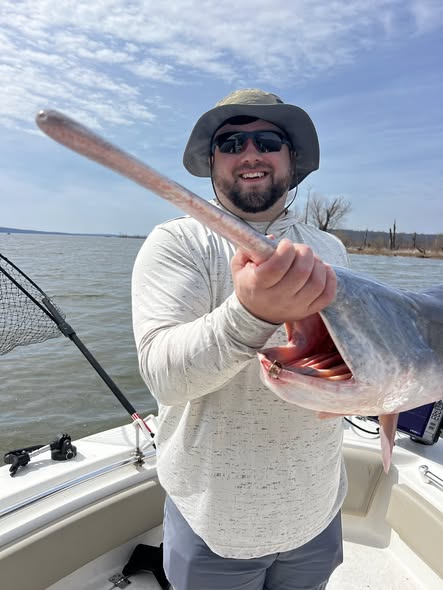
Flathead catfish are the lake's ultimate challenge. These ambush predators prefer live bait and typically feed after dark, though daylight catches happen. They inhabit the deepest holes and heaviest cover, making them tough to locate but worth the effort. A big flathead is a once-in-a-lifetime catch for most anglers – they fight dirty, using their broad heads and powerful tails to test your equipment to the breaking point.
Time to Book Your Spot
Captain Trent's 4-hour Fort Gibson Lake fishing trip delivers exactly what serious anglers are looking for – local expertise, quality time on productive water, and the chance to tangle with some impressive fish. Whether you're after the fast action of schooling white bass or hoping to hook into a trophy striper,
 Private Trip
 Lakes/Reservoirs/Ponds Fishing
 Oklahoma


 Expert-guided 4-hour private fishing experience on Fort Gibson Lake