8 Hour Private Murrells Inlet Offshore Fishing Charter
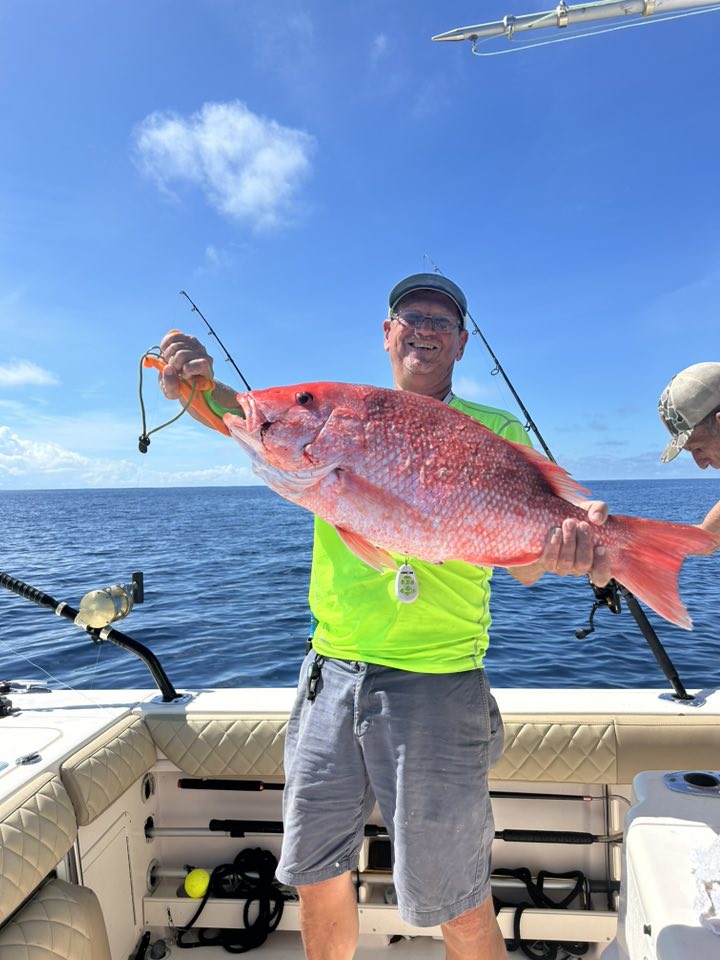
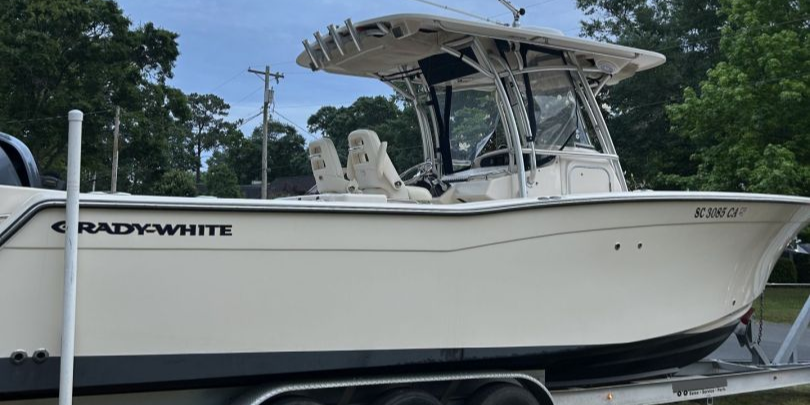
When you're serious about fishing the deep waters off South Carolina's coast, this 8-hour private charter from Murrells Inlet delivers exactly what hardcore anglers are looking for. We're talking about a full day on the water, running 40 to 60 miles offshore to where the real fish live. This isn't some half-day tourist trip – it's a dedicated fishing adventure that puts you on productive grounds where wahoo streak through the water column and big grouper hold tight to structure. With space for up to 6 anglers and a 4-guest minimum, you've got the boat to yourselves and the flexibility to fish how you want to fish.
What to Expect on the Water
Your day starts early with a 6:00 AM departure from Murrells Inlet, which puts you at the fishing grounds right when the bite picks up. The run offshore takes you past the nearshore wrecks and into the deep blue where pelagic species cruise and bottom structure holds resident fish year-round. McKinley Charters knows these waters like the back of their hand, and they'll adjust the game plan based on what's biting and where the fish are showing up on the finder. Some days that means working the thermocline for mahi and wahoo, other days it's dropping baits deep for grouper and snapper. The beauty of an 8-hour trip is having time to try multiple techniques and locations without feeling rushed. You're not watching the clock – you're focused on putting fish in the box.
Techniques & Tackle Setup
This charter covers all the bases when it comes to offshore fishing techniques. Trolling is the bread and butter for covering water and finding pelagic species – we're talking high-speed trolling for wahoo with ballyhoo and lures, plus conventional trolling spreads for mahi and other game fish. When it's time to get vertical, the bottom fishing game switches to heavy tackle and serious baits. Circle hooks, robust leaders, and electric reels for the deep drops where the big boys live. The crew provides all rods, reels, terminal tackle, and bait, so you don't need to worry about rigging up or bringing gear. They know what works in these waters and they've got the tackle dialed in for each technique. Whether you're a seasoned angler or learning the ropes, the captain will put you on fish and help you fight them properly.
Top Catches This Season
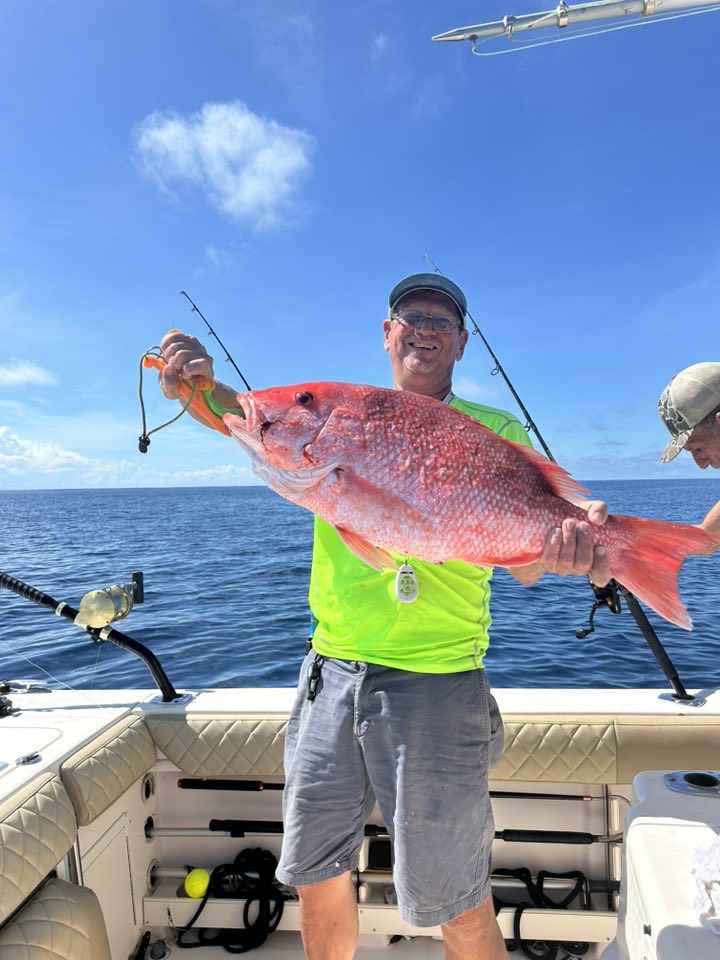
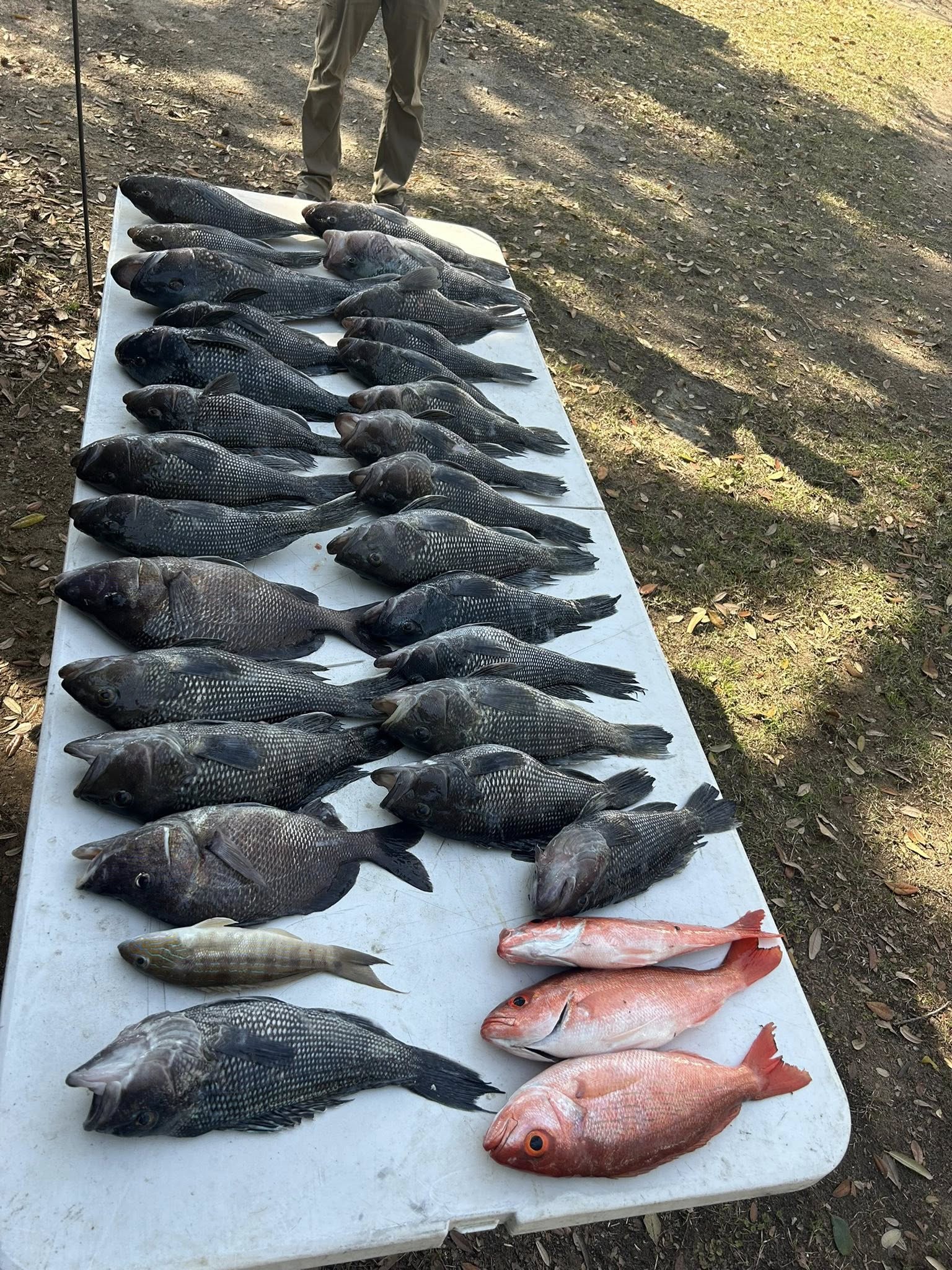
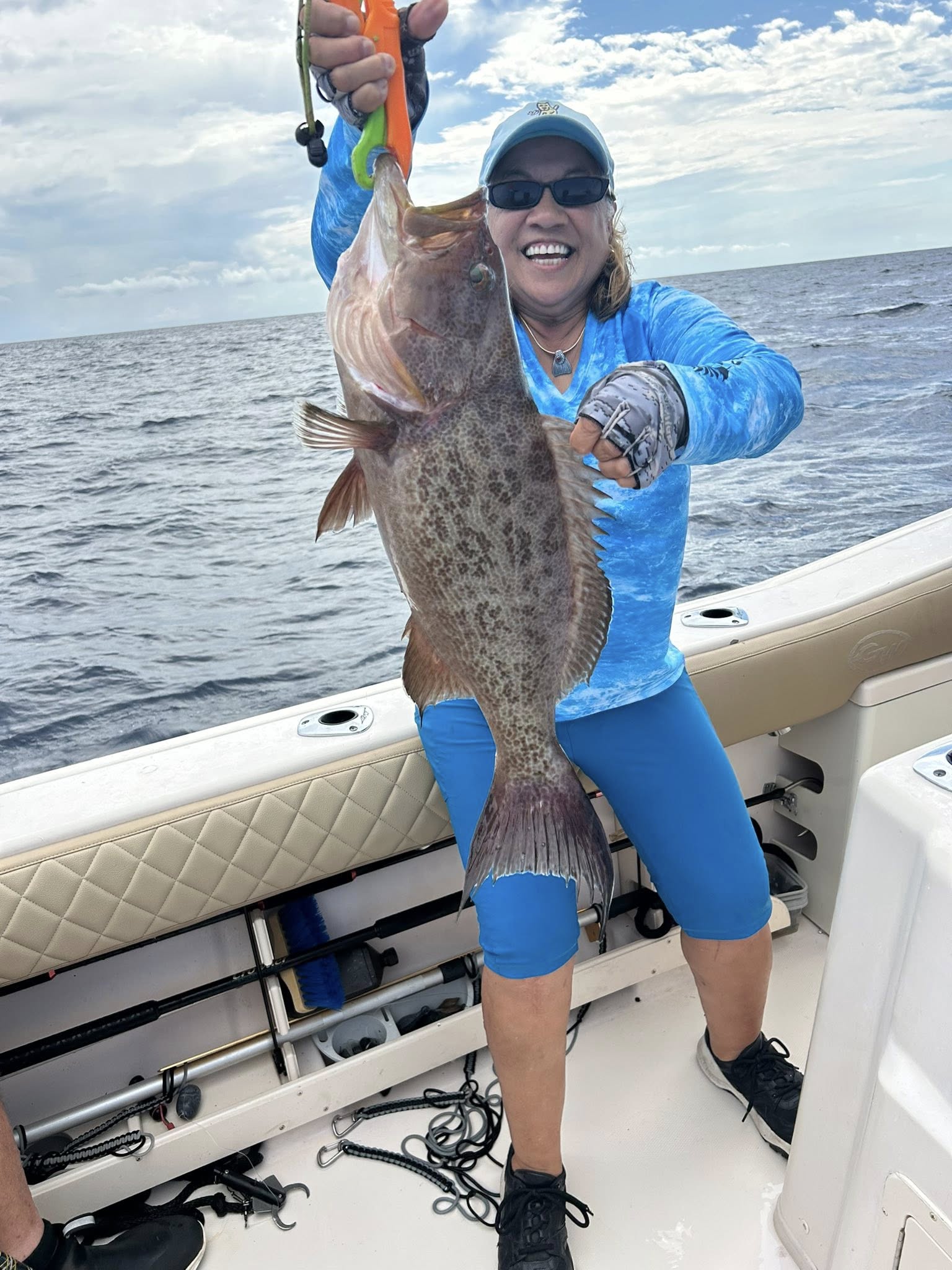
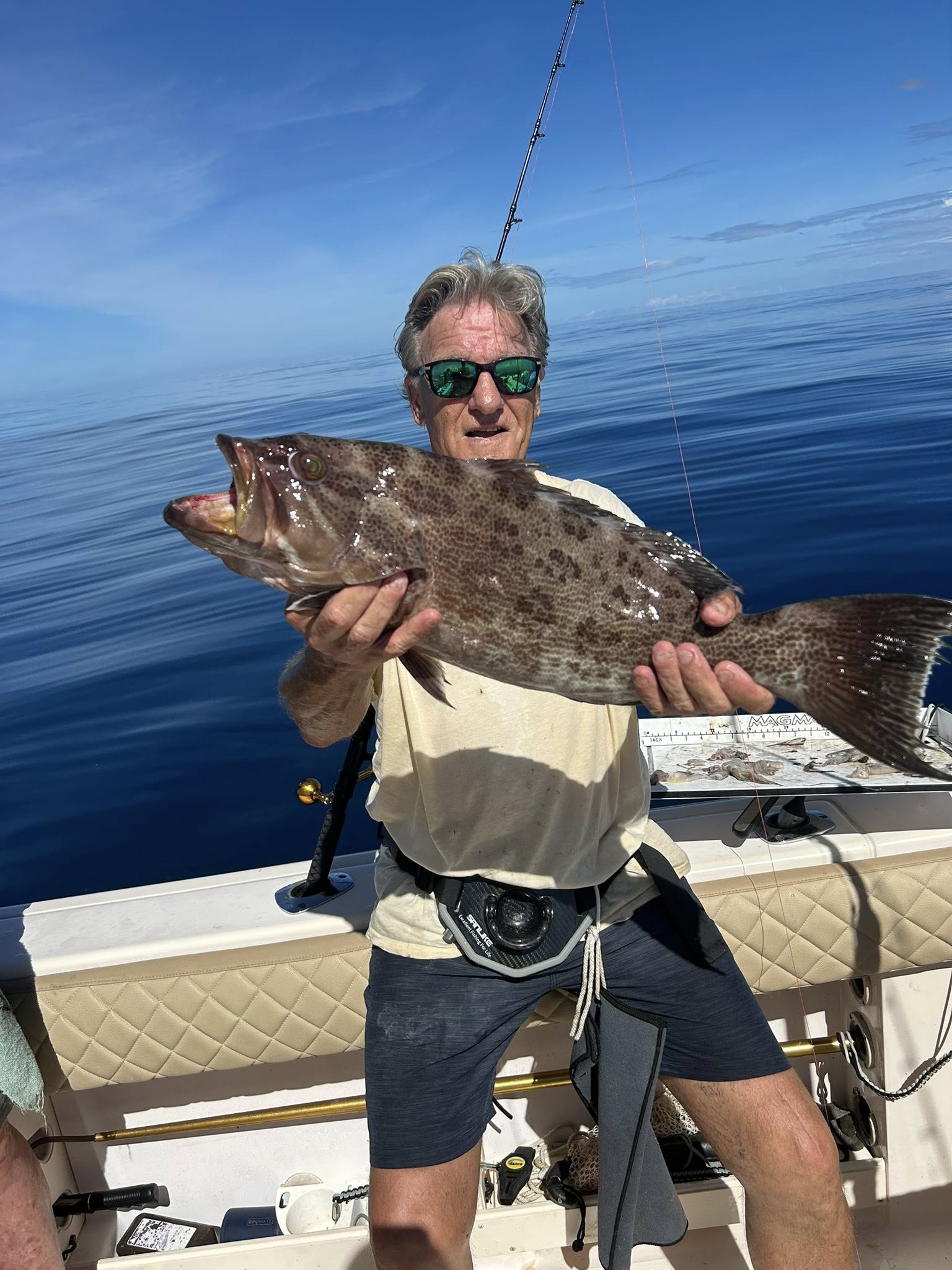
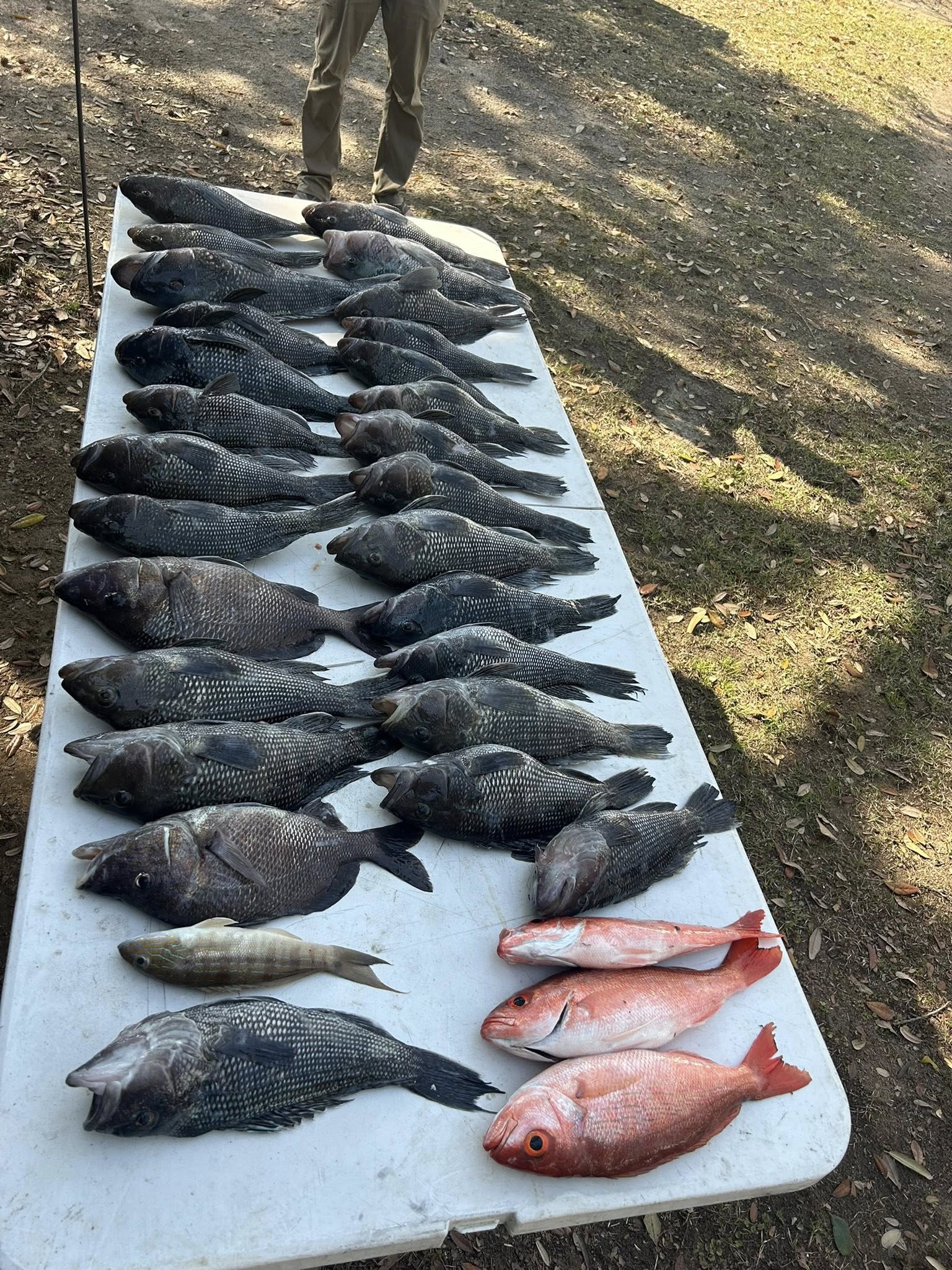
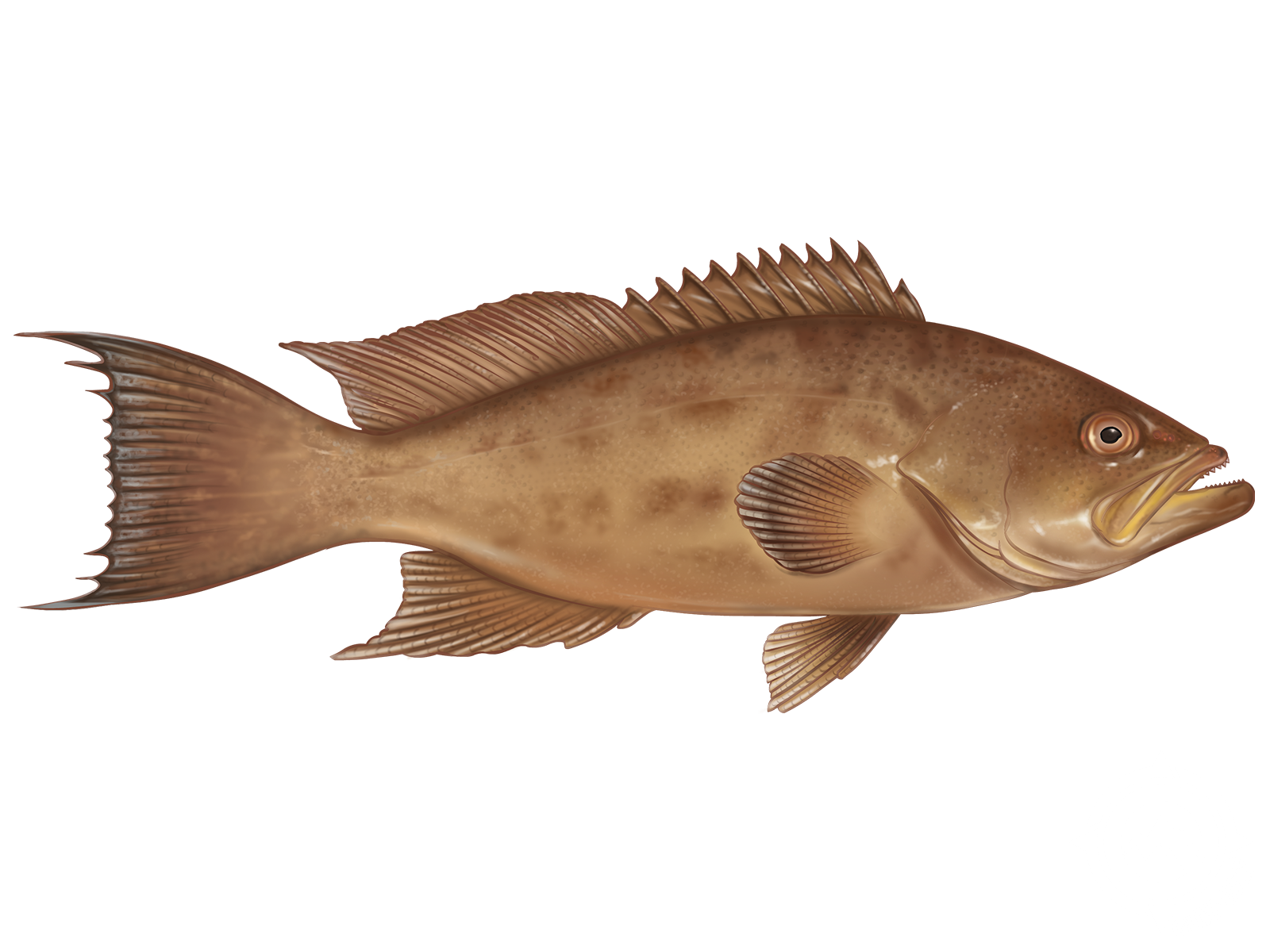
Scamp Grouper are the prize of the offshore grounds here, and these chunky bottom dwellers know how to put up a fight. They typically run 3 to 8 pounds but don't let the size fool you – scamps are smart fish that live around structure and know every hiding spot on the bottom. Spring through fall is prime time for targeting them, and they're absolute table fare. What makes scamp fishing exciting is the technique – you're dropping baits to precise depths and working structure that could hold anything from a keeper scamp to a monster red grouper.
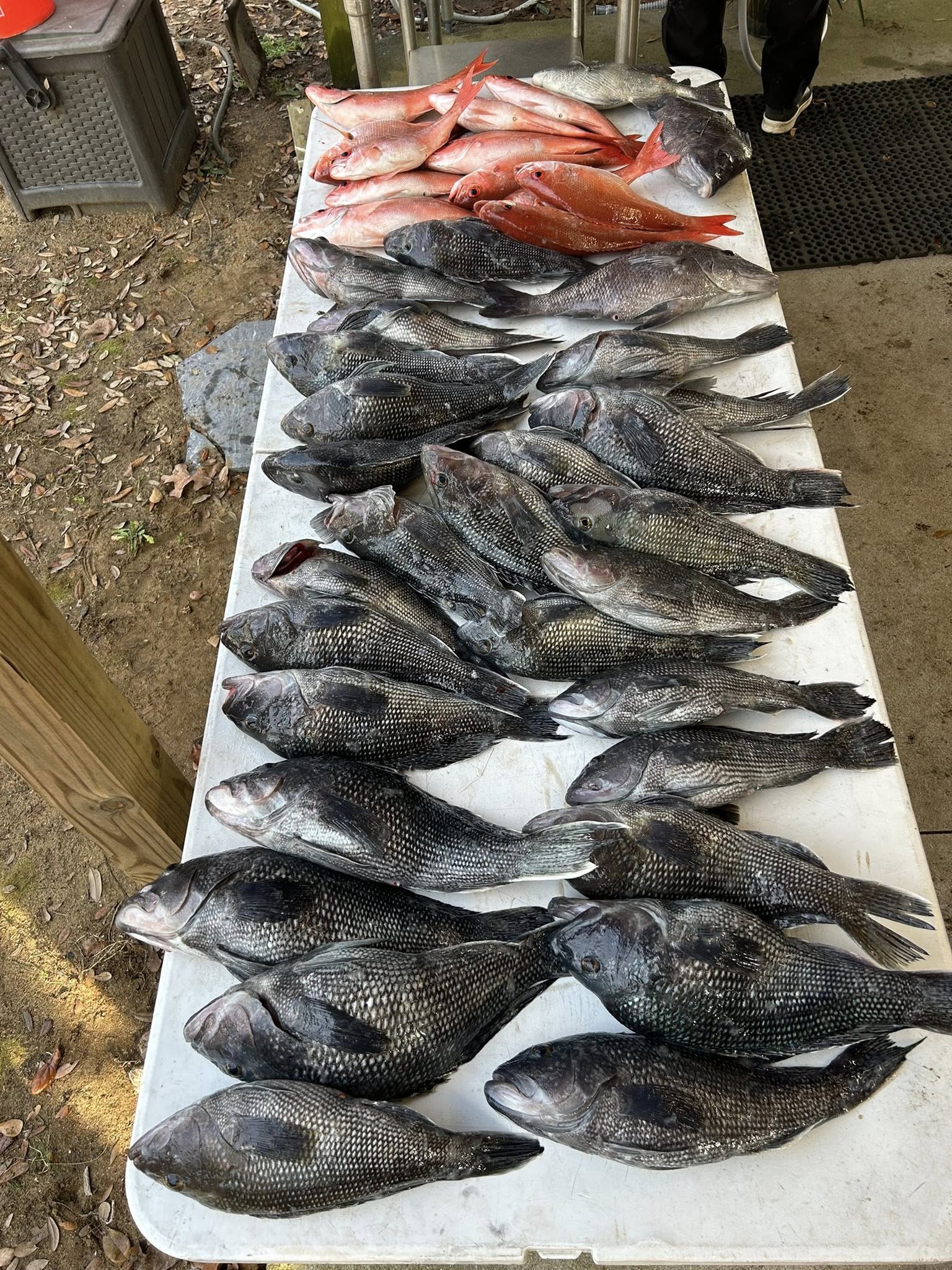
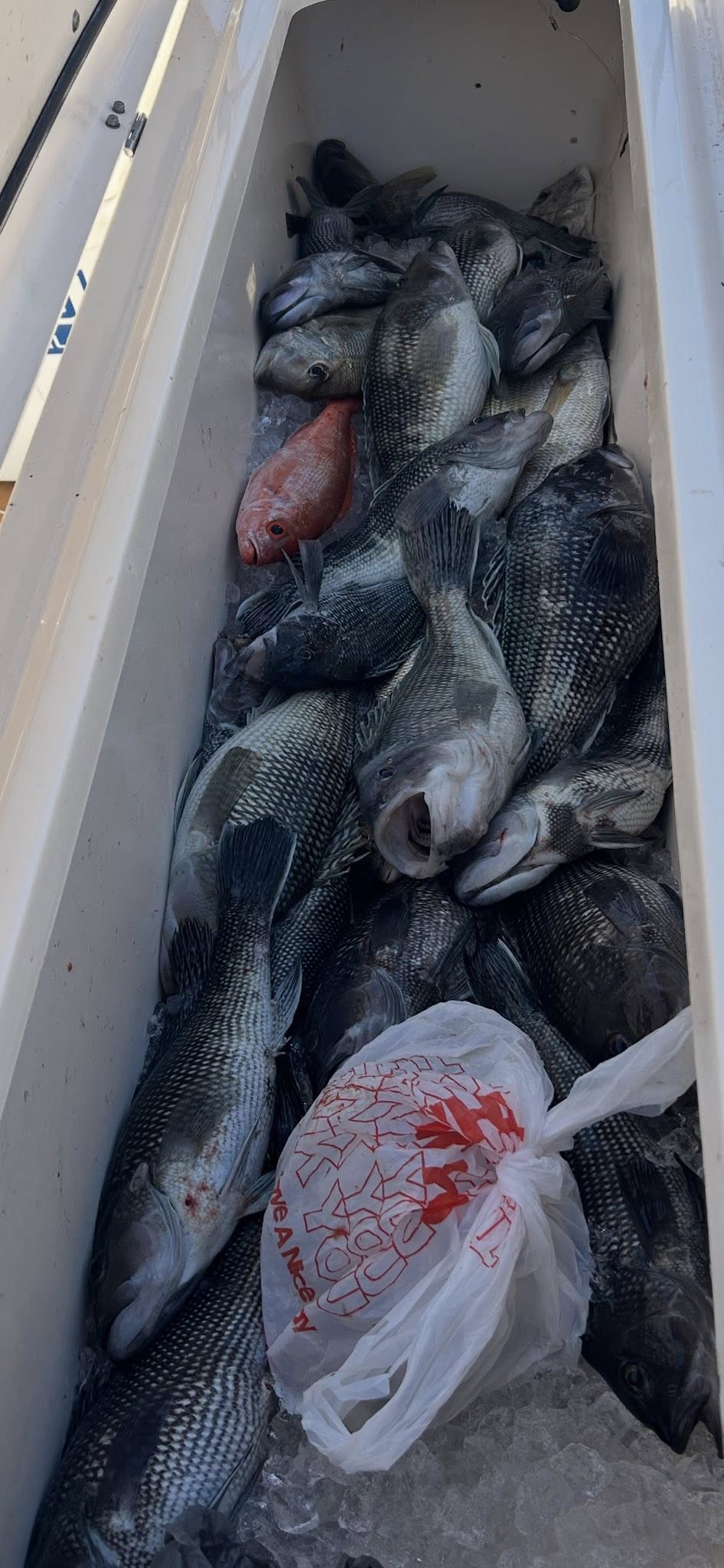
Grey Triggerfish might not be the prettiest fish in the sea, but they're scrappy fighters with serious attitude. These guys show up in numbers during summer and early fall, often stealing baits meant for grouper. They've got a unique fighting style that keeps you guessing, and once you hook into a good one, you'll understand why regulars target them specifically. Triggers are also excellent eating, with firm white meat that holds up to any cooking method.
Mahi Mahi are the crowd-pleasers of offshore fishing, and when you find them, the action can be non-stop. These fish travel in schools and once you hook one, there's usually more underneath the boat. Mahi are visual feeders that love structure – whether it's floating sargassum, debris lines, or current breaks. They'll hit trolled baits, live bait, and even artificials when they're fired up. The colors on these fish are spectacular, and they're known for their acrobatic fights. Peak season runs from late spring through early fall, but you can find them year-round in the right conditions.
Greater Amberjack are the powerhouses of the offshore scene, and when you hook into a good one, you know it immediately. These fish can push 30 to 50 pounds or more, and they fight like diesel trucks with fins. AJ's live around structure and they're ambush predators that crush baits without hesitation. The fight is all about power and endurance – they'll try to cut you off on structure or simply muscle you around with brute force. Landing a big amberjack is a team effort, and it's one of those fish that leaves you talking about the fight long after you're back at the dock.
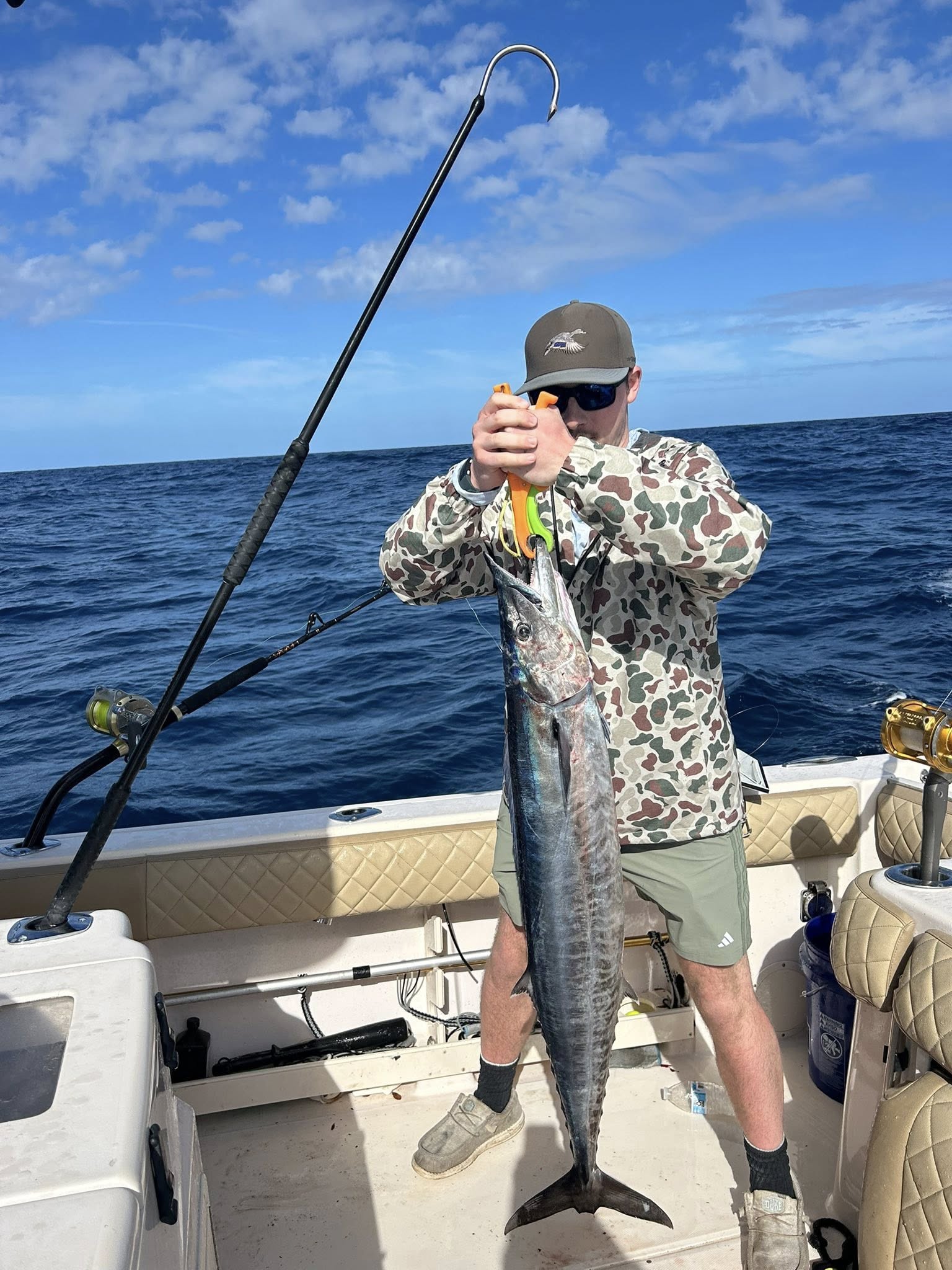
Wahoo are the speed demons of the offshore world, capable of ripping line off reels at 40+ mph. These fish are built for speed with razor-sharp teeth and a torpedo-shaped body that cuts through water like a missile. High-speed trolling is the most effective technique, using wire leaders and fast-moving lures or rigged ballyhoo. When a wahoo hits, it's usually a screaming run that gets everyone's attention on the boat. They're also phenomenal table fare – some consider wahoo the best-eating fish in the ocean.
Time to Book Your Spot
This 8-hour private charter represents serious value for groups who want a real offshore fishing experience without compromise. You're getting a full day on productive waters, expert guidance, all the gear you need, and the flexibility to target whatever species are biting. The 4 to 6 angler capacity means everyone gets plenty of rod time, and with McKinley Charters' local knowledge, you're fishing the right spots at the right times. Whether you're planning a family fishing trip, celebrating with friends, or just need to get offshore and catch some quality fish, this charter delivers. The fish are out there waiting – all you need to do is show up ready to fish
 Private Trip
 Offshore Fishing
 Murrells Inlet, SC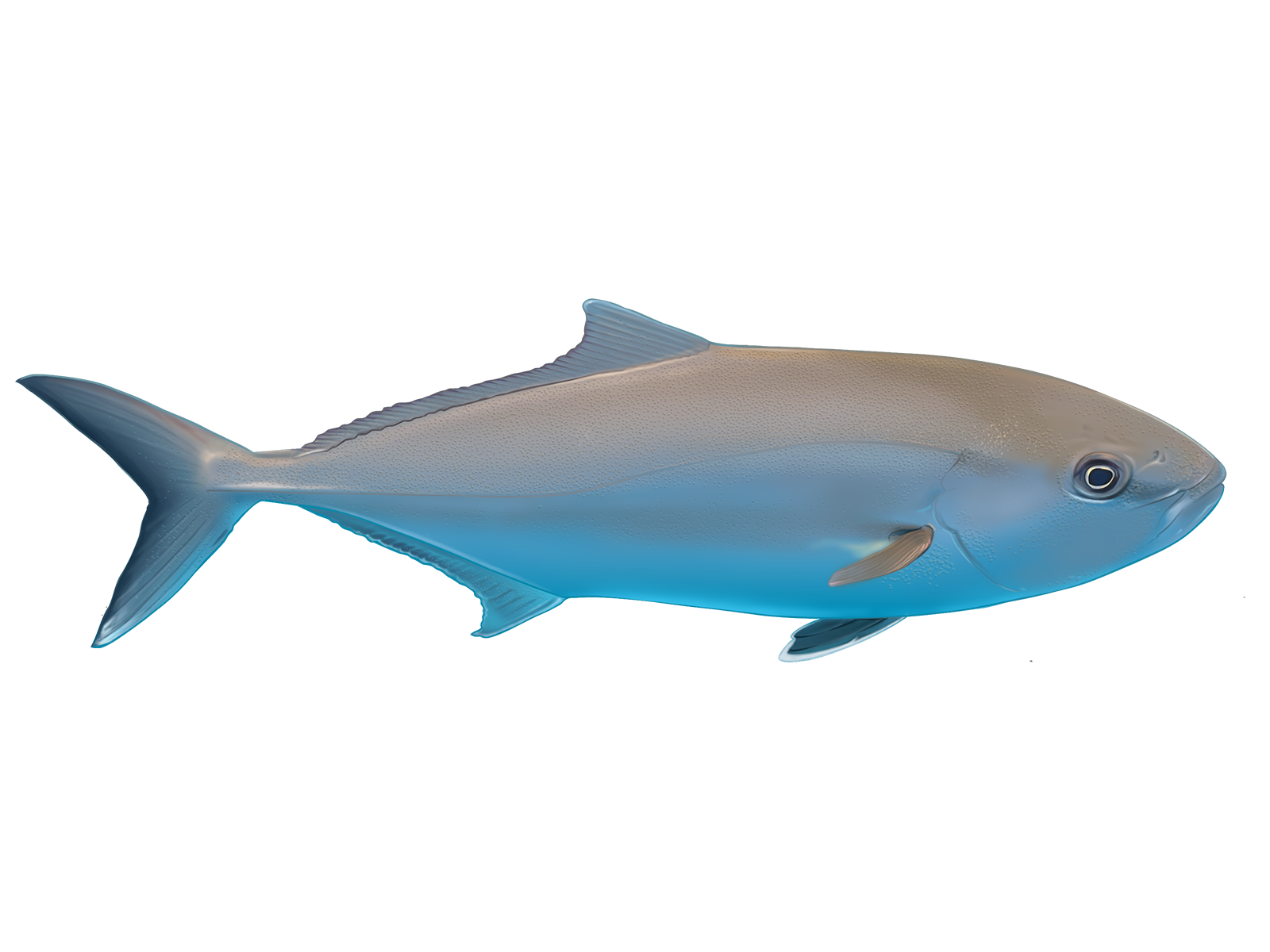



 Private 8-hour offshore charter for up to 6 anglers