Daytona Beach Fishing Charters
Looking for a serious offshore fishing adventure that'll test your skills and fill your cooler? Me Too Charters runs full-day fishing trips out of Daytona Beach that'll have you battling some of Florida's most sought-after pelagic species. We're talking about a legitimate 9-hour charter that takes you beyond the Continental Shelf where the big fish roam. This isn't your typical half-day trip – we head out deep where the water turns that gorgeous cobalt blue and the real action happens. Our boat holds up to 6 anglers, so you've got plenty of room to spread out and work different lines without bumping elbows. The captain and crew know these waters like the back of their hand, and they're not just here to drive the boat – they're actively working to put you on fish all day long.
What to Expect on the Water
Your day starts early – we're talking about a sunrise departure to maximize your time in the productive offshore waters. The run out to the fishing grounds takes about an hour, giving you time to get your sea legs and watch the coastline fade behind you. Once we reach the 100-foot depths and beyond, that's where the magic happens. The crew will have multiple rods rigged and ready before you even arrive at the first spot. We fish primarily in the 120 to 300-foot range, targeting structure, temperature breaks, and current edges where baitfish congregate. The Gulf Stream's influence creates perfect conditions for pelagic species, and the underwater topography off Daytona provides excellent habitat for both reef fish and open-water predators. You'll be fishing in some of the most productive waters on the East Coast, where the continental shelf drops off dramatically and creates upwelling that brings nutrients and baitfish to the surface.
Trolling Tactics & Rigging
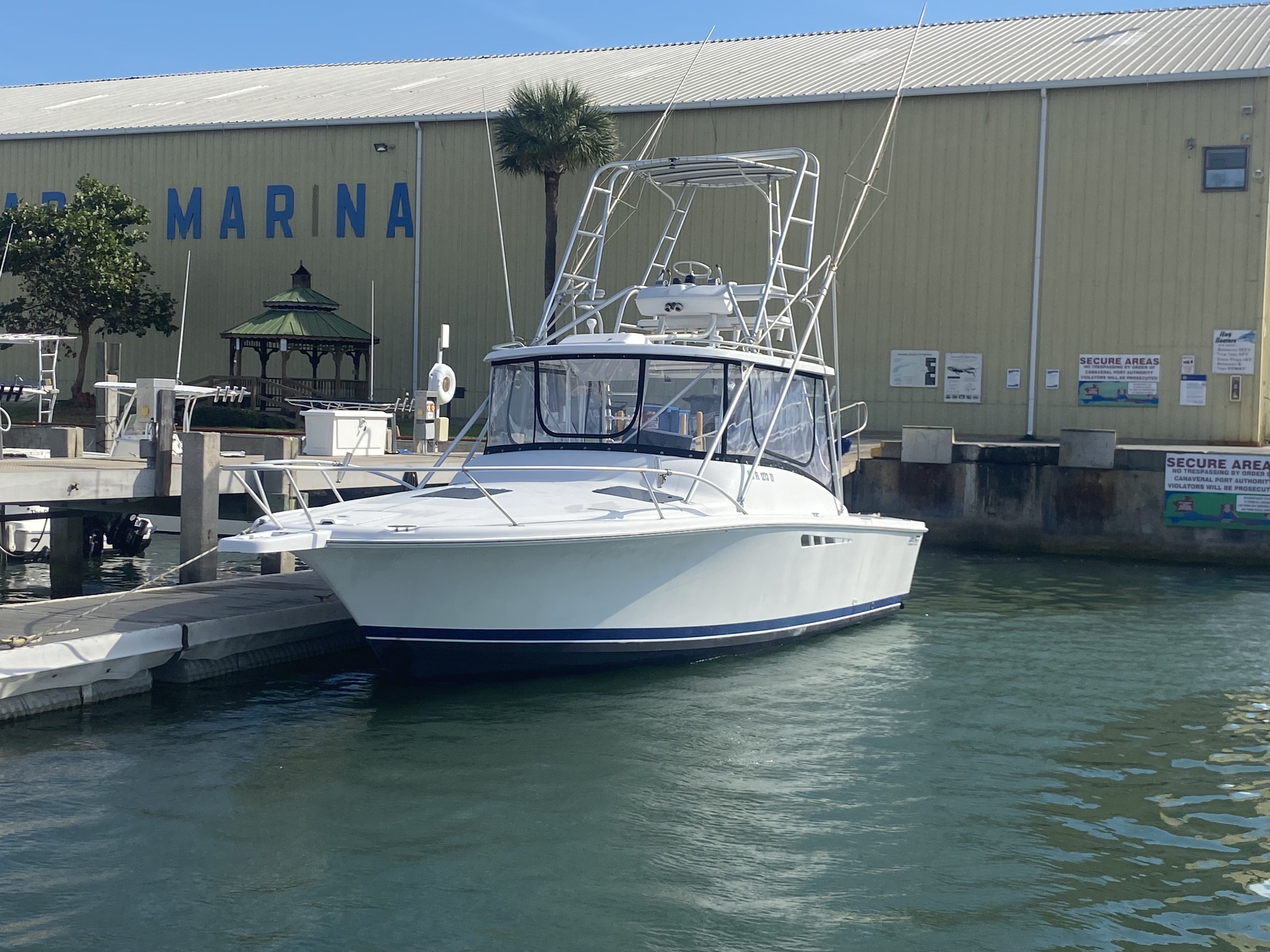
We run a serious trolling spread with a mix of ballyhoo, cedar plugs, and diving plugs designed to cover the entire water column. The crew rigs everything from surface teasers down to deep-diving lures that work 30 feet down. When we mark fish on the sounder or hit a productive area, we'll often switch to live bait or vertical jigging to really dial in on the action. All the tackle is tournament-grade – we're talking 30 and 50-pound class outfits with quality reels that can handle long runs from wahoo and mahi. The boat is set up with outriggers, downriggers, and all the electronics you need to locate fish in deep water. Rod holders are positioned around the cockpit so everyone can fish comfortably, and there's a huge fish box with plenty of ice to keep your catch fresh. The crew handles all the rigging, net work, and gaff duties – your job is to fight the fish and enjoy the experience.
Species You'll Want to Hook
Mahi Mahi are absolute crowd-pleasers and one of the most reliable catches out here. These fish travel in schools around floating debris, sargassum lines, and temperature breaks. They're incredibly aggressive feeders and will often double or triple up on the lines, creating complete chaos in the cockpit. Most mahi in our area run between 10 and 25 pounds, but we see plenty of bulls that push 40 pounds or more. The best months are April through October when they're most abundant, but we catch them year-round. What makes mahi so special is their willingness to eat just about anything – ballyhoo, small tuna, squid, or artificials. Plus, they're absolutely gorgeous fish with those electric colors that light up when they're fighting.
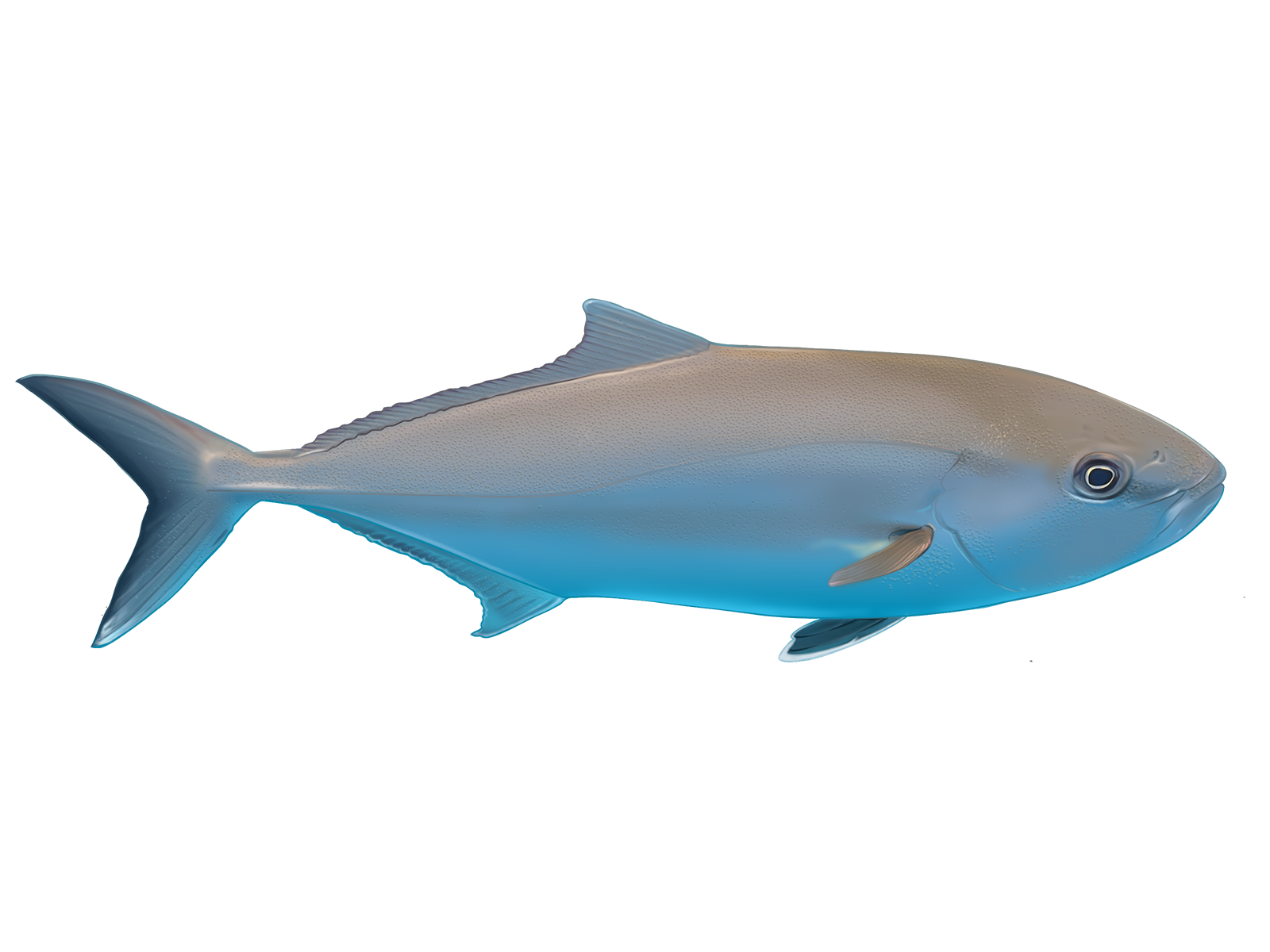
Greater Amberjack are the powerhouses of the reef, and they'll give you an arm-burning fight every single time. These fish live around wrecks and hard bottom in 80 to 200 feet of water, and they have an attitude that matches their size. Most jacks we catch are in the 30 to 60-pound range, but every year we boat fish pushing 80 pounds. They're year-round residents, but fall and winter months often produce the biggest fish. Live bait works best – a big blue runner or grunt dropped down to the wreck will usually get eaten within minutes. The challenge with amberjack is stopping them before they cut you off on the structure. These fish know every nook and cranny of their home reef, and they'll try to wrap you up the second they feel the hook.
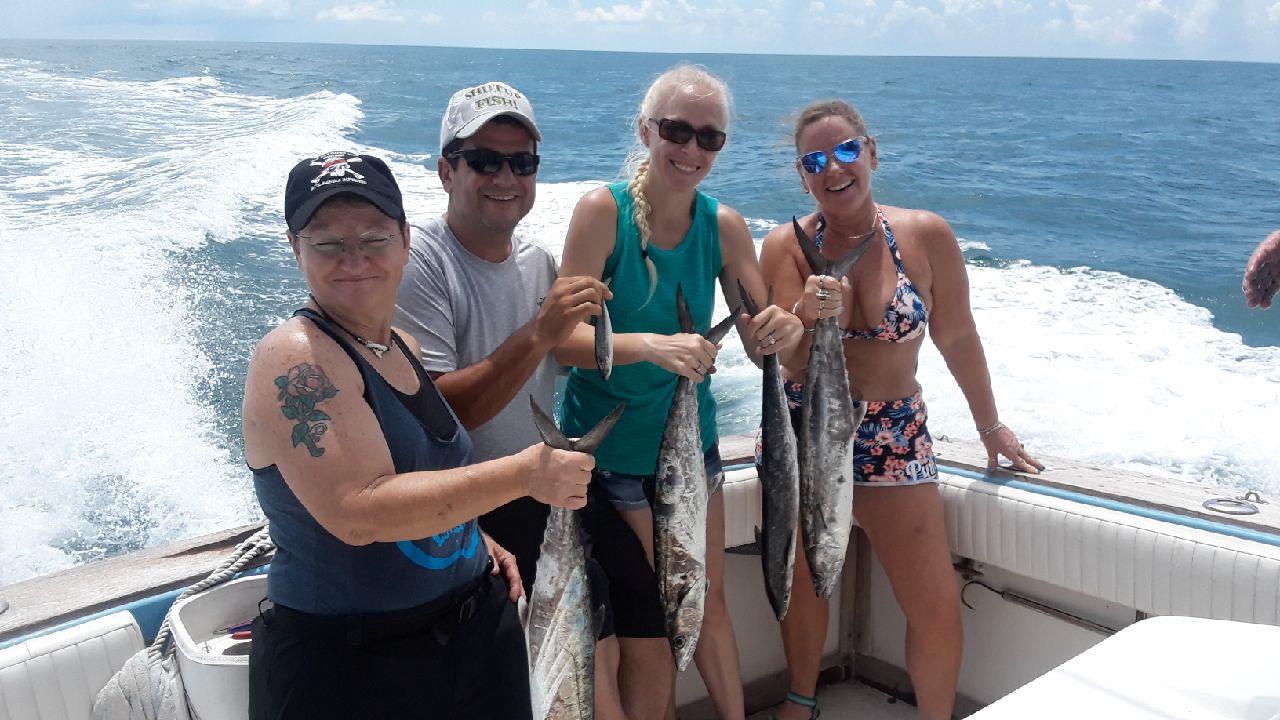
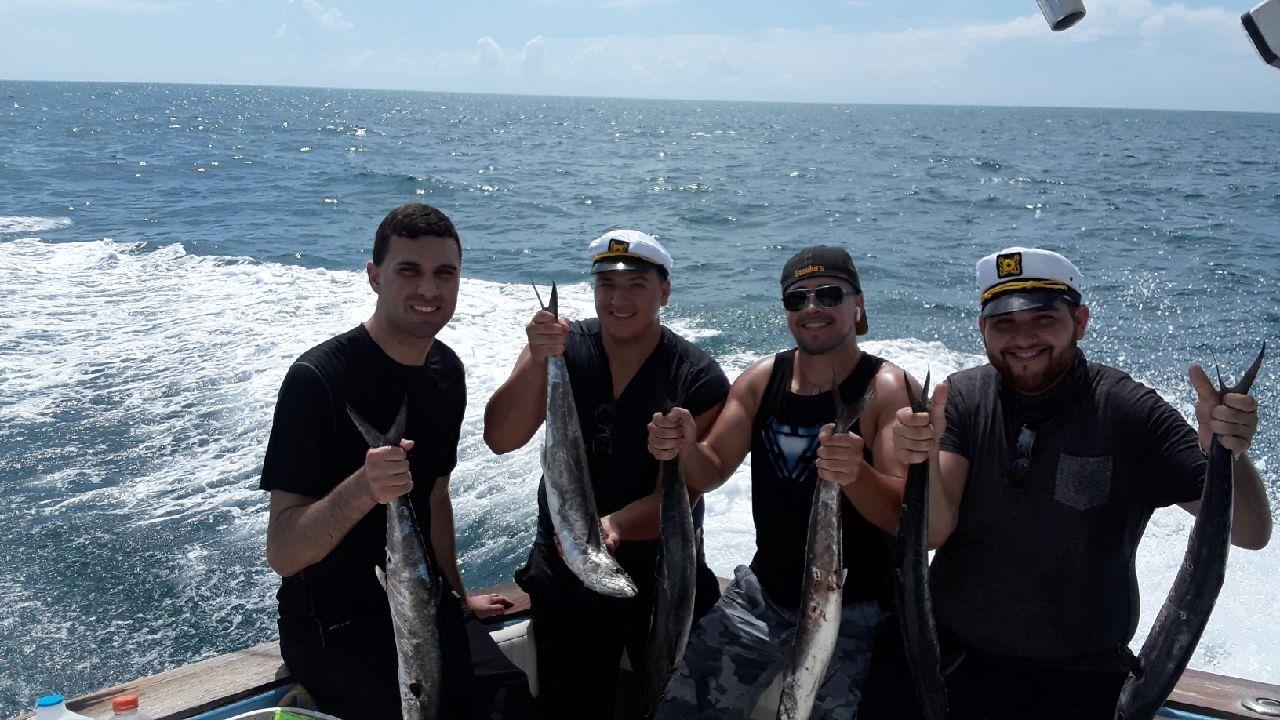
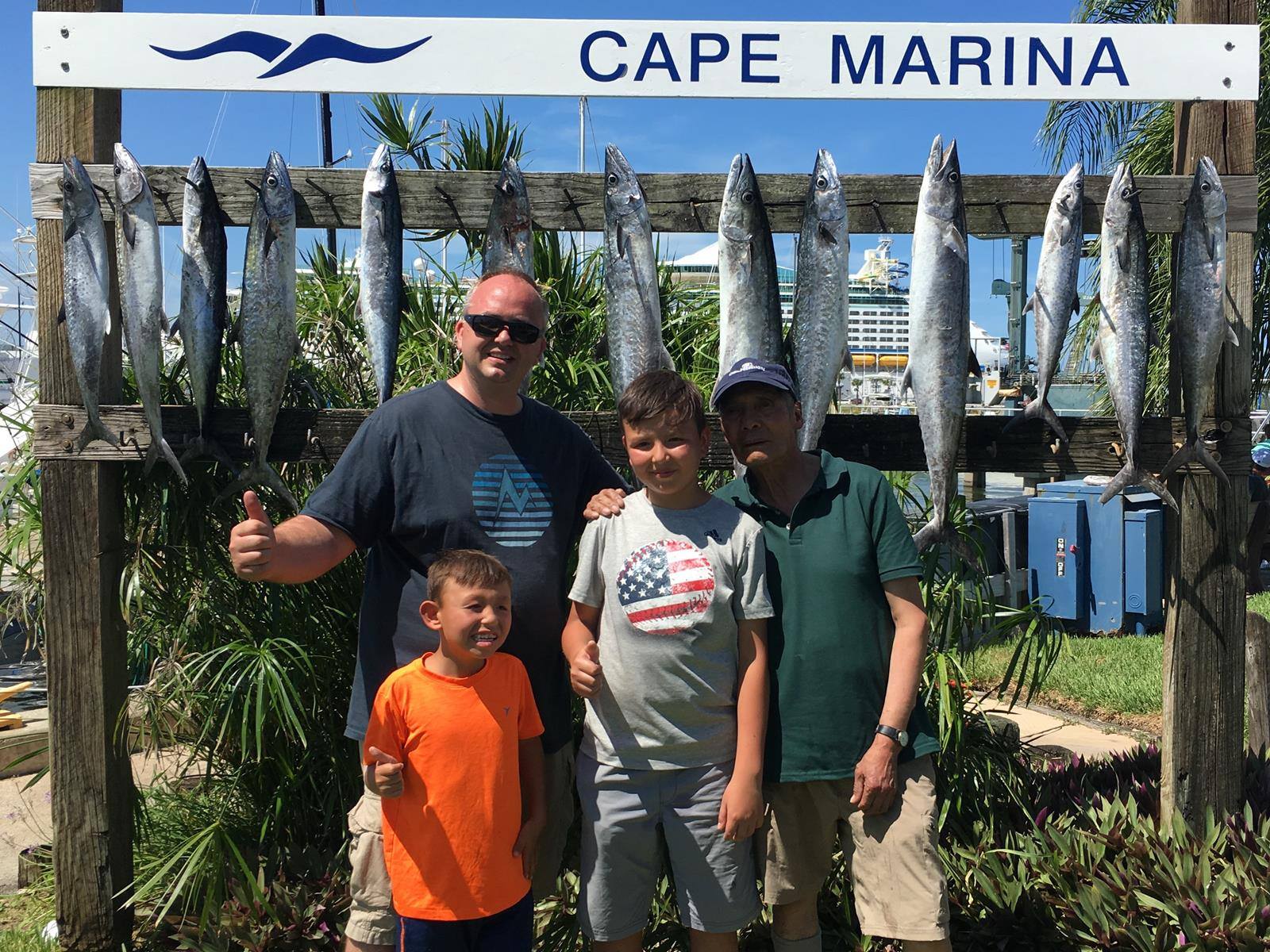
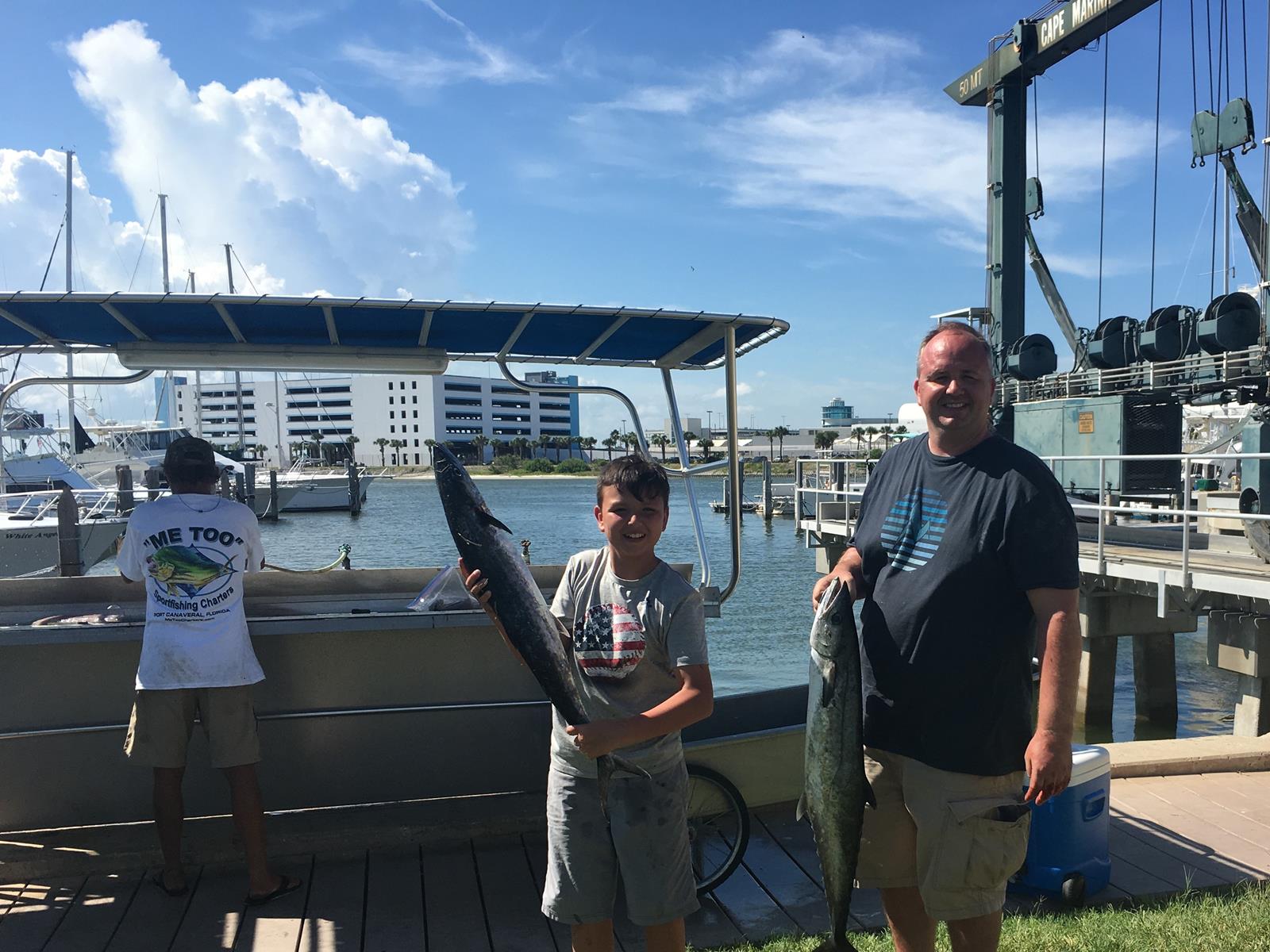
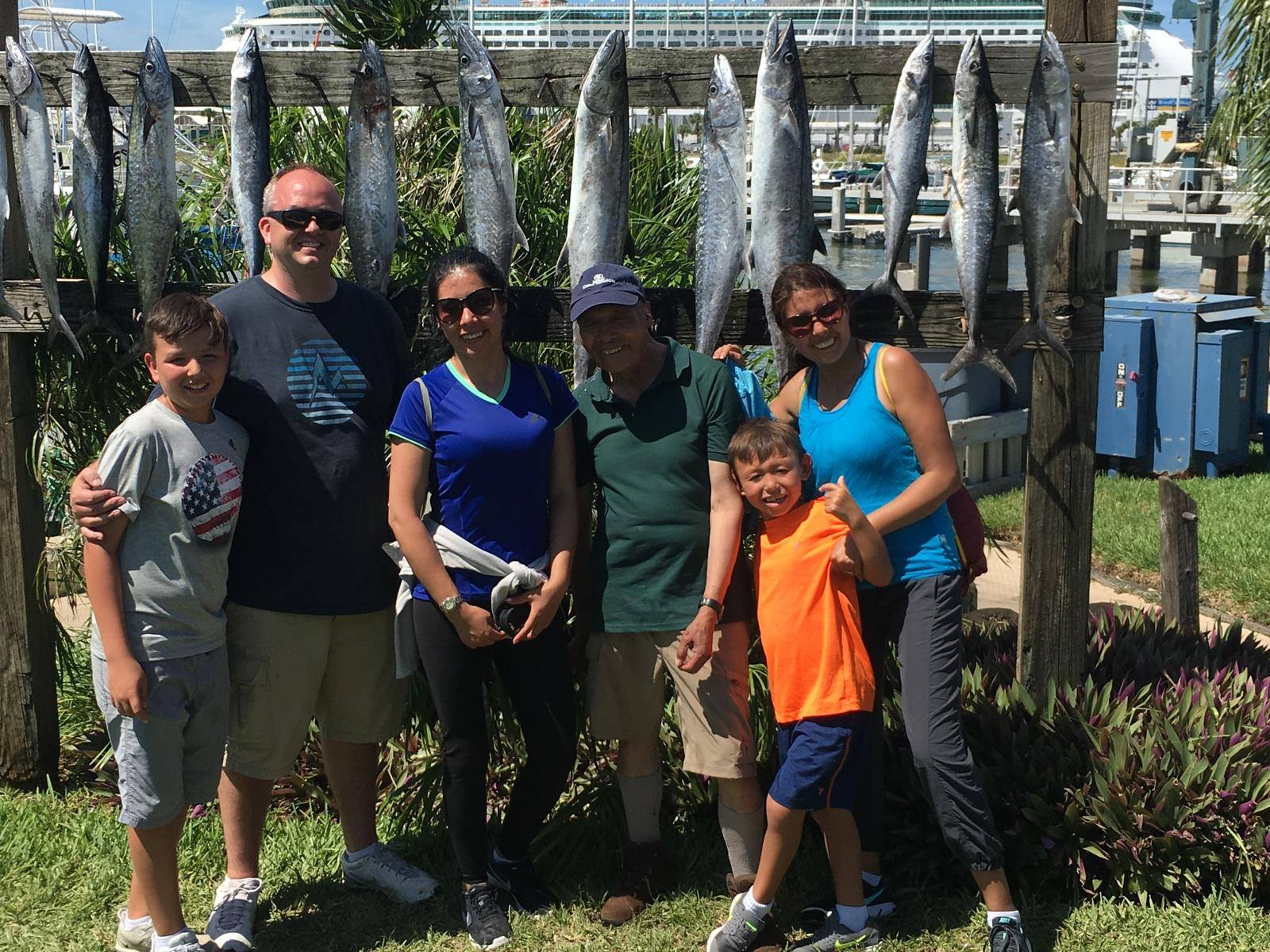
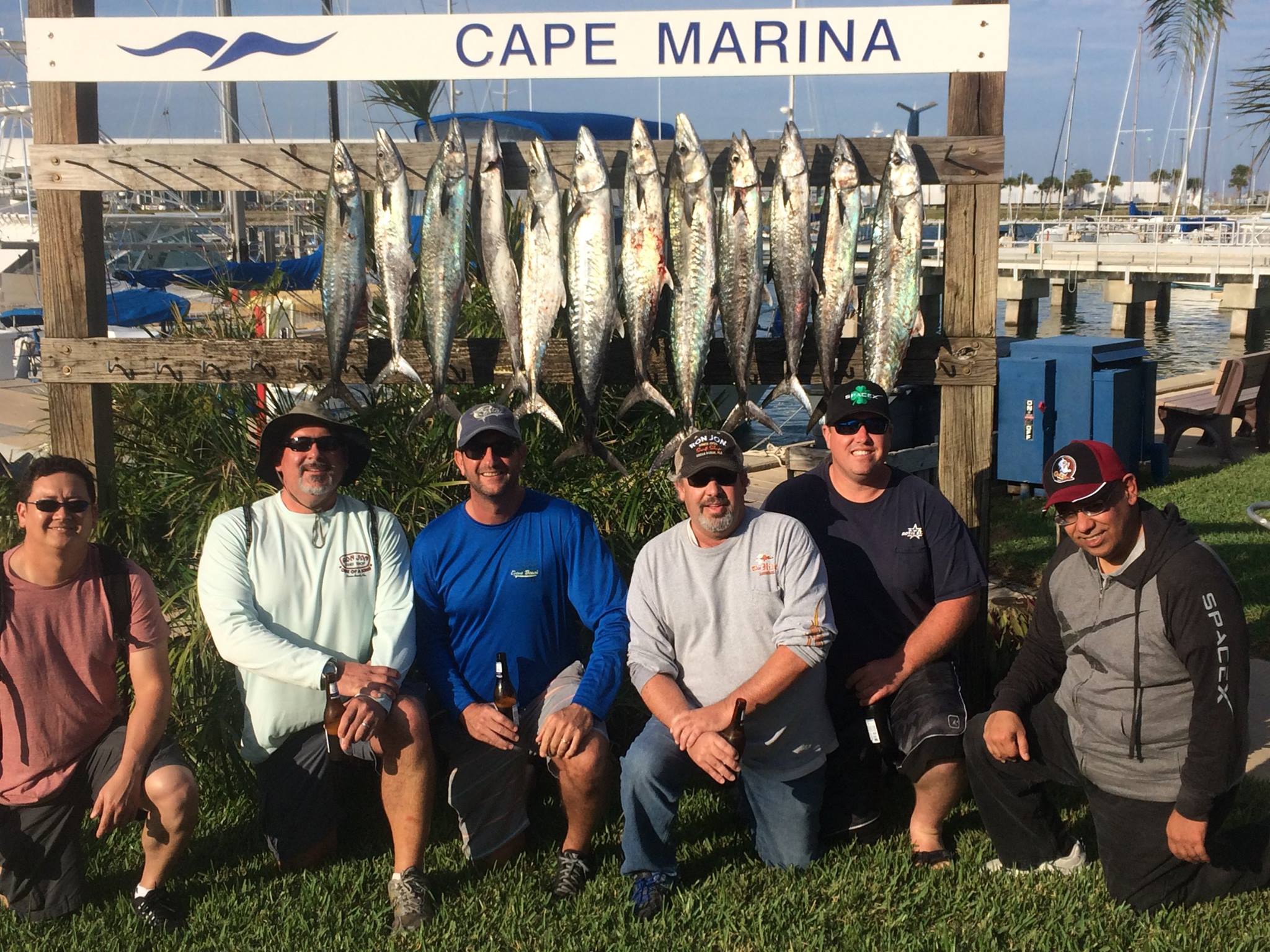
Wahoo are the speed demons of the offshore world, capable of runs that'll scream line off your reel like nothing else. These torpedo-shaped predators cruise the edges of the Gulf Stream and are most active during the cooler months from October through March. They're notorious for hitting trolled baits at full speed, often jumping completely out of the water on the initial strike. Most wahoo in our area range from 15 to 40 pounds, but 50 and 60-pounders show up regularly. High-speed trolling with wire leaders is the most effective technique, and the crew will have everything rigged and ready. What makes wahoo special is their incredible speed and those razor-sharp teeth – they're built for one thing, and that's catching fast-moving prey.
Great Barracuda are year-round residents that provide consistent action when other species are being finicky. These aggressive predators will eat almost anything that moves, making them perfect for keeping the action going throughout the day. Most cuda we catch are in the 10 to 25-pound range, but larger fish over 30 pounds are common. They're particularly active around structure and reef areas in 40 to 120 feet of water. Barracuda are known for their lightning-fast strikes and their ability to jump repeatedly when hooked. They're also excellent table fare when prepared properly, despite what some people think.
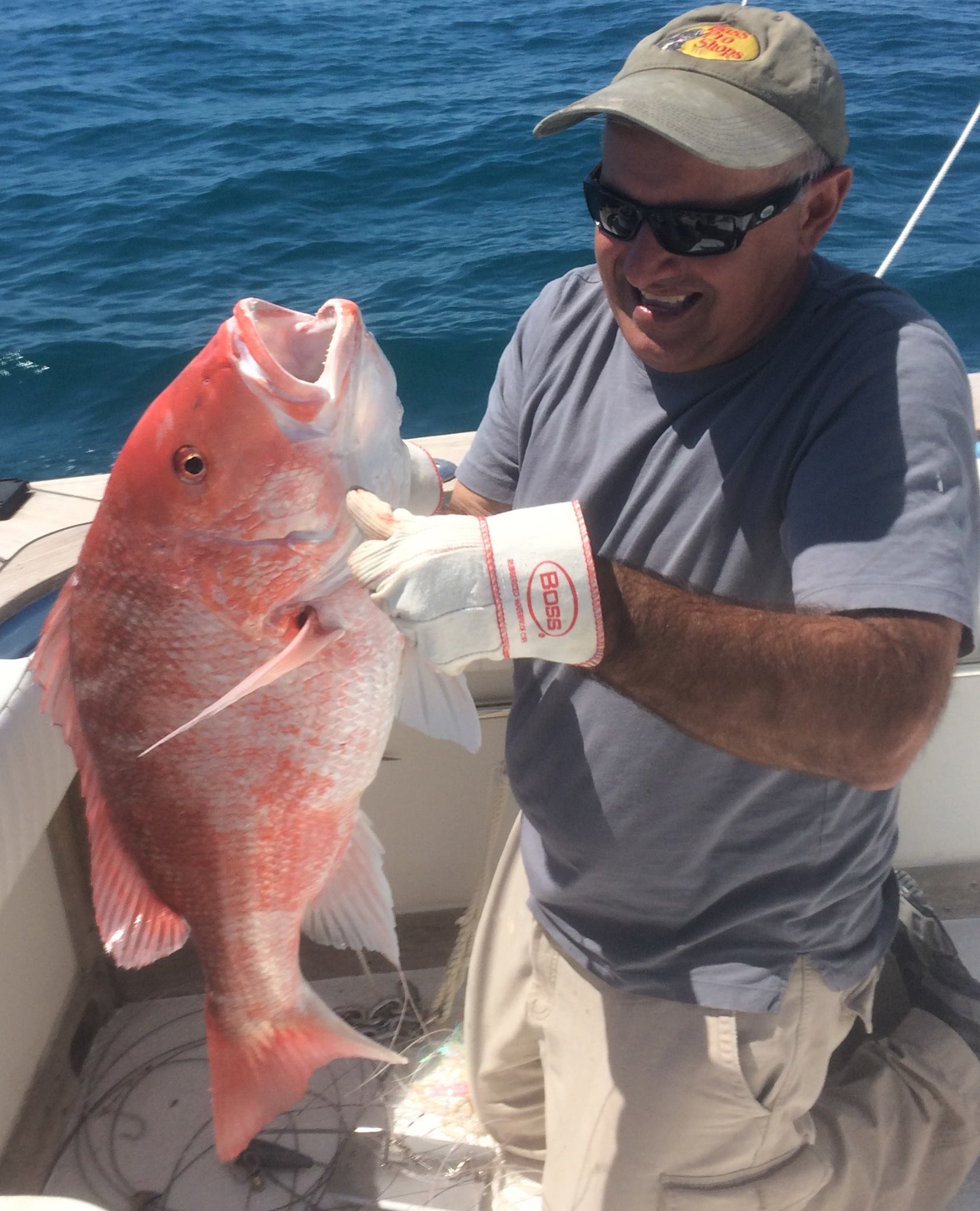
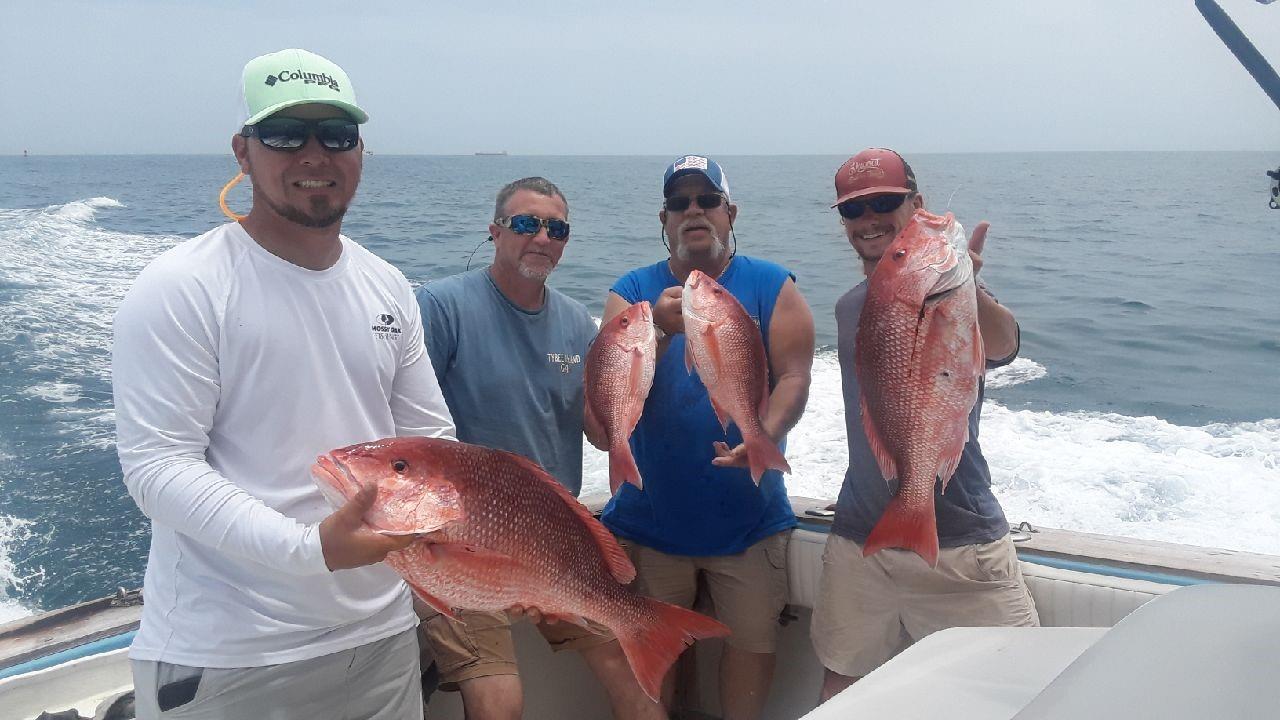
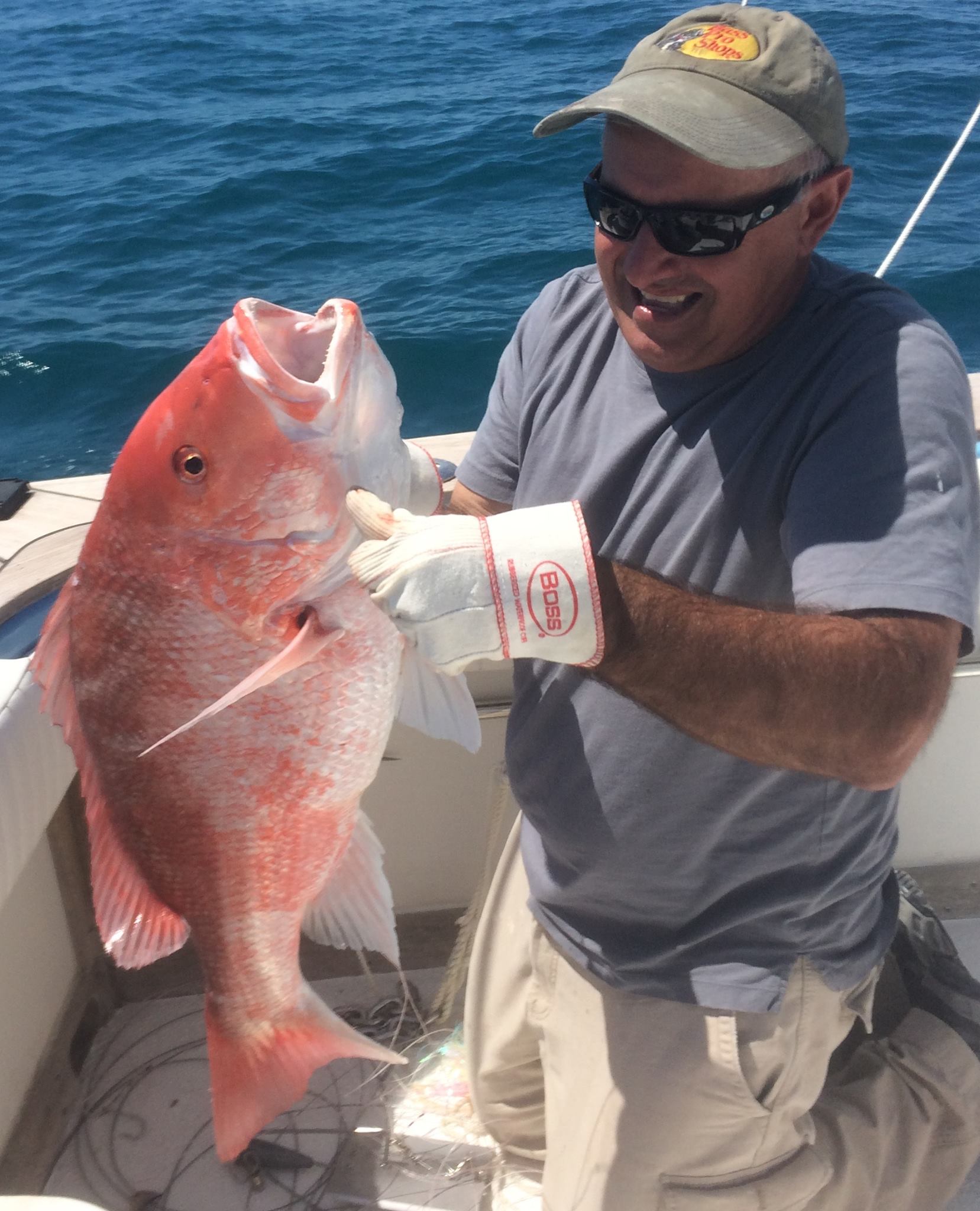
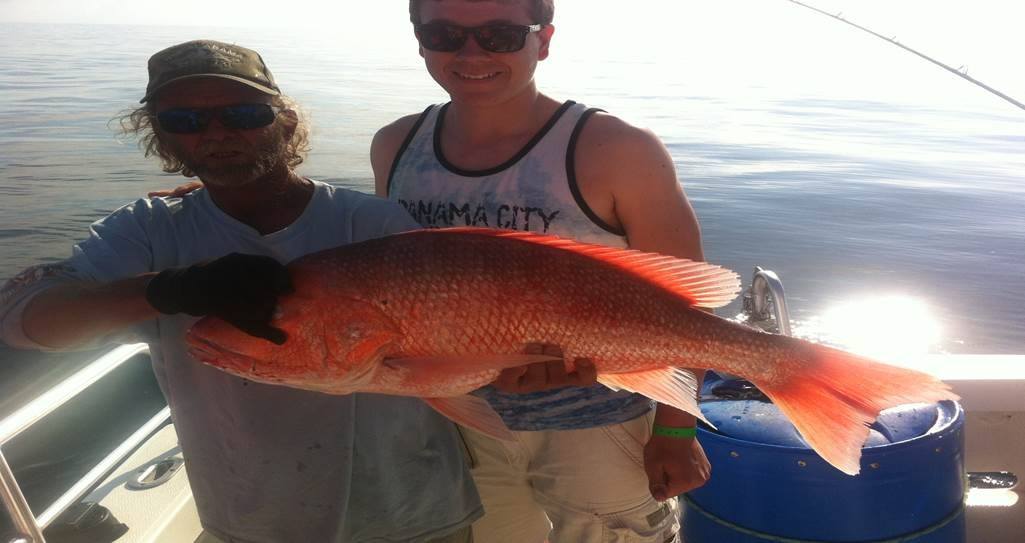
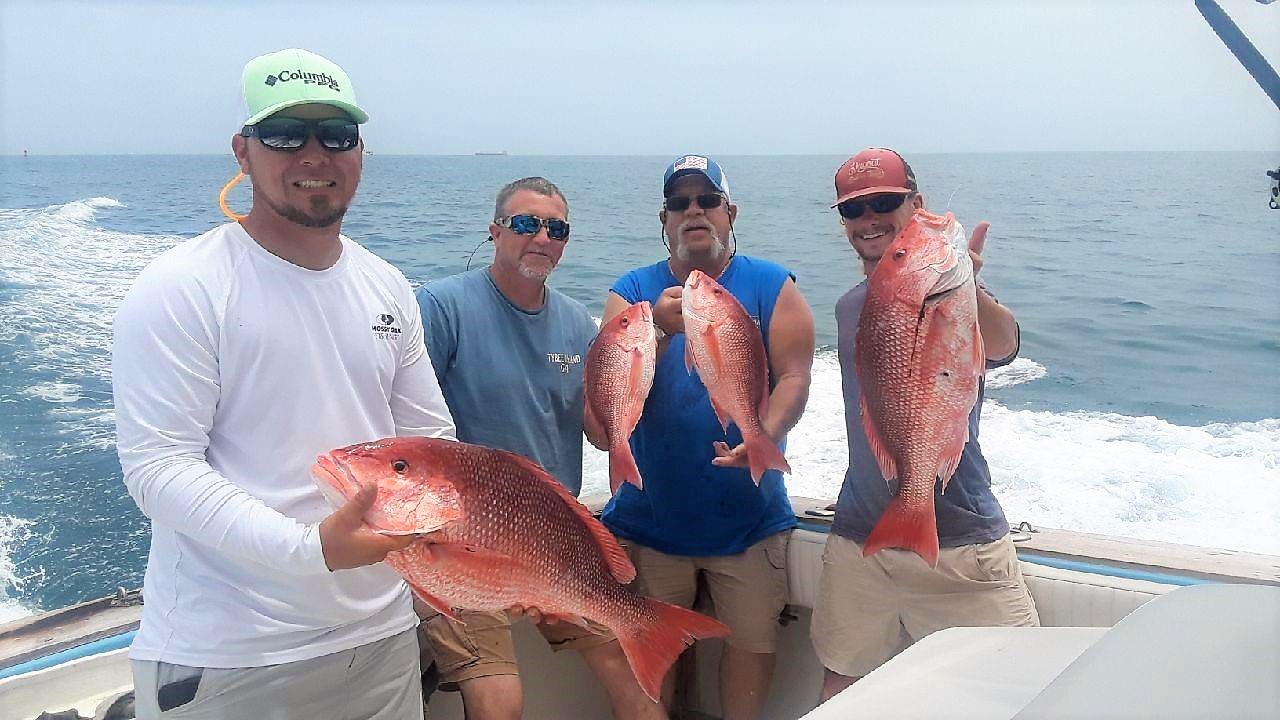
Red Snapper are the prize of the bottom fishing game, and when they're in season, they're absolutely worth targeting. These beautiful fish live around hard bottom, ledges, and artificial reefs in
 Private Trip
 Offshore Fishing
 Daytona Beach, FL


 Nine-hour offshore fishing adventure targeting premium species