Wreck Fishing in the Florida Keys
Picture yourself drifting over some of the most productive wreck sites in the Florida Keys, where artificial reefs and sunken structures have become magnets for trophy fish. This 4 to 6-hour wreck fishing charter with Morris Crew Charters LLC puts you right in the action, targeting the structure where big grouper, snapper, and mahi love to hang out. With space for just 4 anglers, you'll get personalized attention and prime fishing spots without fighting crowds. The waters around the Keys hold some serious fish, and wreck fishing gives you the best shot at landing something worth bragging about.
What to Expect on the Water
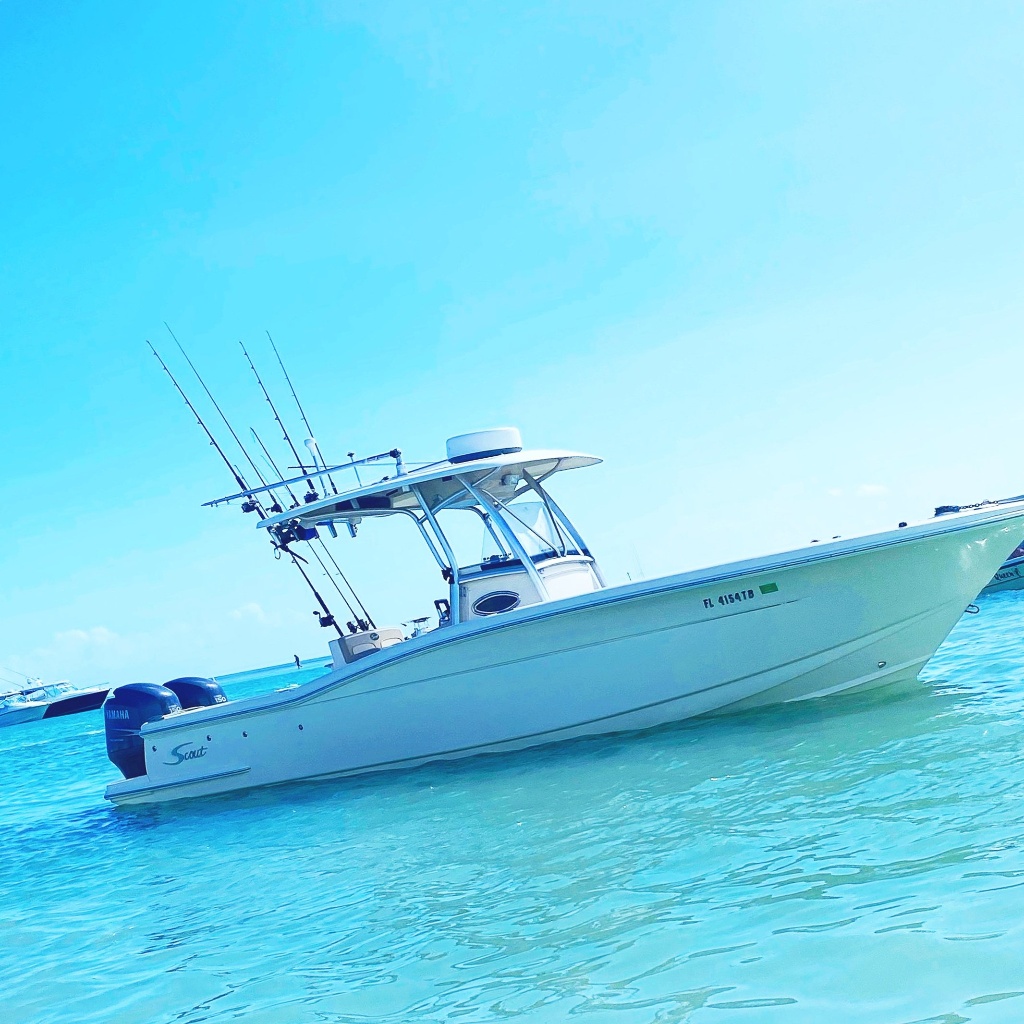
Your day starts with a comfortable ride out to productive wreck sites, where Captain Morris and his crew know exactly where the fish are holding. The beauty of wreck fishing in the Keys is the variety – one drop might produce a hefty black grouper, while the next could have you battling a feisty mutton snapper. The crew provides all the tackle you'll need, from heavy-duty bottom rigs to lighter setups for when the fish are finicky. You'll be fishing in depths ranging from 60 to 120 feet, where the wrecks create perfect ambush points for predator fish. The boat stays positioned over prime structure using GPS and fish finders, so you're always fishing the sweet spots where fish concentrate.
Bottom Fishing the Structure
Wreck fishing is all about precision and patience. You'll be using heavy sinkers to get your bait down through the current and right to the fish. The crew sets you up with circle hooks and fresh cut bait – usually squid, sardines, or ballyhoo – that grouper and snapper can't resist. The key is getting your bait close to the wreck without snagging on the structure itself. When a fish hits, you'll feel that unmistakable thump on the rod tip, then it's game on. Grouper especially love to dive straight back into the wreck when hooked, so you'll need to muscle them up and away from cover quickly. The crew knows these wrecks like the back of their hand and will coach you through fighting fish in heavy structure.
Top Catches This Season
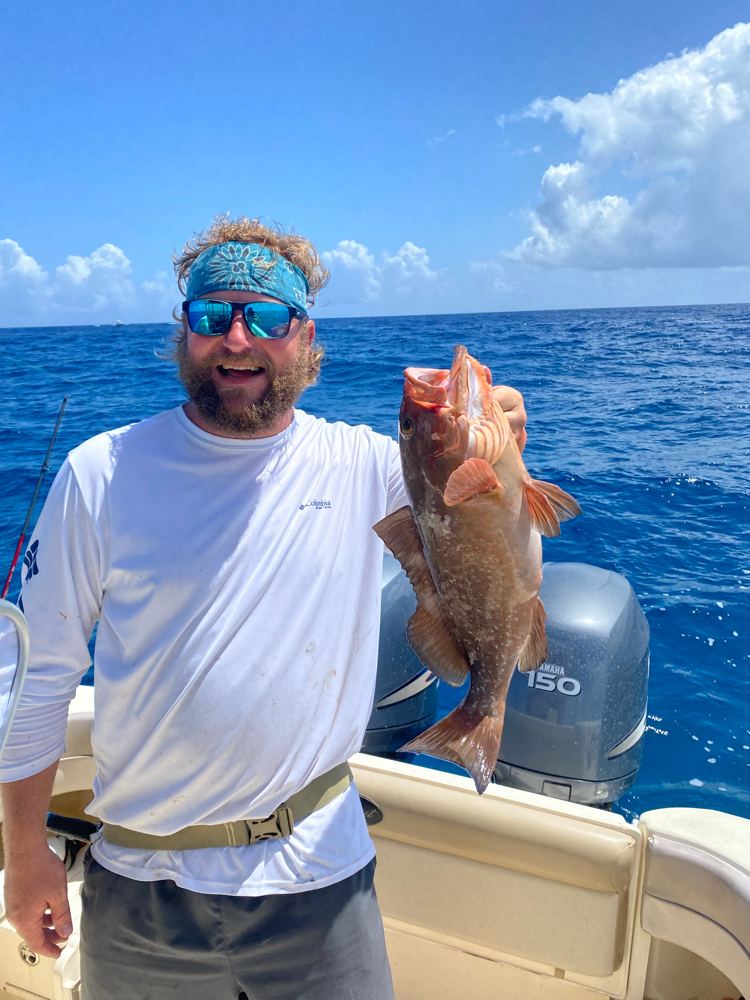
Red grouper are the bread and butter of Keys wreck fishing, and these chunky bottom dwellers love hanging around artificial reefs and sunken vessels. They typically run 5 to 15 pounds, with occasional monsters pushing 20-plus. Red grouper are most active during cooler months from October through April, when they move into shallower water to spawn. What makes them so popular with anglers is their willingness to bite and their excellent table fare – firm, white meat that's perfect for grilling or frying. They're ambush predators that sit motionless near cover, then explode on passing bait fish.
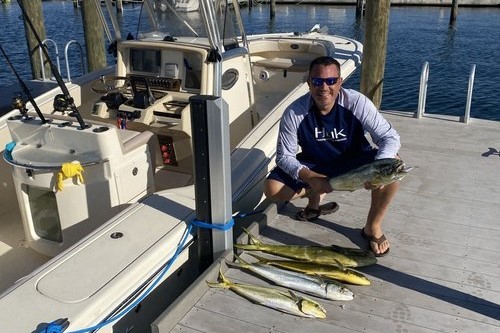
Mahi mahi, or common dolphinfish, are the speed demons of the bunch and often show up around floating debris near wreck sites. These fish are pure excitement – they jump, run, and put on an aerial show that gets every angler's heart pumping. Mahi typically range from 10 to 30 pounds in these waters, with their brilliant gold and green colors making them one of the most beautiful catches in the ocean. They're most abundant from April through September when water temperatures are warmest. Schools of mahi often travel together, so when you hook one, there's usually more where that came from.
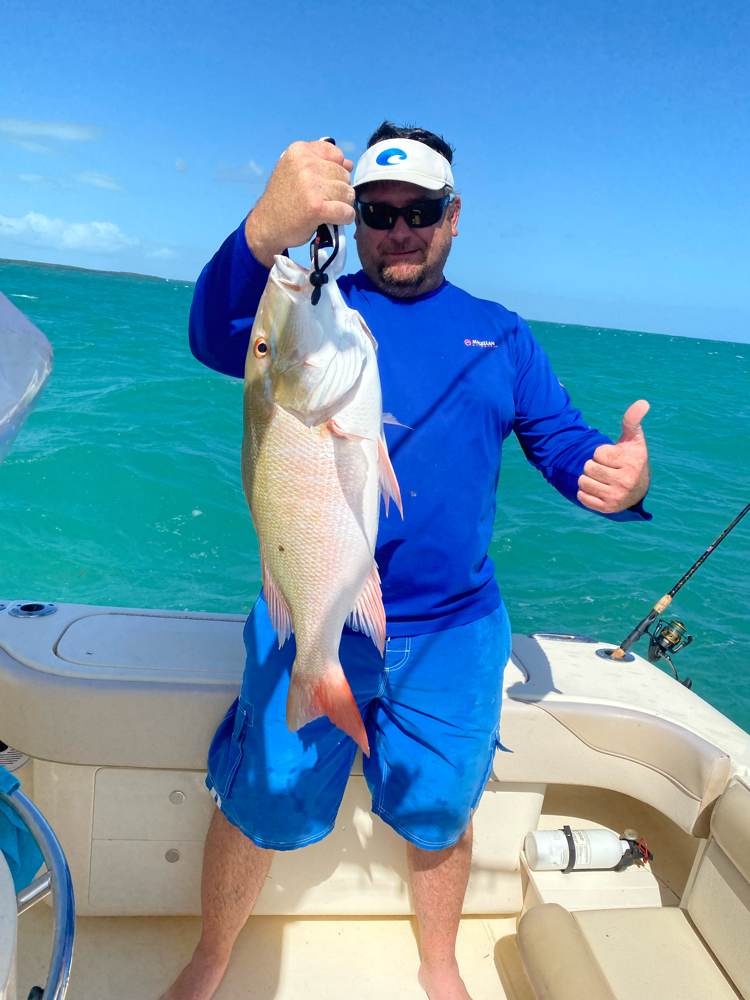
Mutton snapper are the wary veterans of the wreck community, and landing one is always a proud moment. These reddish fish with their distinctive black spot can grow quite large – 5 to 15 pounds is common, with trophy fish exceeding 20 pounds. They're most active at dawn and dusk, making early morning and late afternoon the prime times to target them. Muttons are notorious for their keen eyesight and cautious nature, often requiring lighter leaders and smaller hooks to fool them. Their fighting ability is legendary among Keys anglers, combining the power of a grouper with the speed of a snapper.
Black grouper are the kings of the wreck, and hooking into one of these bruisers is what every angler dreams about. These fish can grow massive – 20, 30, even 40 pounds or more – and they use every ounce of that weight to try and bust you off in the structure. Black grouper are more common in deeper water and around larger wrecks, where they have plenty of room to grow and hunt. They're most active during the warmer months from May through October. When you hook a black grouper, the first few seconds are critical – you need to turn their head and get them moving up and away from the bottom before they can wrap you around the wreck.
Time to Book Your Spot
Morris Crew Charters LLC offers one of the top-rated wreck fishing experiences in the Florida Keys, combining local knowledge with quality equipment and a genuine passion for putting clients on fish. The intimate 4-person capacity means you'll get the attention and instruction needed to maximize your success on the water. Whether you're an experienced angler looking for your next trophy or a newcomer wanting to learn the ropes of wreck fishing, this charter delivers the goods. The variety of species, the beautiful Keys setting, and the chance to land your personal best make this a fishing trip you'll want to repeat. Don't wait – prime dates fill up fast, especially during peak season when the fishing is hottest.
 Private Trip
 Wrecks/Reefs Fishing
 Key Largo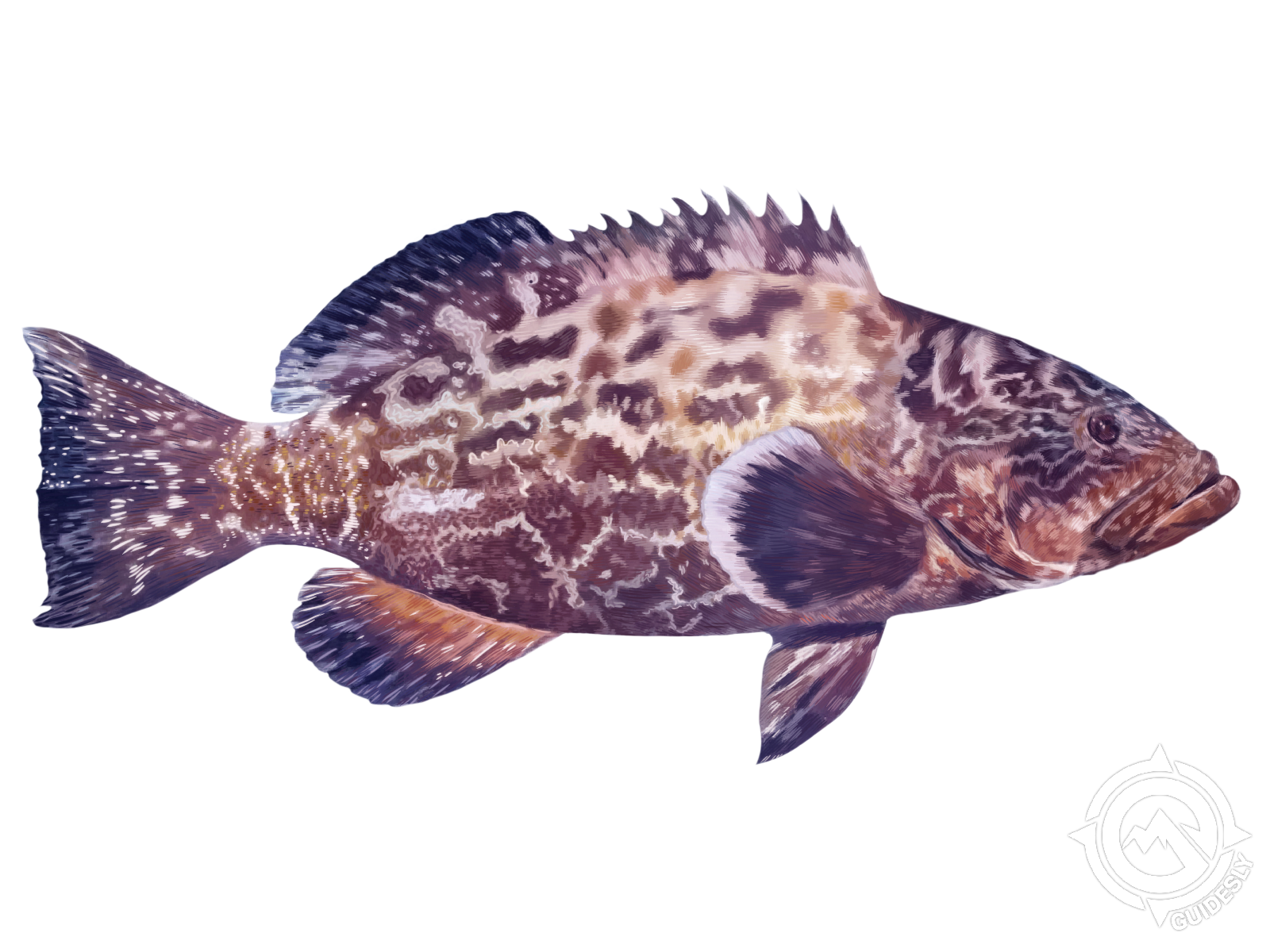


 4-6 hour wreck fishing adventure in Florida Keys waters