Extended Half Day Fishing in Fort Atkinson
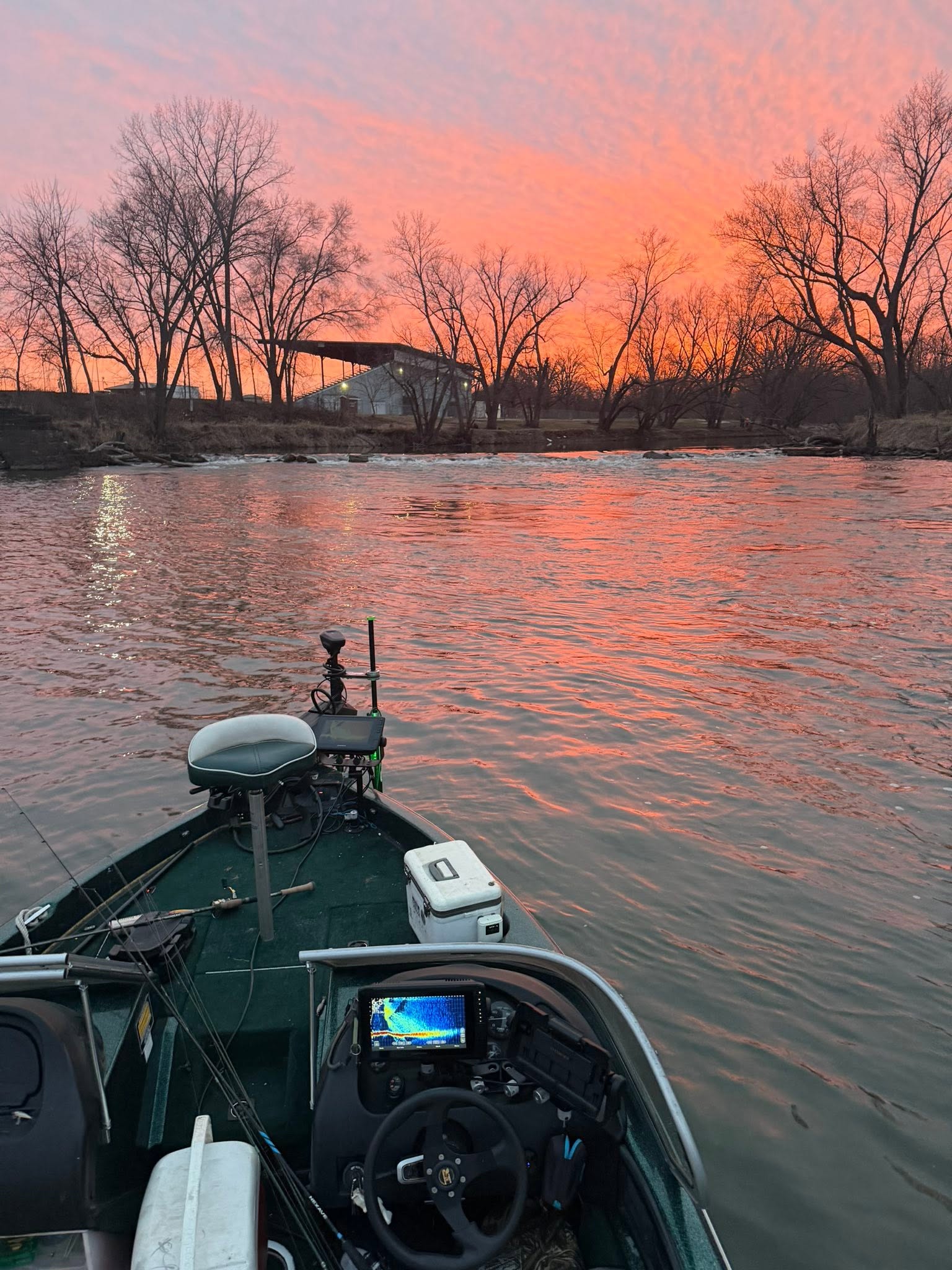
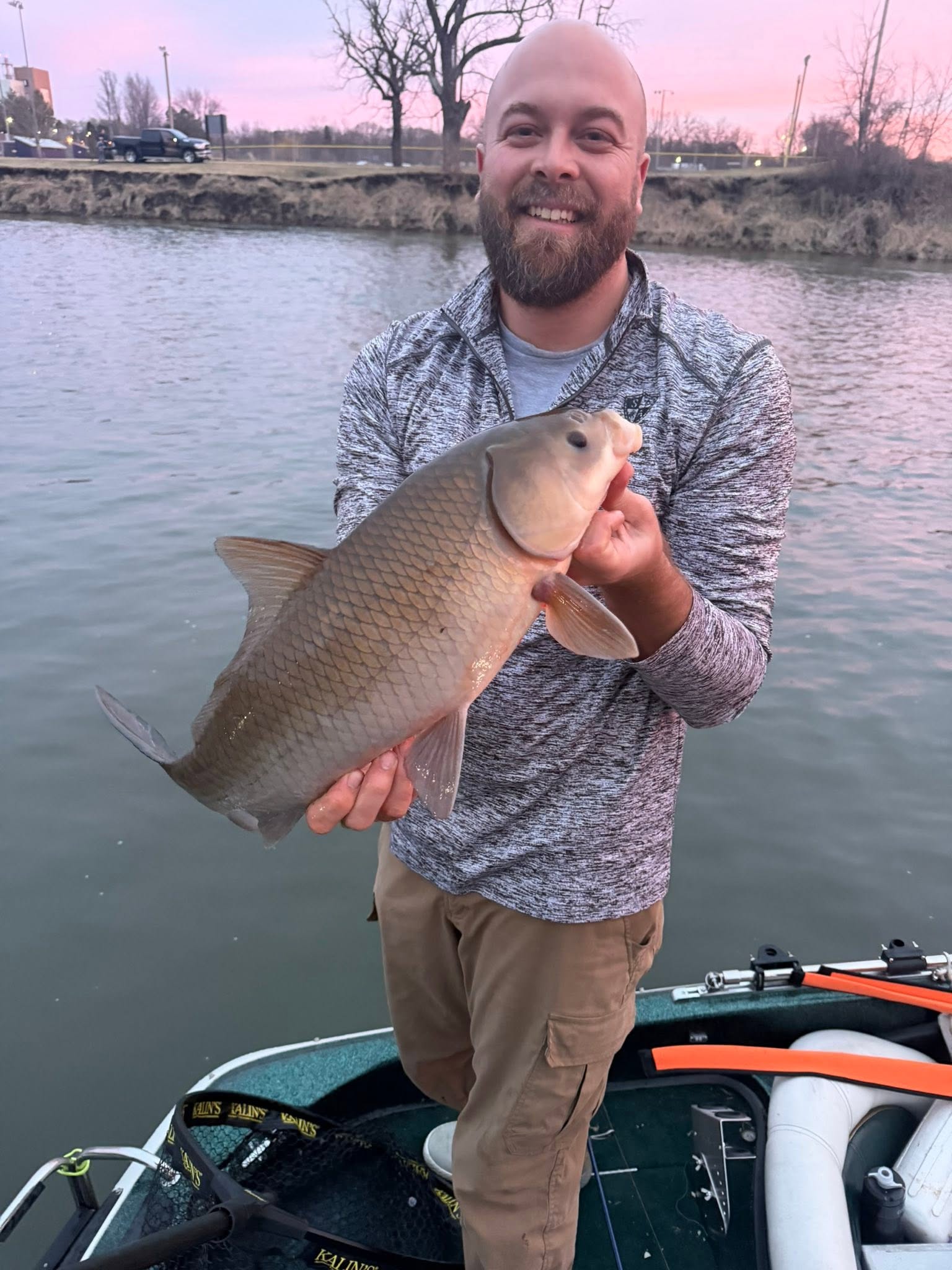
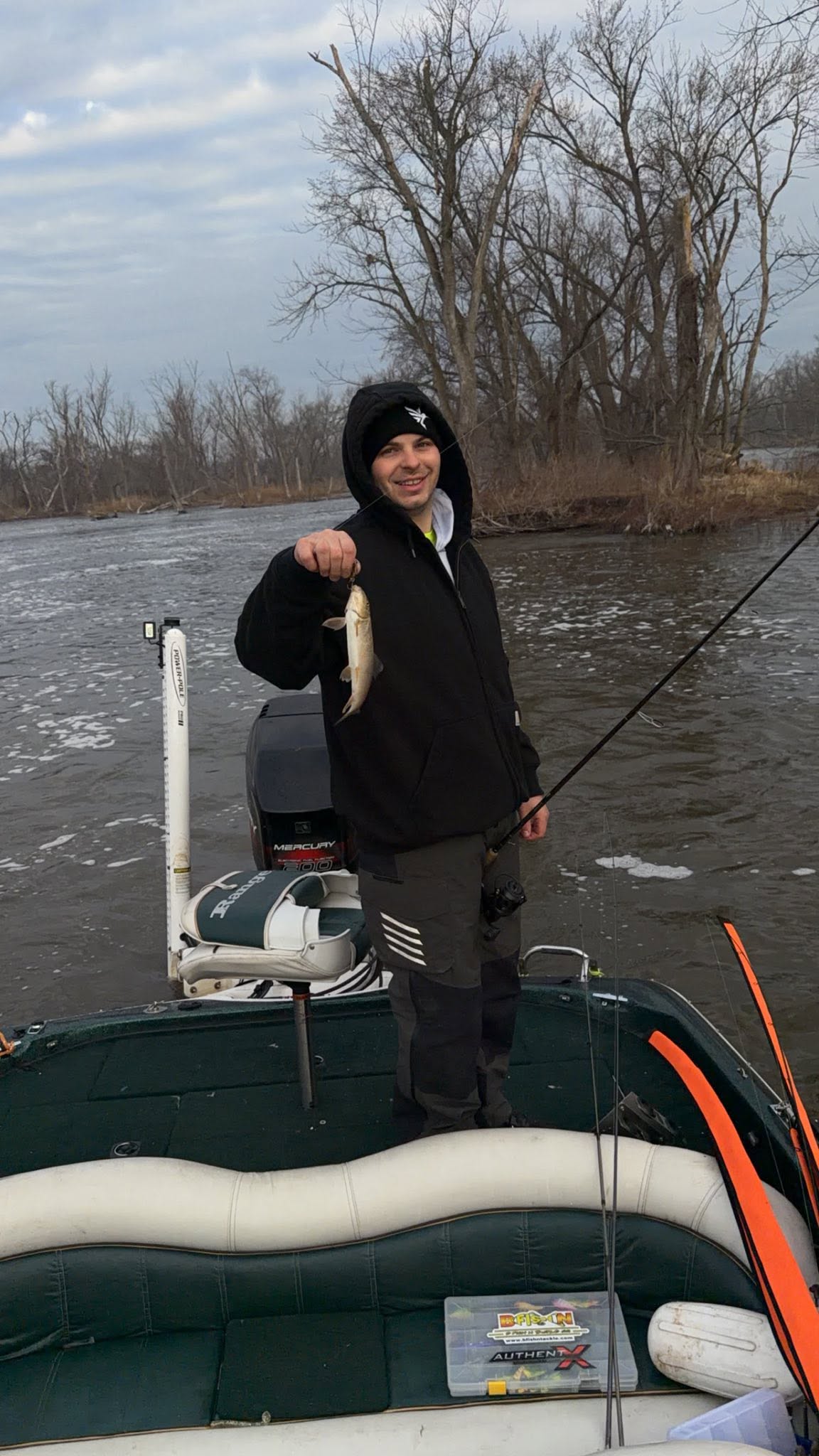
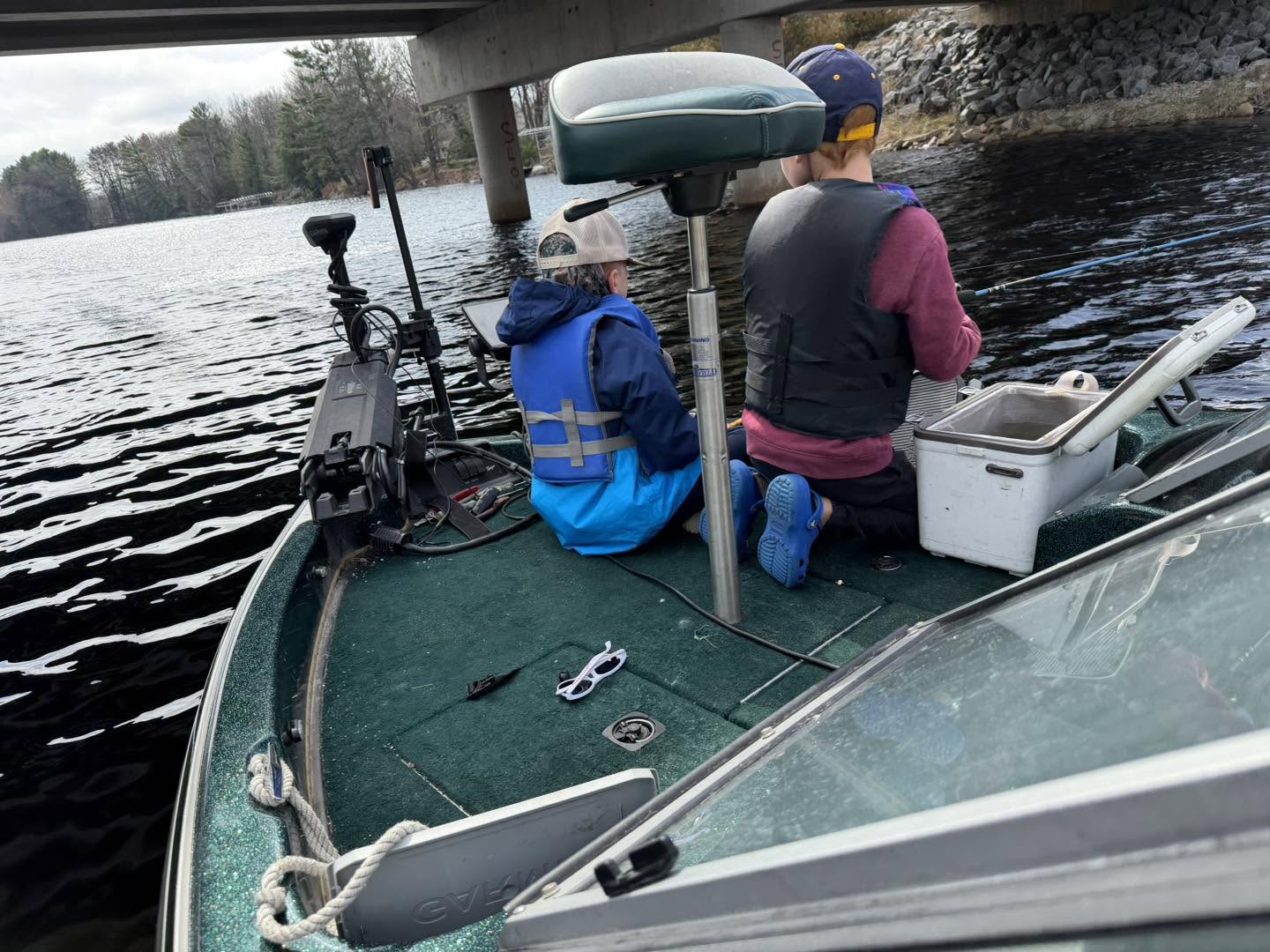
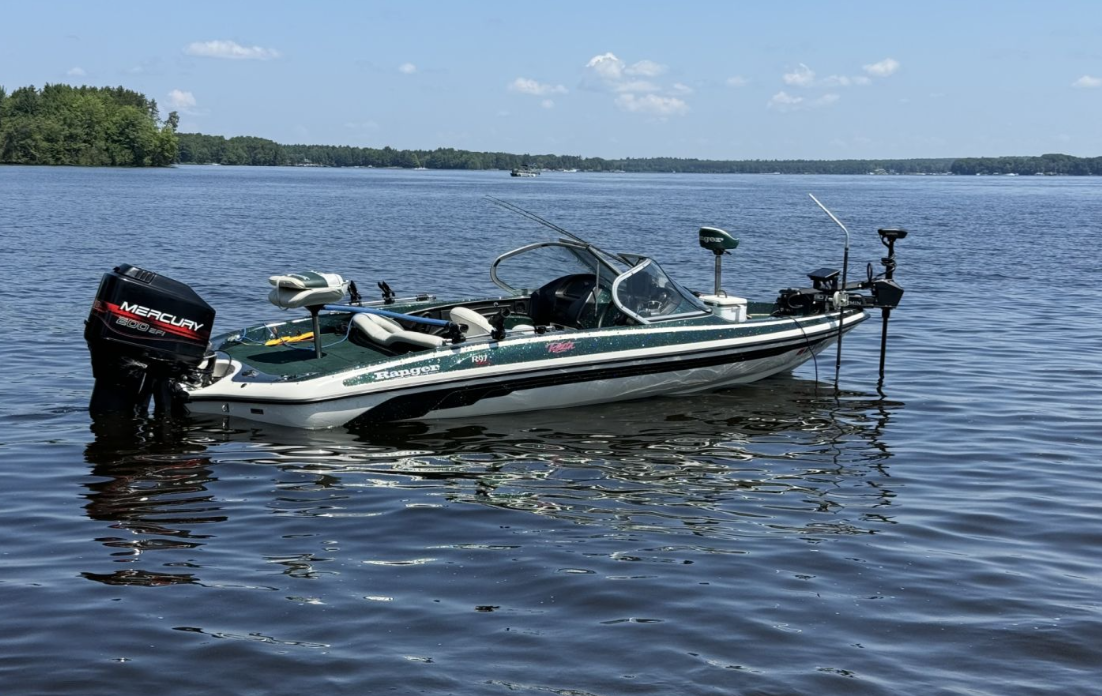
Picture this: six solid hours on some of Wisconsin's most productive waters, with your choice of the Rock River, Lake Geneva, Lake Delavan, or Lake Koshkonong. This isn't your typical rushed fishing trip where you're barely getting your bearings before it's time to head back. We're talking about a proper half-day adventure that gives you real time to dial in on the fish and experience what these waters are famous for. Whether you're an early bird who loves the calm morning bite or prefer afternoon action, we've got flexible departure times that work with your schedule. The best part? You're not crammed in with a big group – this is built for two anglers who want personalized attention and the kind of fishing experience that keeps you talking about it for months.
What to Expect on the Water
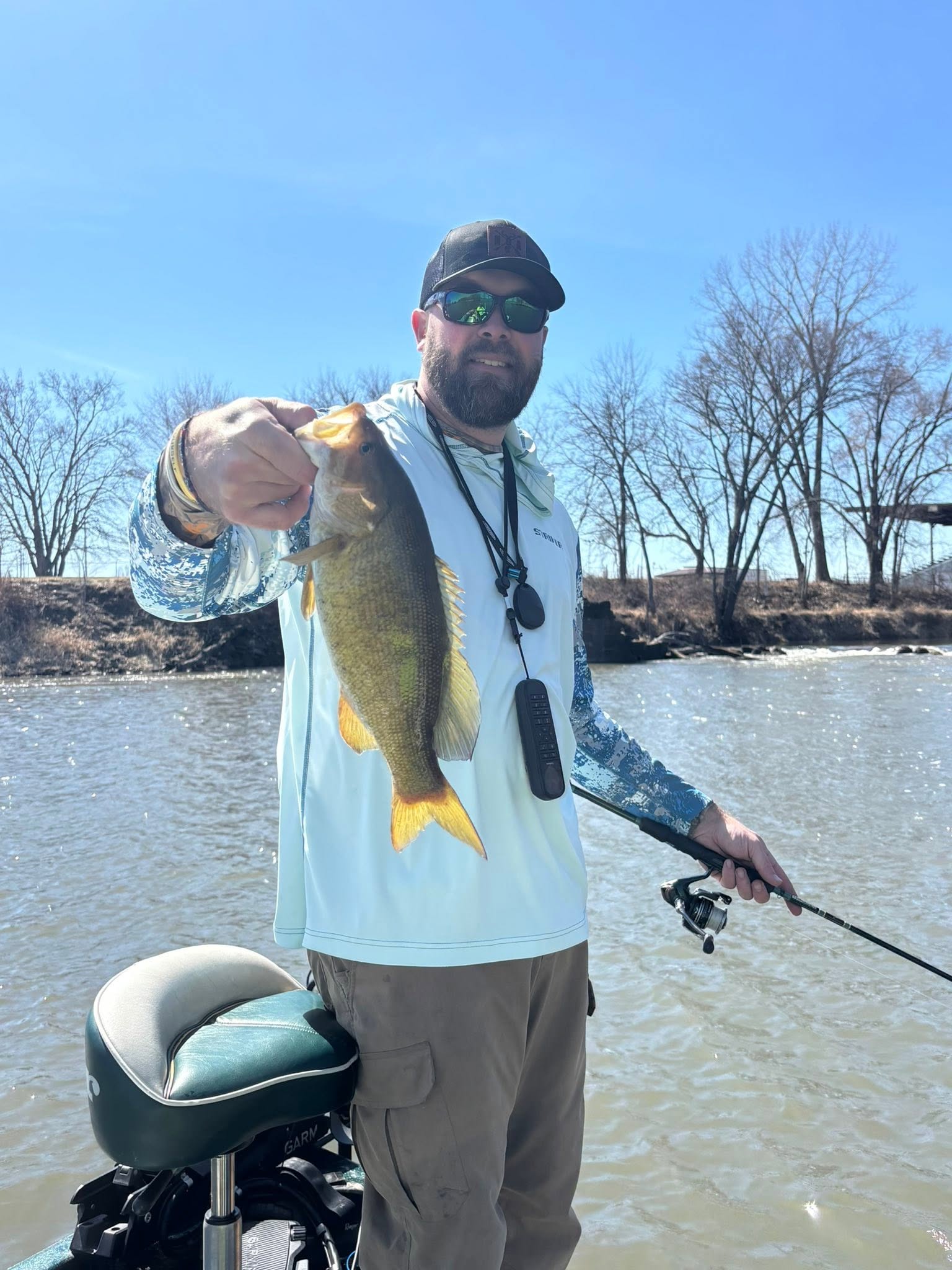
When you step aboard, you'll immediately notice this isn't a cookie-cutter operation. Each of these four water bodies has its own personality, and part of what makes this trip special is matching the right lake or river to the conditions and what's biting best. The Rock River offers some fantastic structure fishing with its wing dams and current breaks, while the deeper lakes like Koshkonong give us opportunities to work different depths and presentations. You'll be targeting a diverse mix of species – Walleye, Crappie, Northern Pike, Muskellunge, Yellow Perch, and Smallmouth Bass – which means the action stays interesting throughout the day. No two casts are quite the same when you're dealing with this variety of fish. The atmosphere is relaxed but focused, perfect whether you're looking to learn new techniques or just enjoy some quality time on the water with a friend or family member.
Techniques & Tackle
We keep the gear approach versatile because these fish call for different strategies throughout the day. Light tackle is the name of the game here – it keeps things sporting and lets you really feel what's happening down below. Jigging is huge on these waters, especially when we're working the deeper structure for Walleye or picking apart brush piles for Crappie. The technique is all about feel and timing, and there's something deeply satisfying about working a jig just right and feeling that telltale thump. When conditions are right, we'll switch to trolling, which is deadly effective for covering water and locating active fish. This is particularly productive for Northern Pike and Musky that are roaming and hunting. The beauty of having six hours is that we can adjust our approach based on what the fish are telling us, switching between presentations until we find what's working best that particular day.
Species You'll Want to Hook
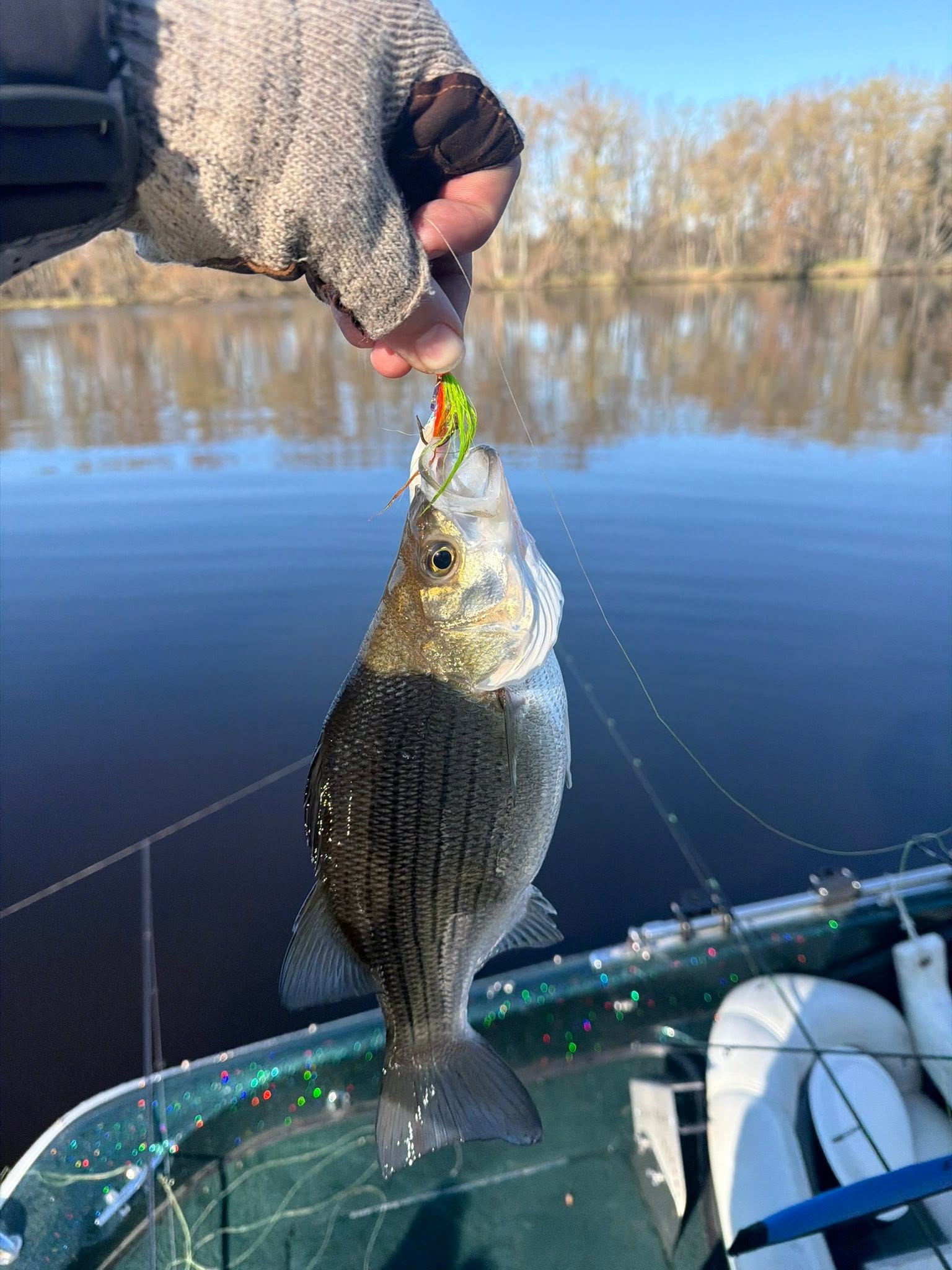
Crappie are absolute crowd pleasers and for good reason. These silvery slabs typically run 10-14 inches in these waters, and when you find a school, the action can be non-stop. Spring and fall are prime times, but summer patterns around deeper structure can be phenomenal. They're excellent table fare and fight with surprising spirit on light tackle. What makes Crappie special is their schooling behavior – once you locate them, you can often fill a cooler in short order. The bite is usually subtle but unmistakable once you learn to recognize it.
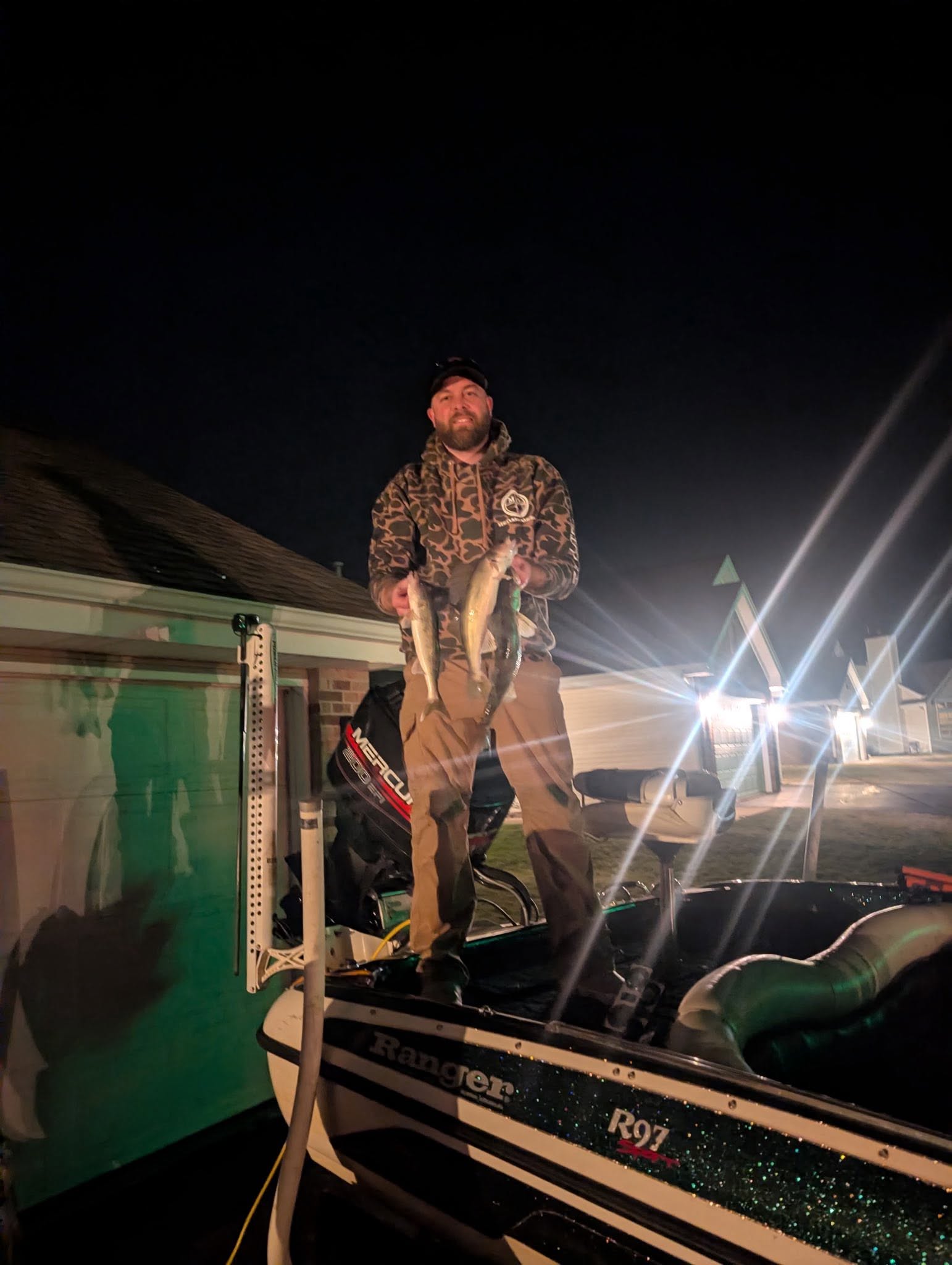
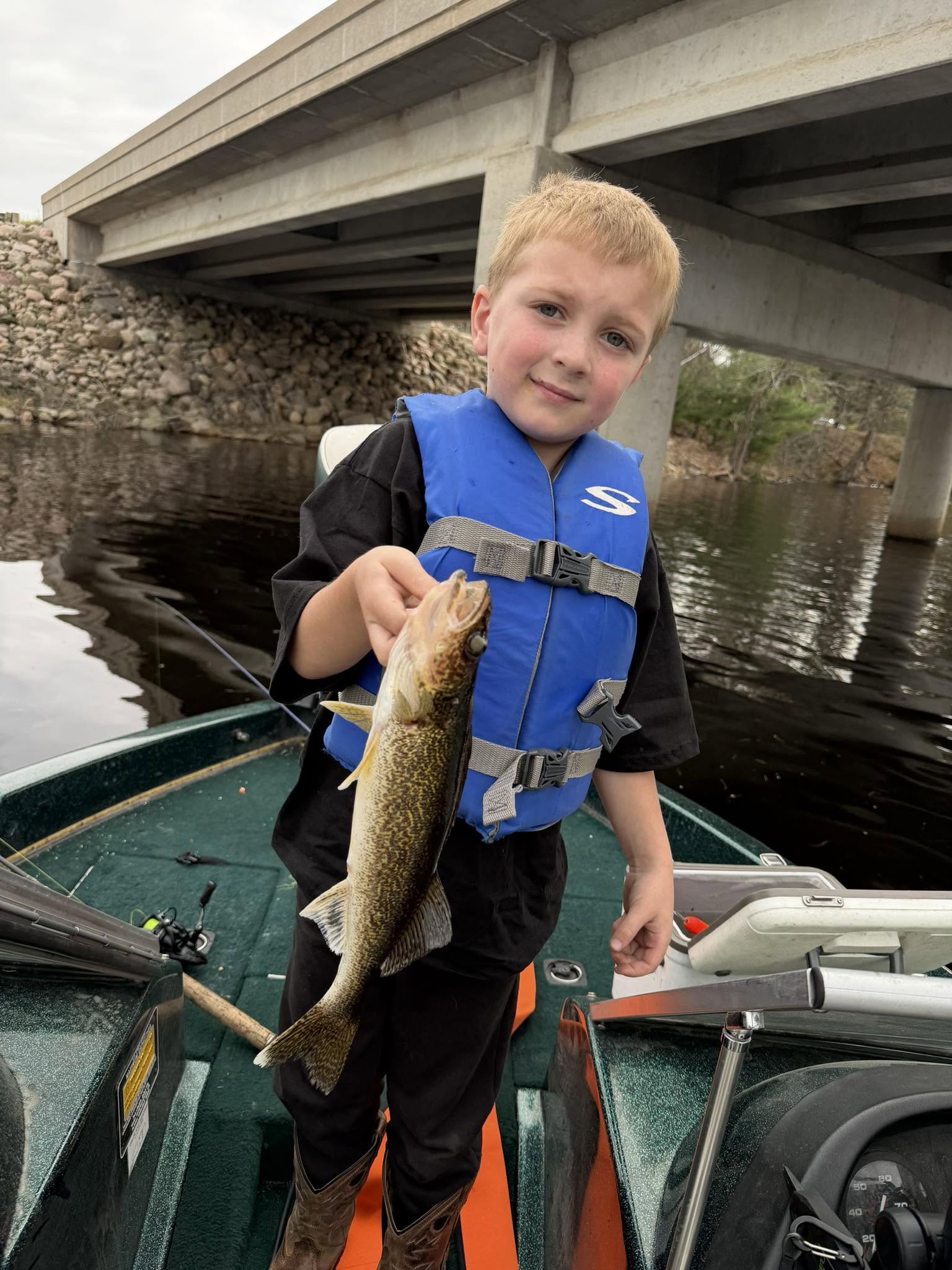
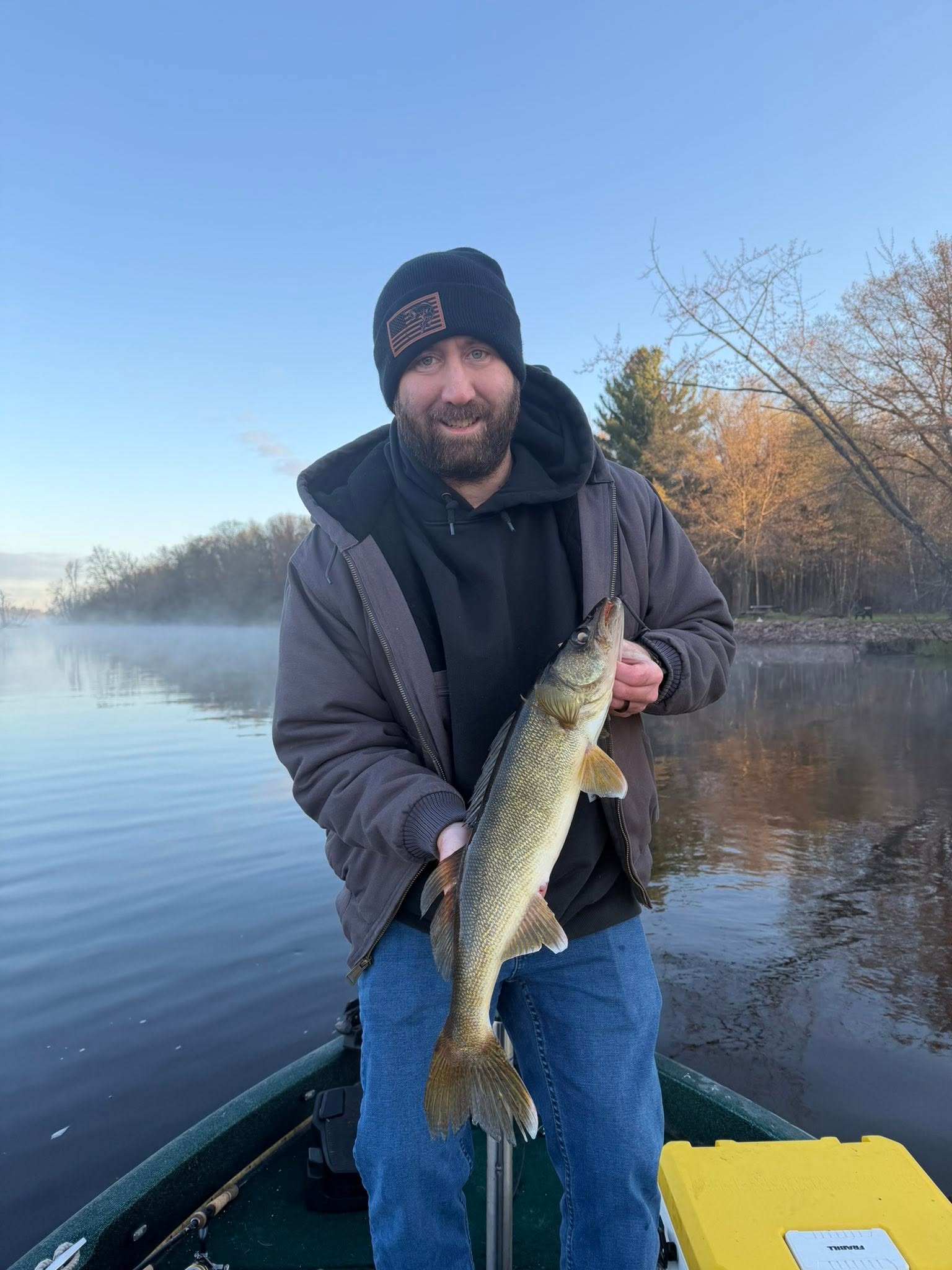
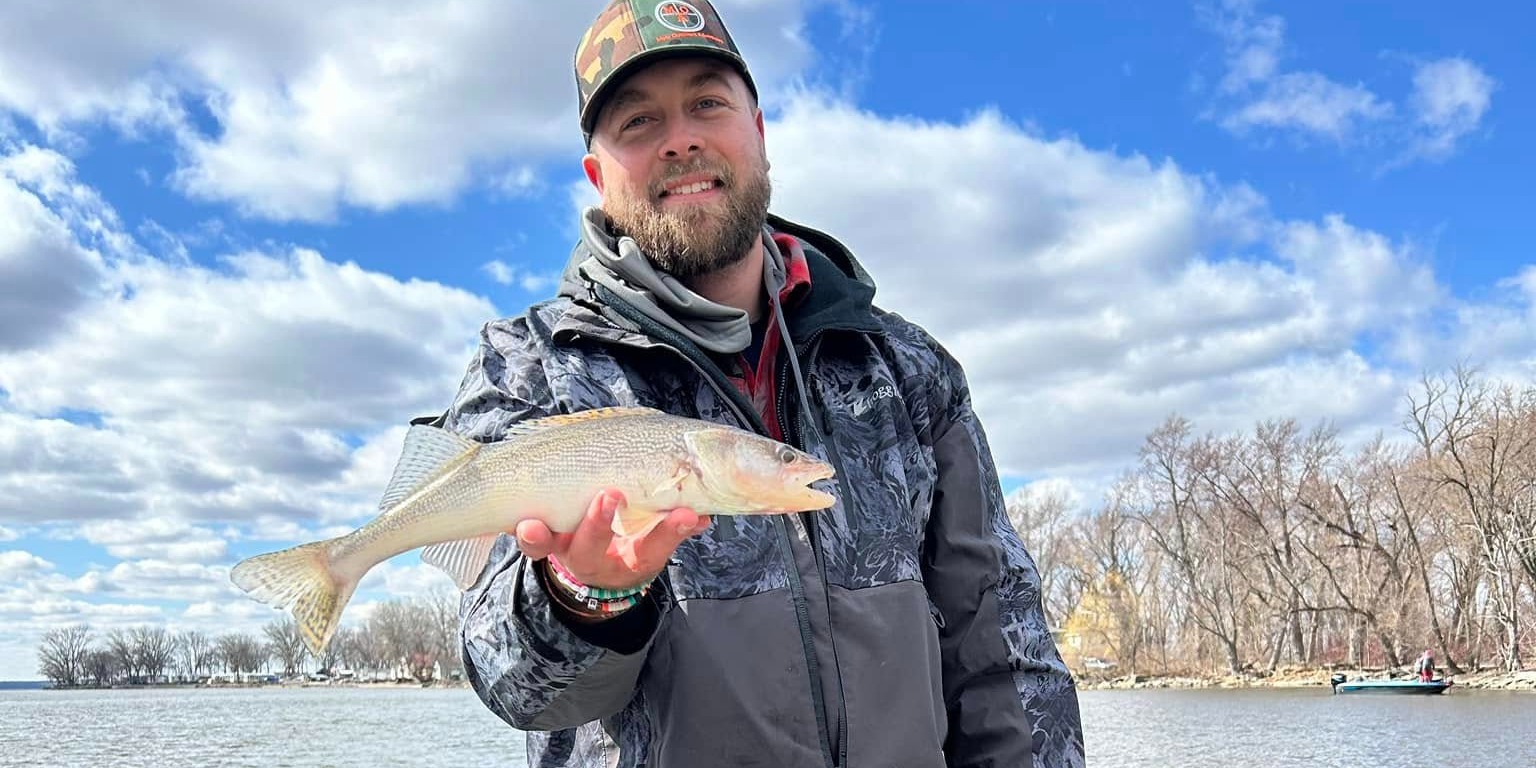
Walleye are the gold standard of eating fish, and these waters produce some beautiful specimens. Most run 14-20 inches, with occasional fish pushing the 24-inch mark. They're most active during low-light periods, which is why early morning and evening trips can be so productive. Walleye have this habit of hugging bottom structure, and learning to read your electronics to find these spots is half the battle. When you hook into a good Walleye, you'll know it – they make strong runs and have a distinctive head-shaking fight that keeps you on your toes.
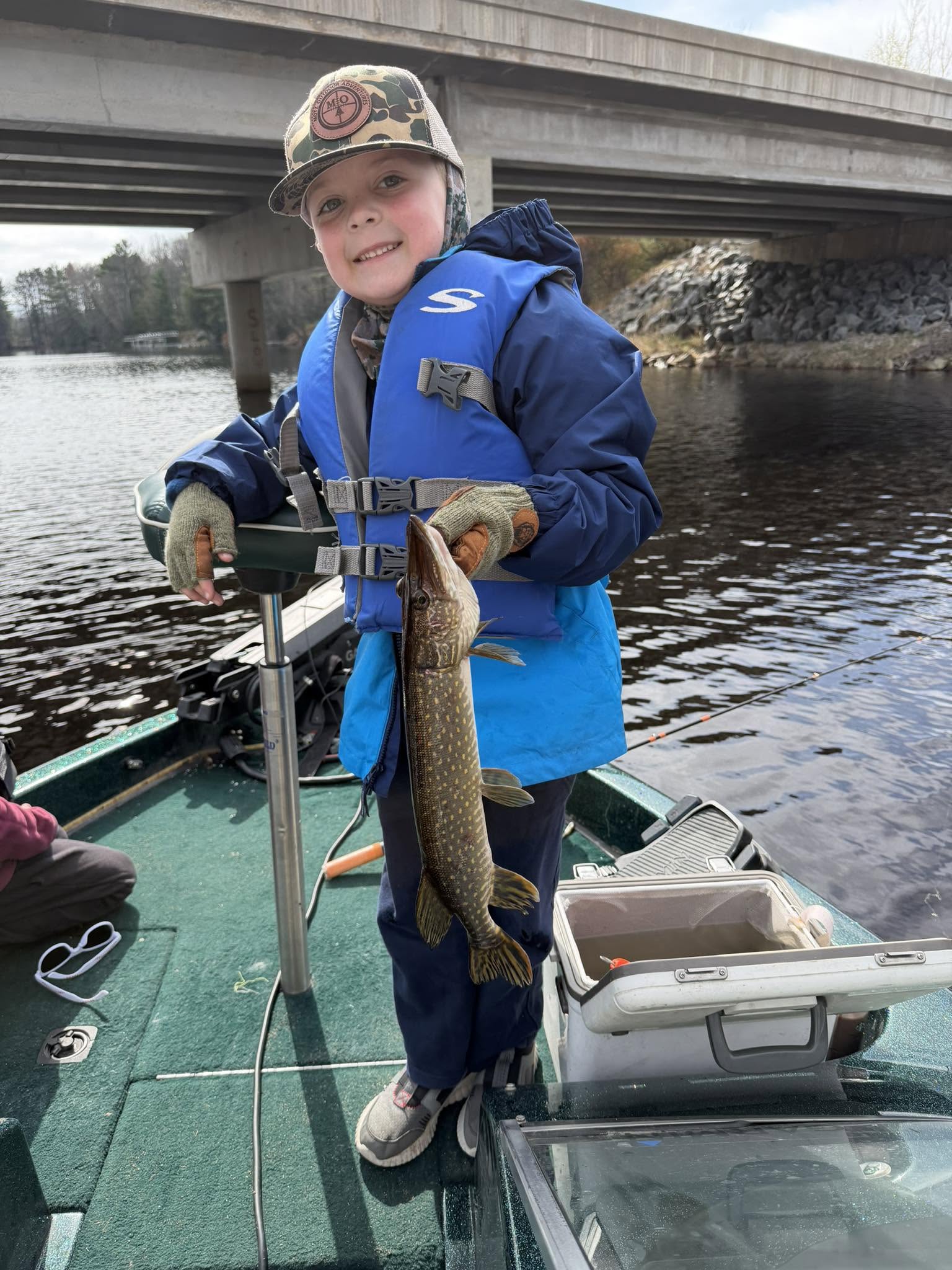
Northern Pike bring the excitement factor with their aggressive strikes and acrobatic fights. These toothy predators average 20-28 inches but can surprise you with fish over 35 inches. They're ambush hunters that love weed edges and shallow bays, especially during spring and early summer. Pike fishing is visual and aggressive – you're often casting to specific spots and expecting explosive strikes. They're perfect for anglers who love that heart-pounding moment when a big fish crashes your lure.
American Yellow Perch might seem humble, but they're fantastic fighters on light tackle and absolutely delicious. These waters produce chunky Perch in the 8-12 inch range, and they often travel in schools. Late summer and fall are prime times when they're fattening up for winter. Perch fishing requires finesse – they can be picky about presentation, but once you dial in the pattern, you can have steady action all day. Many anglers consider them the best-eating fish in freshwater.
Muskellunge represent the ultimate trophy fish challenge. These apex predators can exceed 40 inches and provide the kind of fight that tests your tackle and your nerves. They're nicknamed the "fish of 10,000 casts" for good reason – they're moody and selective, but when everything comes together, landing a Musky is an experience you'll never forget. Fall is prime time when they're actively feeding before winter, and these waters have produced some legitimate monsters over the years.
Time to Book Your Spot
Six hours on top-rated Wisconsin waters with personalized guide service – this is the kind of fishing trip that delivers real value. You're not just buying time on the water; you're investing in local knowledge, proven techniques, and access to some of the most productive fishing spots in the region. The flexible scheduling means you can book the departure time that works best for your group, and with space for just two anglers, you're guaranteed the kind of attention that helps you improve your skills and maximize your success. Whether you're celebrating a special occasion, introducing someone new to fishing, or just looking to get away from the everyday grind, this extended half-day format gives you enough time to really experience what Wisconsin fishing is all about. Don't wait
 Private Trip
 Lakes/Reservoirs/Ponds Fishing
 Madison


 Six-hour fishing adventure targeting walleye, crappie, and northern pike