Morning Inshore Charter: Redfish & Black Drum
There's something special about getting on the water early in North Myrtle Beach when the morning bite is just starting to heat up. This 4-hour private inshore fishing charter puts you right in the sweet spot where coastal waters hold some of the area's most sought-after game fish. You'll be targeting the legendary Redfish, hard-fighting Black Drum, and tasty Speckled Trout in the protected waters where these species love to feed. Whether you've been fishing these waters for years or you're just getting started, this trip delivers the kind of action that keeps anglers talking long after they head home.
What to Expect on the Water
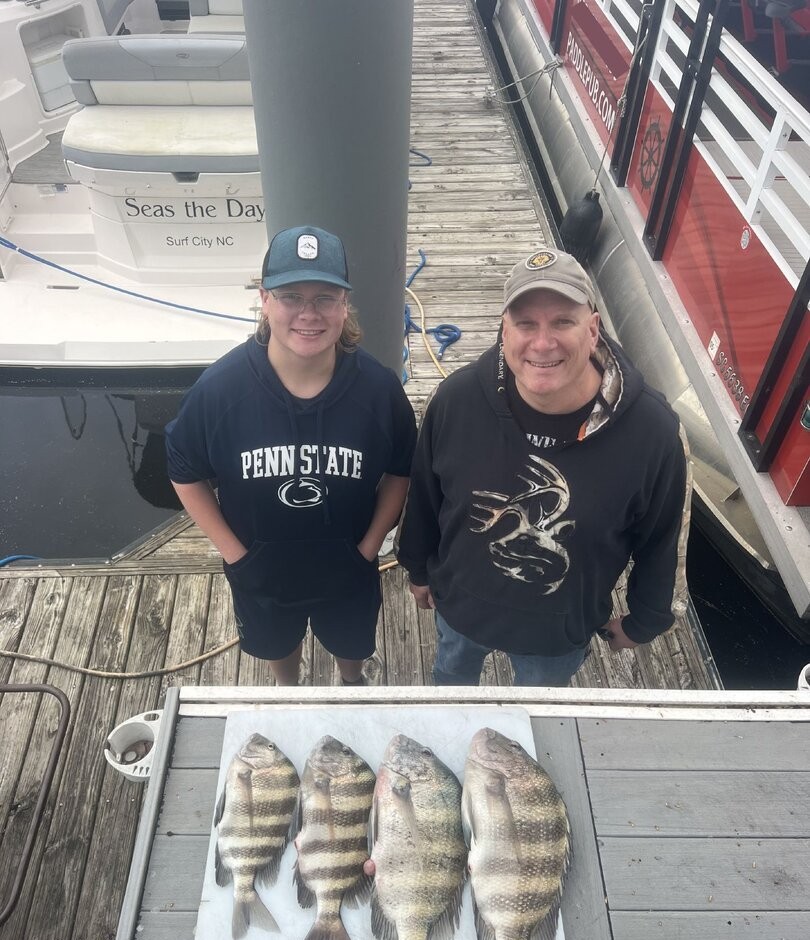
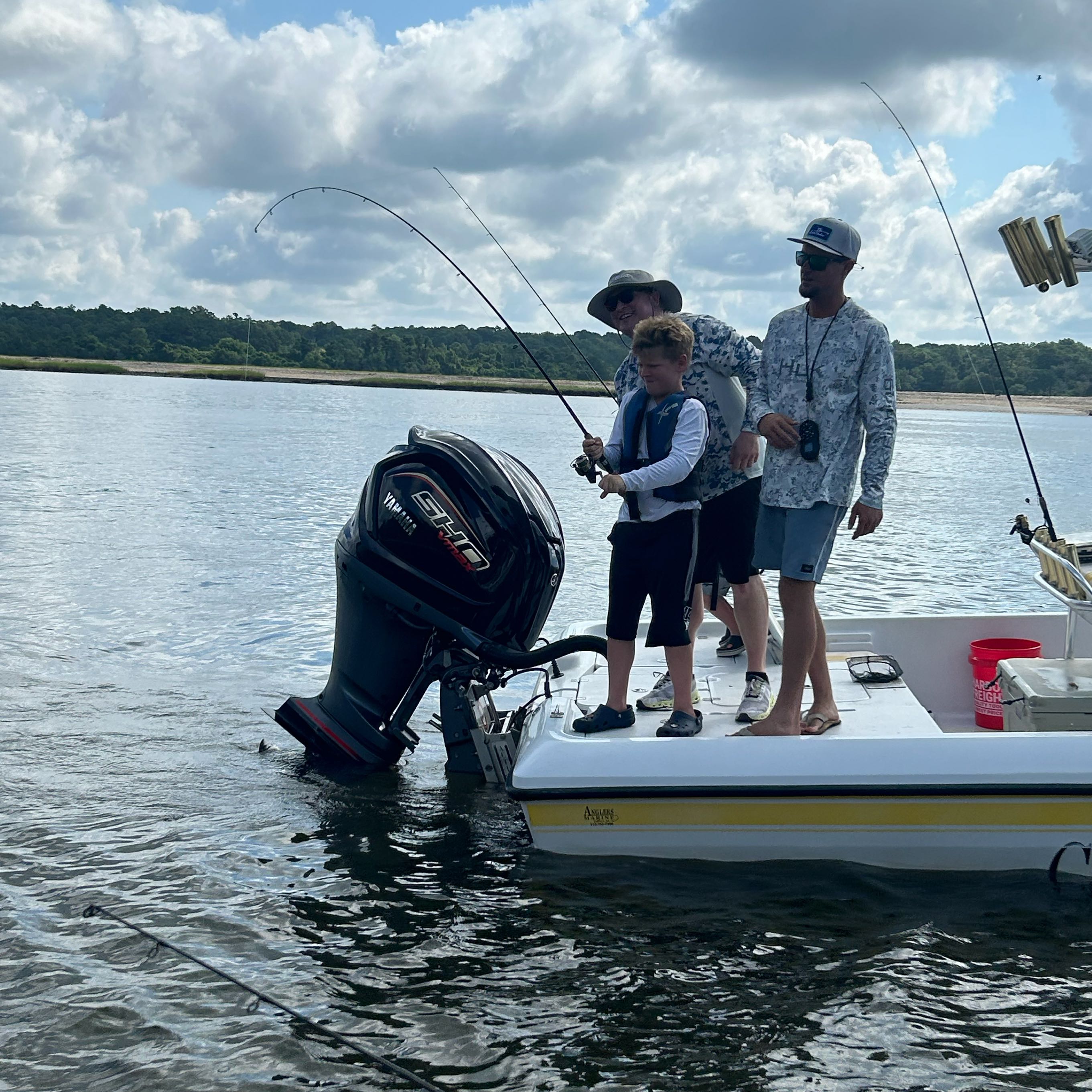
Your morning starts in the calm inshore waters around North Myrtle Beach, where the action happens in depths ranging from 2 to 8 feet. These protected flats and creek mouths create the perfect hunting grounds for sight fishing and structure fishing. The captain knows exactly where to find fish based on tides, weather, and seasonal patterns. You'll be fishing light tackle, which means every hookup feels like a real battle – even a 20-inch Redfish will give you a workout on 15-pound test. The boat stays in protected waters, so you won't deal with rough seas or long boat rides. Instead, you're fishing productive spots within minutes of leaving the dock. All rods, reels, tackle, and bait come included, and anything you catch within legal limits goes home with you for dinner.
Light Tackle Techniques
Inshore fishing around North Myrtle Beach is all about finesse and reading the water. You'll be using spinning reels with 15 to 20-pound braided line, paired with medium-action rods that have enough backbone to handle big fish but enough sensitivity to feel subtle bites. The captain will set you up with live shrimp, mud minnows, or cut bait depending on what the fish are eating that day. Techniques vary from sight casting to tailing Redfish in shallow water to bottom fishing around oyster bars and creek mouths where Black Drum like to feed. You'll learn how to work soft plastics like paddle tails and grubs around structure, and when to switch to natural baits when the bite gets tough. The key is staying quiet and making accurate casts to feeding fish without spooking them in these clear, shallow waters.
Top Catches This Season
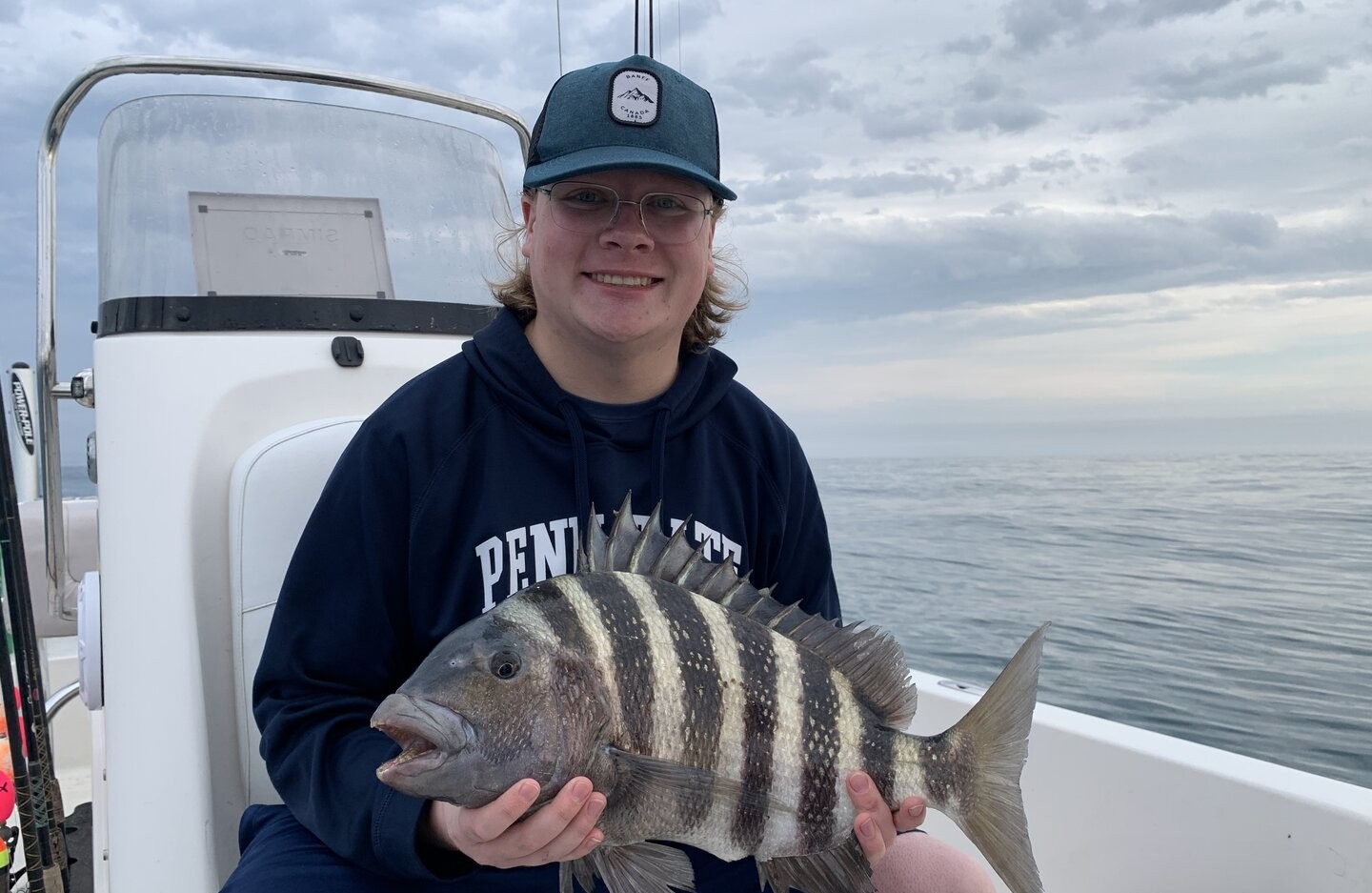
Black Drum are the heavyweight champions of the inshore waters around North Myrtle Beach. These fish can grow massive – we're talking 30 to 50 pounds for the big bulls that cruise the deeper creek channels and oyster bars. They're bottom feeders with a nose for blue crabs and oysters, so you'll often find them rooting around structure with their heads down and tails up. Spring through fall offers the best action, with the bigger fish showing up during cooler months. What makes Black Drum so exciting is their incredible pulling power. Once hooked, they'll make long, determined runs that test your drag system and your patience. The smaller "puppy" drum in the 5 to 15-pound range are fantastic table fare and fight just as hard as their bigger cousins.
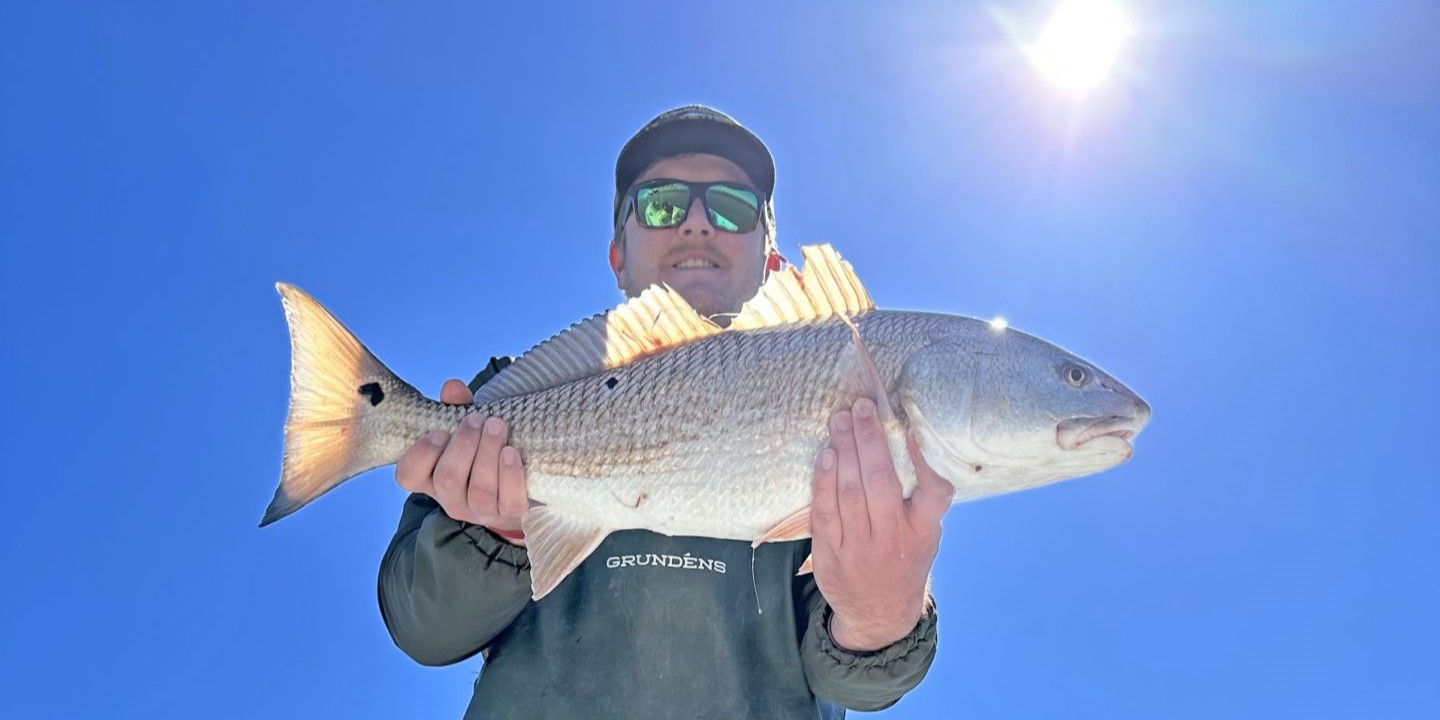
Redfish are the stars of the show for many anglers, and North Myrtle Beach waters hold some beautiful specimens. These copper-colored fighters typically run 18 to 30 inches in the inshore flats, with the occasional bull red pushing 35 inches or more. They're aggressive feeders that love shallow water, especially around oyster beds, grass flats, and creek mouths during moving tides. Redfish are known for their distinctive black spots and their habit of "tailing" when feeding in skinny water – you'll actually see their tails sticking out as they root for crabs and shrimp. The fight is what hooks most anglers: they make powerful runs and use their broad sides to fight you all the way to the boat. Year-round fishing is possible, but fall typically produces the most consistent action as baitfish move into the shallows.
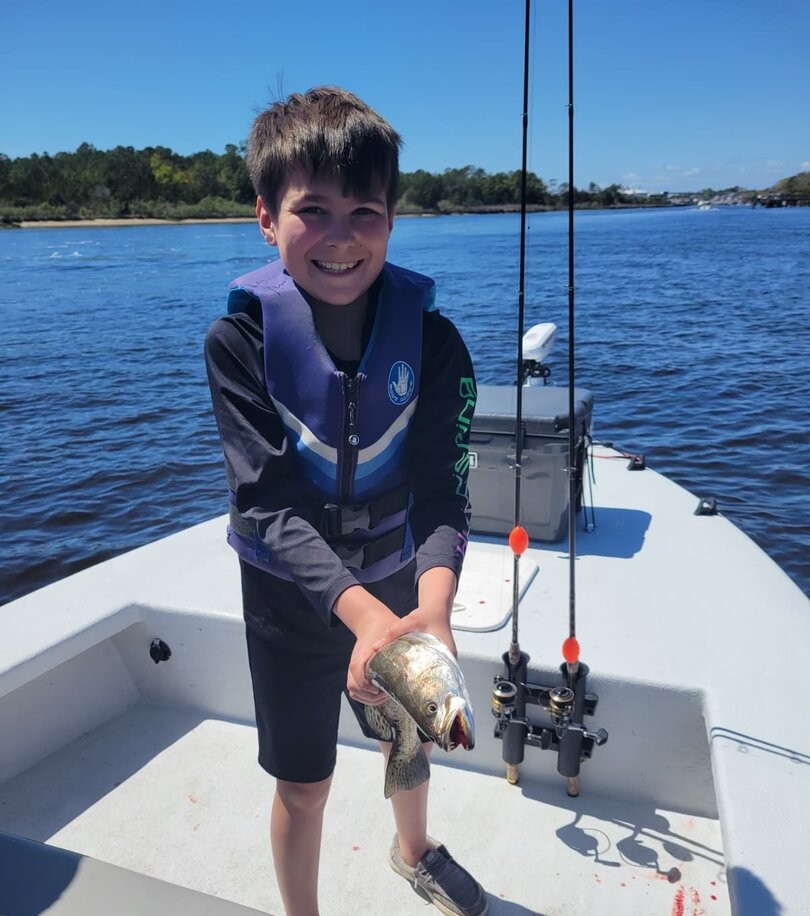
Speckled Trout round out the inshore slam and provide some of the best eating you'll find in these waters. These spotted beauties prefer grass flats and sandy bottoms where they can ambush shrimp and small baitfish. They're typically smaller than Redfish and Black Drum, running 14 to 20 inches on average, but they make up for size with numbers and taste. Specks are structure-oriented fish that love to hang around oyster bars, dock pilings, and grass edges during moving water. They hit both live bait and artificials with enthusiasm, and their soft mouths mean you need to keep steady pressure without horsing them. The best Speckled Trout action happens during spring and fall when water temperatures are in their comfort zone, typically early morning and late afternoon when they're actively feeding.
Time to Book Your Spot
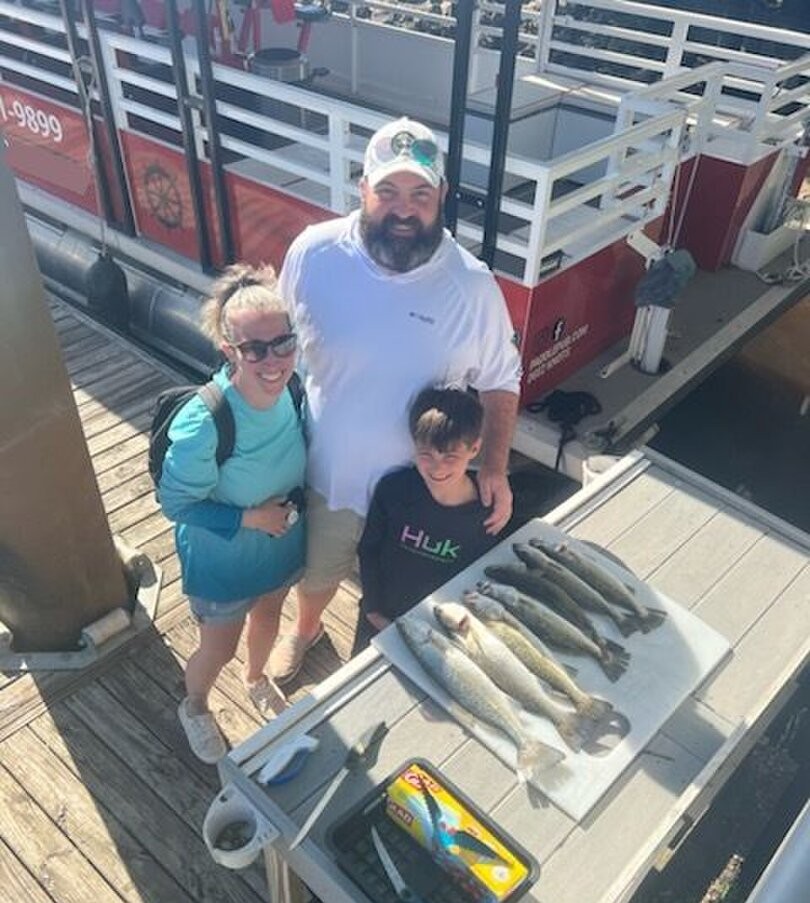
This 4-hour morning charter gives you the perfect taste of what makes North Myrtle Beach inshore fishing so special. You get expert guidance, quality equipment, and access to productive fishing spots that produce consistent action for anglers of any skill level. The private boat setup means you're not sharing space with strangers, and the captain can adjust techniques and locations based on your group's experience and preferences. With all gear provided and your catch going home with you, it's a complete fishing experience that delivers both excitement on the water and fresh seafood for the dinner table. Morning slots fill up fast during peak season, so grab your dates early and get ready to experience some of the best inshore fishing the Carolina coast has to offer.
 Private Trip
 Inshore Fishing
 North Myrtle Beach


 Private 4-hour morning charter targets redfish and black drum