Nearshore/Offshore Fishing Trips
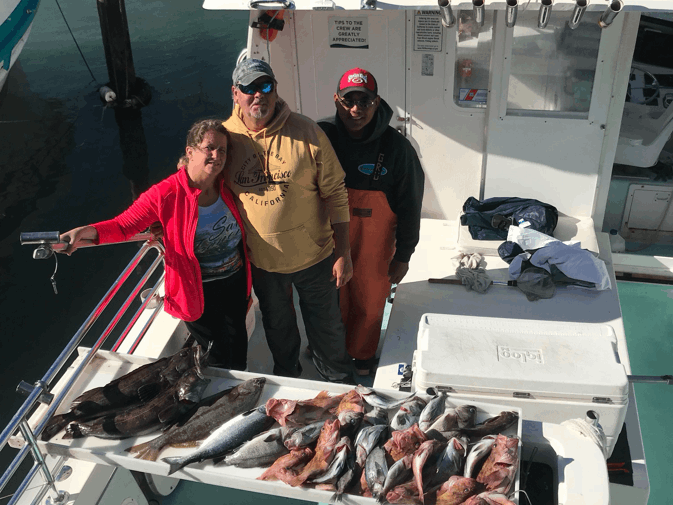
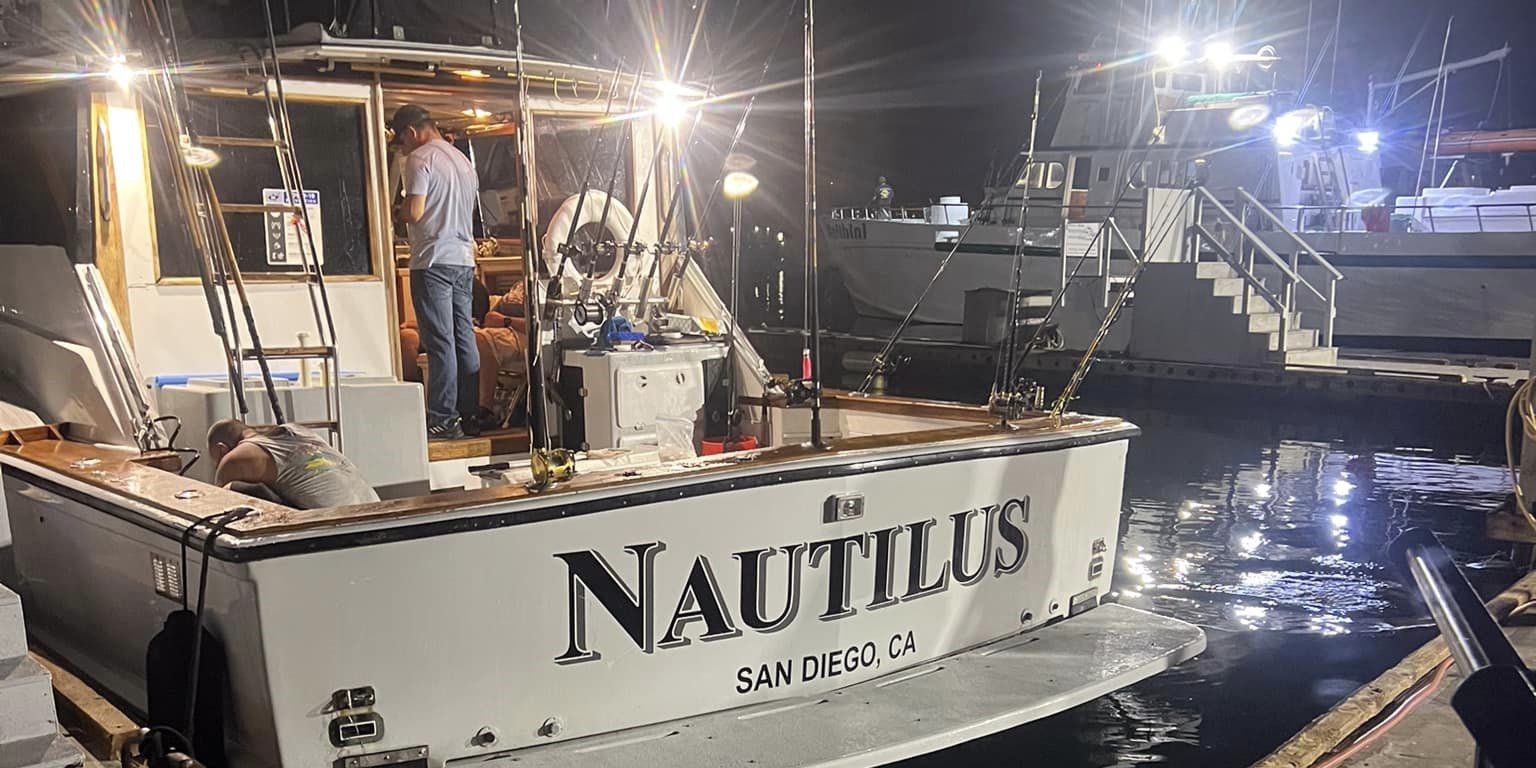
Drop your lines in some of California's most productive fishing waters with Nautilus Excursions. Our nearshore and offshore fishing trips put you right where the action happens – from the kelp beds just outside the harbor to the deeper waters where the big ones cruise. With space for up to four anglers, this isn't some cattle boat experience. You'll get personalized attention, prime fishing spots, and the kind of local knowledge that comes from years of working these waters. Whether you're after that trophy salmon or just want to load the cooler with fresh rockfish, we'll put you on the bite.
What to Expect on the Water
California's coast offers some of the most diverse fishing on the planet, and that's exactly what you'll experience on our trips. We start early – usually before sunrise – to maximize your time in the prime fishing zones. The nearshore waters hold incredible structure fishing around kelp forests and rocky reefs, perfect for lingcod, rockfish, and halibut. When we head offshore, we're targeting the migratory species like salmon and the bigger predators that follow the baitfish out in the blue water. The boat is equipped with quality rods and reels, plus all the terminal tackle you'll need. Our captain knows these waters like his own backyard – where the fish stage up during different tides, which spots fire off in various wind conditions, and how to read the water for signs of life. You'll fish multiple spots throughout the day, adapting techniques based on what we're seeing and what's biting. The beauty of California fishing is the variety – one drift you might be bouncing lead heads for lingcod in 80 feet, the next you could be trolling for salmon in 200 feet of water.
Techniques and Tackle
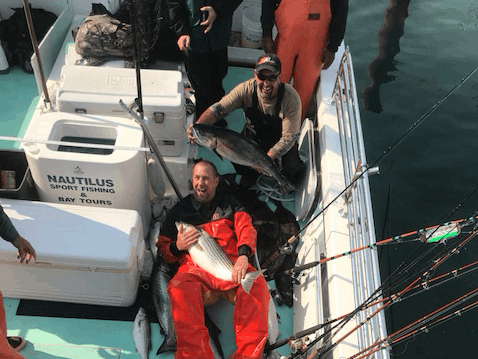
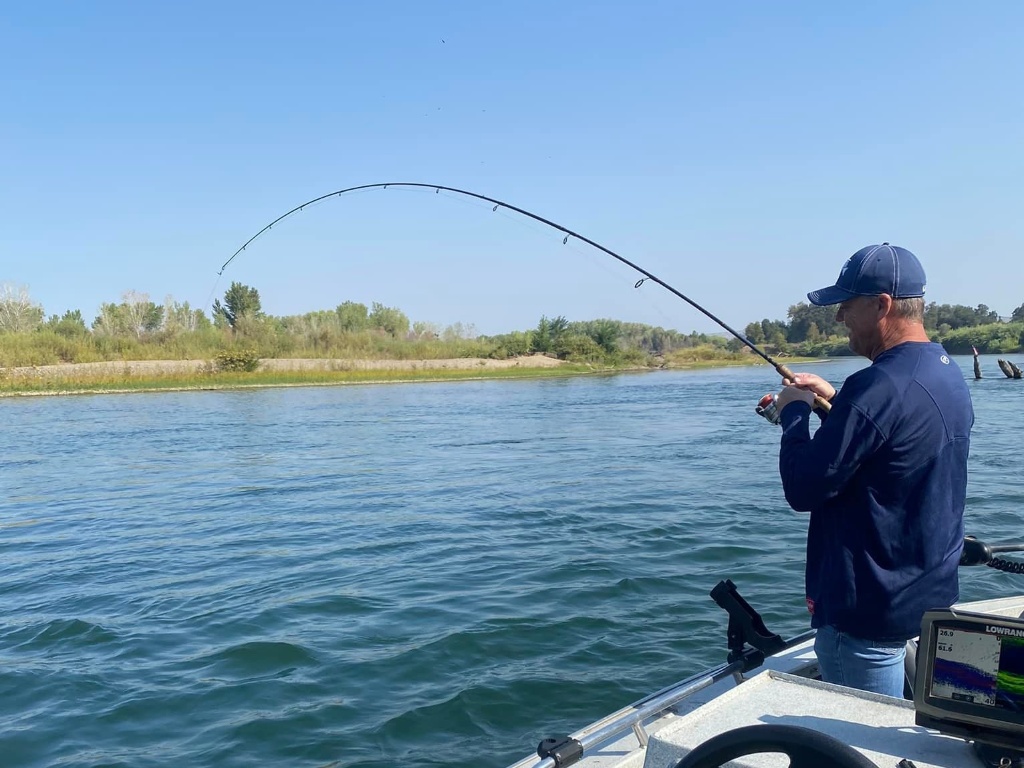
We run a mix of techniques depending on conditions and target species, but you'll get hands-on experience with the methods that produce consistently out here. For the nearshore rockfish and lingcod fishing, we're talking about drift fishing with heavy jigs and live or cut bait. The key is staying vertical and feeling the bottom structure – these fish relate to rocks, ledges, and kelp edges. When we're targeting halibut, we'll often anchor up and fish live bait on sliding sinker rigs, letting that bait work naturally in the current. For salmon, we switch to trolling spreads with downriggers and diving planes, pulling everything from spoons to hoochies behind flashers. The gear is sized appropriately for each technique – medium-heavy conventional setups for the bottom fishing, lighter trolling rods for salmon work. Our tackle selection includes everything from 4-ounce iron jigs to delicate salmon rigs, and we'll match your setup to what we're targeting. Part of the experience is learning to read your rod tip, feel the difference between a fish and the bottom, and understand how tides and structure affect where fish position themselves. It's real fishing – not just dropping a line and hoping.
Top Catches This Season
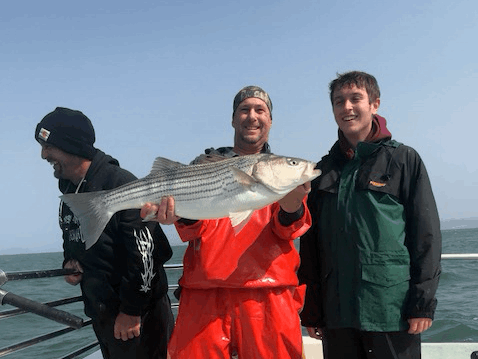
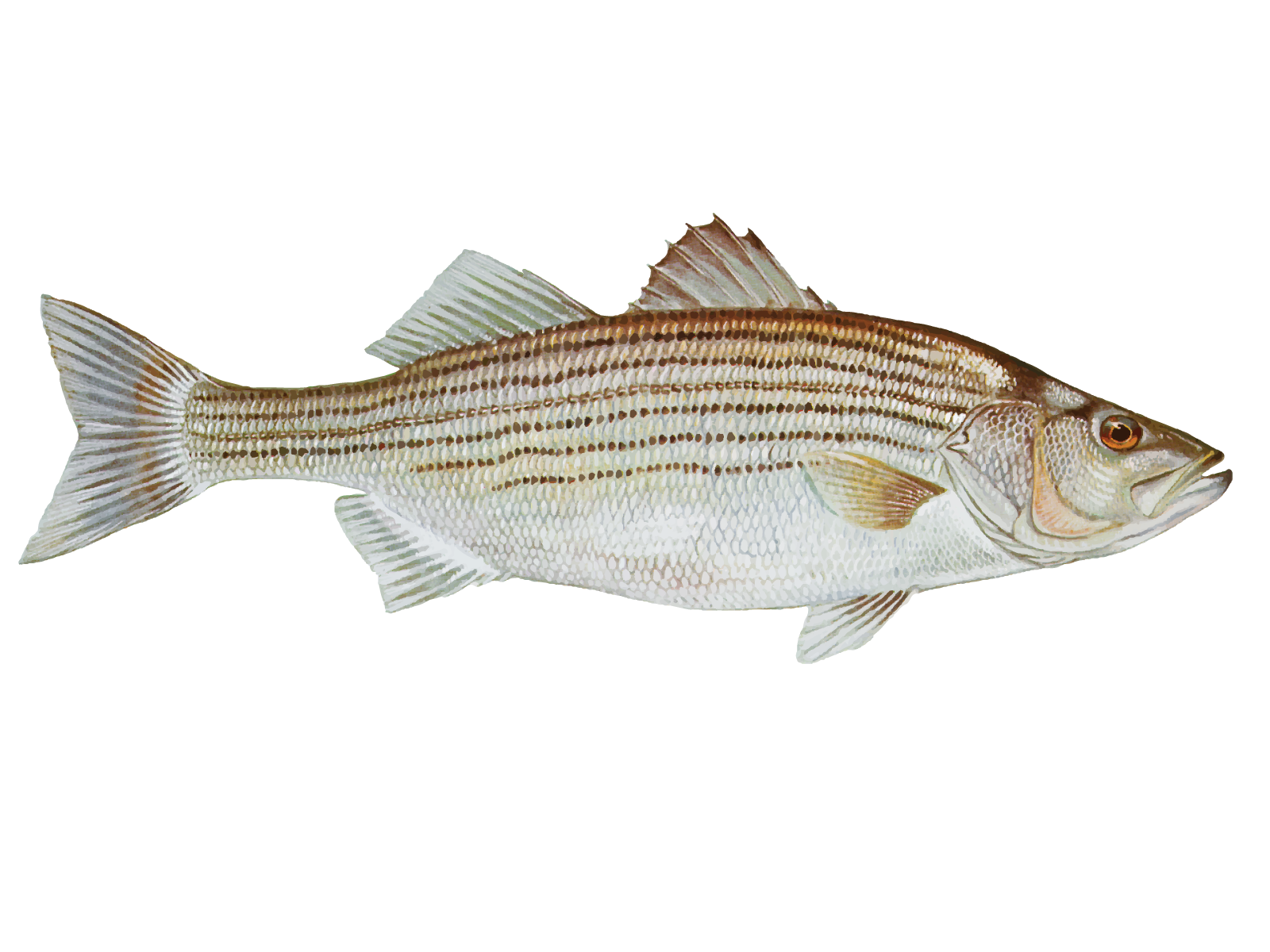
Striped bass remain one of the most sought-after species in these waters, and for good reason. These powerful fish average 10-30 pounds but can push well over 40, and they fight like freight trains. Stripers are most active during the cooler months from fall through early spring, following the baitfish migrations along the coast. What makes them so exciting is their aggressive strikes and long, powerful runs that'll test your drag and your arms. They're also excellent table fare with firm, white meat that's perfect on the grill.
Lingcod are the monsters of the nearshore reefs, and catching one is always a highlight. These prehistoric-looking predators can exceed 20 pounds and have mouths full of needle-sharp teeth. They're ambush hunters that sit tight to structure, so you'll often feel them grab your bait and just sit there before making their move. The fight is more about power than speed – they'll try to wrap you around every rock on the bottom. Lingcod are available year-round but fish best during the winter months when they move shallow to spawn. The meat is some of the best eating in the ocean – firm, white, and mild.
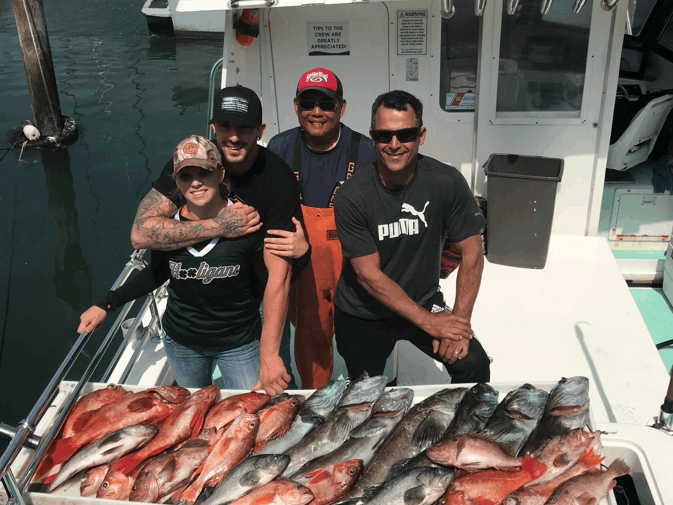
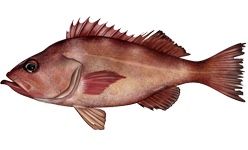
Pacific Ocean Perch might not be the biggest fish in the sea, but they're school fish that can provide fast action when you find them. These bright red rockfish typically run 1-3 pounds and are found in deeper water, often 200-400 feet down. When you hit a school, it's common to have double and triple hookups with fish coming up from the depths. They're incredibly good eating and perfect for fish tacos or fish and chips.
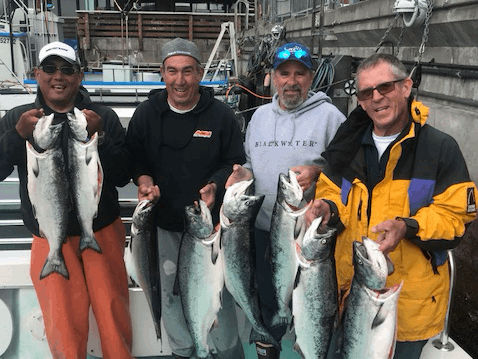
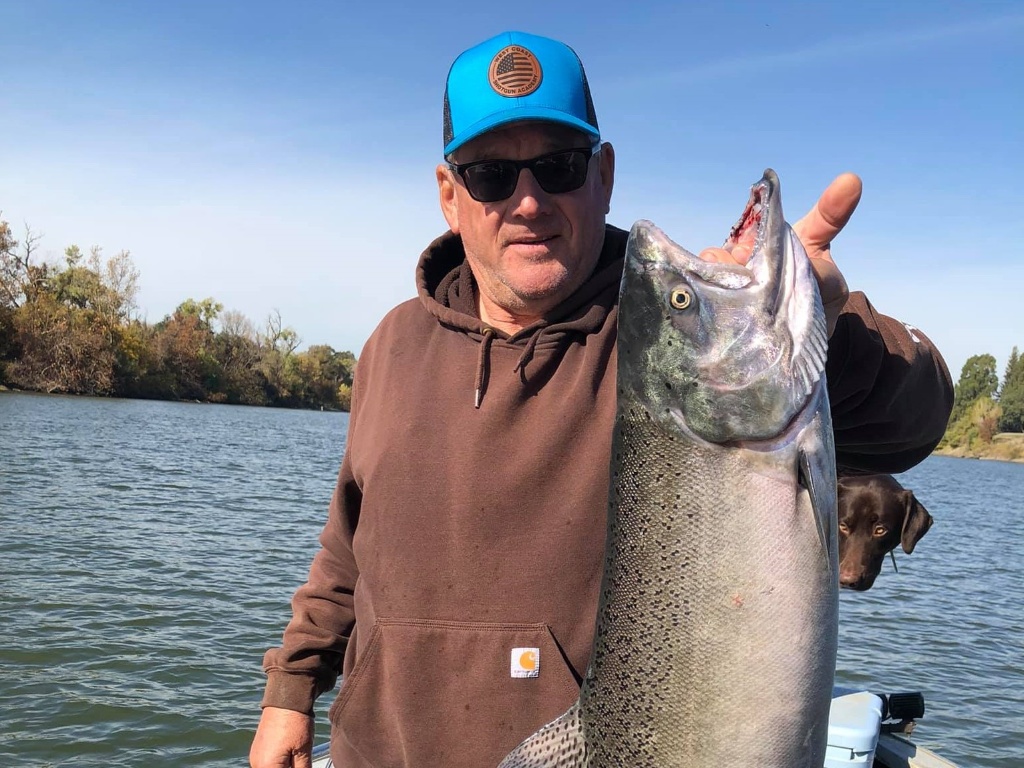
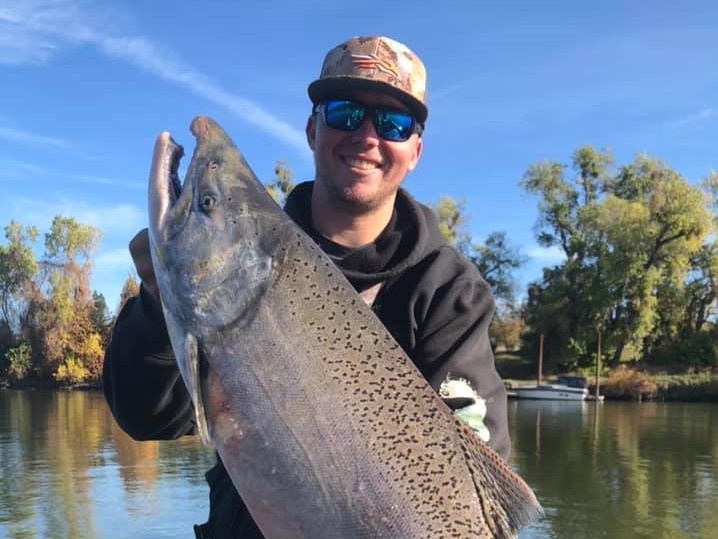
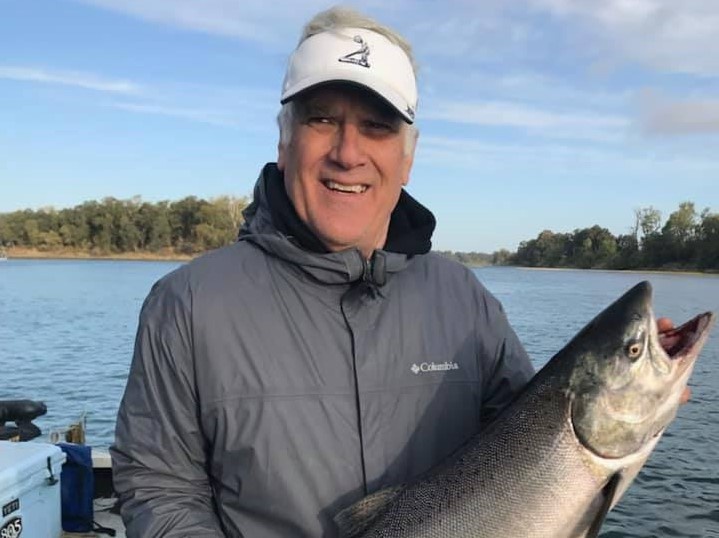
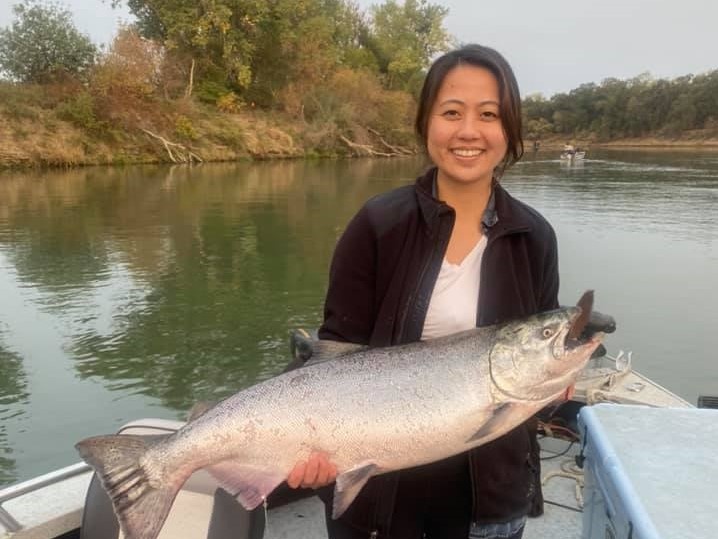
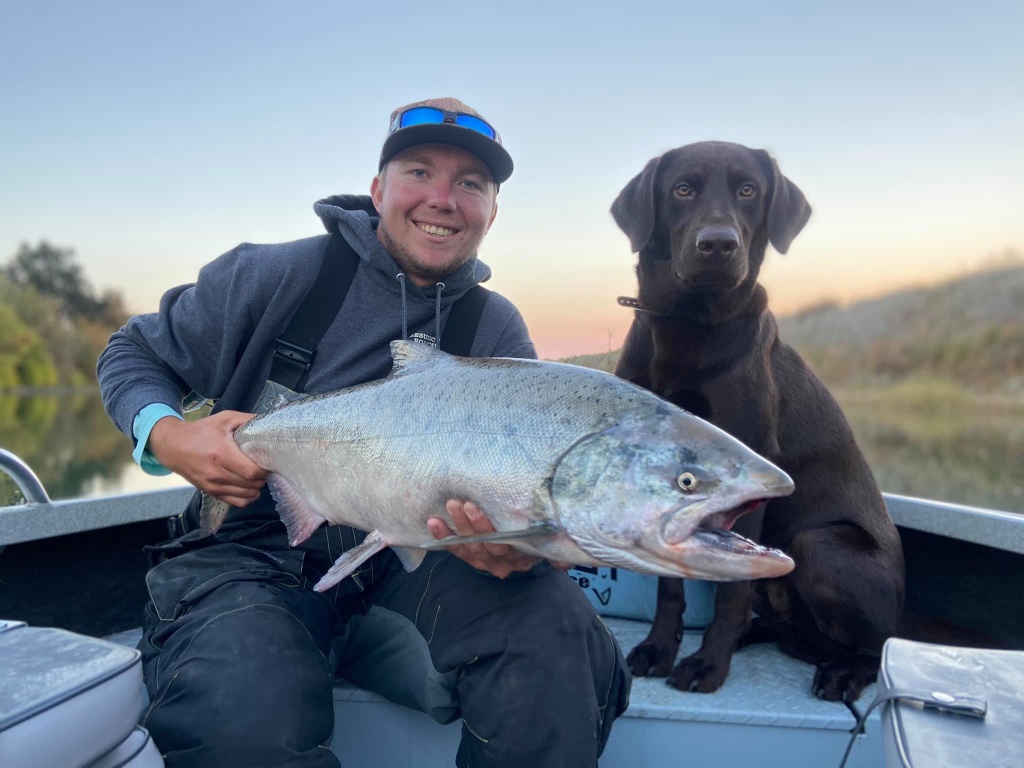
Chinook salmon are the kings of the Pacific, and California's waters host some incredible runs throughout the year. These fish can range from 10-pound "teens" up to 30-40 pound bruisers, and they're built for speed and endurance. Spring and fall typically offer the best salmon fishing, though it varies with ocean conditions and bait availability. A big king on trolling gear is pure excitement – long runs, aerial displays, and fights that can last 20 minutes or more. The meat is rich and oily, perfect for grilling or smoking.
Pacific halibut are the ultimate California flatfish, capable of reaching massive proportions. While most fish run 10-30 pounds, halibut over 100 pounds are caught every season in California waters. They're found on sandy or muddy bottoms, often near structure transitions, and they're ambush predators that eat everything from anchovies to rockfish. The fight is surprisingly strong for a flatfish – they'll use their broad sides to leverage against you. Halibut fishing is typically best from spring through fall, and the meat is considered among the finest eating fish in the ocean.
Time to Book Your Spot
California's fishing seasons are diverse enough that there's always something biting, but the best trips fill up fast – especially during peak salmon seasons and holiday weekends. Our small group size means you're not competing
 Private Trip
 Offshore Fishing
 San Francisco, CA


 Target salmon, bass, halibut, and rockfish in California waters