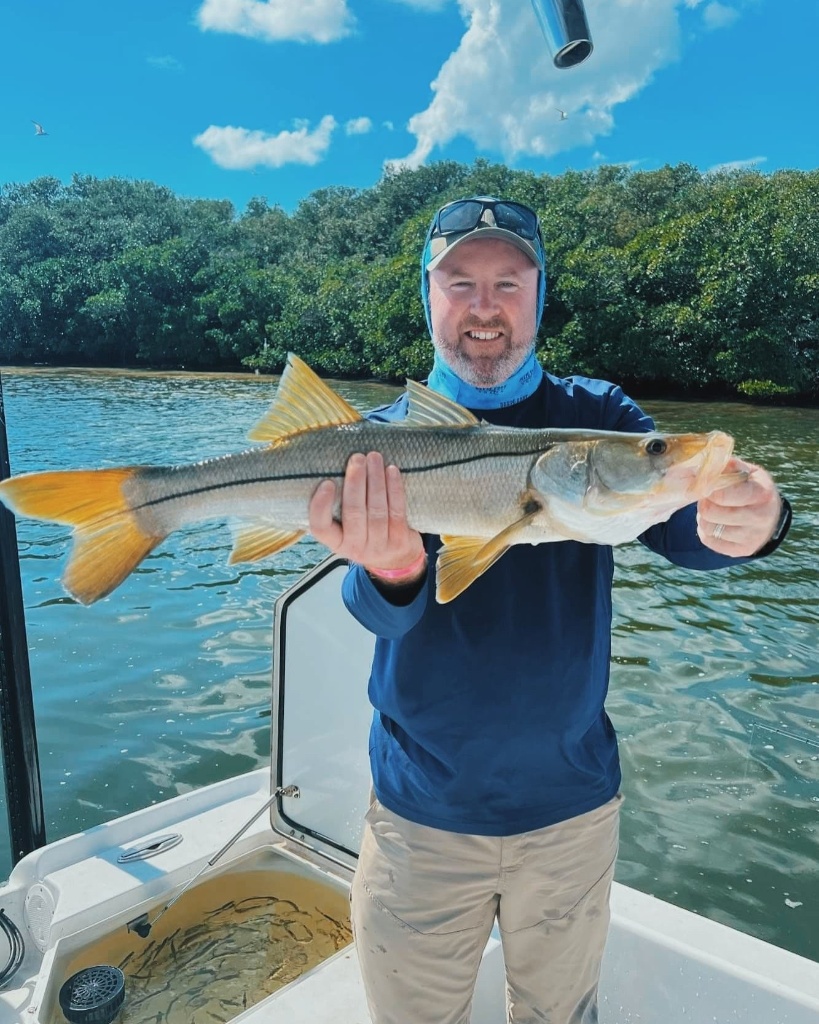
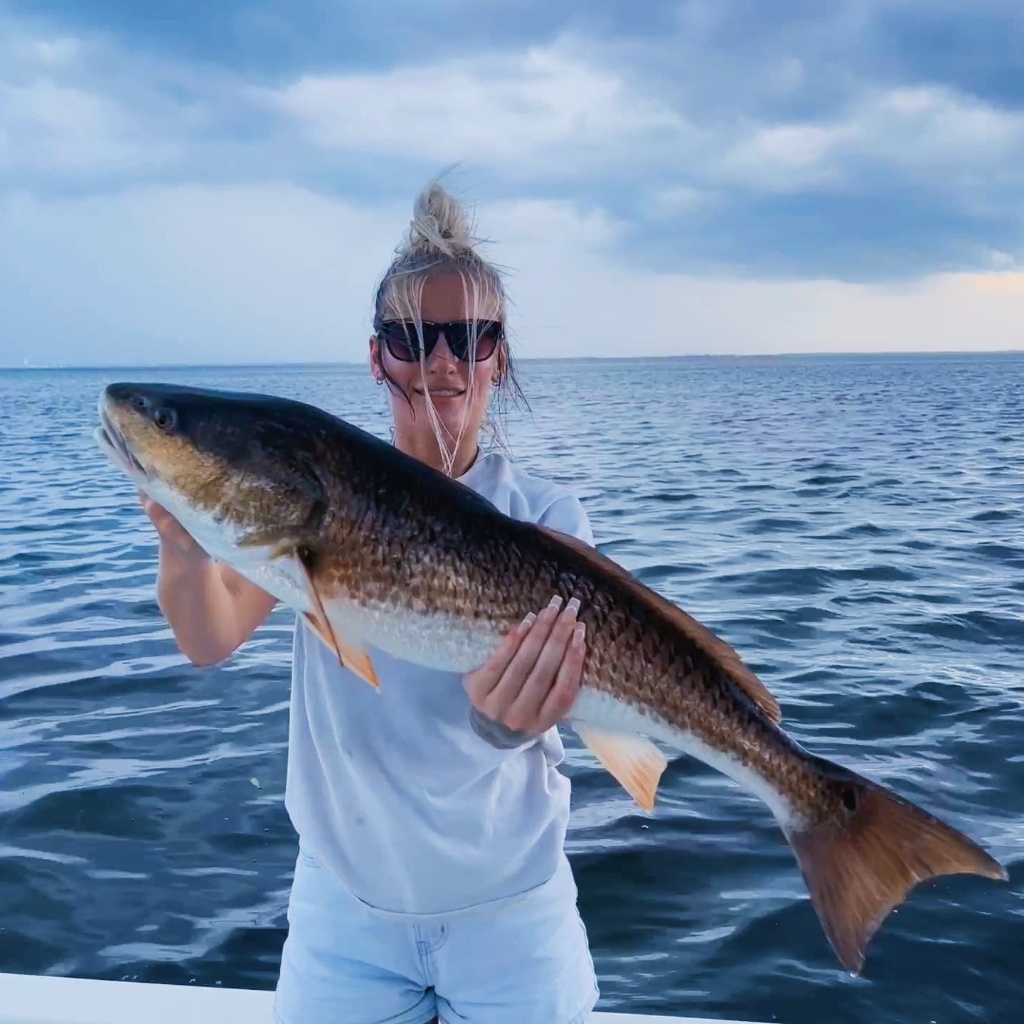
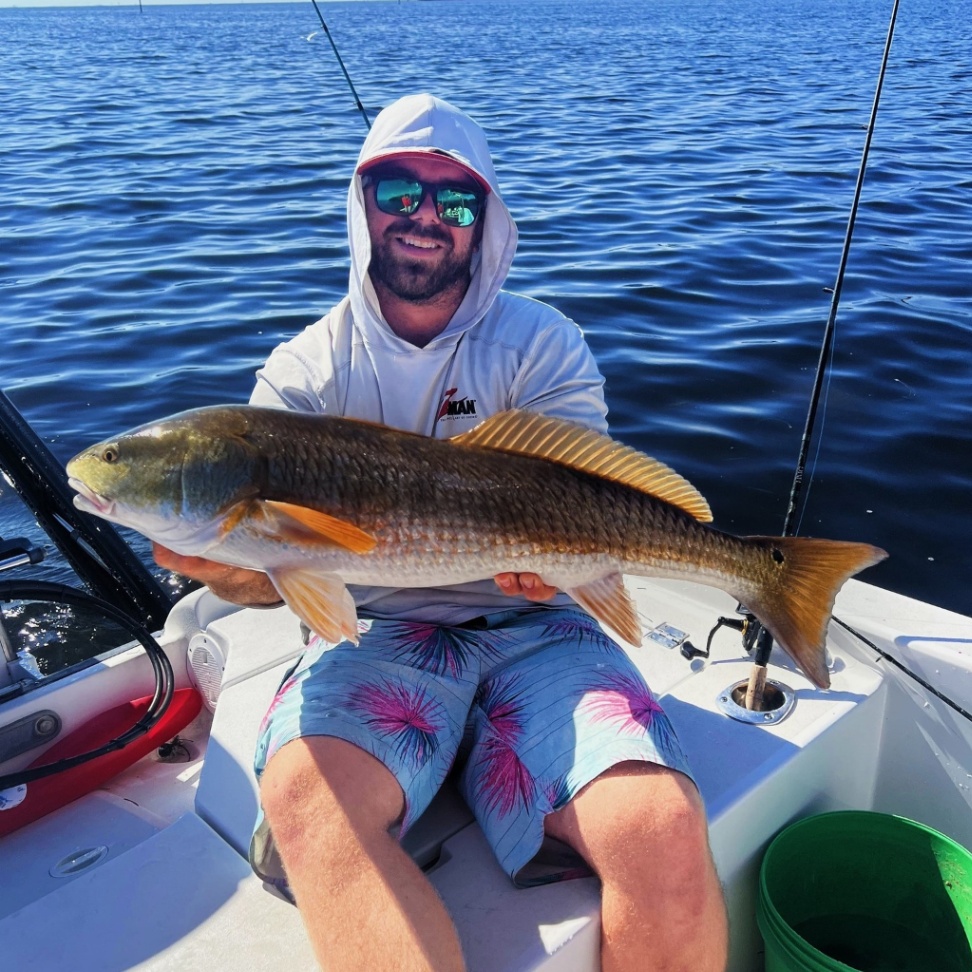
8 Hour Tarpon Fishing Trip - St. Petersburg, FL
Ready to tangle with the Silver King? This top-rated 8-hour tarpon fishing adventure in St. Petersburg puts you face-to-face with one of Florida's most legendary fish. From April through July, Captain Bryan Foley takes you into the heart of Tampa Bay's premier tarpon grounds, where these massive silver torpedoes roll and jump in the warm Gulf waters. This isn't your typical inshore trip – we're talking about fish that can stretch 6 feet long and fight harder than anything you've probably hooked before. You'll spend a full day learning the ins and outs of tarpon fishing while Captain Bryan shares decades of local knowledge about reading the water, timing your hookset, and managing these powerful fish once they're on the line.
What to Expect on the Water
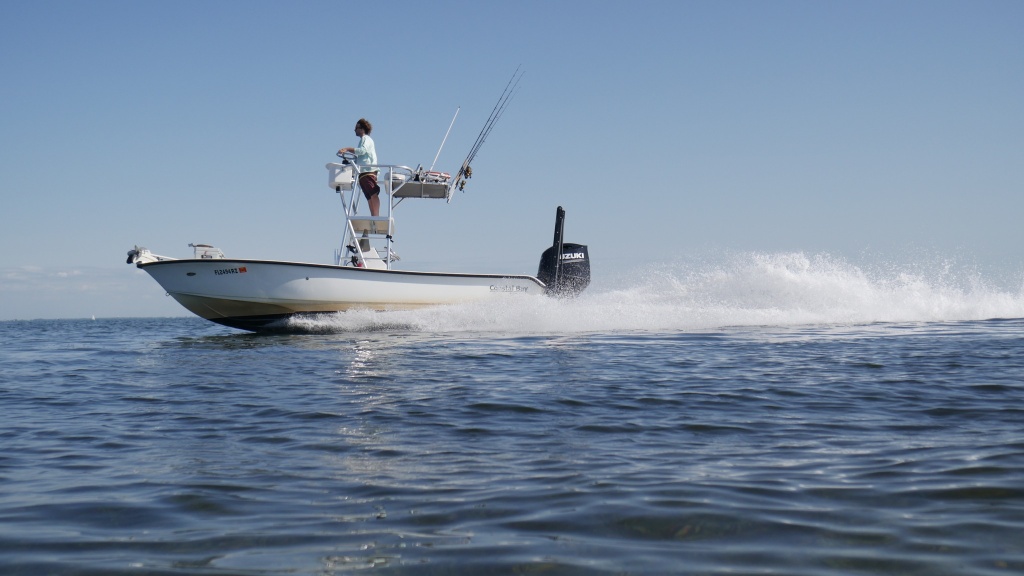
Your day starts early when we meet at the dock in St. Petersburg, usually around sunrise when the tarpon are most active. Captain Bryan has been working these waters for years, so he knows exactly where to find the rolling fish depending on tide, weather, and season. We'll cruise out to the flats and channels of Tampa Bay, keeping our eyes peeled for that telltale silver flash or dorsal fin cutting through the surface. The boat is rigged with quality tackle designed specifically for tarpon – heavy spinning gear and circle hooks that give you the best shot at a solid hookup without deep-hooking these magnificent fish. Don't worry if you're new to tarpon fishing; Captain Bryan walks everyone through the technique step by step. The key is patience and being ready when opportunity strikes. These fish move in schools, and when we find them, the action can be non-stop. Between fish, you'll learn to read the water like a local guide, spotting subtle signs that reveal where tarpon are likely to show up next.
Techniques & Tackle Setup
Tarpon fishing is all about presentation and timing, and Captain Bryan has perfected both over his years guiding in Tampa Bay. We primarily use live bait – think big threadfin herring, pilchards, or crabs – fished on circle hooks with just enough weight to get down in the water column. The technique varies depending on where we find the fish. Sometimes we're sight-fishing to rolling tarpon on the flats, making precise casts to moving fish. Other times we're fishing structure like bridges or channels where tarpon stage up during certain tide phases. The tackle is heavy but manageable – 7-foot heavy-action rods paired with reels spooled with 50-pound braid and 80-pound fluorocarbon leaders. Captain Bryan handles all the rigging, so you can focus on the fight. He'll teach you the proper hookset technique (hint: let the circle hook do the work) and how to manage a jumping tarpon without losing your fish. The boat stays positioned perfectly to give you the best angle on the fish while keeping you safe when 100+ pounds of silver starts going airborne right next to the boat.
Species You'll Want to Hook
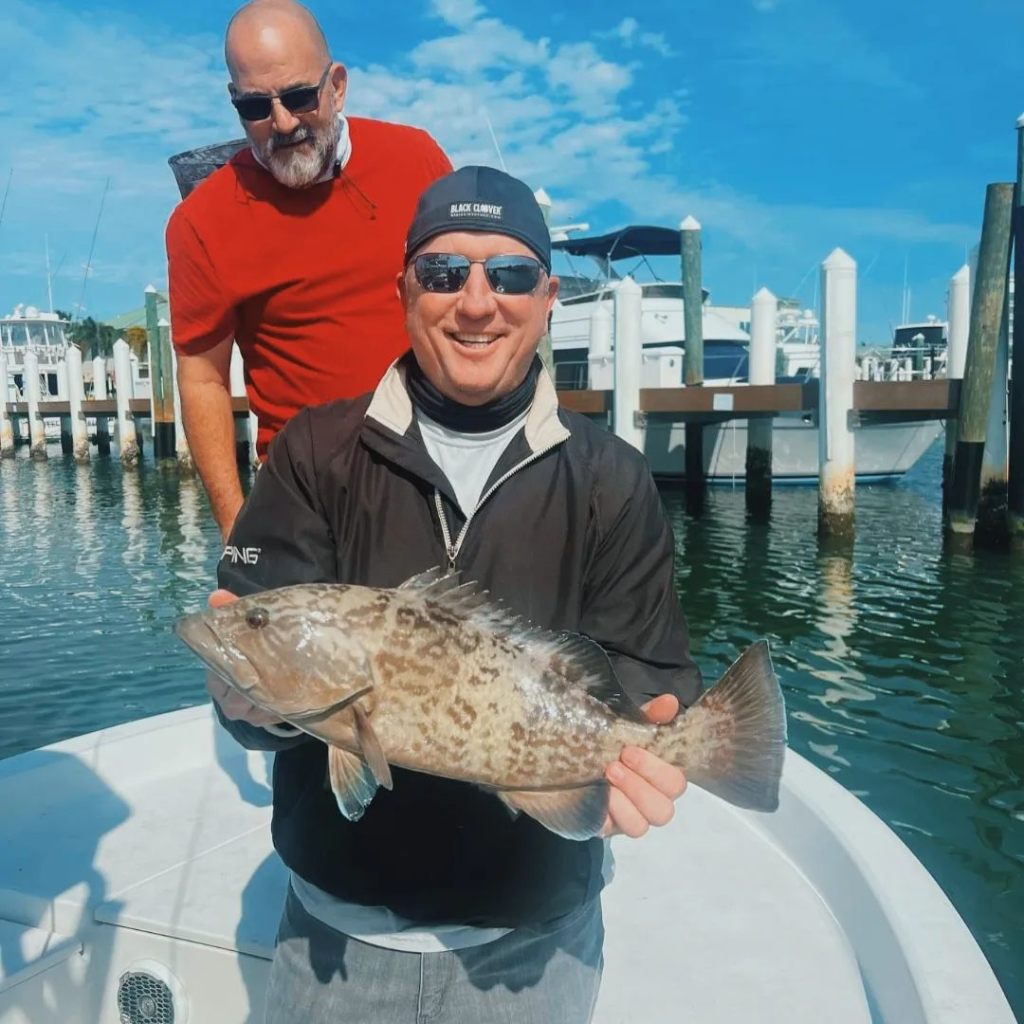
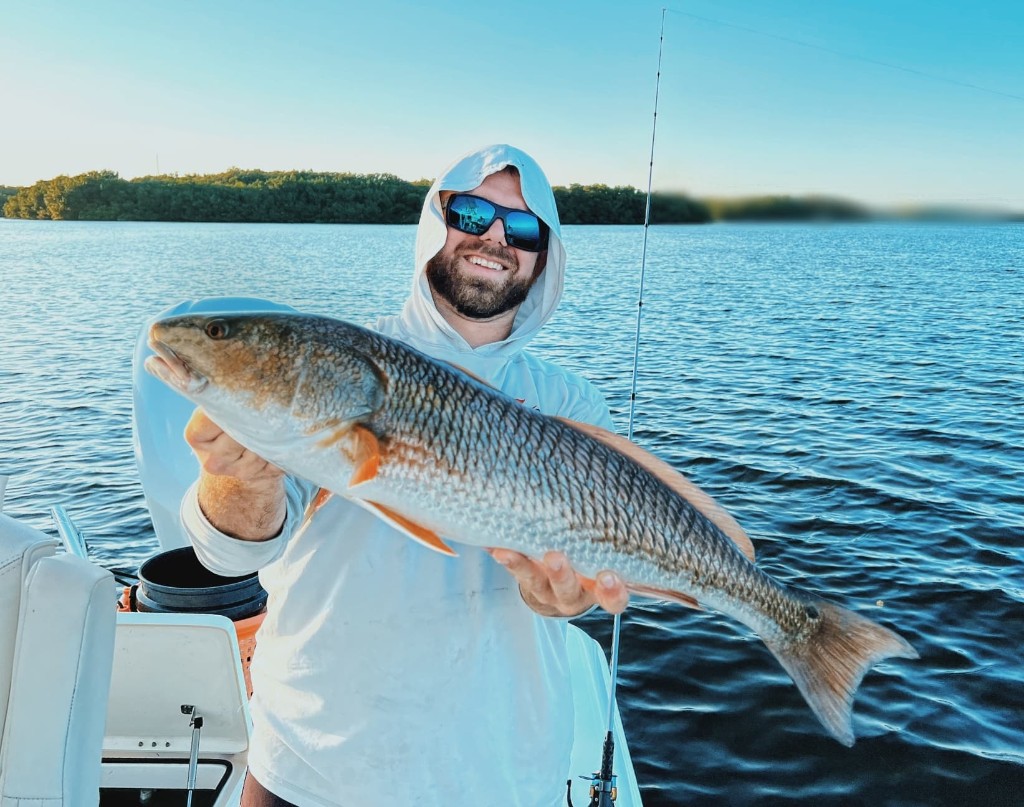
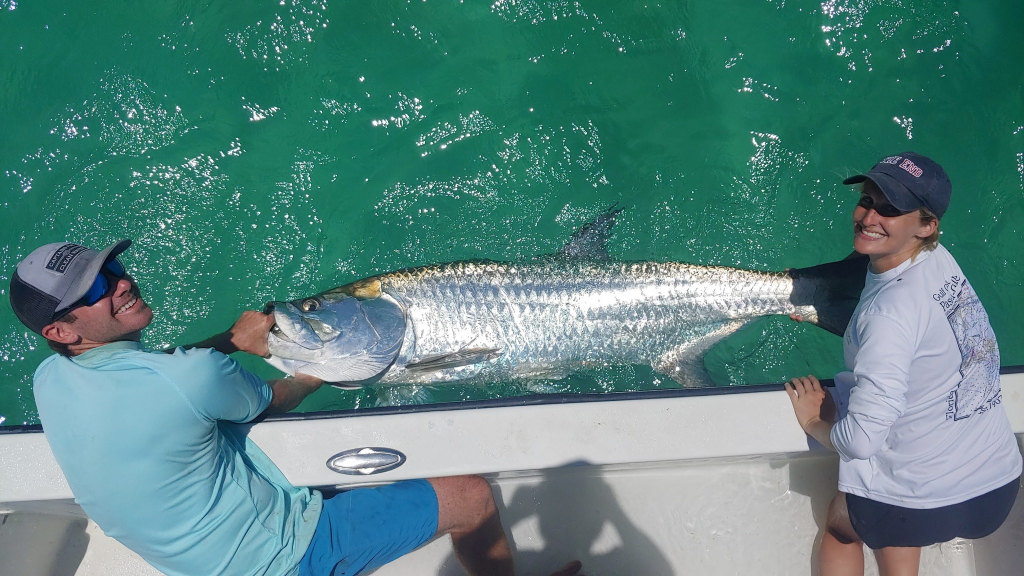
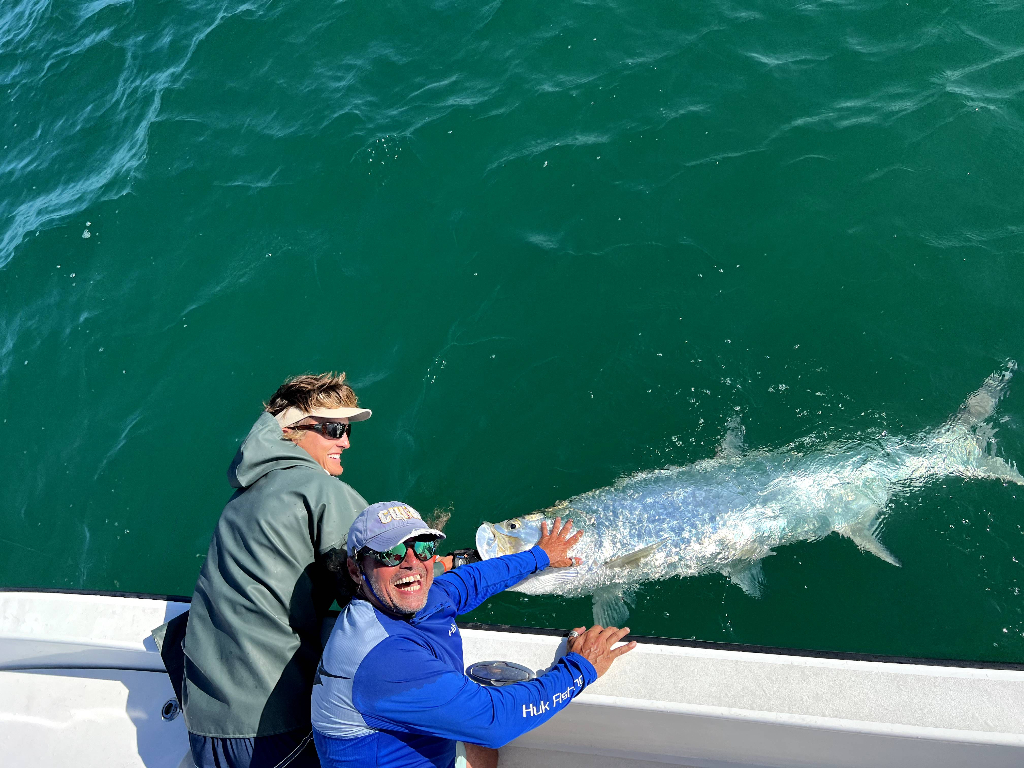
Tarpon are the undisputed kings of Tampa Bay's inshore waters, and for good reason. These prehistoric-looking giants can live over 50 years and grow to massive sizes – we regularly see fish in the 80 to 150-pound range, with some true monsters pushing 200 pounds. What makes tarpon so special isn't just their size; it's their fighting ability. When hooked, tarpon typically make several spectacular jumps, often launching their entire body out of the water while shaking their heads violently to throw the hook. They're incredibly strong swimmers too, capable of long, powerful runs that test your drag system and endurance. In Tampa Bay, our tarpon season runs from April through July, with peak action usually happening in May and June when large schools migrate through our waters. These fish are catch-and-release only, which means every angler gets to experience the fight of a lifetime while ensuring future generations can enjoy the same opportunity. What guests love most about tarpon is the visual aspect – you often see the fish before you hook it, watching it roll on the surface or cruise just under the boat. That moment when a 100-pound tarpon inhales your bait right in front of you never gets old, whether it's your first tarpon or your fiftieth.
Time to Book Your Spot
This world-class tarpon fishing experience books up fast during peak season, and for good reason. Captain Bryan's local expertise and patient teaching style make this trip perfect for both seasoned anglers looking to add tarpon to their bucket list and newcomers who want to learn from one of St. Petersburg's most respected guides. The 8-hour format gives you plenty of time to locate fish, learn proper techniques, and hopefully land the Silver King. Your trip includes tackle, bait, and all the guidance you need – just bring sunscreen, snacks, and drinks for the day. Remember, this trip accommodates 2 anglers in the base price, with additional spots available for $100 each. Gratuity isn't included, but Captain Bryan's dedication to putting you on fish and teaching you the ropes makes this a customer favorite year after year. Don't let another tarpon season pass you by – these fish won't wait around forever, and the best fishing happens when you're actually on the water instead of thinking about it from shore.
 Private Trip
 Inshore Fishing
 Saint Petersburg, FL
 8-hour seasonal tarpon fishing in Tampa Bay waters