Jacksonville Light Tackle & Fly Fishing Charter
Get ready to experience some of the best inshore fishing Jacksonville has to offer. Our light tackle and fly fishing charter takes you into the heart of the St. Johns River system, where trophy fish cruise shallow flats and deeper channels. This isn't your typical party boat trip – we're talking about a premium, small-group experience designed for anglers who want to really connect with the water. Whether you're looking to perfect your fly casting technique or want to feel every headshake on ultra-light spinning gear, this Jacksonville fishing adventure delivers the goods.
What to Expect on the Water
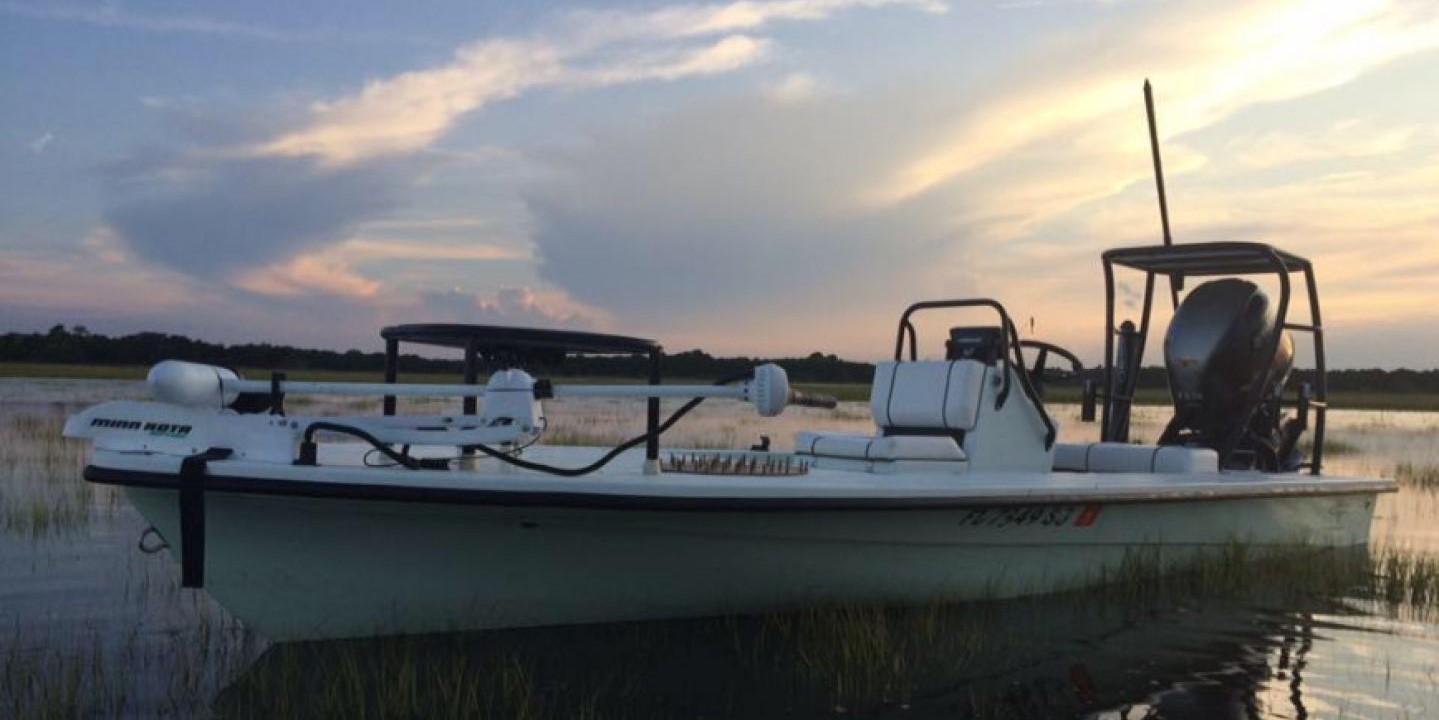
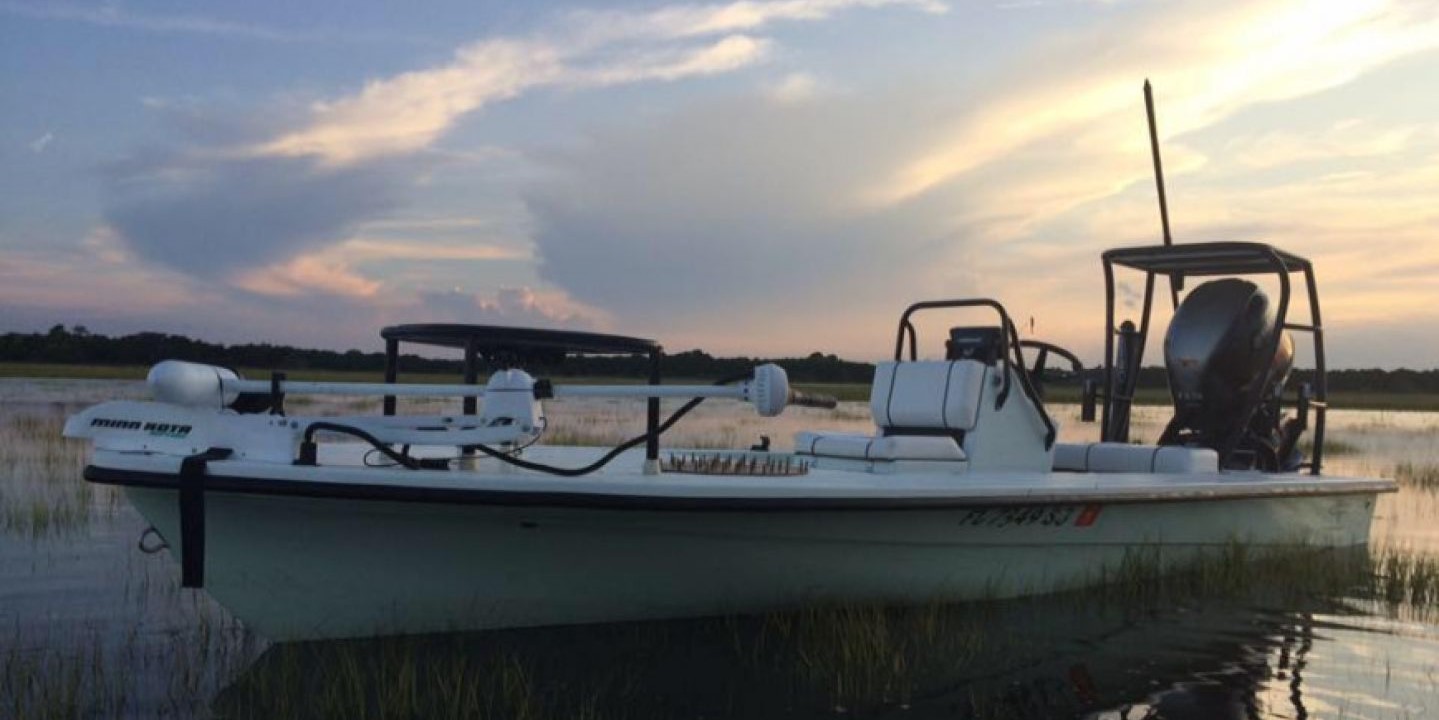
Picture this: you're standing on the bow of our shallow-draft boat, scanning the grass flats as your guide poles silently through crystal-clear water. The morning sun is just starting to warm up, and you can already see tails flashing in the shallows. That's what makes this trip special – it's all about sight fishing and technical angling. We keep our groups small at just 2 anglers max, so you're not fighting for casting room or your guide's attention. The St. Johns River and its tributaries offer everything from skinny-water flats where redfish cruise in 18 inches of water to deeper grass beds where sea trout stack up. Our guides know these waters like the back of their hand, and they'll put you on fish whether the tide is incoming, outgoing, or dead slack.
Light Tackle & Fly Techniques
We fish two main ways on this charter, and both are absolutely killer when done right. Light tackle means we're talking 2500-3000 series spinning reels spooled with 10-15 pound braid, matched with 7-foot medium-light rods that let you feel every bump and run. You'll be throwing everything from topwater plugs at sunrise to soft plastics rigged weedless for working grass beds. The fly fishing side is where things get really fun – we use 7-8 weight rods with floating lines, throwing everything from Clouser minnows to shrimp patterns and crab flies. Your guide will handle the boat positioning, which is crucial since we're often working water that's only 2-4 feet deep. The key is staying quiet and making accurate casts to specific targets – that stump, that grass edge, or that nervous water where fish are feeding.
Top Catches This Season
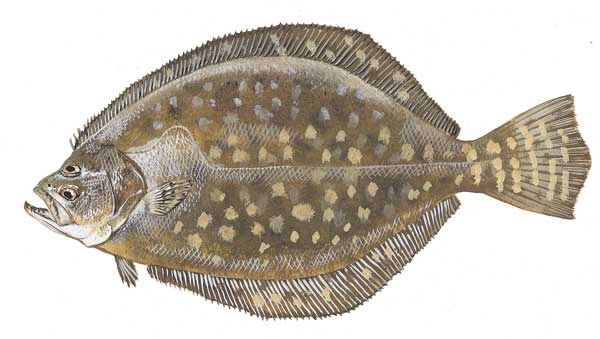
The species mix in Jacksonville's inshore waters is what keeps anglers coming back trip after trip. Southern flounder are absolute blast on light tackle – these flatfish are masters of camouflage, lying perfectly still until your bait drifts right over their nose. They hit hard and fight dirty, using their flat bodies to create maximum resistance. Best time to target them is during moving water on sandy bottoms and channel edges, especially in fall when they're staging for their offshore spawn. Most fish run 14-18 inches, but we see plenty of doormat flounder pushing 20+ inches that'll put a serious bend in your rod.
Black drum are the bulldogs of the marsh, and when you hook into a big one, you'll know it immediately. These fish cruise oyster bars and shallow flats looking for crabs and shrimp, and they're not shy about eating a well-presented fly or jig. The smaller ones in the 12-16 inch range are perfect table fare, while the bigger bull drum (we're talking 30+ inches) are pure muscle that'll test your drag system. Spring and fall are prime time, when they move shallow to feed and are more aggressive about taking artificials.
Sea trout, or speckled trout as most locals call them, are probably the most consistent fish we target. These beautiful spotted predators love grass flats and deeper potholes, and they'll absolutely crush a topwater plug during low-light periods. A good trout will pull drag and make multiple runs, and they're notorious for throwing the hook with their soft mouths if you horse them. Peak season runs from late spring through early fall, with the best action happening during moving water over grass beds in 3-6 feet of water.
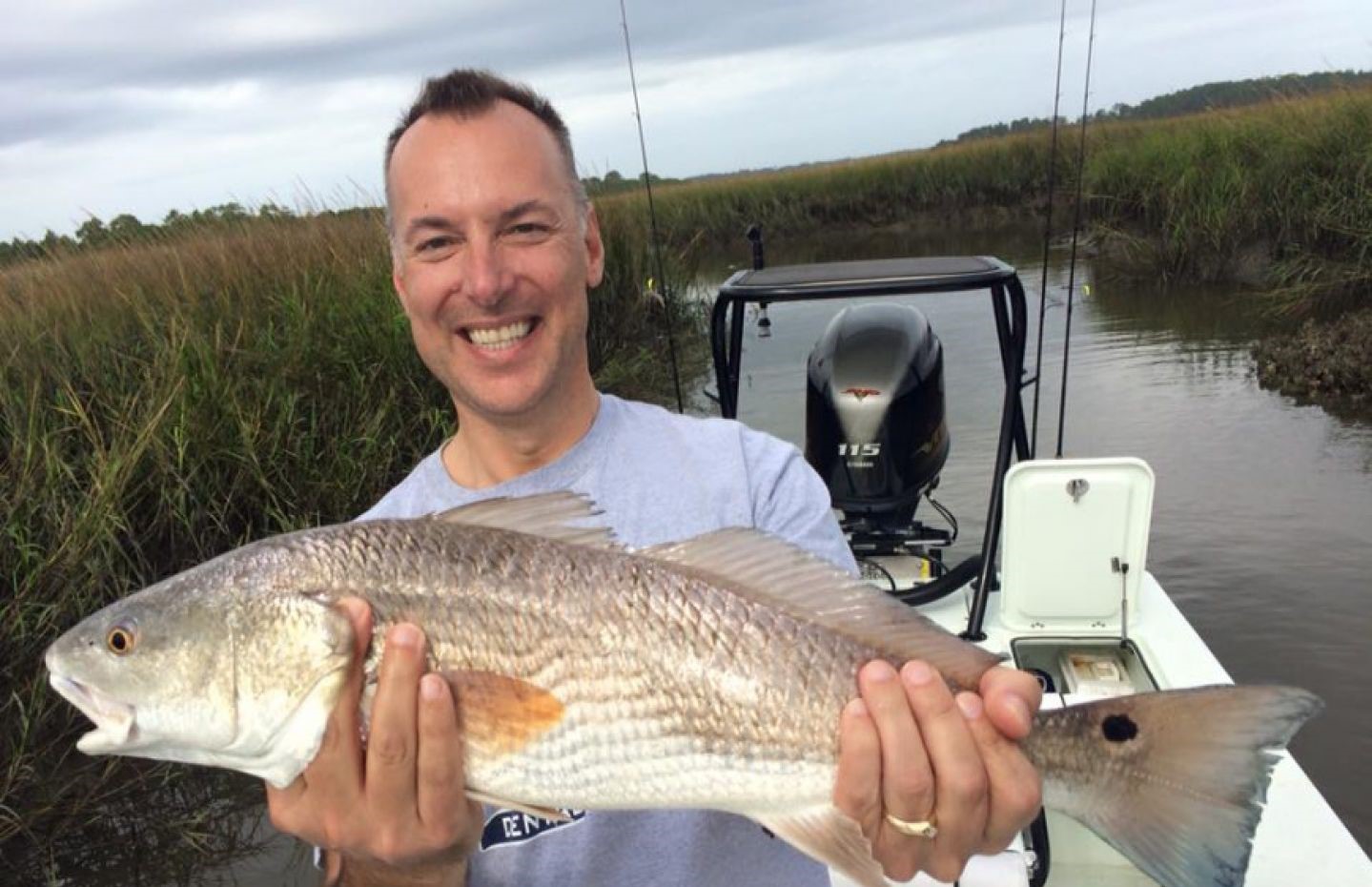
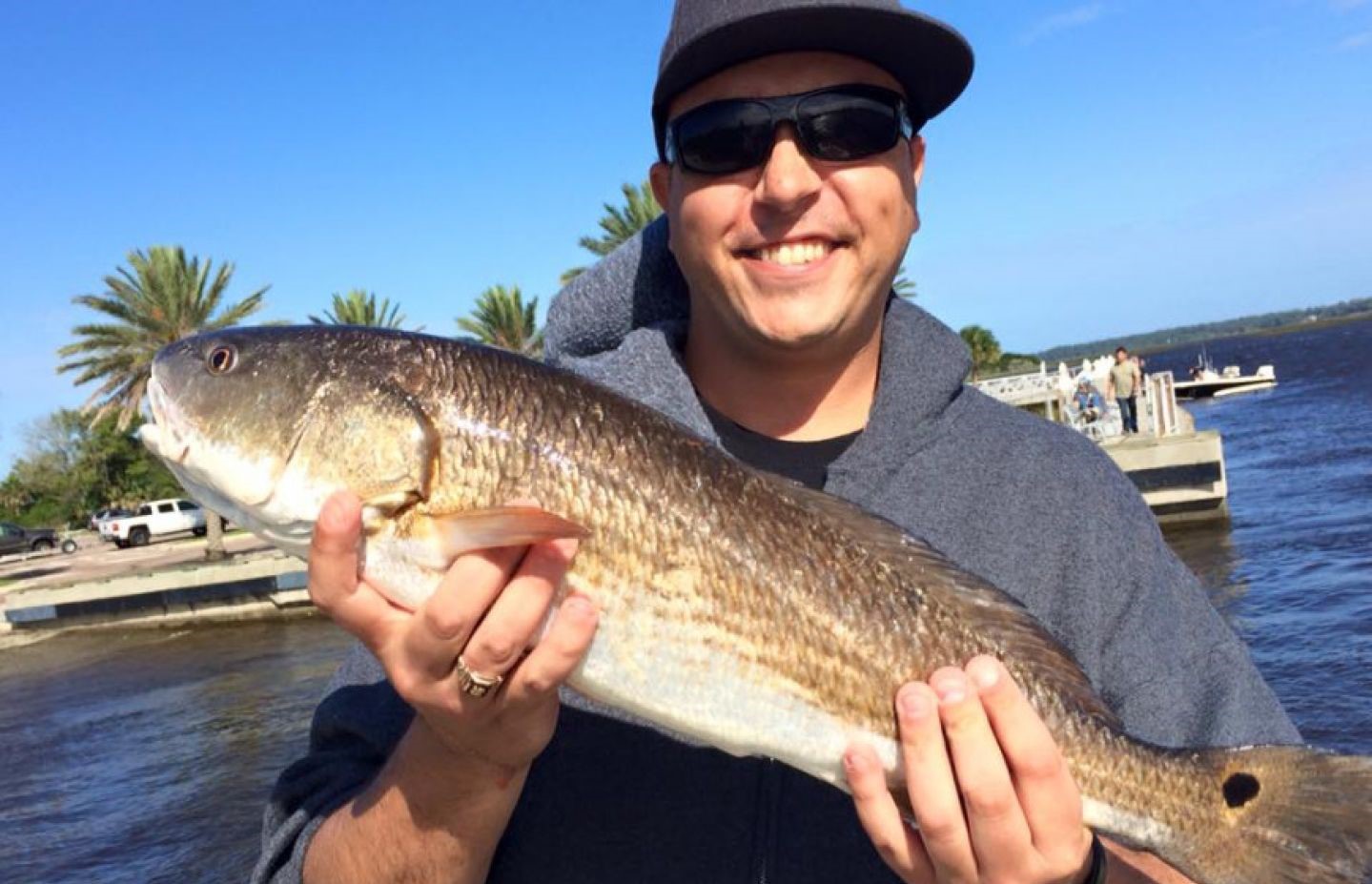
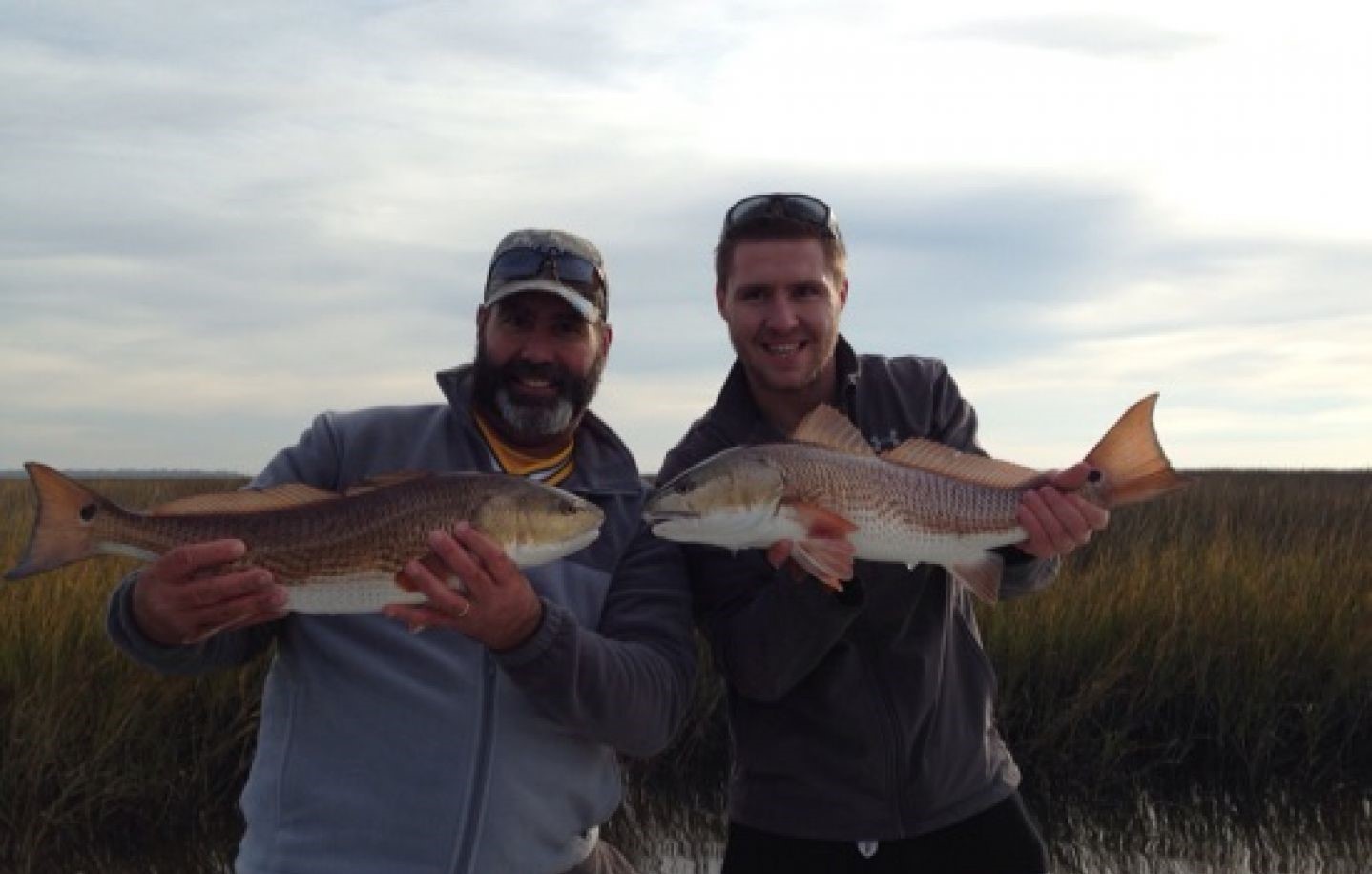
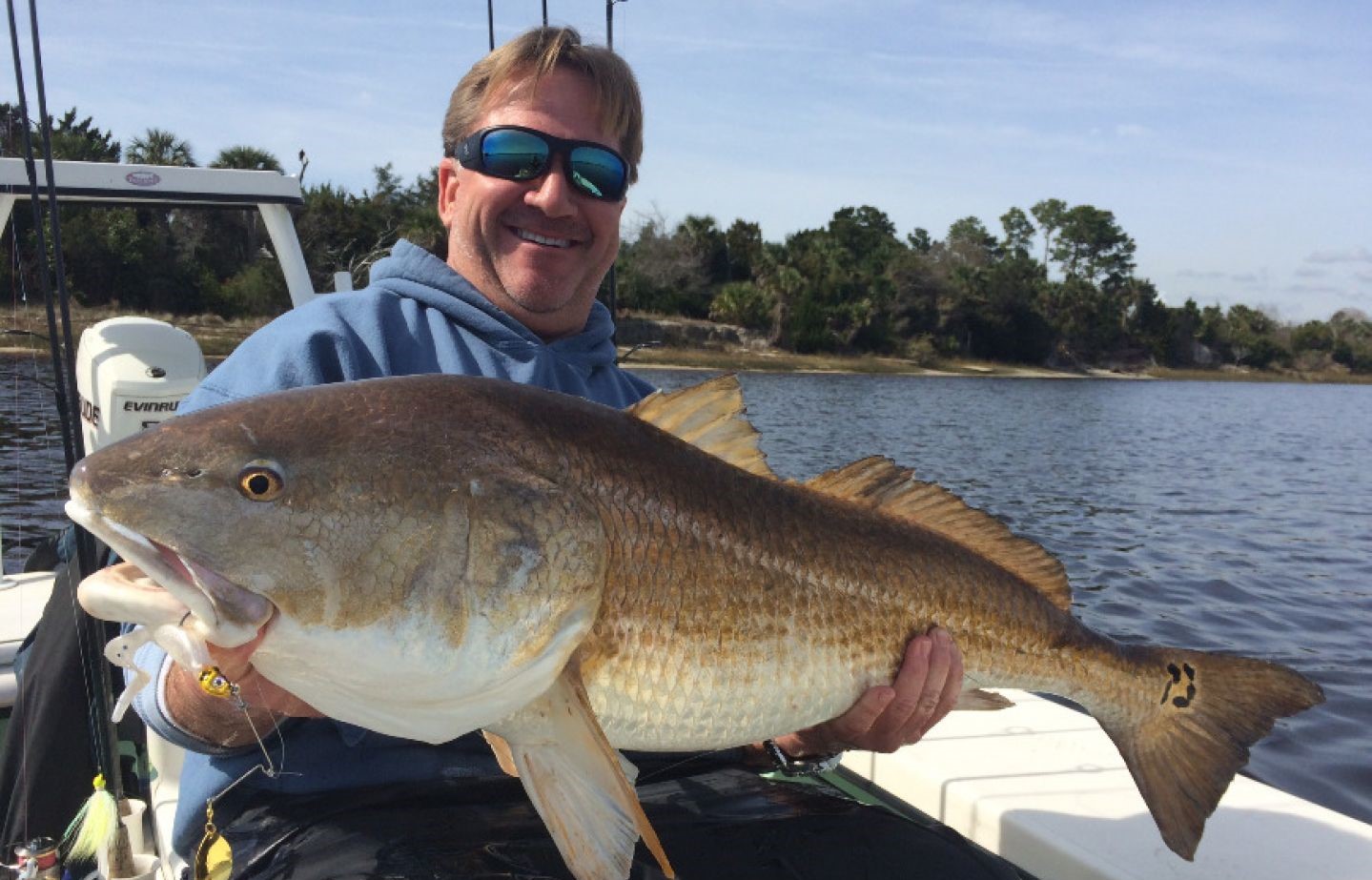
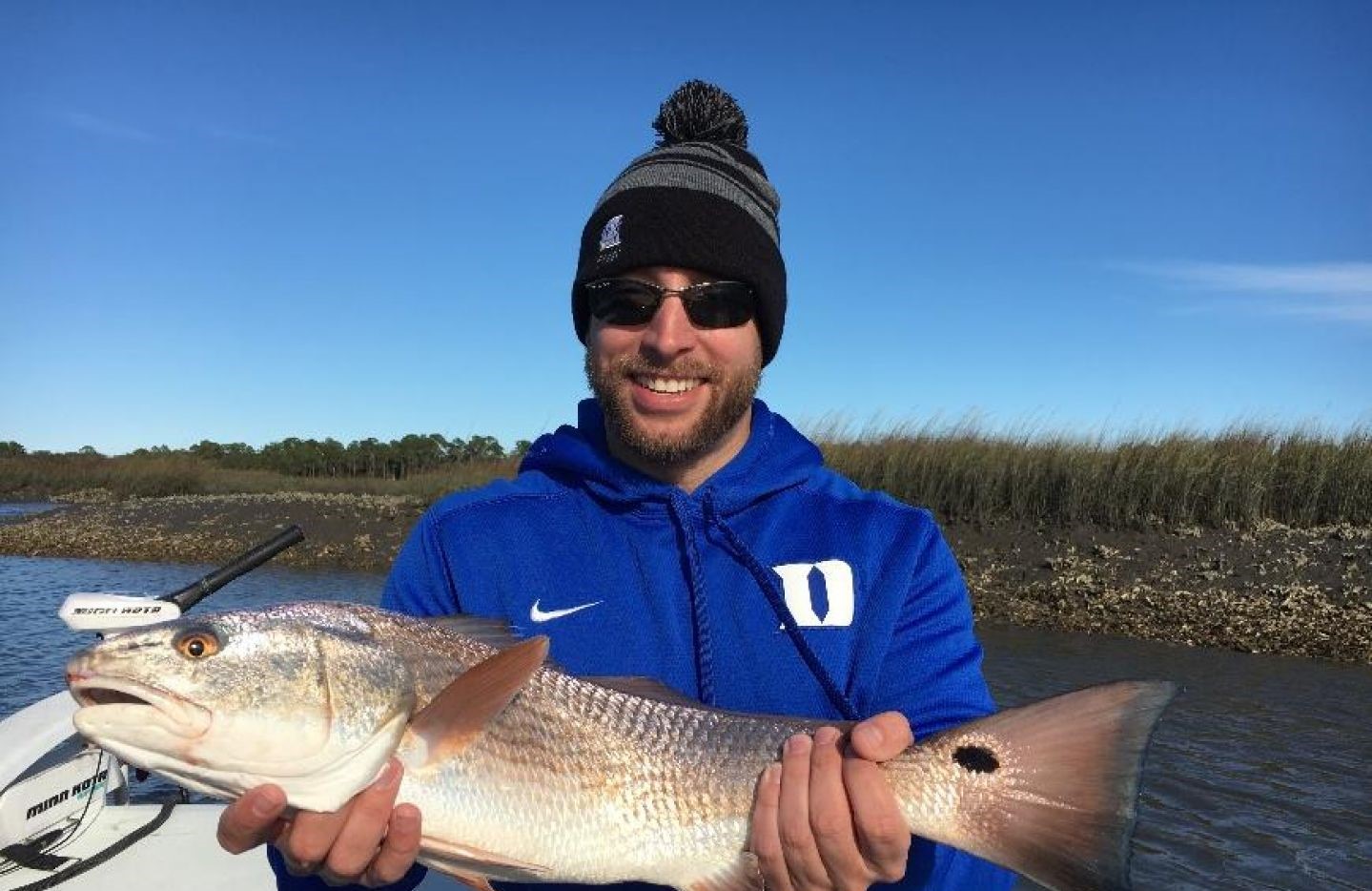
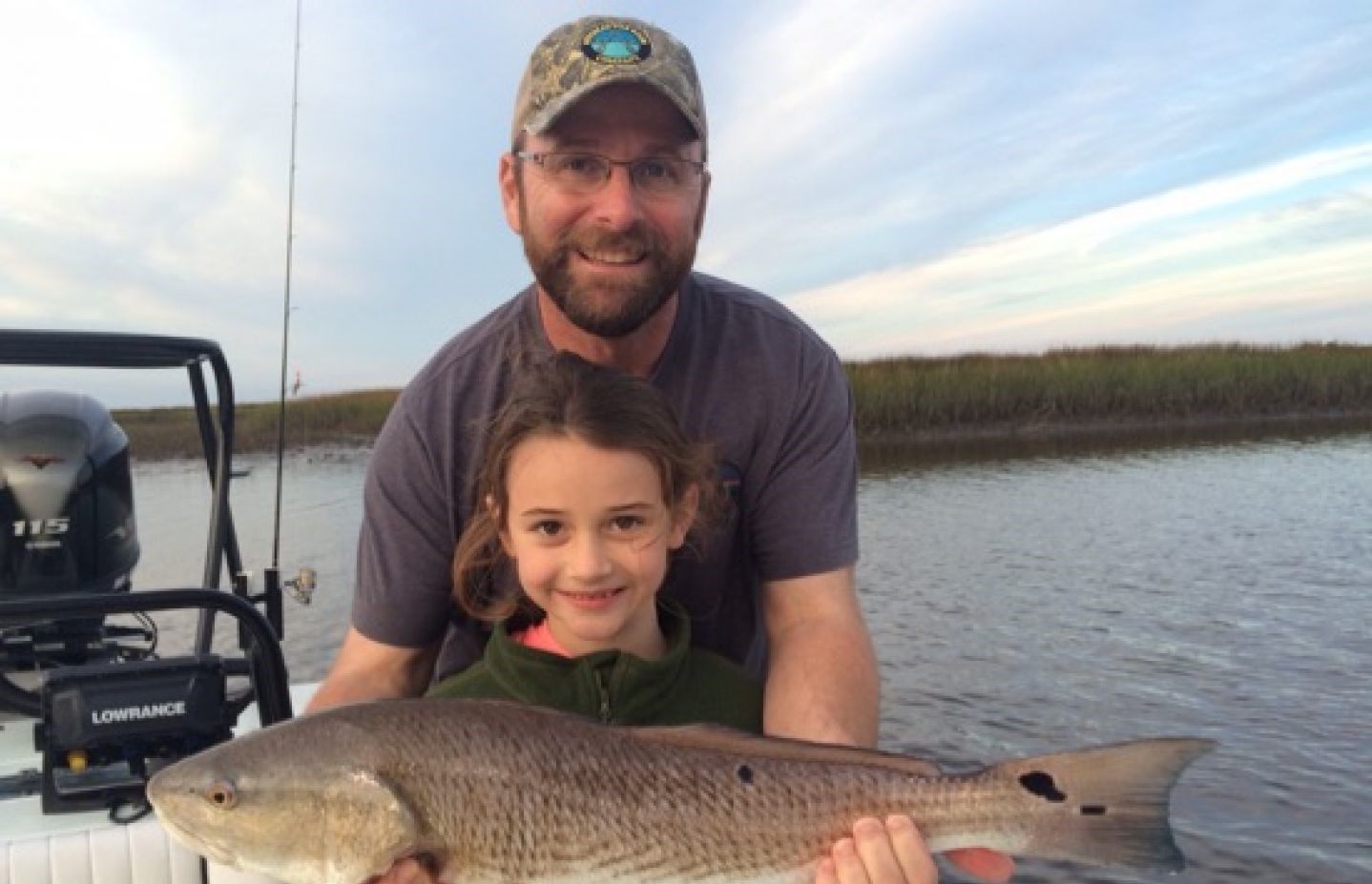
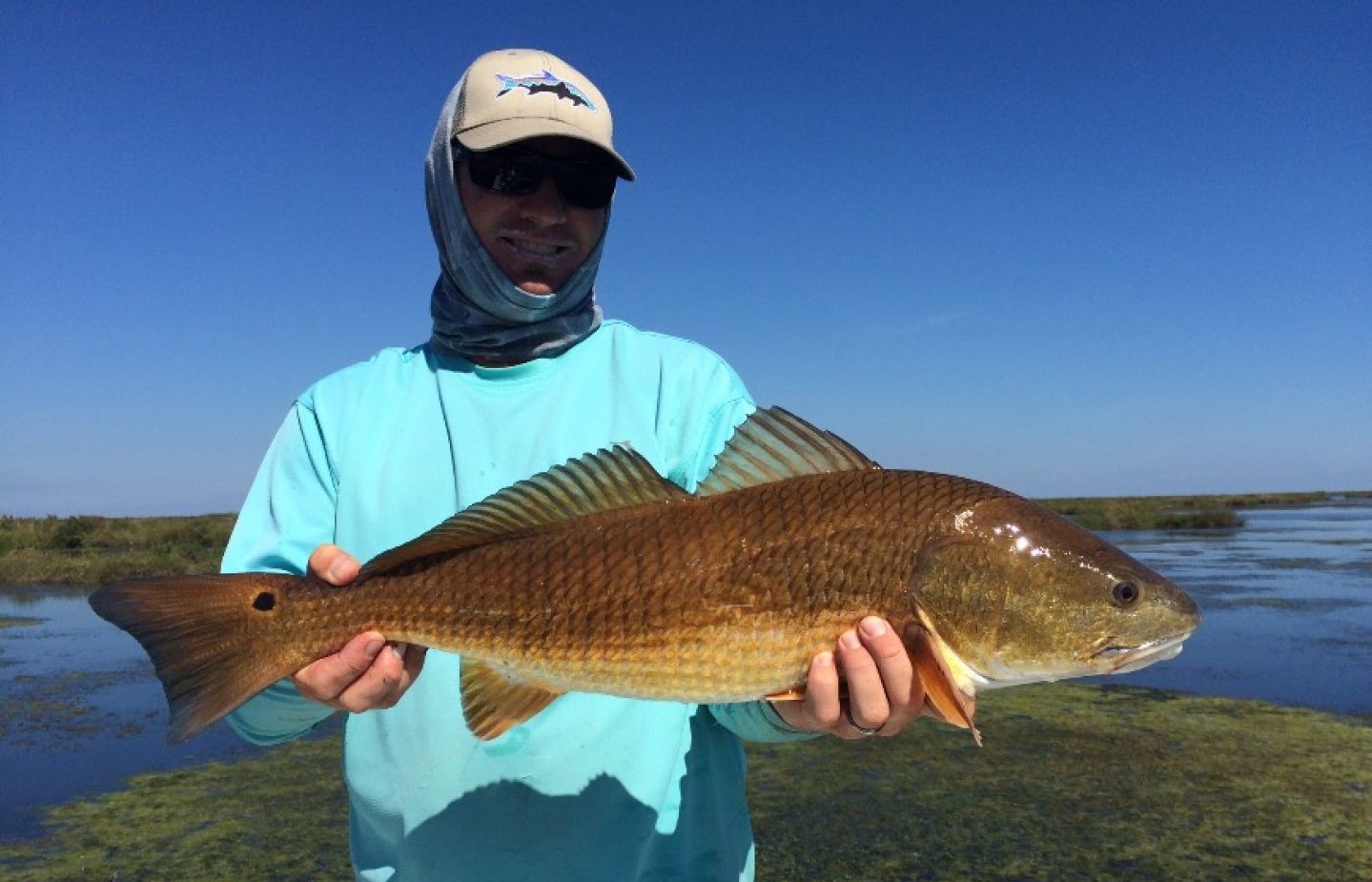
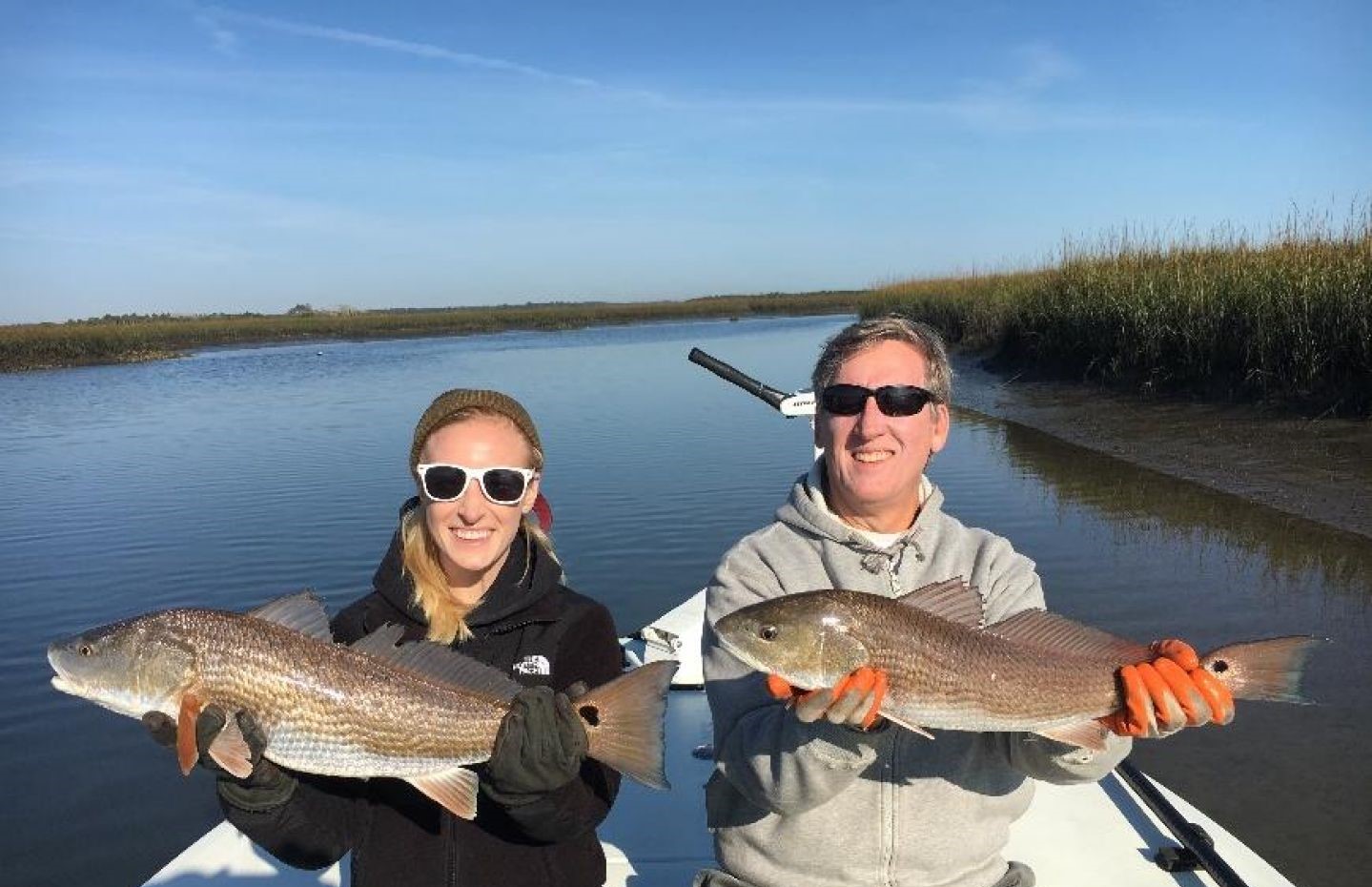
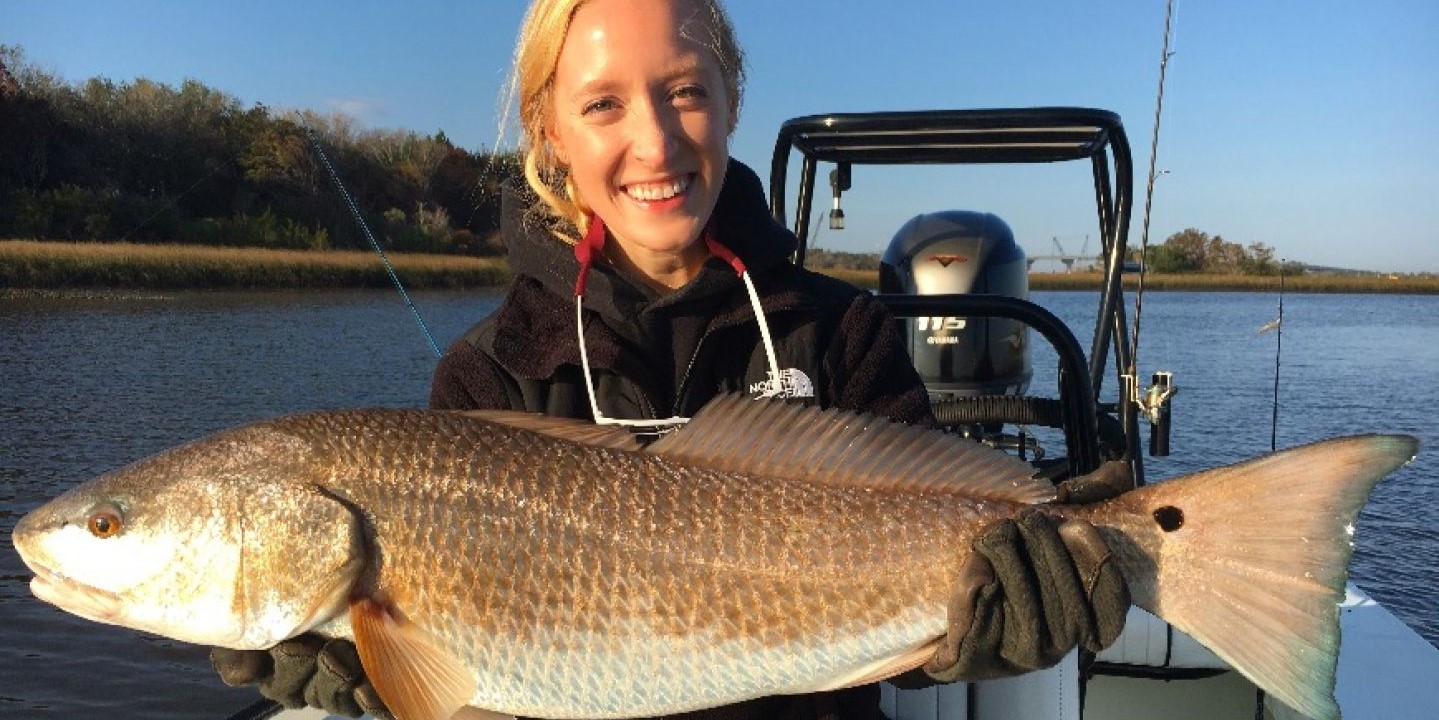
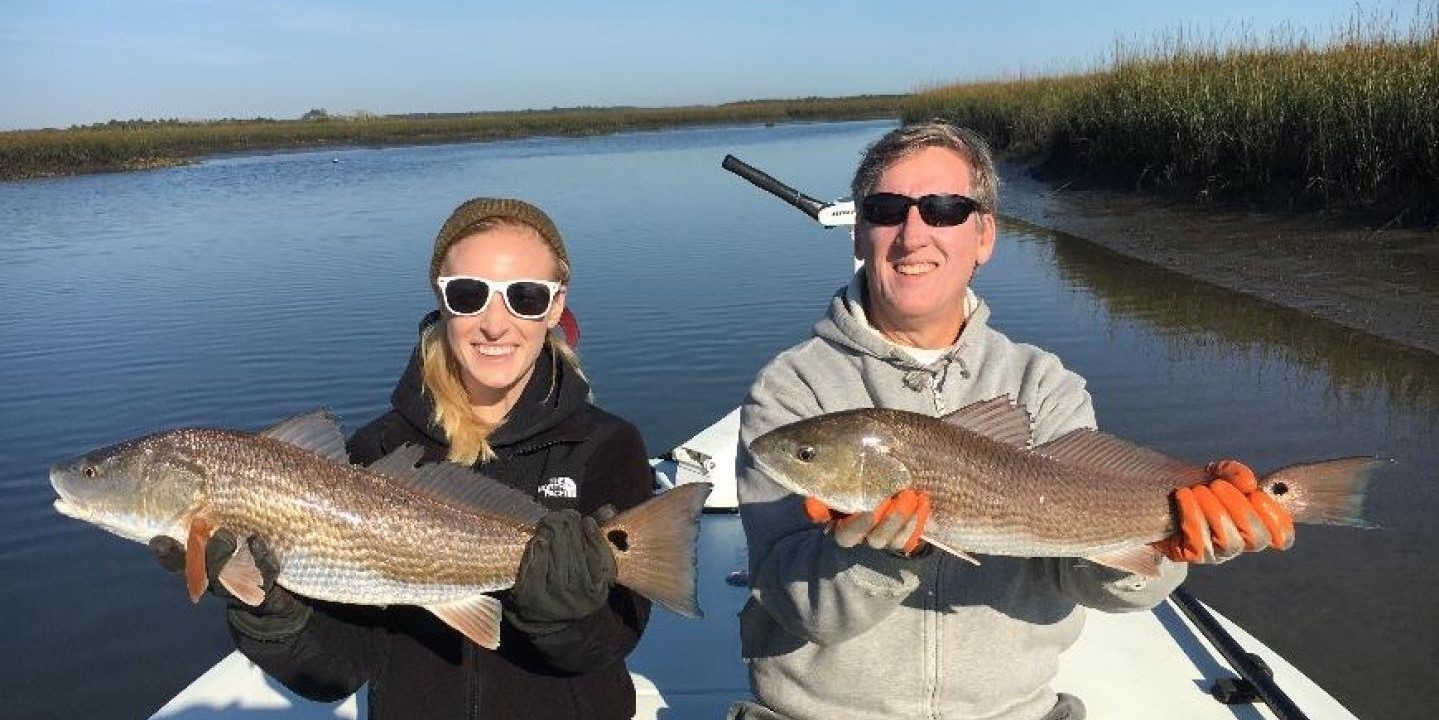
Redfish are the crown jewel of Jacksonville inshore fishing, and for good reason. These copper-colored fighters are built for shallow water, with broad tails that let them accelerate like rockets when hooked. Sight fishing for reds on the flats is about as good as it gets – watching a 25-inch red slowly cruise toward your perfectly placed shrimp fly, then exploding on it in 18 inches of water. They're year-round residents, but fall brings the best action as they school up for spawning. The slot fish (18-27 inches) are perfect for the dinner table, while the oversized bulls are pure adrenaline that'll run you into the backing.
Time to Book Your Spot
This Jacksonville light tackle and fly fishing charter isn't just another day on the water – it's your chance to experience world-class inshore fishing with guides who live and breathe these waters. The small group size means personalized instruction whether you're new to fly fishing or looking to up your light tackle game. We're targeting four different species that each fight completely differently, so every hook-up is a new challenge. The St. Johns River system is trending as one of Florida's top inshore destinations, and once you experience the sight fishing opportunities here, you'll understand why. Don't wait for the perfect conditions – good guides make their own luck, and we'll put you on fish regardless of what Mother Nature throws at us. Reserve your spot with North East Florida Angling today and get ready for some serious bragging rights.
 Private Trip
 Inshore Fishing
 Jacksonville


 Light tackle and fly fishing on St. Johns River