6-Hour Cape Canaveral Inshore Fishing Charter
When you're looking for serious inshore action around Cape Canaveral, Captain Allan and North Emerald Charters deliver the kind of fishing day that keeps anglers talking long after they've cleaned their catch. This 6-hour charter takes you into the legendary Indian River Lagoon system, where the fishing is as consistent as it gets on Florida's Space Coast. With just 2 spots available per trip, you're getting personalized attention and access to the honey holes that Captain Allan has been perfecting for years. Whether you're throwing live bait at structure or working artificial lures through grass flats, this charter puts you on fish that'll test your drag and fill your cooler.
What to Expect on the Water
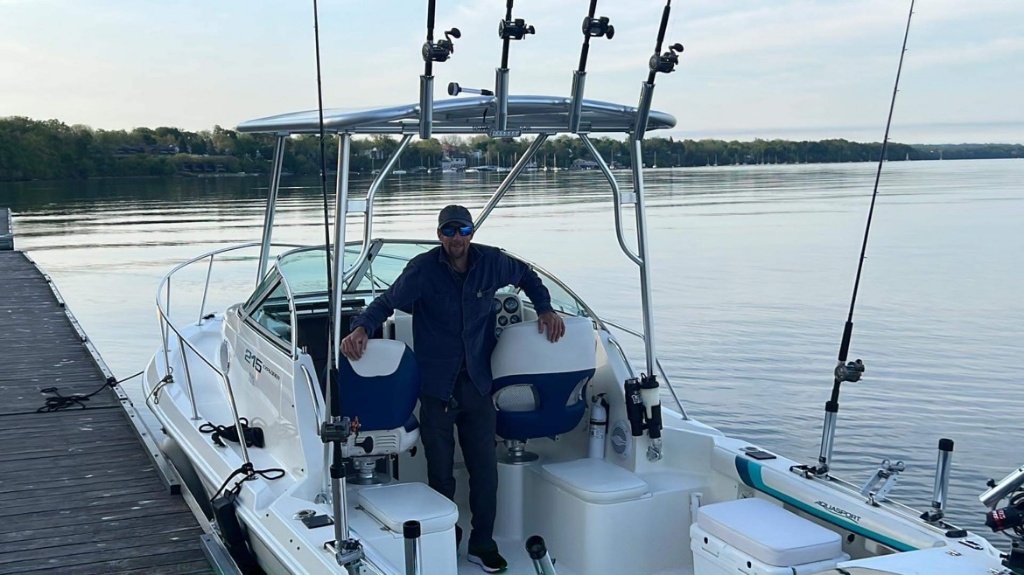
Captain Allan runs a tight ship focused on putting fish in the boat, not wasting time running around empty water. The Indian River Lagoon system offers some of the most productive inshore fishing on the East Coast, with endless grass flats, oyster bars, and deep holes that hold quality fish year-round. You'll spend your 6 hours working the areas that are producing, adjusting tactics based on tides, weather, and what the fish are telling you. The boat stays comfortable with just 2 anglers aboard, giving everyone room to fight fish without getting tangled up. Captain Allan provides all the tackle and knows exactly what these fish want to eat, whether that's live shrimp, cut bait, or the right artificial presentation. The pace stays steady but relaxed, with plenty of time to enjoy the scenery between hookups and learn some local techniques that'll make you a better angler.
Techniques and Tackle
Inshore fishing around Cape Canaveral means adapting to what the conditions and fish demand, and Captain Allan has every scenario dialed in. You'll fish everything from shallow grass flats in 2-3 feet of water to deeper channel edges and structure that drops into 8-12 feet. The tackle stays medium to medium-heavy, perfect for handling quality redfish and black drum without being overkill for trout and flounder. Live bait fishing with shrimp under popping corks is a go-to technique, especially around oyster bars and grass edges where these fish feed. When the bite calls for it, you'll work artificial baits like soft plastics, spoons, and topwater plugs that trigger reaction strikes from aggressive fish. The key is reading the water and adjusting presentation – sometimes that means slow-rolling a jig across the bottom for flounder, other times it's burning a spoon through a school of feeding trout. Captain Allan handles the boat positioning to keep you in the strike zone, using his trolling motor to work structure quietly and effectively.
Top Catches This Season
Redfish are the backbone of this fishery, and these copper-colored bulldogs provide some of the most consistent action you'll find in Florida waters. These fish run anywhere from 18 inches up to slot-busting bulls over 27 inches, with the sweet spot being those 20-24 inch fish that fight hard and taste even better. They're structure-oriented fish that love oyster bars, grass edges, and shallow flats, especially during moving tides. What makes redfish so popular with anglers is their willingness to eat – they'll crush live shrimp, cut bait, and artificial lures with equal enthusiasm. The fight is pure power, with these fish using their broad tails to bulldoze toward structure and test your drag system.
Black drum bring a different kind of excitement to the table, with these bottom-dwelling powerhouses capable of reaching impressive sizes in the lagoon system. These fish are masters of structure, hanging around oyster bars, bridge pilings, and deep holes where they root around for crabs and shellfish. When you hook a quality black drum, you know it immediately – they use their weight and strength to stay deep, making long, powerful runs that'll have you questioning your knot-tying skills. The bigger fish, often called "big uglies" by locals, can push well into double digits and provide arm-burning fights that last several minutes. They're excellent table fare when prepared properly, with firm white meat that's perfect for blackening or frying.
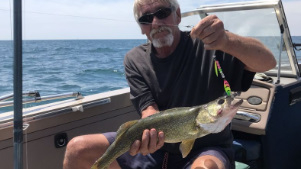
Speckled trout, or specks as locals call them, add finesse fishing to the mix and are arguably the best eating fish you'll encounter on this trip. These spotted beauties prefer grass flats and soft bottom areas where they can ambush baitfish and shrimp. They're incredibly structure-oriented but in a different way than redfish – they like subtle changes in bottom contour, grass edges, and drop-offs that aren't always obvious to the untrained eye. Trout fishing requires more precision in your presentation, but the payoff is worth it when you hook into a "gator trout" pushing 20+ inches. Spring and fall typically produce the best trout action, with cooler water temperatures bringing these fish into shallower areas where they're more accessible to anglers.
Flounder might be the most underrated fish in the Indian River Lagoon, but these flatfish provide both challenging fishing and outstanding table fare. They're ambush predators that bury themselves in sandy areas near structure, waiting for baitfish or shrimp to swim within striking distance. The bite is often subtle – just a slight tick or weight on your line that requires quick reflexes to set the hook properly. What makes flounder fishing so rewarding is the technique required; you need to work baits slowly along the bottom, feeling for that characteristic thump when a flounder picks up your offering. These fish are chameleons, changing color to match their surroundings, and watching them transform when they hit the deck is always impressive.
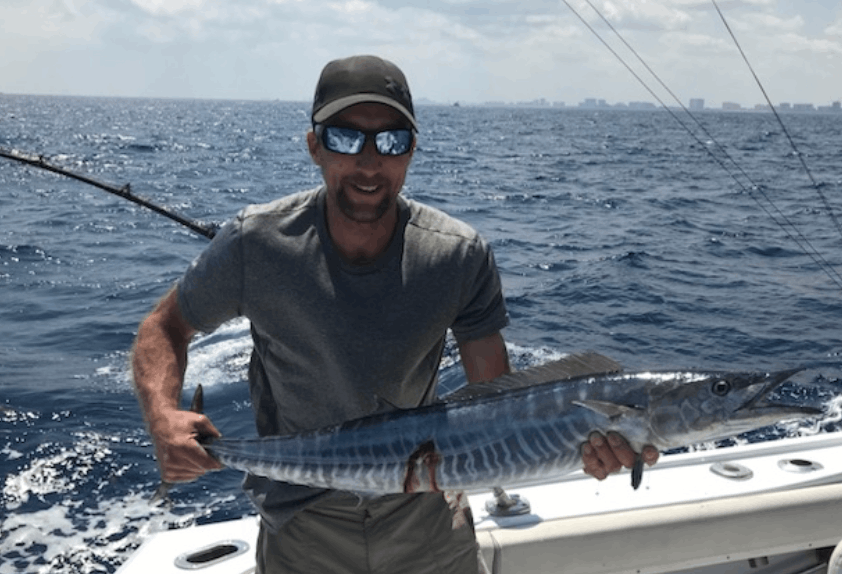
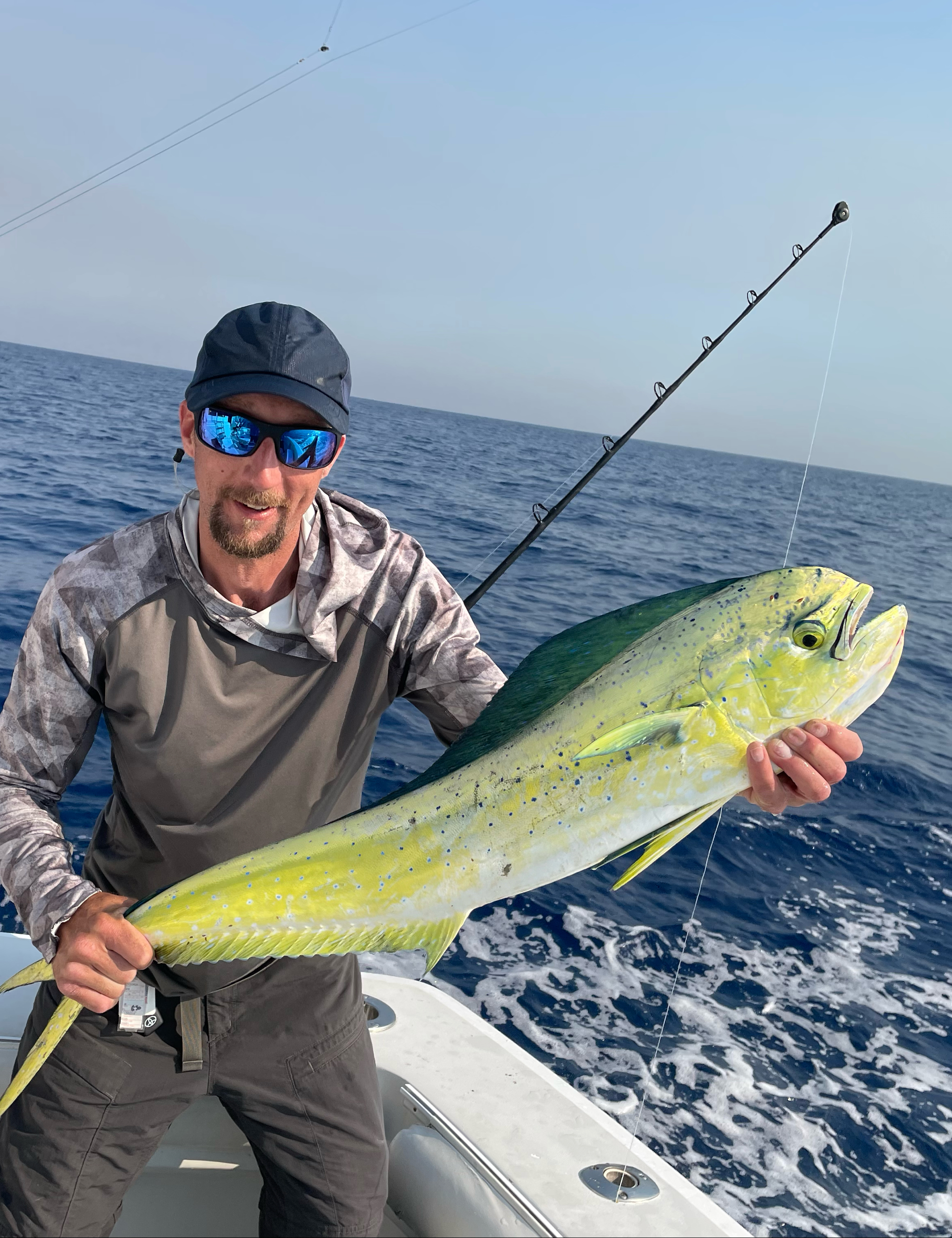
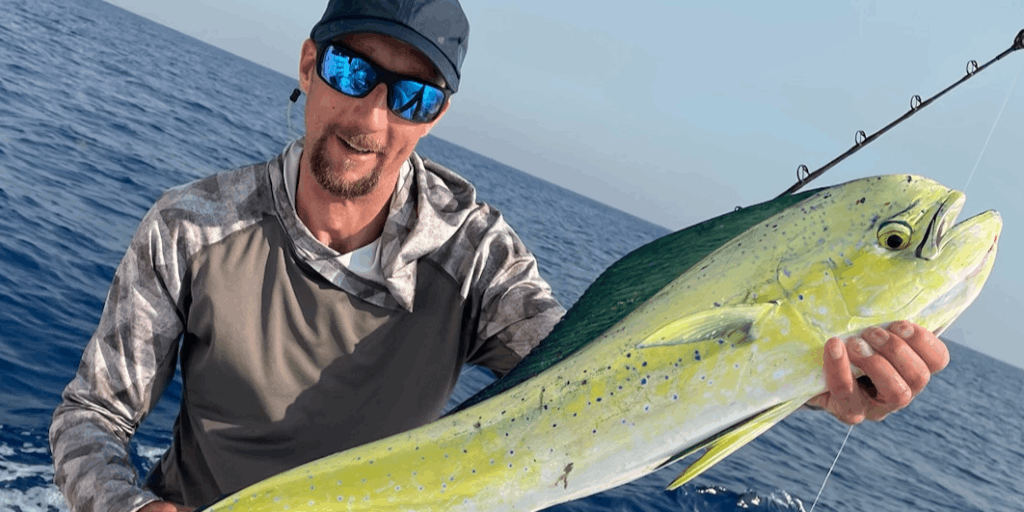
When conditions align and you venture toward deeper water or structure, mahi-mahi and snapper add an offshore element to your inshore trip. Mahi are spectacular fighters known for their acrobatic displays and brilliant colors, while snapper provide steady action around structure and excellent eating. These species are more seasonal and weather-dependent, but when they're aroun
 Private Trip
 Inshore Fishing
 Cape Canaveral, FL


 6-hour inshore fishing charter in Indian River Lagoon