Maine Offshore Fishing Adventures
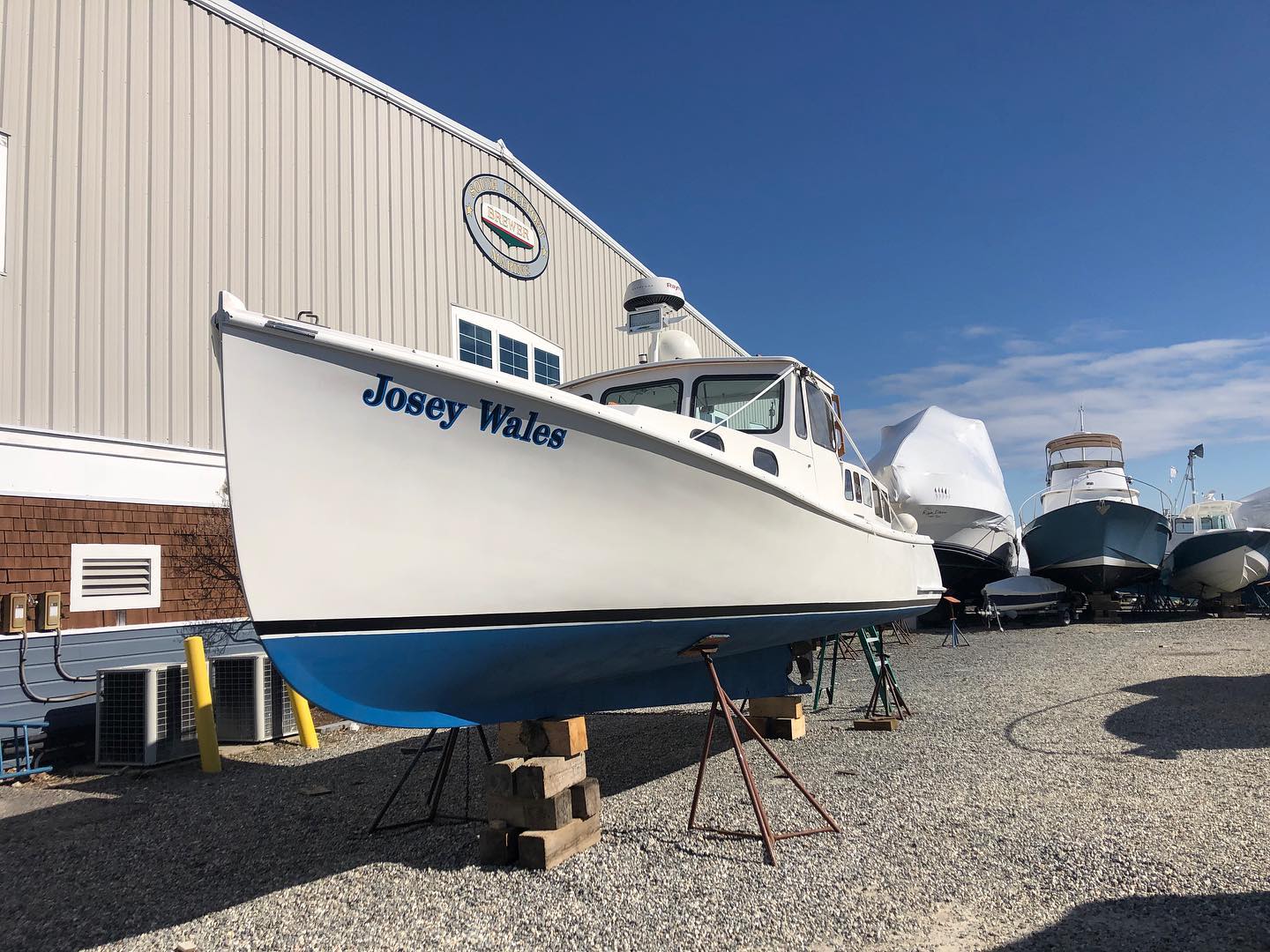
When you step aboard the F/V Josey Wales, you're not just booking another fishing trip – you're signing up for real deal offshore action that separates the weekend warriors from serious anglers. This isn't a leisurely cruise around the harbor. We're talking about a working commercial tuna boat that knows these waters like the back of its hand, heading miles offshore where the big fish live. Captain and crew expect you to pull your weight, get your hands dirty, and be ready for whatever the Gulf of Maine throws at us. With room for just four anglers, you'll get personal attention and prime real estate at the rail when the action heats up.
What to Expect on the Water
The Josey Wales operates as both a federally licensed commercial tuna vessel and charter boat, giving you access to fishing grounds that most recreational boats can't reach. We're heading into deep water – sometimes 20, 30, even 50 miles offshore – where the continental shelf drops off and the real predators patrol. This is big-game country, and the fishing reflects that scale. You'll be working with heavy tackle, fighting fish that can strip hundreds of yards of line in seconds, and dealing with conditions that change by the hour. The crew knows these waters intimately from their commercial operations, so you're getting insider knowledge on where fish are holding, what they're eating, and how to present baits that trigger strikes. Pack your sea legs and bring your A-game – the Gulf of Maine doesn't mess around.
Techniques & Heavy Tackle
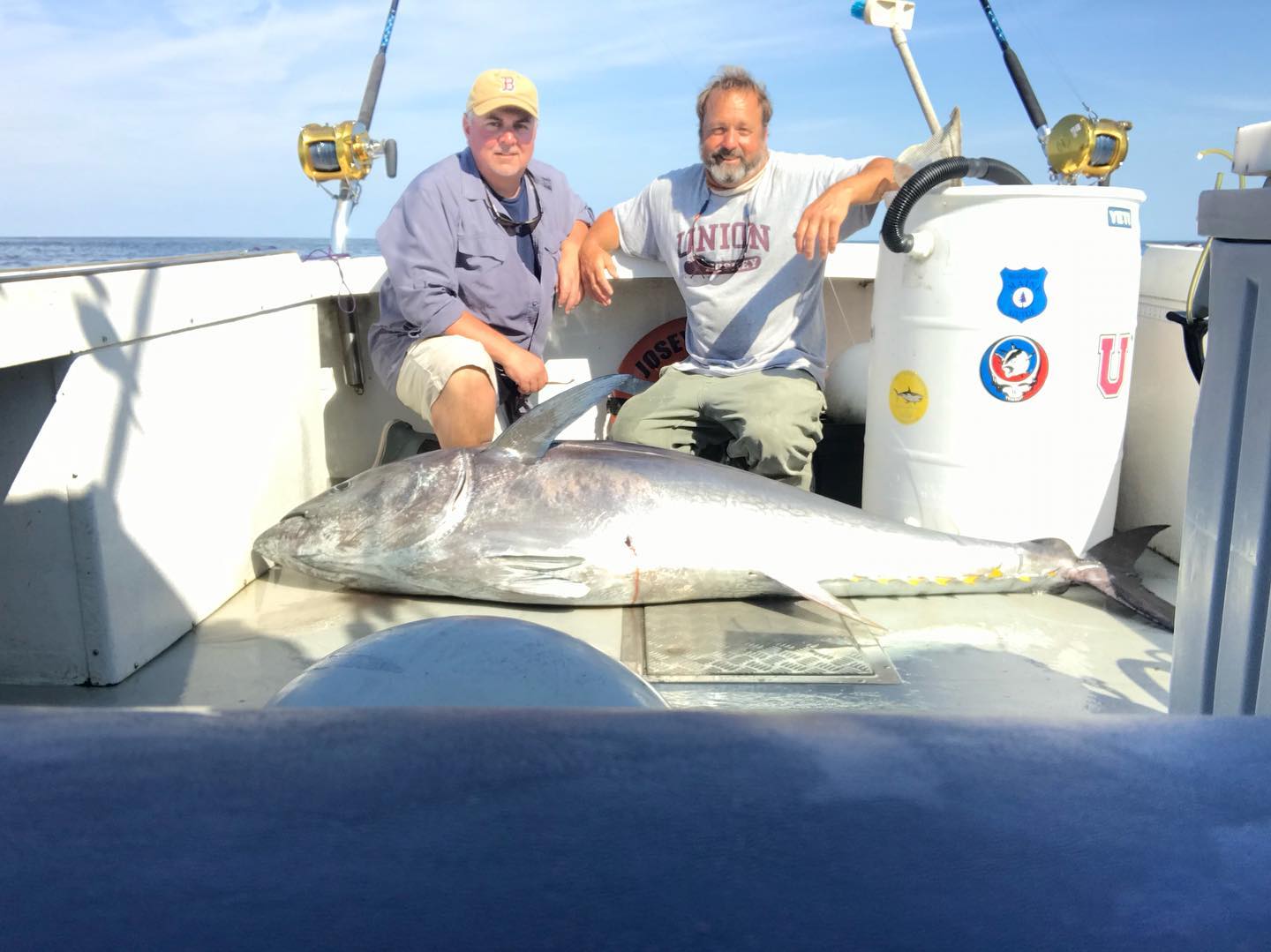
We fish the way commercial boats fish – with purpose and efficiency. Trolling spreads cover water fast when we're searching, using wire line and heavy lures that can handle the speeds needed to trigger pelagic species. When we mark fish or find temperature breaks, we'll switch to chunking and live bait presentations that keep offerings in the strike zone longer. The boat carries commercial-grade electronics – depth sounders, fish finders, and GPS units that mark productive spots from previous trips. Tackle is heavy duty: 50 to 130-pound class rods matched with reels that can handle sustained runs from large tuna and sharks. Circle hooks are the standard for conservation and effectiveness. The crew handles gaffing, netting, and fish management – your job is fighting and following directions. When a 200-pound bluefin decides to sound, technique matters more than muscle.
Species You'll Want to Hook
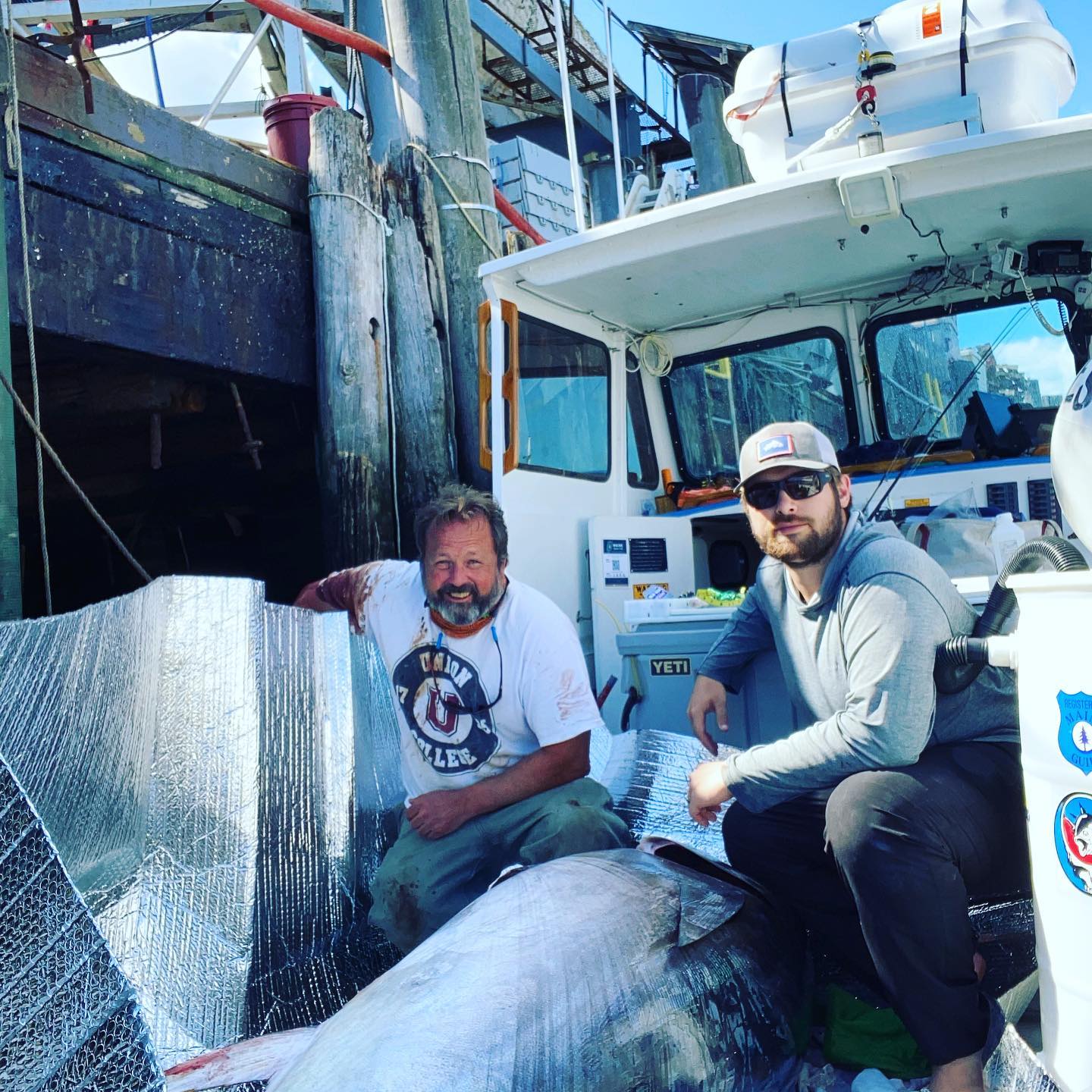
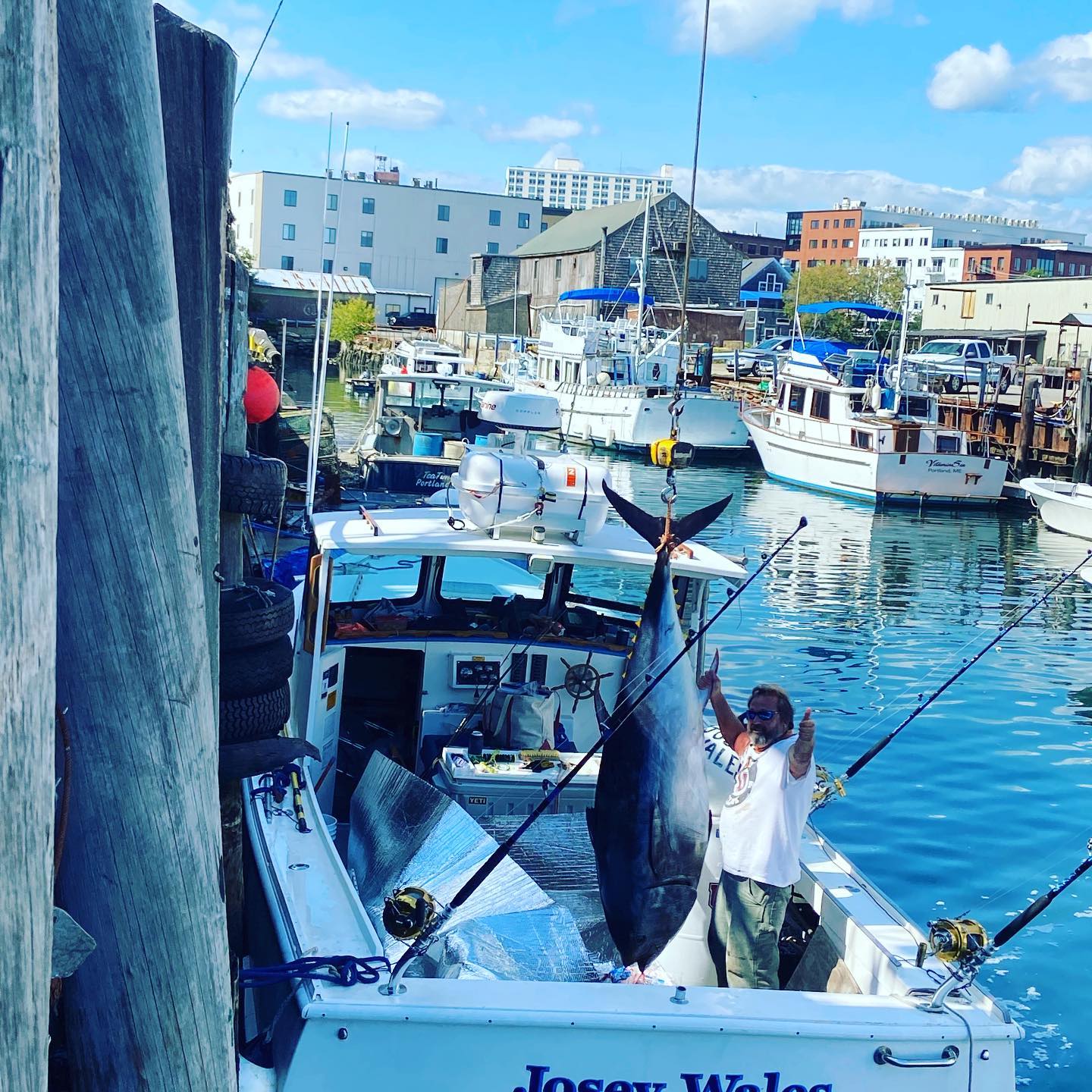
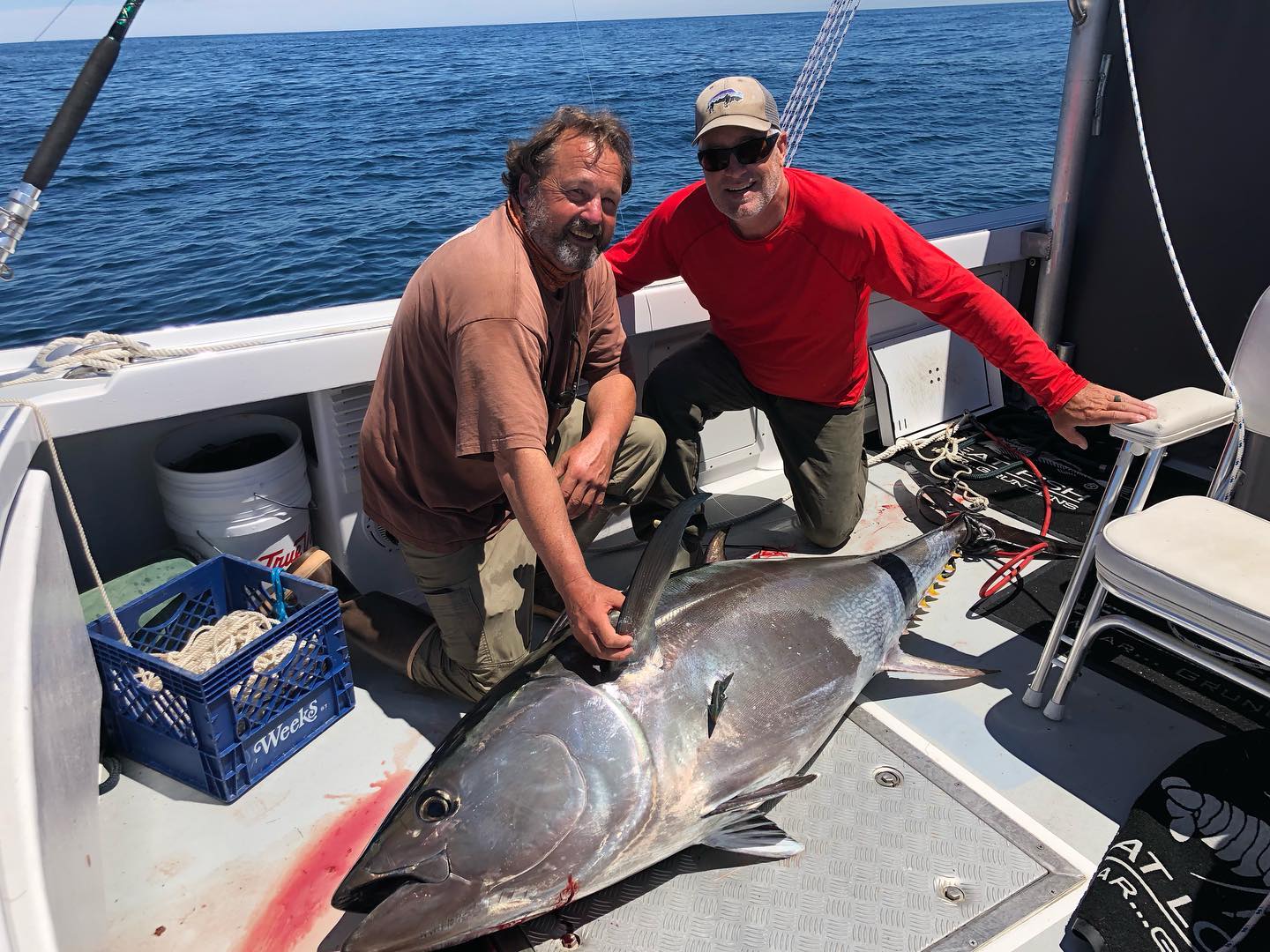
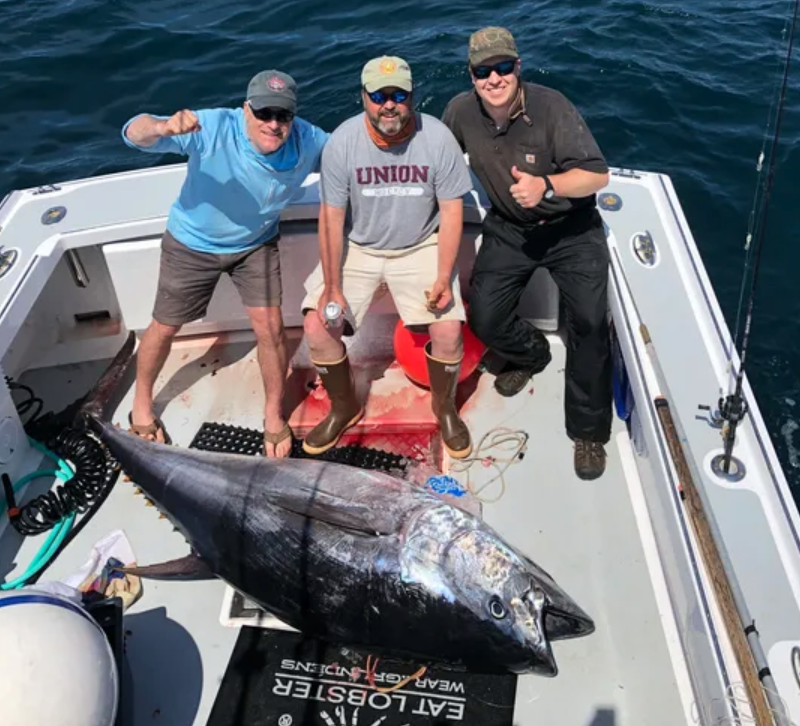
Bluefin tuna are the crown jewel of Maine offshore fishing, and the Josey Wales targets them with the expertise of a working commercial operation. These fish show up in our waters from June through October, following bait schools and temperature gradients along the continental shelf. A decent bluefin starts at 100 pounds, but fish over 300 pounds cruise these waters regularly. They're incredibly strong, with stamina that can test even experienced anglers for hours. What makes them special isn't just size – it's their intelligence and speed. Bluefin can hit 40 mph and dive to crushing depths when hooked.
Shortfin mako sharks bring a different kind of excitement to the table. These are the sprinters of the shark world, capable of leaping completely clear of the water when hooked. Makos in Maine waters typically run 100 to 300 pounds, with occasional monsters pushing 500. They prefer deeper water and warmer temperatures, making late summer prime time. Fighting a mako means expecting the unexpected – they'll jump, run, and change direction without warning. Their speed and aerial displays make them a favorite among anglers who've caught everything else.
Porbeagle sharks are often called the "poor man's mako," but that's selling them short. These cold-water specialists thrive in Maine's cooler temperatures and put up surprisingly strong fights for their size. Most porbeagles run 100 to 200 pounds, but they're thick, powerful fish that use the current and depth to their advantage. They're more common than makos in our area and often provide steady action when other species are finicky.
Blue sharks might not have the size of other targets, but they make up for it in numbers and willingness to bite. These sleek predators show up in good numbers during summer months, often providing backup action when hunting bigger game. They're excellent on light tackle and perfect for anglers new to shark fishing. Blues also make great bait for larger species – nothing attracts a big mako like a fresh blue shark.
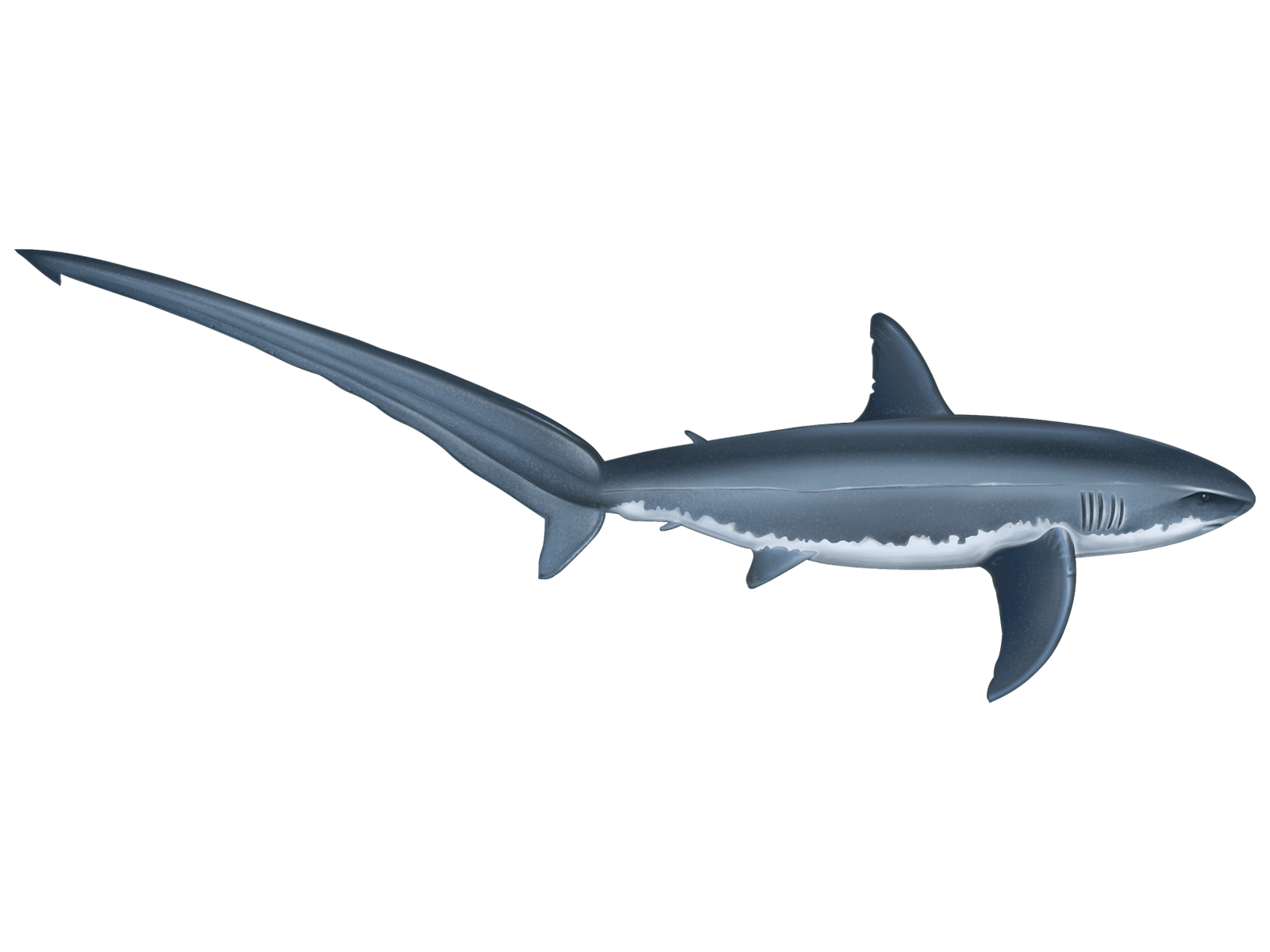
Thresher sharks are the wildcards of offshore Maine fishing. Their distinctive long tail makes them unmistakable, and they use it like a whip to stun baitfish. Threshers are less common than other shark species but grow large – fish over 400 pounds are possible. They prefer cooler water and often feed near the surface during low light periods. Landing a thresher requires careful handling since that tail can cause serious damage to gear and boat.
Time to Book Your Spot
The F/V Josey Wales offers something you won't find on typical charter boats – authentic commercial fishing expertise combined with the personal attention of a small group charter. With only four spots available, trips fill up fast during peak season. The crew's commercial background means they know where fish are holding, what they're eating, and how to adapt when conditions change. This is your chance to fish like the pros do, using proven techniques and accessing grounds that most recreational anglers never see. Don't expect a relaxing day on the water – expect hard work, big fish, and stories you'll tell for years. Ready to see what Maine's offshore waters are really about?
 Private Trip
 Offshore Fishing
 South Freeport, ME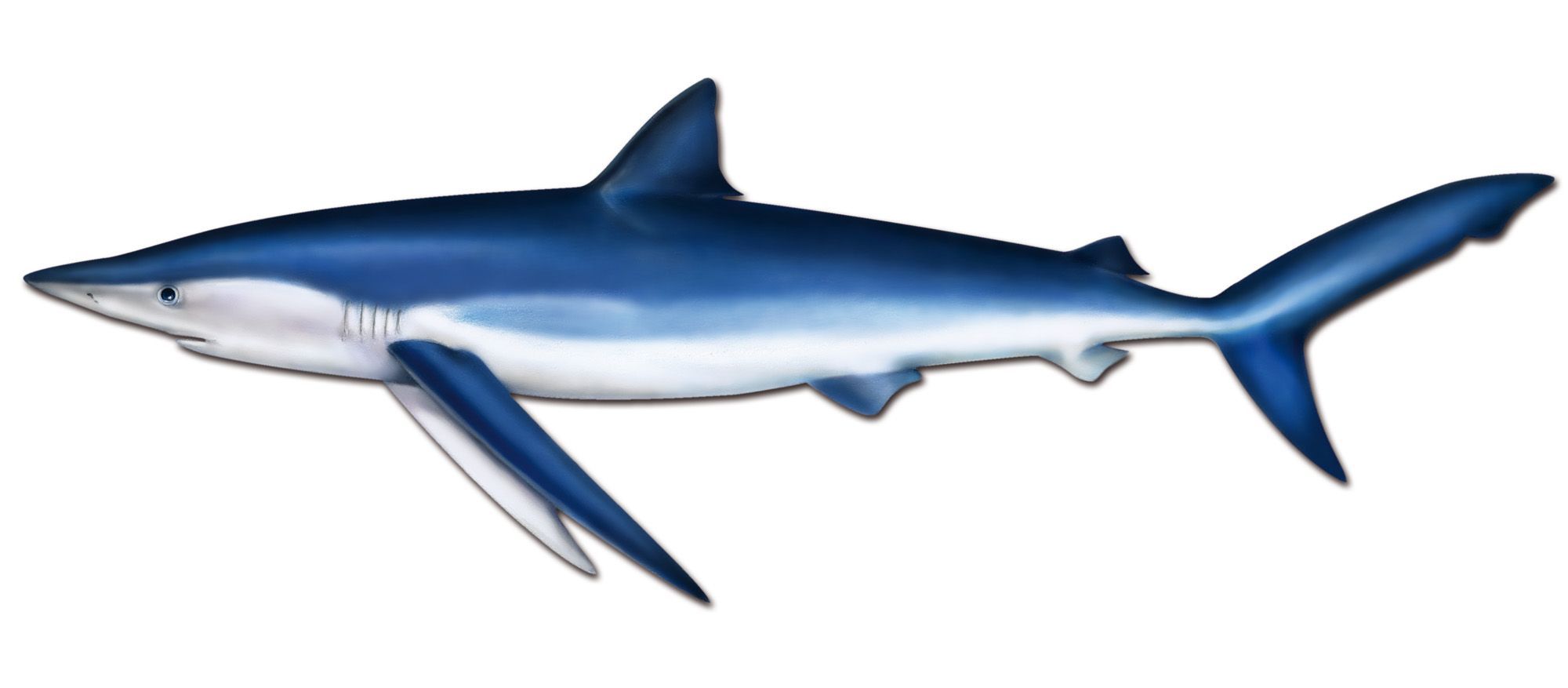


 Licensed commercial tuna vessel offers authentic offshore fishing experience