10 Hour Puget Sound Fly Fishing
Nothing beats a full day on Puget Sound with a fly rod in hand and miles of productive shoreline ahead of you. This isn't your typical quick morning trip – we're talking 10 solid hours of walk and wade fly fishing in some of Washington's most consistent waters. Whether you're chasing aggressive sea-run cutthroat or timing it right for salmon runs, this private experience puts you on fish while teaching you the nuances of saltwater fly fishing. With room for up to two anglers, you get personalized attention that makes every cast count. Pacific Rover LLC knows these waters inside and out, and they'll have you reading currents and presenting flies like you've been doing it for years.
What to Expect on the Water
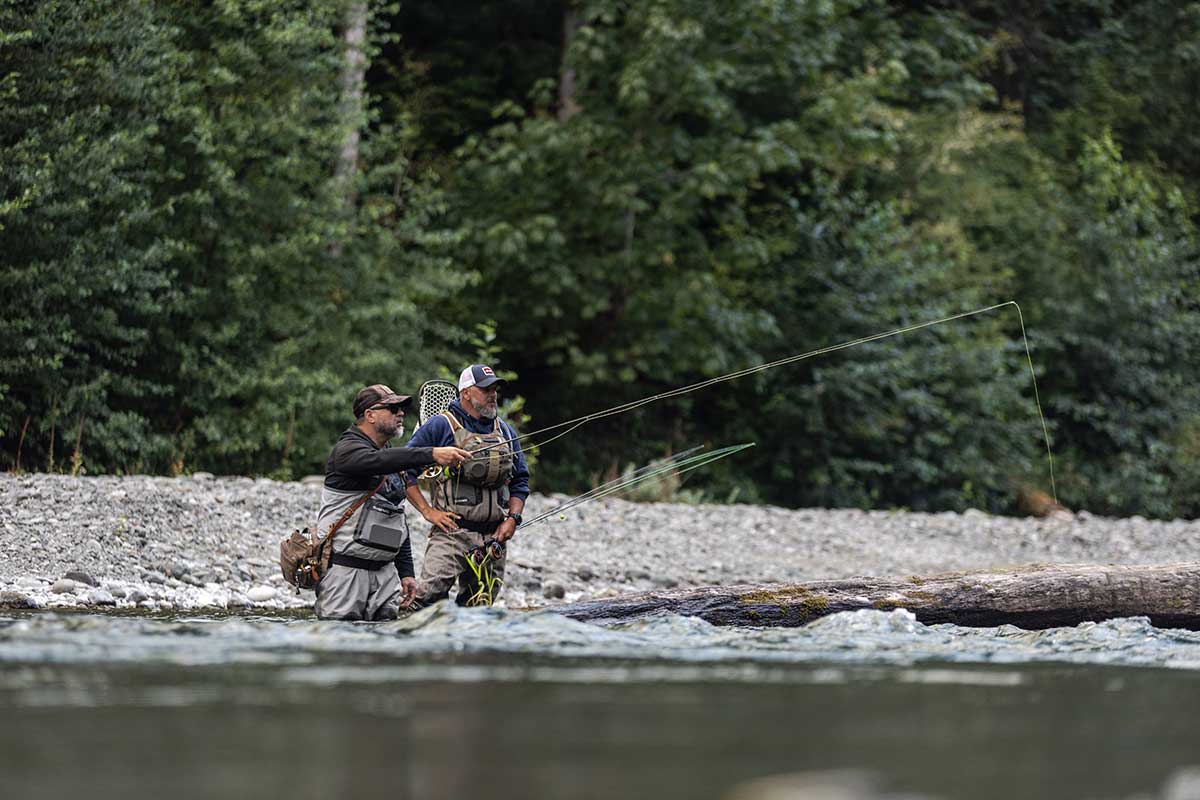
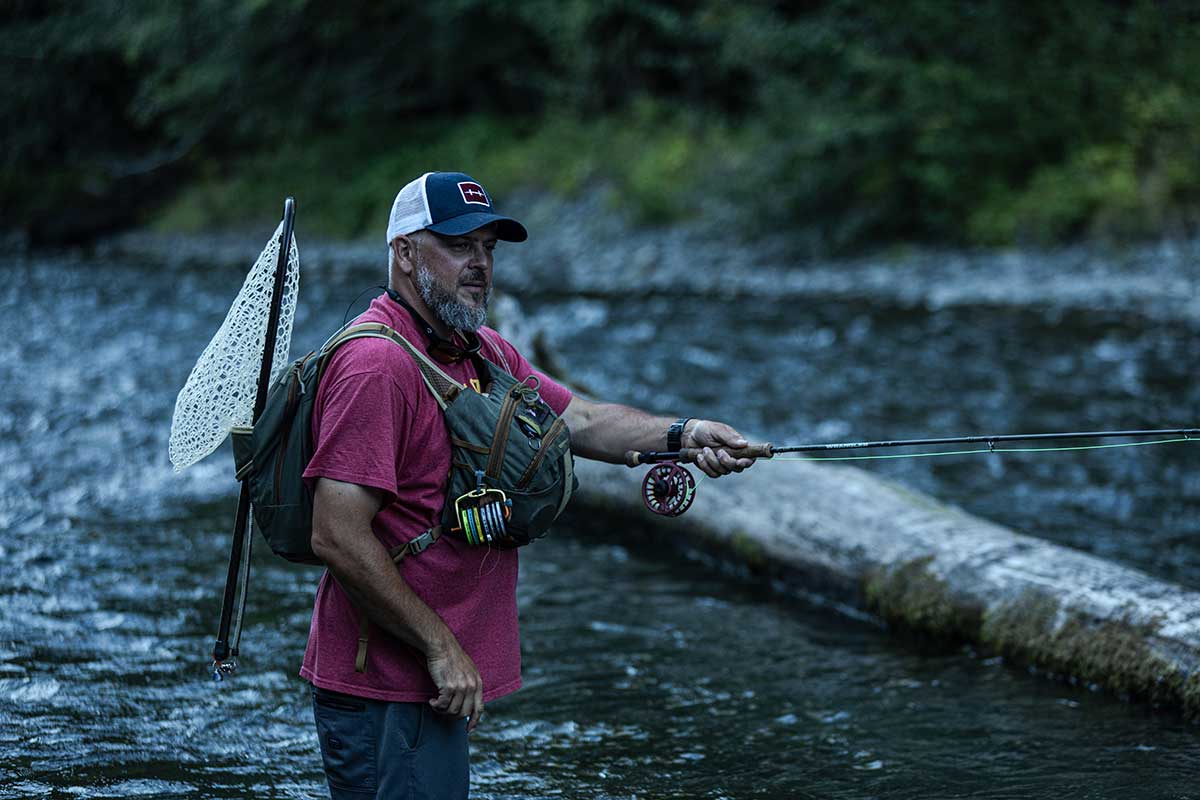
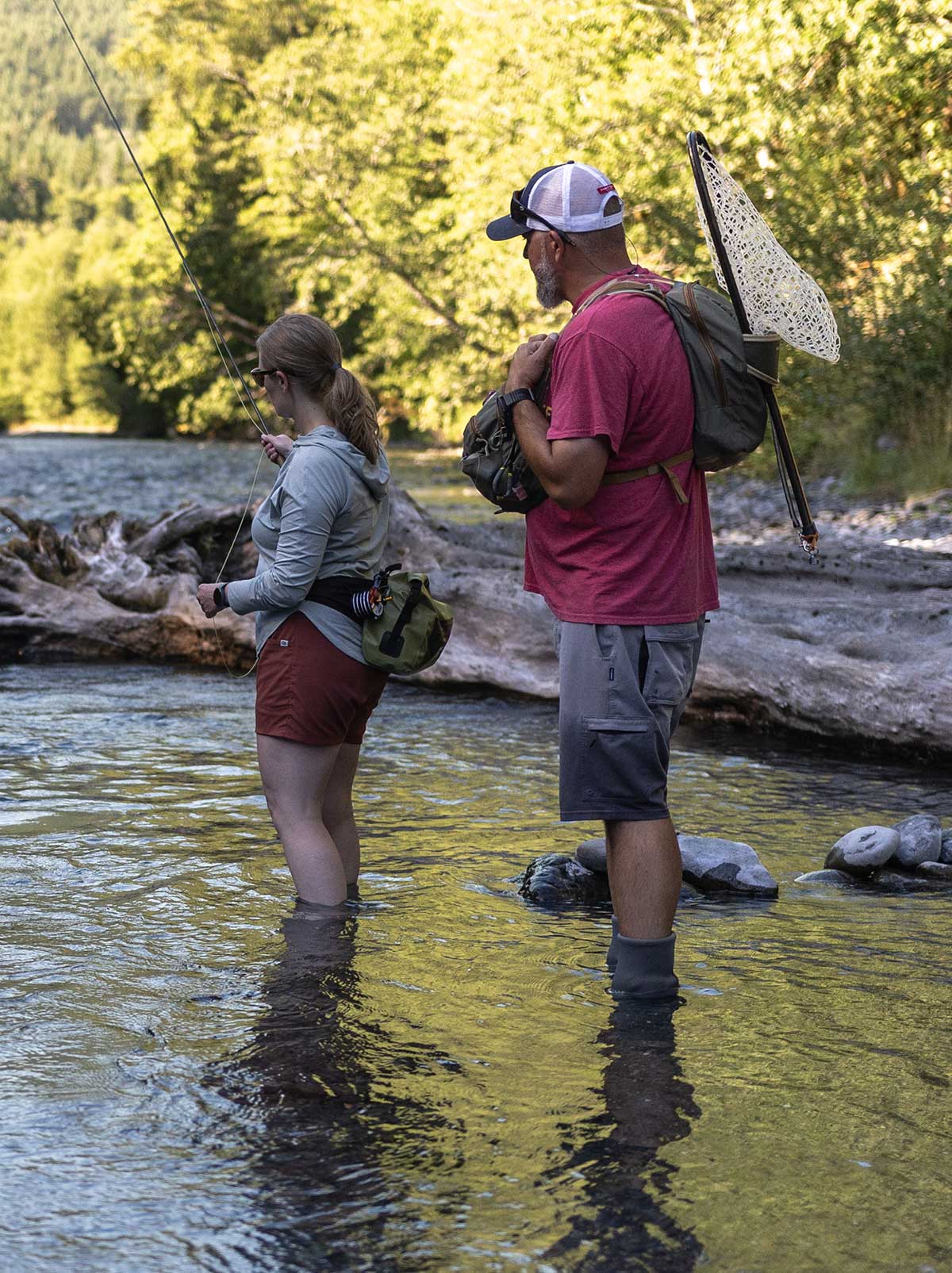
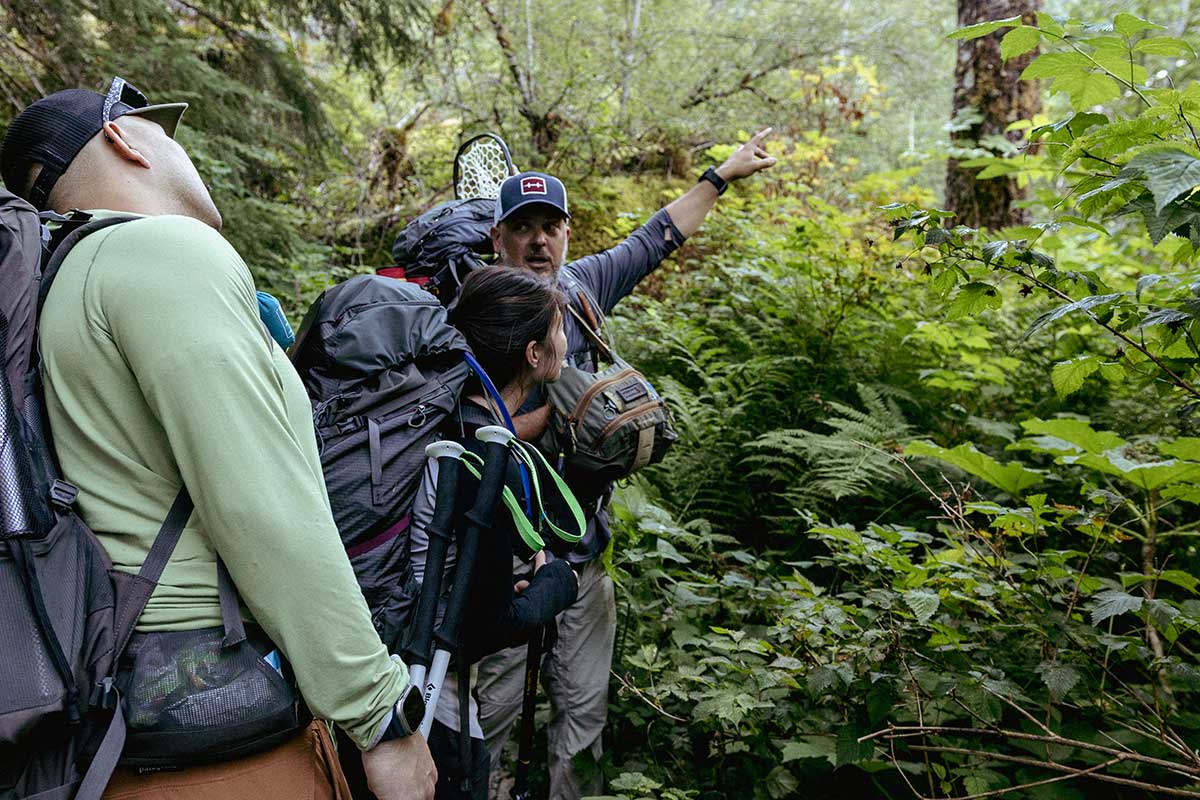
Your day starts early because the best fishing happens when most folks are still hitting snooze. We're walking miles of Puget Sound shoreline, hitting structure and drop-offs where fish ambush baitfish. This is walk and wade fishing at its finest – no boat needed, just good boots and the willingness to cover water. You'll learn to read the signs: nervous water, diving birds, and those subtle current breaks where cutthroat love to hunt. The beauty of this setup is the flexibility – if one stretch isn't producing, we move until we find active fish. Your guide carries backup gear and knows exactly which flies work when the bite gets tough. Don't worry about experience level either. First-time saltwater fly anglers get the full rundown on casting into wind, while seasoned vets pick up local secrets they won't find in magazines. The Sound changes with every tide, and after 10 hours out here, you'll start seeing it through an angler's eyes.
Techniques & Gear Breakdown
Saltwater fly fishing demands different tactics than what works on mountain streams. We're using heavier rods – typically 7 or 8 weights – that can punch through Puget Sound's notorious wind and turn over bulky saltwater flies. Your guide provides all the premium tackle, from floating lines for surface action to intermediate lines when fish are holding deeper. Fly selection changes throughout the day based on what baitfish are around and how aggressive the fish are acting. Clouser minnows, surf candies, and local patterns tied specifically for Sound conditions fill the boxes. You'll learn the retrieve that triggers strikes – sometimes it's fast strips that mimic fleeing herring, other times it's a slow, steady pull that looks like an injured baitfish. Reading water becomes second nature as you identify where currents create ambush points. The wading is straightforward, but your guide knows which beaches fish best on different tides and weather conditions. By day's end, you'll understand why timing, presentation, and persistence separate successful saltwater fly anglers from weekend warriors throwing blind casts.
Target Species You'll Hook
Coho salmon are the crown jewel of Puget Sound fly fishing, especially during their peak runs from late summer through fall. These chrome-bright rockets average 8-12 pounds and fight like fish twice their size. When coho are in the system, they're aggressive and willing to chase down a well-presented fly. What makes them special is their acrobatic fight – expect multiple jumps and screaming runs that test your drag system. The best action happens during morning and evening pushes when schools move through feeding areas. Coho have excellent eyesight, so presentation matters more than fly choice, though they can't resist a properly stripped streamer that mimics juvenile salmon.
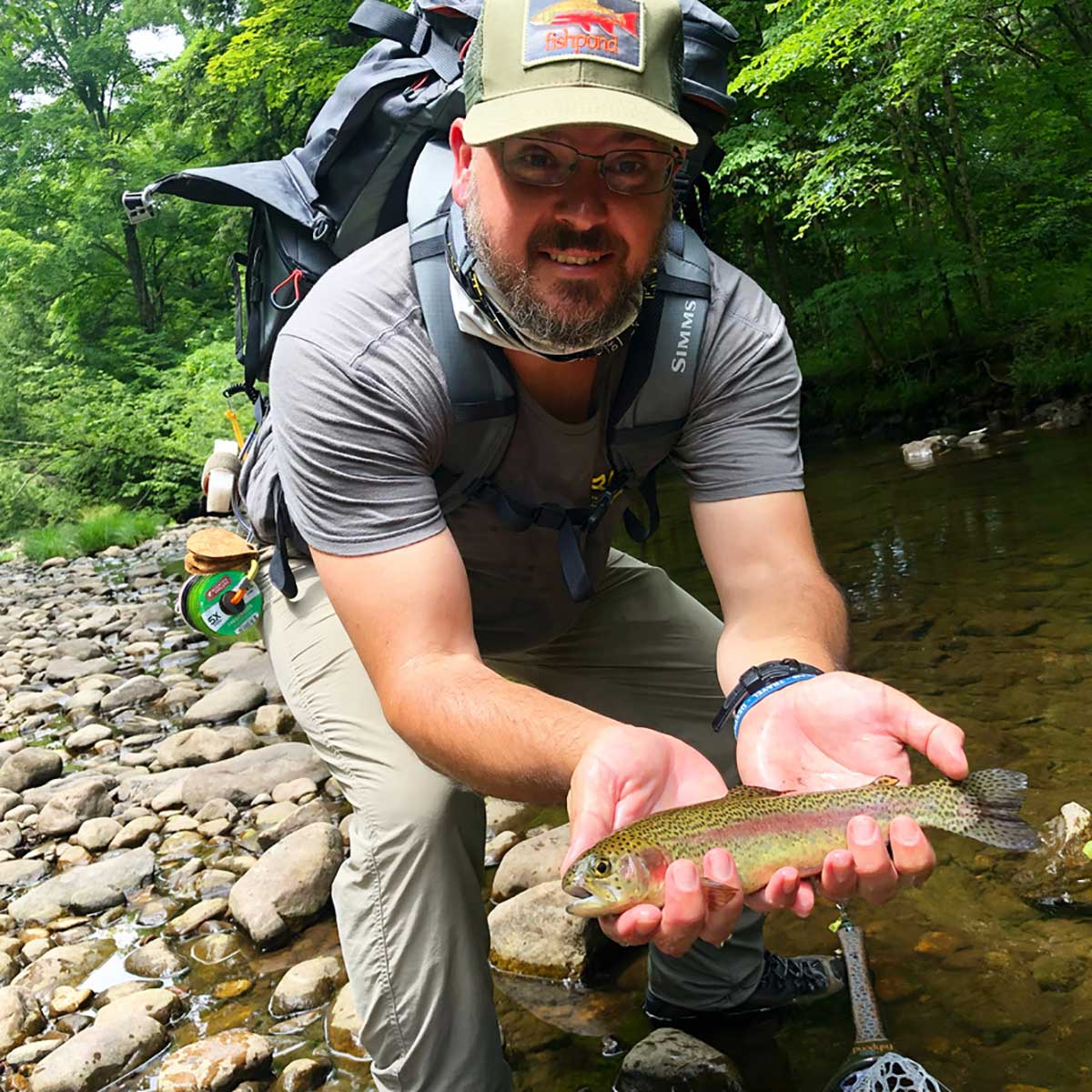
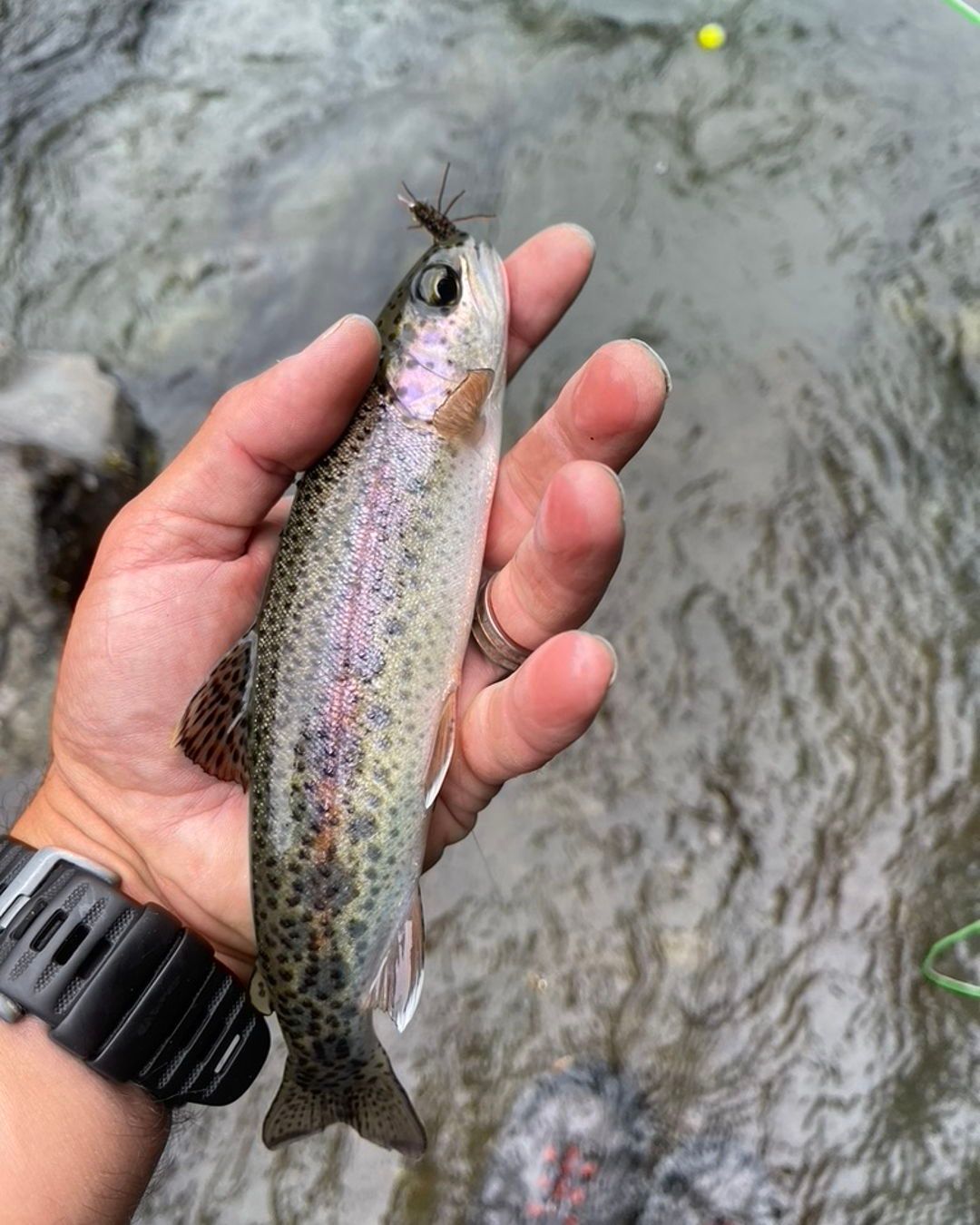
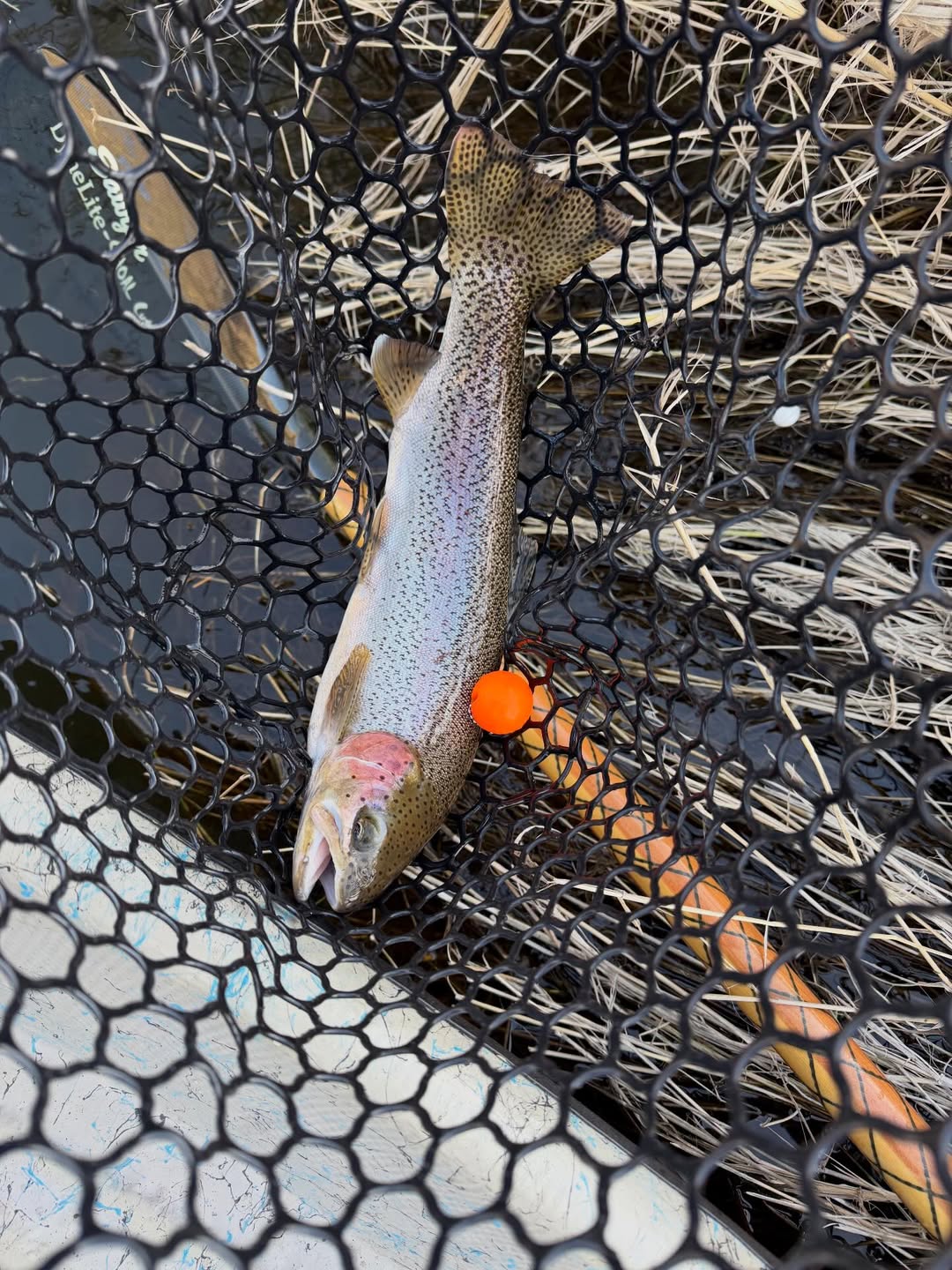
Sea-run cutthroat trout are the year-round residents that keep this fishery productive when salmon aren't around. These aren't your typical 10-inch stream cutties – Puget Sound fish commonly reach 16-20 inches and develop the broad shoulders that come from feeding on rich saltwater prey. They're opportunistic predators that cruise shorelines looking for anything from small sculpins to juvenile salmon. Cutthroat are incredibly responsive to fly fishing because they feed actively in shallow water where you can sight-fish to individual fish or working schools. Their take is aggressive but the fight is more bulldogging than aerial, with powerful runs toward deep water. What anglers love most is their predictability – find the right structure at the right tide, and cutthroat will be there feeding.
Time to Book Your Spot
Ten hours of guided fly fishing on Puget Sound gives you the full experience most anglers only dream about. You're getting world-class instruction, local knowledge that takes decades to develop, and access to consistently productive water that produces fish year-round. Whether you're looking to add saltwater techniques to your arsenal or simply want to fish some of the Pacific Northwest's best cutthroat and salmon water, this trip delivers. Remember to grab your Washington fishing license before the trip – everything else is provided. The Sound is fishing well right now, and these private spots book up fast during peak seasons. Don't wait until everyone else discovers what local fly anglers have known for years.
 Private Trip
 River Fishing
 undefined, undefined

 Full 10-hour private walk and wade fly fishing experience