New Orleans Red Snapper & Wreck Fishing
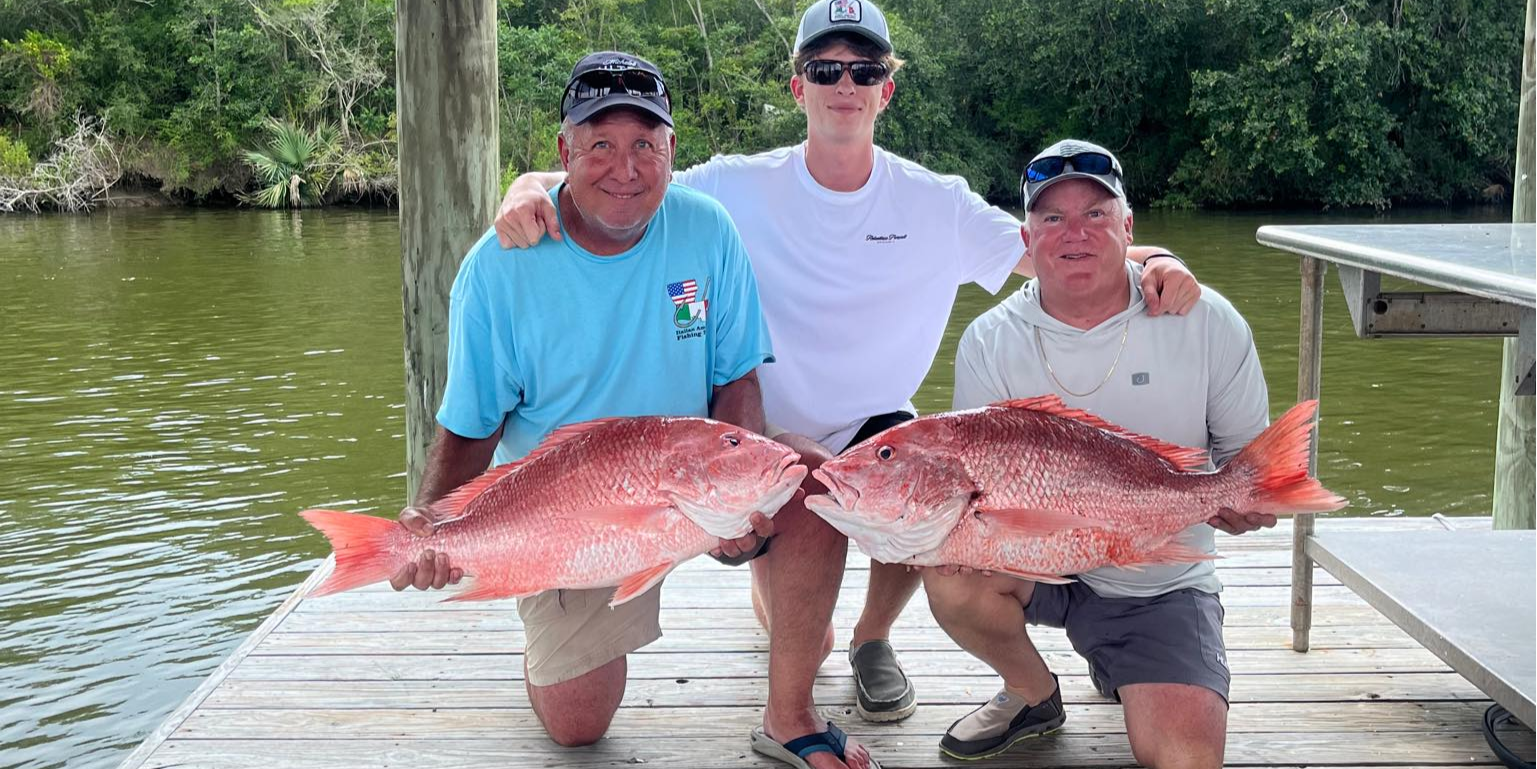
The Gulf of Mexico's oil rigs and artificial reefs hold some of Louisiana's best fishing action, and when snapper season opens, there's no better place to wet a line. This solo fishing adventure puts you right in the heart of the action, targeting the structures that bring big fish up from the depths. With just four months of snapper season each year, these trips fill up fast among anglers who know what they're after.
What to Expect on the Water
You'll be fishing the legendary rigs and reefs that dot the Gulf south of New Orleans - underwater cities that attract everything from schooling snappers to cruising cobia. These structures create perfect ambush points where predators wait for baitfish, and that's exactly where we'll drop our lines. The fishing here is straightforward but productive: heavy tackle, strong current, and fish that fight hard once they feel the hook. Since it's just you on this trip, you'll get personalized attention and can fish at your own pace without worrying about anyone else's schedule or skill level.
Tackle & Bottom Techniques
Wreck fishing means heavy tackle and knowing how to work structure. We'll be using conventional reels spooled with 50-80 pound test, paired with stout rods that can handle the weight needed to get down and stay down in Gulf currents. The technique is all about precision drops - finding the sweet spots around rig legs and reef edges where fish stack up. Circle hooks are the standard for snapper to meet regulations, and we'll be fishing everything from live bait to cut squid depending on what the fish want that day. The key is keeping your bait in the strike zone while avoiding hang-ups on the structure below.
Target Species
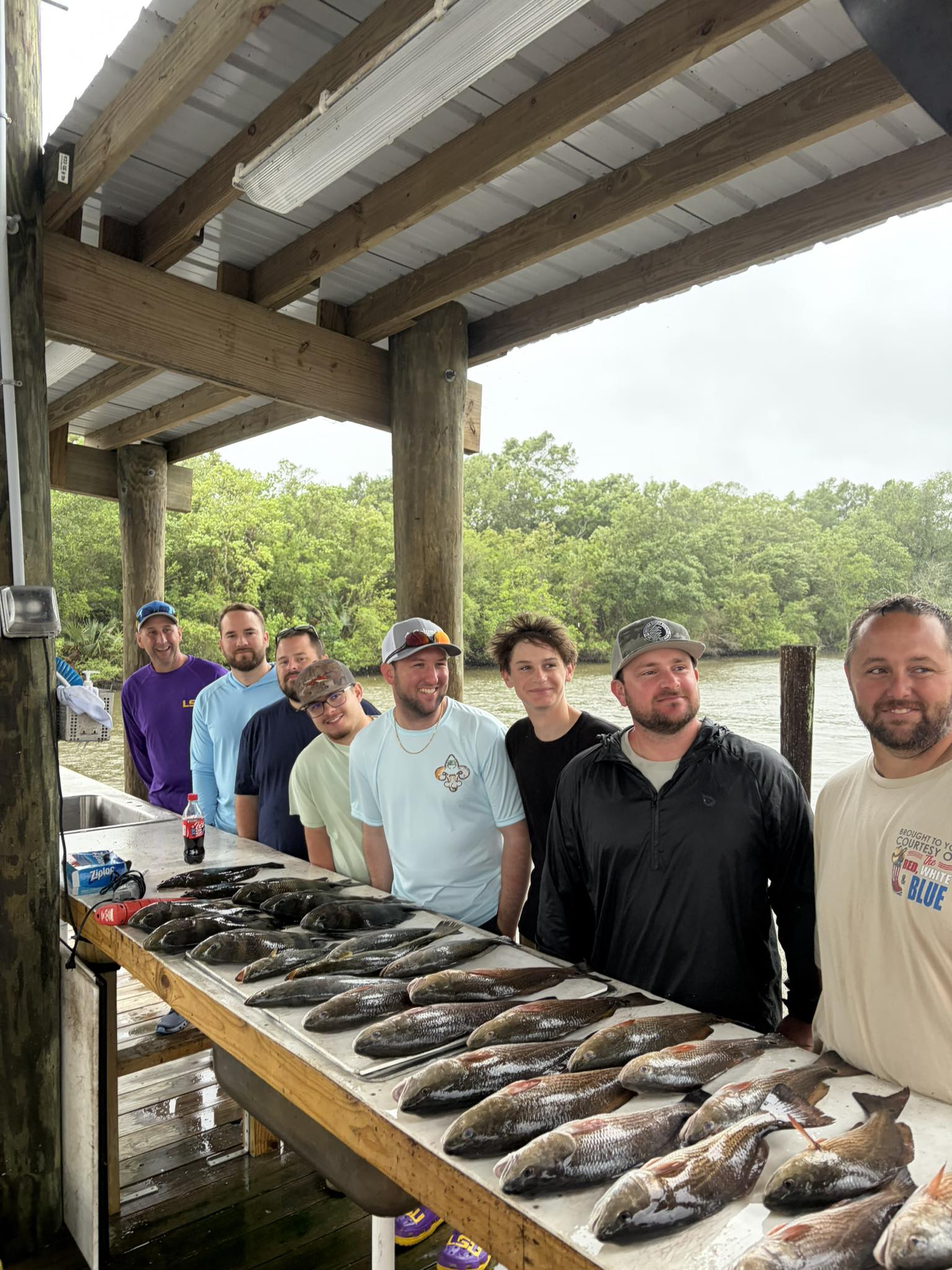
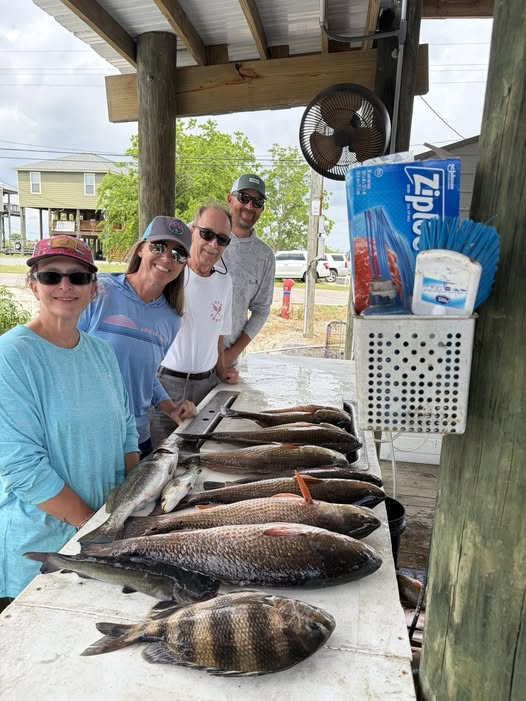
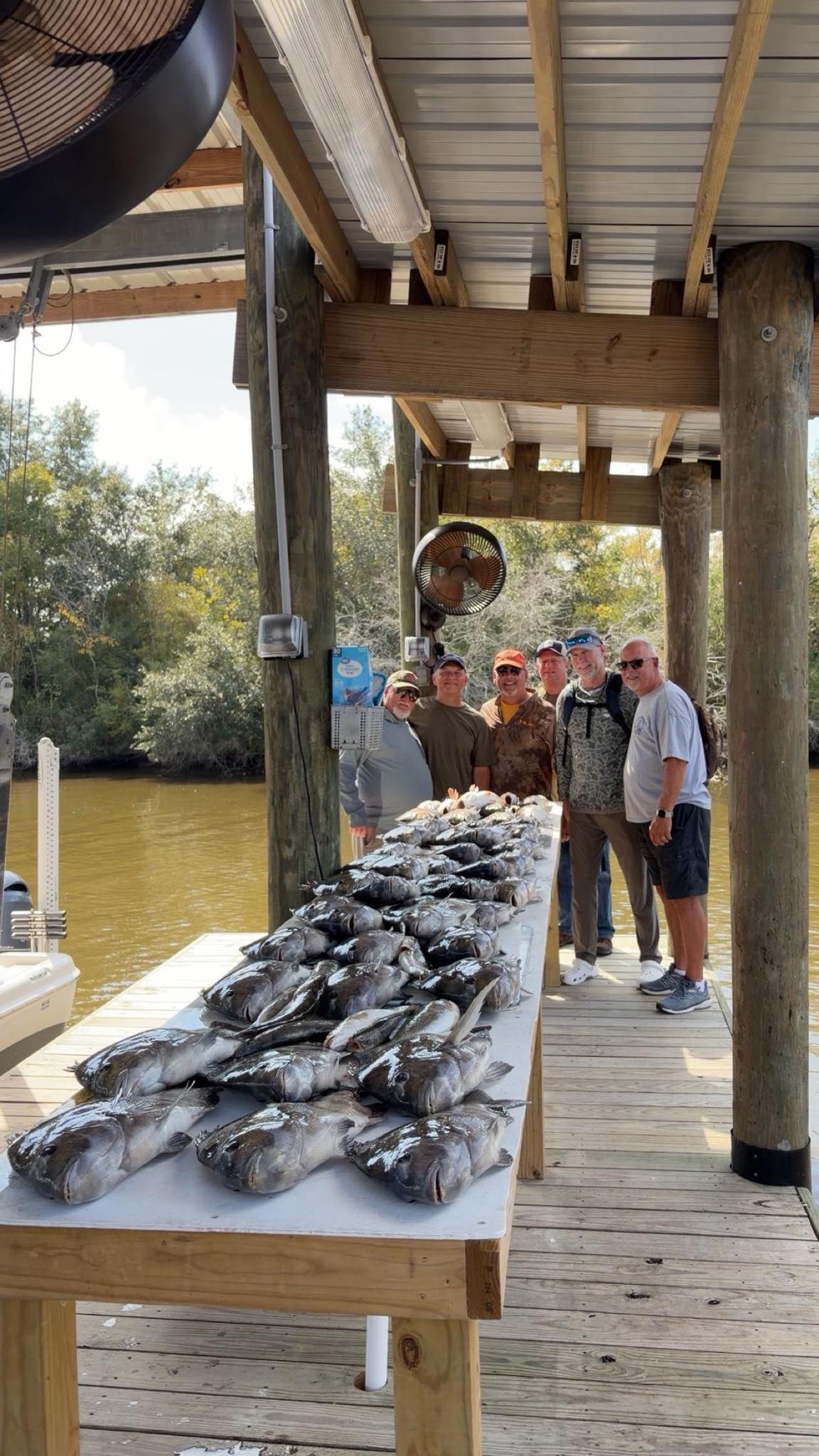
Black drum around these offshore structures behave differently than their inshore cousins - they're typically bigger, more aggressive, and found in deeper water around the rig pilings. These fish can push 20-40 pounds and will test your drag system with their bulldogging runs. They're most active during the cooler months and early morning hours, often feeding on crabs and shellfish that call the rigs home. What makes them exciting is their size and the way they use the structure to their advantage, wrapping you around anything they can find.
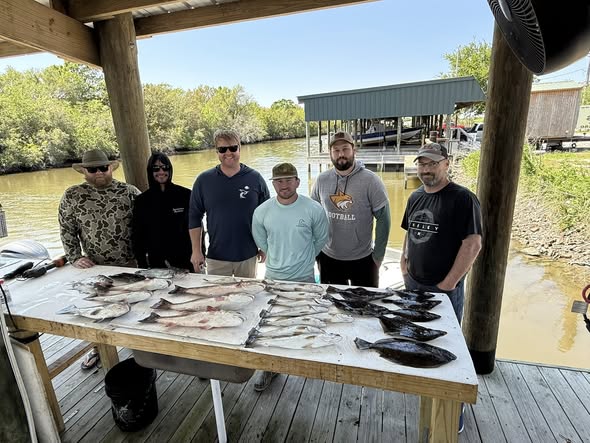
Sea trout in the Gulf's deeper structure areas are usually the bigger specimens - what we call "gator trout" that have moved offshore following bait schools. These fish run 3-8 pounds typically and are known for their aggressive strikes on both live and artificial baits. They're most active during spring and fall transitions when water temperatures are ideal, and they love to ambush prey near the thermocline around these artificial reefs. The fight is classic trout - hard initial run followed by head-shaking jumps that'll test your hookset.
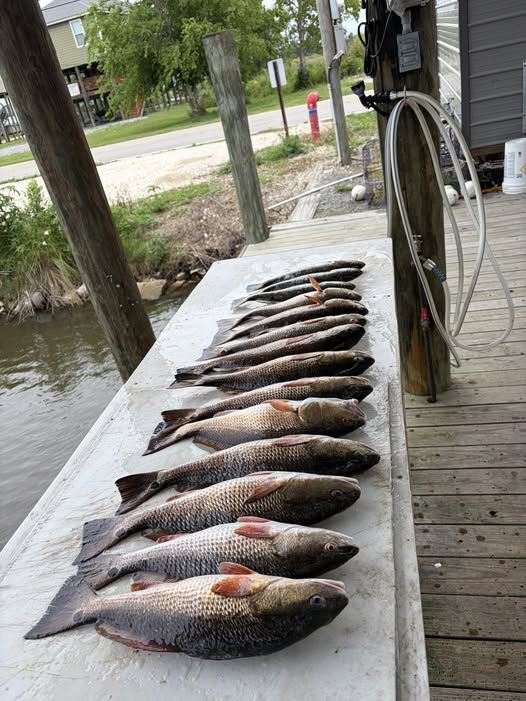
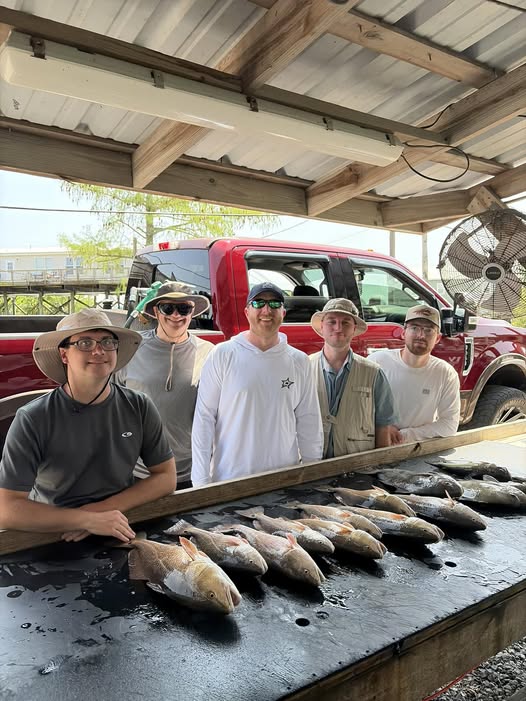
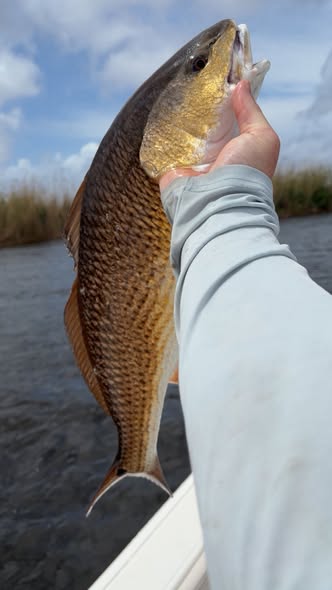
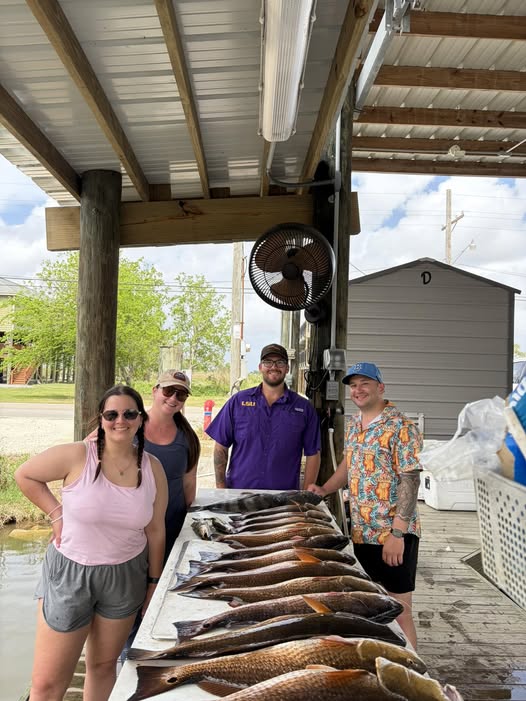
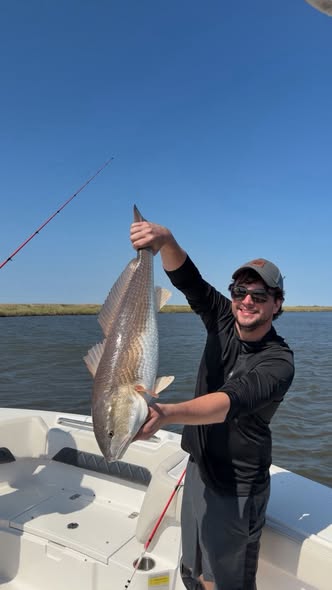
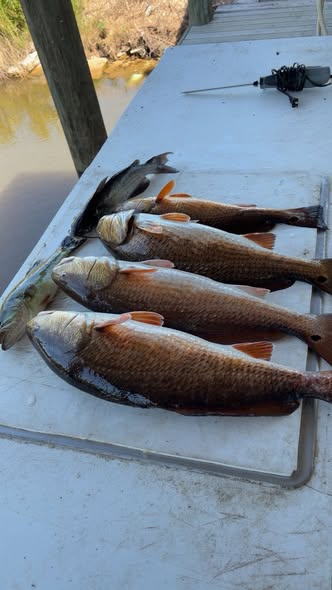
Redfish around offshore structures are usually the larger bull reds that have moved out of the marshes to spawn. These copper-colored fighters can exceed 30 inches and 15 pounds, providing some of the strongest fights you'll find in Gulf waters. They're most common during late summer and fall months when they school up around the rigs, feeding heavily before and after spawning. What makes them special is their tenacity - once hooked, they'll use every bit of structure available to try breaking you off, making for heart-pounding battles in close quarters.
Time to Book Your Spot
With snapper season running just four months and limited to single-angler trips, these dates book solid with serious fishermen who want the personal attention and flexibility that comes with a solo charter. The combination of productive Gulf structure fishing and the chance at multiple snapper species makes this a top-rated experience among local and visiting anglers. Don't wait until season opens to secure your spot - the best fishing days go to whoever books first, and there's nothing worse than watching snapper season pass by from the dock.
 Private Trip
 Wrecks/Reefs Fishing
 New Orleans, LA


 Target red snapper and cobia at Gulf Coast rigs