6-Hour Offshore Trip—Santa Rosa Beach, FL
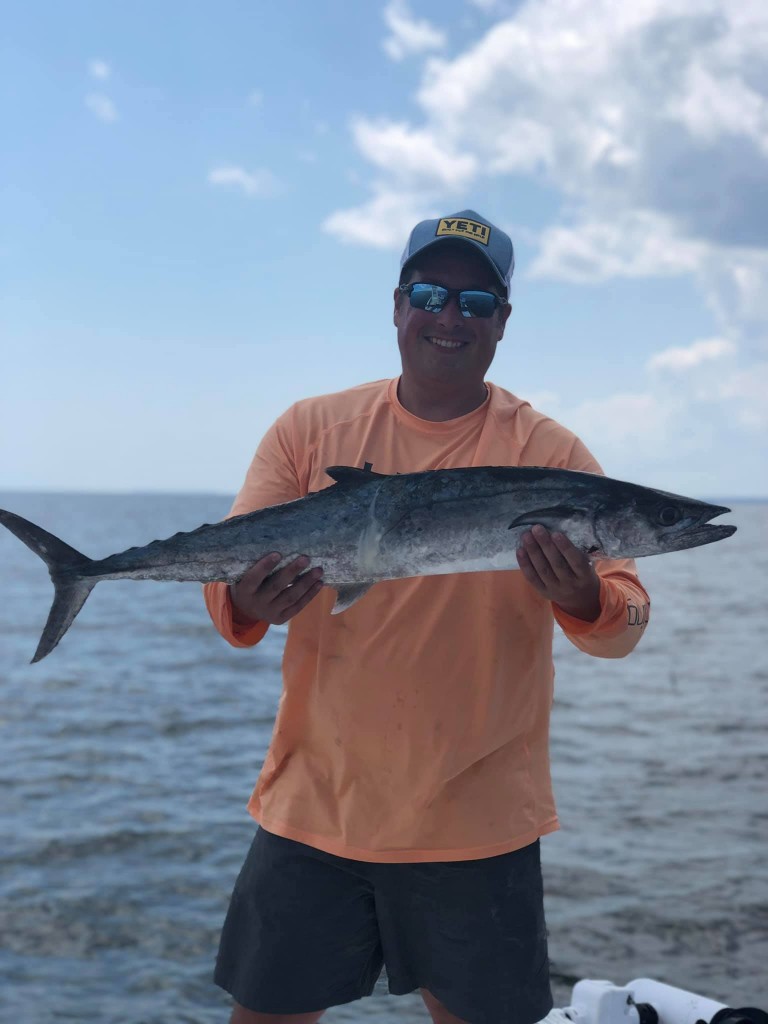
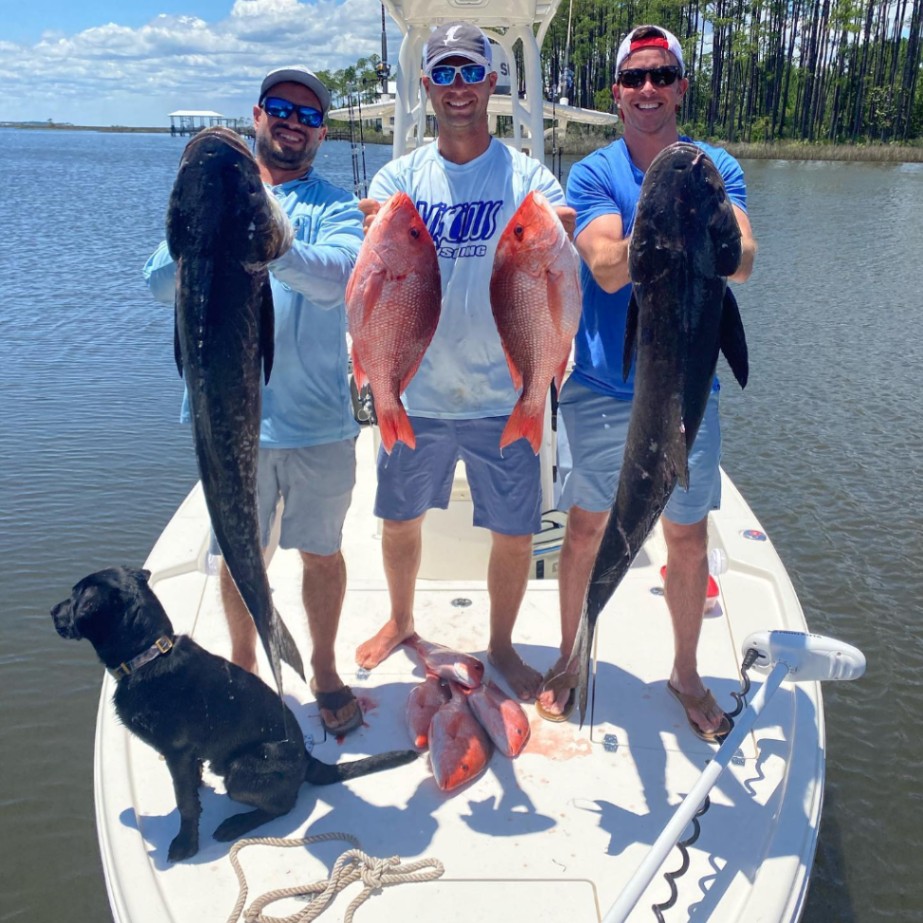
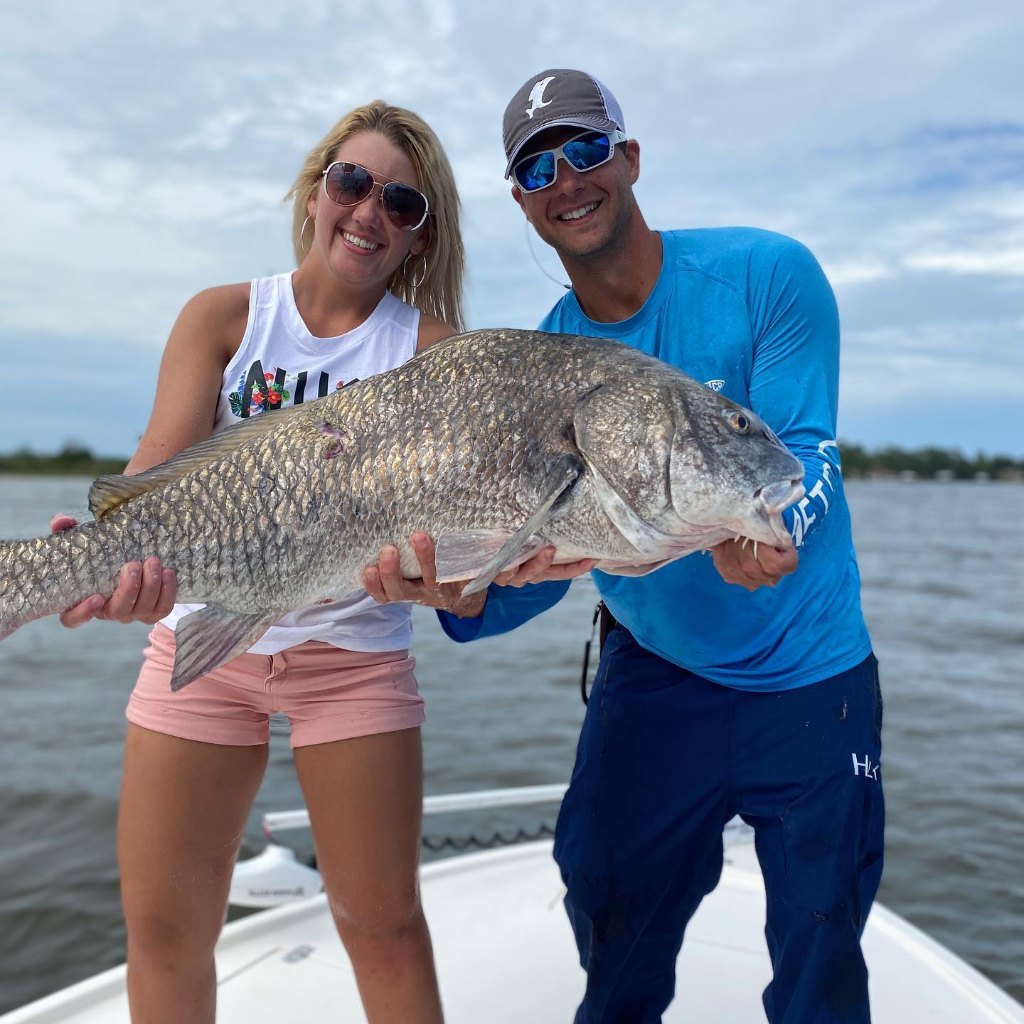
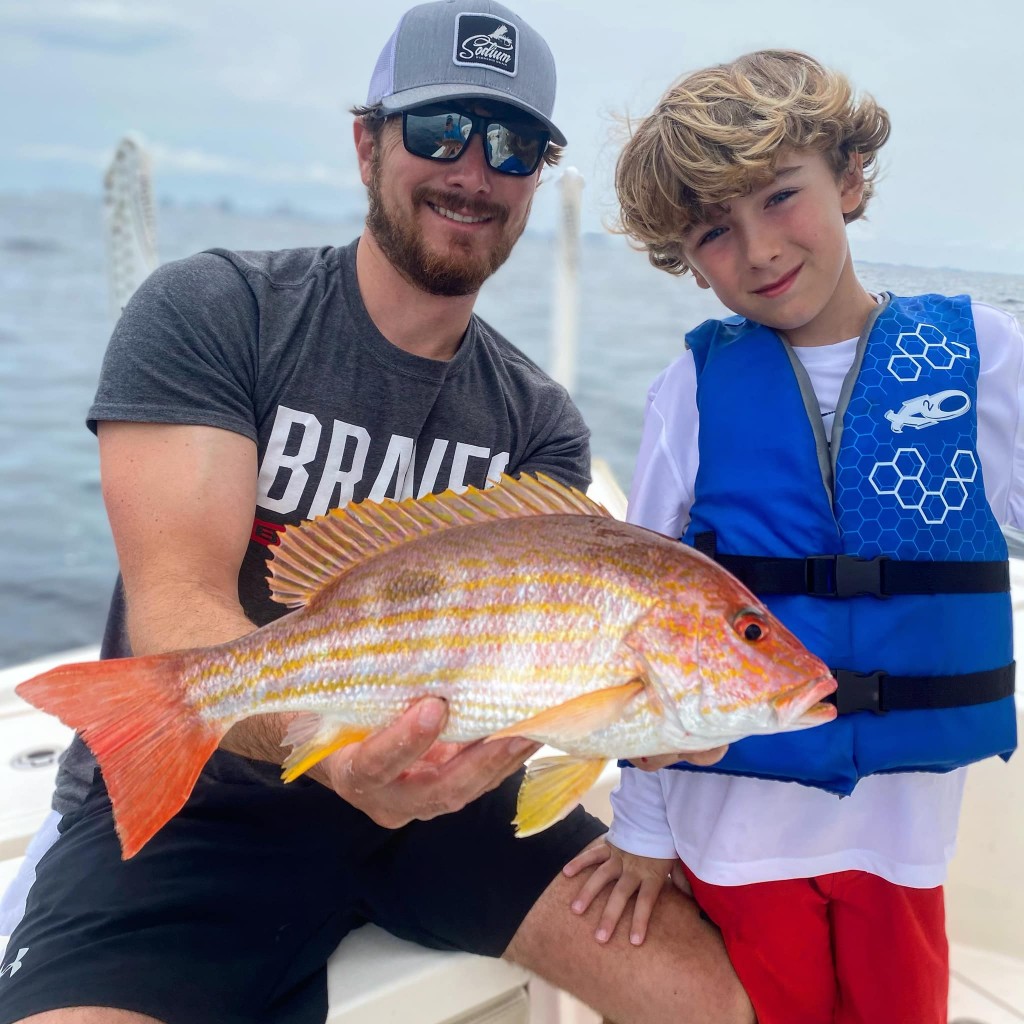
When you're ready to leave the shallow water behind and test your skills against some real fighters, our 6-hour offshore charter out of Santa Rosa Beach is where serious anglers come to play. Captain and crew from Pharmasea Outfitters know these Gulf waters like the back of their hand, and they'll put you on fish that'll make your drag scream. This isn't your typical near-shore trip—we're talking about heading out to the deep blue where the big boys live. Spanish Mackerel, Gag Grouper, Black Drum, Grey Triggerfish, and if you're lucky, some beautiful Mahi Mahi are all on the menu. With just 4 spots available, you'll get personalized attention and plenty of room to work your lines without bumping elbows with a crowd.
What to Expect on the Water
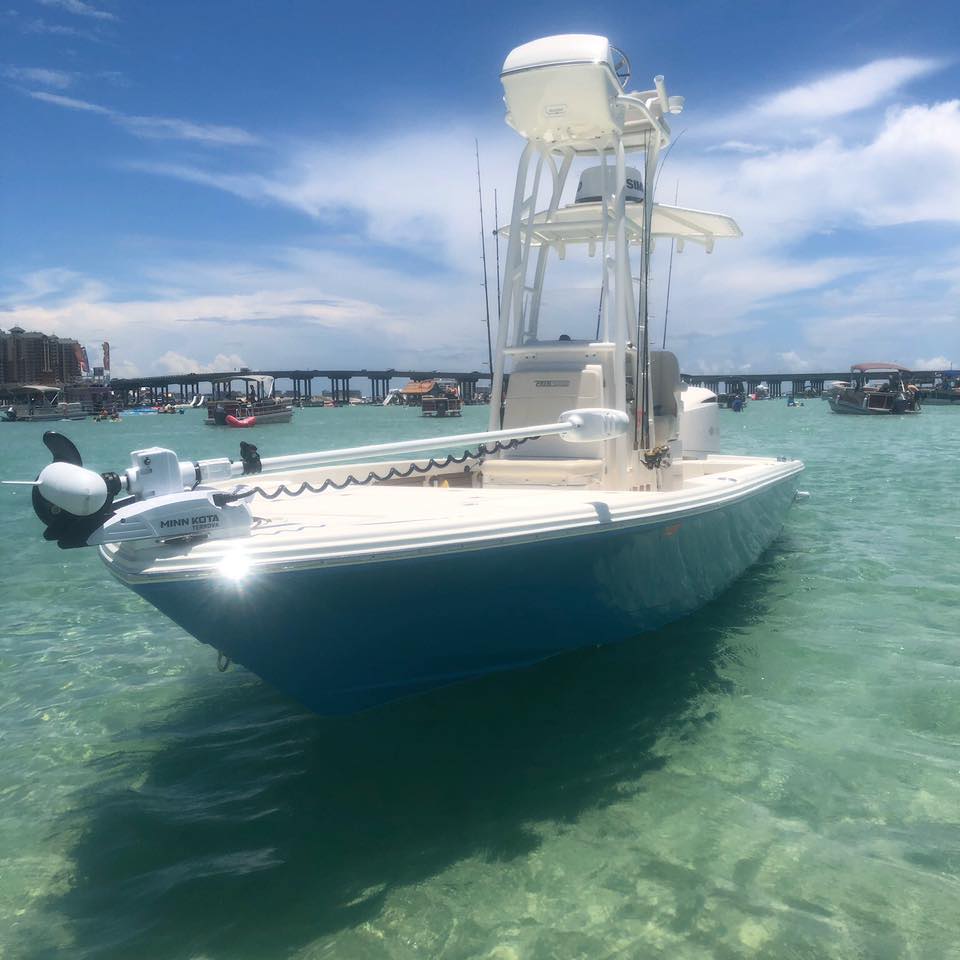
Your day starts early at the dock, where you'll meet your captain and get a quick rundown of the game plan. The ride out to the fishing grounds takes about 45 minutes to an hour, depending on where the fish are biting that day. Don't worry about bringing tackle—we've got all the rods, reels, and terminal gear you'll need, from light spinning setups for the mackerel to heavy bottom rigs for those stubborn grouper. The boat's equipped with quality fish finders and GPS, so your captain can mark productive spots and navigate to structure that holds fish. You'll spend most of your time either trolling for pelagics or anchored up on bottom structure, depending on what species are most active. The Gulf of Mexico off Santa Rosa Beach offers incredible variety, from artificial reefs to natural ledges and wrecks that concentrate baitfish and predators.
Techniques and Tackle
Offshore fishing here means adapting your approach based on what's biting. For the Spanish Mackerel and Mahi, we'll often start with trolling spread using spoons, small lures, or rigged ballyhoo. These fish are visual hunters, so keeping your baits moving at the right speed is crucial. When we find floating debris or weed lines, that's prime Mahi habitat. For the bottom dwellers like Gag Grouper and Black Drum, it's all about getting your bait down to structure fast and keeping it there. We'll use circle hooks with live or cut bait, and you'll need to be ready for that initial strike—grouper especially will try to get back to their holes quick. Grey Triggerfish require a bit more finesse, often responding better to smaller baits and lighter weights. The captain will coach you through reading your rod tip and feeling the difference between a fish pick-up and bottom contact. Don't be surprised if you're switching between techniques throughout the day as conditions and fish activity change.
Top Catches This Season
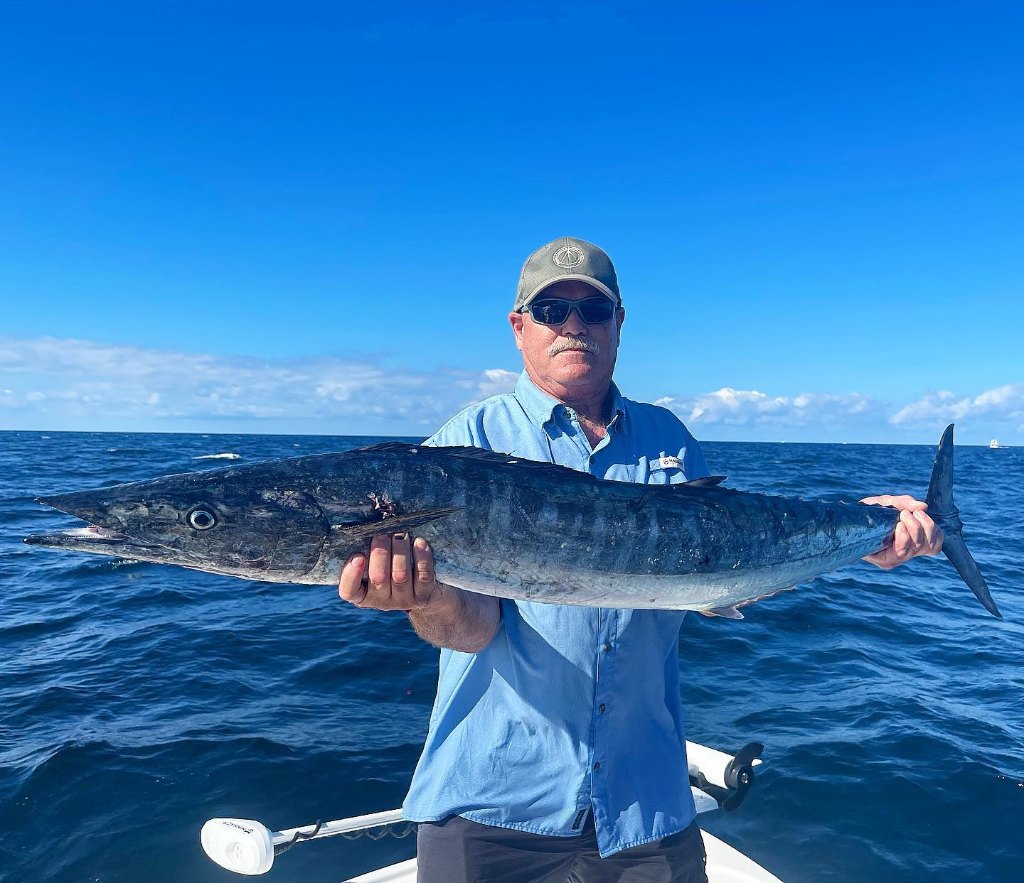
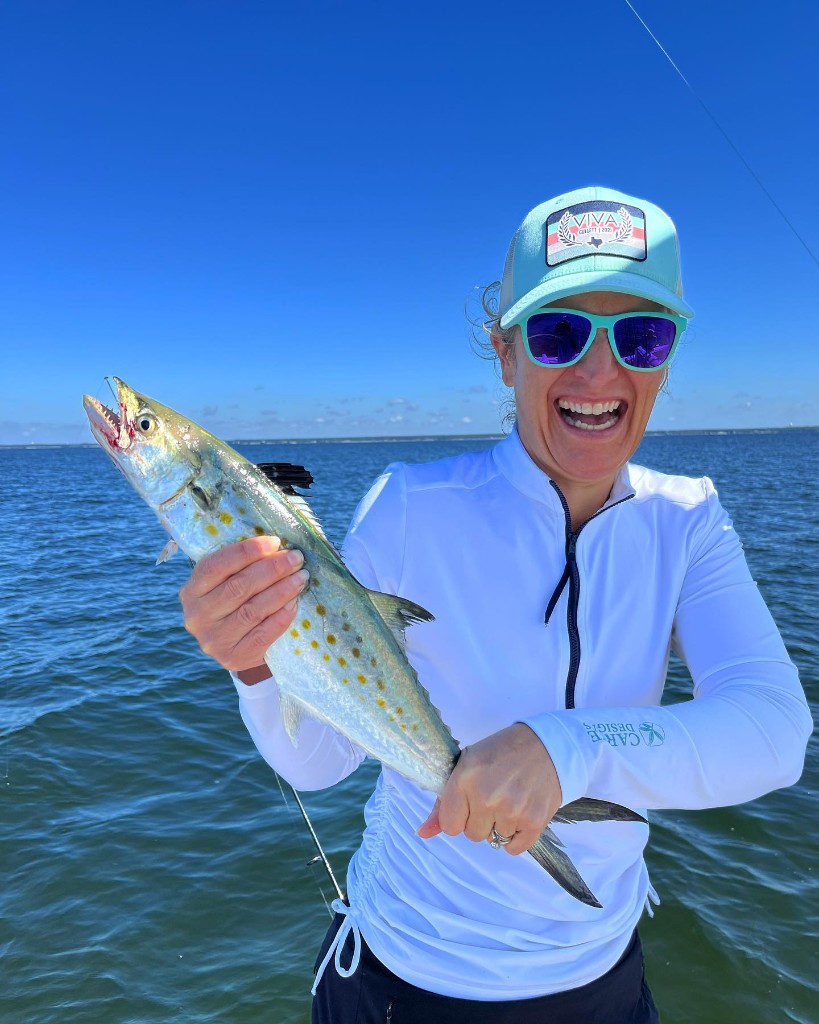
Spanish Mackerel are the speed demons of this trip, and they're abundant year-round in these waters. These silvery rockets typically run 2-4 pounds and are known for their blistering runs and aerial acrobatics. They're excellent table fare and perfect for anglers who love non-stop action. Spring through fall offers the best numbers, but even winter fishing can produce quality fish. What makes them special is their aggressive nature—when you find a school, you can often catch them back-to-back until your arms are tired.
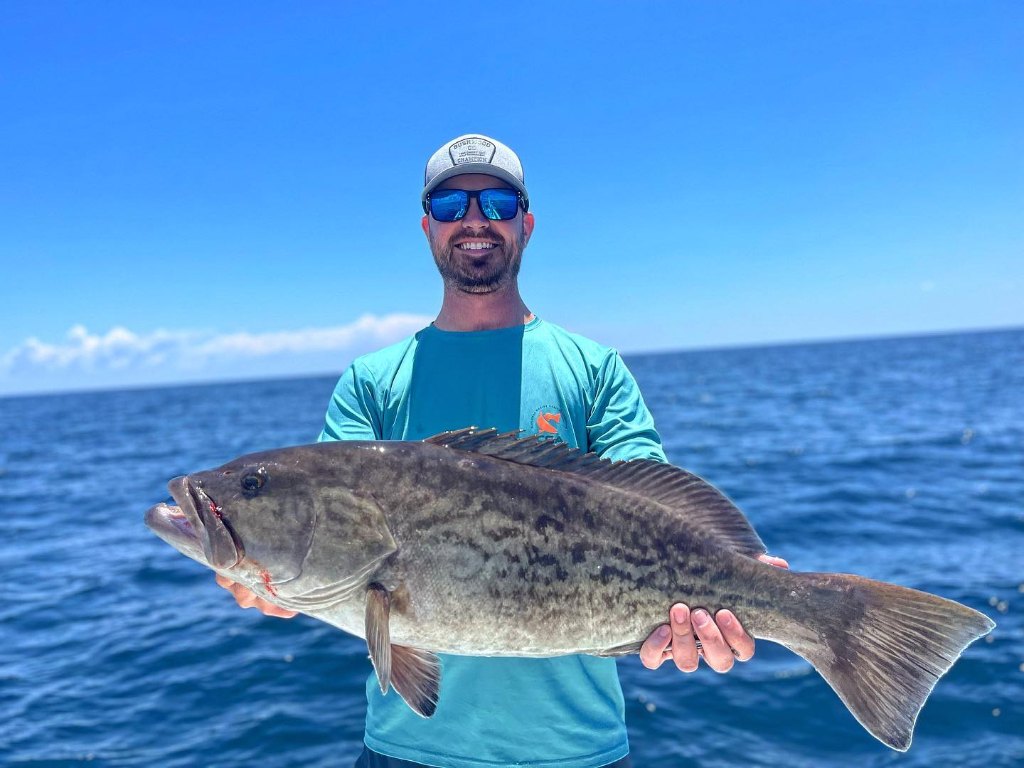
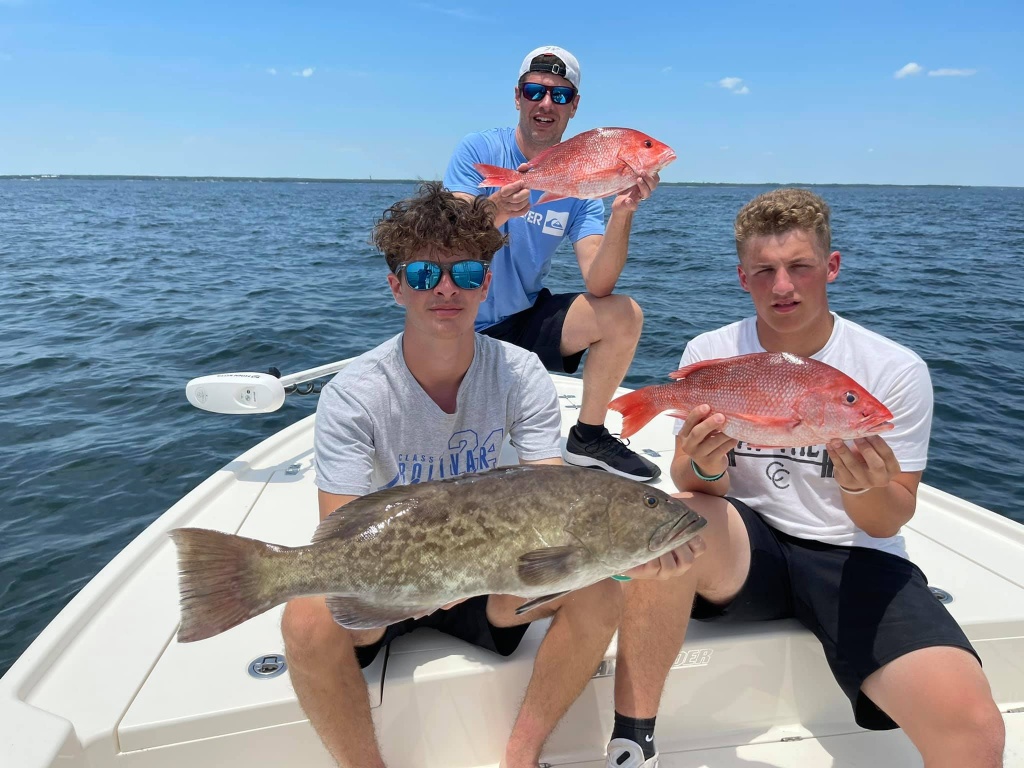
Gag Grouper represent the muscle of offshore fishing here. These bruisers can weigh anywhere from 5 to 25 pounds, with the occasional heavyweight pushing even bigger. They're structure-oriented fish that live around ledges, rocks, and artificial reefs. What anglers love about Gag Grouper is the initial strike—it's like getting hit by a truck, followed by a bulldogging fight where they try to get back to cover. Peak season runs from late spring through early fall, and they're considered some of the best eating fish in the Gulf.
Black Drum are the steady pullers that test your endurance more than your reflexes. These copper-colored fighters can range from 10 to 40 pounds and are known for their powerful, sustained runs. They're bottom feeders that love crab and shrimp baits, and once hooked, they'll make you work for every inch of line. Fall and spring typically produce the largest fish, and their fighting ability combined with excellent table quality makes them a favorite among serious anglers.
Grey Triggerfish might be the most underrated species on this list. These compressed, colorful fish are incredibly strong for their size, typically running 2-8 pounds. They're notorious for their ability to steal bait, but once hooked properly, they'll surprise you with their power. Summer months are prime time for triggerfish, and their unique appearance and spirited fight make them memorable catches.
Mahi Mahi are the crown jewel when they show up. These brilliant gold and green gamefish are pure excitement from the moment they strike. They're known for spectacular jumps, blazing runs, and their habit of traveling in schools—meaning when you hook one, there are often others nearby. Mahi typically range from 5 to 25 pounds in these waters, with peak season running from spring through early fall. They're drawn to floating structure, weed lines, and temperature breaks, making them a prized target for offshore anglers.
Time to Book Your Spot
This 6-hour offshore adventure gives you legitimate shots at multiple species while keeping the group size small enough that everyone gets plenty of fishing time. The variety of techniques and target species means there's always something to keep you engaged, whether you're a seasoned offshore angler or stepping up from inshore fishing for the first time. Santa Rosa Beach's location puts you in prime Gulf waters without the long runs some other ports require, maximizing your actual fishing time. With Pharmasea Outfitters' local knowledge and quality equipment, you're set up for success from the moment you leave the dock. Don't
 Private Trip
 Offshore Fishing
 undefined, undefined


 Target Mahi Mahi, Grouper, and Snapper on offshore waters