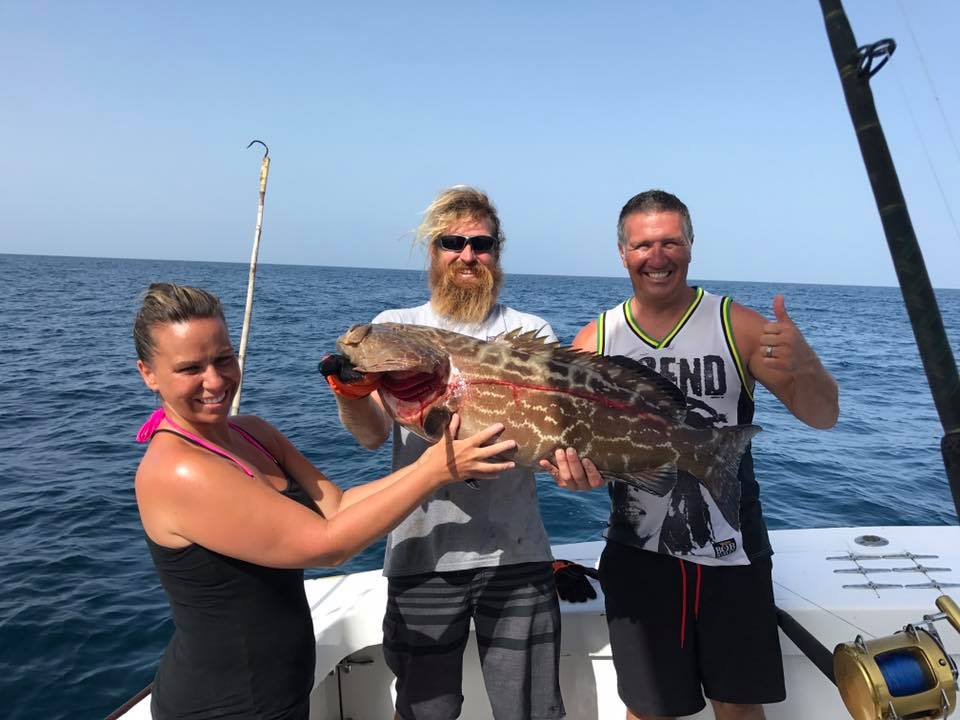
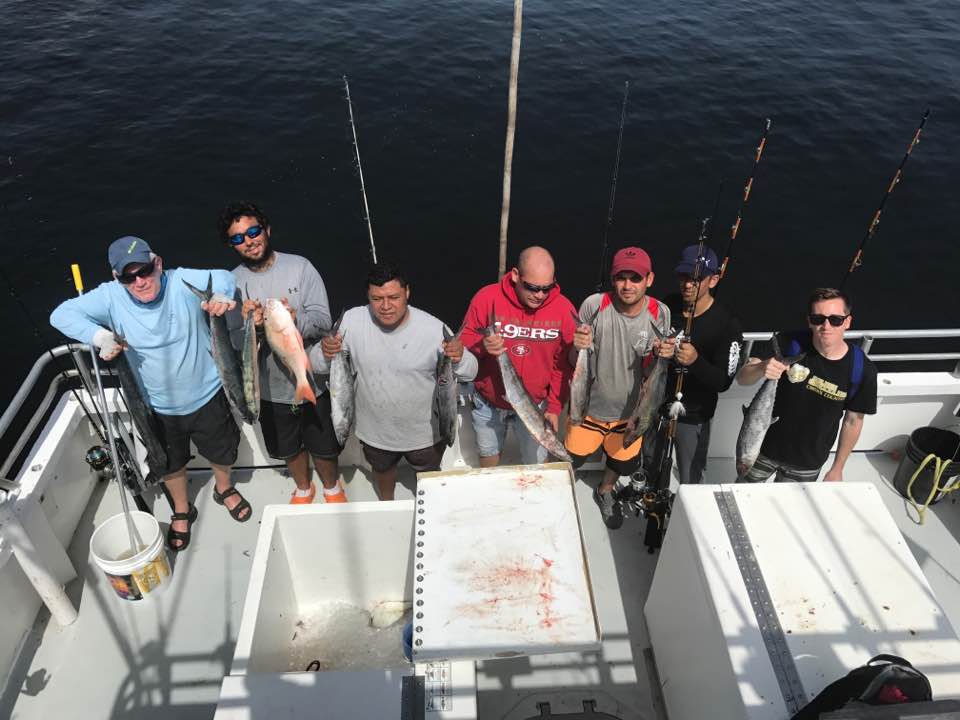
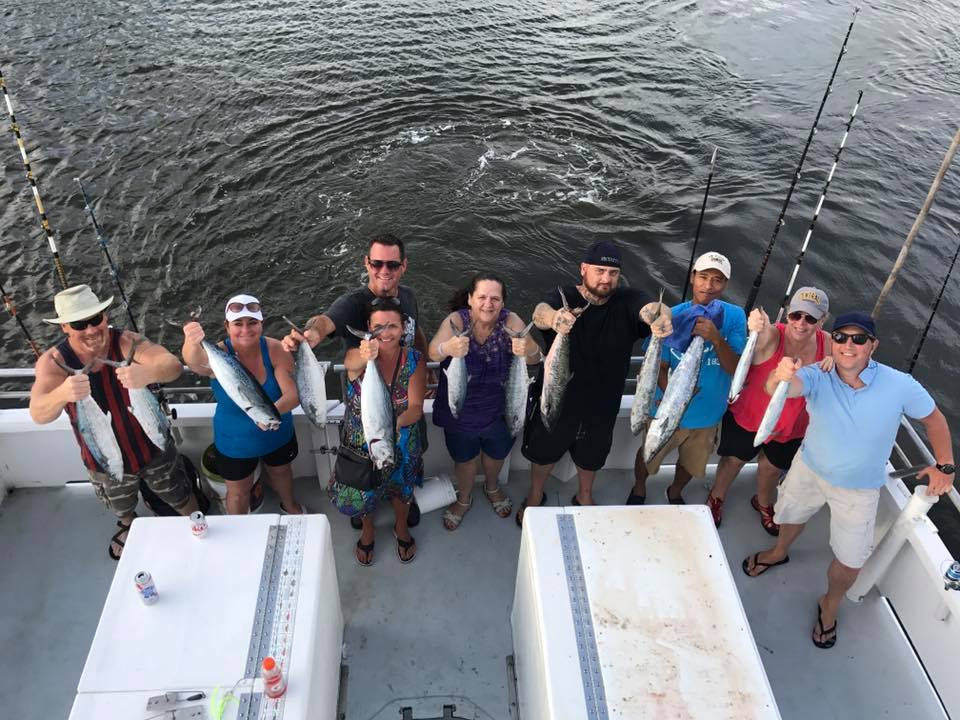
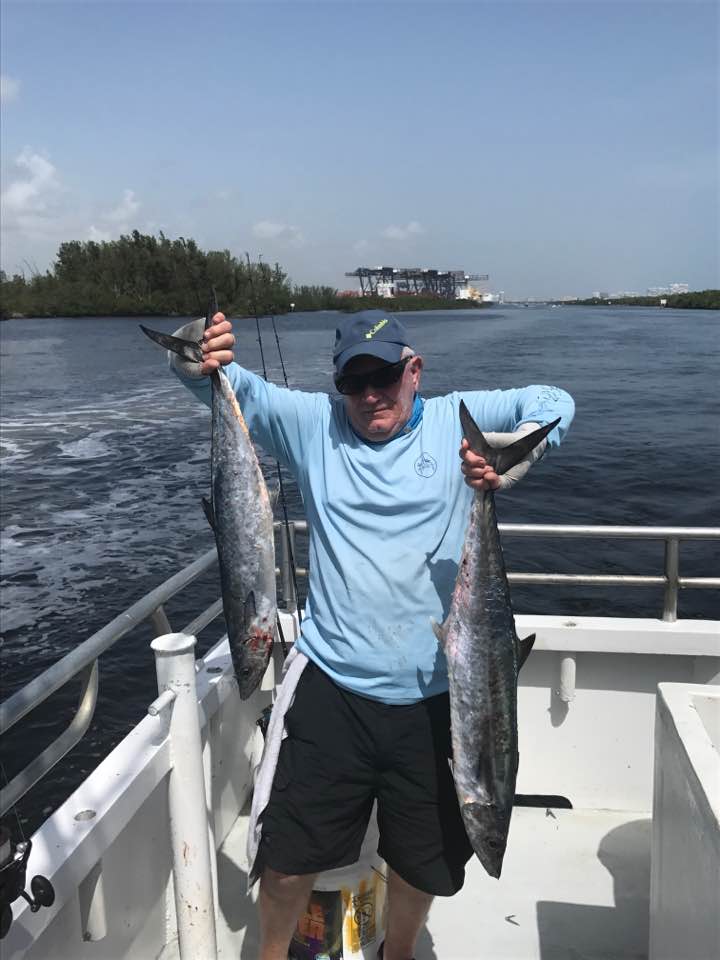
Fort Lauderdale Pelagic Fishing Charter
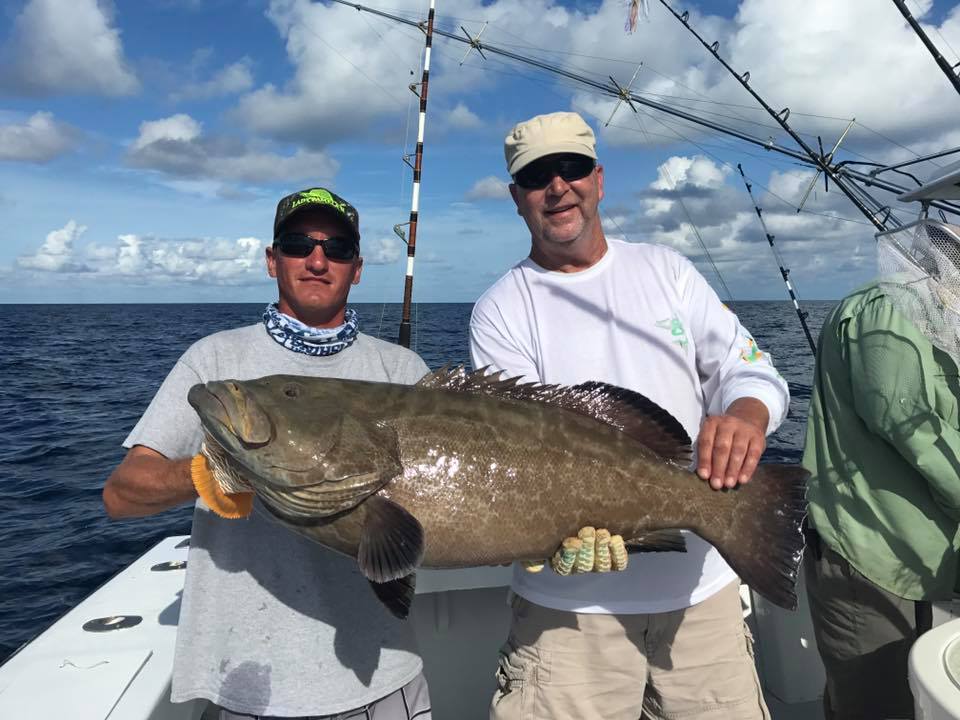
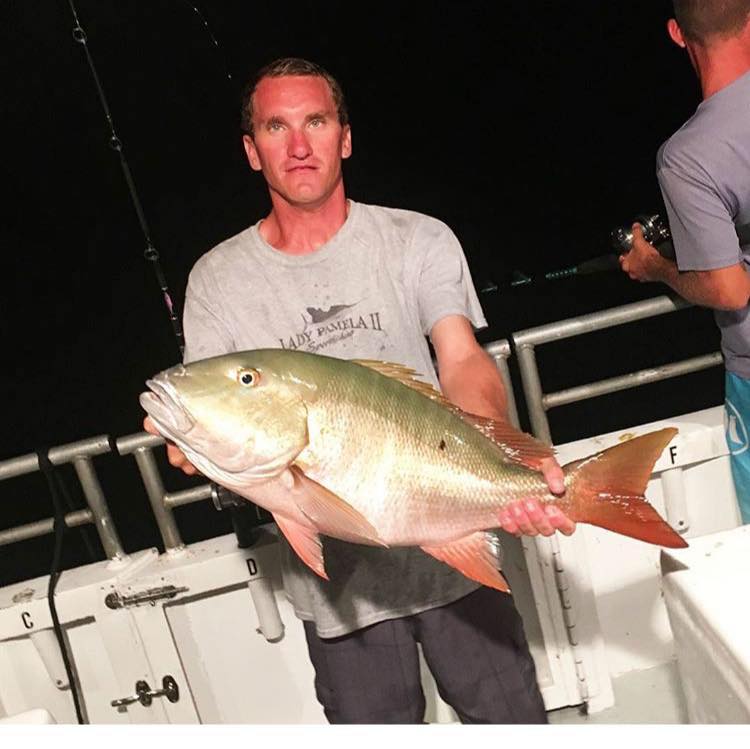
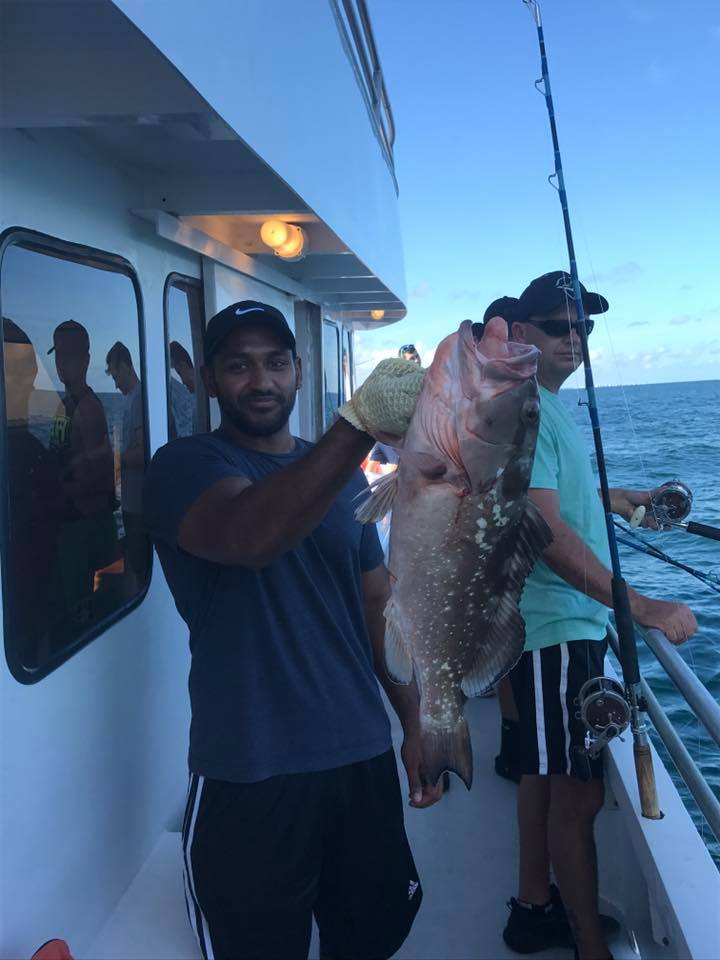
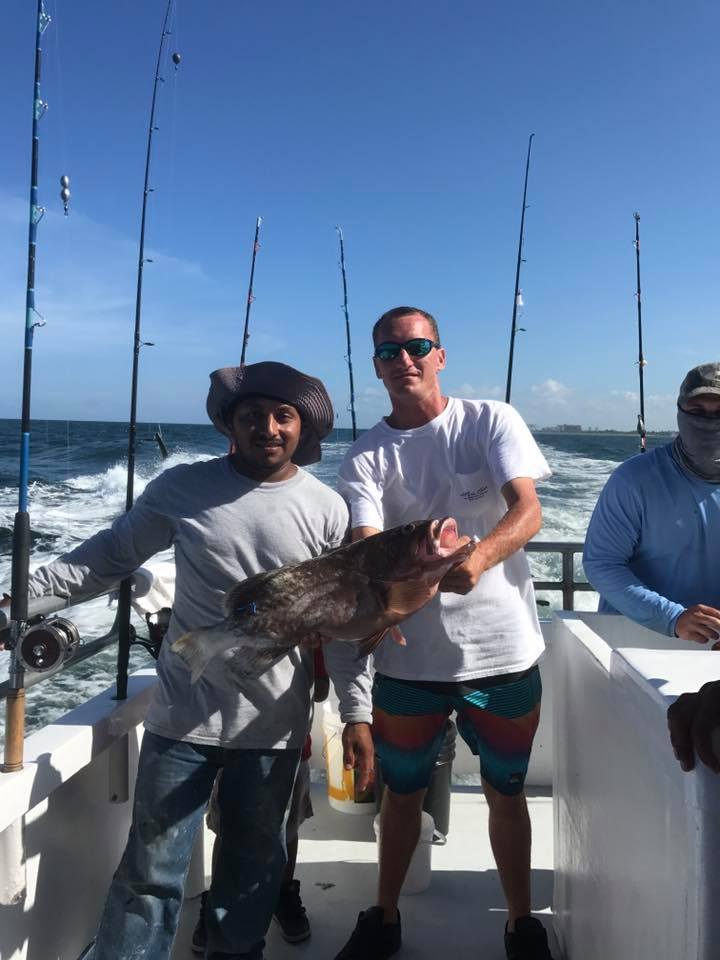
When you're serious about getting after the big pelagics that cruise Fort Lauderdale's deep waters, this 8-hour charter puts you right where the action happens. Captain and crew know these offshore grounds like the back of their hand, and with a full day on the water, you've got the time to really dial in on what's biting. This isn't some quick trip where you're rushing back to the dock just when the fish start firing up. We're talking about a proper offshore adventure that lets you chase schools, work structure, and adapt to whatever Mother Nature throws at you.
What to Expect on the Water
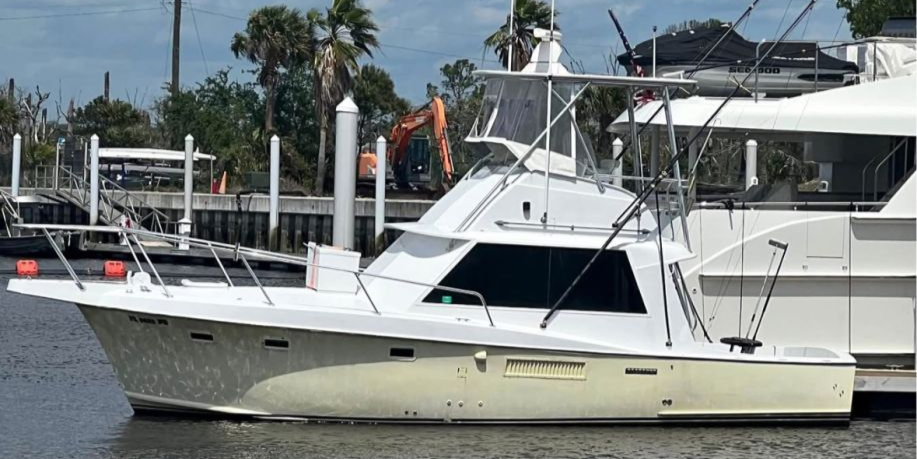
This top-rated charter accommodates up to six anglers, which means plenty of room to work without bumping elbows when the bite gets hot. The beauty of an 8-hour trip is the flexibility – your captain can read conditions as they change throughout the day and adjust accordingly. Maybe the morning starts with a slow troll along the reef edge, but by afternoon you're live-baiting a weed line that's loaded with mahi. Or perhaps you spend the whole day kite fishing for sailfish if they're stacked up on a particular piece of structure. The extended time on the water means when you find productive water, you can stay put and really work it instead of having to cut the day short. Fort Lauderdale's deep water is easily accessible, so you're not burning half your charter time running to the fishing grounds. Within 30 minutes of clearing the inlet, you're already in water where anything can happen.
Techniques and Tactics
This crew runs the full arsenal of offshore techniques depending on what species are most active and where they're holding. Trolling with ballyhoo, bonito strips, and artificial lures covers ground quickly and triggers aggressive strikes from wahoo, mahi, and king mackerel. When sailfish are around, nothing beats kite fishing – flying baits on the surface while you watch for that unmistakable bill cutting through the water. Live baiting with goggle eyes, blue runners, or pilchards can be deadly when fish are finicky or when you're targeting specific structure. The captain reads the water constantly, looking for color changes, current breaks, floating debris, and bird activity that signals feeding fish below. With modern electronics and years of local knowledge, the crew knows which ledges hold cobia, where the mahi congregate around floating sargassum, and when the tuna push up from the depths. Having 8 hours means you can try multiple approaches – start the morning trolling, switch to live bait during the midday lull, then finish strong with kite baits as the afternoon bite kicks in.
Species You'll Want to Hook
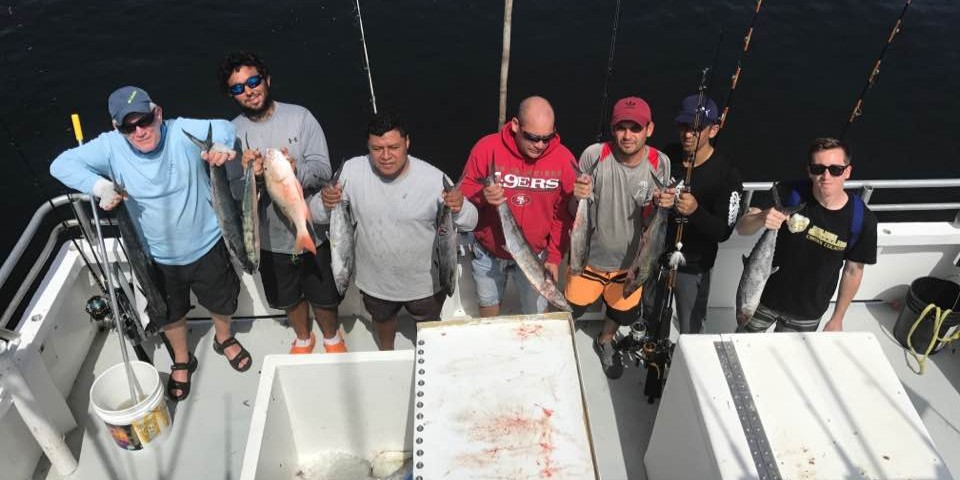
King Mackerel are Fort Lauderdale staples that pull hard and fight dirty. These speed demons typically run 15-40 pounds, with occasional giants pushing 50-plus. They're most active during cooler months from October through March, though you can find them year-round. Kings love structure – wrecks, reefs, and ledges where baitfish congregate. When one hits a trolled bait, you know it immediately. They make blistering runs and jump like tarpon, making them a favorite among anglers who appreciate a good scrap. The meat is excellent when properly bled and iced, perfect for the grill or smoker.
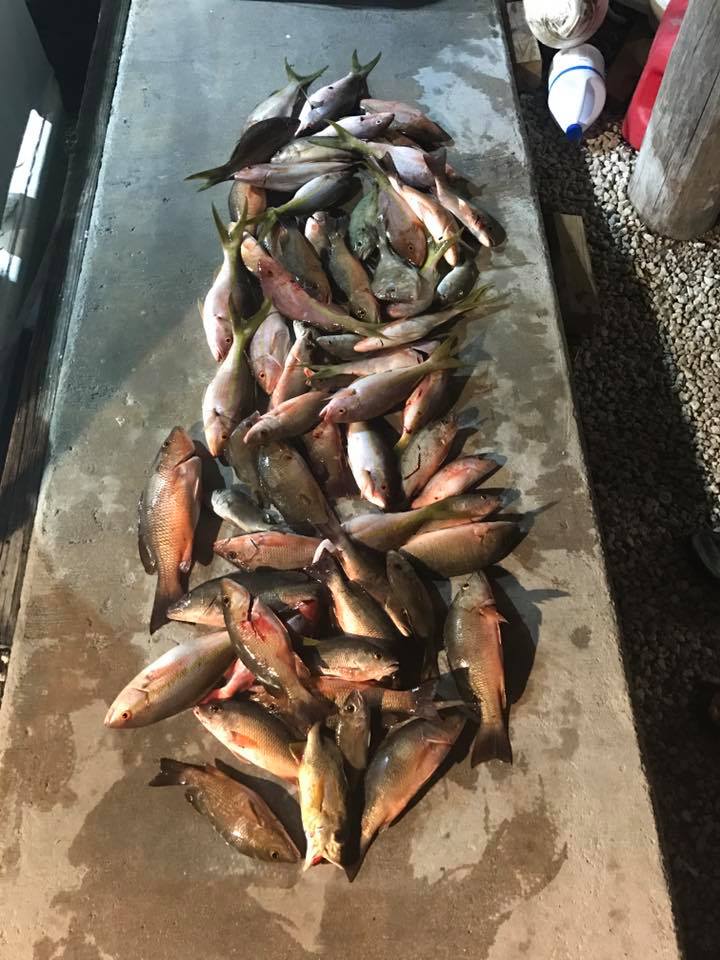
Mahi Mahi, or common dolphinfish, bring the color and acrobatics that make offshore fishing special. These brilliant gold and green fish are pure energy from the moment they grab your bait until they hit the deck. Fort Lauderdale's mahi fishing peaks in spring and early summer when the fish follow warm water currents north. They school around floating debris, sargassum beds, and current lines. Once you hook one, keep your baits in the water – where there's one mahi, there are usually more. They're also fantastic table fare, with firm white meat that's versatile in the kitchen.
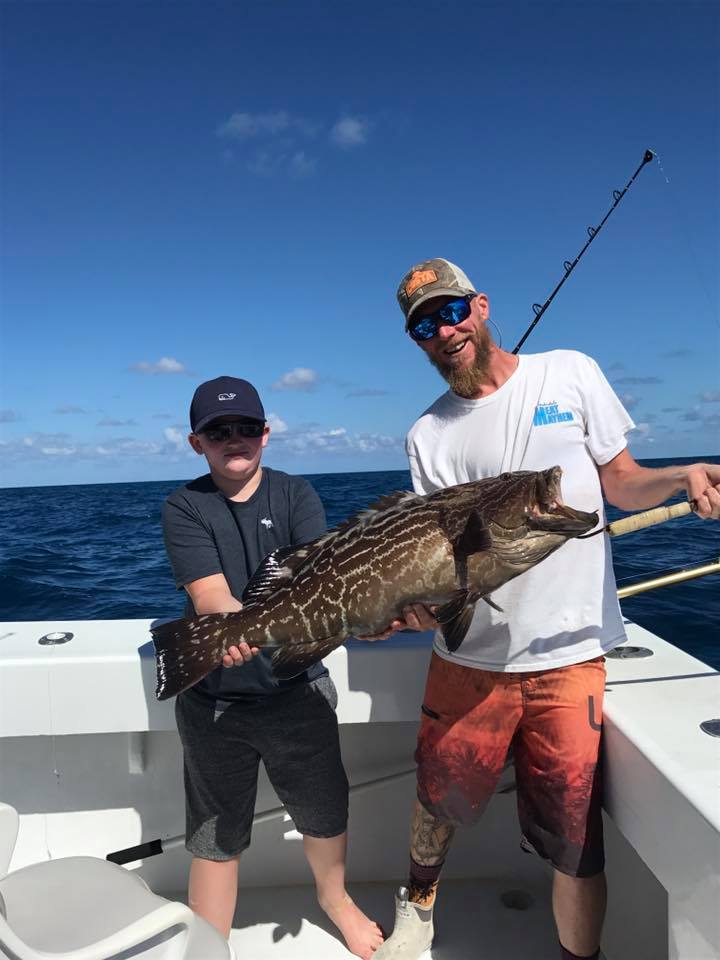
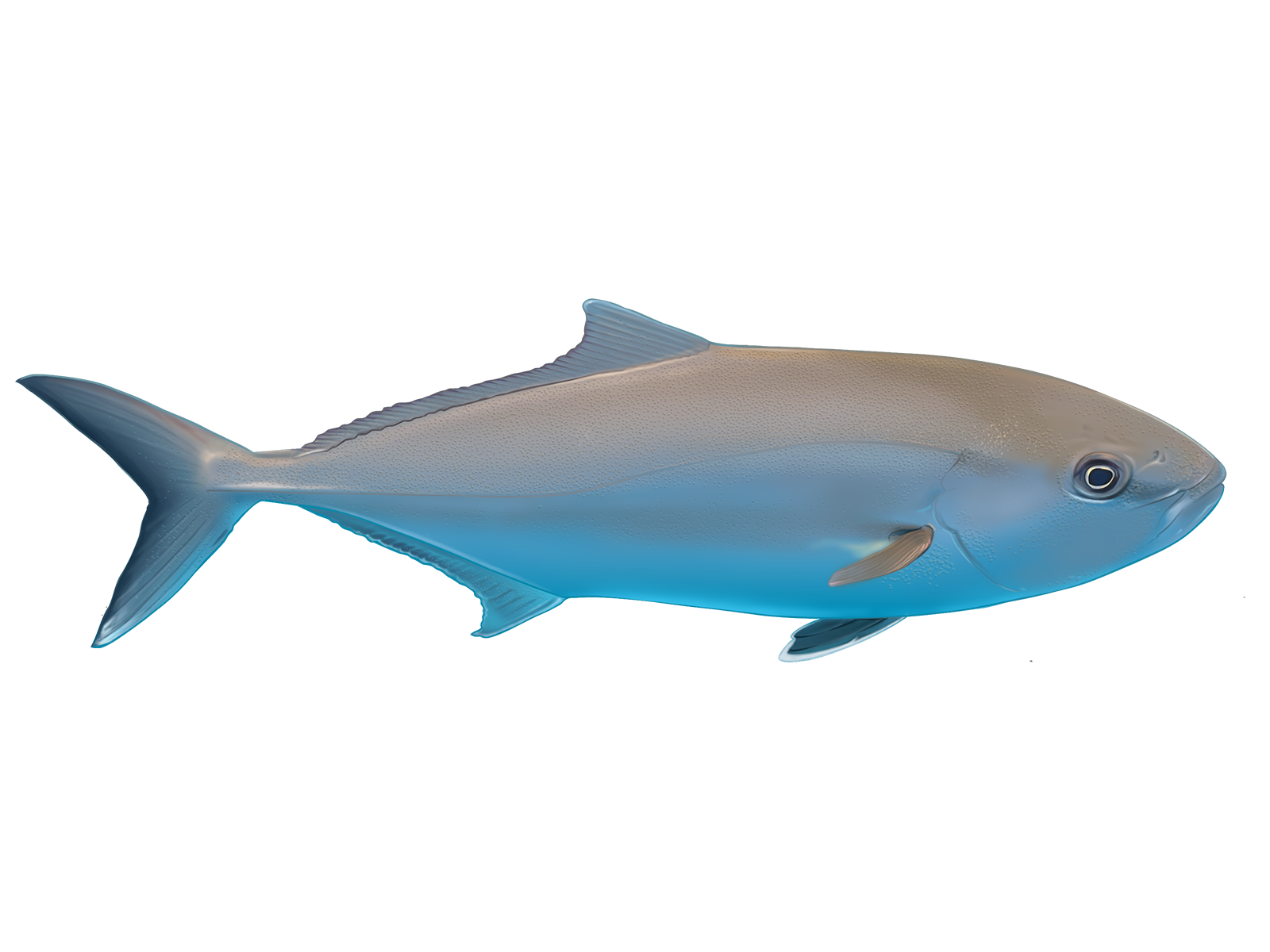
Greater Amberjack are the bulldogs of the reef, using every ounce of their considerable strength to drag you back toward structure. These bruisers commonly weigh 30-60 pounds around Fort Lauderdale, with true giants exceeding 80 pounds. They're year-round residents but most active in cooler months. Amberjack are ambush predators that lurk around wrecks and reefs, crushing live baits or large jigs. The fight is all about power – they make short, incredibly strong runs straight back toward their holes. Landing a big AJ requires heavy tackle and a firm drag hand.
Great Barracuda add excitement with their explosive strikes and impressive size. Fort Lauderdale's cuda can stretch 4-5 feet and weigh 20-30 pounds. They're lightning-fast predators with razor-sharp teeth, capable of cutting through wire leaders if you're not careful. Barracuda are visual hunters that often follow baits for long distances before committing to a strike. They're particularly active around reefs and drop-offs where they can use depth changes to ambush prey. While not typically kept for eating due to ciguatera concerns in larger specimens, they provide spectacular sport on appropriate tackle.
Cobia are the wildcards that can show up anywhere, anytime, and absolutely crush your drag. These brown sharks (as they're nicknamed for their appearance and attitude) range from 20-50 pounds in local waters. Spring migration brings the best cobia action as they move north along the coast. They're curious fish that often approach the boat, giving you shots with sight-casting live baits or large jigs. Cobia are incredibly strong fighters that make long, sustained runs. They're also premium table fare, with firm white meat that rivals any fish in the ocean.
Time to Book Your Spot
This world-class pelagic charter represents serious value for dedicated anglers who want the full offshore experience. Eight hours gives you the time to really get into the rhythm of the day, try
 Private Trip
 Offshore Fishing
 undefined, undefined



 8-hour offshore charter targeting sailfish, mahi, tuna, and wahoo