Offshore Fishing Trips Cape Canaveral Florida
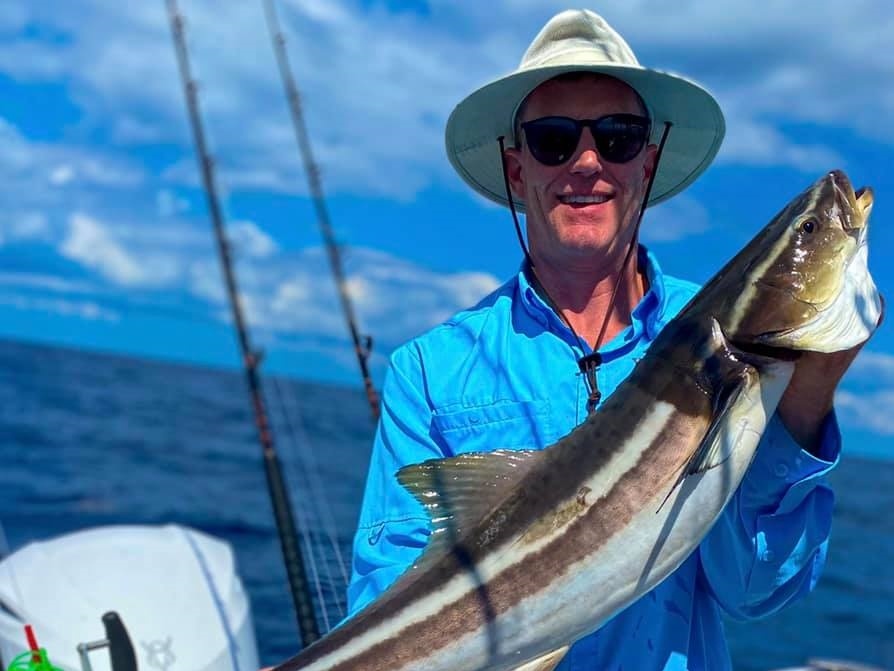
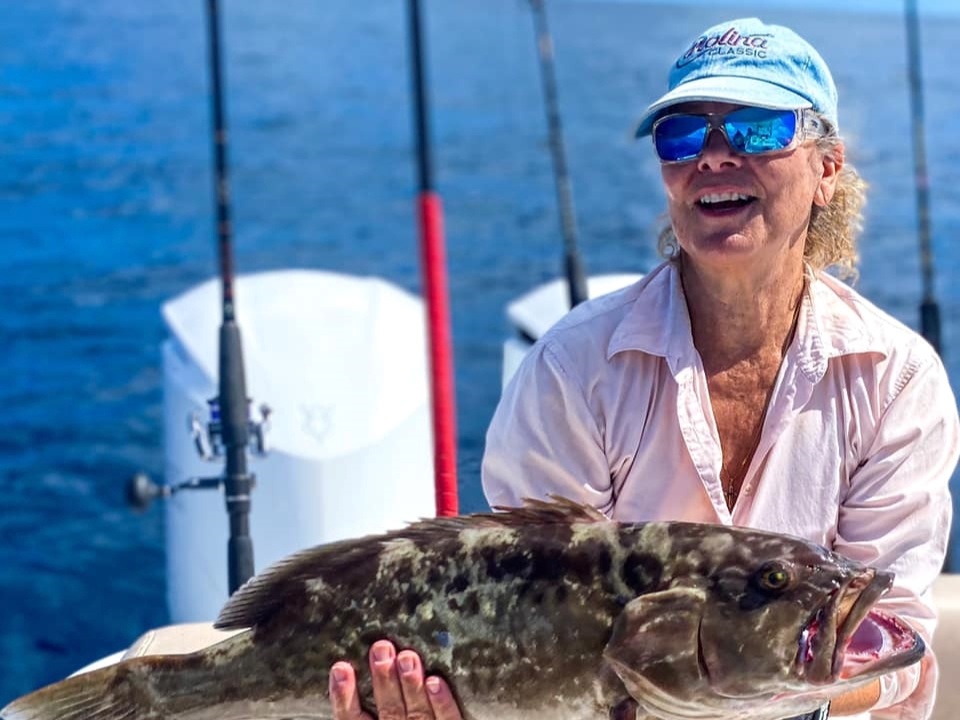
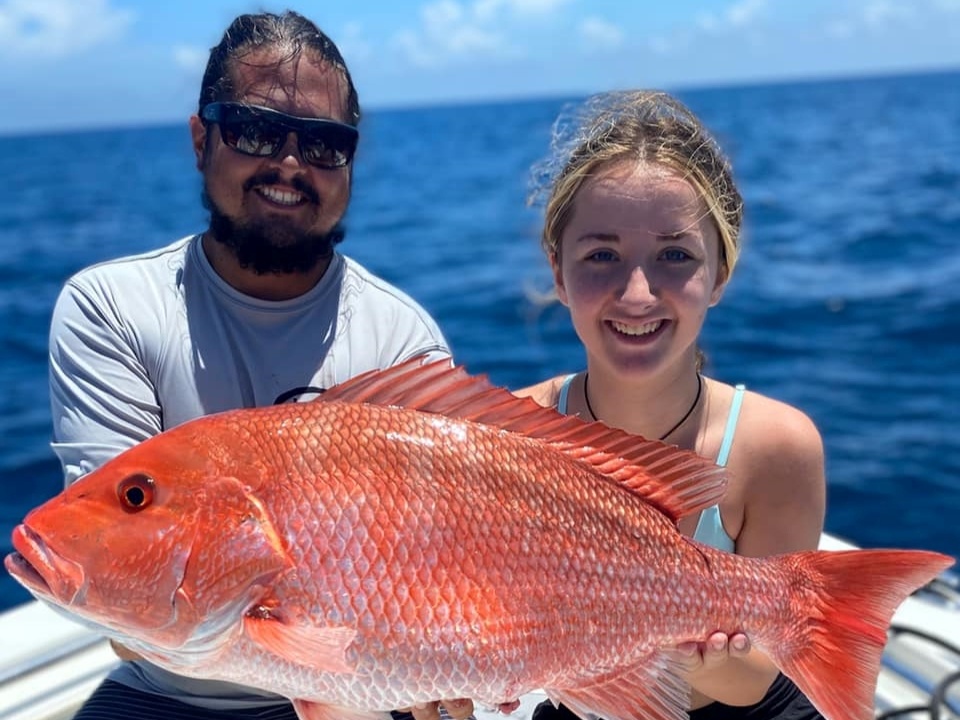
Ready to get your lines wet in some of Florida's most productive offshore waters? Reaper Fishing Charters Florida runs top-rated half-day trips that put you right where the big fish are biting. We're talking about the kind of fishing that gets your heart pumping – sailfish jumping, kings screaming drag, and mahi lighting up in electric blues and greens. Whether you pick the morning or afternoon departure, you're looking at 6-8 hours of serious fishing time with a crew that knows these waters like the back of their hand. With space for up to 6 anglers, this is your chance to experience what Cape Canaveral's offshore scene is really about.
What to Expect on the Water
Picture this: you're cruising out of Port Canaveral as the sun paints the sky, heading for the blue water where the real action happens. Captain and crew have already rigged the spread – a mix of ballyhoo, squid, and lures that'll get the attention of whatever's swimming out there. The boat's equipped with everything you need: quality rods and reels, a full tackle selection, and all the gear to handle whatever decides to eat your bait. Most days, we're running 15-25 miles offshore to hit the edges, weed lines, and structure that hold fish year-round. The vibe is laid back but focused – this crew knows how to put you on fish while keeping things fun and relaxed. Don't worry if you're new to offshore fishing; they'll get you dialed in on fighting technique and teach you to read the signs that mean fish are around.
Trolling Tactics & Gear
Offshore fishing here is all about covering water and presenting baits that trigger strikes from pelagic species. We're primarily trolling – running a spread of 4-6 lines at different depths and distances behind the boat. The setup typically includes a mix of naked ballyhoo on circle hooks, rigged squid, and artificial lures like feathers, spoons, and diving plugs. Each bait has its purpose: the ballyhoo imitates natural forage, while the colorful lures create flash and vibration that draws curious predators from a distance. The crew adjusts trolling speed based on conditions and target species – slower for sailfish and mahi, faster when hunting wahoo and tuna. All rods are rigged with quality reels spooled with 30-50 pound test, and the boat carries a full selection of leader material from 40-80 pound fluorocarbon depending on what we're targeting. When fish are located, the crew might switch to live bait fishing or jigging to maximize your chances.
Top Catches This Season
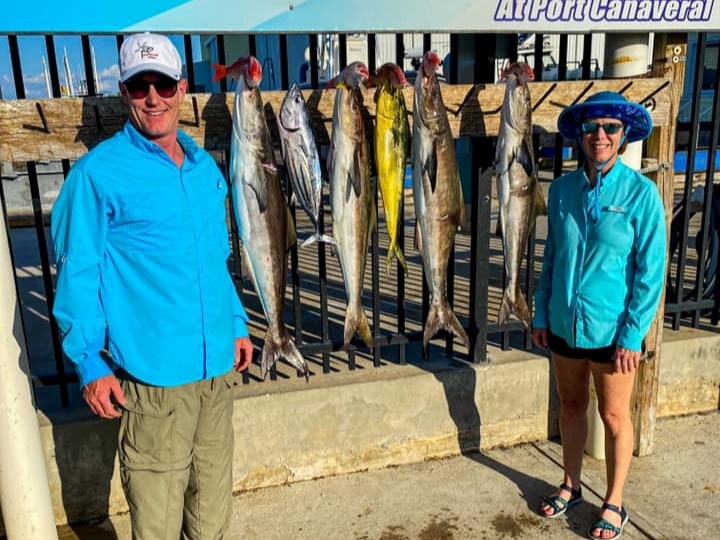
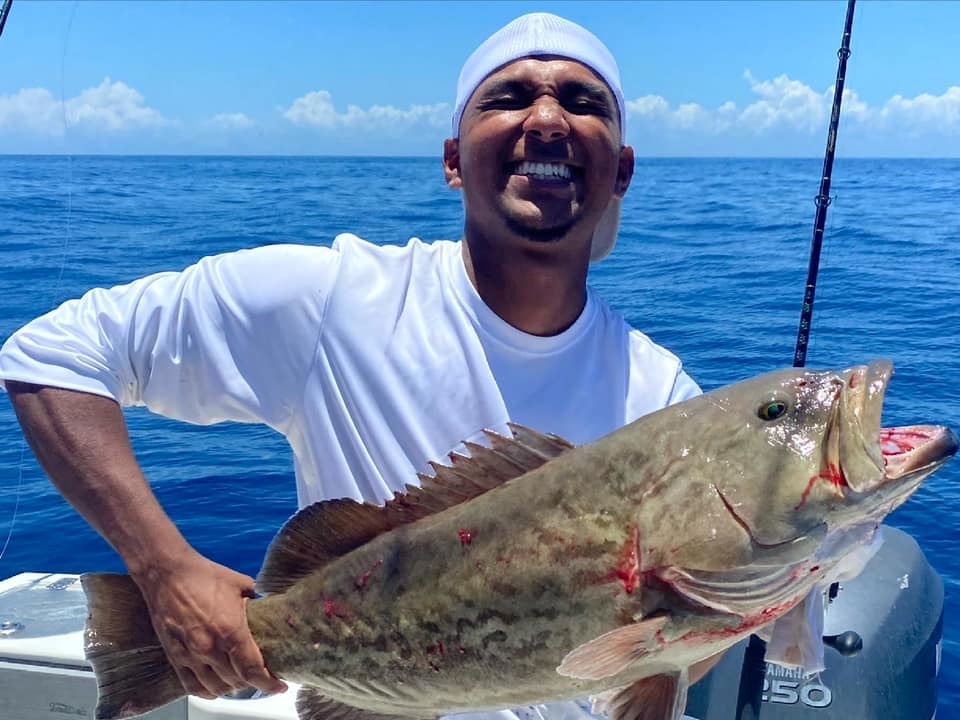
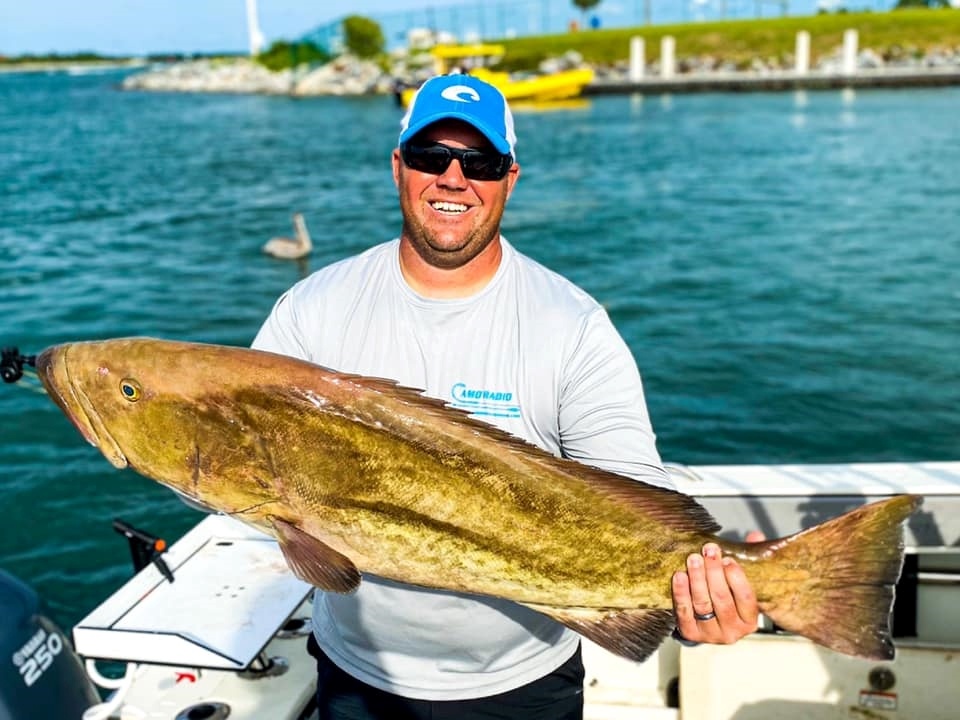
Let's talk about what makes Cape Canaveral's offshore fishing so special – the variety and quality of species that call these waters home. Blackfin tuna are the workhorses out here, typically ranging from 10-25 pounds with occasional bruisers pushing 40. These fish are pure muscle and fight way above their weight class. They're most active during cooler months from November through March, often found around temperature breaks and current edges. What makes blackfins special is their willingness to bite and their incredible stamina – expect multiple long runs and a fish that won't quit until it's at the boat. Atlantic sailfish are the superstars of the offshore scene, and Cape Canaveral sits right in their migration path. These acrobatic fighters average 6-8 feet and 40-60 pounds, with peak season running December through April. When a sail eats your bait, get ready for one of fishing's greatest spectacles – multiple jumps, tail walks, and runs that'll test your drag system. The sight of a sailfish greyhounding across the surface never gets old.
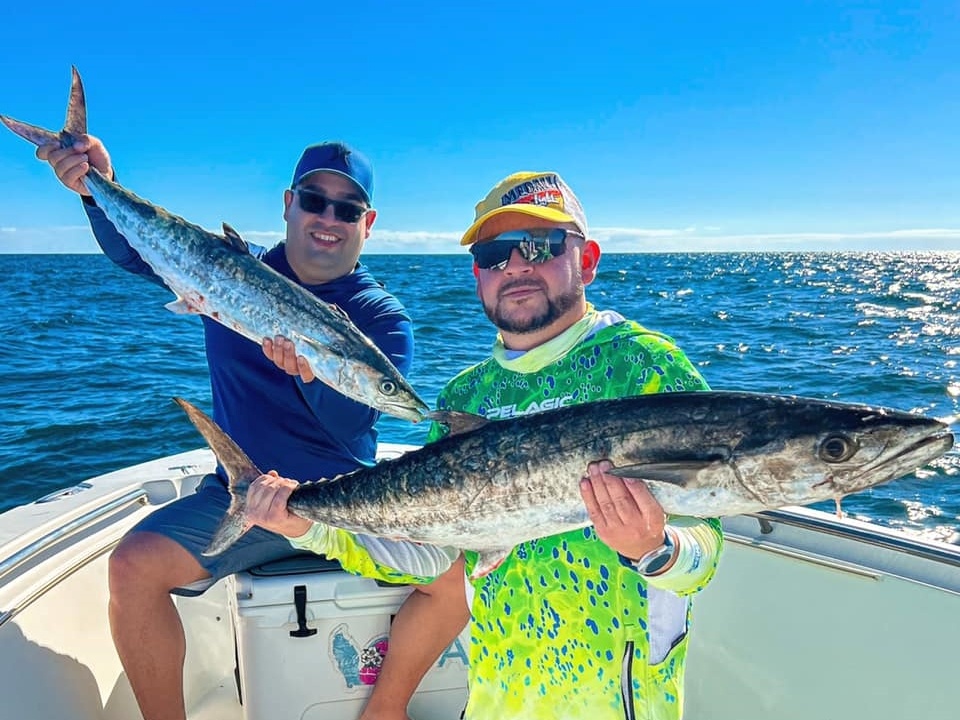
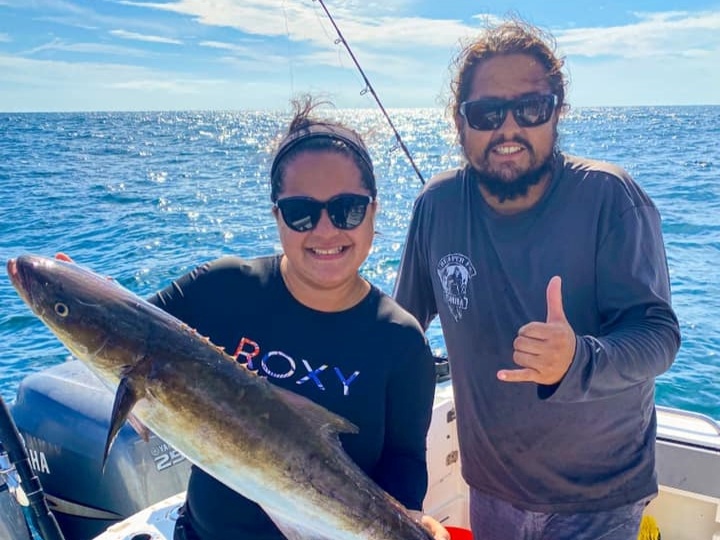
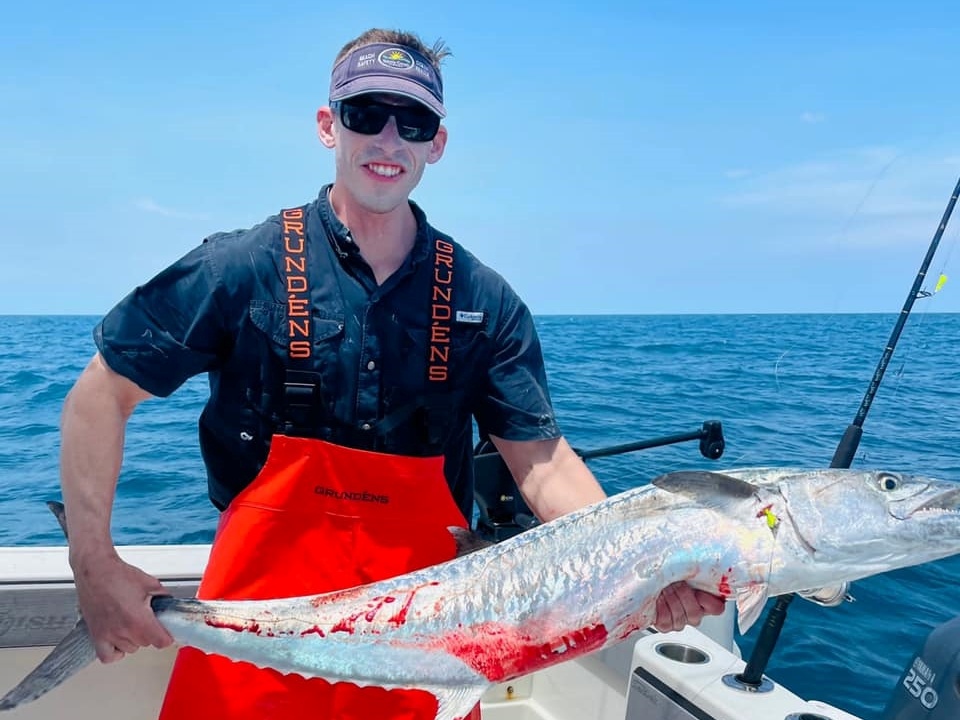
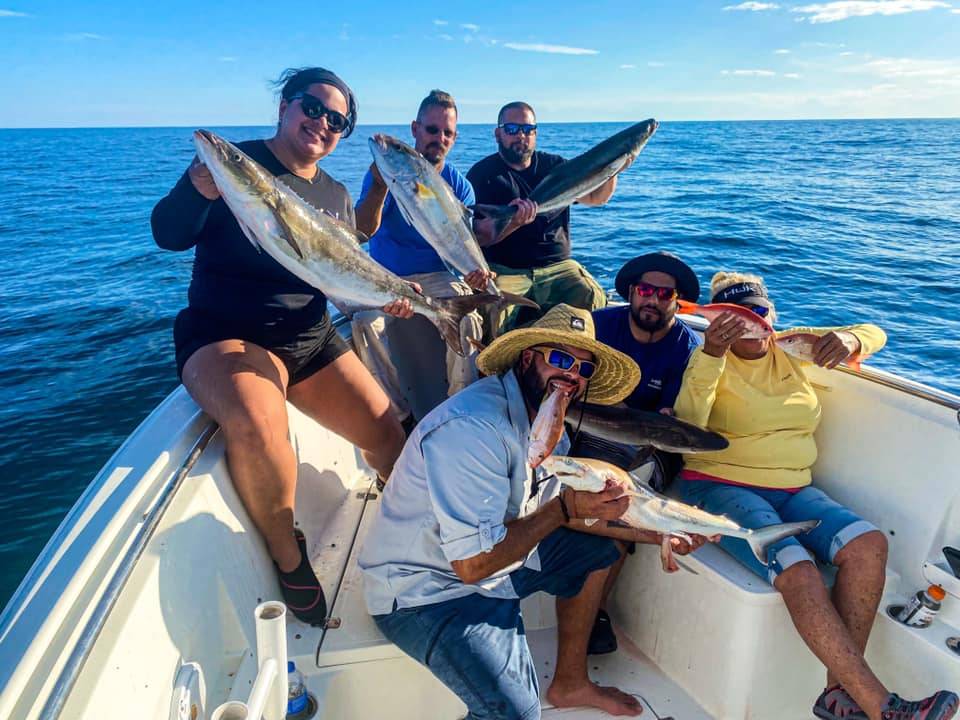
King mackerel, or "smoker kings" as locals call the big ones, are another customer favorite. These toothy speedsters range from schoolie fish around 10-15 pounds up to monsters exceeding 50 pounds. Kings are ambush predators that hit baits with incredible violence, often resulting in smoking reels and bent rods. They're most abundant during spring and fall migrations, but resident fish provide action year-round. Mahi mahi, or dolphin fish, bring the color and excitement that make offshore fishing addictive. These brilliant gold and green fish travel in schools and provide fast-paced action when located. Bulls can reach 40-50 pounds, while smaller school fish still put up a great fight in the 10-20 pound range. Mahi season peaks during warmer months, and they're often found around floating debris, weed lines, and current edges. Wahoo complete the grand slam of Cape Canaveral offshore fishing – these striped speedsters are the ocean's fastest fish, capable of 60+ mph runs that'll humble any angler. Wahoo fishing is often a numbers game, but when conditions align and schools are located, the action can be non-stop.
Time to Book Your Spot
This is world-class offshore fishing at its finest, and spots fill up fast during peak season. Whether you're a seasoned angler looking to add new species to your list or a newcomer ready to experience what big-game fishing is all about, Reaper Fishing Charters delivers the goods. The combination of Cape Canaveral's legendary fishing grounds, experienced crew, and quality equipment makes this a customer favorite for good reason. Morning trips offer calm seas and active fish, while afternoon departures can provide spectacular sunsets and evening bite periods. Either way, you're looking at legitimate shot at a variety of trophy species in waters that consistently produce. Don't let this opportunity slip by – book your offshore adventure today and discover why anglers from around the world come to fish Cape Canaveral's blue water. The fish are out there waiting, and the crew at Reaper Fishing Charters knows exactly where to find them.
 Private Trip
 Offshore Fishing
 Fort Pierce


 Offshore fishing for sailfish, kingfish, mahi mahi, tuna, and wahoo