Full-Day Inland Ice Fishing – Southeastern Wisconsin
When you're looking for a serious day on the ice that goes beyond just dropping a line through a hole, this full-day adventure with John Reddy delivers exactly what dedicated anglers want. Seven hours of guided ice fishing across some of southeastern Wisconsin's most productive waters means you're not rushing through spots or cutting corners – you're settling in, learning the lake, and really dialing in what works. From Pleasant Lake's consistent panfish action to Geneva Lake's trophy potential, we fish where the conditions are right and the fish are biting.
What to Expect on the Ice
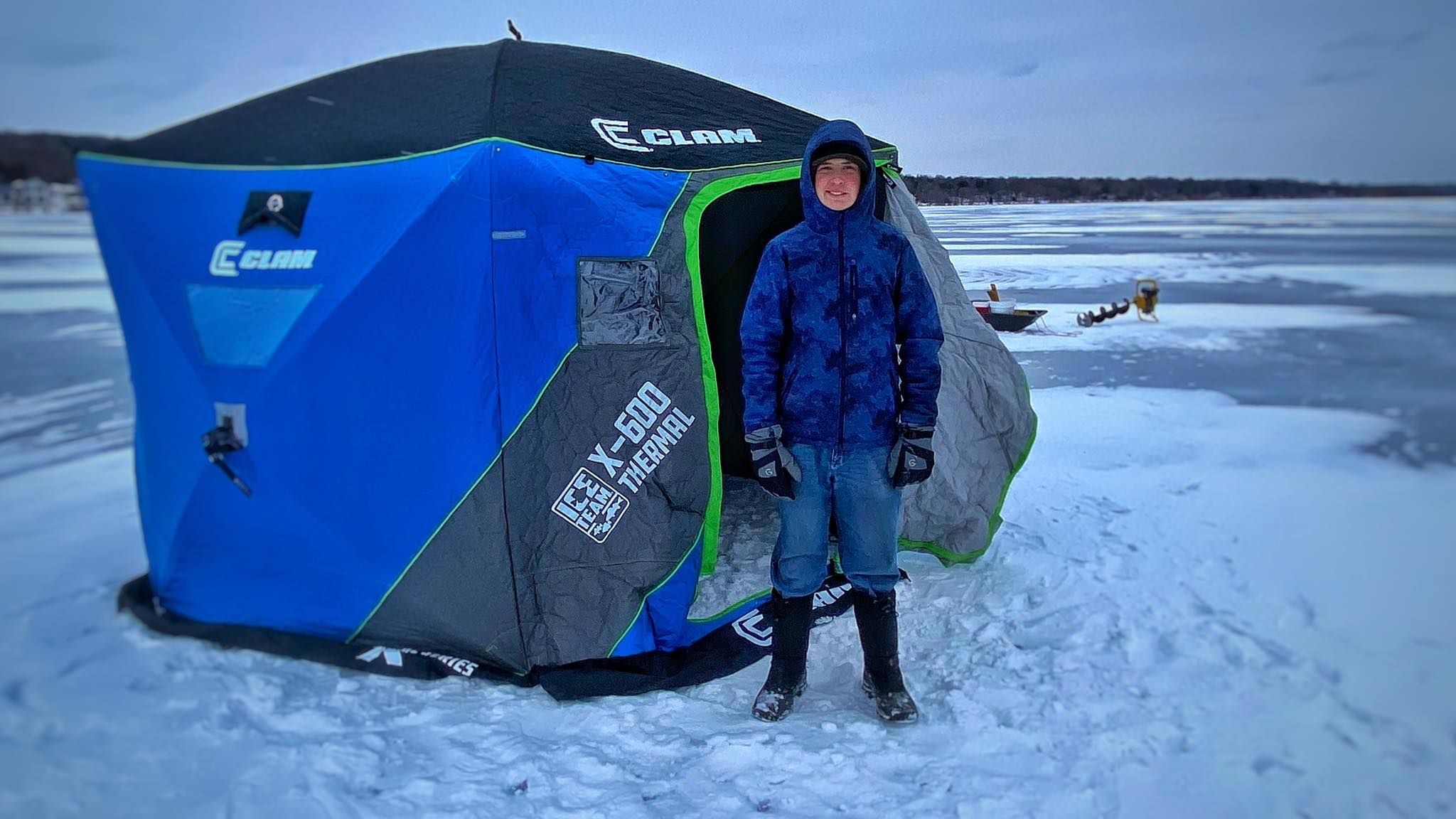
This isn't your typical ice fishing setup where you're shivering in a pop-up shelter hoping something happens. We run heated ice huts that keep you comfortable all day, which means you can focus on fishing instead of just surviving. The beauty of a full-day trip is the flexibility – when one spot slows down, we move. When the bite picks up, we stay put and capitalize. John knows these glacial and kettle lakes like his backyard, so you're fishing with someone who understands how weather, time of day, and seasonal patterns affect where fish position themselves. The variety keeps things interesting too – one hour you might be finessing walleye in deeper water, the next you could be setting tip-ups for aggressive northern pike in the shallows.
Gear Setup & Ice Techniques
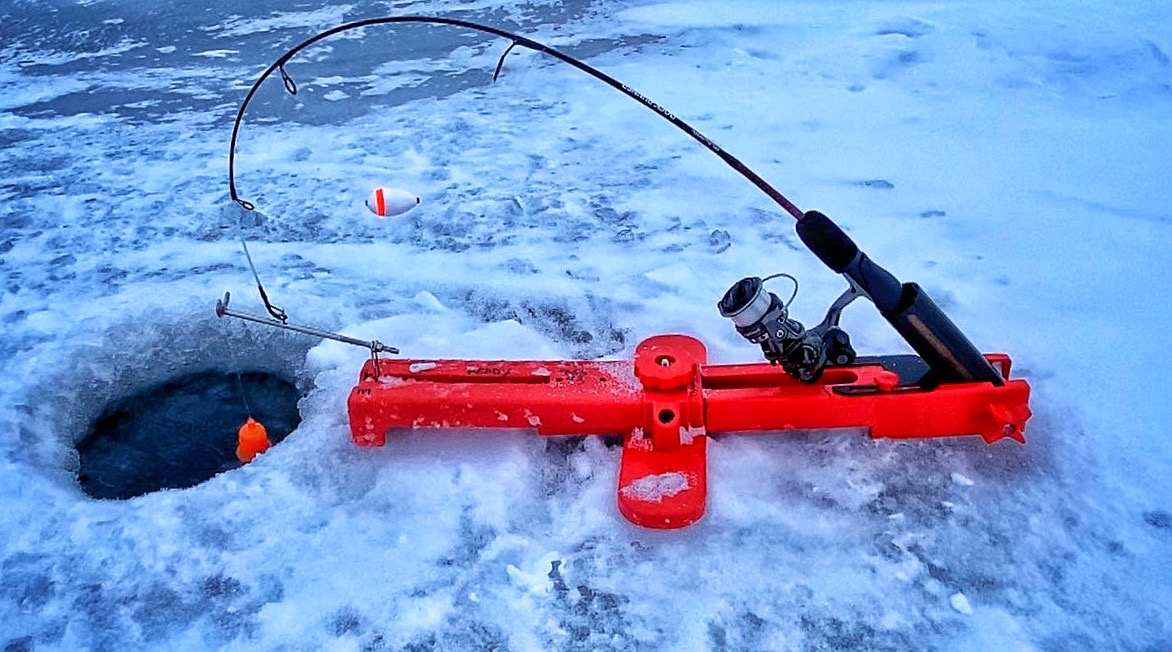
The right equipment makes all the difference when you're spending seven hours on the ice, and that's where our professional setup really shines. We use Jiffy ice drills that punch through ice fast and clean, so moving between spots doesn't eat up valuable fishing time. For the predator fishing, especially when we're targeting northerns, we deploy Beaver Dam tip-ups paired with HT hook-setting devices – this combo dramatically improves your hook-up ratio on those explosive strikes that pike are famous for. The Clam Ice huts aren't just about warmth either; they cut wind and create a controlled environment where you can work presentations precisely. All rods, reels, tackle, and gear come with the trip, and if you need warm gear, just let us know. The goal is keeping you fishing effectively from start to finish, not dealing with equipment issues or comfort problems.
Target Species You'll Hook
Walleye are the crown jewel of southeastern Wisconsin's winter fishing, and these lakes hold some solid populations. During winter months, walleye school up in deeper basins and along drop-offs, making them predictable if you know where to look. They typically feed most actively during low-light periods – early morning, late afternoon, and overcast days work in our favor. What makes walleye so rewarding is their fight combined with their table quality; they pull hard in cold water and make for some of the best eating you'll find. Size-wise, expect fish in the 14-18 inch range with occasional larger specimens pushing into the low twenties.
Northern pike bring the excitement factor to ice fishing like nothing else. These ambush predators lurk in weedy bays and along structure, and when they hit a tip-up, the flag goes up and the adrenaline kicks in. Winter pike are aggressive and hungry, often providing the most action-packed moments of the day. They're also less spooky than during open water season, so they'll often hit presentations they'd ignore in summer. Most pike we encounter range from 24-32 inches, with the occasional bigger fish that really tests your gear. The key is getting your bait positioned just right in their strike zone and being ready for that explosive take.
American Yellow Perch might be smaller than walleye and pike, but they're absolutely crucial for consistent action throughout the day. These fish school heavily in winter, so when you find them, you often find a lot of them. They're also excellent for learning ice fishing techniques since they bite readily and give good feedback on your presentation. Perch typically hold in mid-depth ranges around structure, and they're most active during daylight hours. The beauty of targeting perch is the steady action – while you're waiting for walleye to turn on or setting pike tip-ups, perch keep your rod bent and your confidence up. Plus, they're fantastic eating and perfect for a shore lunch if you want to extend the experience.
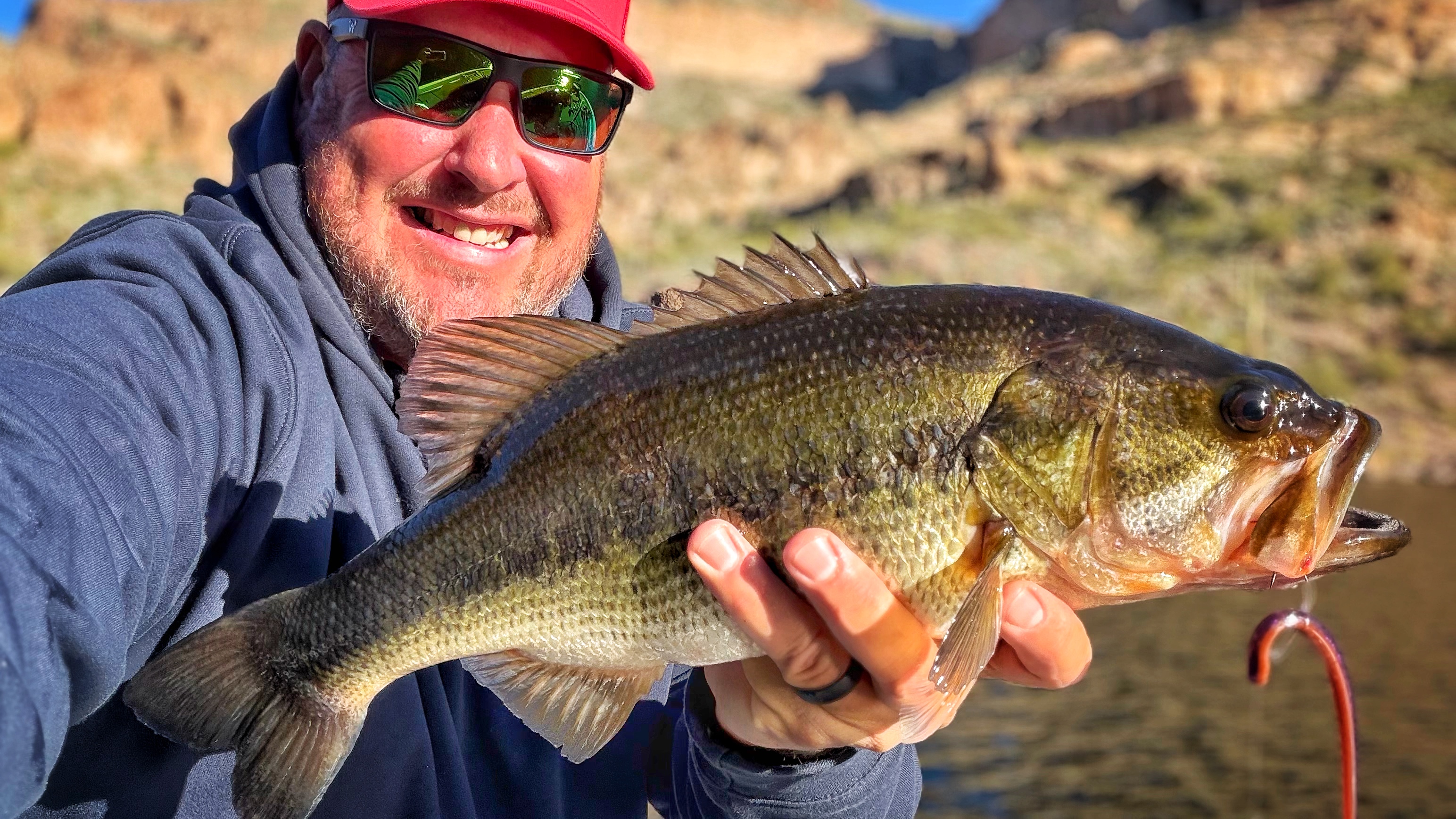
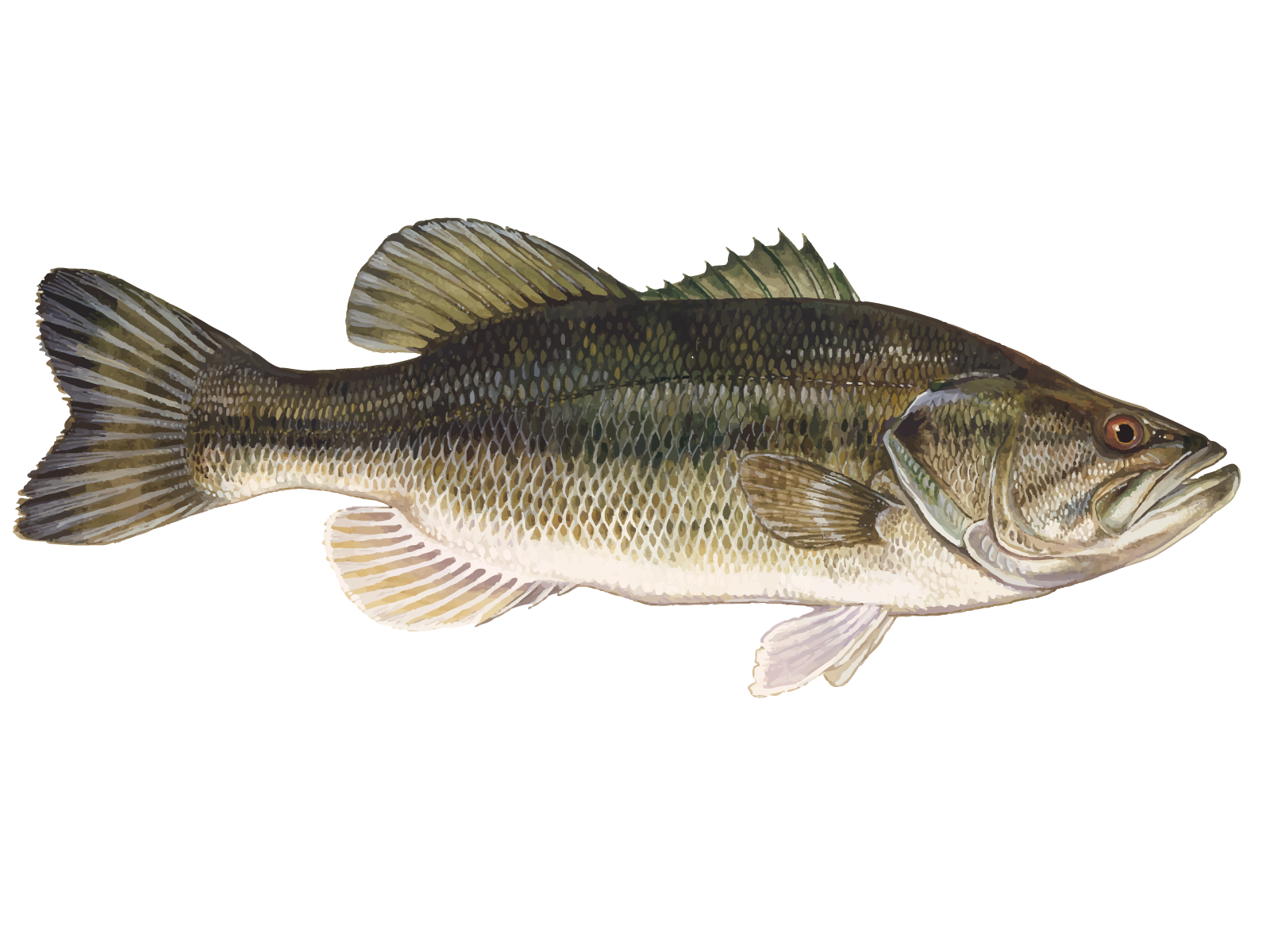
Largemouth Bass provide a fun challenge during the ice season, though they're generally less active than other species in cold water. When we do connect with bass, they're typically holding tight to cover in shallower bays or around fallen timber. Winter bass require finesse presentations and patience, but landing a solid largemouth through the ice is always satisfying. They don't fight as hard in cold water as they do during summer, but there's something special about the technique and precision required to get them to bite when they're lethargic. Most winter bass run 2-4 pounds, with the occasional bigger fish that makes the extra effort worthwhile.
Time to Book Your Spot
A full-day ice fishing trip isn't just about catching fish – it's about really learning the lakes, understanding how different species behave in winter, and spending quality time outdoors during Wisconsin's most beautiful season. With heated shelters, professional equipment, and a guide who knows exactly where to find fish when conditions are right, you're setting yourself up for the kind of day that reminds you why ice fishing is such a passion for so many anglers. Whether you're new to ice fishing and want to learn proper techniques, or you're an experienced angler looking to explore new water with local expertise, this trip delivers the combination of comfort, productivity, and genuine fishing knowledge that makes for a day well spent on the ice.
 Private Trip
 Lakes/Reservoirs/Ponds Fishing
 Arizona


 Seven-hour guided ice fishing on multiple southeastern Wisconsin lakes