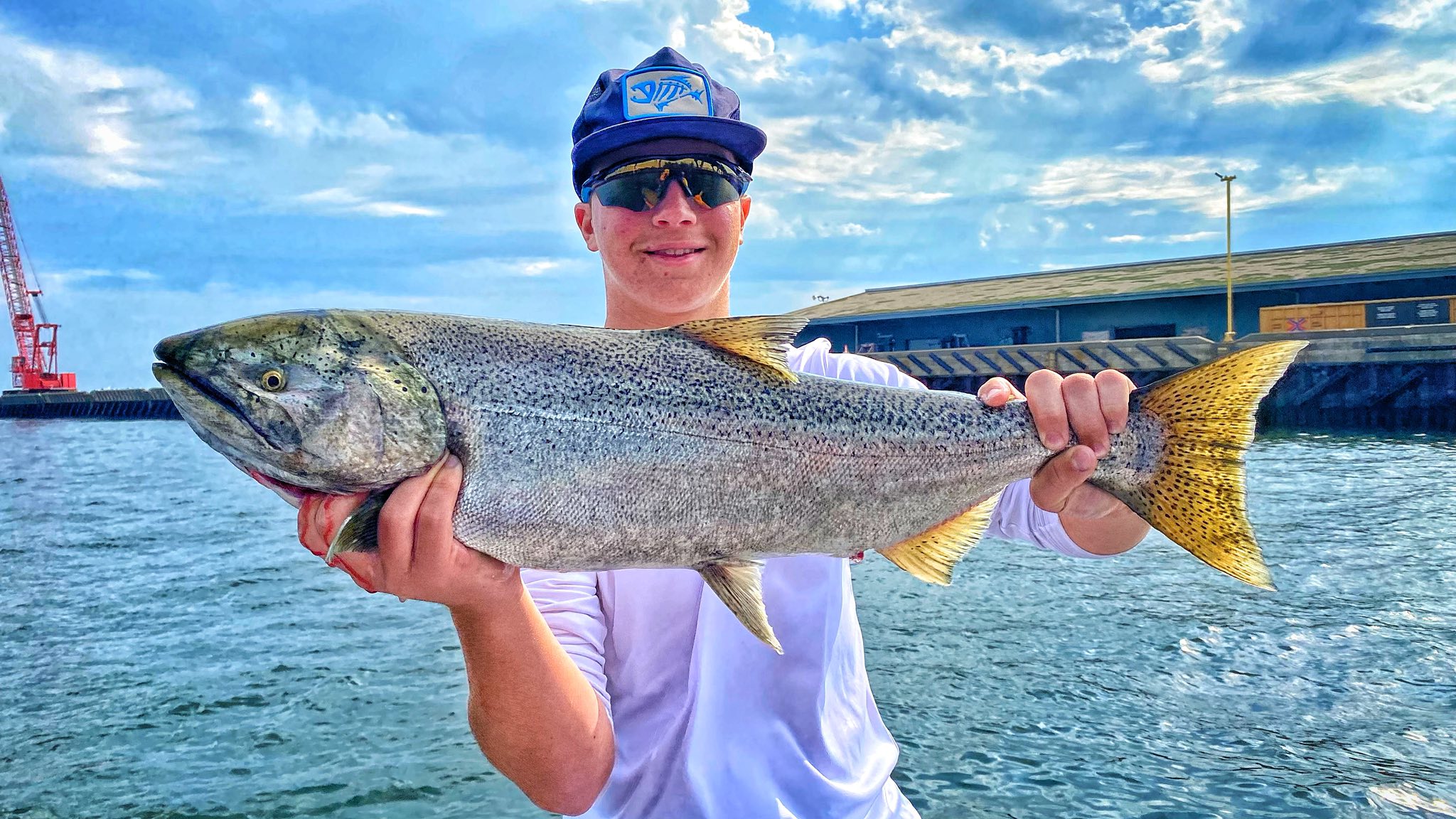
Full Day Steelhead & Brown Trout Fishing
Picture this: you're standing knee-deep in a prime Great Lakes tributary, watching your drift presentation glide through a perfect run where chrome-bright steelhead are staging. That's exactly what you'll get with John Reddy's full-day steelhead and brown trout fishing adventure in Southeastern Wisconsin. This isn't your typical guided trip – it's an 8-hour deep dive into some of the region's most productive waters around Milwaukee, Racine, and Kenosha. Whether you're a seasoned angler looking to dial in your tributary techniques or someone who's never felt a steelhead's head shakes, John's got the local knowledge and equipment setup to put you on fish. We're talking about targeting two of the Great Lakes' most prized species in waters that consistently produce quality fish year after year.
What to Expect on the Water
John's approach is all about staying mobile and reading the water like a book. You won't be stuck in one spot hoping fish show up – instead, you'll move strategically based on current conditions, water temperature, and where the fish are actively feeding. The beauty of fishing these southeastern Wisconsin tributaries is the variety of water types you'll encounter. From deep pools where big browns hold tight to structure, to shallow runs where steelhead stage before their spawning runs, every stretch of water tells a different story. John's been guiding these waters for years, and he knows which holes produce during different seasons and weather patterns. The trip is designed for comfort and efficiency, meaning you'll spend more time with your line in the water and less time fumbling with gear. All rods, reels, and tackle are provided, along with warm gear when conditions call for it. This setup ensures you're fishing with proven tackle combinations that match current water conditions and fish behavior.
Techniques & Gear Breakdown
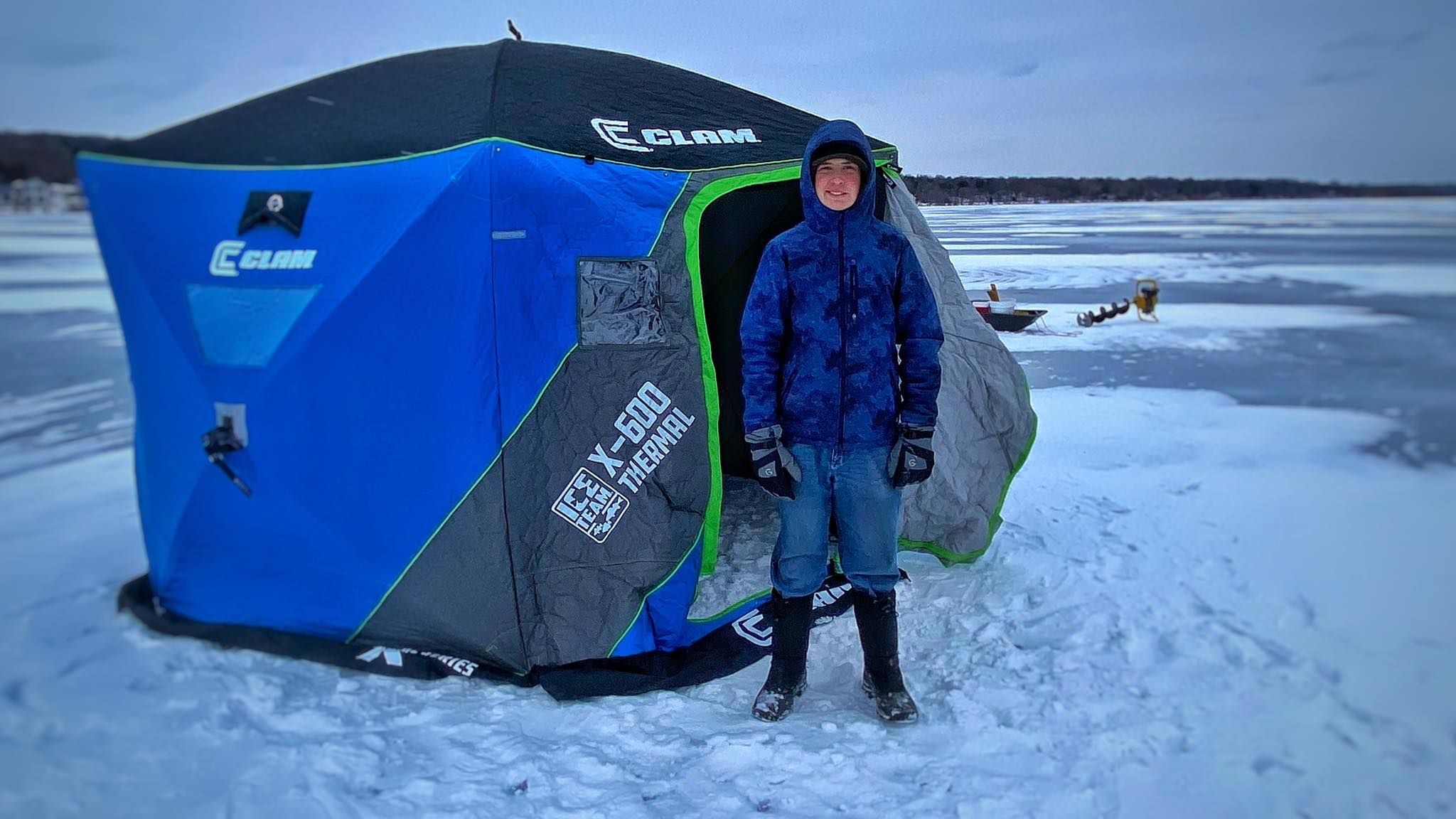
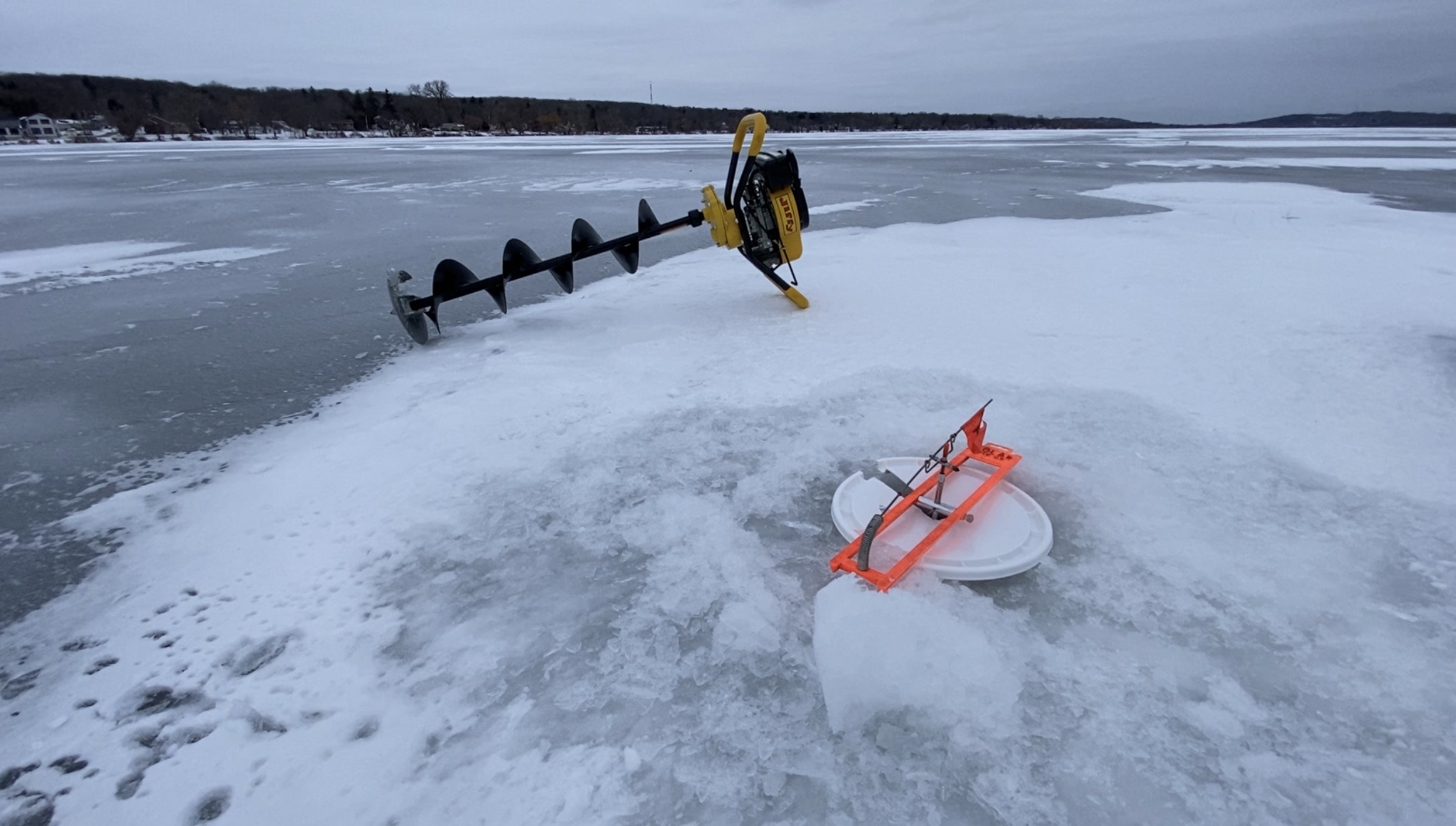
John runs a tight ship when it comes to tackle and techniques. You'll be using professional-grade equipment specifically chosen for Great Lakes tributary fishing. The rod setups are dialed in for detecting subtle strikes and fighting powerful fish in current, while the reel selection focuses on smooth drags and reliable performance when a hot steelhead makes its first run. Presentation techniques vary based on water conditions and fish activity, but expect to learn proper drift fishing methods, bait presentation, and how to read water structure. When conditions call for it, John employs Jiffy ice drills for quick hole drilling, allowing the group to stay mobile and test different areas efficiently. For targeting larger predators like northern pike in certain waters, proven Beaver Dam tip-ups come into play, along with Clam ice huts and HT hook-setting devices that increase hook-up ratios significantly. The key is keeping presentations in the strike zone longer and adapting techniques as conditions change throughout the day. John's approach focuses on teaching you why certain techniques work in specific situations, so you'll leave with knowledge that translates to your future fishing adventures.
Species You'll Want to Hook
Steelhead trout are the crown jewel of Great Lakes fishing, and southeastern Wisconsin's tributaries offer some of the region's most consistent opportunities to tangle with these chrome rockets. These migratory rainbow trout average 5-8 pounds but can push well into double digits, especially during peak migration periods in spring and fall. What makes steelhead so addictive is their fighting ability – they'll jump, run, and test every component of your tackle setup. In these tributaries, steelhead behavior changes based on water temperature and spawning cycles. Fresh-run fish are aggressive and willing to chase presentations, while fish that have been in the system longer require more finesse and precise bait placement. The best part about targeting steelhead here is the variety of techniques that produce results, from traditional spawn sac drifts to modern bead fishing and even swinging flies in the right conditions.
Brown trout in these waters are a different beast entirely – they're the opportunistic predators that every angler respects. These fish are structure-oriented and incredibly wary, often requiring stealthy approaches and natural presentations. Browns in southeastern Wisconsin tributaries typically range from 2-6 pounds, but trophy fish over 10 pounds are always a possibility, especially during fall spawning runs when lake-run browns push into tributary systems. What makes brown trout fishing so rewarding is the chess match aspect – these fish have seen every lure and bait presentation, so success often comes down to subtle details like leader length, drift speed, and bait placement. They're notorious for following baits without committing, then striking when you least expect it. Fall and early winter periods are prime time for brown trout, when they're actively feeding before and during spawning activity.
Time to Book Your Spot
This full-day steelhead and brown trout adventure represents serious value for anglers who want to maximize their time on productive water with an experienced local guide. At $1,000 for up to two anglers, you're getting 8 hours of focused fishing with all equipment provided, plus the local knowledge that only comes from years of reading these specific waters. The trip accommodates larger groups with additional guides when needed, making it perfect for friends or family members who want to share the experience. John's commitment to staying mobile and adapting to conditions throughout the day means you're not just buying a guided trip – you're investing in a fishing education that will pay dividends on future outings. These southeastern Wisconsin tributaries produce quality fish throughout the steelhead and brown trout seasons, and with John's expertise in reading water conditions and fish behavior, you'll be positioned for success from the first cast to the last. Don't wait until peak season to book – the best dates fill up quickly, and you'll want to secure your spot for what could be the fishing trip that changes how you approach Great Lakes tributary fishing forever.
 Private Trip
 Lakes/Reservoirs/Ponds Fishing
 Arizona

 Full-day guided steelhead and brown trout fishing experience