7 Hour South Florida Swordfish Adventure
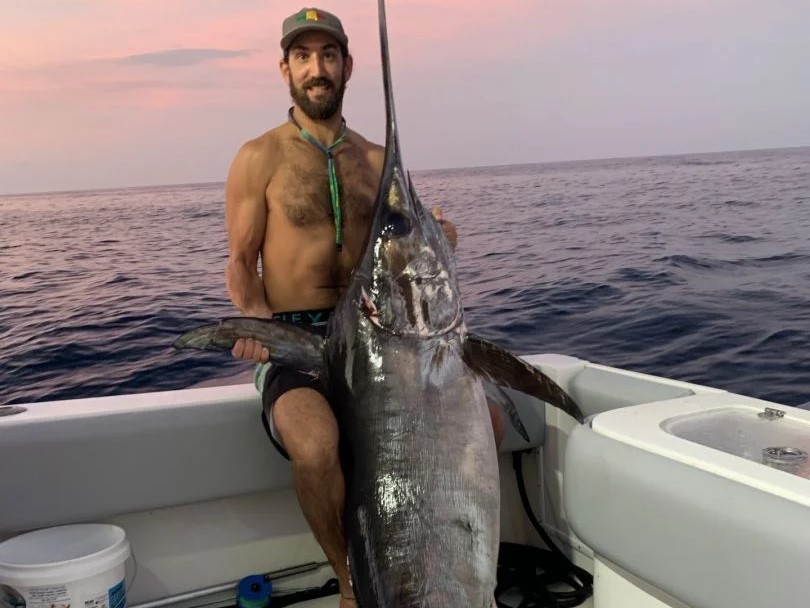
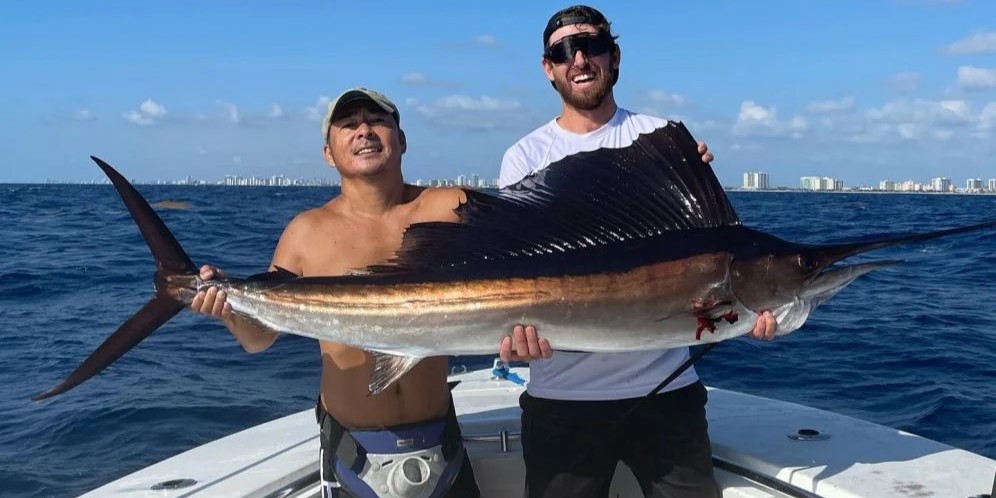
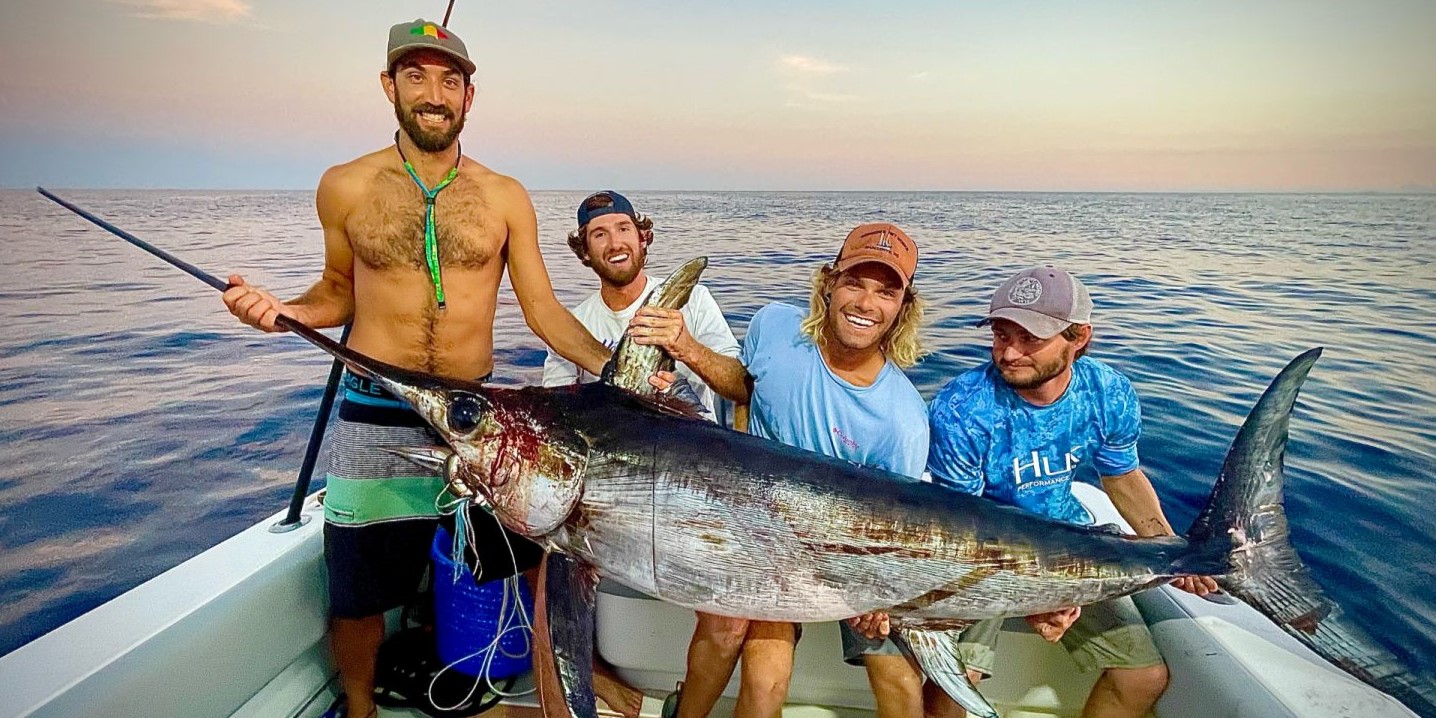
Picture this: you're 30 miles off the South Florida coast, lines set deep in some of the Atlantic's most productive swordfish waters. Reel Floridian Fishin's 7-hour sword trip isn't your typical day on the water – it's a serious pursuit of one of the ocean's most prized game fish. With up to 5 anglers max, you'll have plenty of room to work and the personal attention you need when that reel starts screaming. These waters have produced countless trophy swords, some pushing that magical 1000-pound mark with bills stretching 4 feet long. Fair warning though – swordfishing is the ultimate gamble. You might go home empty-handed, or you could land the fish of a lifetime and enough steaks to fill your freezer.
What to Expect on the Water
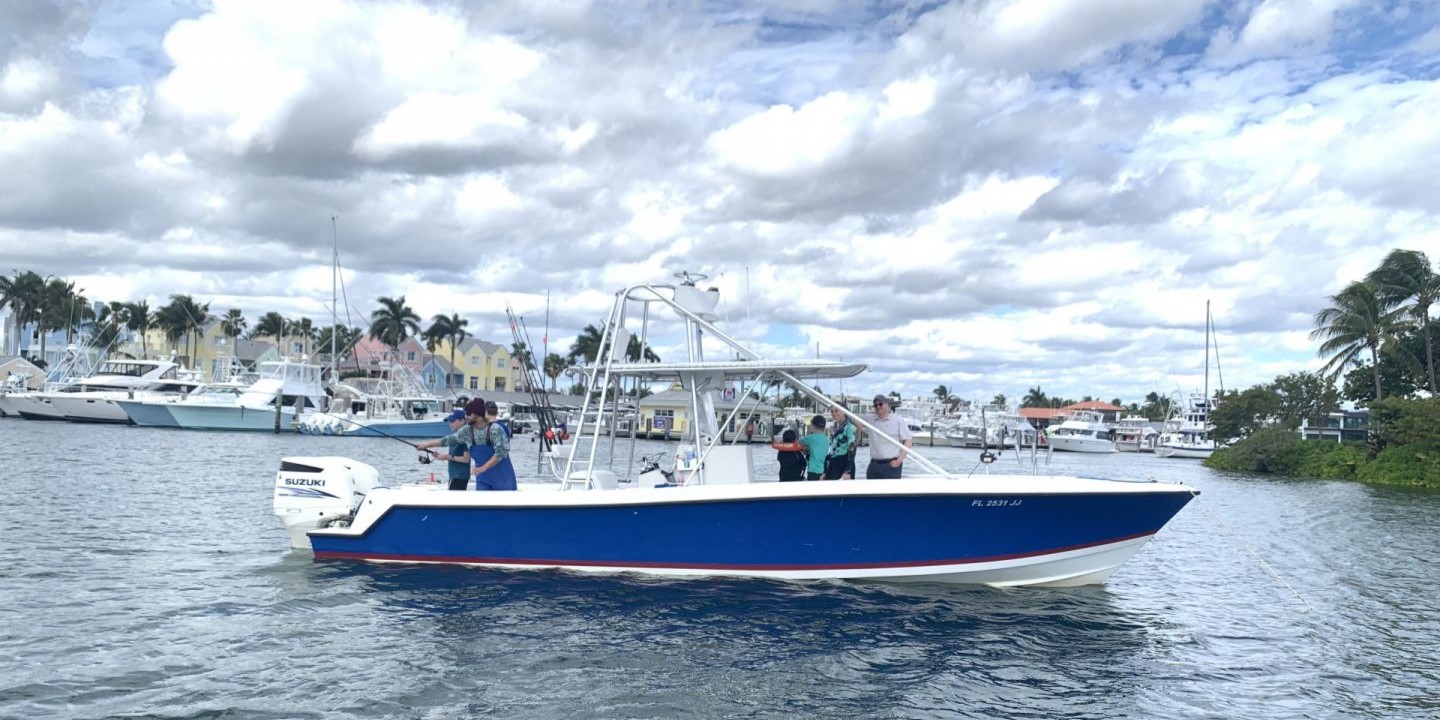
This isn't a casual half-day trip where you're back at the dock by lunch. Seven hours gives us the time we need to run to the prime spots and really work the water properly. We'll be targeting the deep drop-offs and temperature breaks where swords hunt during daylight hours – yeah, that's right, daytime swordfishing in South Florida is legit. The captain knows these waters like the back of his hand, reading bottom structure and water temps to put you on fish. You'll be fishing anywhere from 200 to over 1000 feet of water, so come prepared for a workout. The boat's equipped with all the heavy tackle you'll need, but if you've got your own sword setup, bring it along. Don't worry about meals – most folks are too focused on watching their lines to think about eating anyway, but definitely bring snacks and plenty of water.
Deep Drop Techniques & Gear
Swordfishing is all about precision and patience. We're talking electric reels loaded with 80-100 pound braid, circle hooks the size of your palm, and weights that'll send your bait down 500+ feet in a hurry. The key is getting your squid or ballyhoo down to the thermocline where these apex predators cruise. We'll set up a spread of 3-4 lines at different depths, watching the fish finders for that telltale arch or bait ball that screams "sword zone." The technique is called drift fishing – we'll position the boat over structure, drop the baits, and let the current do its work. When a sword picks up your bait, there's no mistaking it. The rod tip loads up, line starts peeling, and everyone on the boat knows game time just started. These fish fight dirty too – they'll sound deep, make blistering runs, and throw their heads like a bronco trying to spit the hook.
Target Species Breakdown
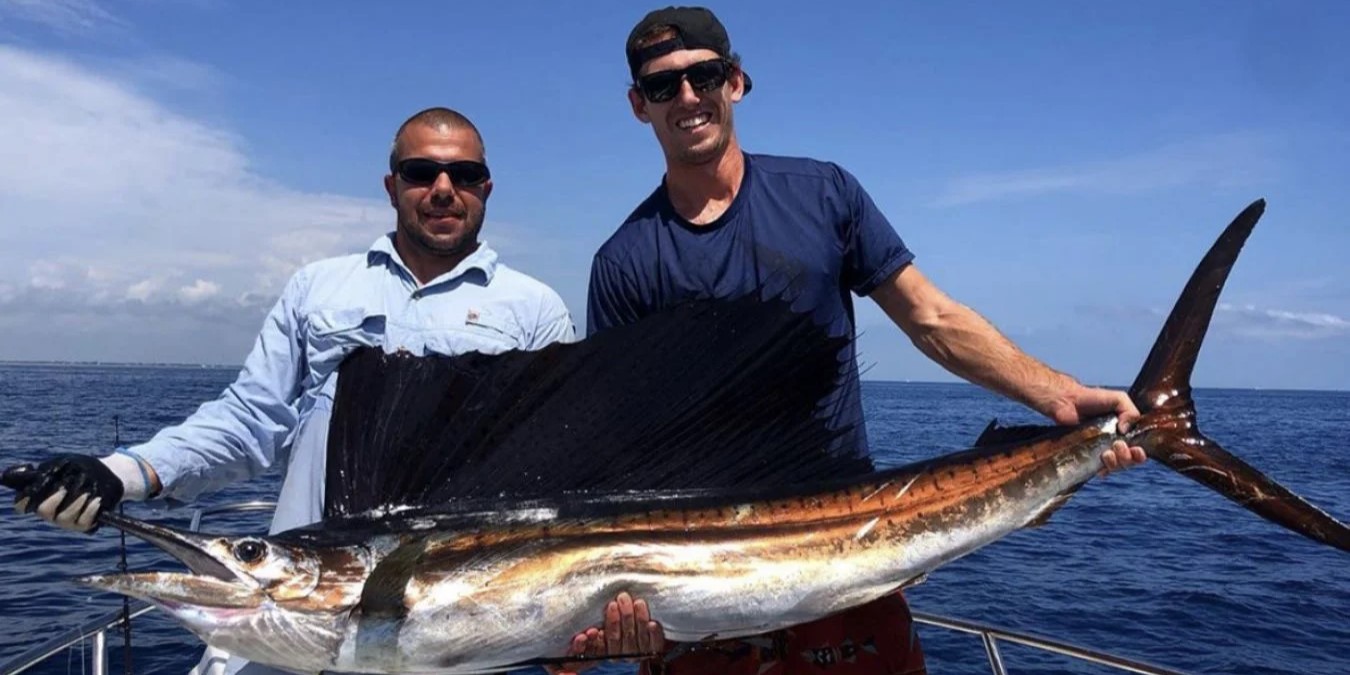
Swordfish are the main event here, and for good reason. These prehistoric-looking beasts are built for speed and power, capable of hitting 60 mph when they want to. In South Florida waters, we see fish ranging from 50-pound pups all the way up to those legendary giants pushing 500+ pounds. Peak season runs from late fall through early spring when the water temps drop and bait concentrations are high. What makes sword fishing so addictive isn't just their size – it's their unpredictability. They'll eat at 200 feet or 800 feet, in the morning or late afternoon. When you hook one, you're in for a battle that can last anywhere from 20 minutes to over an hour.
Bluefin Tuna show up as bonus fish on these trips, especially during the cooler months. South Florida sits right in their migration path, and these speedsters range from school-sized 40-pounders to cow tuna exceeding 200 pounds. Bluefin fight completely different than swords – they're pure muscle and endurance, making long, powerful runs that'll test your tackle and your shoulders. The meat quality on these fish is off the charts, especially if you bleed and ice them properly right away.
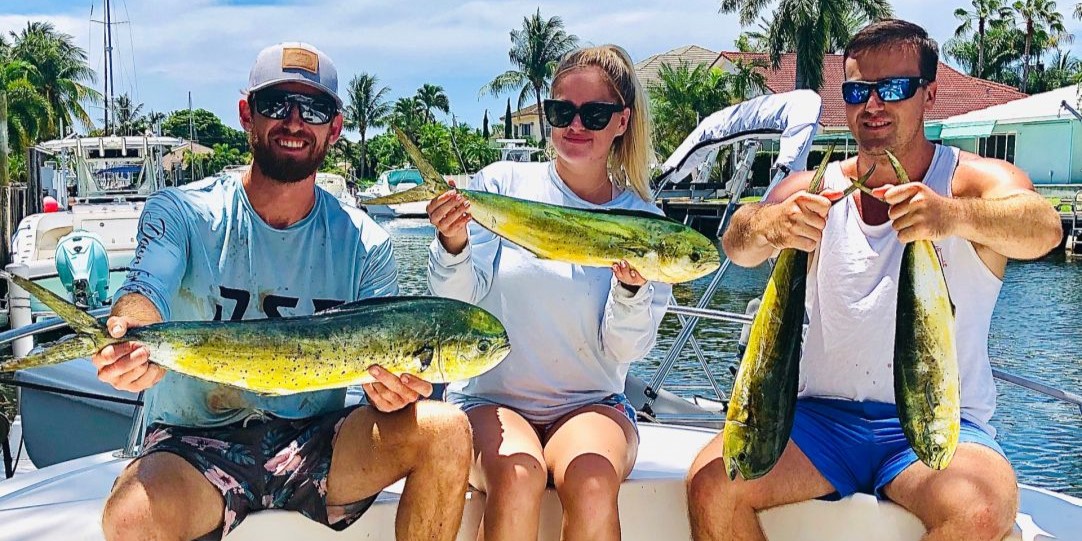
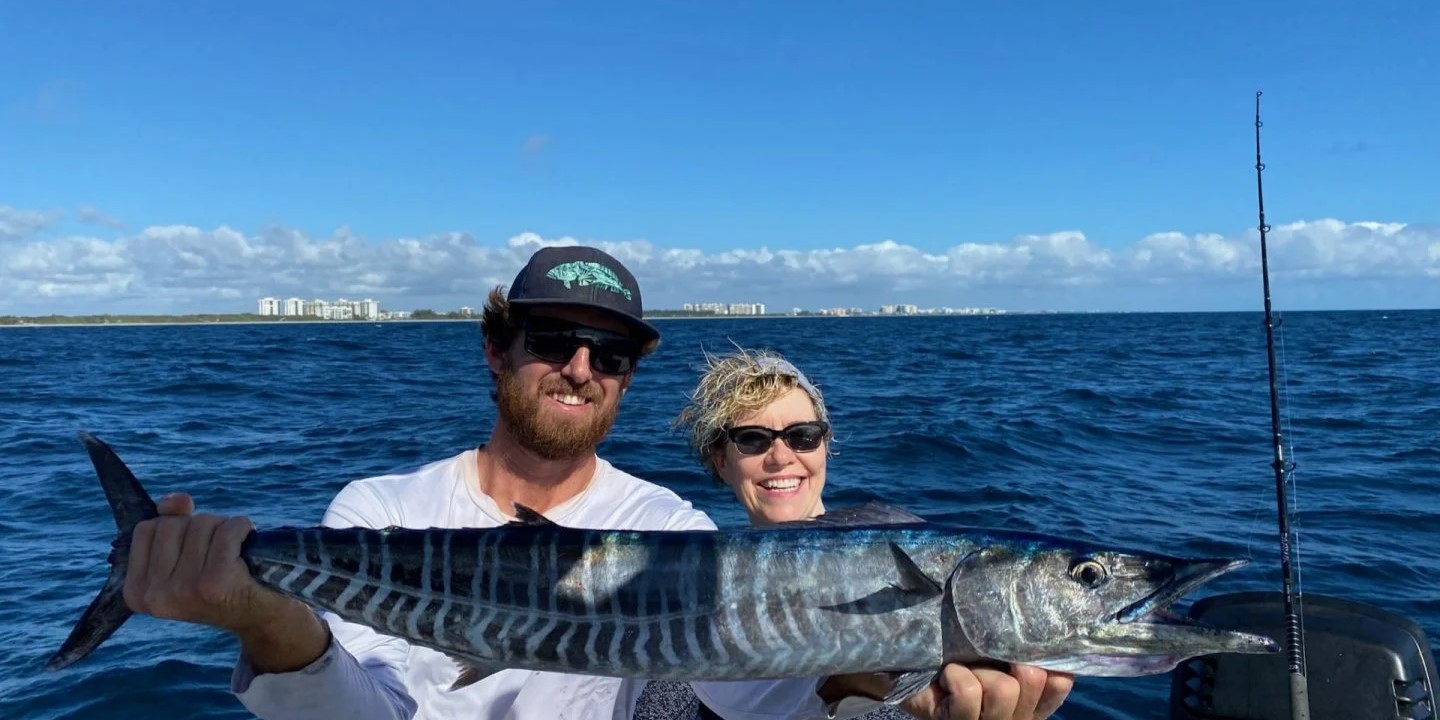
Mahi Mahi, or dolphin fish as the locals call them, are common bycatch that'll keep things interesting while you're waiting for a sword bite. These colorful fighters love the same temperature breaks we're fishing, and they're aggressive feeders during daylight hours. Most mahi we see range from 10-30 pounds, though bull dolphins over 40 pounds aren't uncommon. They're fantastic table fare and put up a spectacular aerial show when hooked.
Tripletail are the wildcards of this fishery. These oddball-looking fish hang around floating debris and weed lines in the same areas we target swords. They're ambush predators that look like floating leaves until they strike. Most tripletail run 5-15 pounds, and they're considered by many to be the best eating fish in the ocean – even better than snapper or grouper.
Time to Book Your Spot
Look, swordfishing isn't for everyone. It requires patience, some serious muscle when the fish cooperate, and the understanding that some days the ocean wins. But when everything comes together – when that rod doubles over and 300 pounds of angry swordfish is on the other end – you'll understand why this fishery has such a cult following. Reel Floridian Fishin runs these trips year-round, though the prime months are November through March when the bite is most consistent. With only 5 spots available, these trips fill up fast, especially during peak season. Whether you're a seasoned offshore angler looking to check swordfish off your bucket list or someone ready to step up from the typical reef fishing scene, this trip delivers the goods. Just remember to bring your A-game – the fish certainly will.
 Private Trip
 Offshore Fishing
 Key West


 Target massive swordfish up to 1000 pounds offshore South Florida