6-Hour Morning Fishing Trip in Hilton Head Island, SC
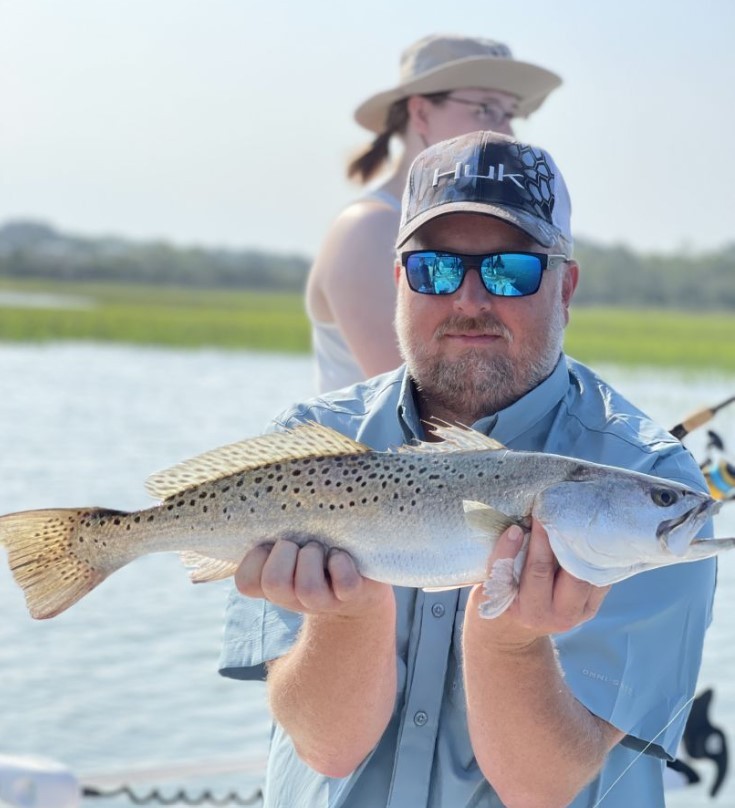
Get ready for a solid day of inshore fishing on some of South Carolina's most productive waters. This 6-hour morning charter with Reel Native Fishing Charters puts you right in the heart of Hilton Head's legendary fishing grounds, where the creeks, flats, and structure hold some of the lowcountry's best gamefish. You'll be targeting redfish, sea trout, flounder, black drum, and sheepshead in their prime habitat, with an experienced captain who knows exactly where these fish hang out and when they bite best. The morning bite is prime time around here, and with six full hours on the water, you'll have plenty of opportunities to put some serious fish in the boat.
What to Expect on the Water
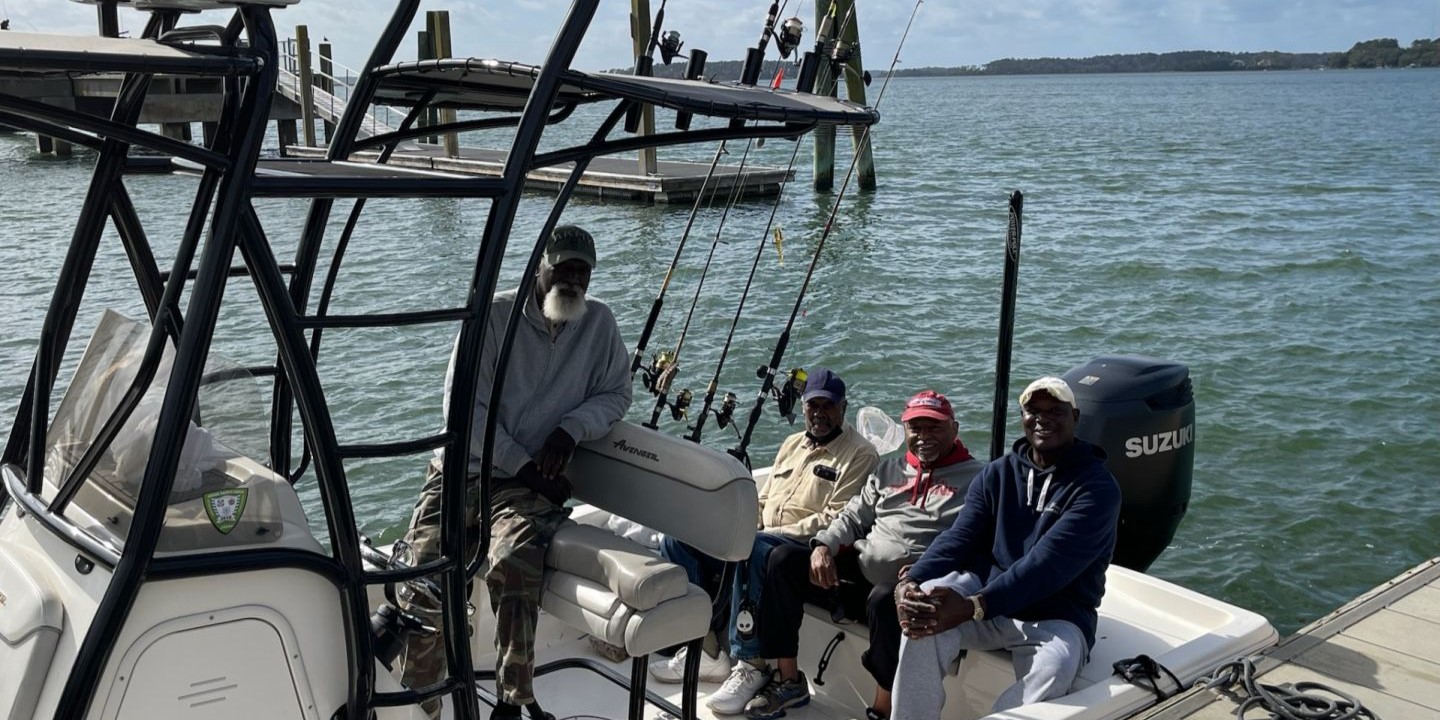
This top-rated morning trip kicks off early when the fish are most active and the waters are calm. Your captain will navigate you through Hilton Head's maze of tidal creeks, oyster bars, and grass flats where these species love to feed. The boat accommodates up to four anglers, so you'll have plenty of room to cast and fight fish without getting tangled up. These waters fish differently throughout the day as tides shift, so your guide will move you around to stay on the bite. You might start working a creek mouth on the incoming tide, then slide over to some structure when the water starts moving out. The variety keeps things interesting, and there's always a backup plan when one spot slows down. Don't worry about bringing tackle - everything's provided, from rods and reels to bait and terminal gear.
Techniques & Tactics
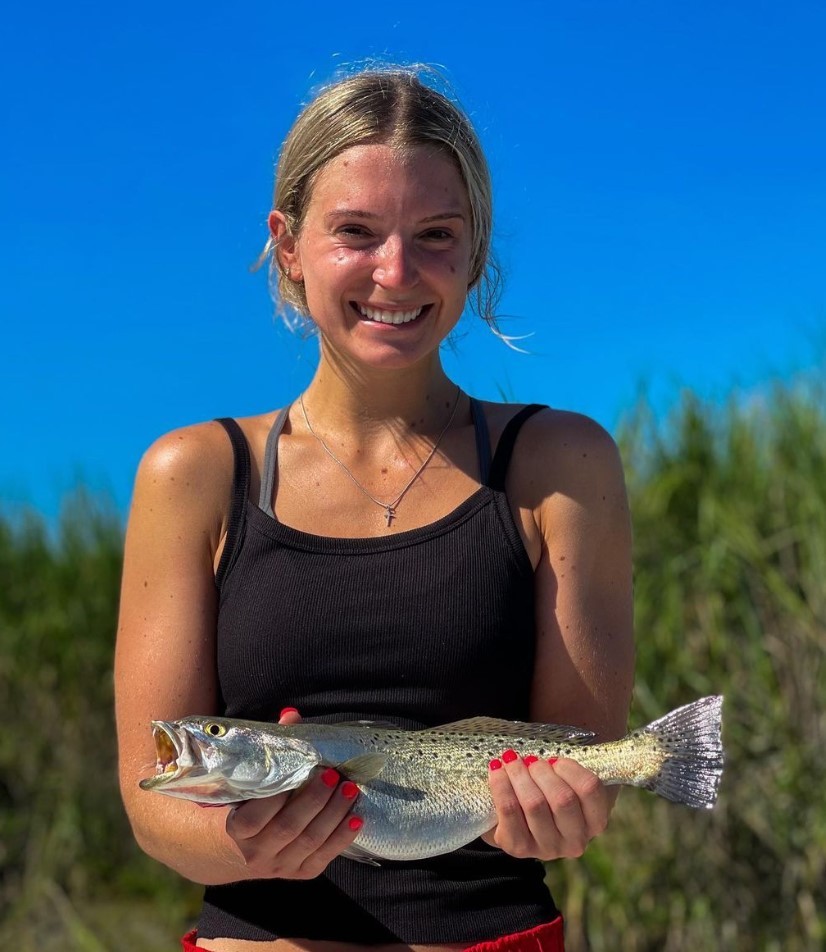
Your captain will match the technique to the conditions and target species. For redfish cruising the flats, you might be sight casting with live shrimp or working soft plastics around oyster bars. Sea trout often respond well to moving baits like finger mullet under popping corks, especially around grass edges and drop-offs. When targeting flounder, expect to work the bottom with live bait or jigs along channel edges and structure. Black drum usually want crabs or cut bait fished right on the bottom near pilings and oyster beds. Sheepshead are notorious bait thieves, so you'll be using small hooks with fiddler crabs or barnacles, fishing tight to structure where they like to hang. The beauty of this fishery is the variety - you never know what's going to grab your bait next, and your guide will adjust tactics as conditions and fish behavior change throughout the trip.
Top Catches This Season
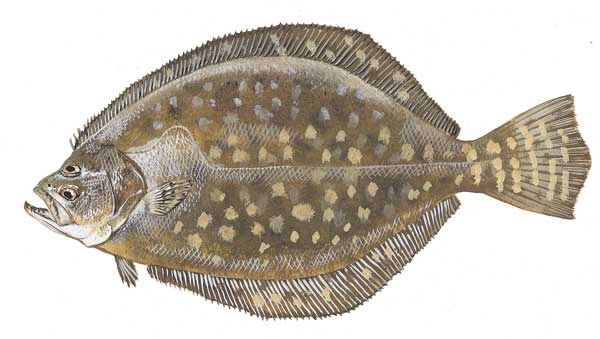
Southern flounder are the kings of the flats around Hilton Head, and these ambush predators make for some of the most rewarding catches you'll experience. They lay perfectly camouflaged on sandy bottoms near creek mouths and channel edges, waiting for unsuspecting baitfish to swim by. Best time to target them is during moving water when they're actively feeding, typically from spring through fall. What makes flounder so exciting to catch is their aggressive strike when they decide to eat - they'll absolutely crush a live mud minnow or finger mullet. Plus, they're fantastic table fare, which makes the fight even more satisfying. Your captain knows the specific bottom structure and depth changes where these fish set up, and with the right presentation, you can expect some quality flatfish in the 15-20 inch range.
Black drum are the heavyweights of the inshore scene, and Hilton Head's waters produce some genuine trophies. These fish love structure - think bridge pilings, oyster beds, and dock lines where they root around for crabs and shellfish. They're most active during cooler months, but you can find them year-round if you know where to look. What gets anglers fired up about black drum is their bulldogging fight - they don't jump or run like other species, but they'll put that big head down and just pull. A good black drum will test your drag and your patience, especially when they try to wrap you around structure. The bigger ones, often called "big uglies" by local guides, can easily hit 30-40 pounds and provide an arm-burning battle that'll have you questioning your tackle choices.
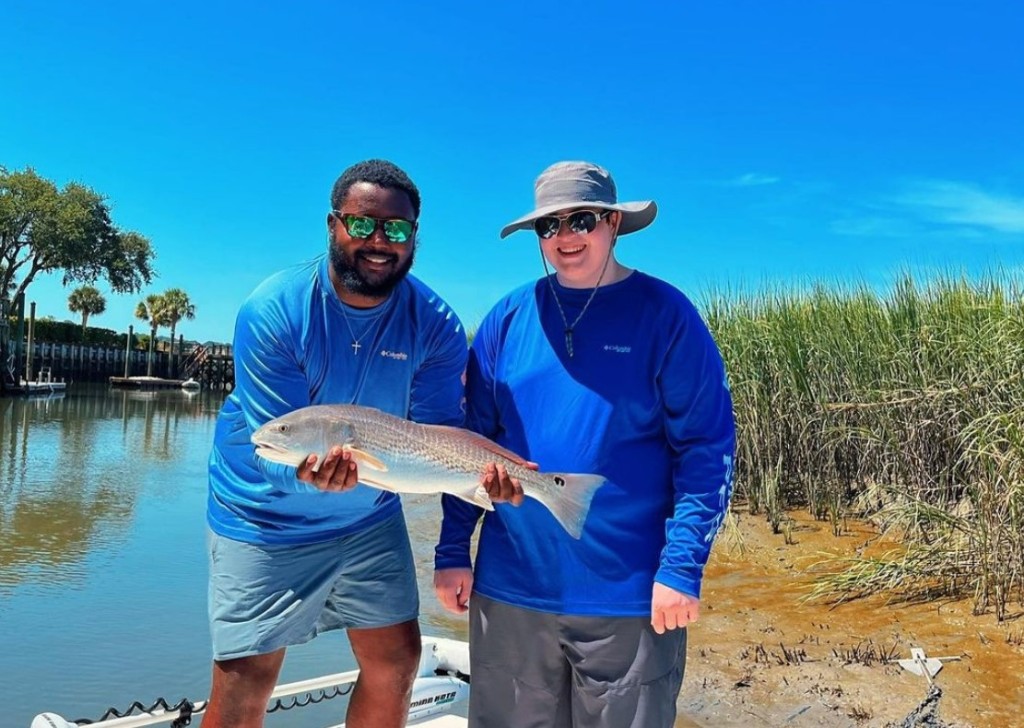
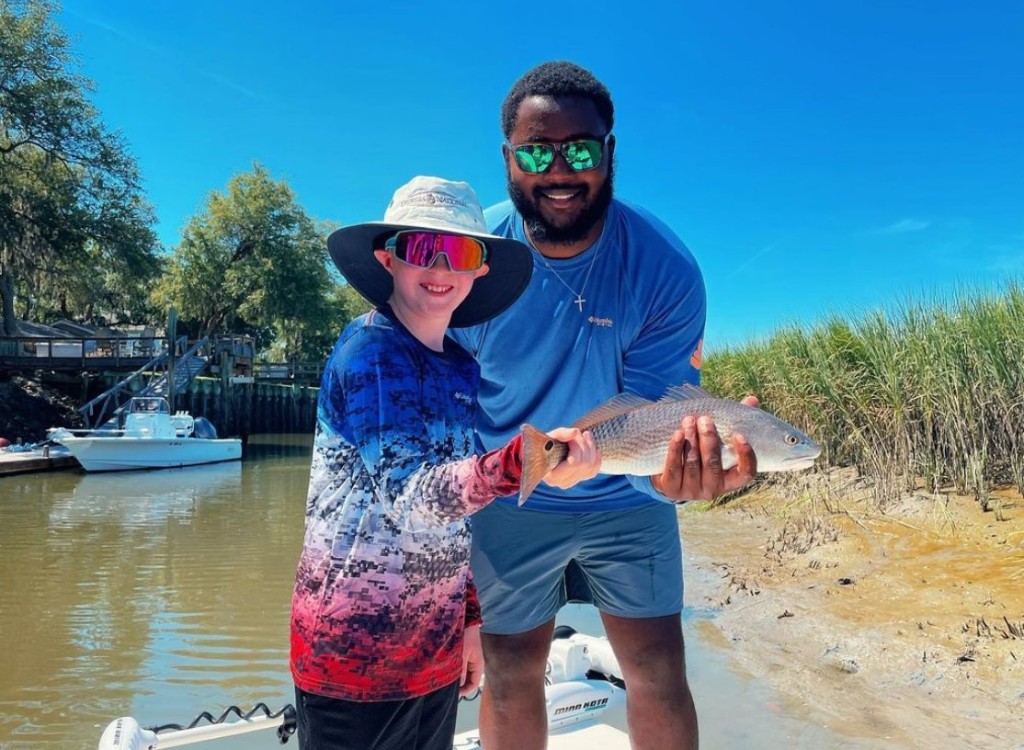
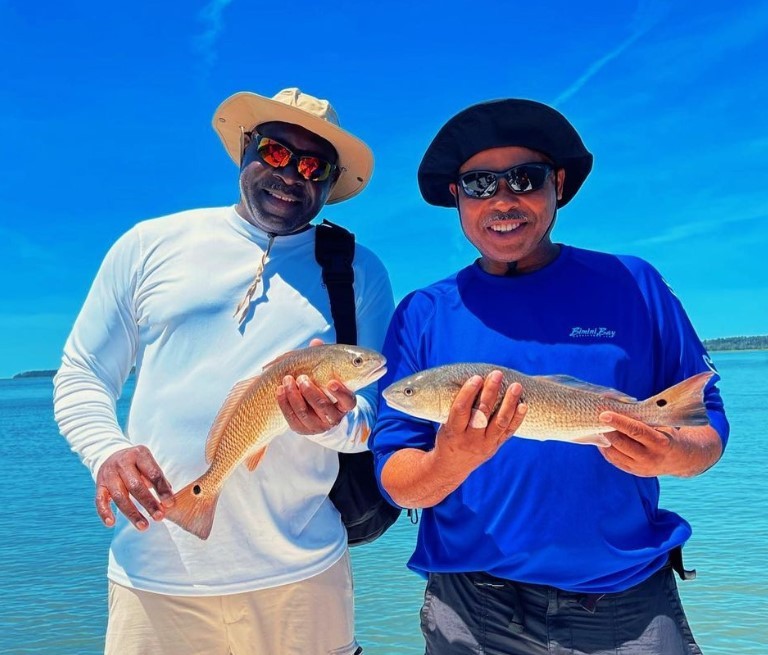
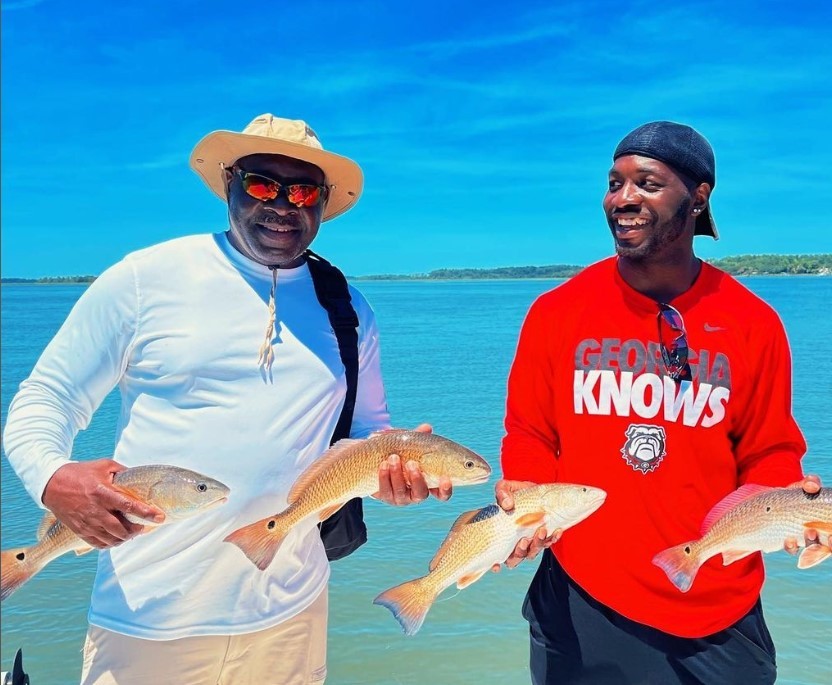
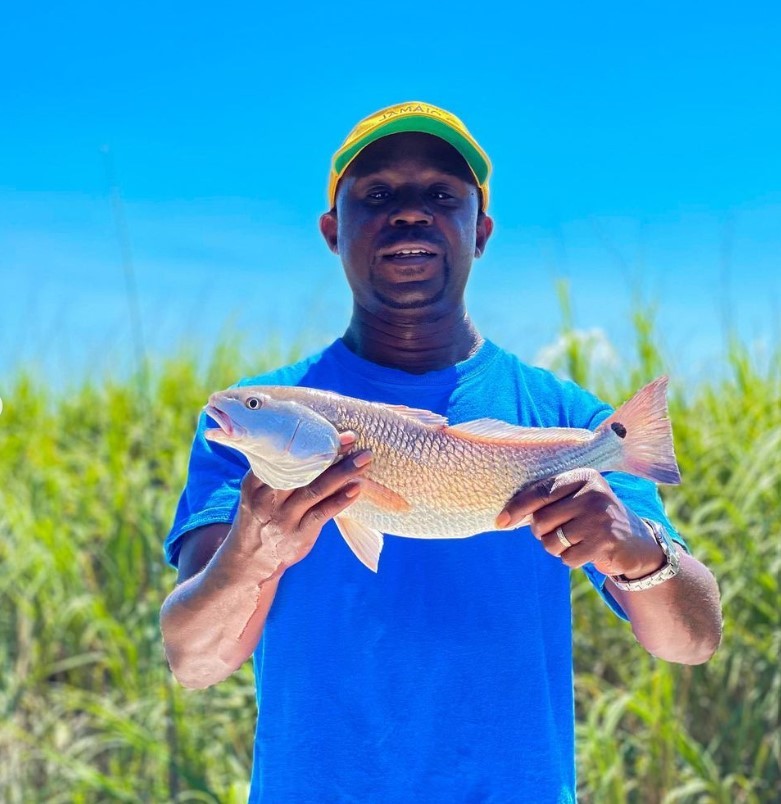
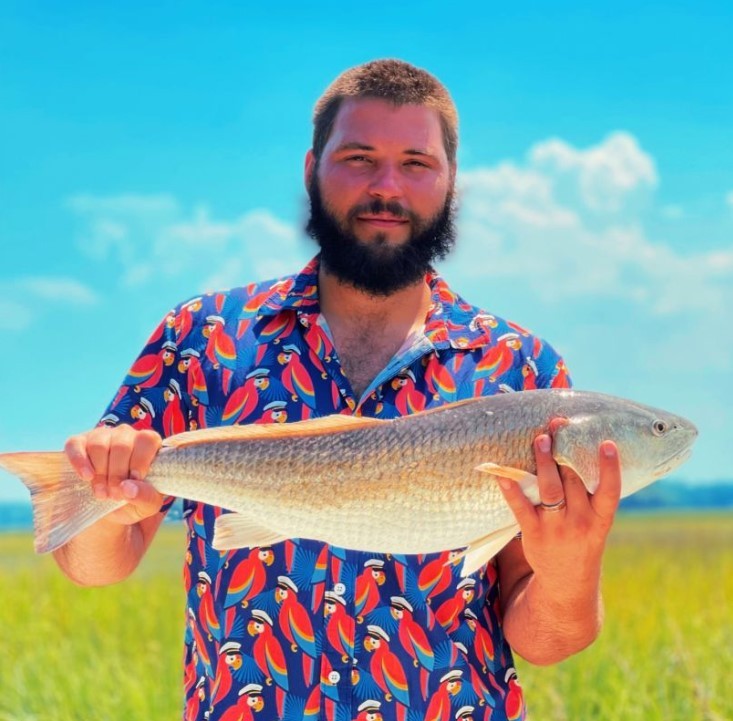
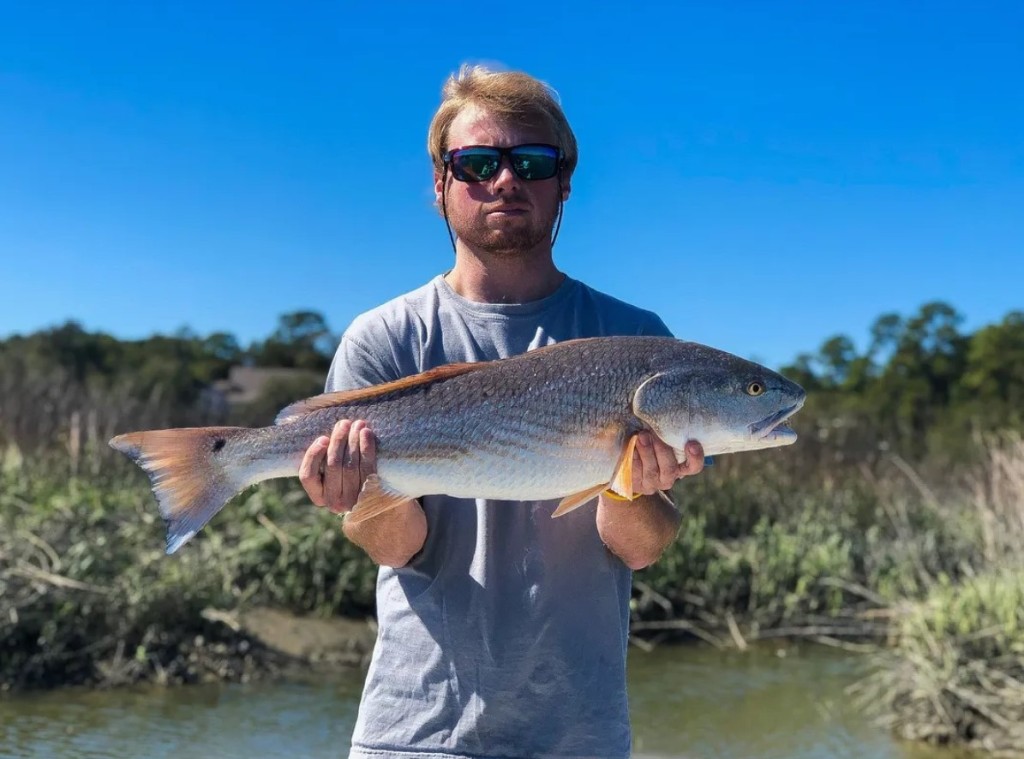
Redfish are the poster child of lowcountry fishing, and for good reason. These copper-colored bruisers are built for the shallow water game, cruising oyster bars and grass flats in search of crabs, shrimp, and small fish. They're year-round residents here, though they get more aggressive during cooler months. What makes reds so special is their attitude - they eat with authority and fight like they mean it. Whether you're sight casting to a tailing red in two feet of water or working a school around structure, these fish will give you everything they've got. The slot-sized reds (14-23 inches) are perfect for dinner, while the bigger bulls provide pure adrenaline and great photo opportunities before going back to fight another day.
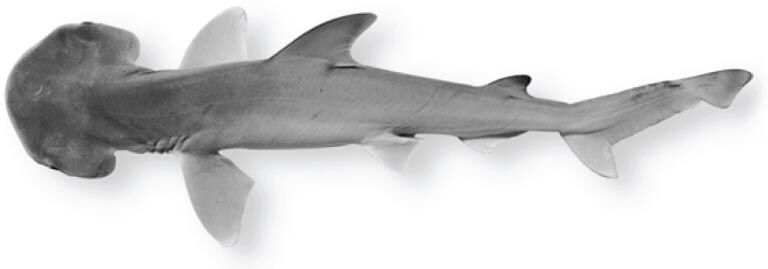
Bonnethead sharks might be the most underrated fighters in these waters. These smaller members of the hammerhead family cruise the flats and shallow waters, actively hunting for crabs and small fish. They're most active during warmer months and can be absolutely relentless when they're feeding. What surprises most anglers is how hard these fish fight for their size - they'll make blistering runs and jump like tarpon when hooked. Bonnetheads typically run 2-4 feet long, perfect size for light tackle action. They're also incredibly curious, often following hooked fish right up to the boat, giving everyone a great look at their distinctive shovel-shaped heads.
Blacktip sharks bring the excitement level up a notch with their aerial displays and lightning-fast runs. These sharks patrol the surf, inlets, and deeper creek mouths, especially during summer months when baitfish are thick. They're opportunistic feeders and will hit everything from live bait to artificial lures. What gets anglers' hearts pumping is the blacktip's tendency to absolutely explode out of the water when
 Private Trip
 Inshore Fishing
 Hilton Head Island



 Six-hour morning inshore fishing trip targeting five species