Bay Bliss: 4-Hour Morning Inshore Adventure
Picture this: you're out on Panama City Beach's pristine back bays at first light, coffee still steaming in your thermos, watching the sun paint the water gold while you wait for that first rod to bend. That's exactly what you'll get on this 4-hour morning inshore charter with Reel Rosie Charters. We're talking about some of the Gulf Coast's most productive fishing grounds, where the shallow flats and grass beds hold everything from trophy redfish to screaming king mackerel. With just 4 anglers max, you're not fighting for rod time or elbow room – this is quality fishing at its finest.
What to Expect on the Water
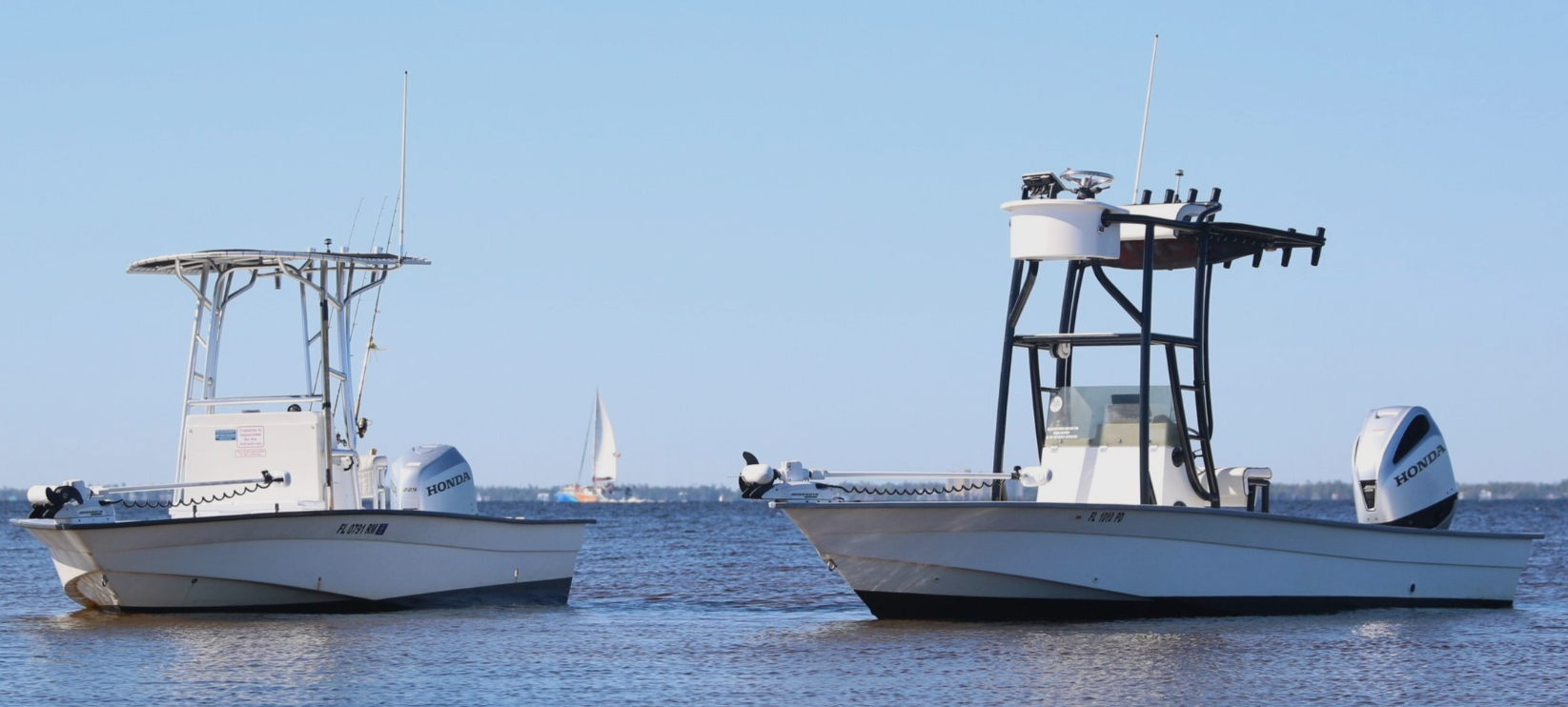
Your morning starts early, but trust me, it's worth every minute of lost sleep. We'll meet at the dock while it's still dark, load up the gear, and head out to the prime spots before the weekend warriors even think about rolling out of bed. The beauty of morning inshore fishing here is that the fish are active, the water's calm, and you've got the whole bay practically to yourself. We're running a well-equipped inshore boat that can get into those skinny water honey holes where the big reds cruise, but still handle the deeper channels where cobia and kings patrol. The vibe is relaxed but focused – we're here to put fish in the boat, not just take a boat ride. Captain and crew know these waters like the back of their hand, from the oyster bars that hold snapper to the current breaks where little tunny stack up.
Techniques & Tackle
We fish smart, not just hard. Depending on what's biting and where we find them, we'll switch between live bait fishing, artificial lures, and even some light tackle work that'll make your arms burn in the best way possible. For redfish, we're talking about sight fishing the flats with spoons and soft plastics – watching a red's back break the surface as it crushes your bait is pure adrenaline. King mackerel calls for trolling with live bait or pulling spoons behind planers, keeping those baits in the strike zone where these speed demons hunt. Cobia fishing is all about patience and presentation – these fish are curious but smart, so we'll use live crabs, eels, or jigs worked just right. All gear is provided, from medium-heavy spinning rods to conventional tackle, plus we've got the live bait well stocked and plenty of backup artificials. The boat's rigged with quality fish finders and GPS, so we're not just hoping to stumble onto fish – we're hunting them strategically.
Species You'll Want to Hook
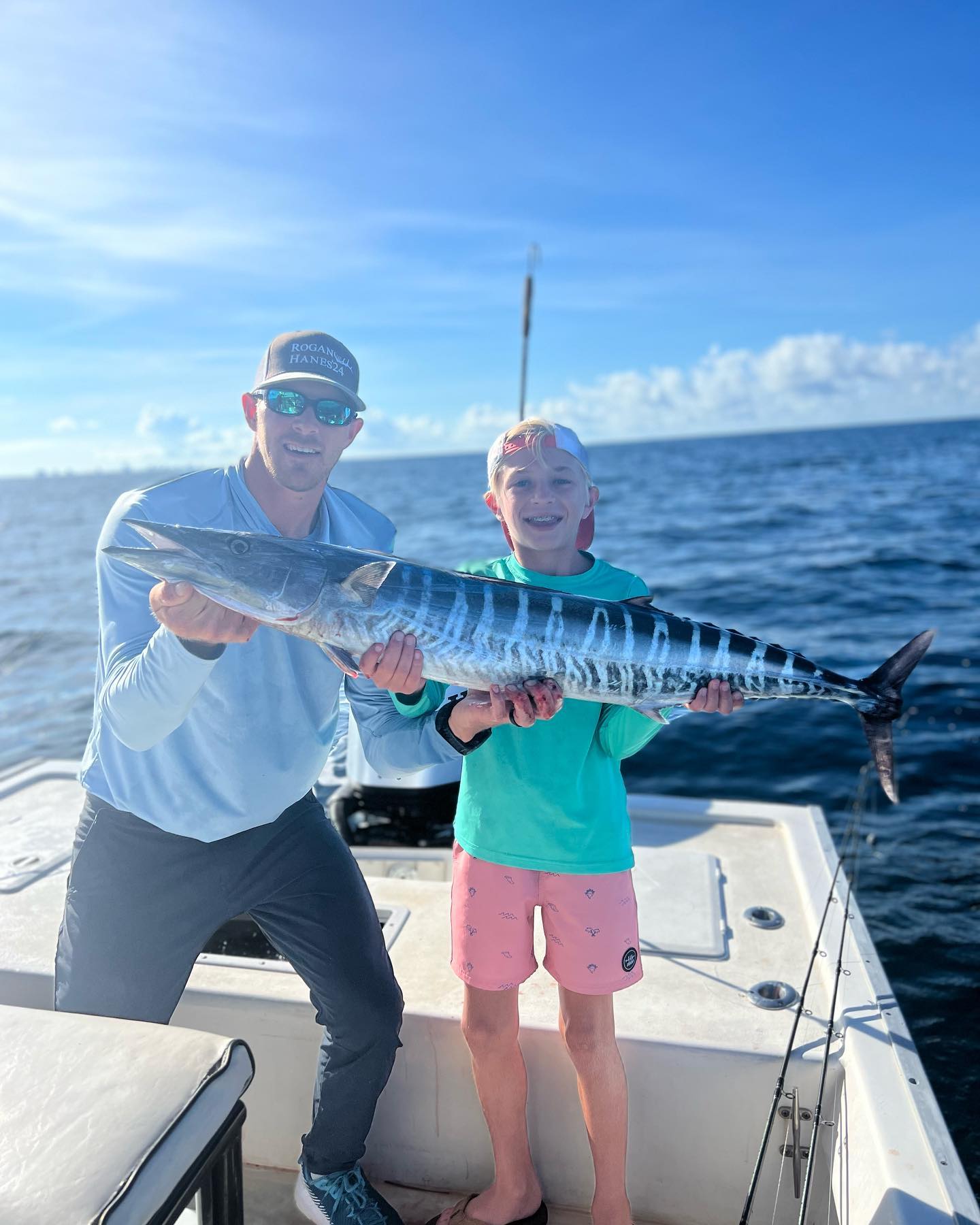
King Mackerel are the speed demons of the inshore scene, and Panama City Beach's nearshore waters are famous for holding some real smokers. These fish typically run 15-30 pounds, but don't let that fool you – they're built like torpedoes and fight twice their weight. Spring through fall is prime time, with the bigger fish showing up when the water temps hit that sweet spot in the 70s. What makes kings so addictive is that initial run – when one hits your bait, it's like someone tied your line to a motorcycle. The way they strip drag and make those blistering runs toward deep water gets your heart pumping every single time.
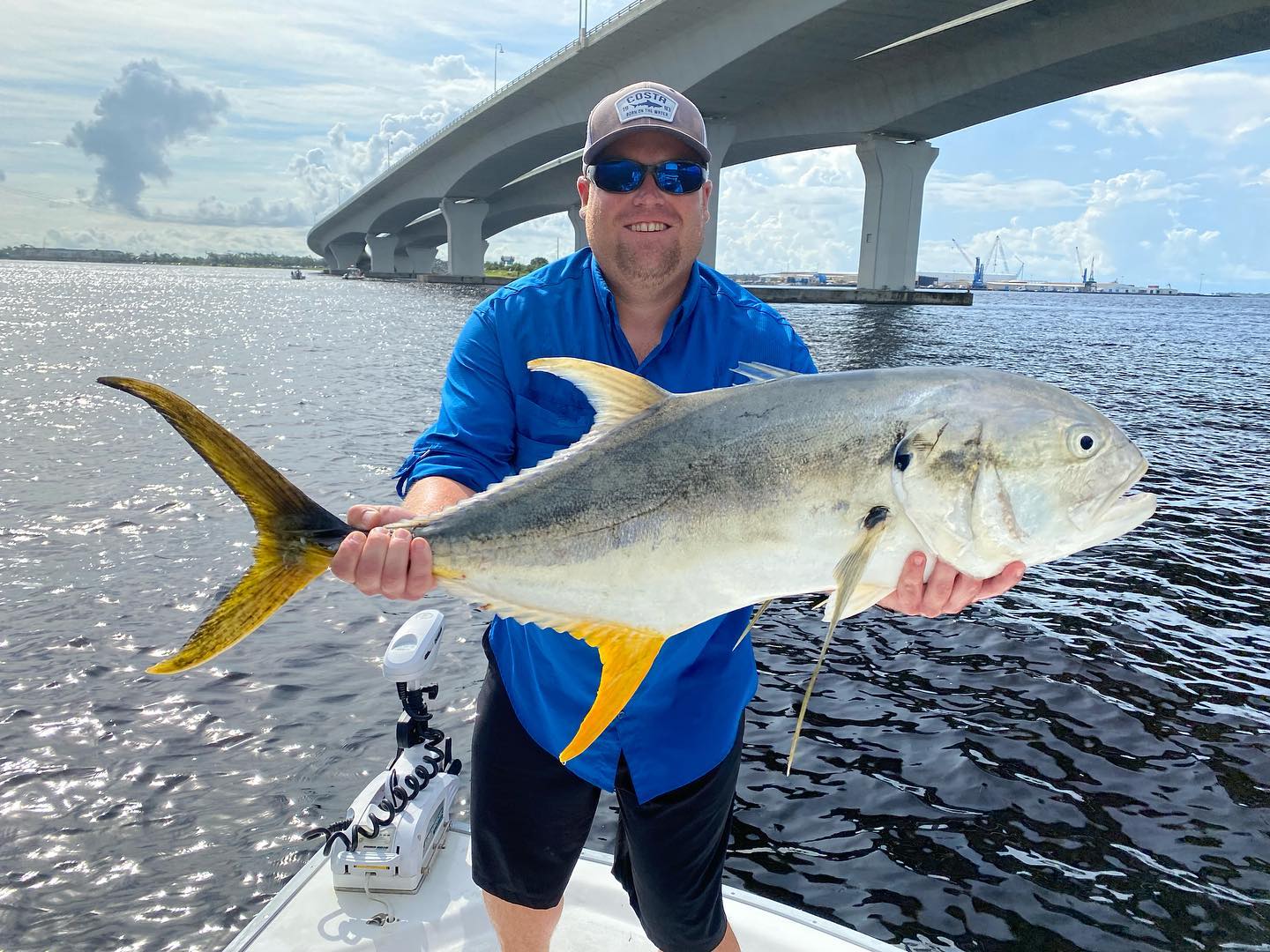
Redfish are the inshore slam grand prize, and these copper-colored bruisers are what dreams are made of. We're targeting fish in the 20-30 inch range, with some true bulls pushing 40+ inches when conditions are right. Reds are year-round residents, but summer and early fall fishing is phenomenal when they school up in the shallows. These fish are smart, strong, and stubborn – they'll use every oyster bar and grass bed to try to break you off. The best part about redfish is watching them hunt in the shallows, tails up, completely focused on feeding. When you hook one in two feet of water, it's a knockdown drag-out fight with nowhere to hide.
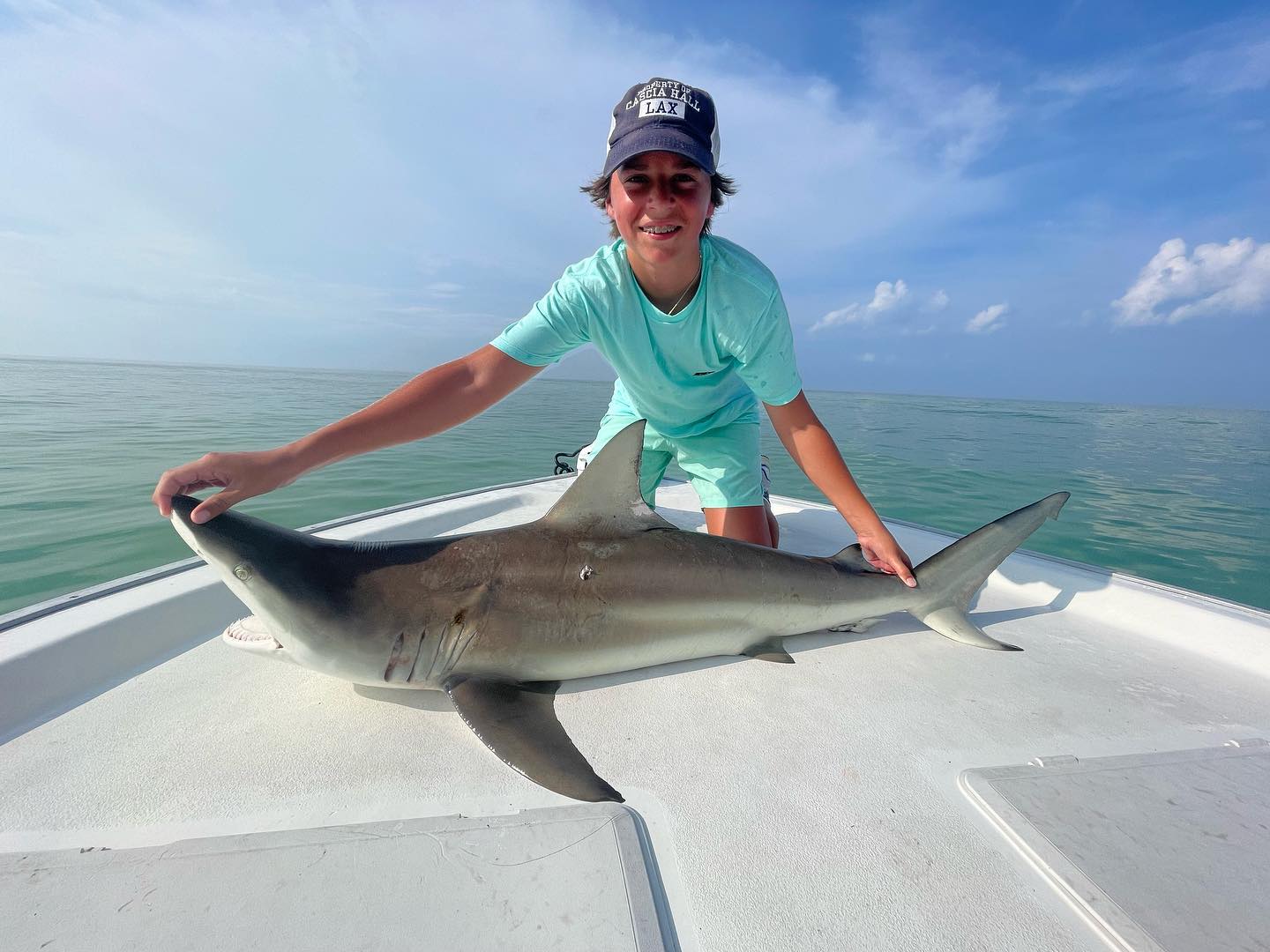
Cobia are the mystery fish of the inshore world – they show up when they want to, where they want to, and they'll test every bit of your fishing skill. These brown sharks of the inshore scene average 20-40 pounds and fight like fish twice their size. Peak season runs April through September, with the bigger fish cruising the channel edges and structure. Cobia are notorious for following your hooked fish to the boat, then deciding whether they want to eat or just mess with your head. They're curious fish that'll come right up to the boat, look you in the eye, then either crush your bait or swim away like nothing happened.
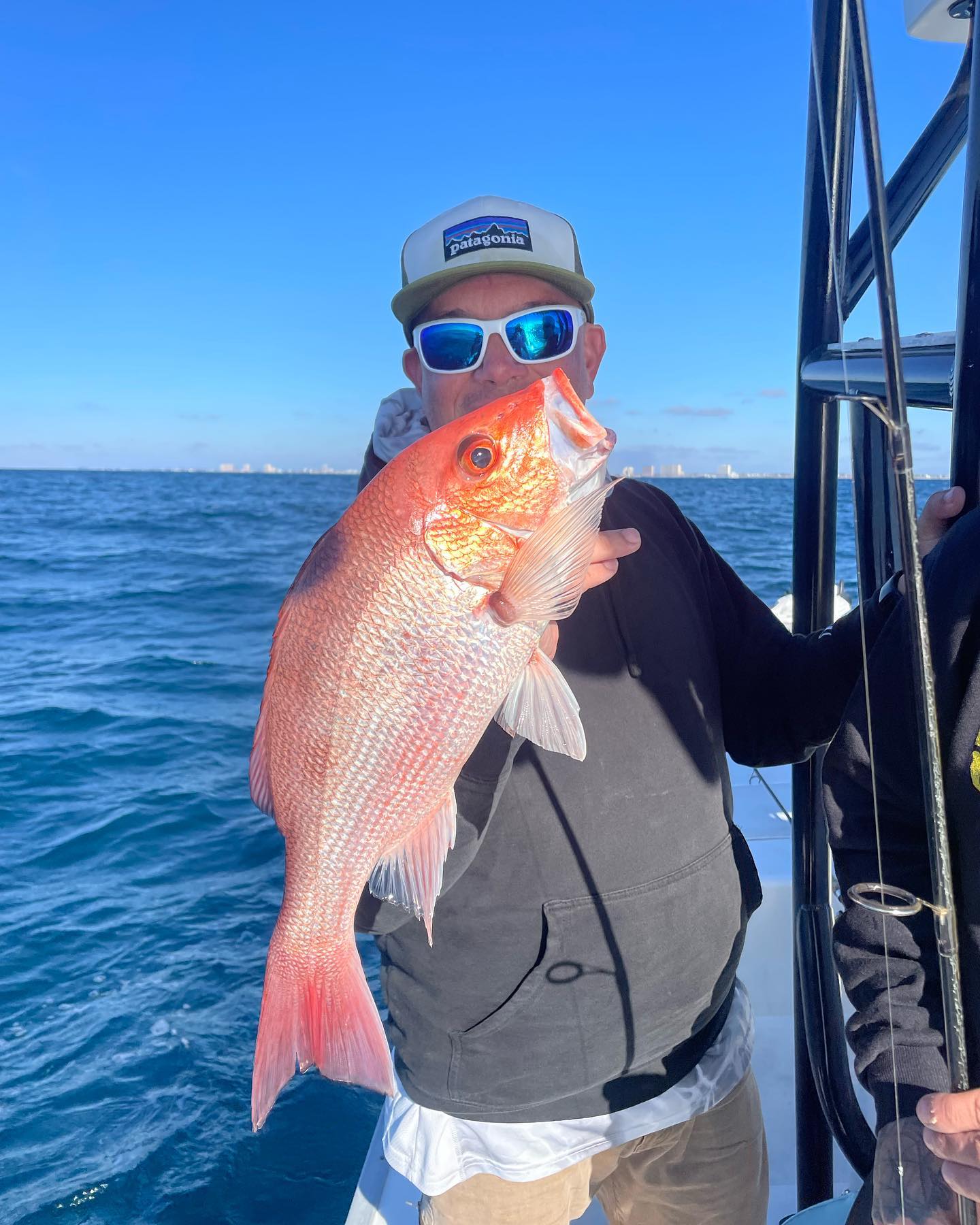
Red Snapper are the bread and butter of bottom fishing, and when the season's open, these ruby-red fighters are absolutely worth targeting. Most fish run 15-25 inches, but the occasional doormat snapper will remind you why they're such prized table fare. Snapper fishing is all about structure – wrecks, rocks, and hard bottom where these fish set up house. They're not the strongest fighters, but they're smart and will use every bit of structure to try to cut your line. The satisfaction of dropping a snapper rig to the bottom and feeling that distinctive tap-tap-pull is what keeps bottom fishermen coming back.
Little Tunny might be the smallest tuna species, but pound for pound, they're absolute warriors. These 10-15 pound torpedoes are built for speed and endurance, making runs that'll smoke your drag and test your patience. They school up around bait pods and current breaks, especially during the warmer months when the baitfish are thick. What makes little tunny so fun is their sheer athleticism – they jump, dive, and run circles around the boat. They're also fantastic table fare when handled properly, with that rich, red meat that tuna lovers crave.
Time to Book Your Spot
This isn
 Private Trip
 Inshore Fishing
 Panama City


 Four-hour morning inshore bay fishing trip targeting multiple species