West Canada Float: Premium Brown Trout Fishing
The West Canada Creek offers some of the most productive brown trout fishing in New York State, and there's no better way to experience it than from the deck of our drift boat. This isn't your typical wade-and-cast trip – we're talking about a full-day float where you'll cover miles of prime water that most anglers never see. From April through late fall, when conditions line up just right, we launch into waters that consistently produce quality browns. With just two anglers max per trip, you'll get the personalized attention and prime casting positions that make all the difference between a good day and an epic one.
What to Expect on the Water
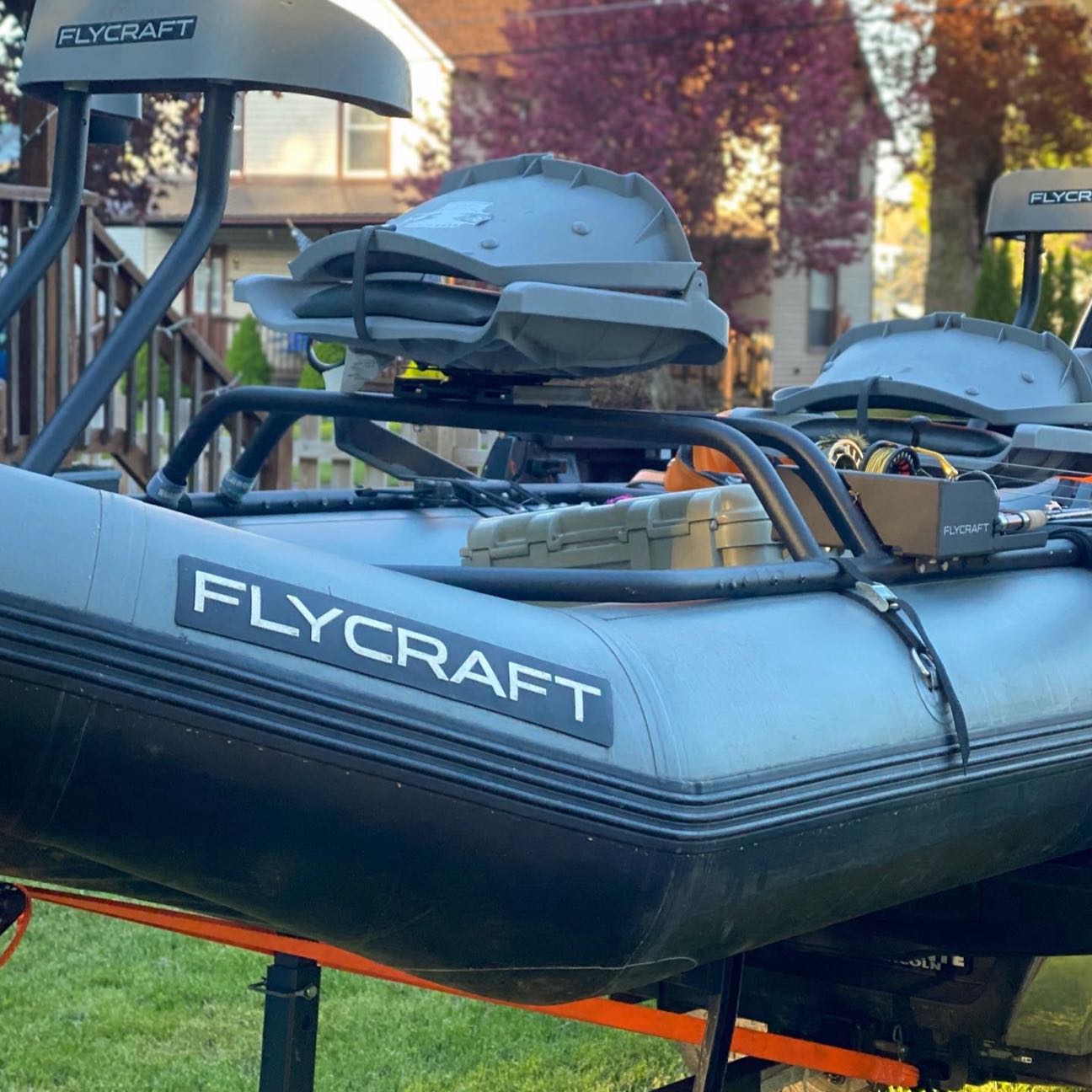
Your West Canada float runs 6-8 hours, but here's the thing about river time – it's flexible. Some days we're chasing morning hatches, other trips we're extending into evening when the big browns start prowling. Weather and water flow dictate everything on this creek, which means we launch when conditions are prime, not just when the calendar says so. The beauty of floating this stretch is accessing water that hiking anglers can't reach. We'll drift through deep pools where browns stack up, work along undercut banks where the smart fish hide, and time our approach to hit the best water when it's most productive. My raft handles two anglers comfortably, giving each person plenty of room to work their line without tangling with your fishing partner. Lunch is included because nothing beats streamside dining after a morning of solid fishing.
Drift Fishing Techniques
Floating the West Canada requires different tactics than still-water fishing or even wade fishing. We'll be working streamers through deeper runs, dead-drifting nymphs along structure, and when conditions are right, throwing dry flies to rising fish. The key advantage of drift boat fishing is boat positioning – I can hold us in the perfect spot for your cast, back-row for a second drift, or quickly move to the next productive water. You'll learn how to read water from a boat perspective, understanding how current seams, depth changes, and structure create feeding lanes. We'll cover techniques like high-sticking nymphs in pocket water, swinging soft hackles through tail-outs, and placing streamers tight against cut banks where browns ambush baitfish. The gear setup varies by season – early spring means deeper presentations, summer calls for terrestrial patterns, and fall fishing focuses on pre-spawn browns that are feeding aggressively.
Species You'll Want to Hook
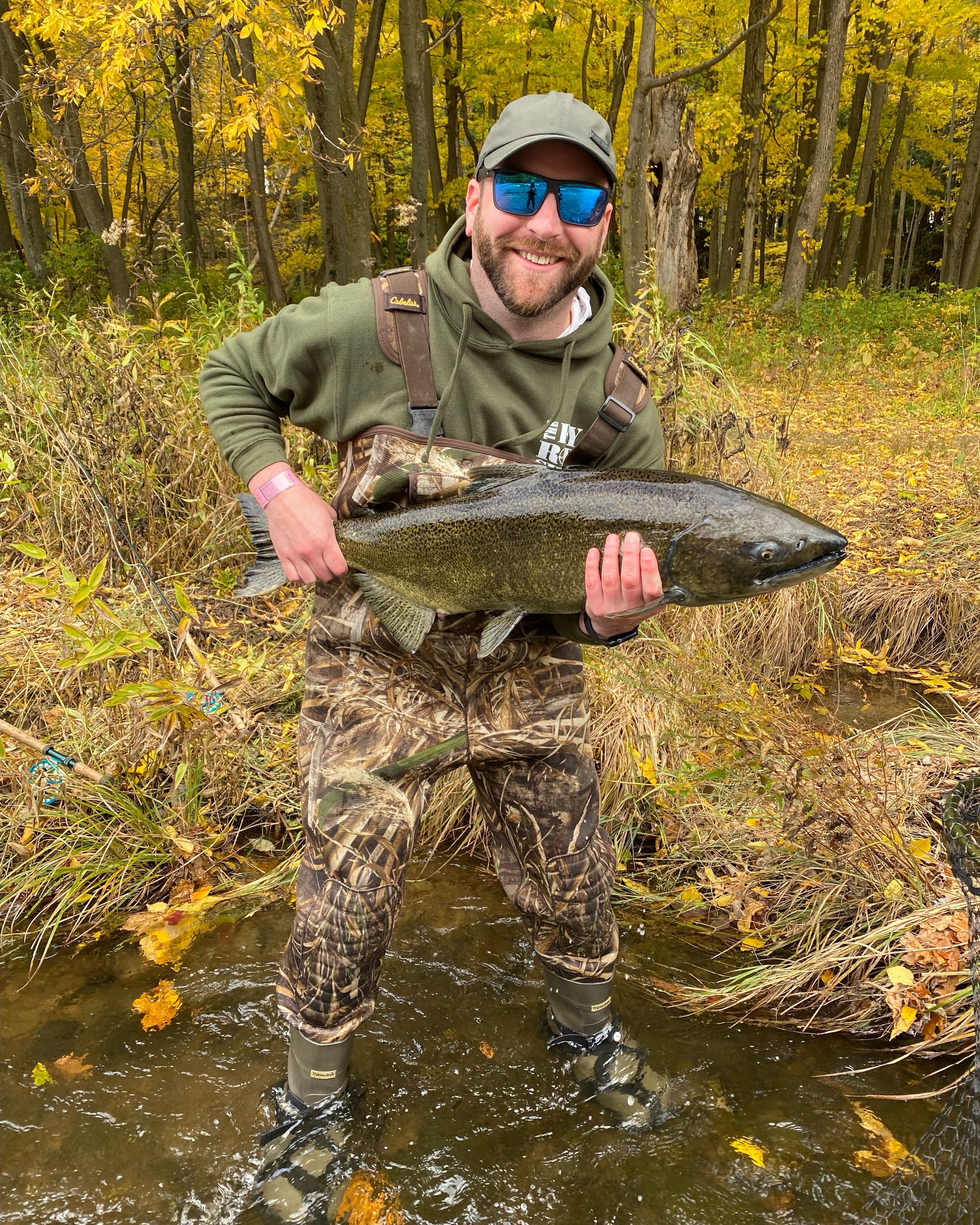
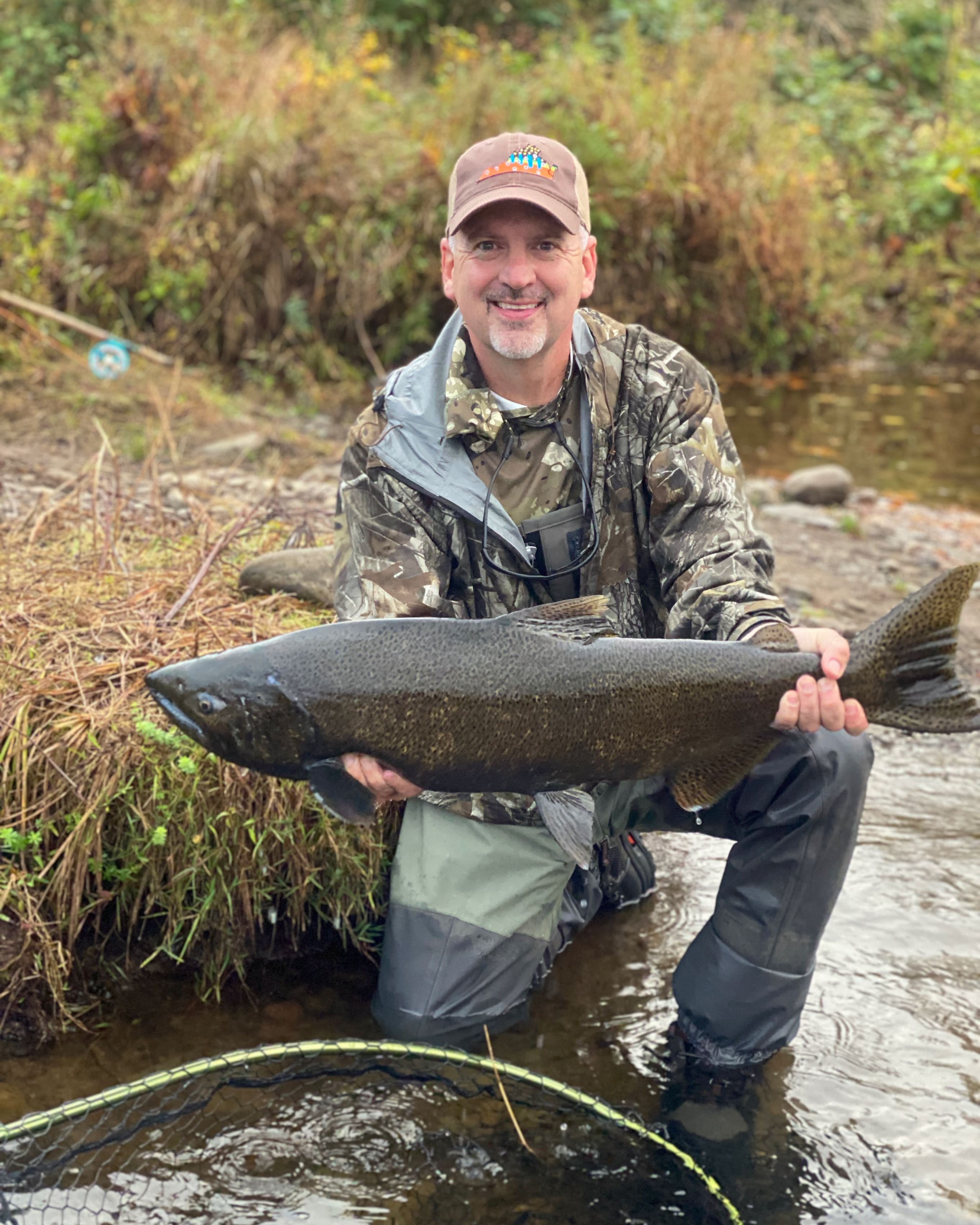
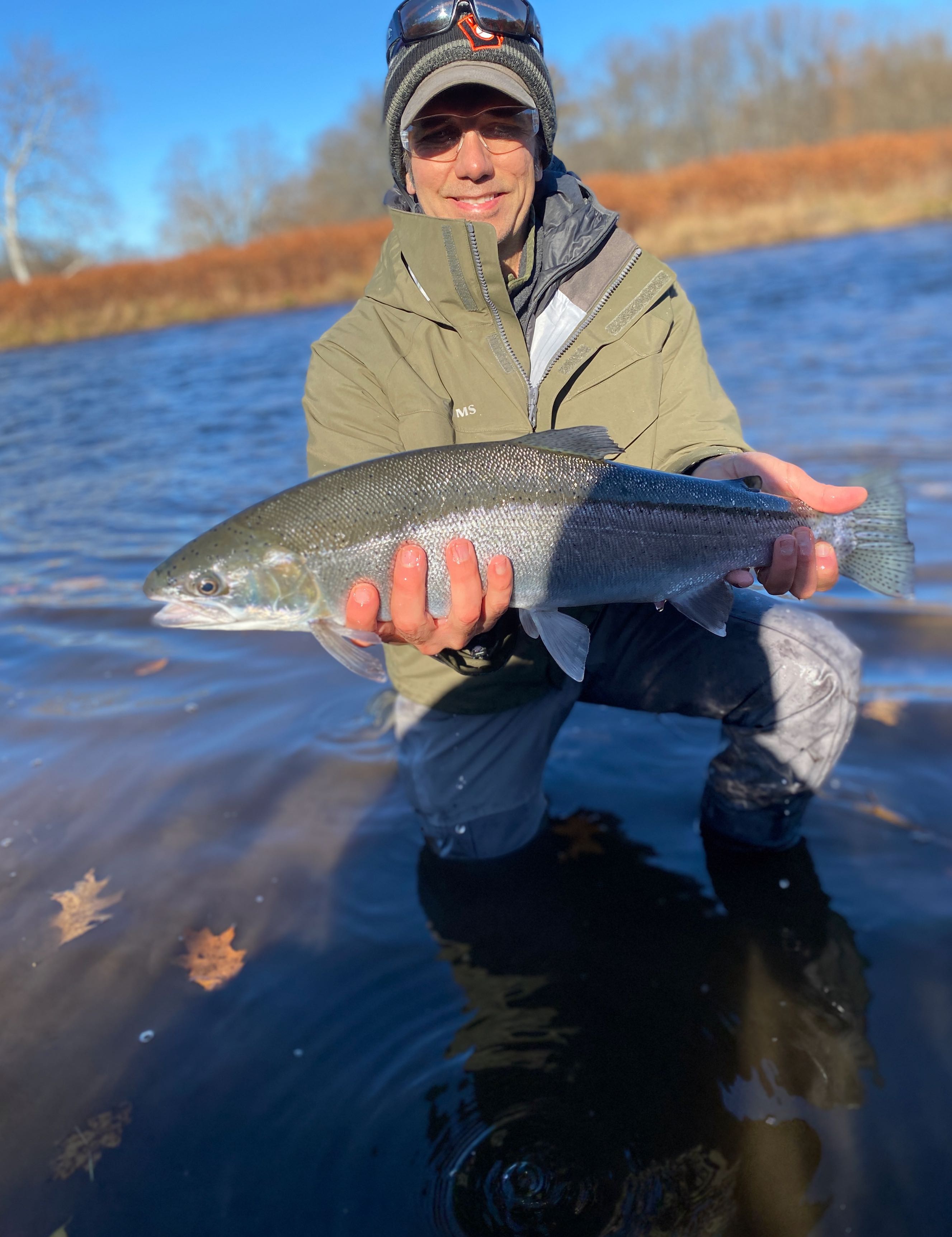
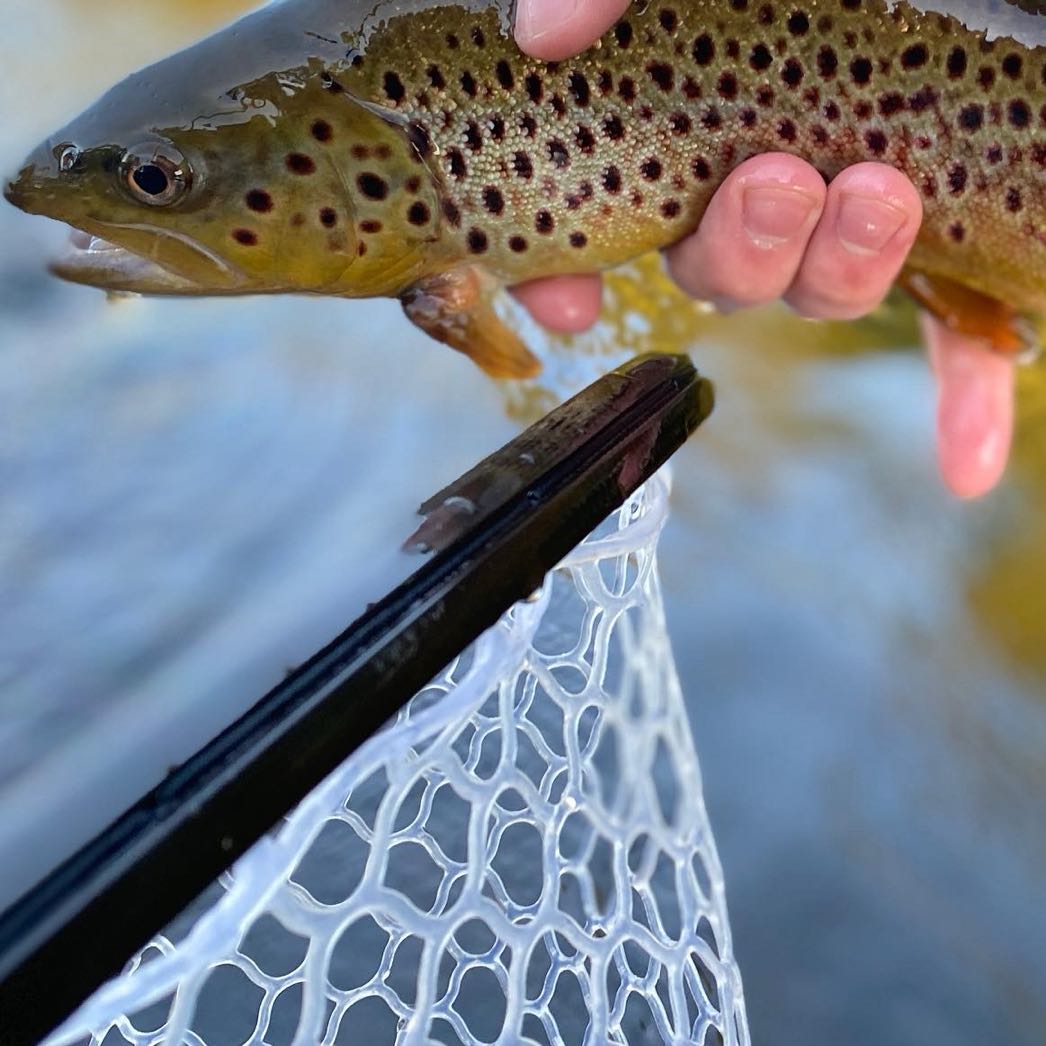
Brown trout are the stars of the West Canada Creek, and these aren't your typical stocked fish. The browns here are stream-bred, wild fish that fight with the kind of intensity that keeps anglers coming back season after season. These fish average 12-16 inches, with plenty of 18+ inch specimens mixed in, and the occasional trophy that'll test your drag system. Browns in this system are incredibly opportunistic feeders – they'll crush a well-presented streamer, sip mayflies during a hatch, or slam terrestrials that drift too close to their lie. Spring fishing targets browns that are post-spawn and feeding heavily to regain condition. Summer brings consistent dry fly action during evening hatches, while fall fishing is legendary when browns are bulking up for winter. What makes West Canada browns special is their wariness – they've seen plenty of flies, so presentation matters. When you hook one, expect aerial displays, powerful runs, and the kind of fight that reminds you why brown trout have such a devoted following among serious anglers.
Time to Book Your Spot
The West Canada float is a customer favorite for good reason – it combines productive fishing with the relaxed pace that only comes from drifting a quality trout stream. Whether you're looking to improve your technique, explore new water, or just spend a day doing what you love most, this trip delivers. The season runs from April through late fall, but the best dates fill up fast, especially during peak hatches and fall feeding periods. If you're thinking about extending your day to chase evening rises, just let me know – that extra time on the water often produces the biggest fish of the trip. Ready to experience what makes the West Canada Creek a top-rated brown trout destination? Let's get your float trip on the calendar and put you on some seriously good water.
 Private Trip
 River Fishing
 Oswego County
 Full-day guided float fishing on West Canada Creek