Islamorada Swordfish Trip with Renegade Fishing
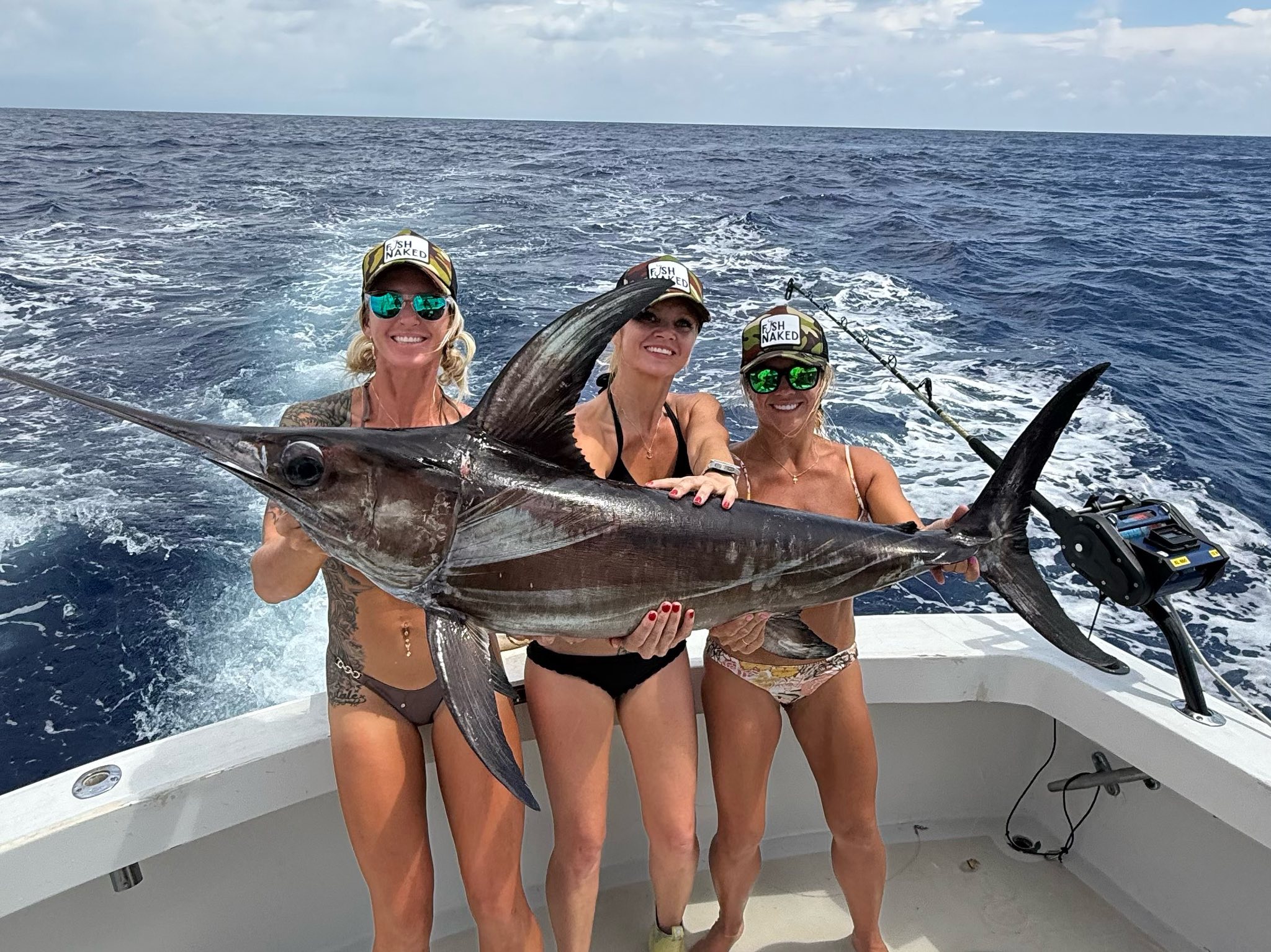
If you're serious about targeting swordfish in some of Florida's most productive waters, this 10-hour deep-drop adventure with Captain Cole is exactly what you've been looking for. We're talking about a full day on Islamorada's offshore grounds, where the Gulf Stream pushes nutrient-rich water over the continental shelf and creates perfect conditions for broadbill hunting. This isn't a rush job – you'll have plenty of time to work the drop zones, learn the techniques, and give these legendary fish the respect they deserve. With all gear, licenses, water, and ice included, you can focus on what matters most: getting your line down to where the swords are holding and waiting for that telltale thump on the rod tip.
What to Expect on the Water
Captain Cole knows these waters like the back of his hand, and he's built this trip around giving you the best possible shot at connecting with swordfish in their natural habitat. You'll head out to depths ranging from 1,200 to 2,000 feet, where the bottom structure and current breaks create ideal ambush points for these apex predators. The 10-hour format gives you time to set up properly, make multiple drops, and adjust your approach based on what the fish are telling you. This is deep-drop fishing at its finest – we're using heavy tackle, precise GPS positioning, and techniques that have been refined over years of chasing these fish in South Florida waters. The boat accommodates up to 6 anglers, so whether you're bringing a group of friends or joining other serious fishermen, there's plenty of room to spread out and work the water effectively. Your captain provides all the specialized gear needed for this type of fishing, including the heavy rods, electric reels, and rigging that makes deep-dropping both effective and manageable.
Deep-Drop Techniques & Gear
Swordfish hunting requires a completely different approach than your typical offshore fishing trip. We're talking about dropping baits down 1,500+ feet using electric reels and heavy sinkers, then waiting for those subtle bites that can happen any time during the day. Captain Cole uses a combination of squid, mackerel, and other natural baits rigged on circle hooks with light sticks to attract swords in the deep water column. The technique involves precise boat positioning over known structure, careful bait presentation, and the patience to let your offering soak in the zone where these fish are actively feeding. You'll learn how to read the bottom machine, understand current direction, and recognize the difference between a swordfish bite and other deep-water species. The electric reels are essential here – hand-cranking from 1,800 feet isn't just exhausting, it's nearly impossible when you've got a big fish on the other end. This setup also allows you to fish multiple rods effectively, increasing your chances of getting bit during the prime feeding windows throughout the day.
Top Catches This Season
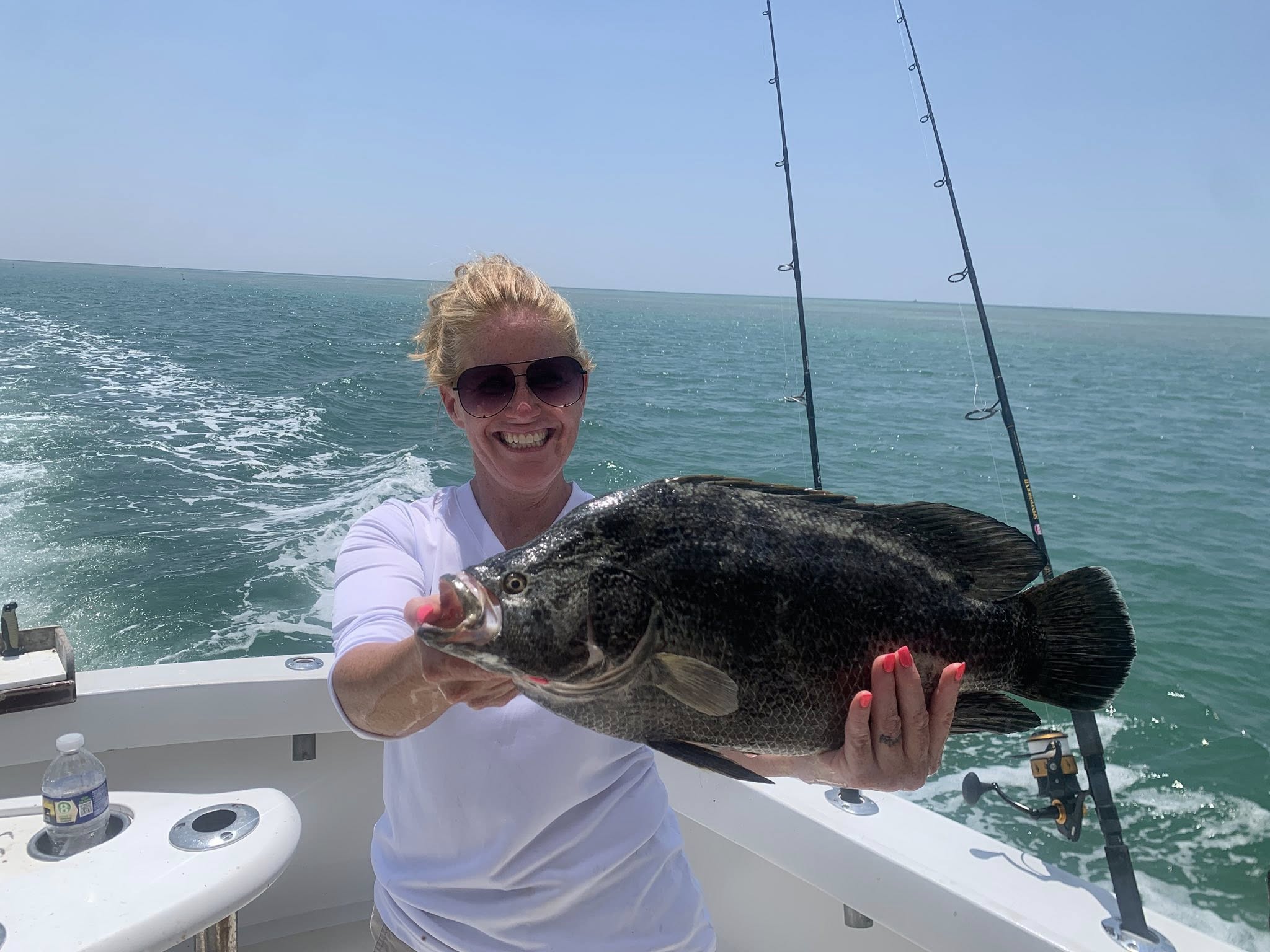
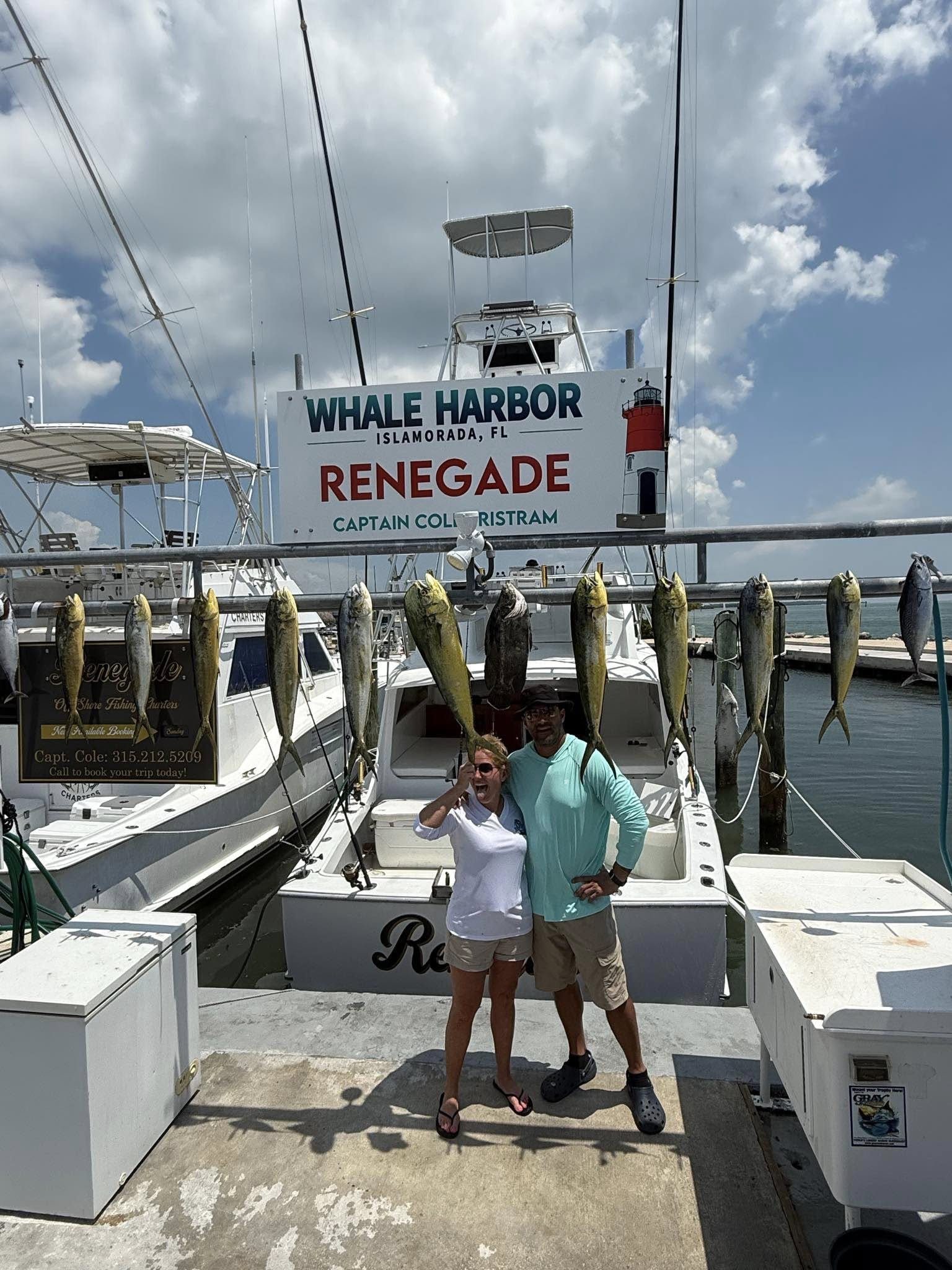
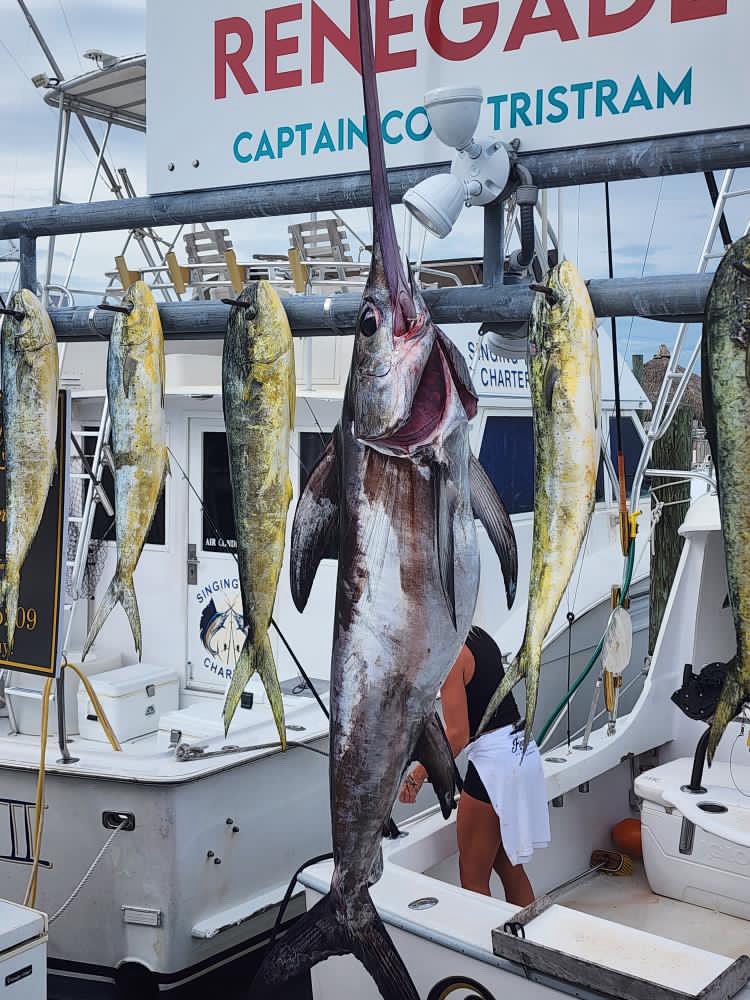
The swordfish bite off Islamorada has been consistently strong, with fish ranging from 40-pound "pups" all the way up to 200+ pound giants that will test both your endurance and your tackle. What makes this fishery special is the variety of species you'll encounter while targeting swords – the same depths that hold broadbills are also home to some serious mahi-mahi, wahoo, and blackfin tuna that move through these offshore grounds throughout the year. Many anglers are surprised by the size and fight of the mahi-mahi we're seeing out there, with bulls pushing 30+ pounds becoming more common as baitfish concentrate along the current edges. The wahoo fishing has been particularly hot during the cooler months, with fish in the 40-60 pound range showing up on both the drop baits and occasional trolling passes between sword spots. Even the blackfin tuna are running larger than average, providing serious action on lighter tackle when they move through in schools.
Species You'll Want to Hook
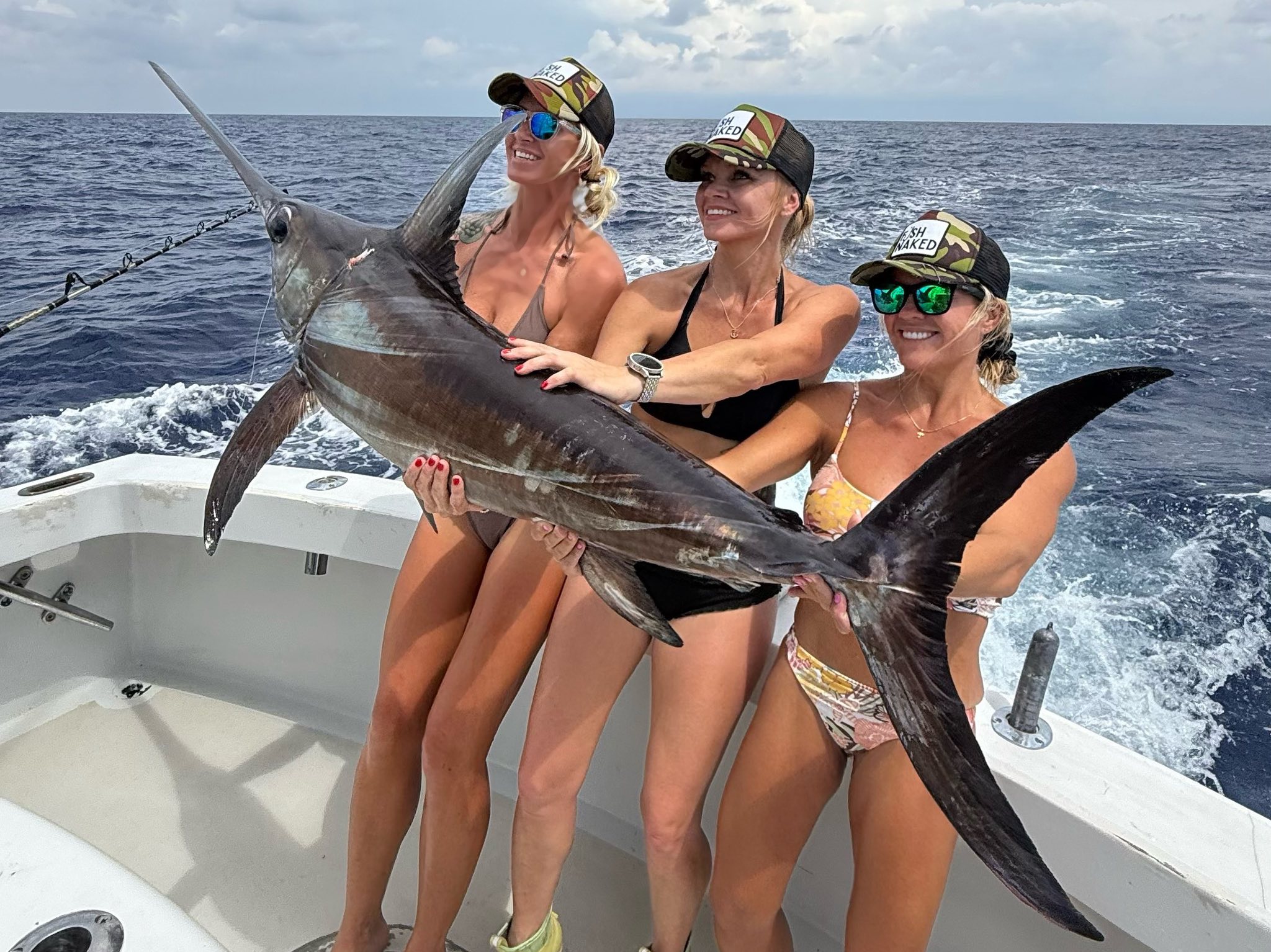
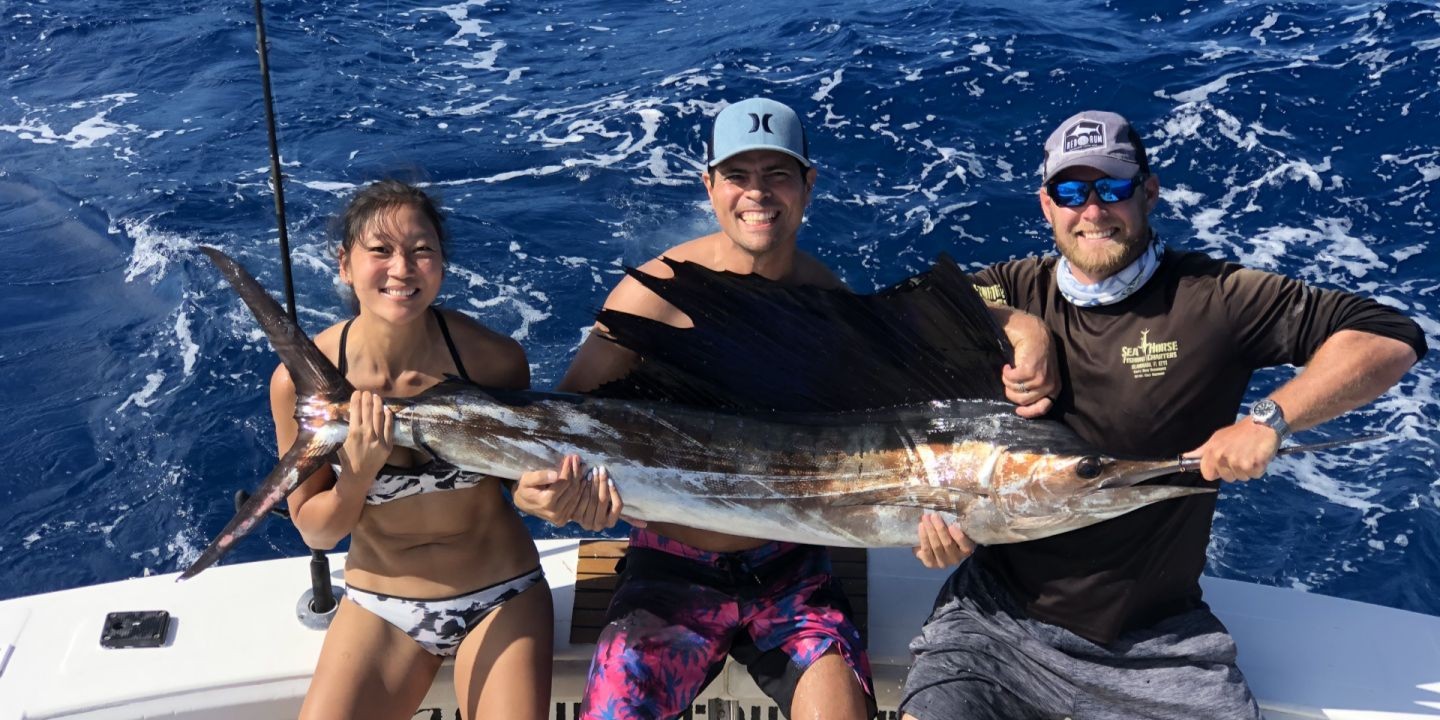
Swordfish are the undisputed kings of the deep drop, and for good reason. These prehistoric-looking predators can live over 60 years and reach weights exceeding 1,000 pounds, though most fish in our waters run between 50-300 pounds. What makes them so special is their unique physiology – they're one of the few fish that can regulate their body temperature, allowing them to hunt in the cold depths where most other species can't survive. The best bite typically happens during daylight hours when swords move up in the water column to feed, making this daytime deep-drop approach incredibly effective. Landing one is a bucket-list experience that combines technical fishing skills with pure determination.
Mahi-mahi are the wild cards of this trip, and they've been showing up in impressive numbers around the same structure that holds swords. These fish are pure aggression – they hit hard, jump high, and provide some of the most visual excitement you'll find in offshore fishing. Bulls can exceed 50 pounds in these waters, and they're known for their brilliant colors and acrobatic fights that'll have everyone on the boat grabbing cameras. They're most active during warmer months but can show up year-round when conditions align, especially around floating debris or current breaks near the sword grounds.
Wahoo are speed demons that patrol the edges of the continental shelf, making them perfect targets during transit to and from the sword spots. These fish can hit 60+ mph and are considered one of the fastest fish in the ocean. They typically range from 20-80 pounds in our area, with their razor-sharp teeth and blistering runs making them a favorite among experienced anglers. Peak season runs from November through March, when cooler water temperatures bring them closer to shore and concentrate them along the temperature breaks where we're fishing.
Blackfin tuna might be the smallest target species on this trip, but don't let their size fool you – these 10-30 pound dynamos fight way above their weight class. They're incredibly strong for their size, making long runs and providing
 Private Trip
 Offshore Fishing
 Islamorada


 10-hour deep-drop swordfish charter accommodates six guests