Half Day Salmon And Trout On Manistee River
The Manistee River is hands down one of Michigan's premier salmon and trout destinations, and this half-day guided trip puts you right in the sweet spot of the action. From September through the end of October, this stretch of river comes alive with migrating salmon and resident trout that'll test your skills and get your heart pumping. You'll spend six solid hours on the water with all the gear provided – rods, reels, tackle, and bait – so you can focus on what matters most: landing fish. Whether you're a seasoned angler looking to dial in your river technique or someone who's ready to graduate from lake fishing, this trip delivers the kind of authentic Michigan fishing experience that keeps people coming back year after year.
What to Expect on the Water
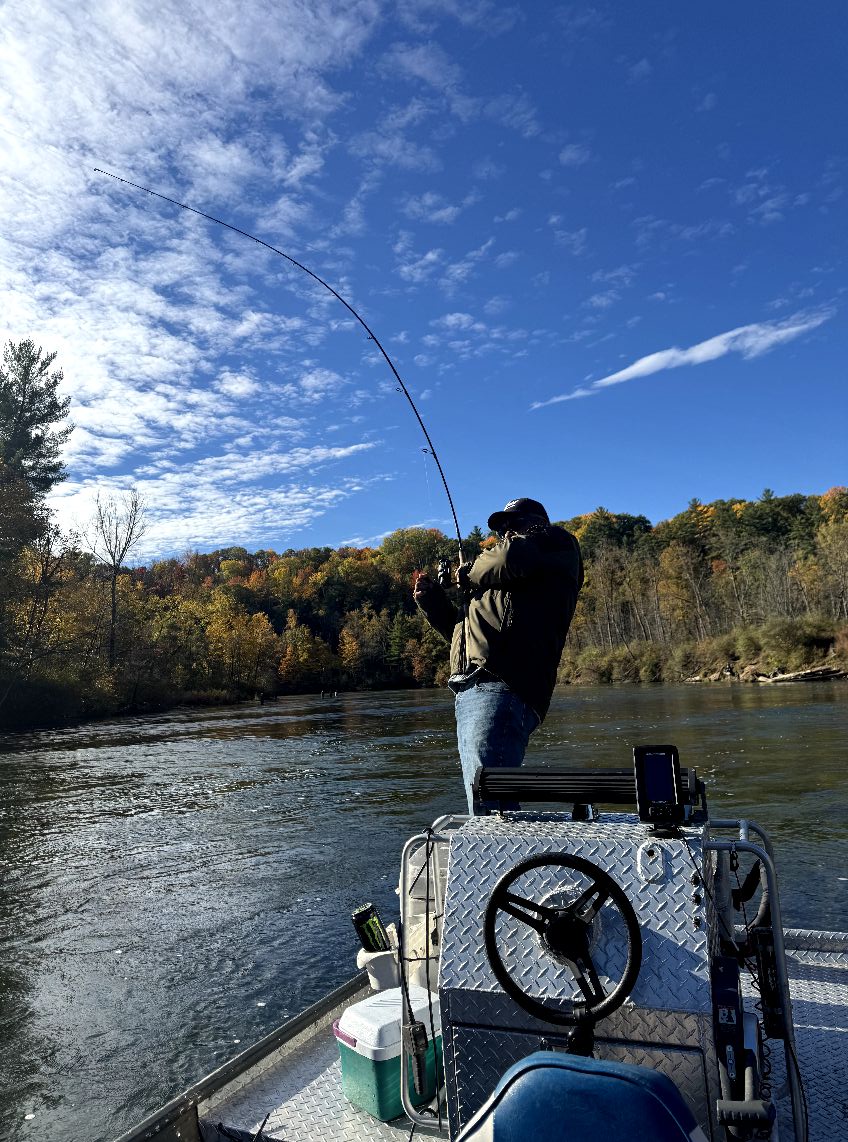
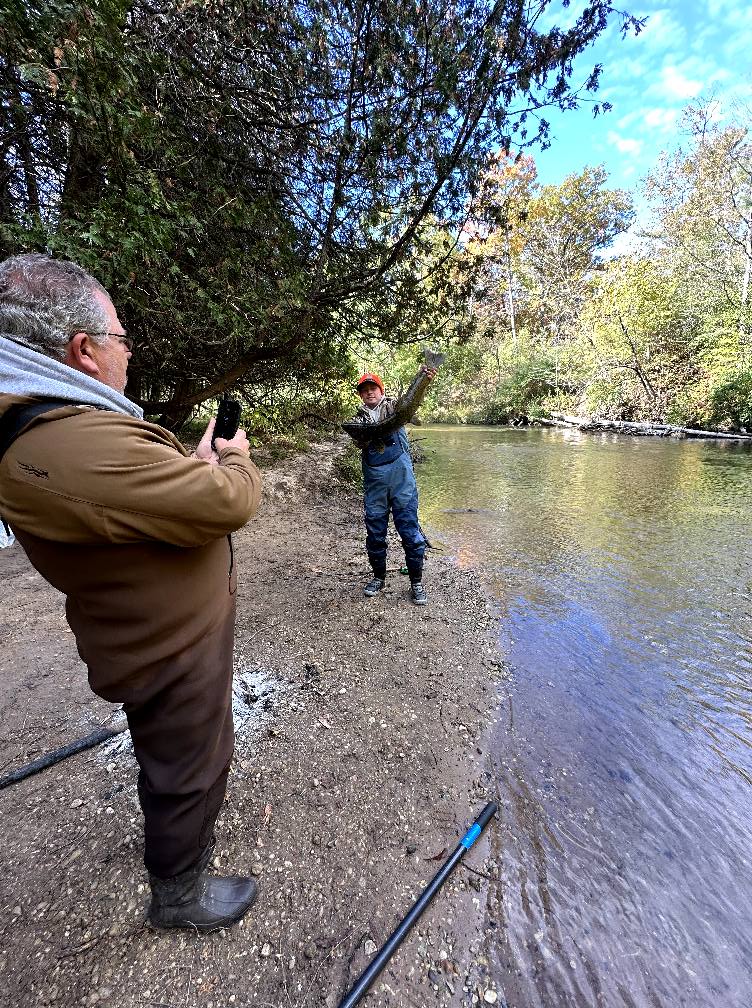
This isn't your typical cast-and-wait fishing trip. The Manistee River demands active fishing – you'll be moving, reading water, and adjusting your approach as conditions change throughout the day. Your guide knows every bend, hole, and riffle that holds fish, and they'll position you in spots that produce consistent action. The river runs clear and cold, perfect for salmon making their spawning runs and trout following behind to feed on loose eggs. You'll be wading in some sections and fishing from prime bank positions in others, depending on what the fish are telling us that day. The beauty of a six-hour trip is having enough time to hit multiple productive spots without feeling rushed. When the bite is hot, you stay put. When it slows down, you move to the next honey hole.
Drift Fishing & Egg Patterns
River fishing is all about presentation, and on the Manistee, drift fishing with natural baits and spawn patterns consistently outproduces other methods during salmon season. Your guide will set you up with the right weight to tick bottom, the proper leader length for current conditions, and fresh spawn or spawn bags tied to perfection. You'll learn how to read the water – identifying the deep slots where salmon stage, the tailouts where they rest, and the gravel beds where they spawn. Steelhead centerpin techniques work magic here too, especially for the trout that follow salmon runs. The key is controlling your drift speed and keeping that bait in the strike zone as long as possible. Most hits come as subtle ticks or just a slight hesitation in your line, so staying focused and connected to your bait is crucial.
Top Catches This Season
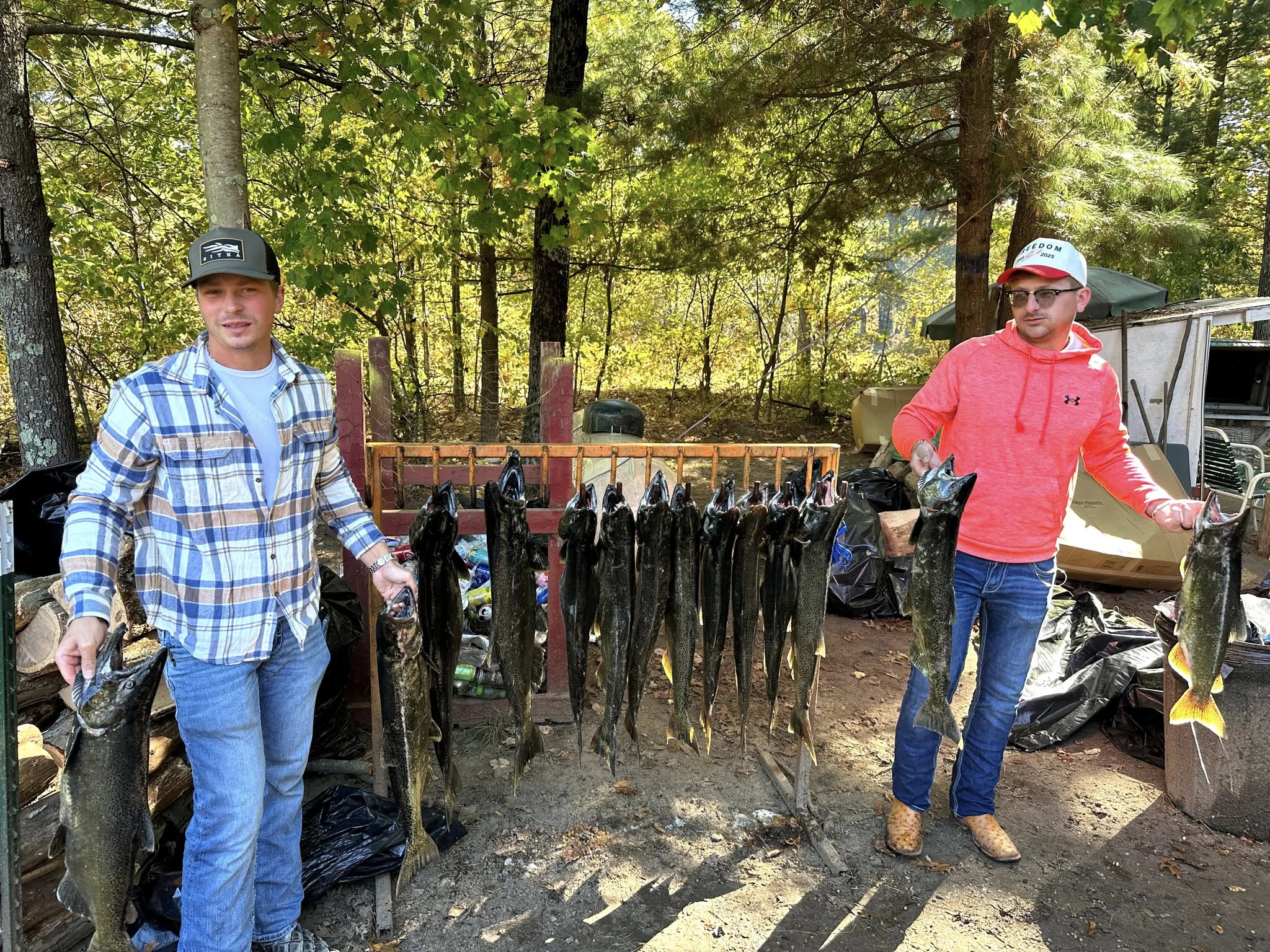
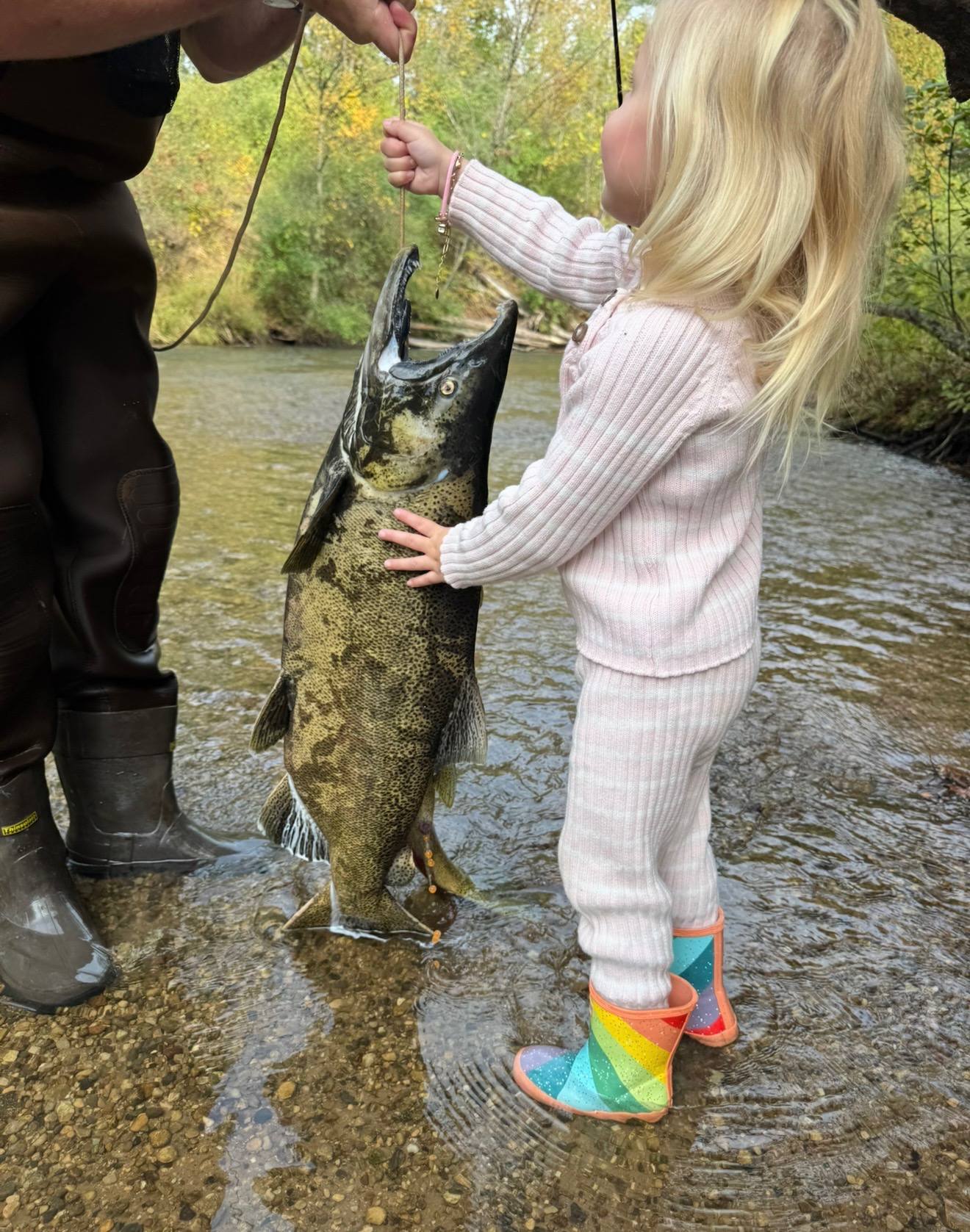
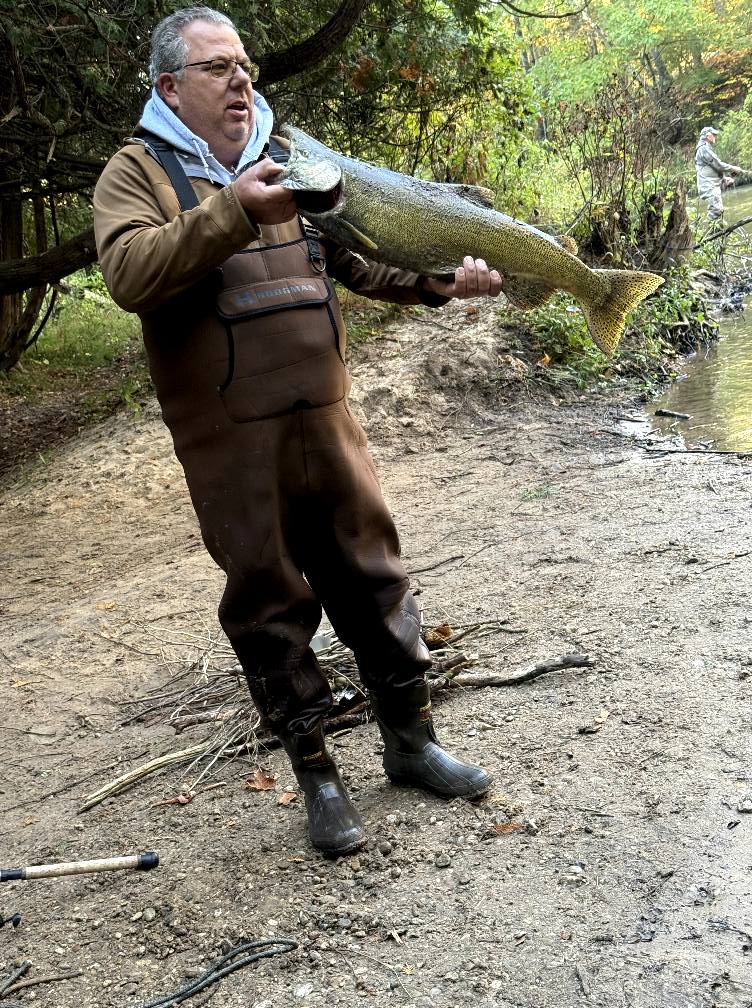
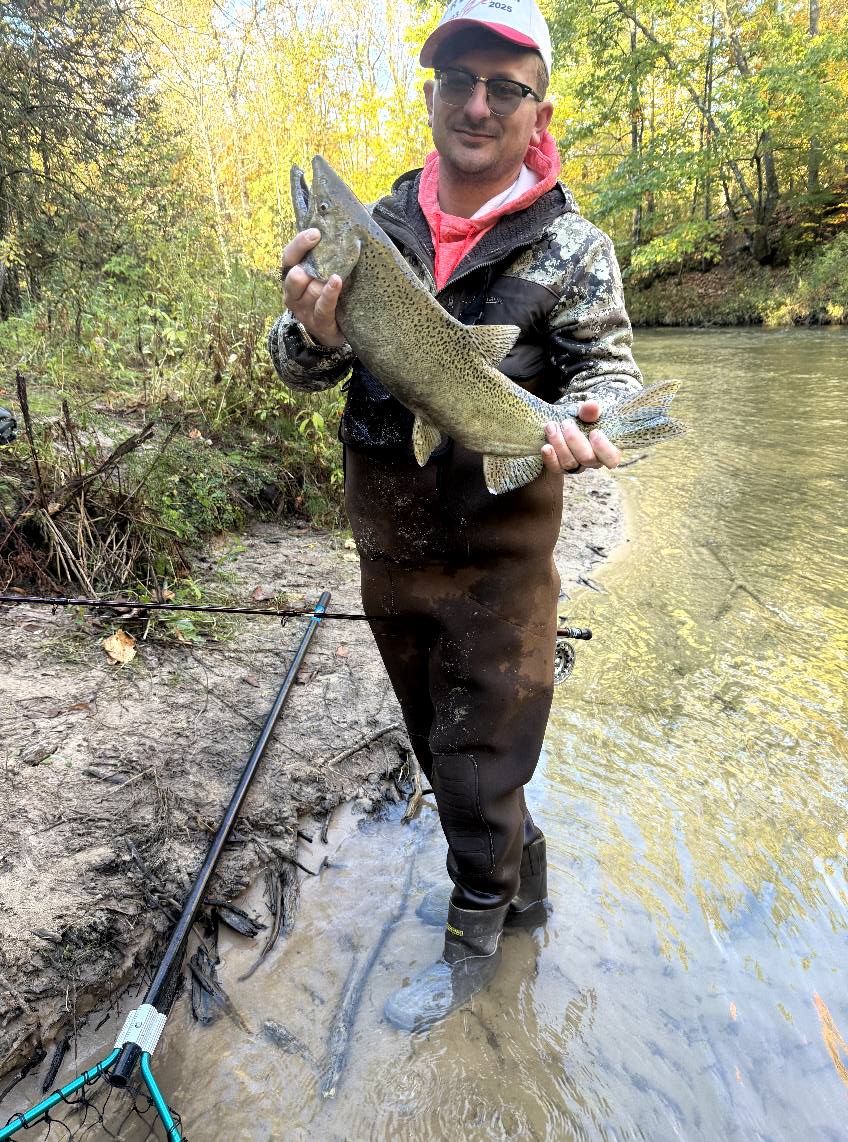
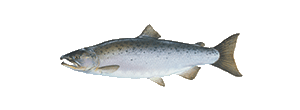
Coho Salmon are the stars of the show from mid-September through October, with fresh chrome fish pushing up from Lake Michigan in waves. These fish average 8 to 12 pounds but don't let that fool you – they're absolute rockets when hooked, known for their aerial displays and blistering runs that'll test your drag system. Coho are aggressive feeders during their migration, making them perfect targets for anglers who want consistent action. Chinook Salmon, the kings of the Great Lakes, also make appearances during peak season. These bruisers can push 20 pounds or more and provide the kind of arm-burning fights that create fishing stories for years. They're less numerous than coho but when you hook into a mature king in river current, you'll know it immediately. Steelhead Trout are year-round residents that get extra active when salmon are spawning, gorging themselves on loose eggs drifting downstream. These fish fight pound-for-pound harder than anything else in the river, with long runs and multiple jumps that keep you on your toes. Brown Trout round out the mix as opportunistic feeders that can surprise you with their size – the Manistee produces some genuine trophy browns that have been feeding on salmon fry and eggs all season long.
Species You'll Want to Hook
Coho Salmon reach their peak from late September into early October when fresh runs of bright, chrome fish enter the river system. These fish are in prime condition, having spent years feeding in Lake Michigan before returning to spawn. What makes coho special is their willingness to bite and their spectacular fighting style – expect multiple jumps and screaming runs that'll have you wondering how an 8-pound fish can pull so hard. The best fishing happens during overcast conditions or in low-light periods, though active fish will bite throughout the day when they're fresh from the big lake.
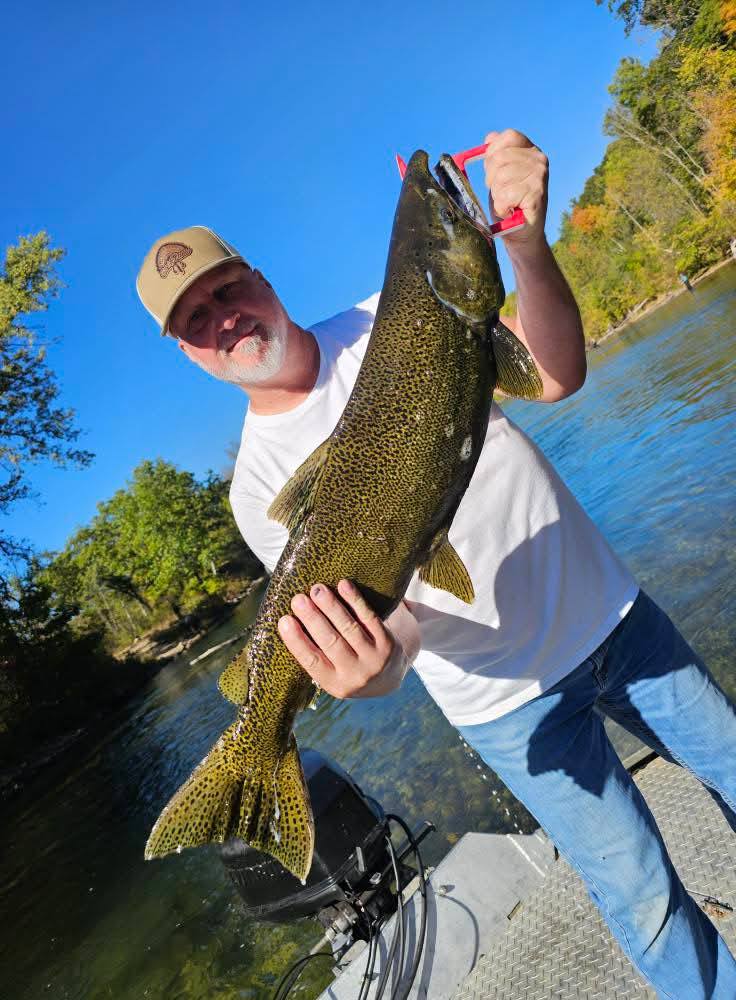
Chinook Salmon are the heavyweights that every angler dreams about. October brings the peak of the chinook run, when mature fish weighing 15 to 25 pounds push into the Manistee's deeper holes. These fish are pure power – they don't jump much but they'll take you into your backing faster than you can blink. King salmon fishing requires patience since they're less aggressive than coho, but when you connect with a fresh chinook in river current, it's a battle you won't forget. The key is fishing the deepest, slowest water where these giants stage before moving to spawning areas.
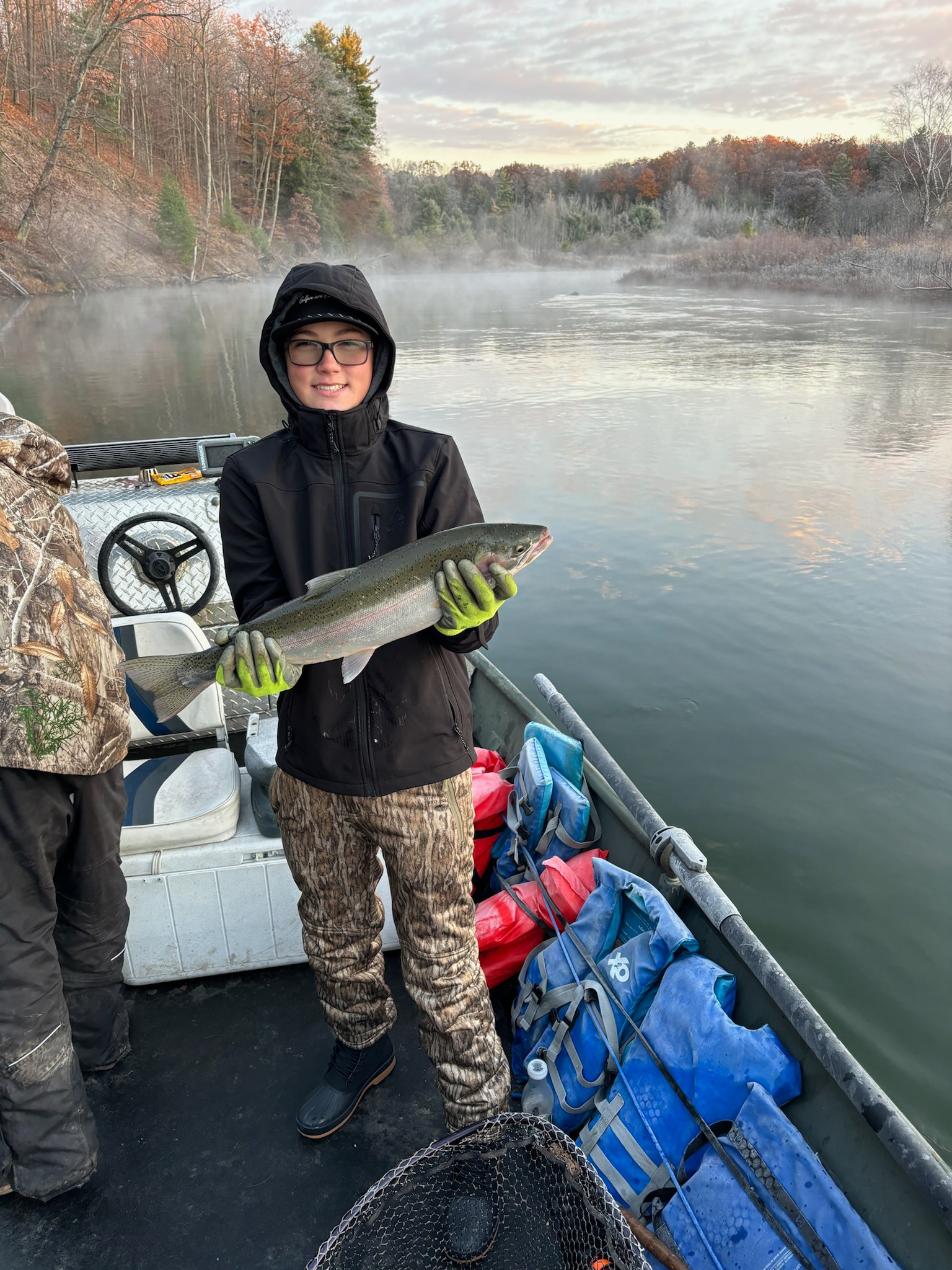
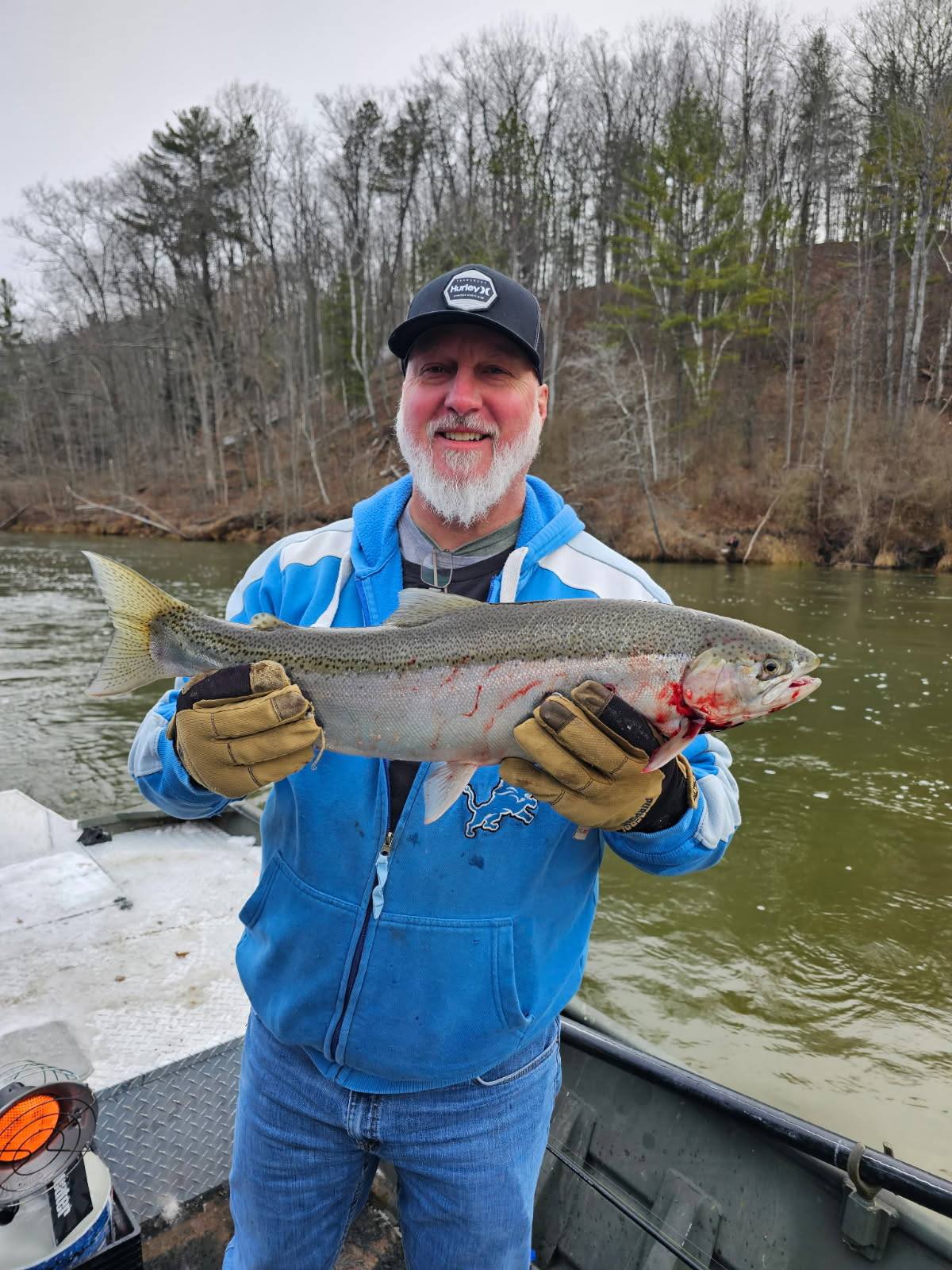
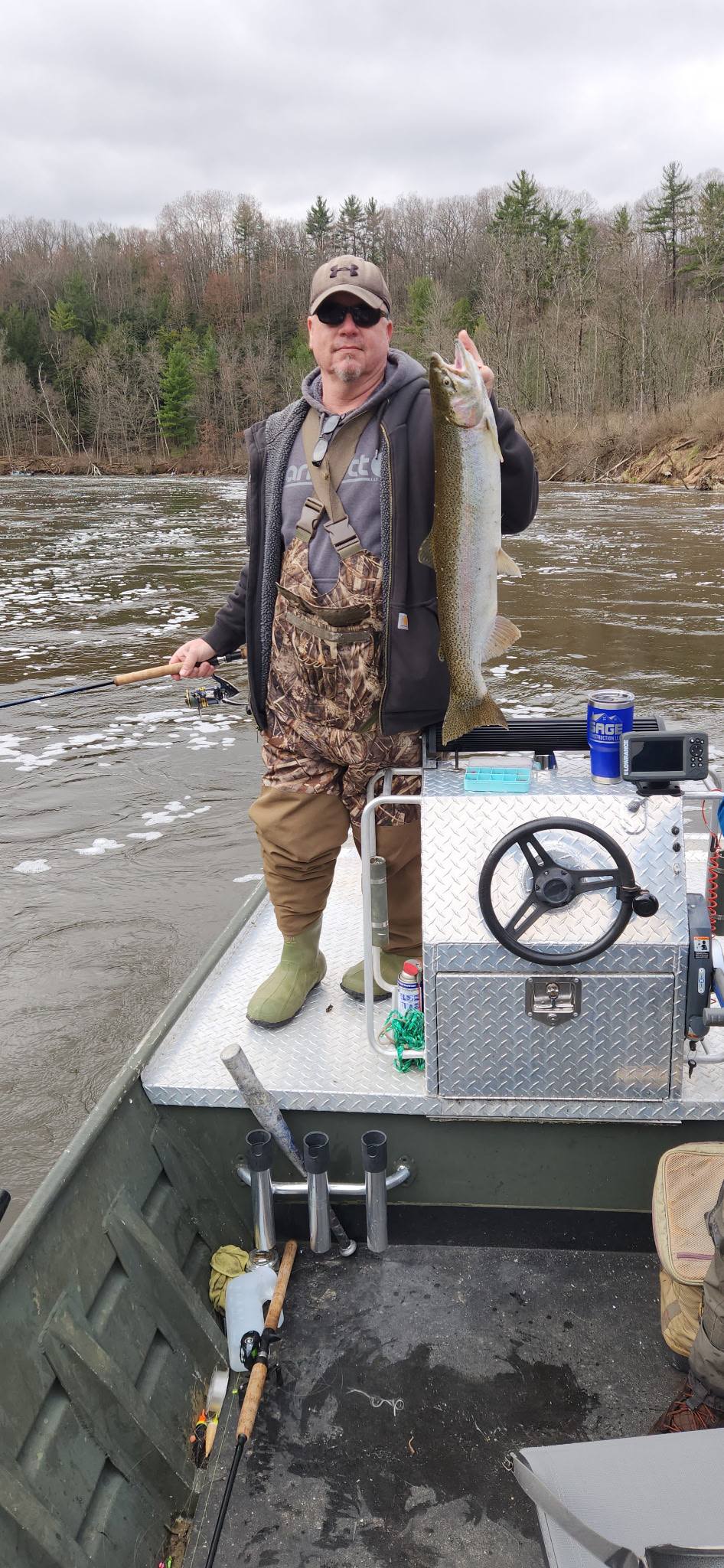
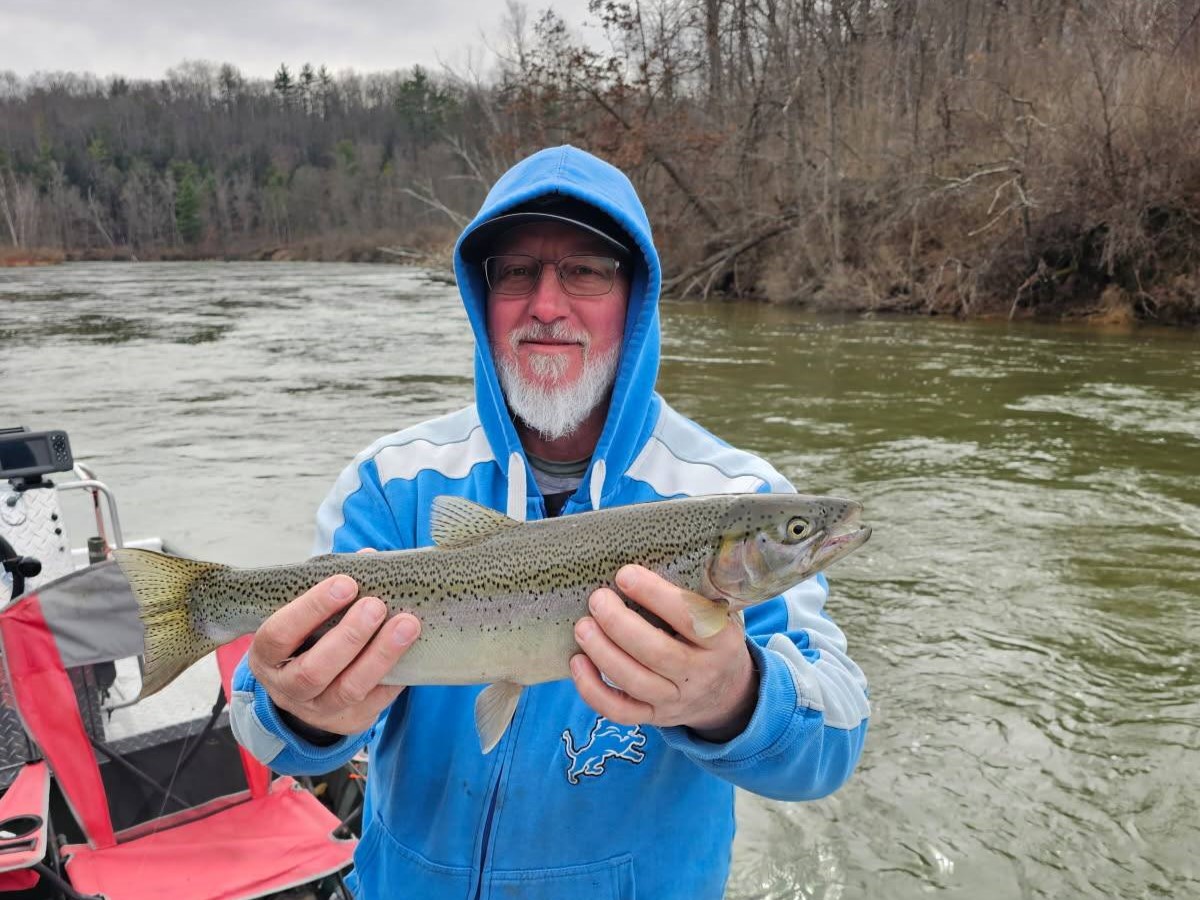
Steelhead Trout are the river's year-round residents that provide consistent action when salmon runs slow down. Fall steelhead average 4 to 8 pounds but fight like fish twice their size, combining the endurance of salmon with the acrobatics of rainbow trout. They're extremely visual feeders, so presentation matters more than with salmon. Fresh spawn, spawn bags, and small egg patterns work best. What makes steelhead fishing addictive is their unpredictability – they might sip your bait like a brown trout or slam it like a coho salmon.
Brown Trout in the Manistee have been feasting all season long, making fall prime time for trophy browns. These fish are opportunists that follow salmon runs to gorge on eggs and fry, putting on serious weight before winter. October browns are thick, healthy fish that can exceed 20 inches and provide some of the most technical fishing on the river. They're spooky and selective, requiring stealthy approaches and perfect presentations. When you hook a mature brown trout, expect a completely different fight than
 Private Trip
 River Fishing
 Michigan


 Six-hour guided salmon and trout fishing on Manistee River