Private 6-Hour Tower Fishing Charter
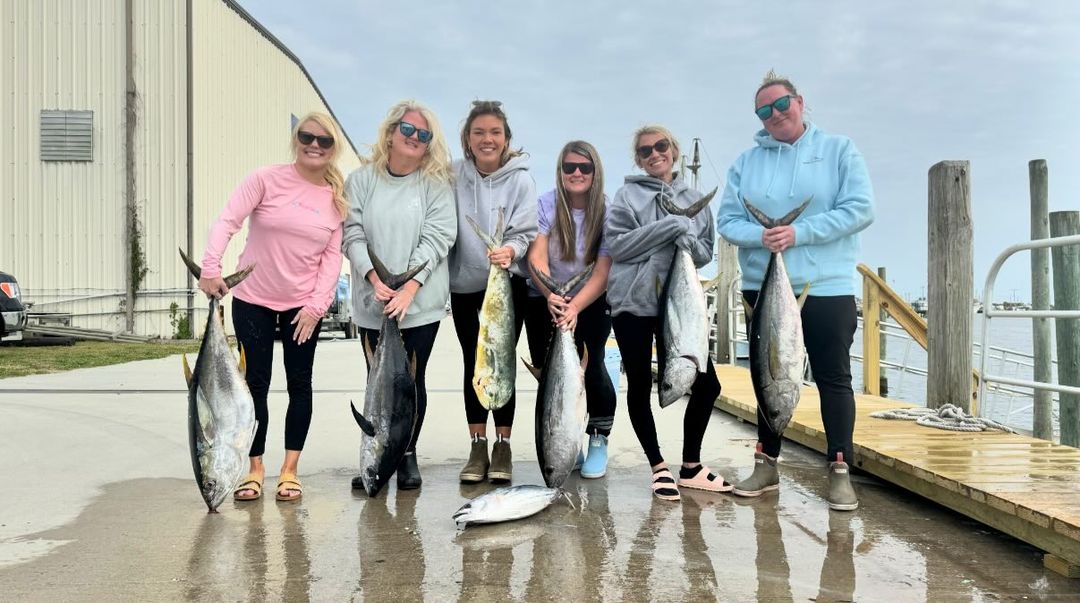
Picture this: you and five of your best fishing buddies heading out on a private charter boat with a tower, scanning the waters off the Outer Banks for that perfect spot where the fish are biting. This isn't your typical crowded party boat situation – it's just your crew, an experienced captain who knows these waters like the back of his hand, and six solid hours to put some serious fish in the boat. The Outer Banks has been drawing anglers from all over for decades, and once you experience the fishing out here, you'll understand why folks keep coming back season after season.
What to Expect on the Water
When you step aboard with Roankoe Sportfishing, you're getting the full private charter treatment. The tower gives your captain that bird's-eye view to spot fish, diving birds, and structure that holds the good stuff. You'll be targeting both inshore and nearshore species, which means variety is the name of the game. One minute you might be working the shallows for redfish, the next you're out a bit deeper chasing cobia or mahi. The beauty of a six-hour trip is having time to move around and hit different spots based on what's biting that day. Your captain will adjust tactics on the fly – maybe start with some light tackle casting, then switch to trolling if the conditions call for it. The boat comes equipped with quality gear, but if you've got your favorite rod and reel combo, bring it along. Most folks find the six-hour window hits that sweet spot where you're not rushed but you're not sitting around waiting for the action to pick up either.
Tackle and Techniques
The fishing approach out here depends on what you're after and where the fish are holding. For the inshore action, you'll likely be using lighter tackle – think spinning reels with 15-20 pound test, perfect for working around structure without spooking fish. When you're chasing cobia or mahi, the captain might break out the heavier gear and start trolling with larger baits or lures. Live bait fishing is huge out here, especially when the baitfish are thick and the predators are following them. You might find yourself dropping live menhaden or spot down to black sea bass around structure, or sight-fishing to cobia cruising near the surface. The tower really shines when you're looking for visual cues – birds working over a school of baitfish, cobia swimming near rays, or color changes in the water that indicate current breaks where fish like to hang out. Don't worry if you're not familiar with these techniques – your captain will walk you through everything and put you on fish.
Target Species
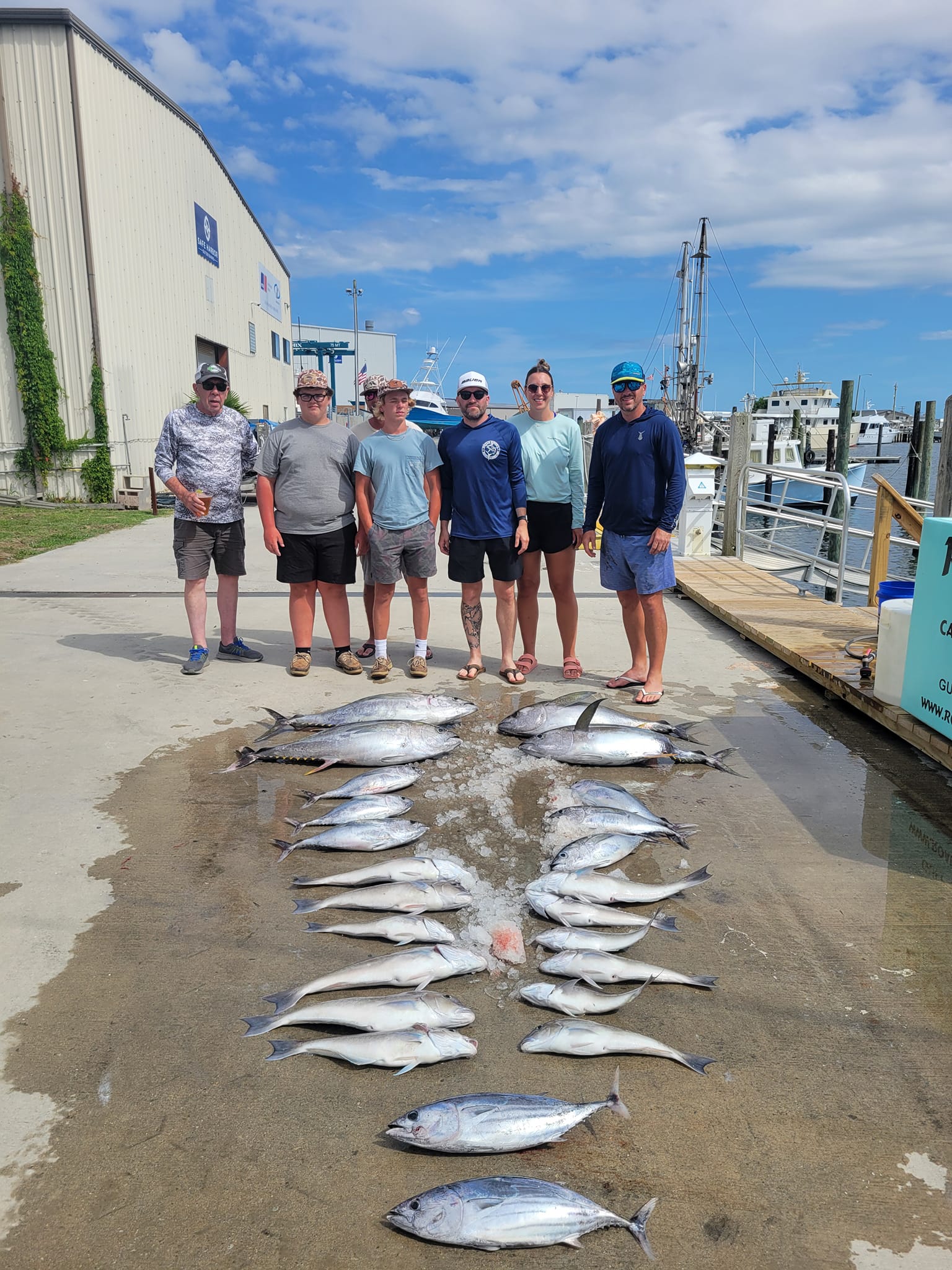
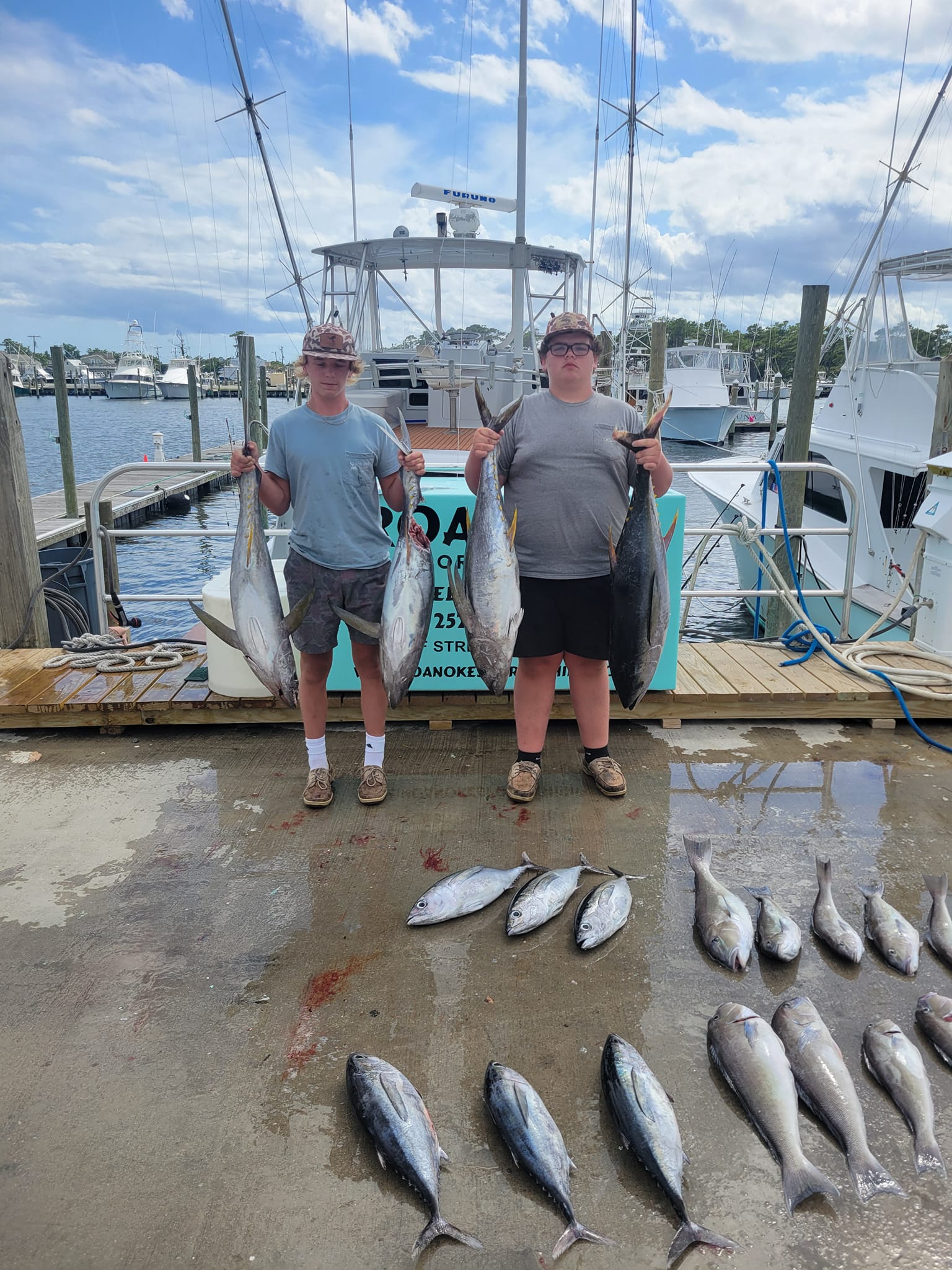
Grey triggerfish are one of those fish that'll test your patience and reward your persistence. These guys are notoriously finicky eaters, often nibbling at your bait without getting hooked. But when you do connect with a decent trigger, you're in for a fight – they'll use their flat body shape to turn sideways in the current and really pull. You'll typically find them around structure and wrecks, usually in 20-60 feet of water. Spring through fall are your best bet, with summer being prime time. What makes triggerfish so satisfying to catch isn't just the fight, it's outsmarting them. They're smart fish, and when you finally figure out the right bait presentation or find the spot where they're feeding aggressively, it feels like a real victory.
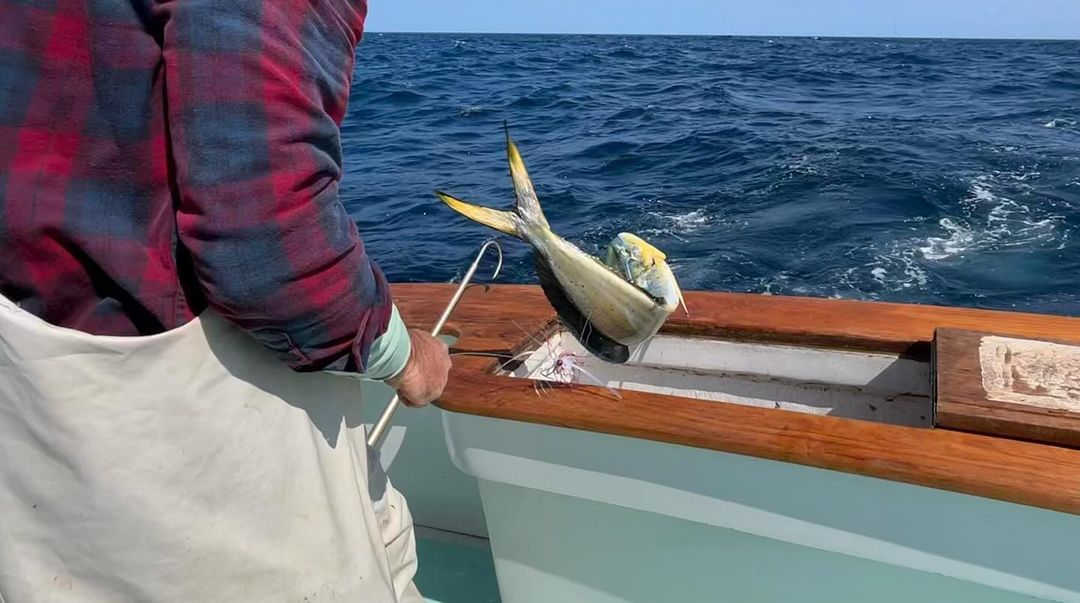
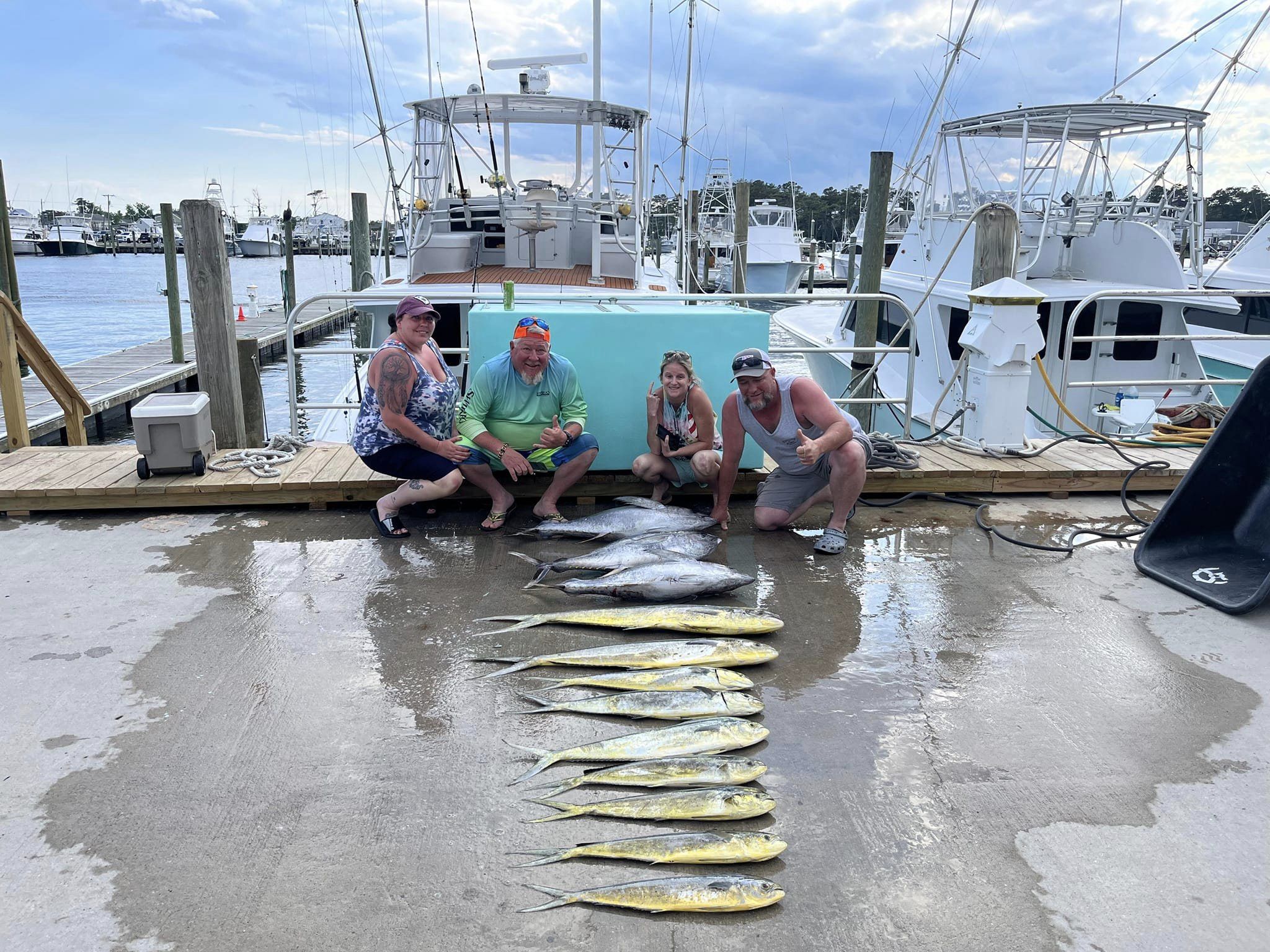
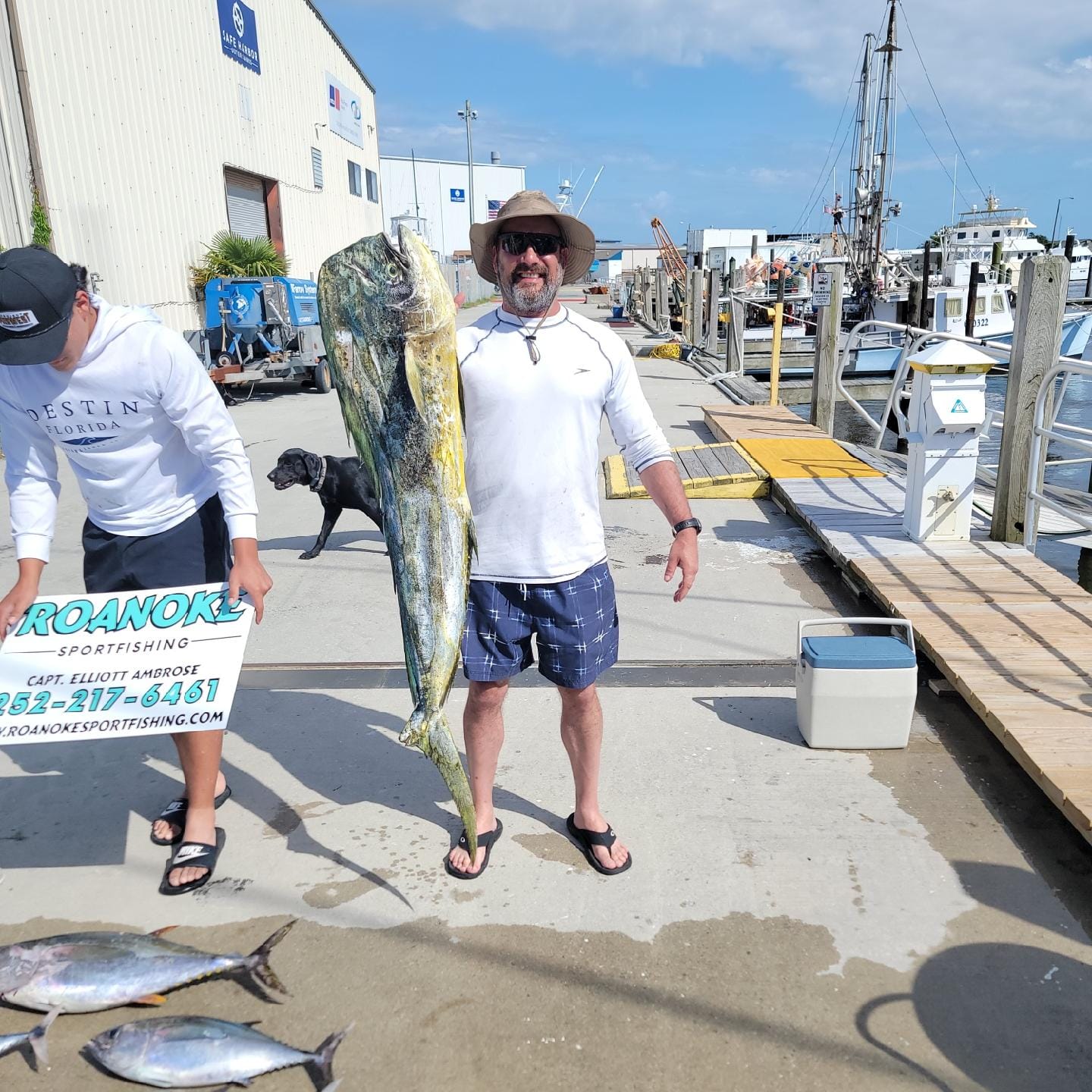
Mahi mahi are absolute crowd-pleasers and one of the most beautiful fish you'll ever see come over the rail. These fish are pure energy – bright gold and green colors that seem to glow, and they fight like their tail's on fire. Mahi are typically found around floating debris, weed lines, or temperature breaks, and they're most active from late spring through early fall in these waters. What's really cool about mahi fishing is they're often in schools, so when you find one, there's usually more around. They'll hit trolled baits, live bait, and even artificial lures with equal enthusiasm. The smaller ones make great table fare, while the bigger bulls (males) put on an aerial show that'll have everyone on the boat whooping and hollering.
Cobia are like the golden retriever of the fishing world – curious, approachable, and always ready to eat. These bronze-colored fish are sight fishing at its finest. You'll often spot them swimming near rays, around structure, or just cruising near the surface. Cobia season typically runs from spring through fall, with May through September being the hot months. What makes cobia fishing so addictive is the visual aspect – you can literally see the fish, cast to it, and watch it decide whether to eat your bait or not. They're also great fighters that don't give up easy, and they make excellent table fare. A good-sized cobia will test your drag and your arms.
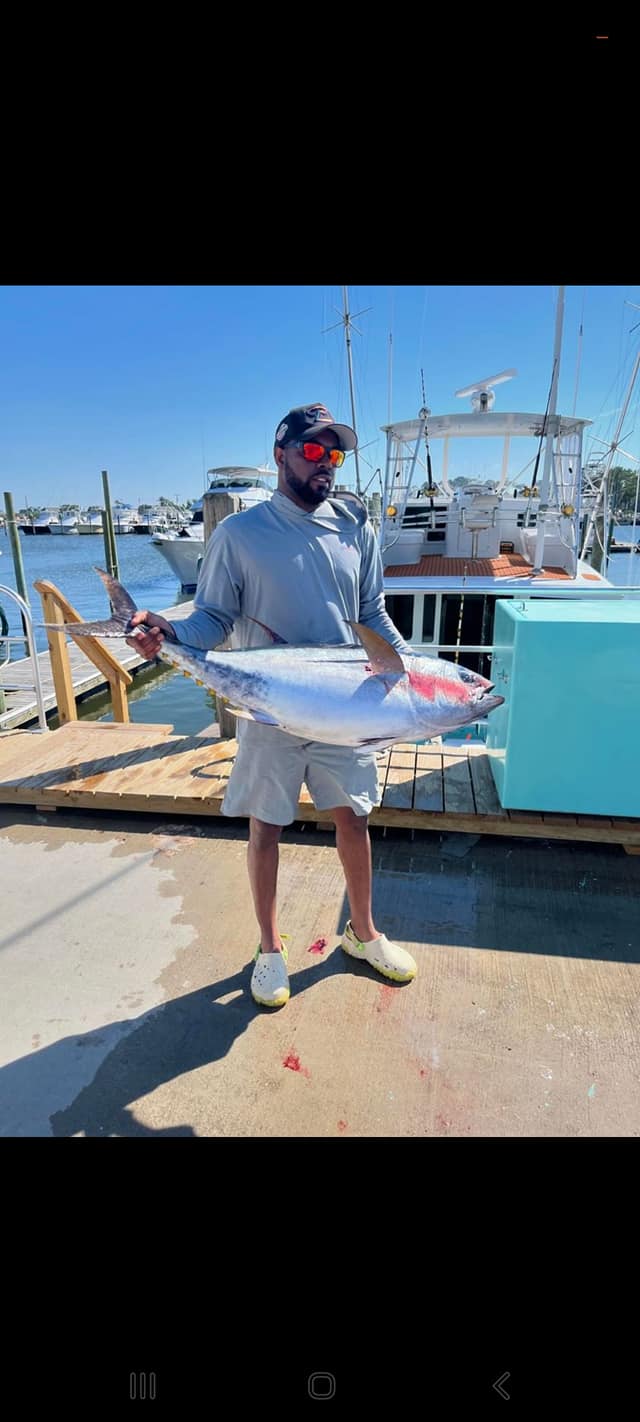
Little tunny, also called false albacore, are speed demons that'll remind you why you fell in love with fishing in the first place. These smaller members of the tuna family are built for speed and they fish like it – fast runs, quick direction changes, and non-stop action. You'll typically find them chasing baitfish in schools, often with birds diving overhead marking the spot. They're most active from late summer through fall around here. Light tackle is the way to go with these guys – they're not huge fish, usually running 5-15 pounds, but on appropriate gear they're an absolute blast. They'll hit small jigs, spoons, and live bait with equal enthusiasm.
Black sea bass might not be the flashiest fish in the ocean, but they're reliable producers and excellent eating. These bottom dwellers hang around structure – rocks, reefs, wrecks, anywhere they can ambush a meal. You'll typically be dropping baits right to the bottom and working them just off the structure. Black sea bass fishing is often fast-paced once you find them, with multiple hookups common. They're open year-round but really shine in the spring and fall months. While
 Private Trip
 Inshore Fishing
 Washington


 Six-hour private charter targeting trophy fish offshore