12 Hour Florida Night Shark Fishing - Anna Maria
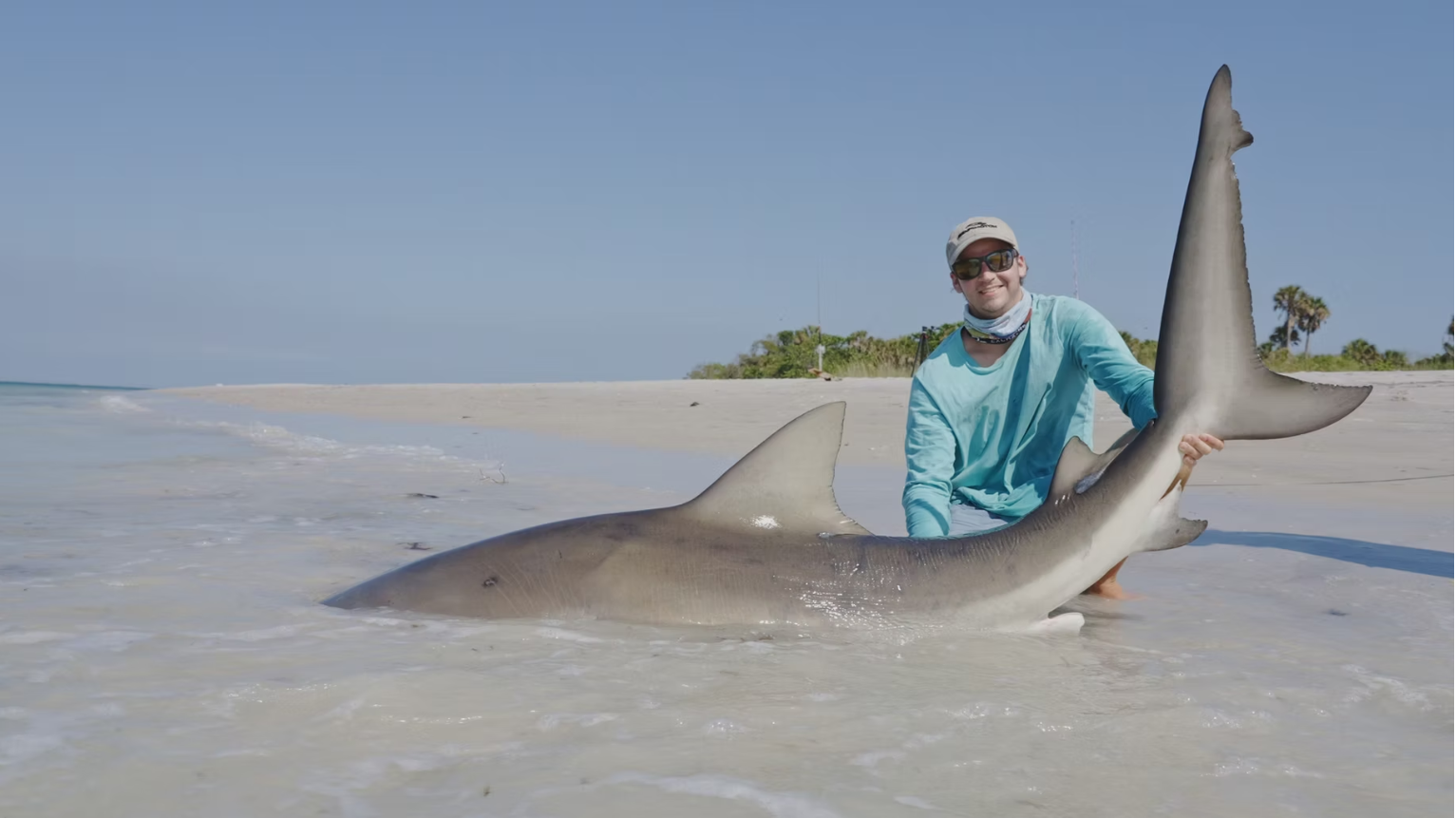
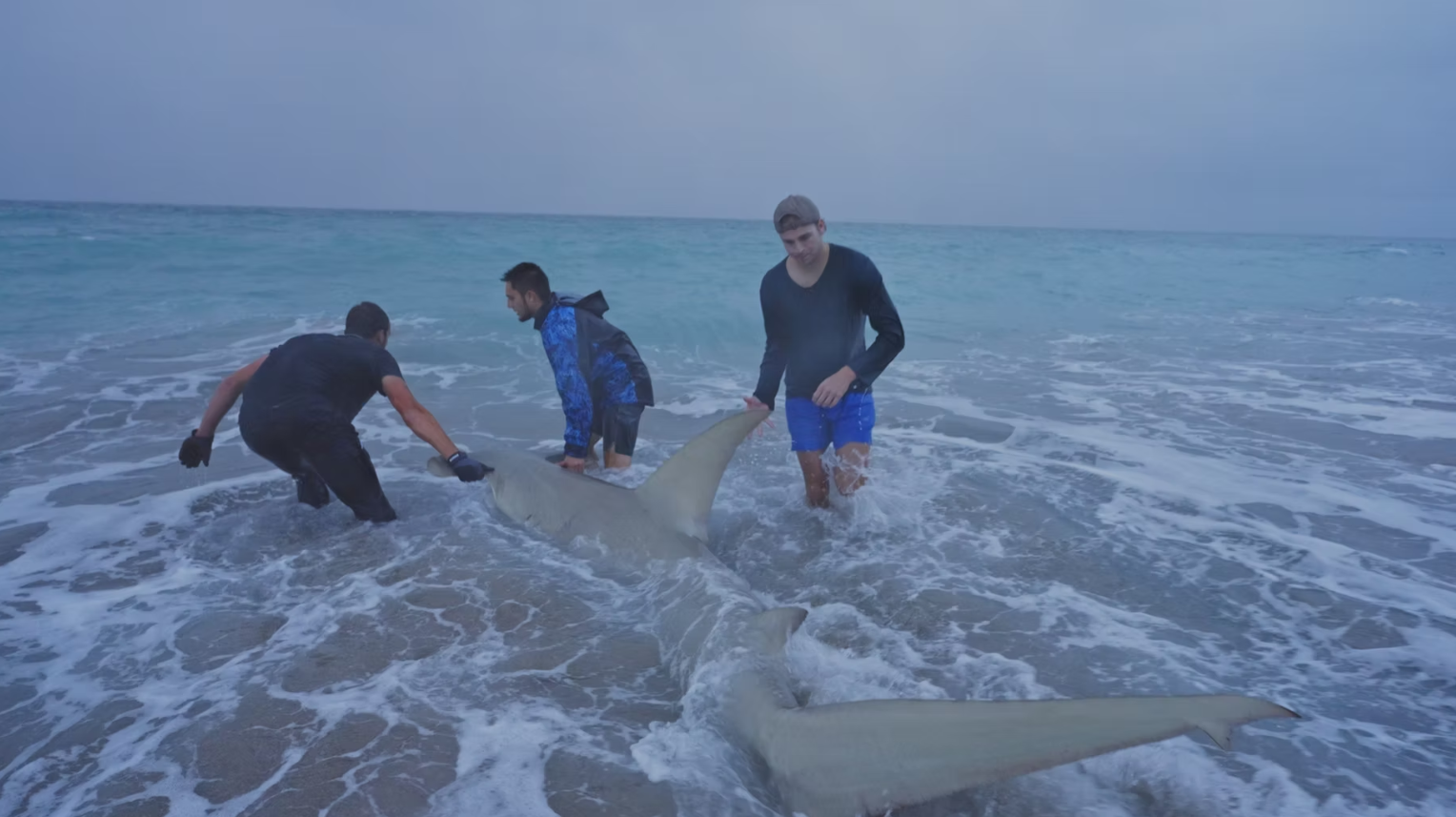
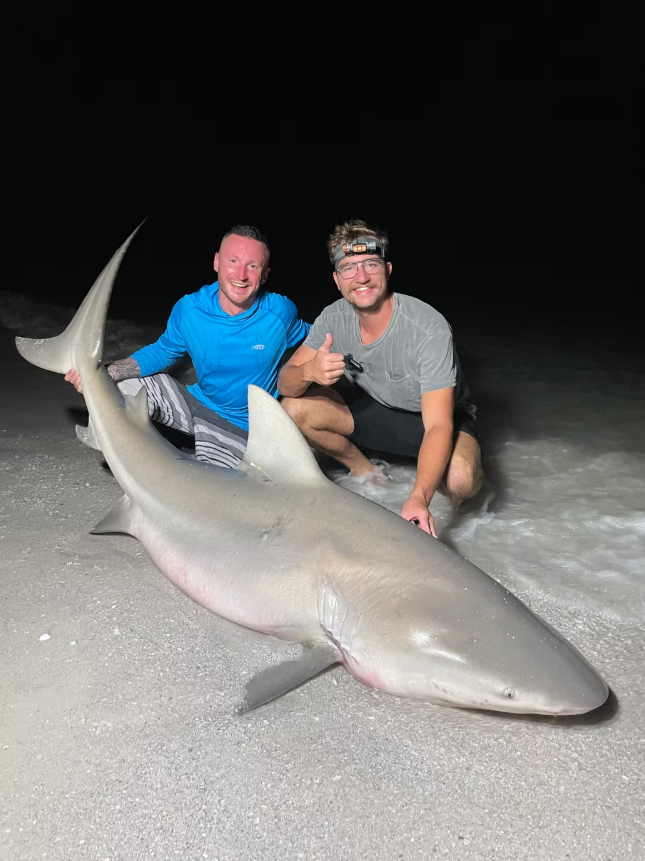
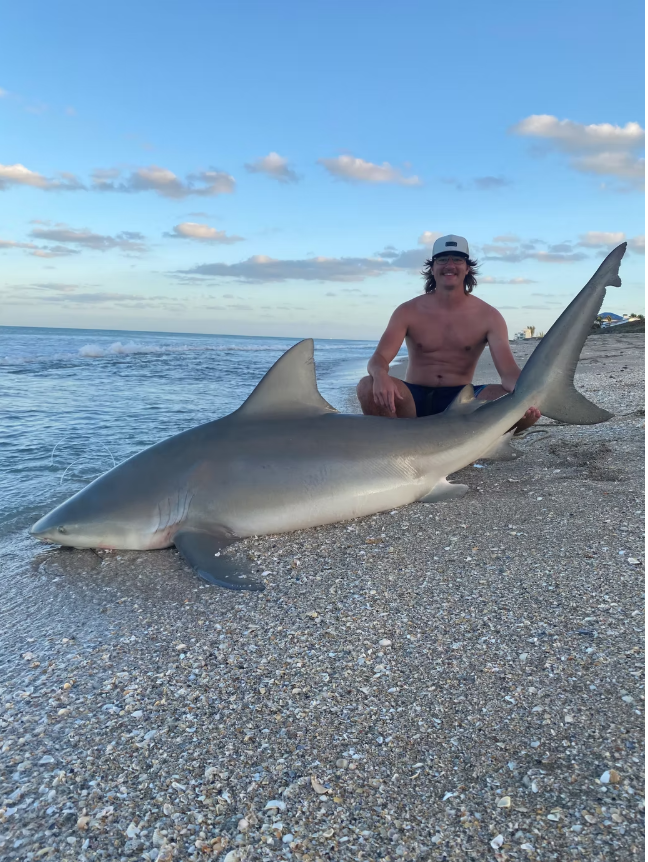
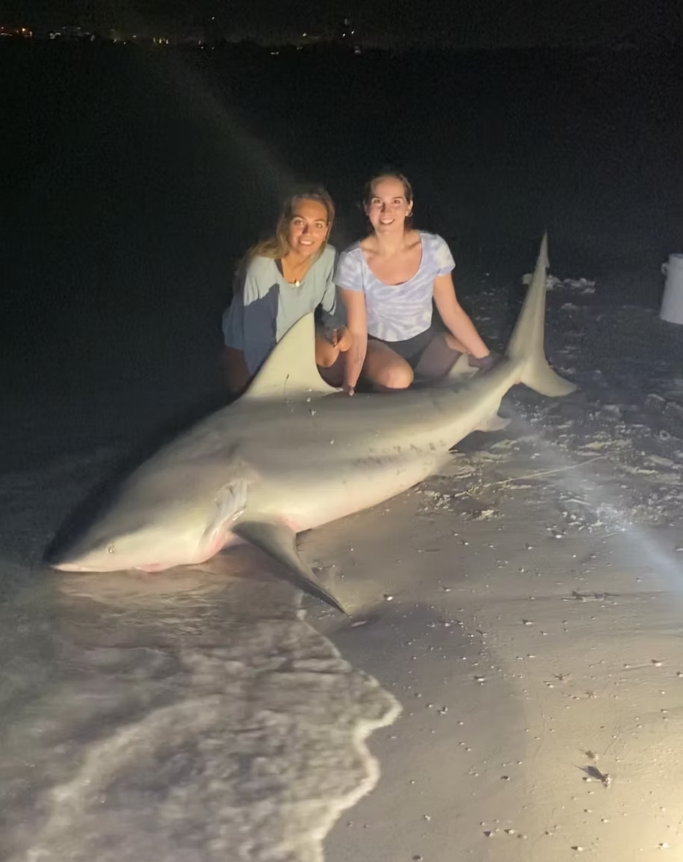
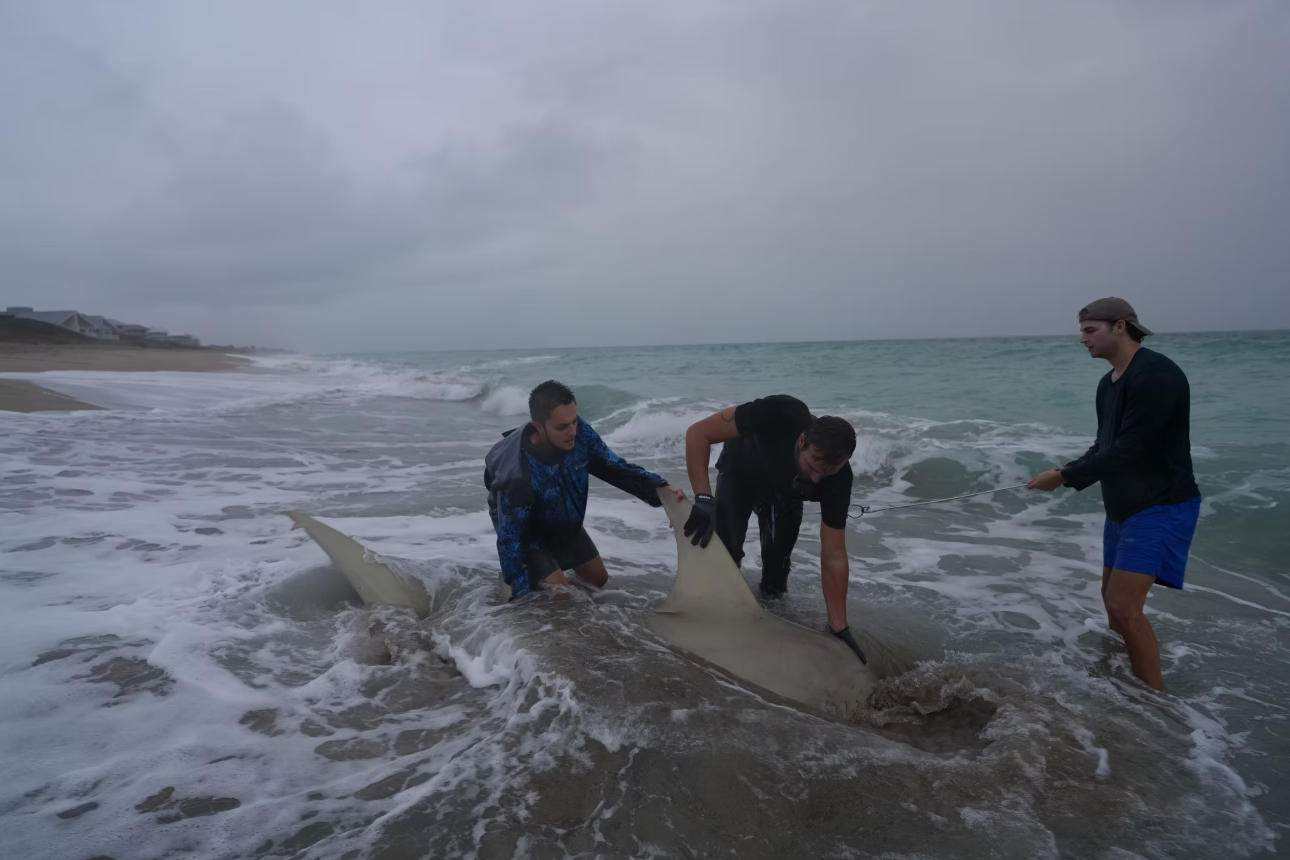
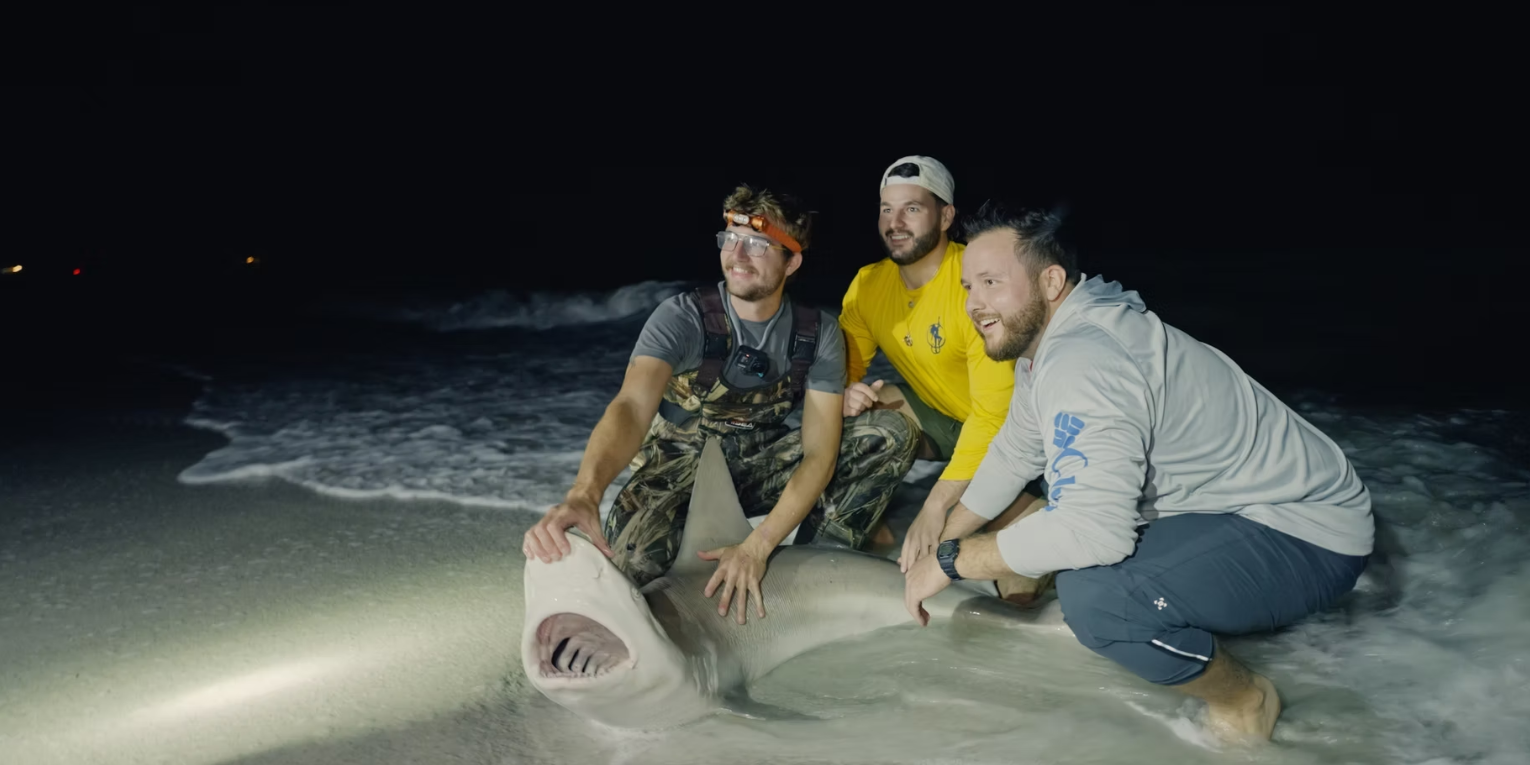
When the sun drops and most anglers head home, that's when the real monsters start prowling the waters off Anna Maria. This isn't your typical half-day trip – we're talking about a serious 12-hour commitment that starts at 7:00 PM and runs through the night until dawn. Run For The Reels Land Based Shark Charters has dialed in this experience for anglers who want their shot at the big girls swimming in Gulf waters. You'll be fishing from the beach with heavy tackle designed to handle sharks that can stretch 6 to 14 feet and tip the scales at over 1,000 pounds. With room for up to 70 anglers, this trip works perfect for corporate groups, bachelor parties, or just a crew of fishing buddies ready to test their mettle against Florida's apex predators.
What to Expect on the Water
This beach-based operation gives you the best of both worlds – solid ground under your feet but access to the same trophy sharks that offshore boats chase. The timing is everything here. Starting at 7:00 PM means you'll fish the golden evening bite, work through the night hours when big sharks feel comfortable moving into shallower water, and catch that early morning feed before these fish disappear back to deeper haunts. Anna Maria's location puts you right in the feeding lanes these predators use, especially during tide changes when baitfish get pushed around and sharks know easy meals are available. The crew sets you up with everything – no need to bring your own gear unless you want to. They've got the heavy rods, oversized reels, and terminal tackle that can handle whatever shows up. You'll be fishing multiple lines with different baits to cover your bases, from cut bait that draws in bull sharks to live offerings that trigger strikes from more finicky species.
Heavy Tackle & Night Techniques
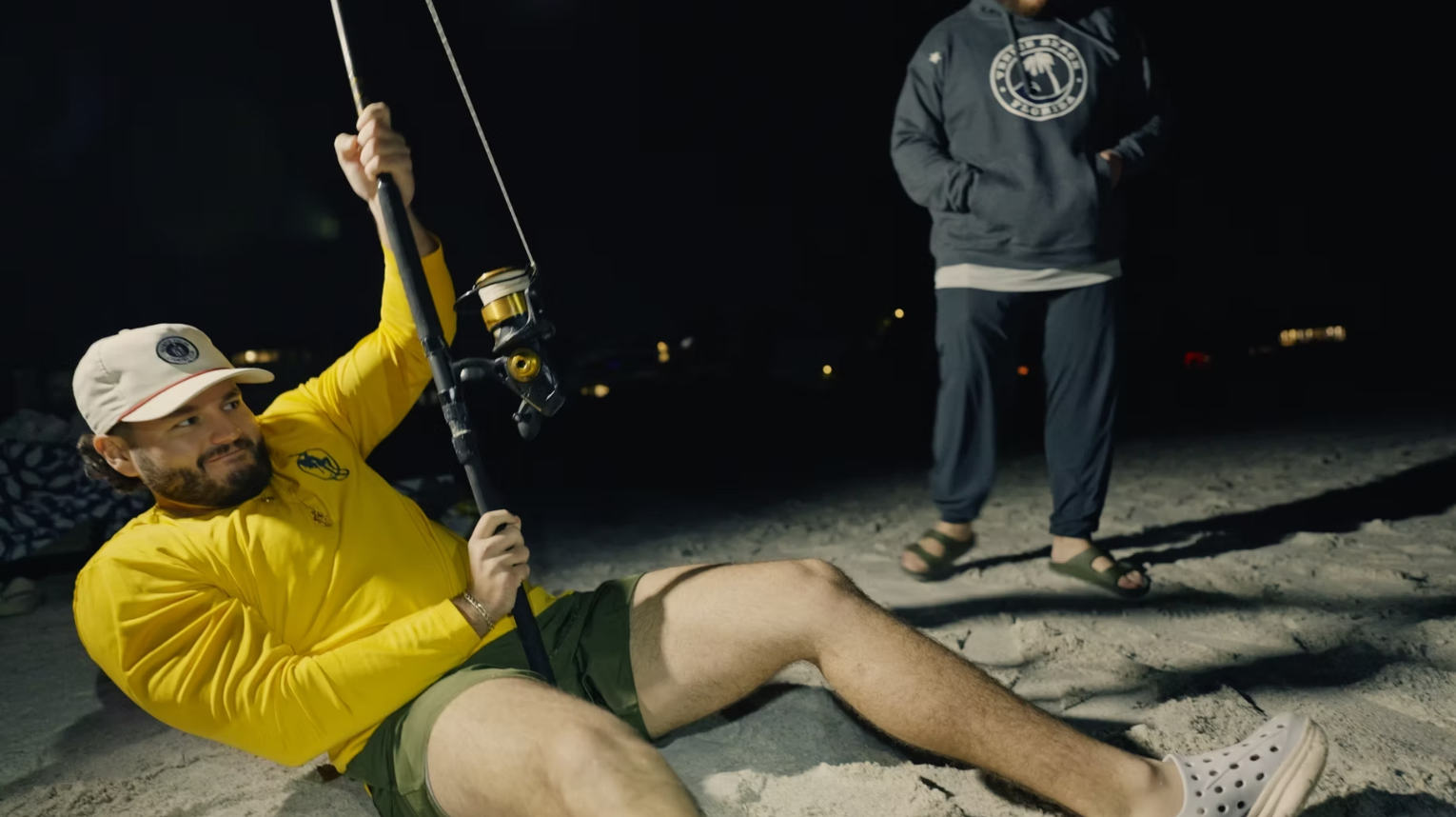
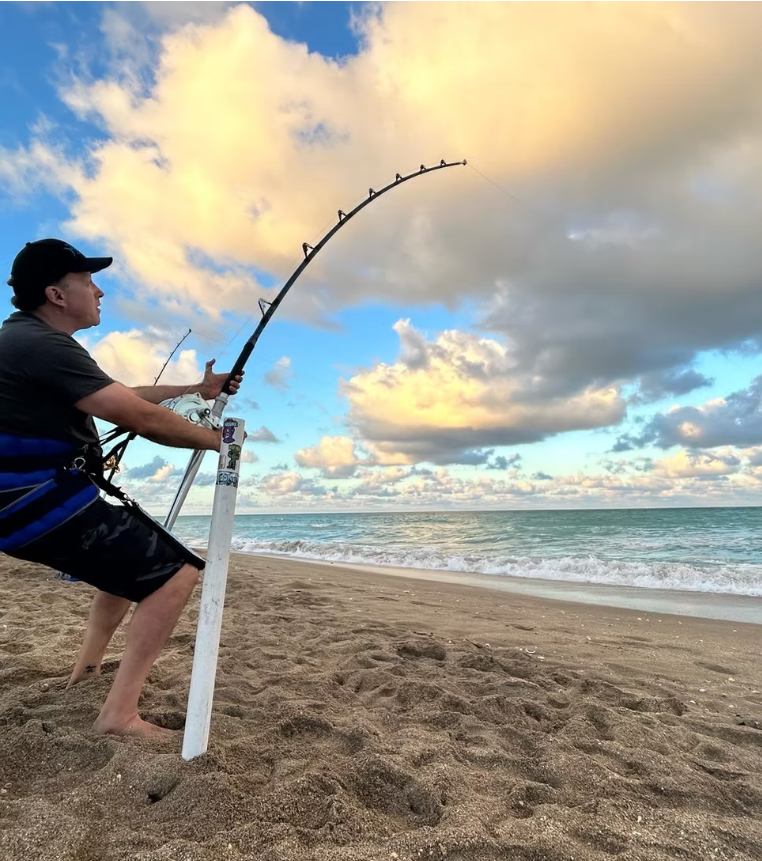
Forget your usual inshore setup – this game requires serious firepower. We're talking about rods rated for 80-130 pound test, reels with drag systems that can stop a freight train, and circle hooks big enough to use as coat hangers. The crew runs multiple rods at different distances, some right in the surf zone and others way out where the water drops off. Wire leaders are a must because these sharks have sandpaper teeth that'll cut through mono like butter. Bait selection changes throughout the night based on what's working – fresh bonita, mackerel chunks, stingray wings, and sometimes live bait if conditions allow. The beauty of beach fishing for sharks is you can use the sand as leverage during the fight. When a big shark takes off on that first run, you've got solid footing to lean back and work the angles. Night fishing adds another element since you're relying on rod tip movement and line tension rather than visual cues. Head lamps are essential, but red filters help preserve your night vision between fish.
Target Species
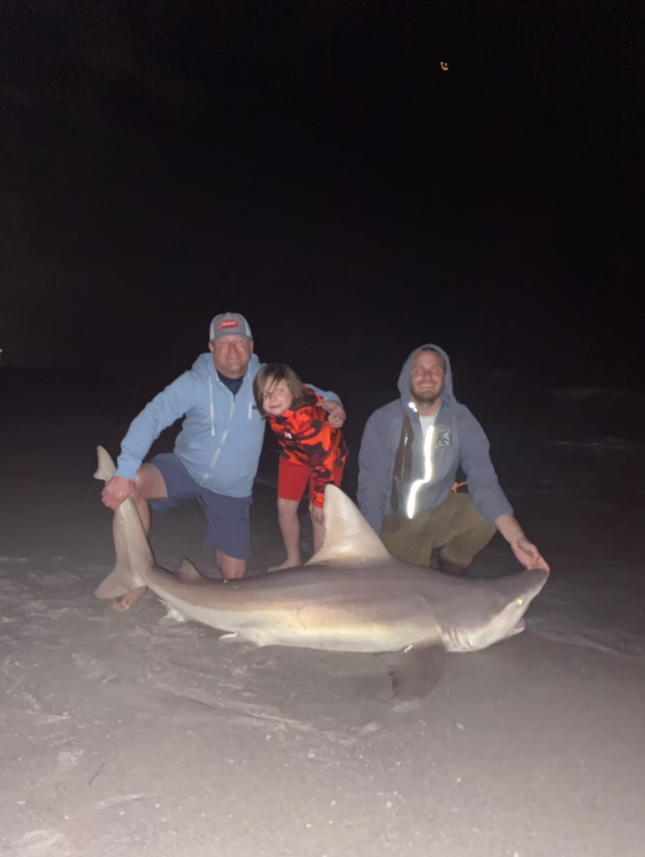
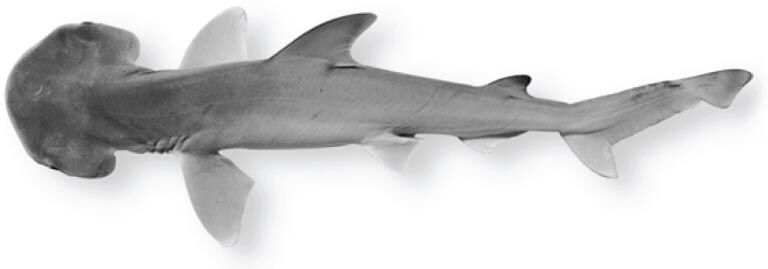
Bonnethead sharks are often the first species you'll encounter, especially in the early evening hours. These smaller cousins of the hammerhead family typically run 2-4 feet and have that distinctive shovel-shaped head that makes them instantly recognizable. They're actually pretty unique among sharks because they eat a lot of vegetation along with crabs and small fish. Bonnetheads are most active during warmer months from May through October, and they love shallow grass flats where they can hunt for blue crabs. While they won't give you the drag-screaming fight of a big bull shark, bonnetheads are incredibly fun on lighter tackle and perfect for getting younger anglers or beginners comfortable with shark fishing basics.
Blacktip sharks bring serious attitude to your beach setup. These fish average 3-6 feet but what they lack in size they make up for with pure aggression and aerial displays that'll get everyone's attention. Blacktips are speed demons that hit baits hard and often jump multiple times during the fight, spinning and twisting in ways that'll test your drag settings and your nerves. They're most common from spring through fall, with peak numbers showing up during their migration periods in March-April and again in October-November. The distinctive black-tipped fins make them easy to identify, and they're known for feeding in very shallow water, sometimes with their dorsals breaking the surface. Blacktips respond well to cut bait and live offerings, and they're one of the few shark species that regularly feeds during daylight hours.
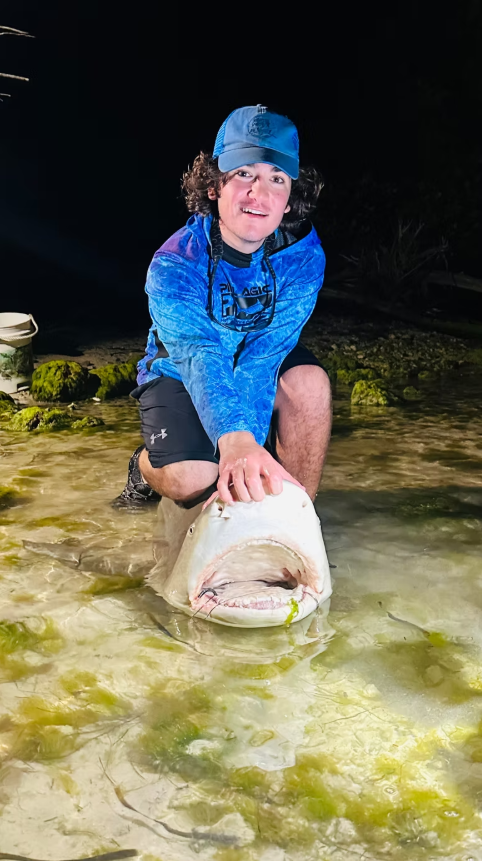
Lemon sharks are the bulldozers of the shark world – thick, powerful fish that can push 8-10 feet and weigh several hundred pounds. Their yellowish coloration helps them blend into sandy bottoms where they hunt for stingrays, their preferred meal. Lemons are particularly common around Anna Maria because they use shallow coastal areas as nurseries, so you might encounter anything from 3-foot juveniles to mature adults pushing double digits. These sharks are most active during warmer months and often feed at night when they move into very shallow water to hunt. What makes lemon sharks special is their intelligence – they're one of the few shark species that can be trained and have been shown to have complex social behaviors. When you hook a big lemon, expect a methodical, powerful fight with long runs and stubborn resistance near the beach.
Bull sharks are the reason serious shark anglers lose sleep. These fish are pure muscle wrapped in sandpaper skin, with jaws powerful enough to crush turtle shells and attitudes to match. Bulls can show up anywhere from 4 feet to over 12 feet, with the big females capable of weighing 500-1000+ pounds. They're unique among sharks because they can tolerate fresh water, often moving up rivers and into brackish areas to hunt and give birth. This adaptability makes them unpredictable – you never know when one might show up in your spread. Bull sharks are most active from late spring through early fall, with peak action during the hottest months when they move into shallow water to hunt tarpon, rays, and other large prey. When a big bull takes your bait, you'll know immediately – these fish hit hard and fight dirty, using their
 Private Trip
 Inshore Fishing
 Florida
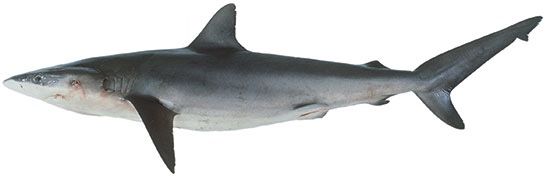
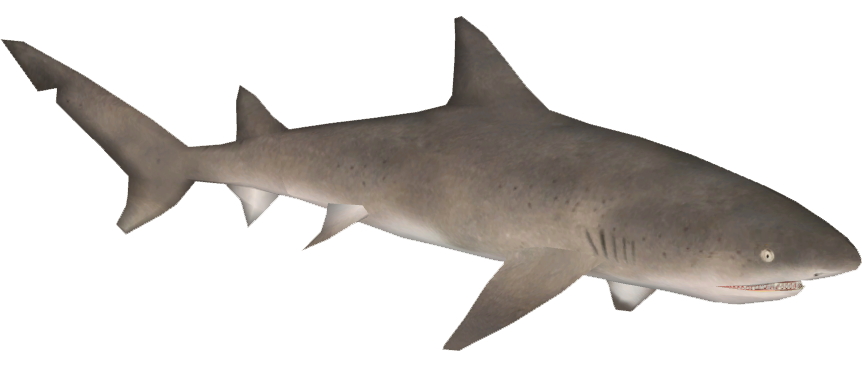
 12-hour nighttime shark fishing targeting trophy species up to 14 feet