Private 4 Hour Bay Fishing Charter
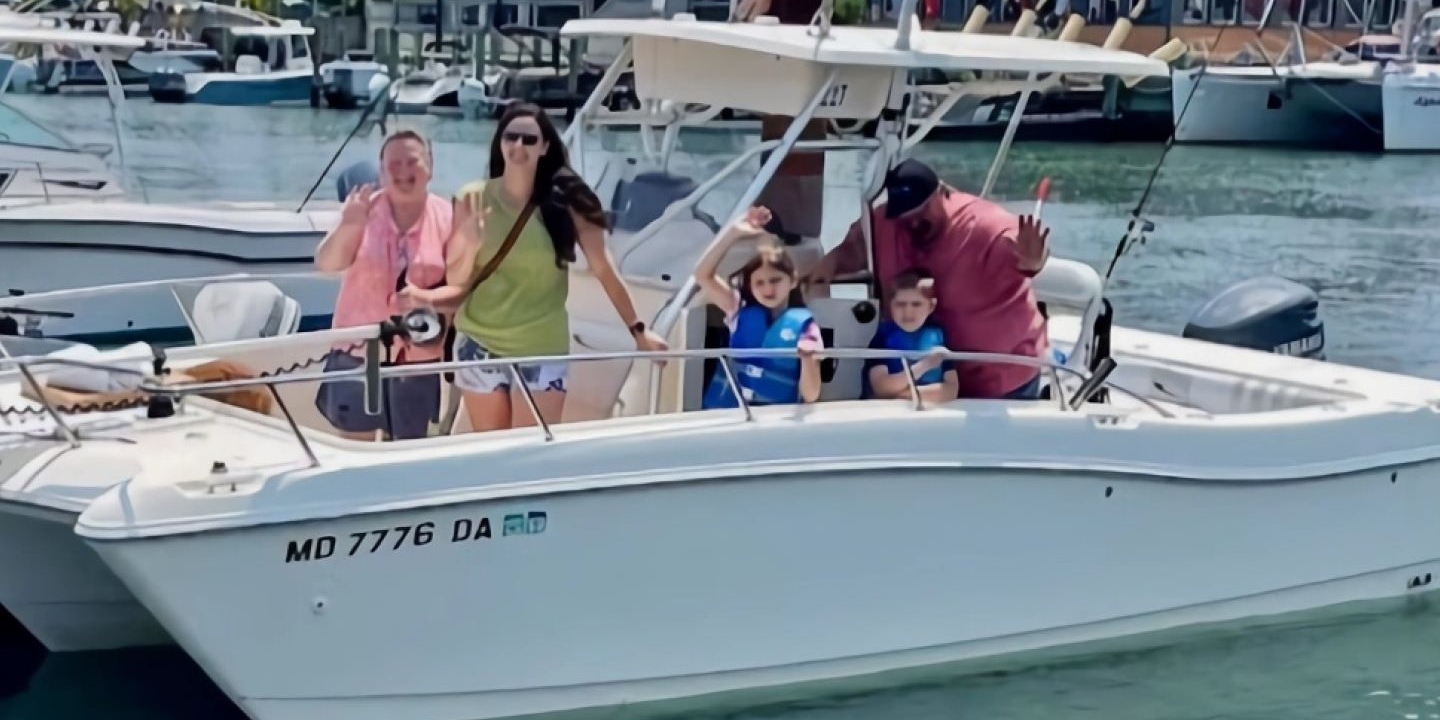
Get ready to drop lines in some of the Atlantic Ocean's most productive waters with Running Tide Charters. This private 4-hour bay fishing adventure puts you and up to five friends on the fish, whether you're looking to work the bottom structure or troll the open water. We've got everything covered—tackle, bait, ice-cold water, and years of local knowledge—so you can focus on what matters most: putting fish in the boat. Just bring your drinks, some snacks, sunscreen, and get ready to see why anglers keep coming back to these waters season after season.
What to Expect on the Water
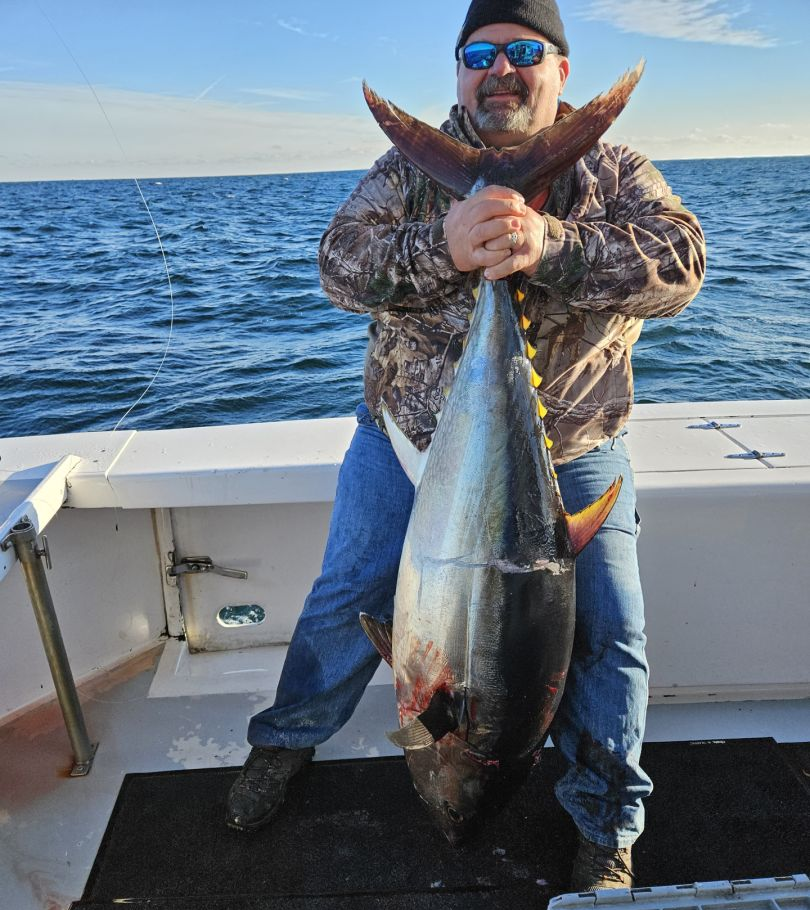
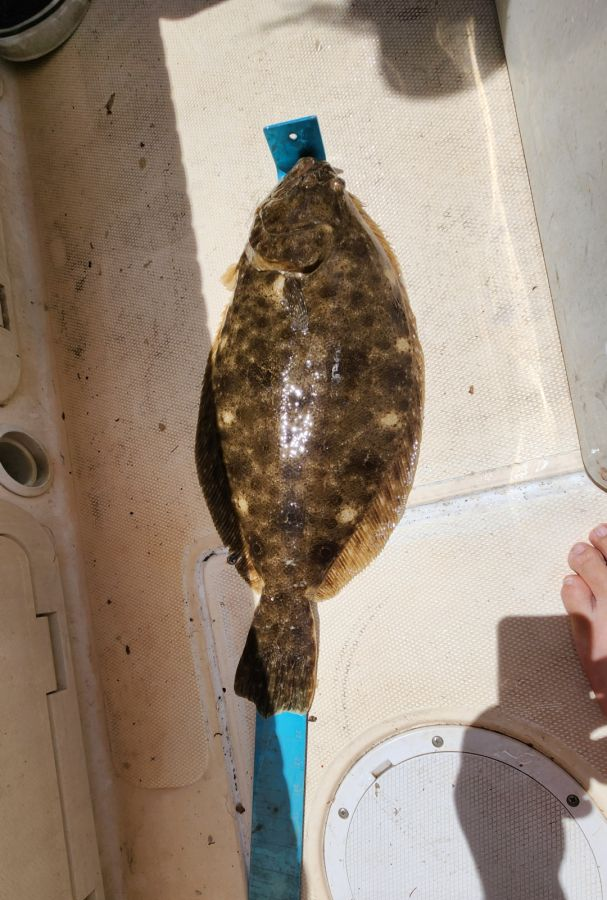
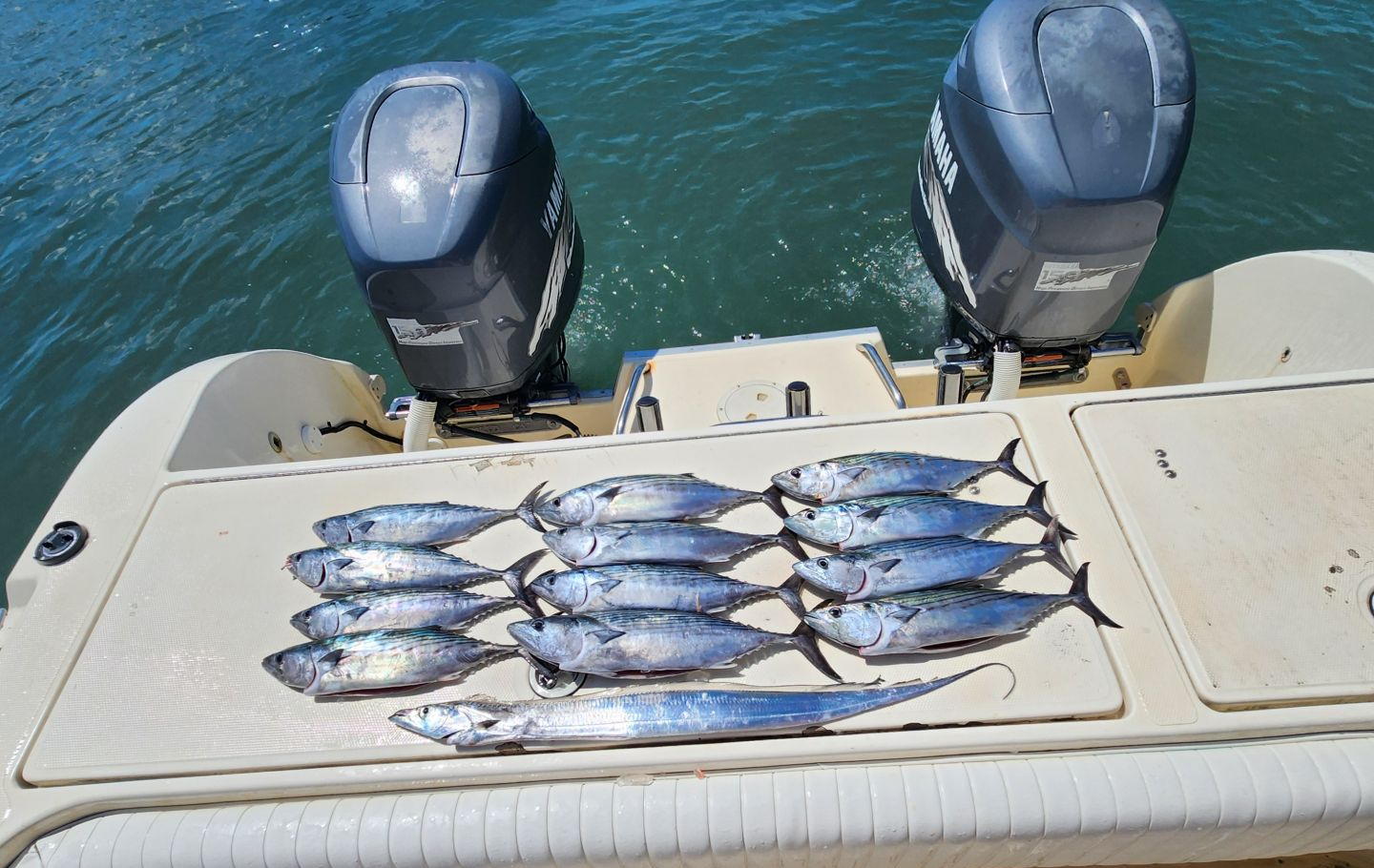
Your private charter starts with a choice that'll shape your whole day: reef and wreck fishing or trolling for pelagics. If you're after bottom dwellers, we'll head to our top-rated reef spots and wreck sites where Summer Flounder, Black Sea Bass, and Tautog hang out in good numbers. These structures hold fish year-round and offer steady action for anglers of all skill levels. Want to cover more water? We'll set up the trolling spread and hunt down Spanish Mackerel, Bluefish, Ribbon Fish, and Bonito as they cruise the Atlantic's nearshore waters. The best part? You don't need to decide until you talk to your captain—they'll read the conditions, check what's been biting, and help you make the call that puts the most fish on deck.
Tackle & Techniques
Bottom fishing means working the structure with conventional tackle, dropping sinkers and hooks right where the fish live. We're talking about 20-40 pound class rods paired with reels that can handle the current and pull fish up from 30-80 feet of water. Your captain will rig everything—circle hooks, bank sinkers, and the freshest bait for whatever's feeding. Squid, clams, and bloodworms are the go-to options that produce consistent results on these Atlantic reefs and wrecks. For trolling, we'll deploy a spread of lures and spoons behind the boat, covering water at different depths to locate schools of pelagic fish. The boat does most of the work here—your job is staying ready for that rod to bend over when a Spanish Mackerel or Bluefish crushes the lure. Either way, every angler gets hands-on instruction and all the gear needed to boat fish.
Target Species
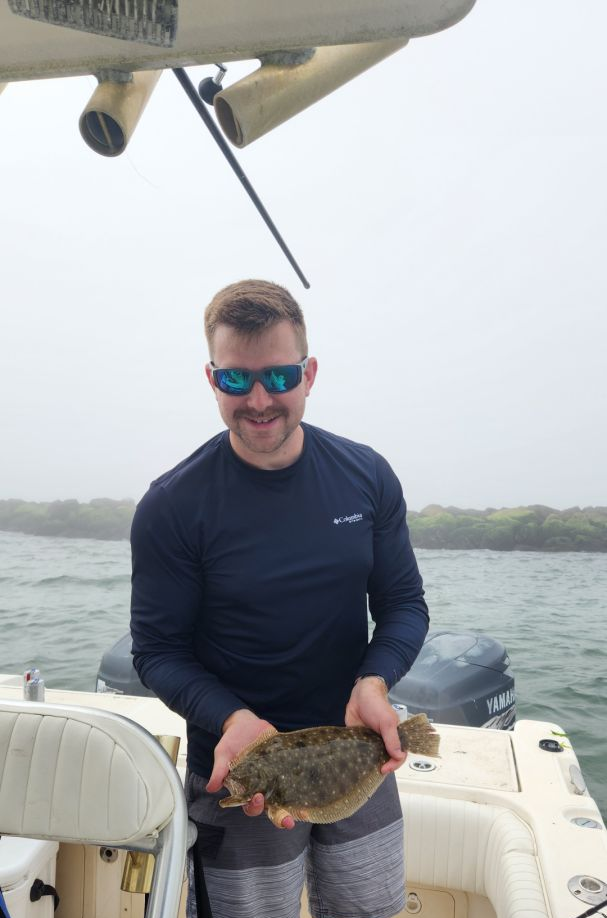
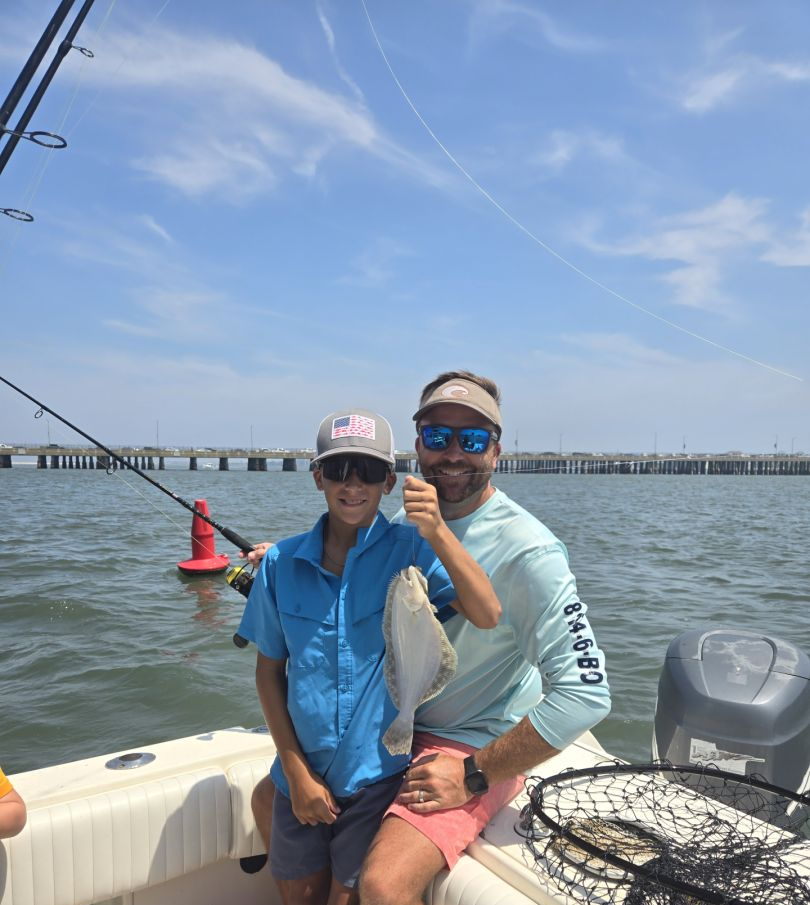
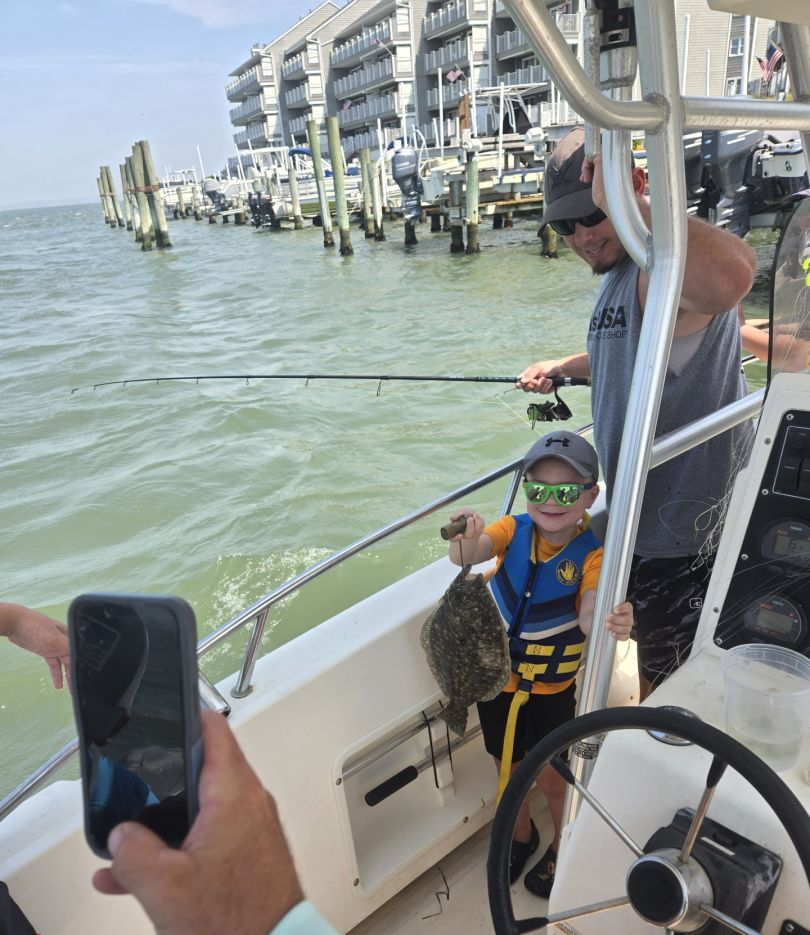
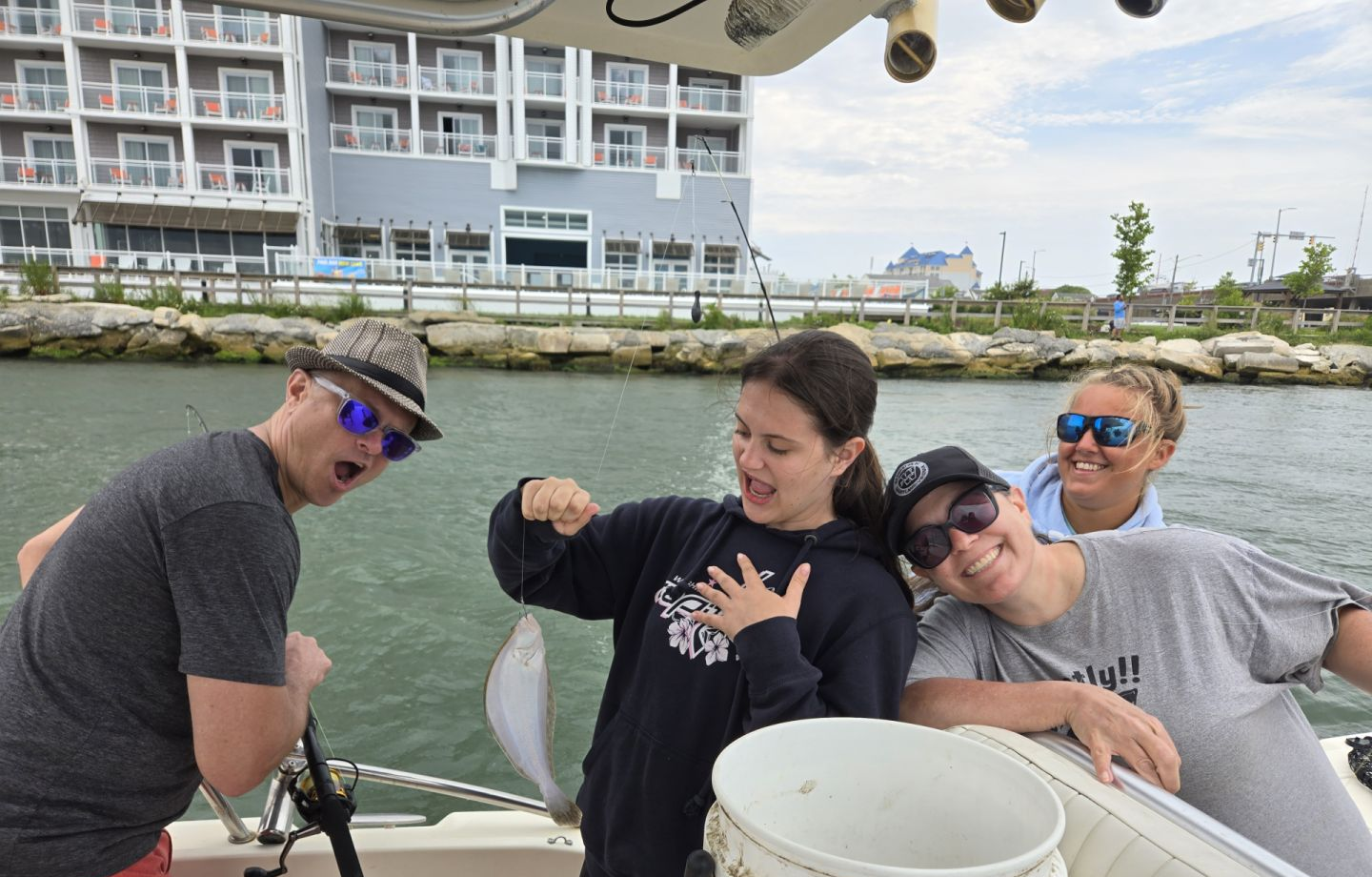
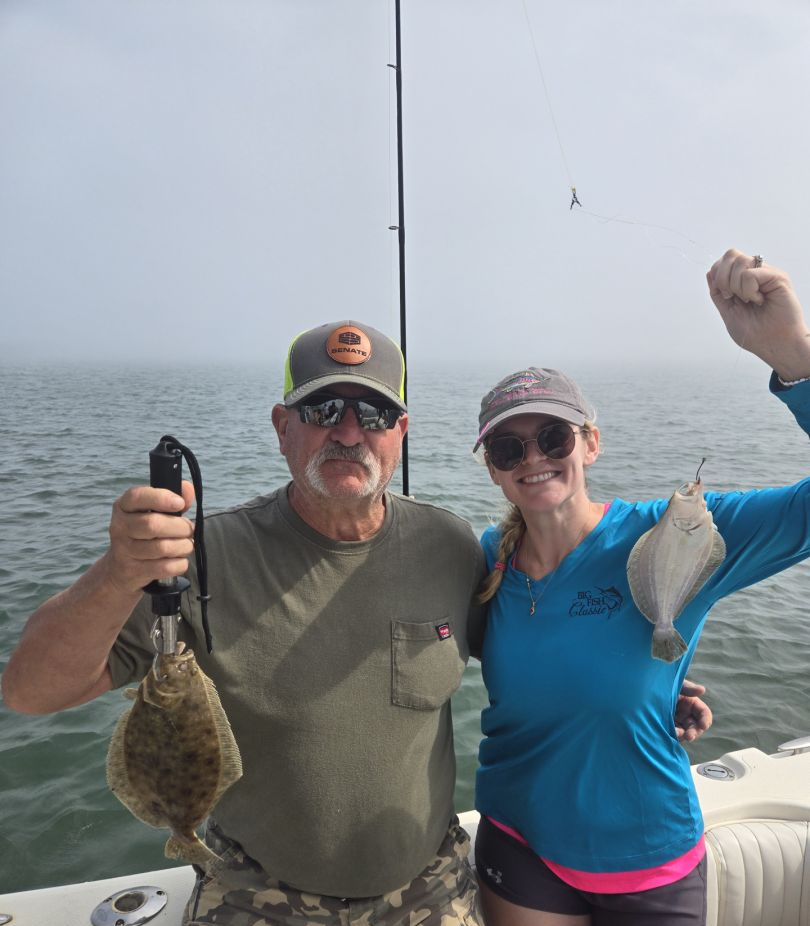
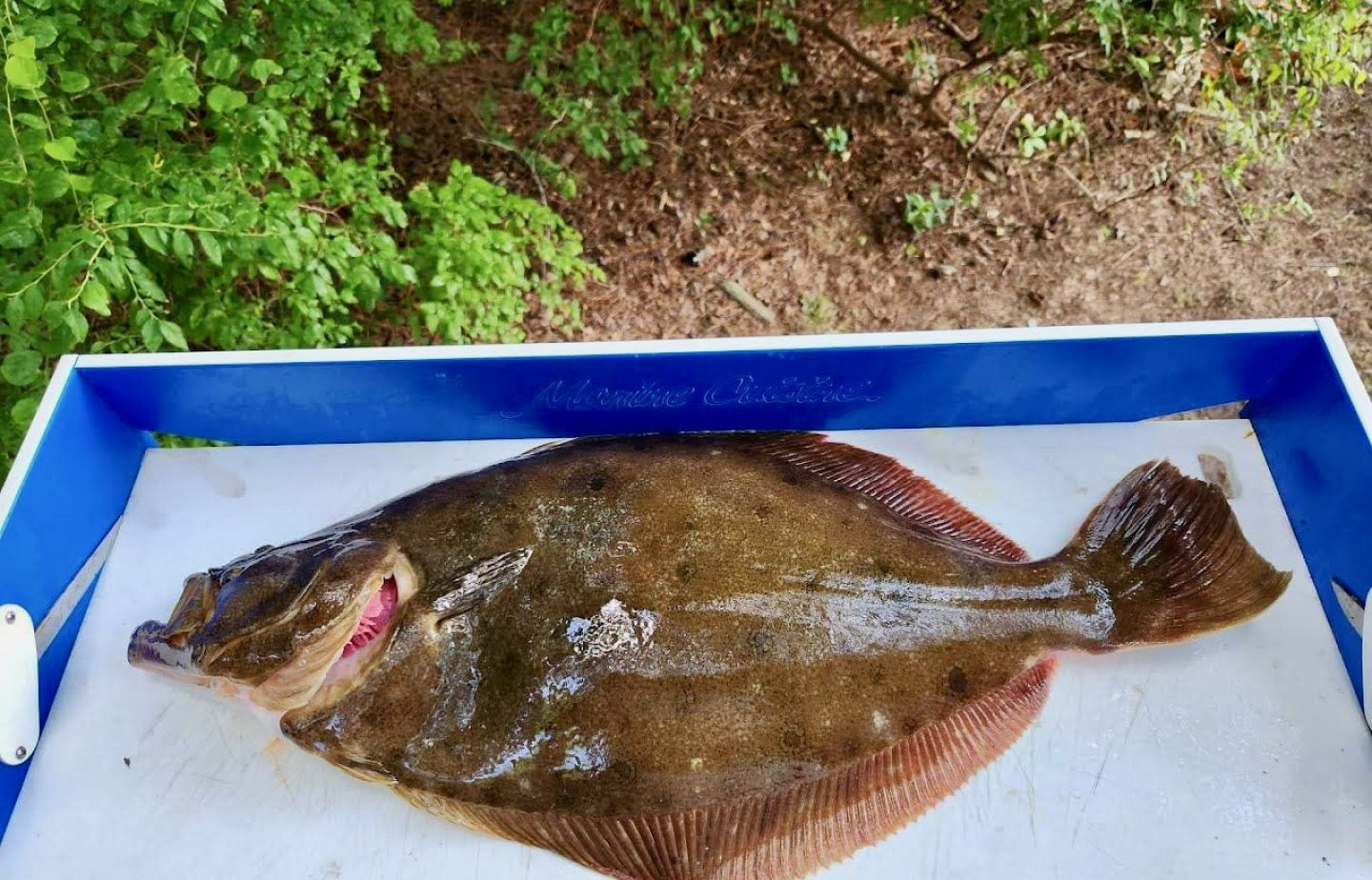
Summer Flounder are the crown jewel of Atlantic bay fishing, and for good reason. These flatfish can stretch over 20 inches and put up a surprisingly strong fight for their body type. They're ambush predators that bury themselves in sand near structure, waiting to grab baitfish, crabs, and anything else that swims by. Peak season runs from late spring through early fall, with the biggest fish often coming during the summer months. What makes flounder so exciting to catch is the way they hit—one second your bait is sitting on bottom, the next you feel that telltale tap-tap-tap as they mouth the bait. Set the hook right and you're in for a fun battle as they try to bulldoze back to the bottom.
Black Sea Bass are the workhorses of reef and wreck fishing, offering consistent action and excellent table fare. These bottom dwellers rarely grow beyond 15 inches in our local waters, but they make up for size with attitude and numbers. Sea bass are territorial fish that live around hard structure—rocks, reefs, and wrecks—where they feed on crabs, worms, and small baitfish. They're active year-round but fishing peaks during spring and fall when they move into shallower water. Anglers love sea bass because they bite aggressively and fight hard for their size, often diving straight back toward their rocky homes. Plus, they're one of the best eating fish in the Atlantic, with firm white meat that's perfect for the dinner table.
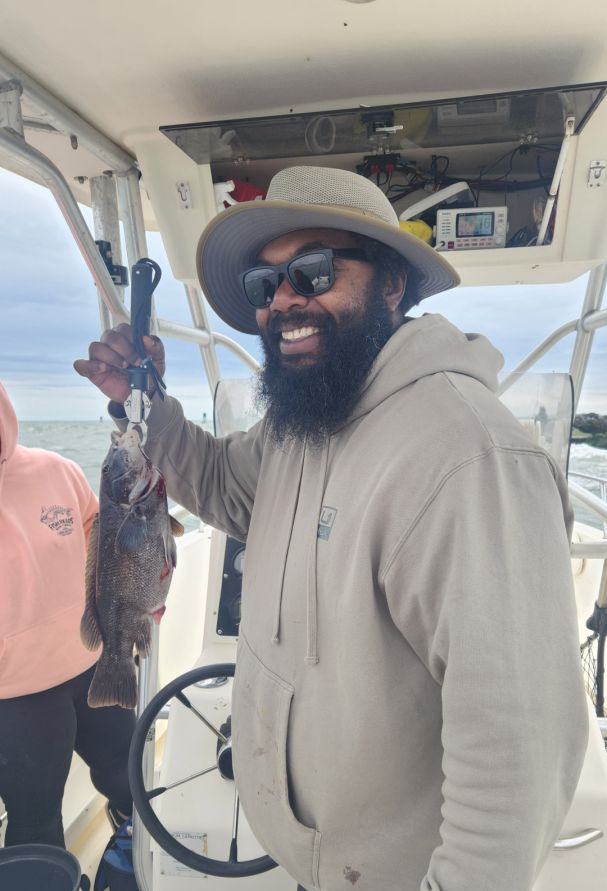
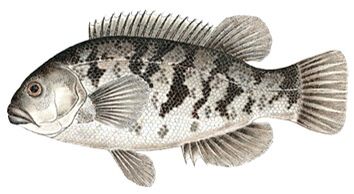
Tautog, or blackfish as locals call them, are the bulldogs of bottom fishing. These powerful fish use their crushing jaws to crack open crabs, mussels, and other shellfish around rocky structure. Tautog are smart, structure-oriented fish that can live over 30 years and grow beyond 20 pounds in Atlantic waters. They're most active during cooler months—spring and fall offer the best action, though summer fishing can be productive around deep wrecks. What makes tautog special is their fighting style: they use short, powerful runs to try reaching their rocky hideouts, testing your drag and patience. Many anglers consider them the ultimate challenge in bottom fishing because they require precise presentations and quick hooksets to pull them away from structure.
Time to Book Your Spot
This private 4-hour bay fishing charter delivers everything serious anglers want: productive waters, quality tackle, local expertise, and the flexibility to target what's biting best. Whether you're a seasoned angler looking to put dinner on the table or bringing the family out for their first taste of Atlantic fishing, Running Tide Charters has the experience and equipment to make it happen. The Atlantic Ocean's reef and wreck fishing opportunities are world-class, and having a private boat means you fish at your own pace without crowds or pressure. Don't wait for the perfect day—book your spot now and get ready to see why this customer favorite charter keeps anglers coming back for more.
 Private Trip
 Offshore Fishing
 Ocean City, MD

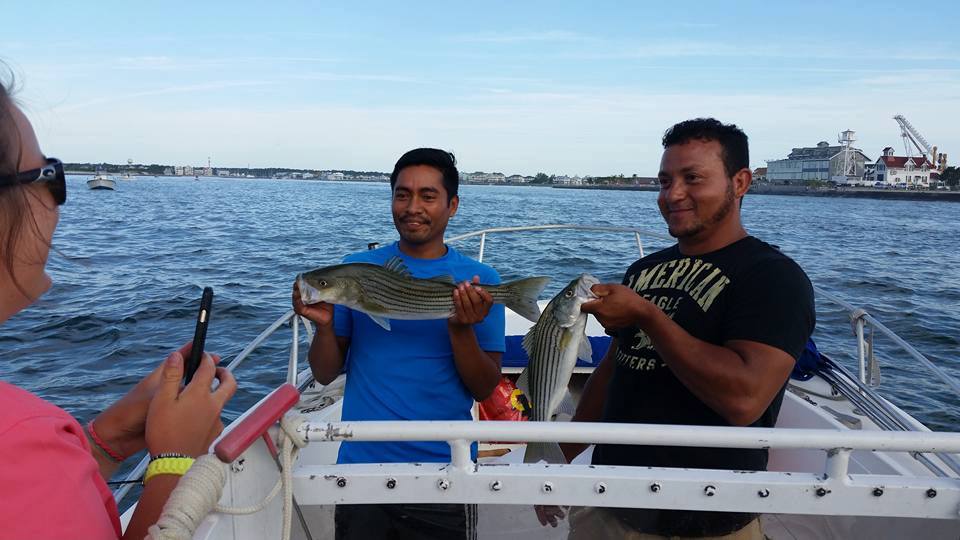
 Four-hour Atlantic Ocean fishing targeting multiple species